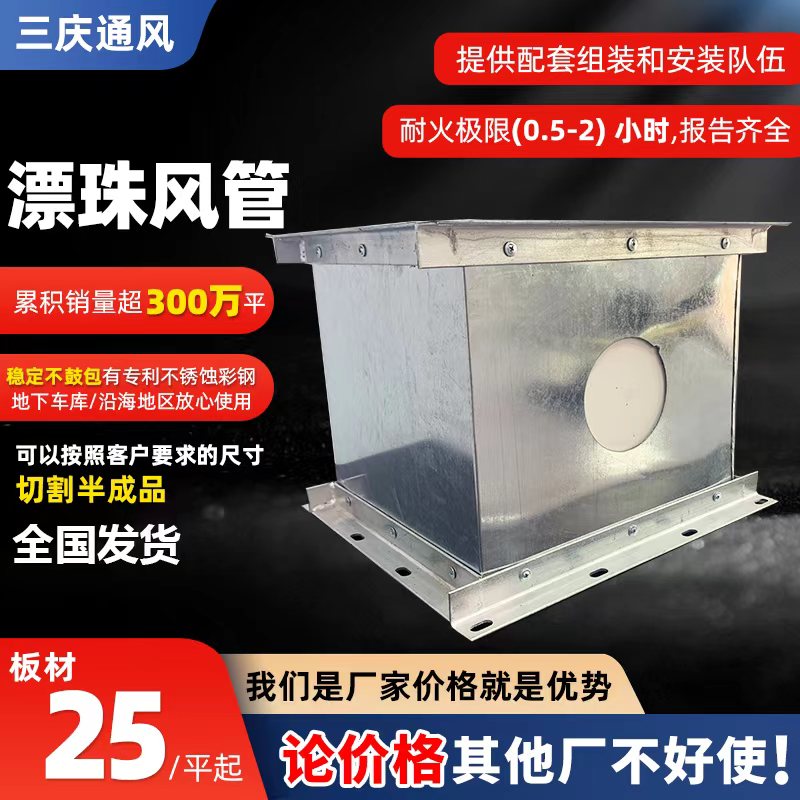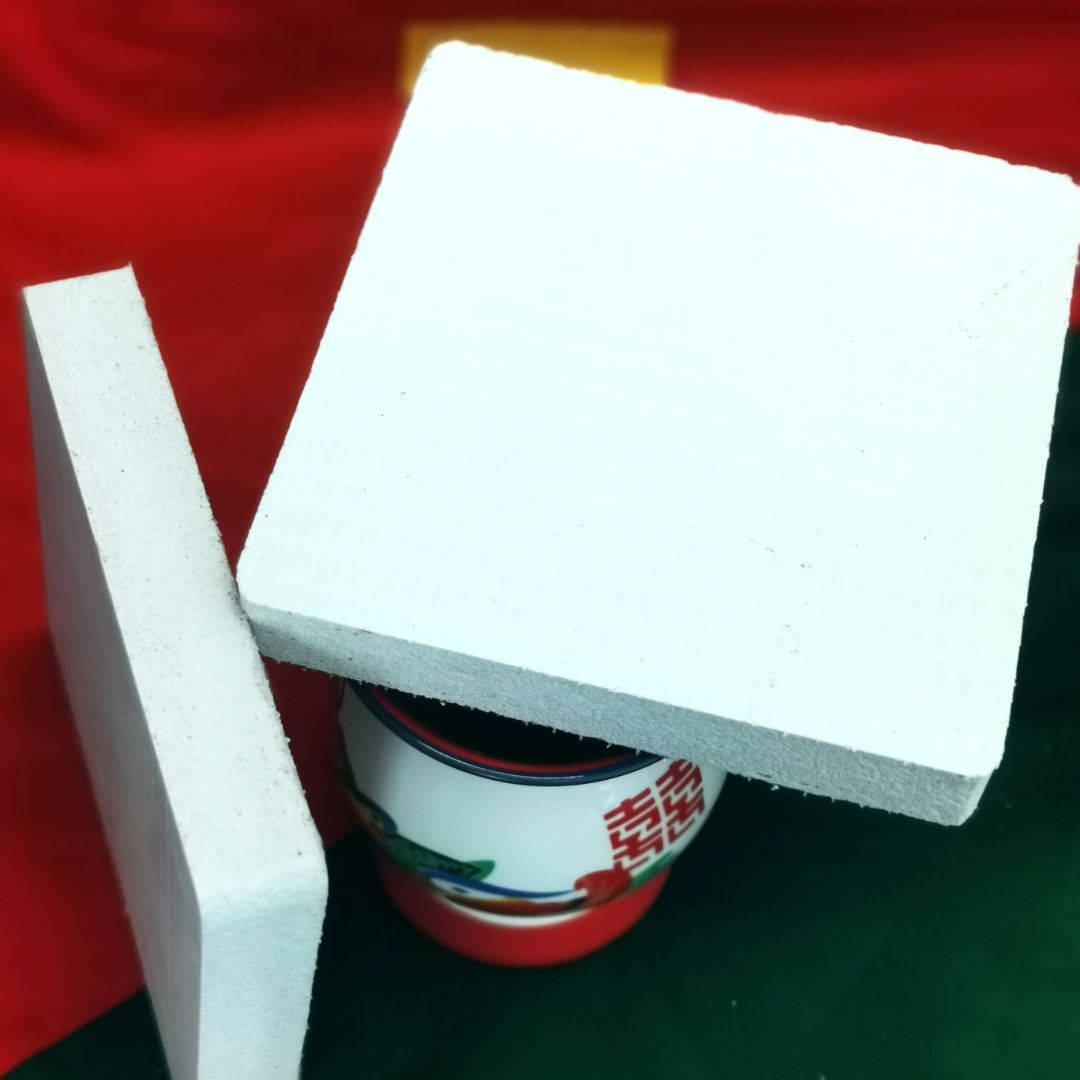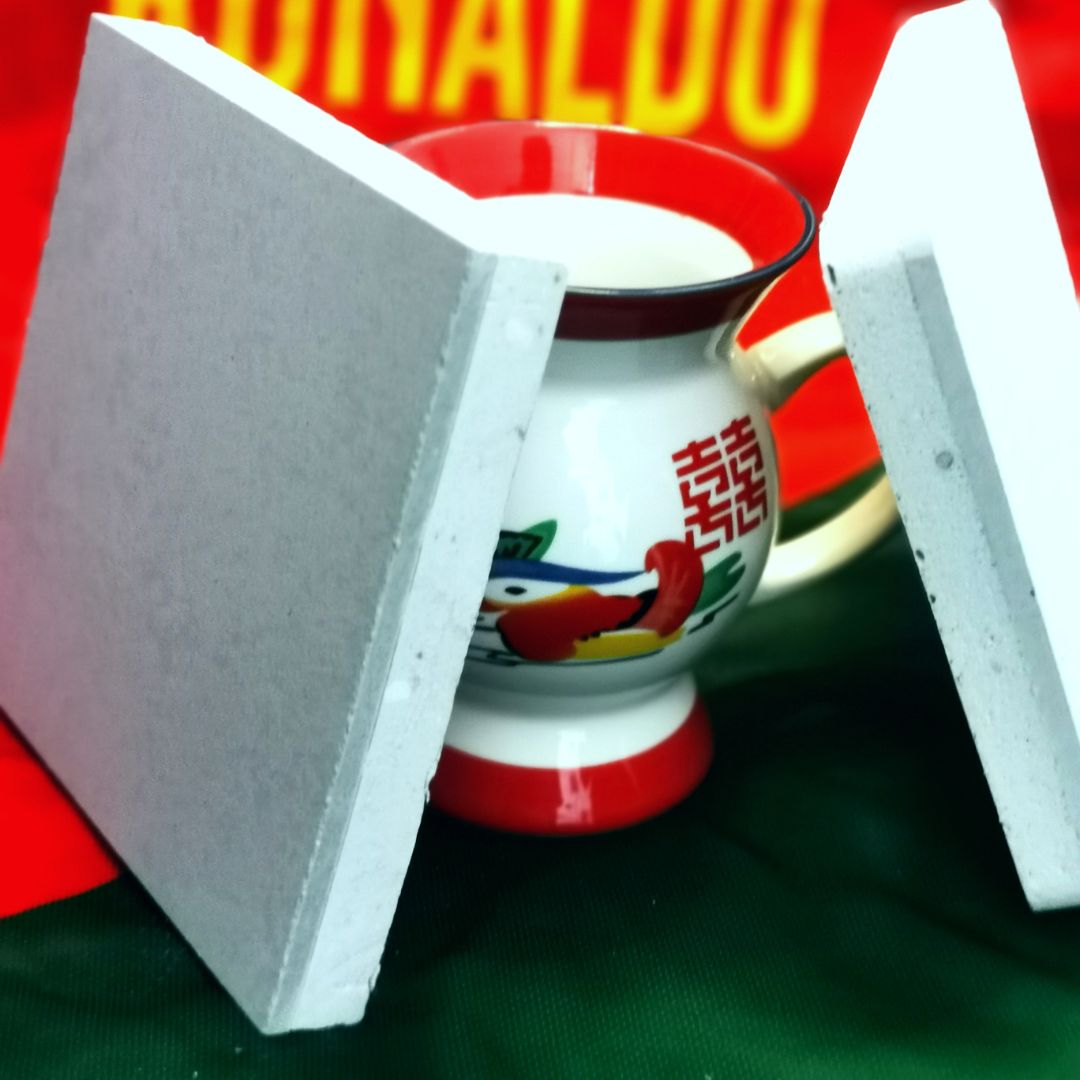

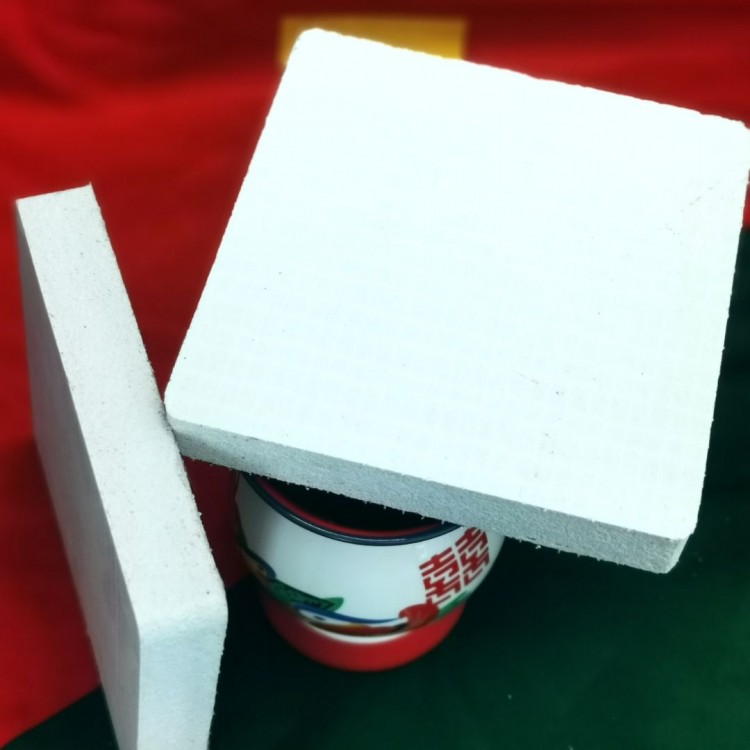
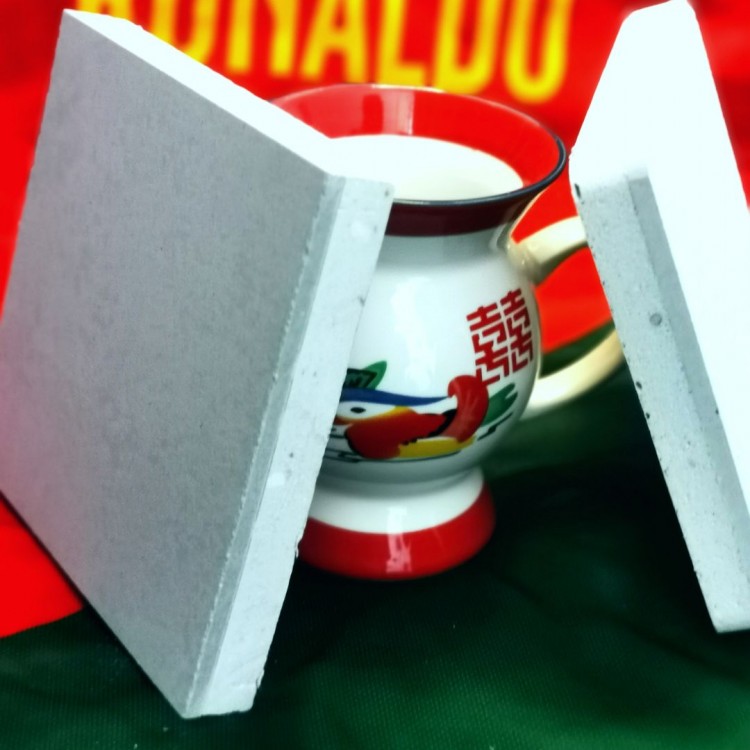










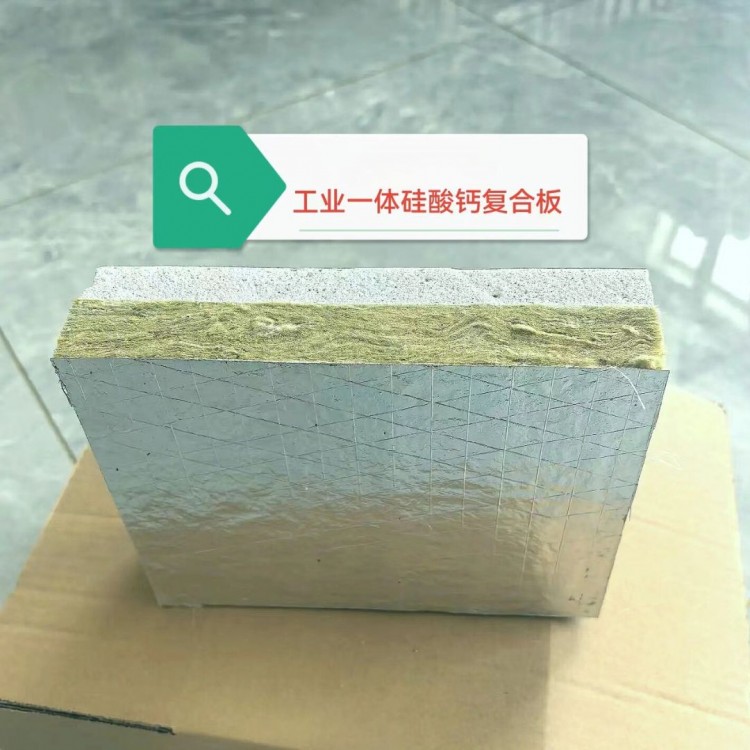
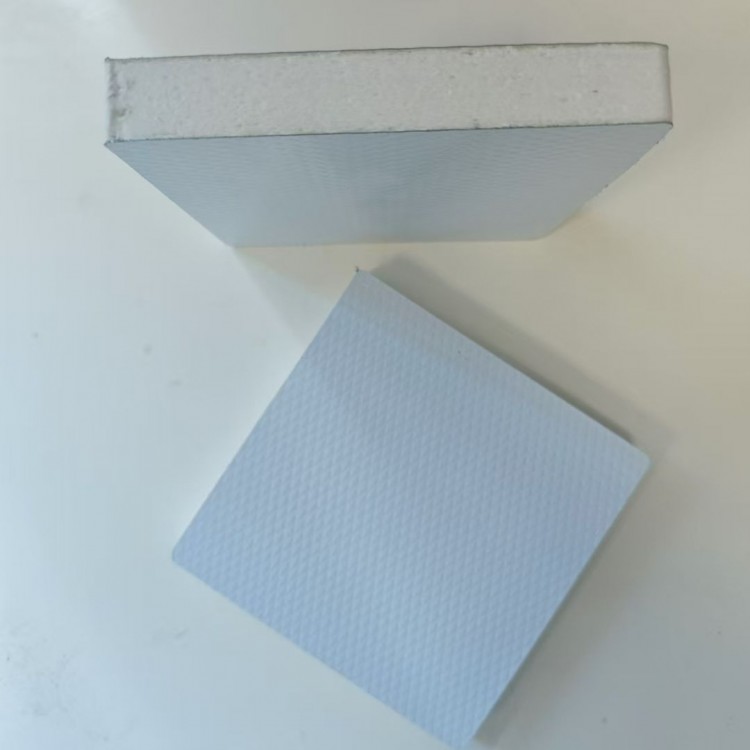
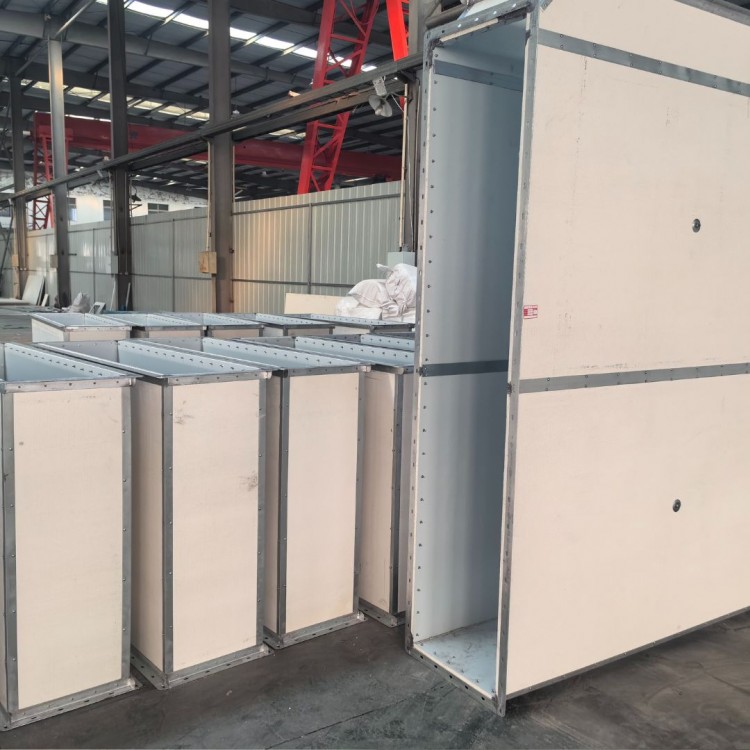
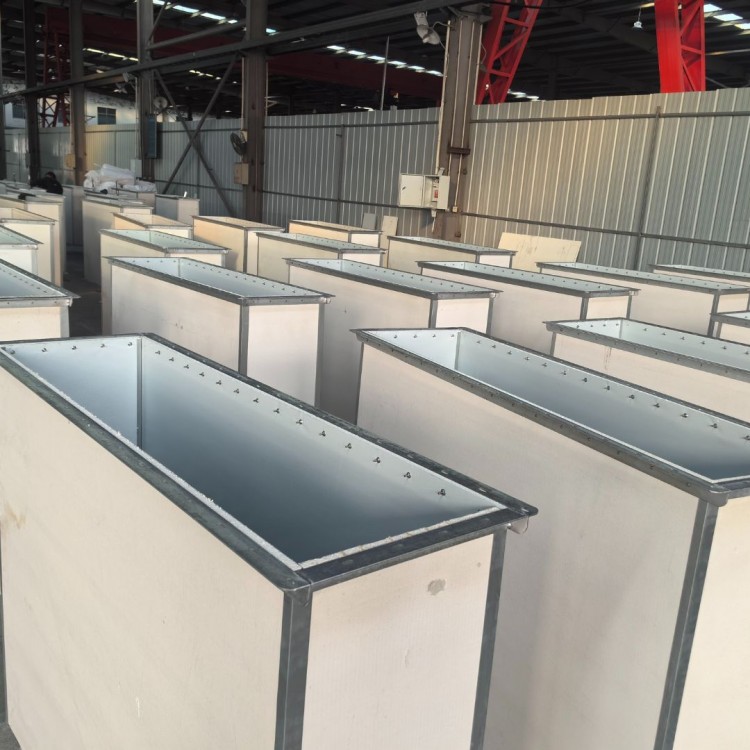

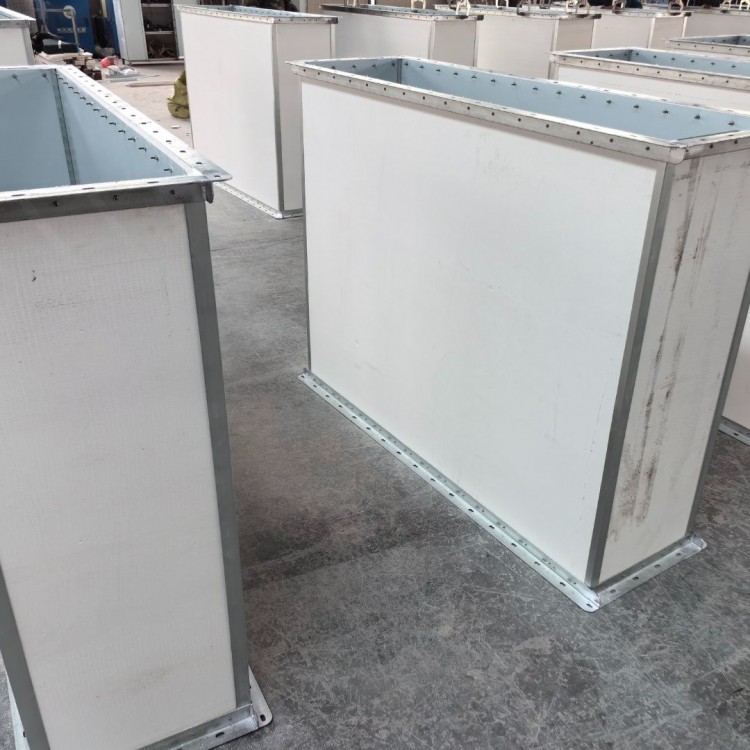
The working principle of expanded polystyrene boards primarily relies on the characteristics of expanded polystyrene, which include excellent thermal insulation, fire resistance, and heat insulation properties. Expanded polystyrene is a kind of fly ash hollow sphere that can float on the water surface, featuring grayish white, thin-walled, and lightweight. Its chemical composition is mainly composed of silicon dioxide and aluminum oxide, and it possesses multiple properties such as fine particles, hollowness, light weight, high strength, wear resistance, high-temperature resistance, thermal insulation, and flame retardancy. These properties make expanded polystyrene an ideal refractory material, widely used in the production of lightweight castables and in the field of oil drilling.
For the expanded polystyrene board, it is a completely new type of refractory and thermal insulation material, possessing three key properties: fire resistance, heat resistance, and insulation. This material is formed into spherical silicon-alumina beads during the combustion of clay-like substances in power plant boilers. The gases produced from the combustion and pyrolysis reactions rapidly expand within the molten silicon-alumina beads, creating hollow glass bubbles. These bubbles then cool and harden rapidly to become high-vacuum glassy hollow microspheres. This manufacturing process endows the expanded polystyrene board with excellent insulation properties, effectively preventing heat transfer while maintaining good fire and heat resistance.
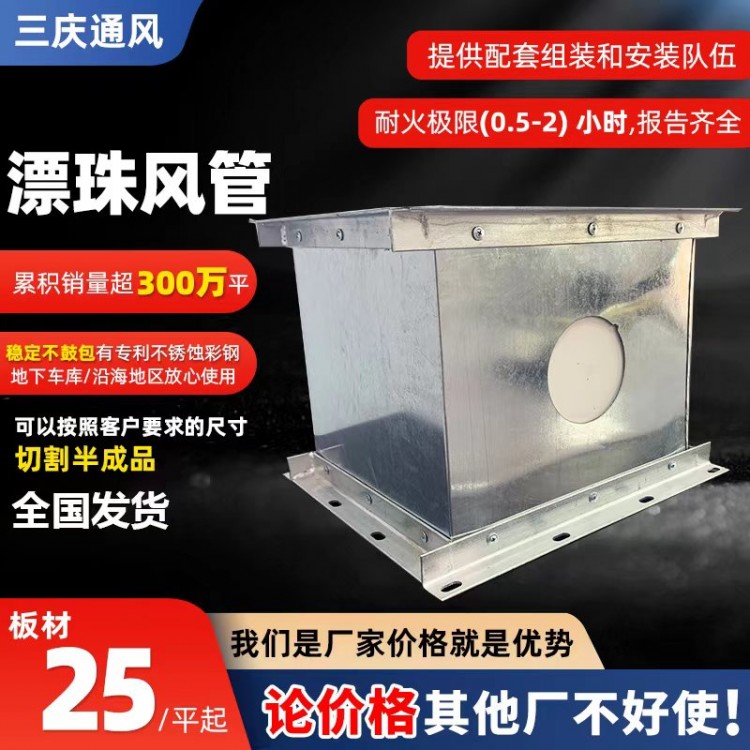
In addition, the expanded pearl board meets the requirements of GB/T17428-2009 for fire resistance and heat insulation integrity, truly achieving consistency between tested products and on-site construction materials. This makes it the core material for building smoke and exhaust ducts, widely used in applications requiring fire prevention, heat insulation, and fire resistance.