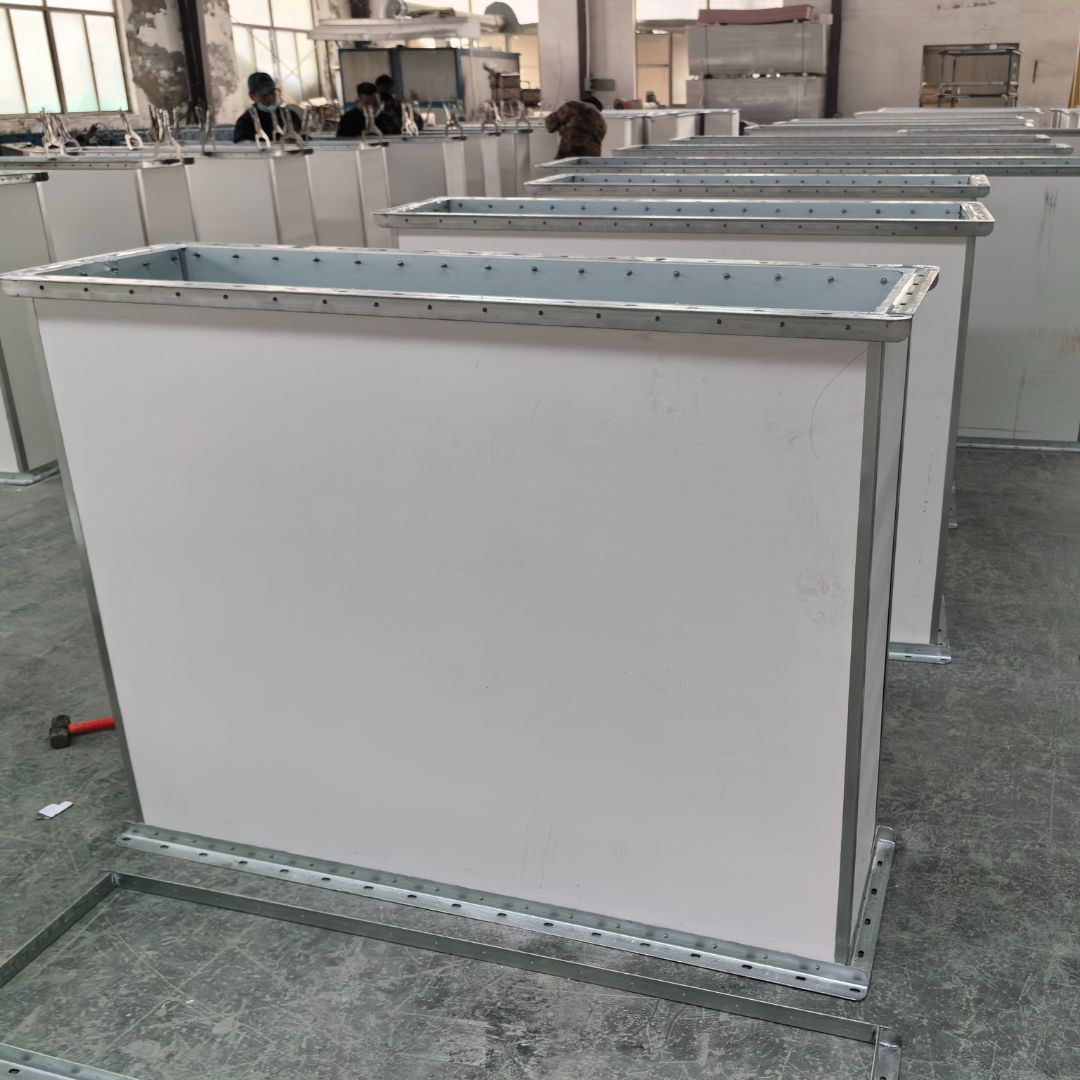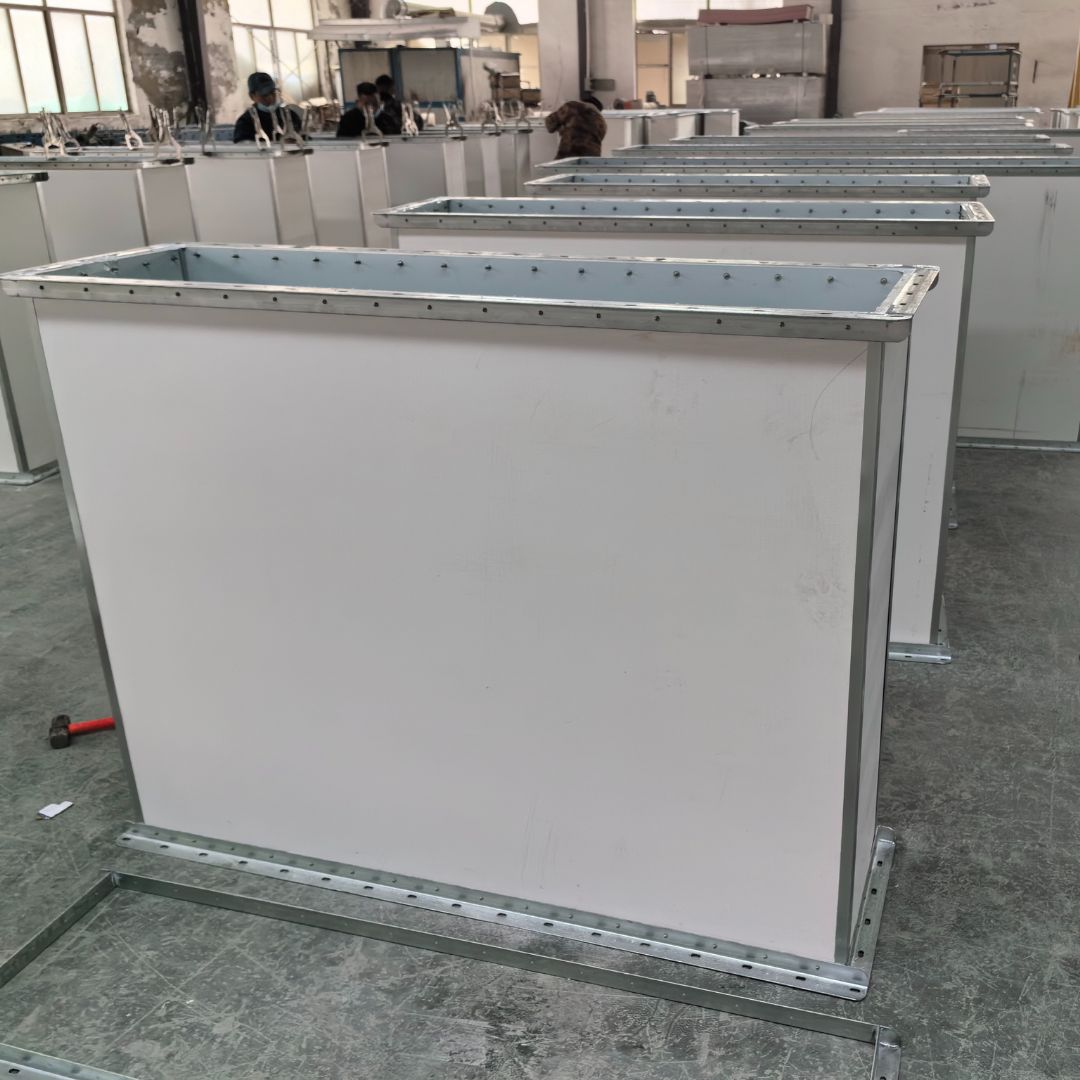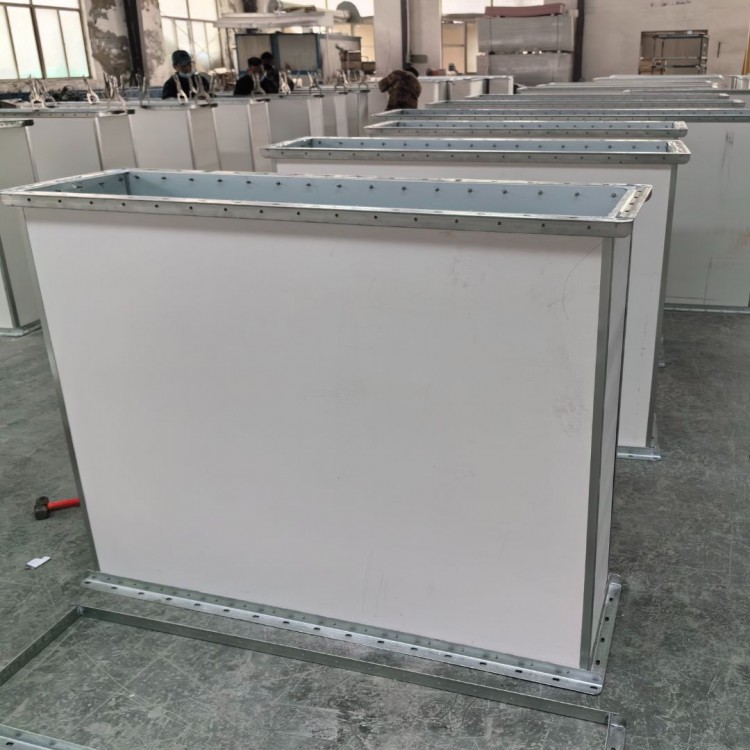











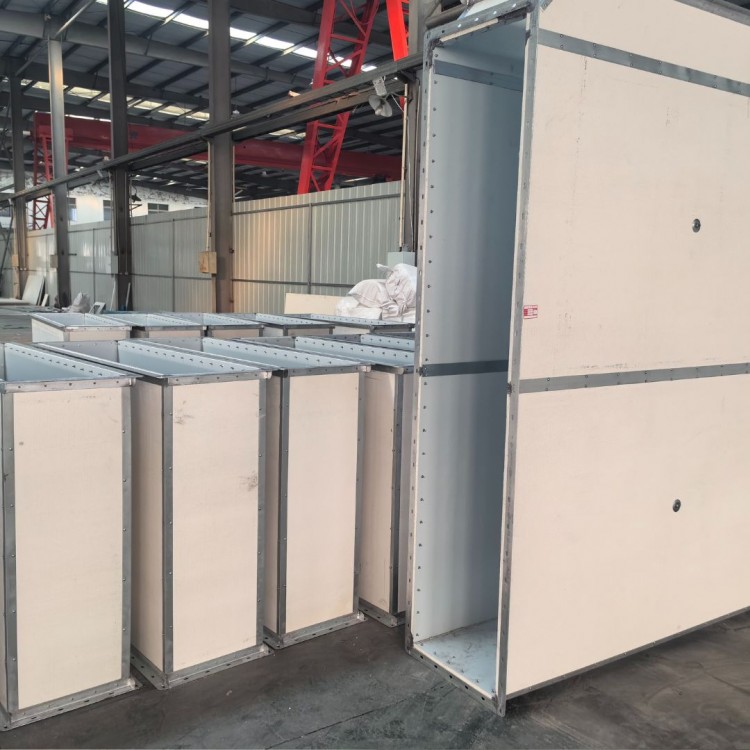
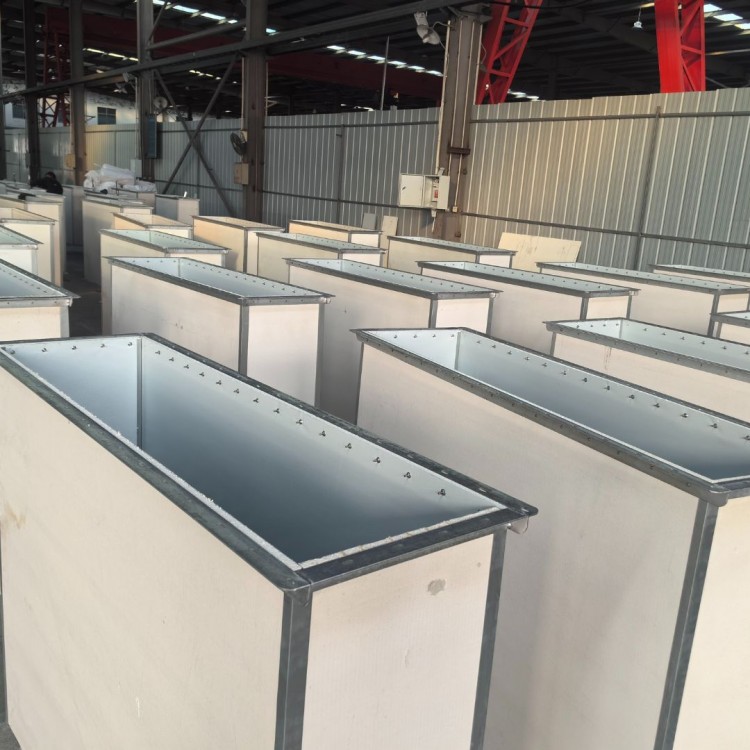
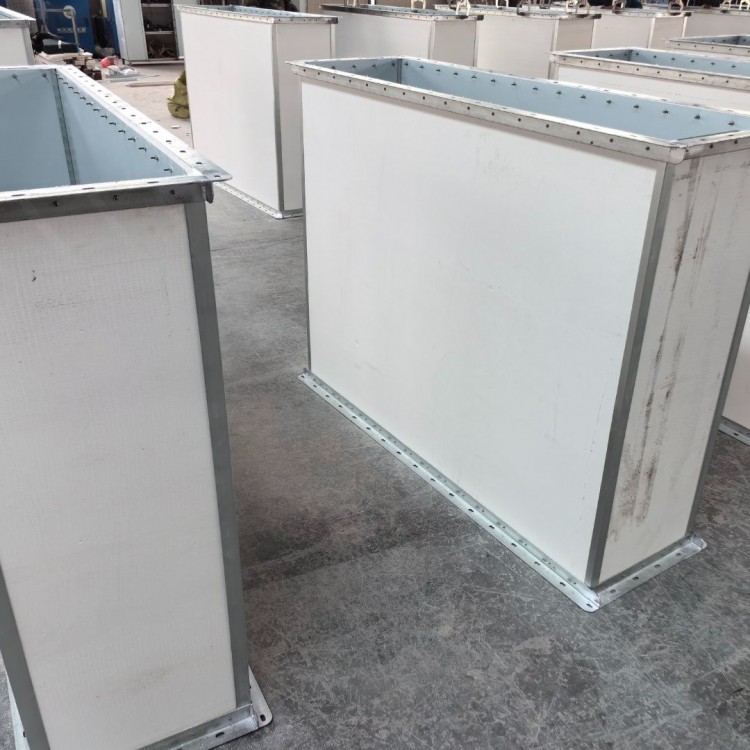
A steel-faced magnesium composite duct is a new type of air duct that integrates the metal layer, insulation layer, and fire-resistant layer into one. Its principle is mainly reflected in the following aspects:
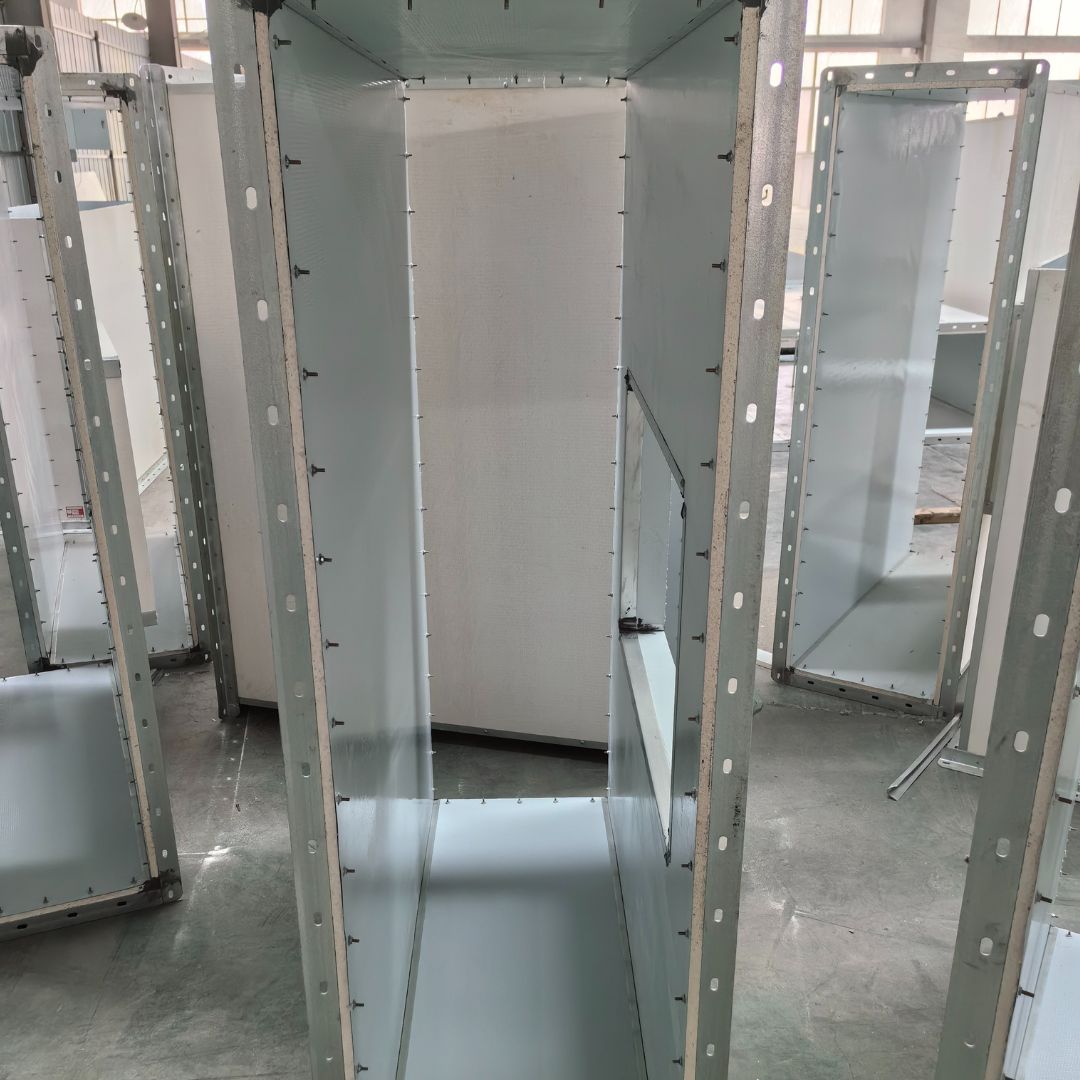
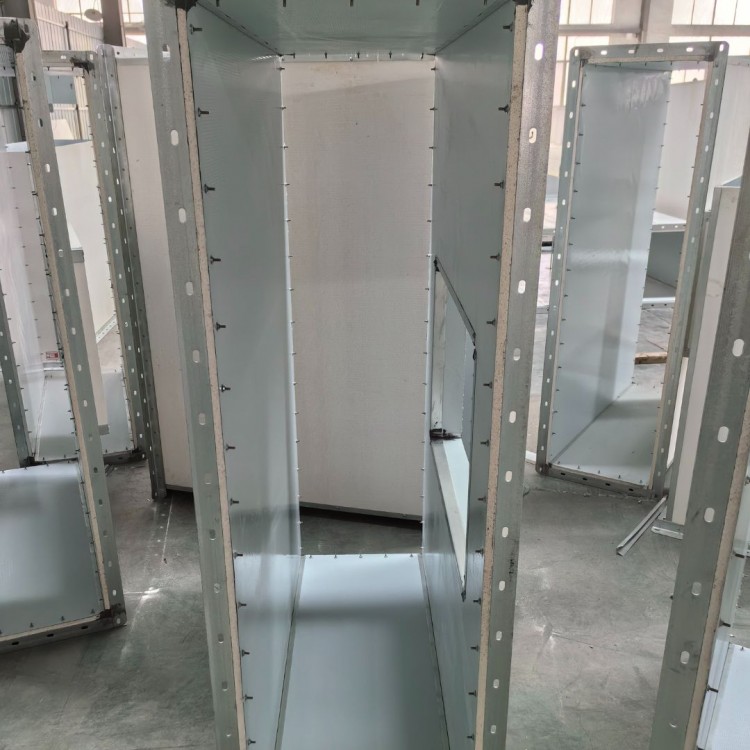
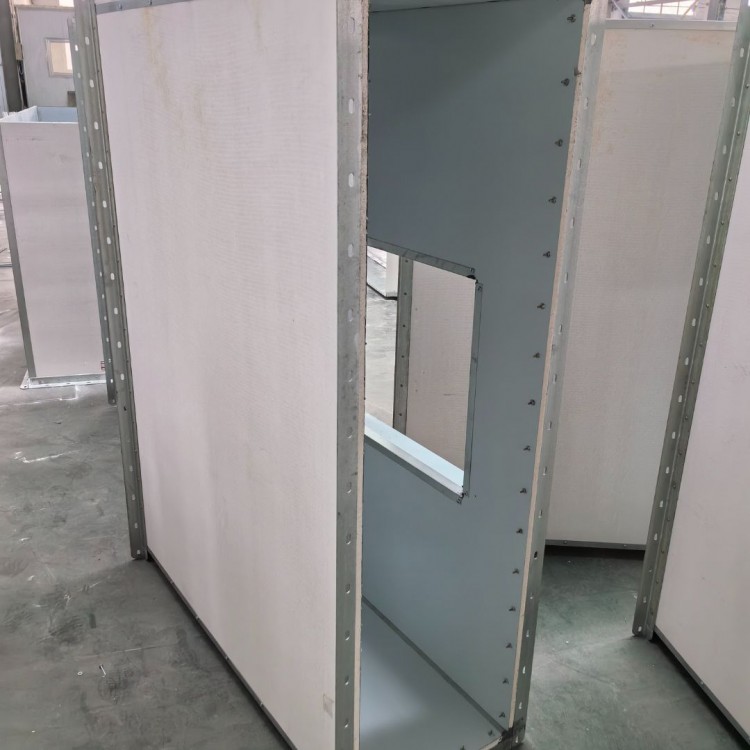
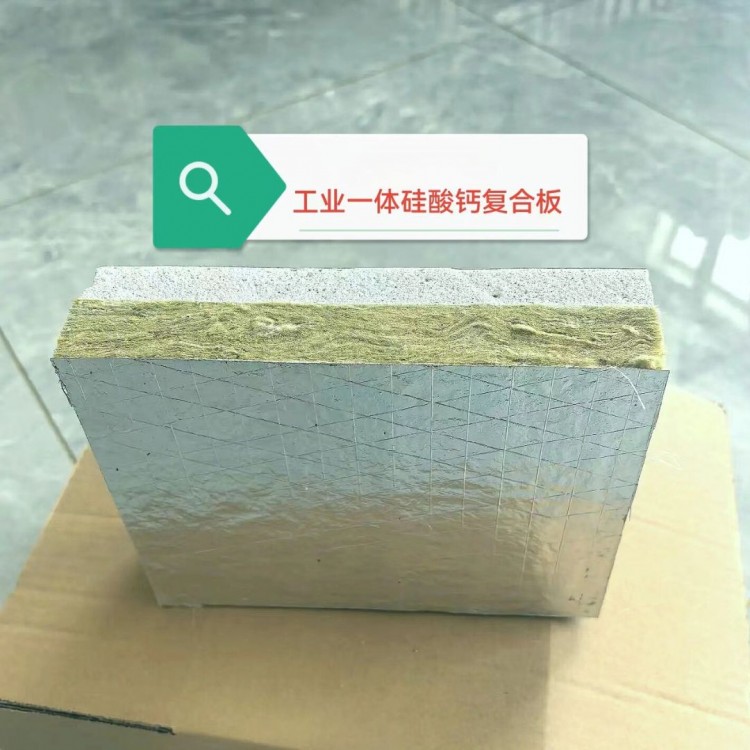
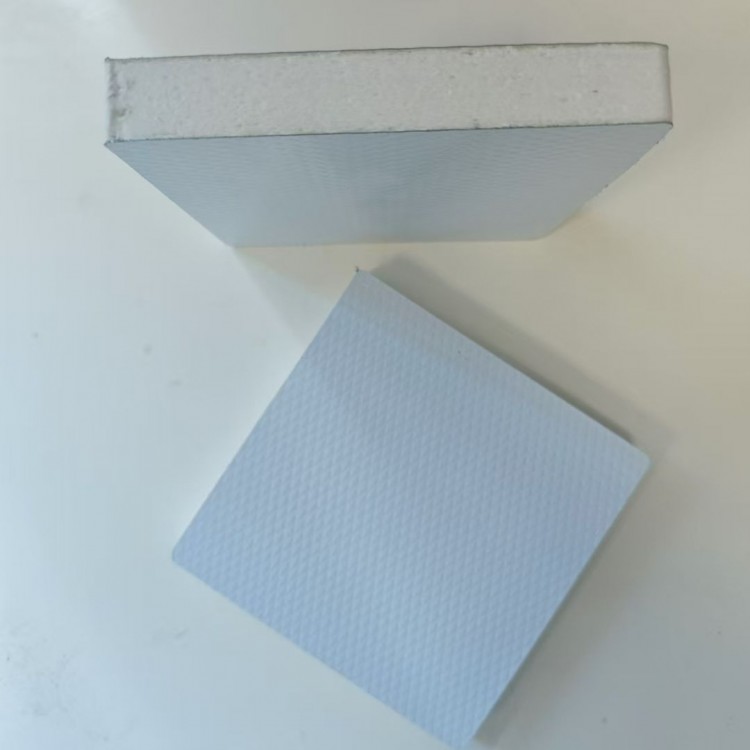
Structure Composition: The steel faced magnesium composite duct is primarily composed of two outer layers of color steel plates (or high corrosion-resistant metal plates, corrosion-resistant aluminum foil) and an inner layer of magnesium refractory material. This structure allows the duct to possess both the strength and corrosion resistance of metal, as well as the fire and heat insulation properties of magnesium materials._
Fire and Heat Insulation Performance: The fire and heat insulation layer in the duct combines the three properties of fire resistance, heat resistance, and heat insulation, representing a completely new type of fire and heat insulation material. This material enables the duct to maintain its fire resistance integrity for a longer period during a fire, preventing the spread of flames, and effectively blocking the transmission of heat.
Ease of Installation: The steel-faced magnesium composite ducts feature an integrated installation design, reducing the number of installation steps and improving efficiency. Additionally, the duct connection materials use special angle steel flanges, offering extreme connection strength and ease of installation._
Energy-saving and Environmental Protection: With excellent thermal insulation properties, the ductwork effectively prevents heat transfer, thereby reducing energy waste. Additionally, the inner and outer walls of the ductwork are made of high-corrosion-resistant materials, extending the service life and reducing the frequency of replacement and maintenance, further embodying the concept of energy-saving and environmental protection.
Widely Applied: Steel-faced magnesium composite ducts, due to their superior performance, are extensively used in ventilation and air conditioning systems of commercial buildings, industrial factories, residential communities, and public facilities. They not only enhance ventilation efficiency and reduce energy consumption and maintenance costs but also effectively improve indoor air quality.