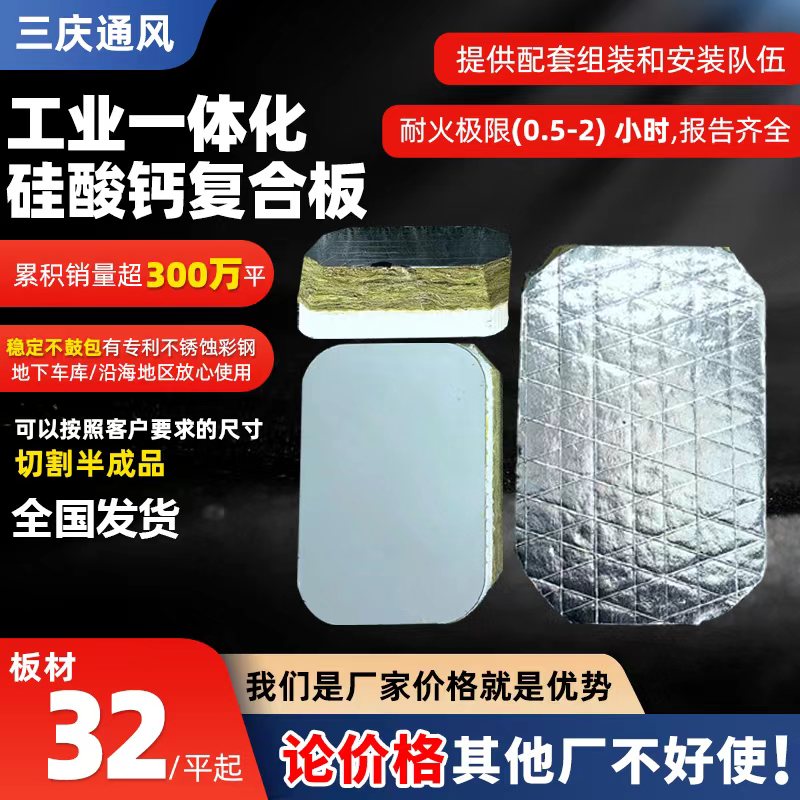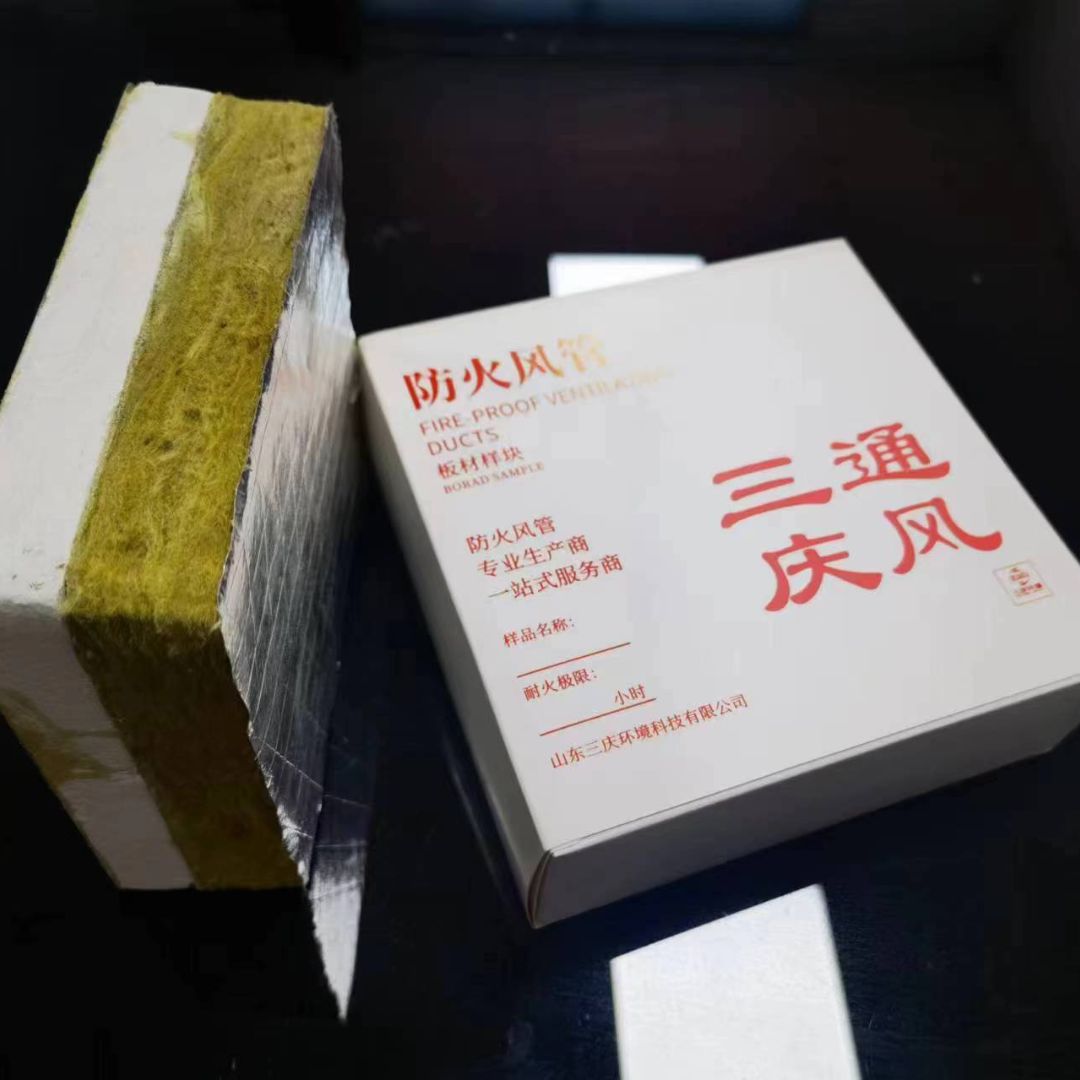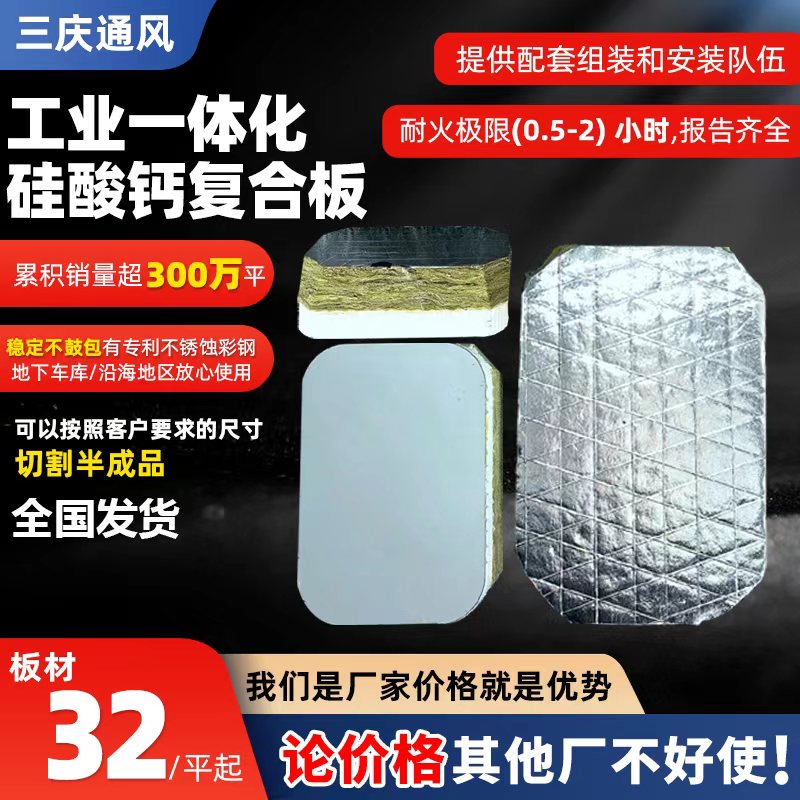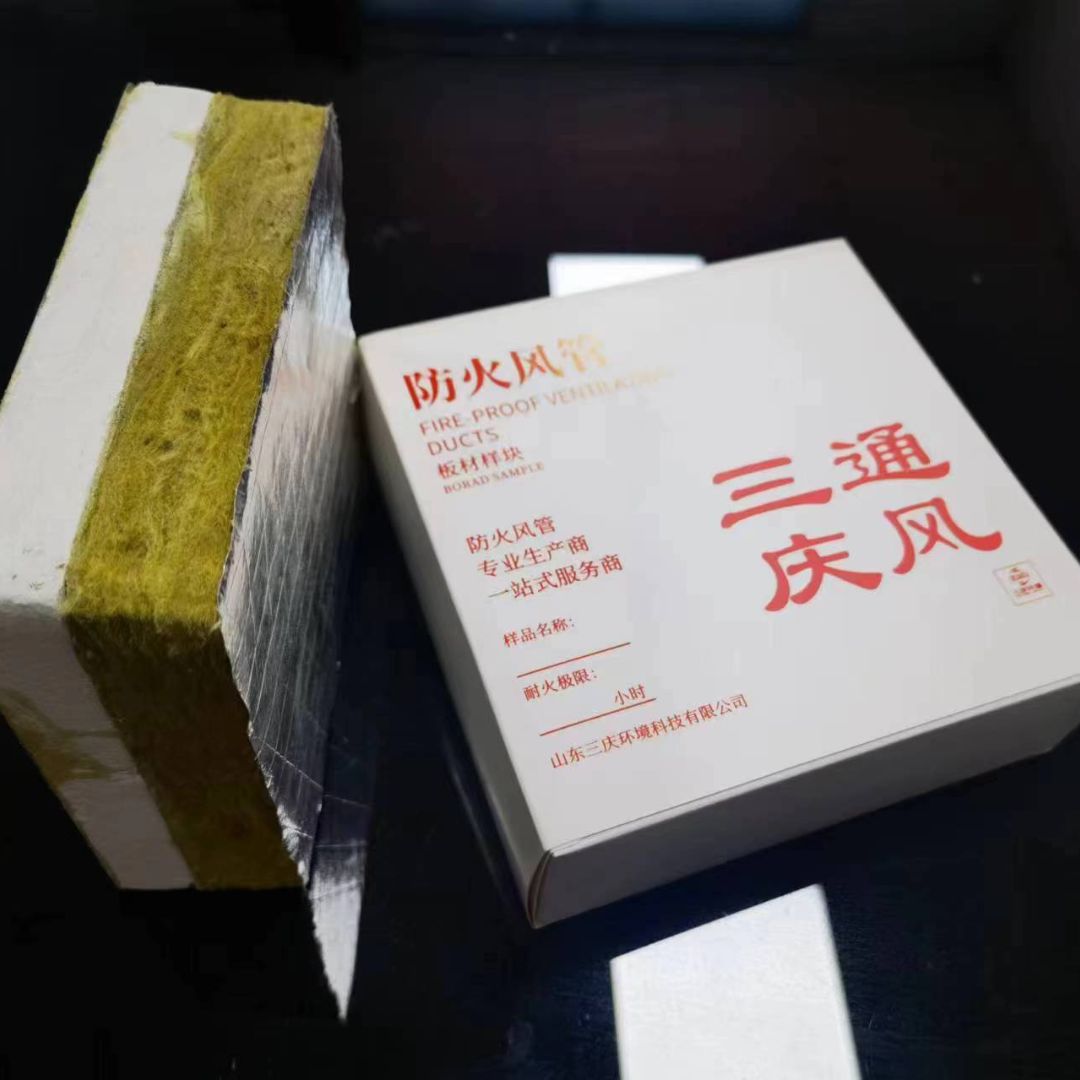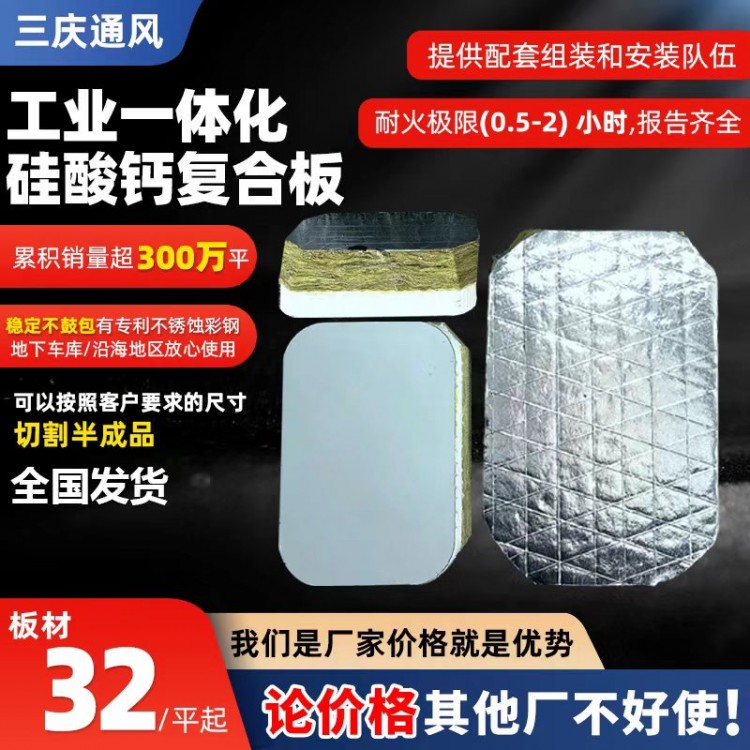

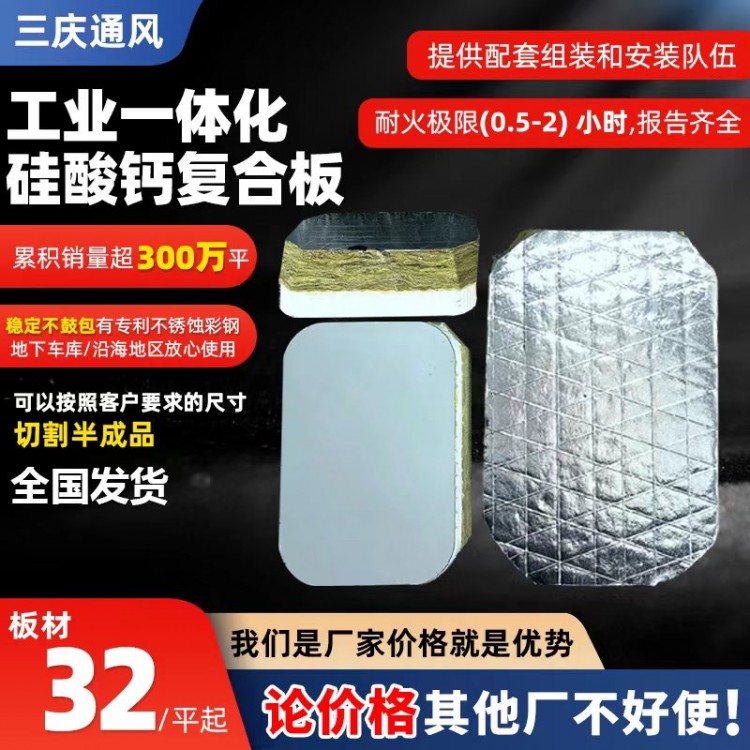
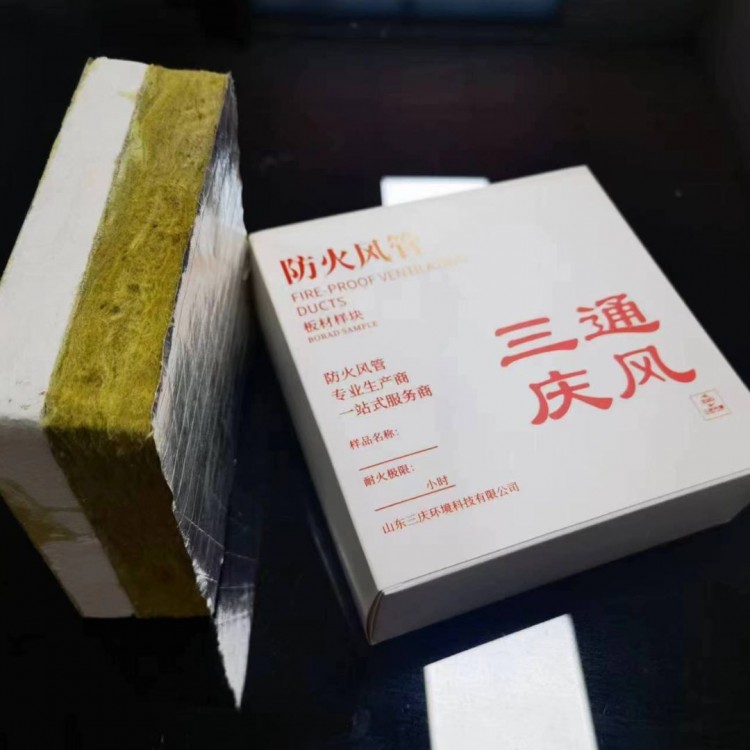
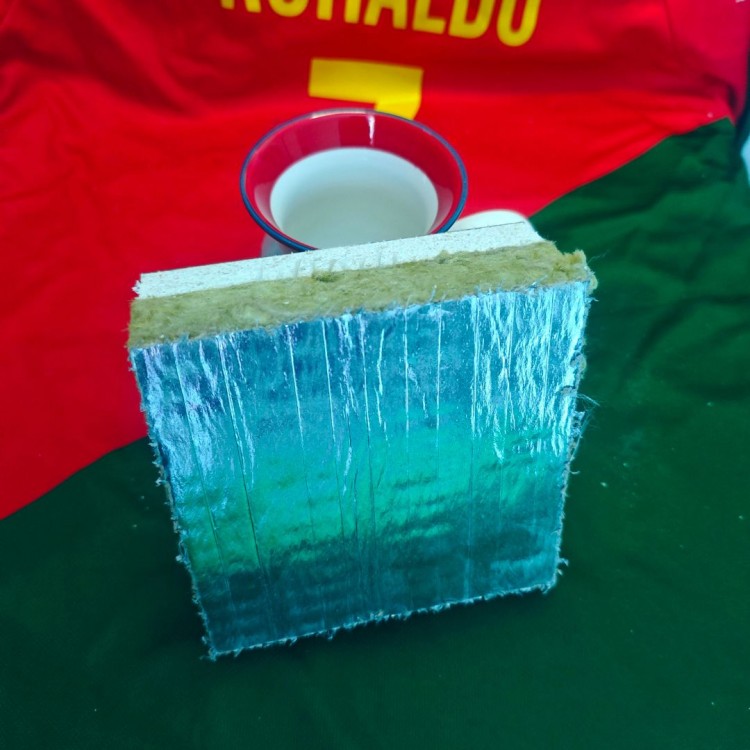










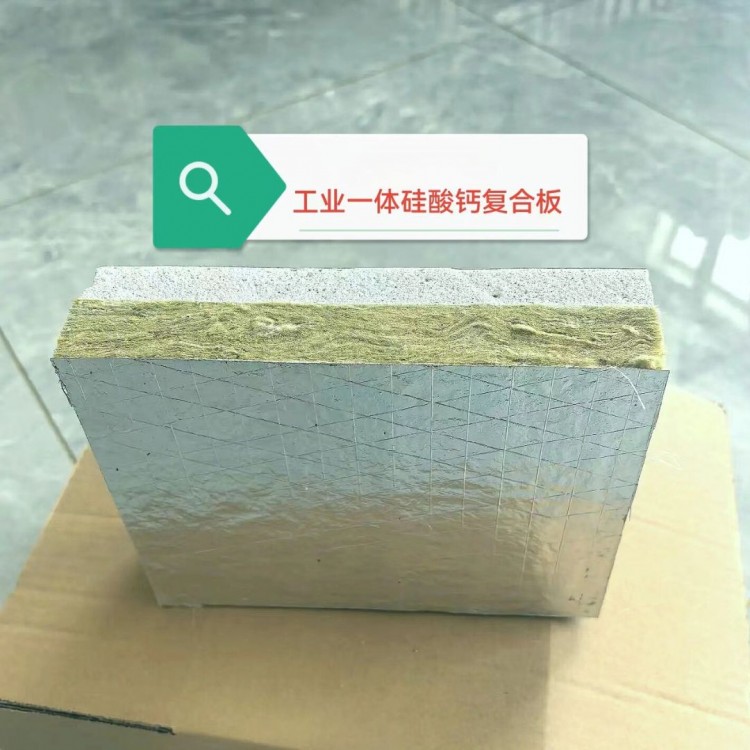
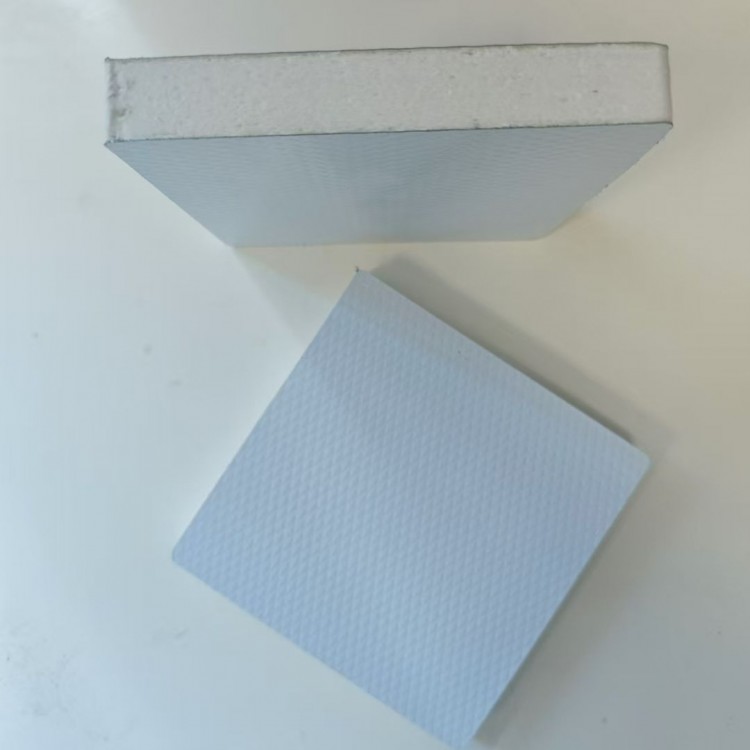
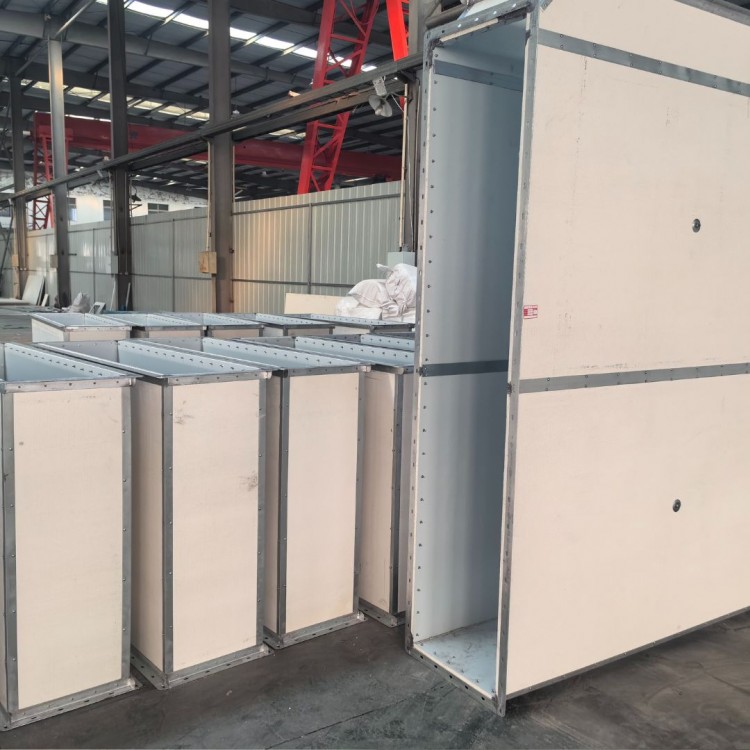
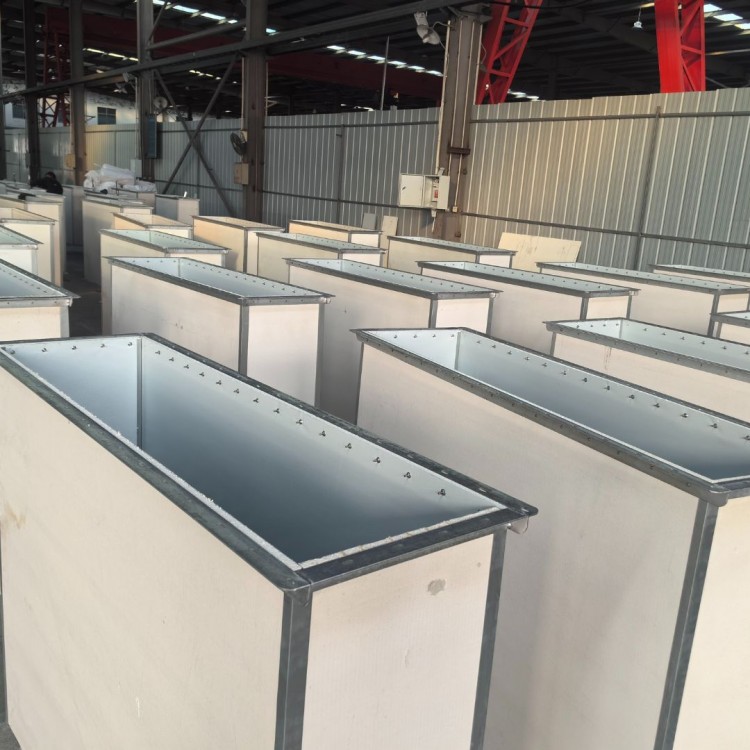

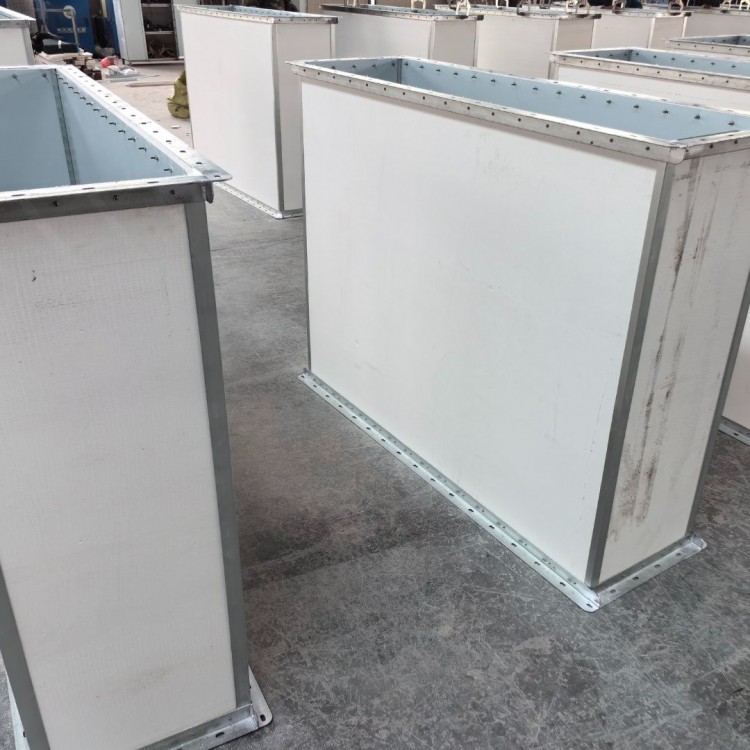
The principle of industrial integrated calcium silicate composite board primarily involves the combination of siliceous materials, calcareous materials, and reinforcing fibers, manufactured through specific process techniques. The raw materials for this board include siliceous materials (such as quartz powder, diatomite, etc.), calcareous materials (such as cement, lime, etc.), and reinforcing fibers (such as pulp fibers, glass fibers, asbestos, etc.). After processes like pulping,坯体 forming, steam curing, and surface sanding, these materials form a lightweight board. The ratio of raw materials and the control of steam curing are the technical keys in the production process. Under high temperature and pressure conditions, siliceous and calcareous materials react to form tobermorite crystals, which have extremely stable properties. Therefore, calcium silicate boards are characterized by fire resistance, moisture resistance, durability, low deformation rate, and good thermal insulation. These characteristics make calcium silicate boards particularly suitable for use as interior wall panels and ceiling boards in construction, as well as for various other applications.
During the manufacturing process of calcium silicate boards, silicon and calcium materials react to form tobermorite crystals under high temperature and pressure conditions. The stability of these crystals imparts excellent physical and chemical properties to the calcium silicate boards. The addition of reinforcing fibers enhances the structural strength and durability of the boards. By controlling the raw material ratios and curing conditions, calcium silicate boards that meet specific application requirements can be produced. These boards are not only widely used in the construction industry but also play a crucial role in other fields, such as integrated industrial applications. Due to their superior fire-resistant, moisture-proof, and insulating properties, they are considered ideal industrial materials.