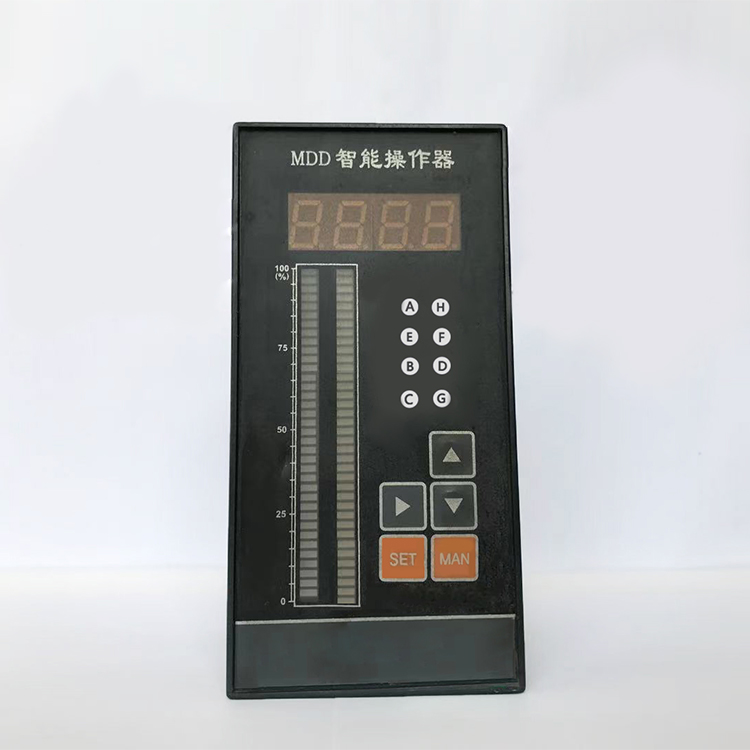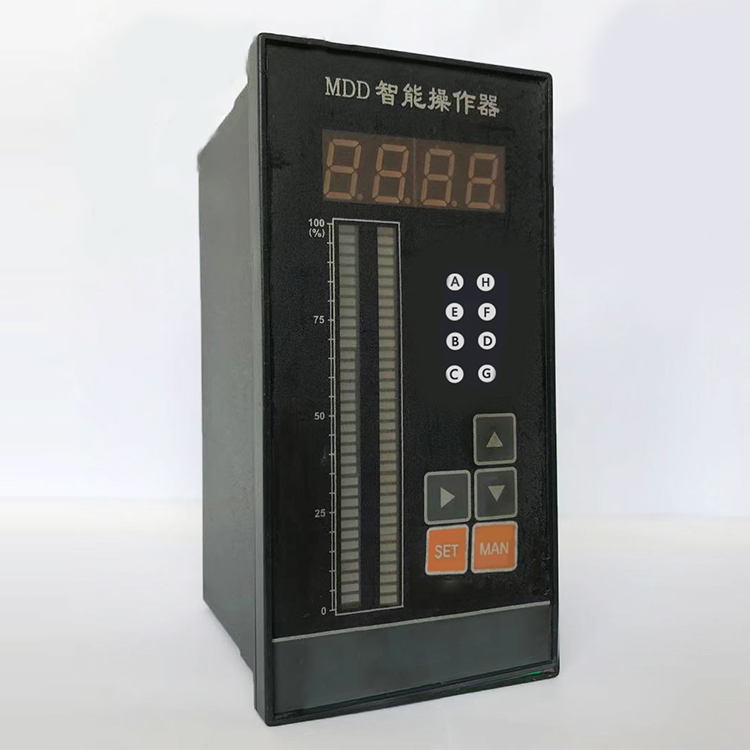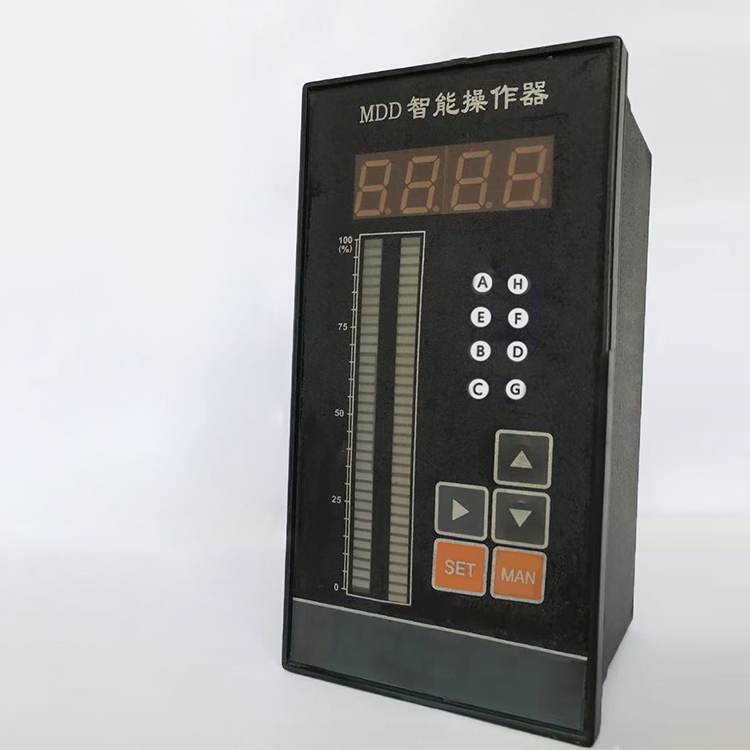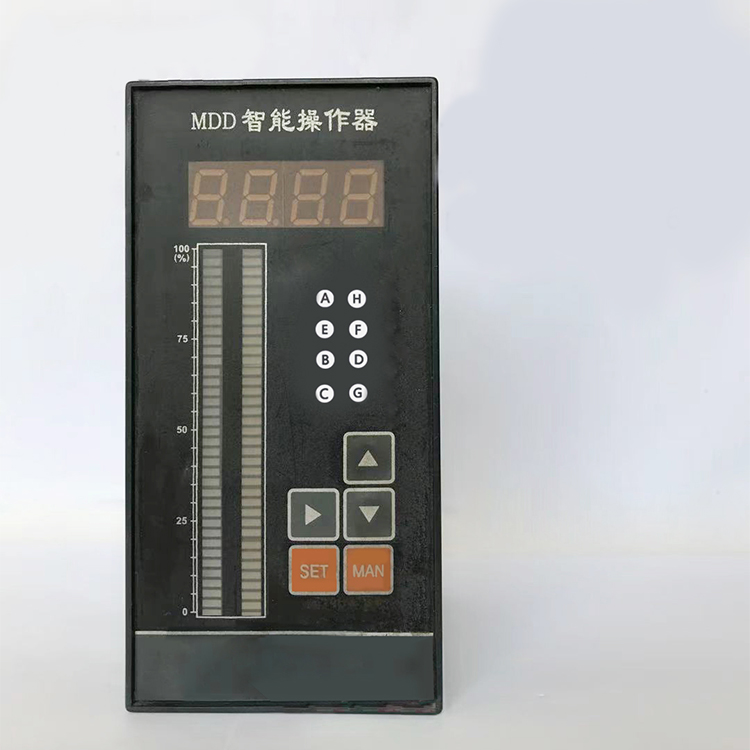

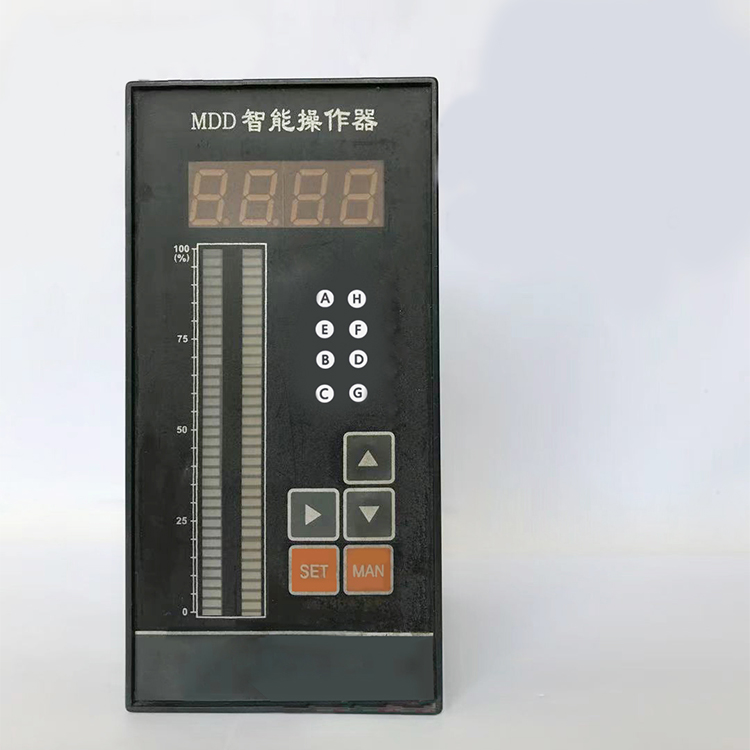
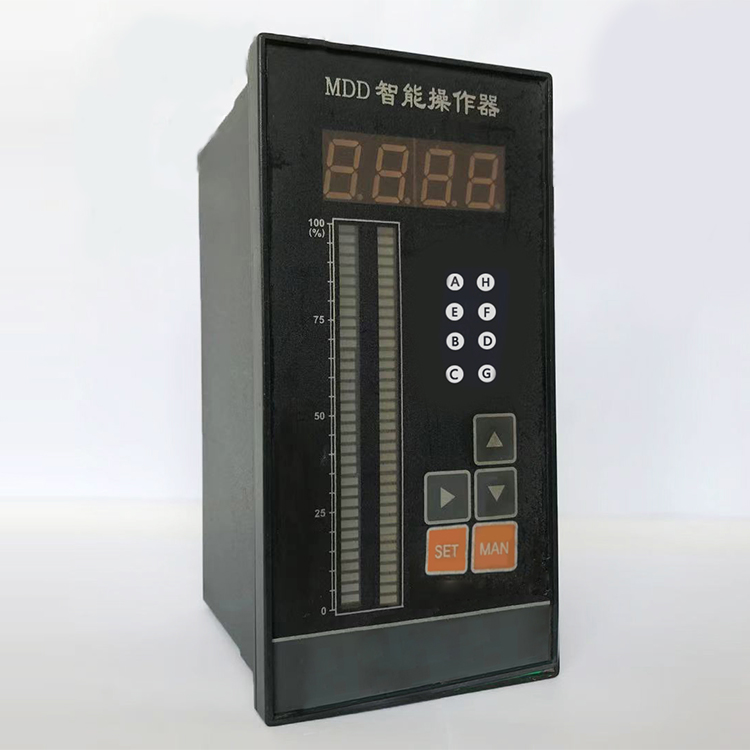
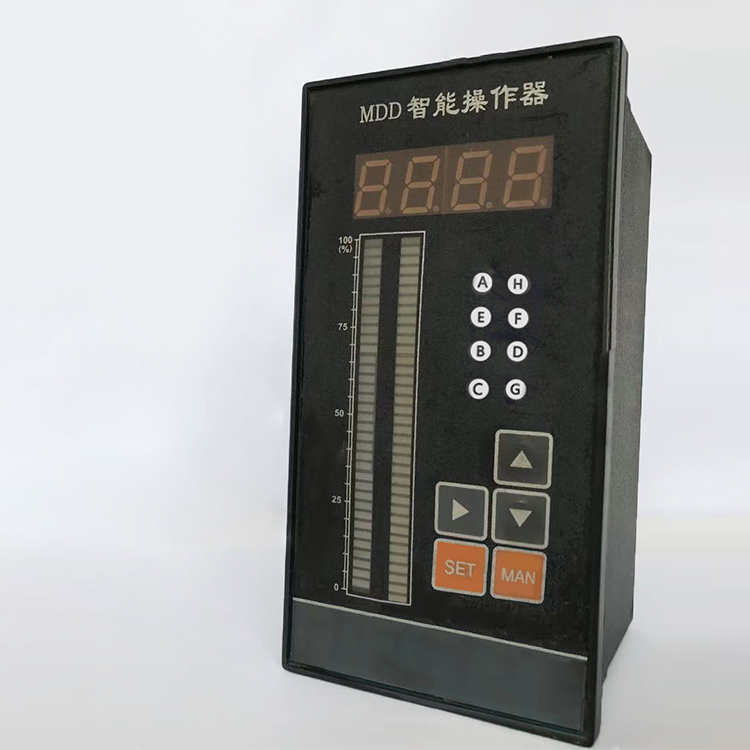







operator
Operators are used to directly drive (or electrically drive pneumatic) actuators, and can generally be divided into hard hand operations and soft hand operations. Hard hand operation refers to button operation (outputting strong electricity) that directly drives the actuator, while soft hand operation refers to button operation that outputs (electrical) signals through another device (usually an amplifying device) to drive the actuator.
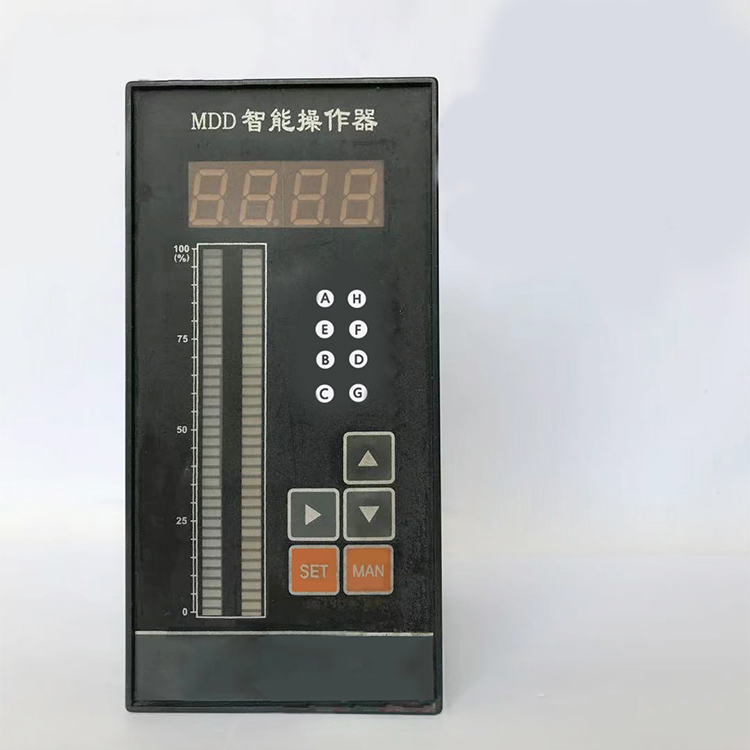
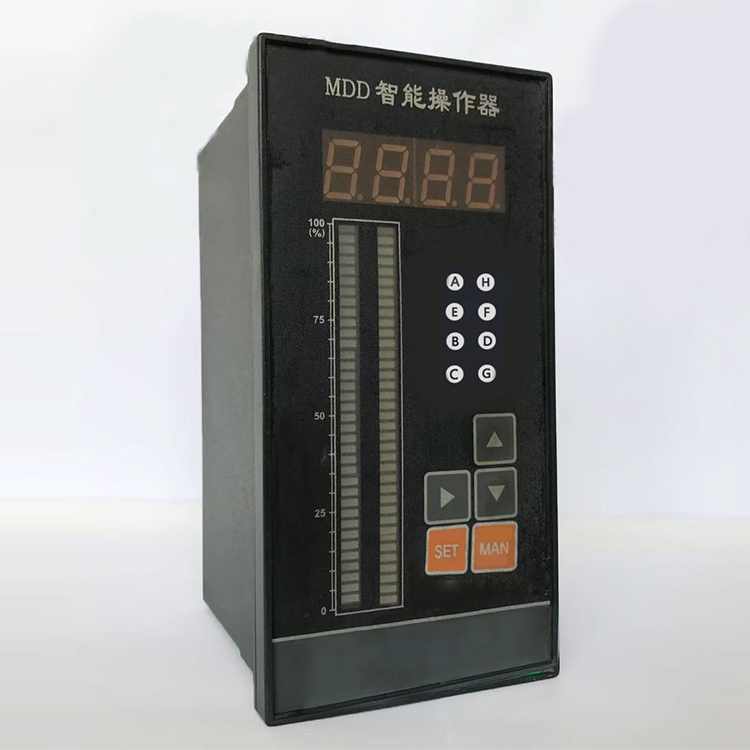
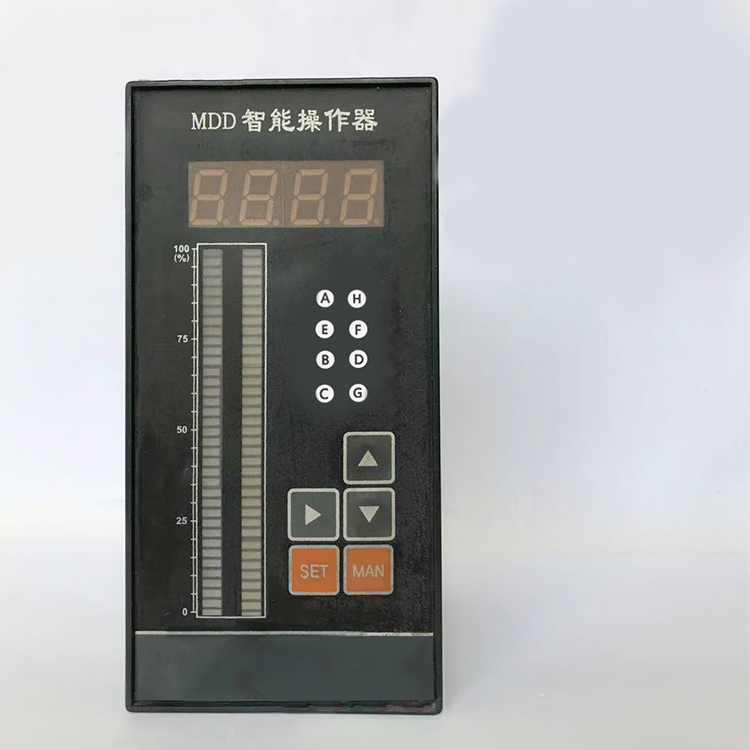
The basic components of the manipulator include a dual needle header, an increase/decrease button, and a hand/Automatic button, status indicator light, etc.
structure
Operators are used to directly drive (or electrically drive pneumatic) actuators, and can generally be divided into hard hand operations and soft hand operations. Hard hand operation refers to button operation (outputting strong electricity) that directly drives the actuator, while soft hand operation refers to button operation that outputs (electrical) signals through another device (usually an amplifying device) to drive the actuator.
The basic components of the manipulator include a dual needle header, an increase/decrease button, and a hand/Automatic button, status indicator light, etc.
Basic functions:
After power on, it is in manual mode. Pressing the increase/decrease button drives the valve switch. When connected to pneumatic and electric actuators and regulators, it can form a display operating system.
There are indicator lights that can display the automatic and manual status of the system.
When used in conjunction with a regulator, it can achieve worry free bidirectional switching.
The operator is equipped with a dual needle meter head, which indicates the input and output values of the operator separately at the top and bottom. The two indicator lights have three status indications: green light in automatic mode, red light in manual mode, and flashing red light in forced manual mode.
Features and Applications
More advanced operators can accept external switch signals to automatically switch from automatic to manual operation, called forced manual. When the external signal is released, it can return to its original state, and both manual states of the operator (manual and forced manual) can generate status signals to be input to the regulator, so that its output tracks the output of the operator. The two manual states of the operator are operated through the same up and down buttons to avoid accidental operation.
Widely used in process control systems in industries such as power, metallurgy, petroleum, chemical, and light industry.
operator
Basic performance of the operator
The valve operator with operation output function has two types: current output and relay output.
The current output type is suitable for valves that accept 4-20mA signals, and the operator outputs 4-20mA signals corresponding to the valve opening.
The relay output line is suitable for valves without servo amplifiers that can directly control the opening through forward and reverse rotation.
Related models: SFDH-3313NN/Z SFDB-331221/Z SFDB-331241/Z SFDB-3313NN/Z