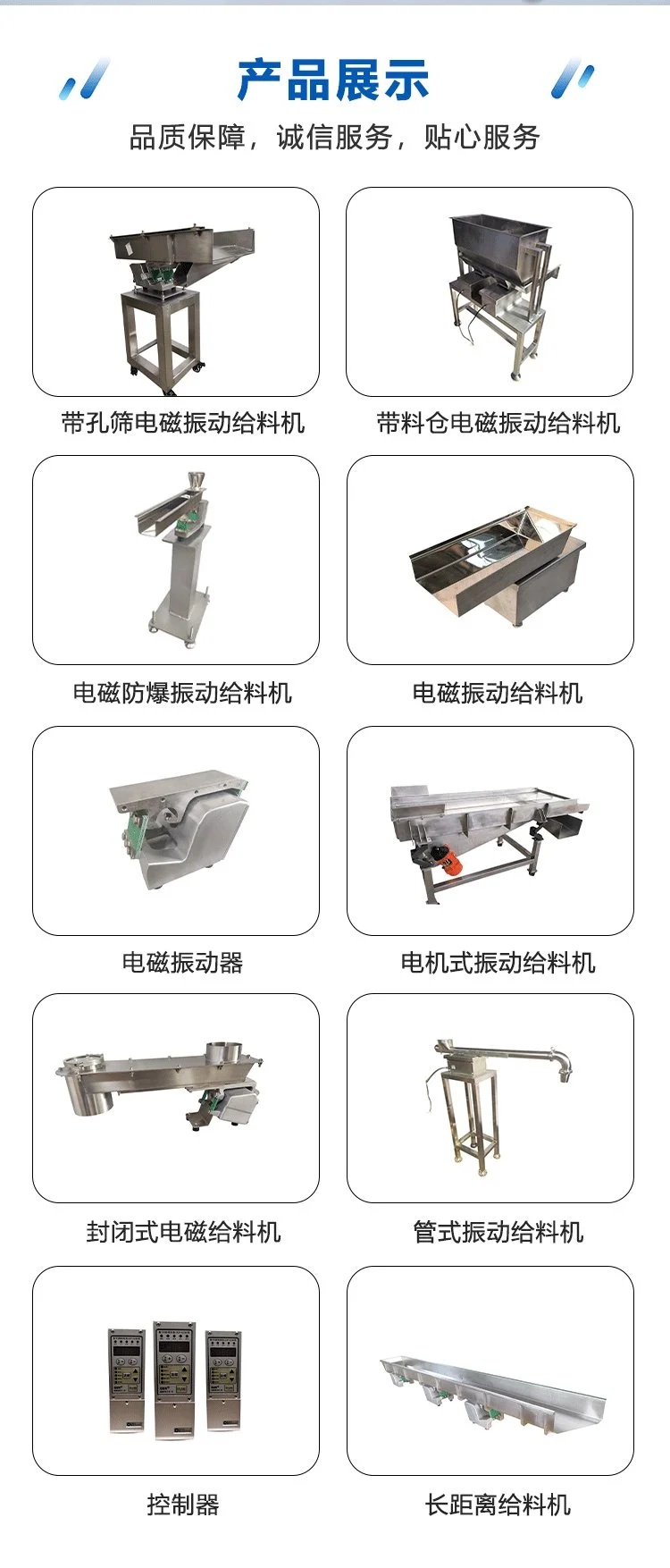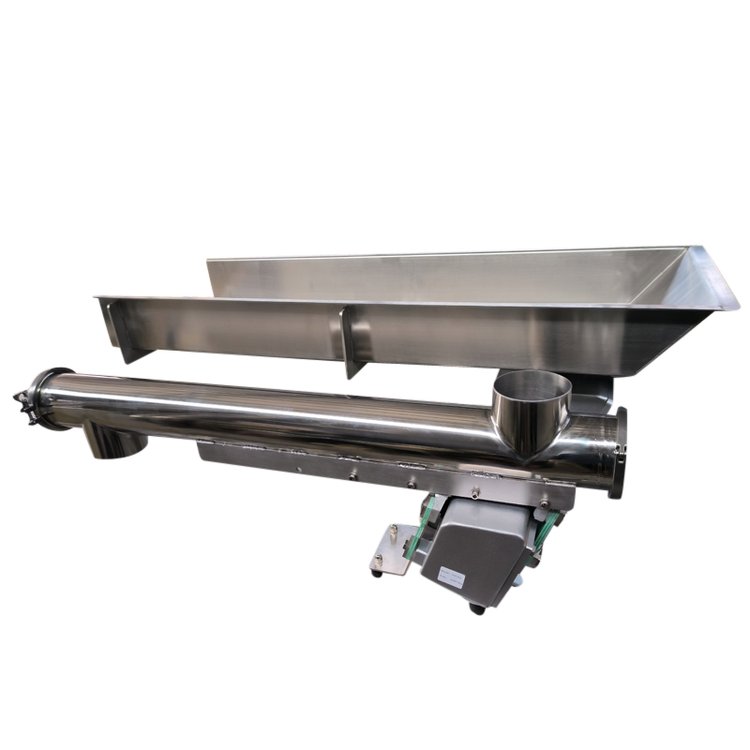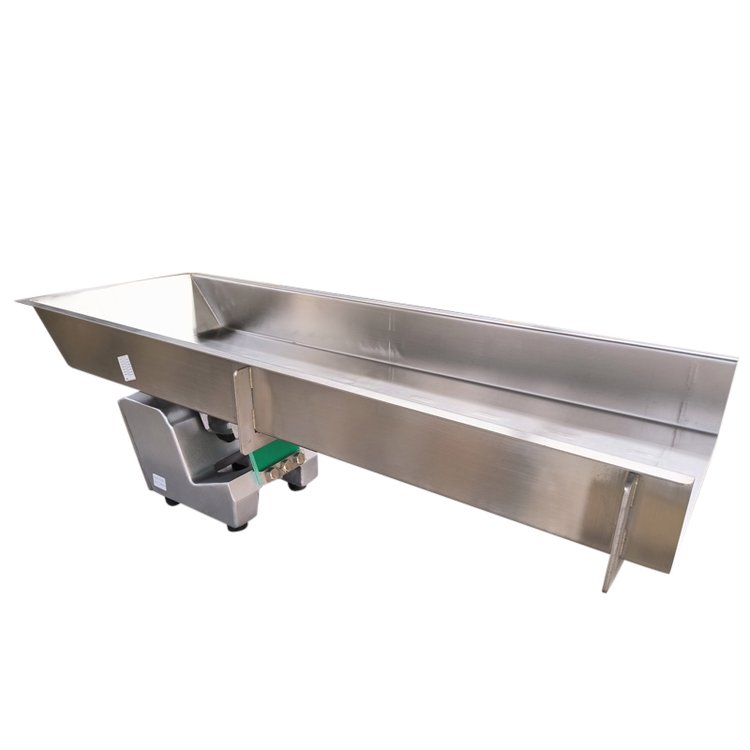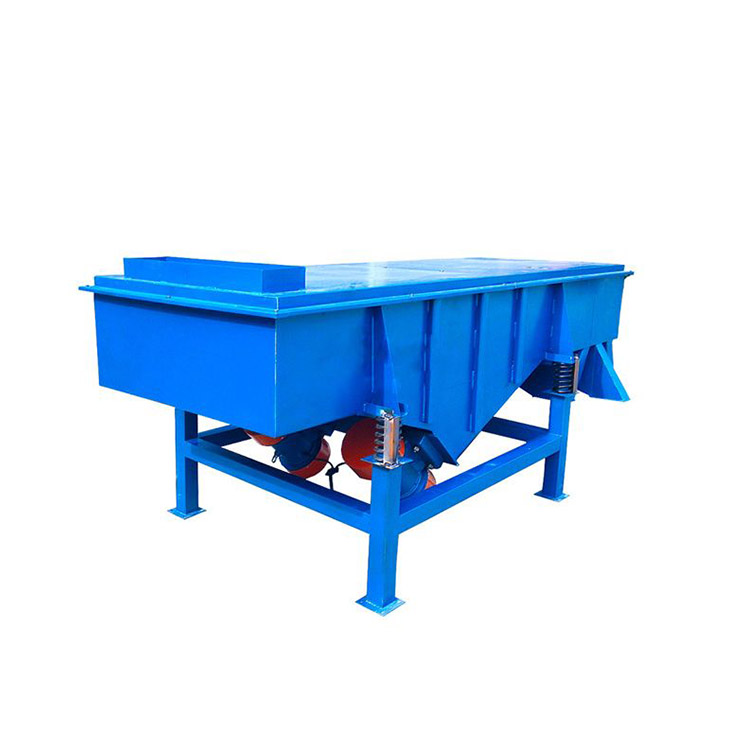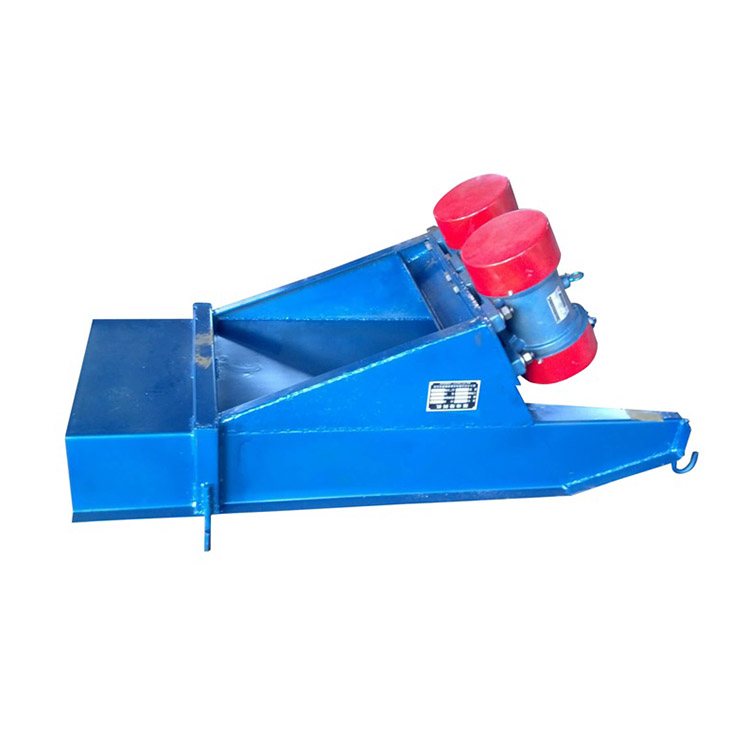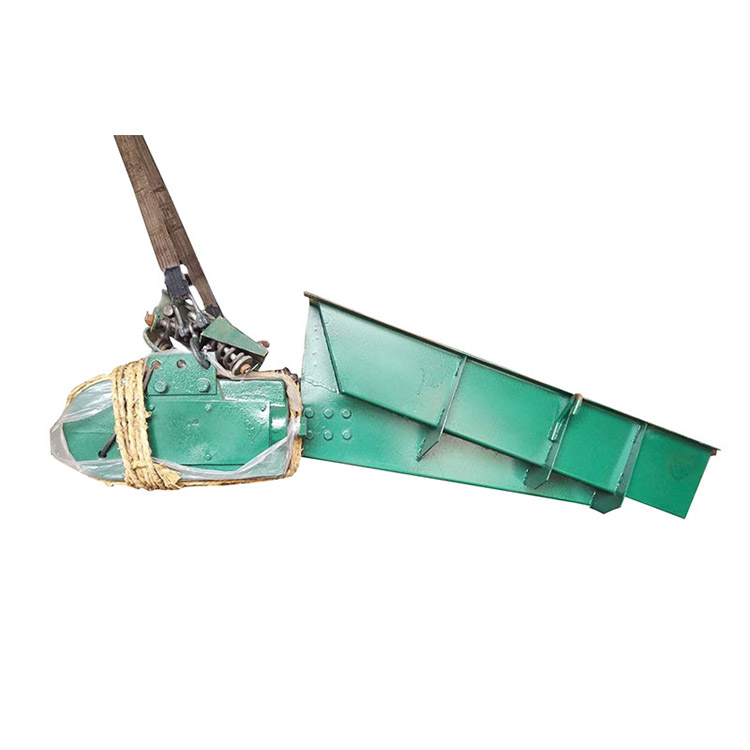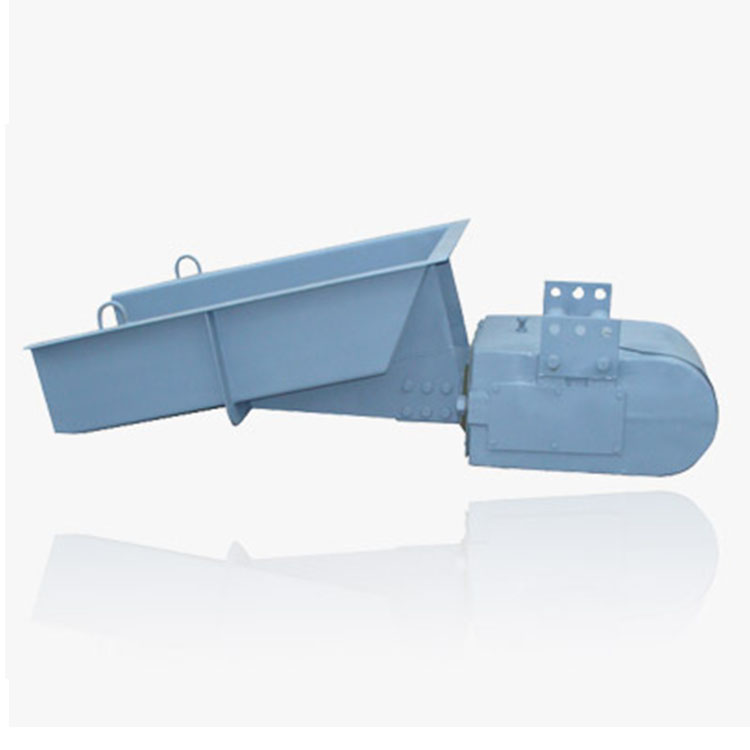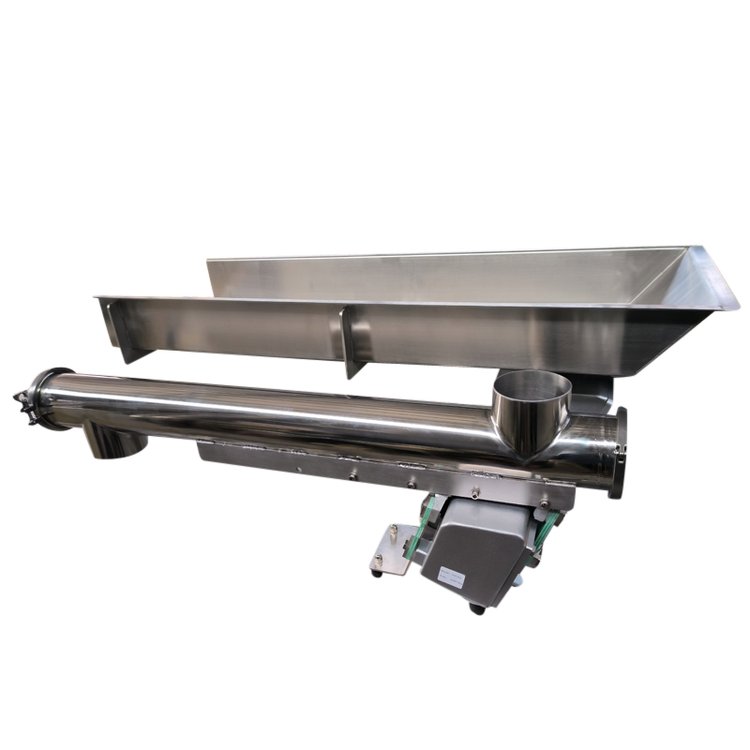


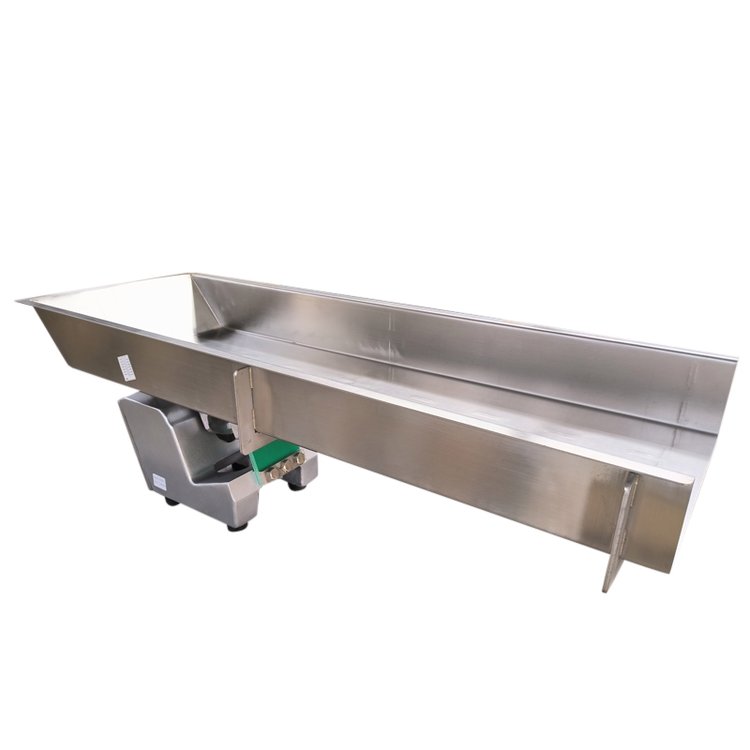
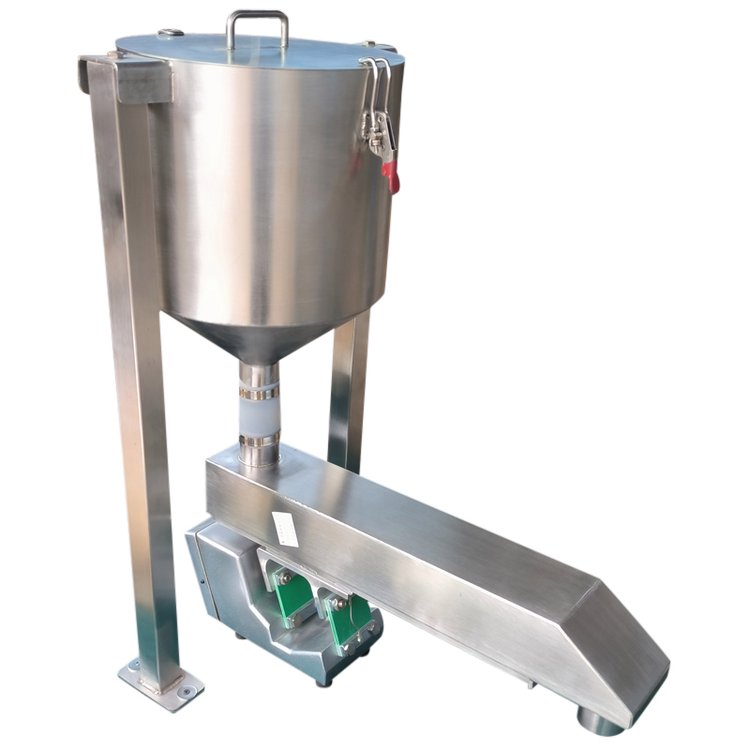


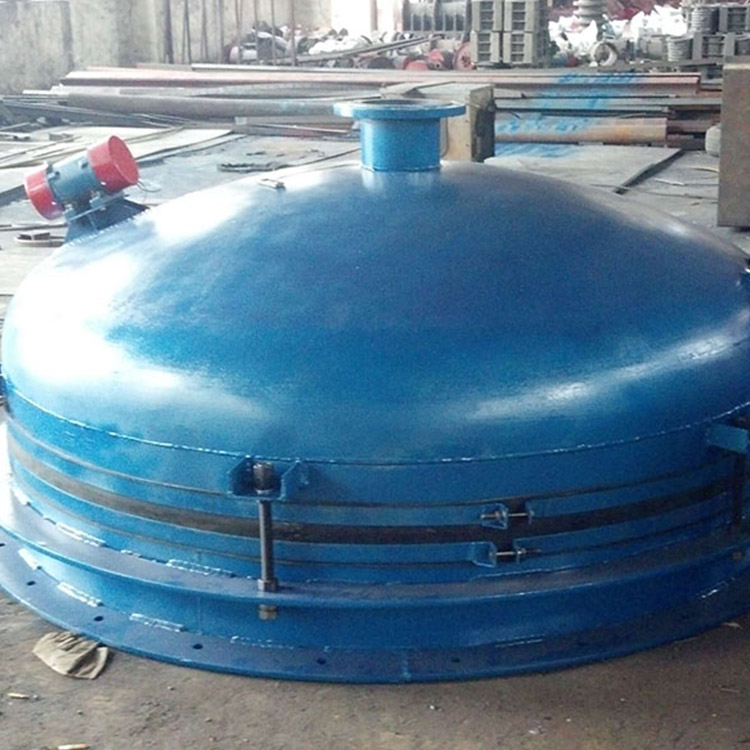
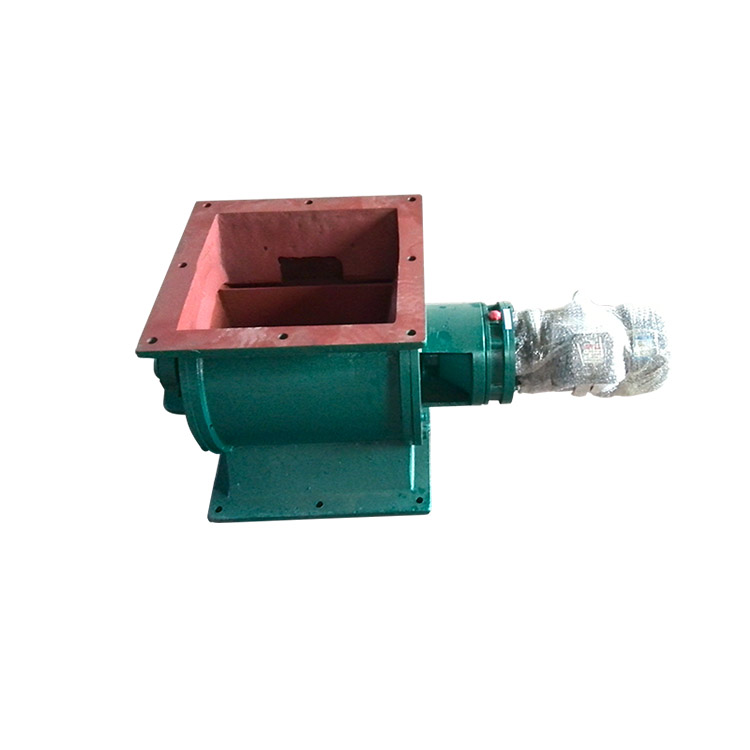
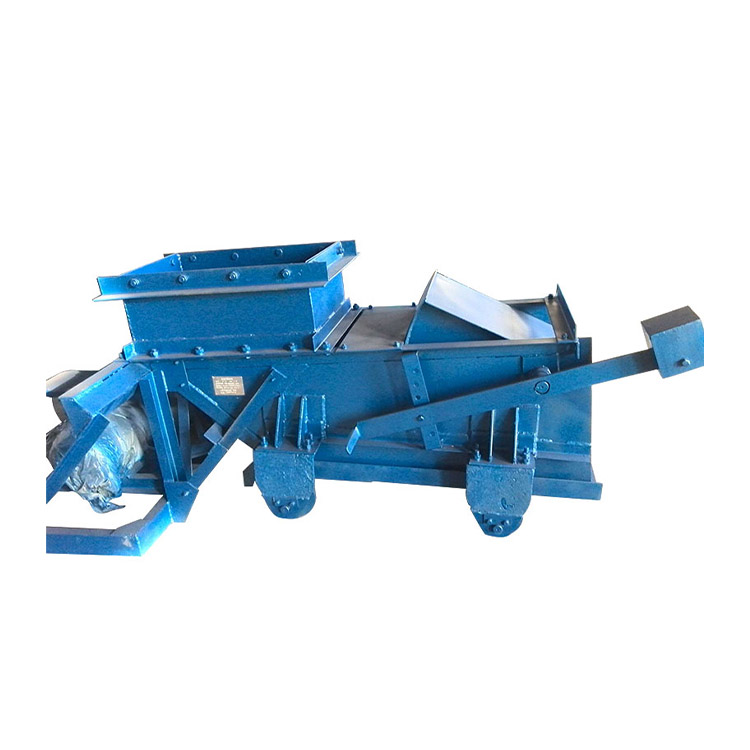
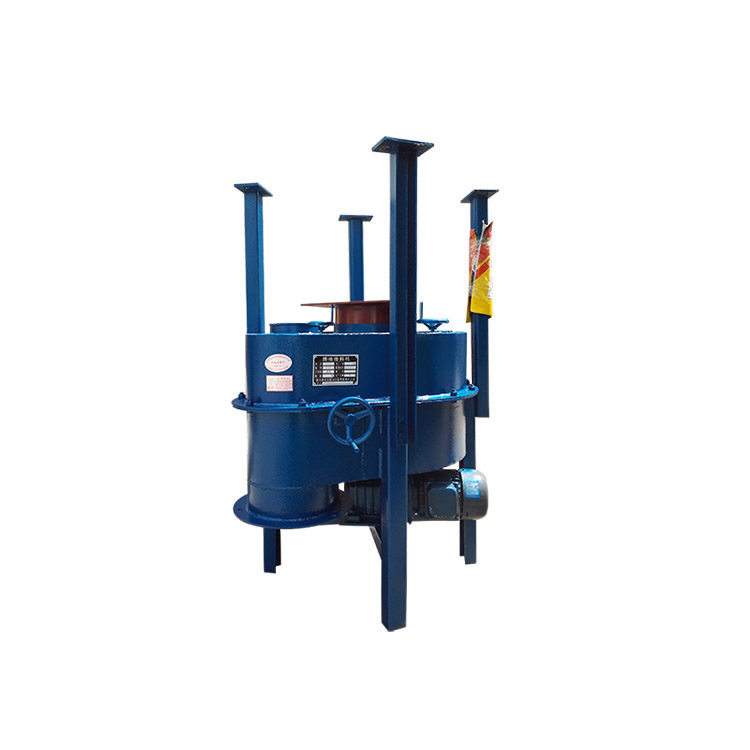
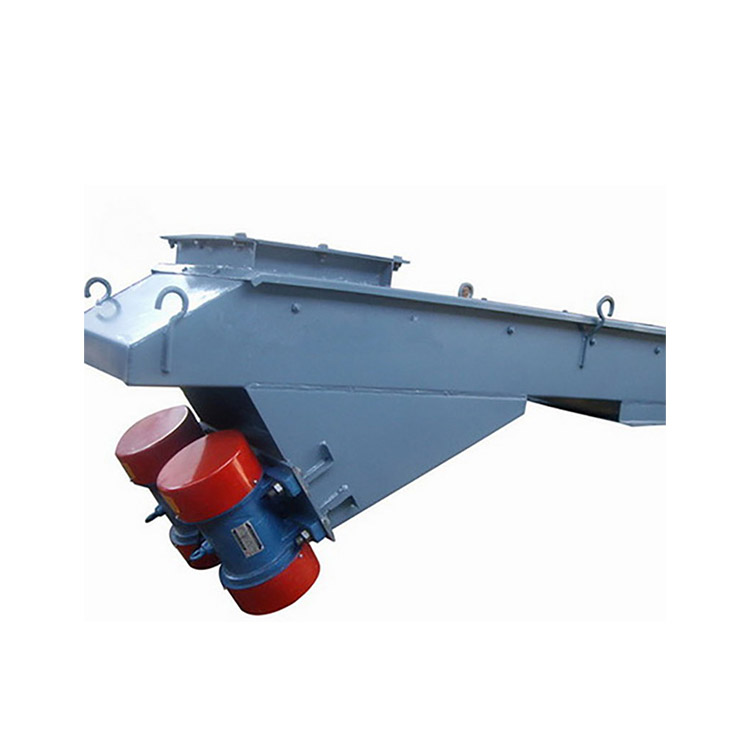





Electromagnetic vibration feeder is a device that uses electromagnetic force to generate vibration, mainly used for conveying and feeding. It consists of an electromagnetic vibrator, vibration groove, and support device. Electromagnetic vibration feeders have the characteristics of simple structure, reliable operation, and stable vibration, and are widely used in industries such as metallurgy, mining, building materials, and chemical engineering.
The working principle of the electromagnetic vibration feeder is to push the material to one end of the vibration groove through the excitation force generated by the electromagnetic vibrator, and then transmit the material through the vibration of the vibration groove. The electromagnetic vibrator is the core component of the electromagnetic vibration feeder, which converts electrical energy into mechanical vibration energy through electromagnetic force. When the electromagnetic vibrator is powered on, the magnetic field generated inside the electromagnetic coil interacts with the iron core fixed on the vibrator, generating vibration force and pushing the vibration slot to vibrate.
The length of electromagnetic vibration feeders is usually designed according to actual needs and can have different lengths to adapt to different working environments. In general, the longer the length of the electromagnetic vibration feeder, the greater its conveying capacity. In practical applications, according to the characteristics of the material and the conveying requirements, a suitable length of electromagnetic vibration feeder can be selected to meet production needs.