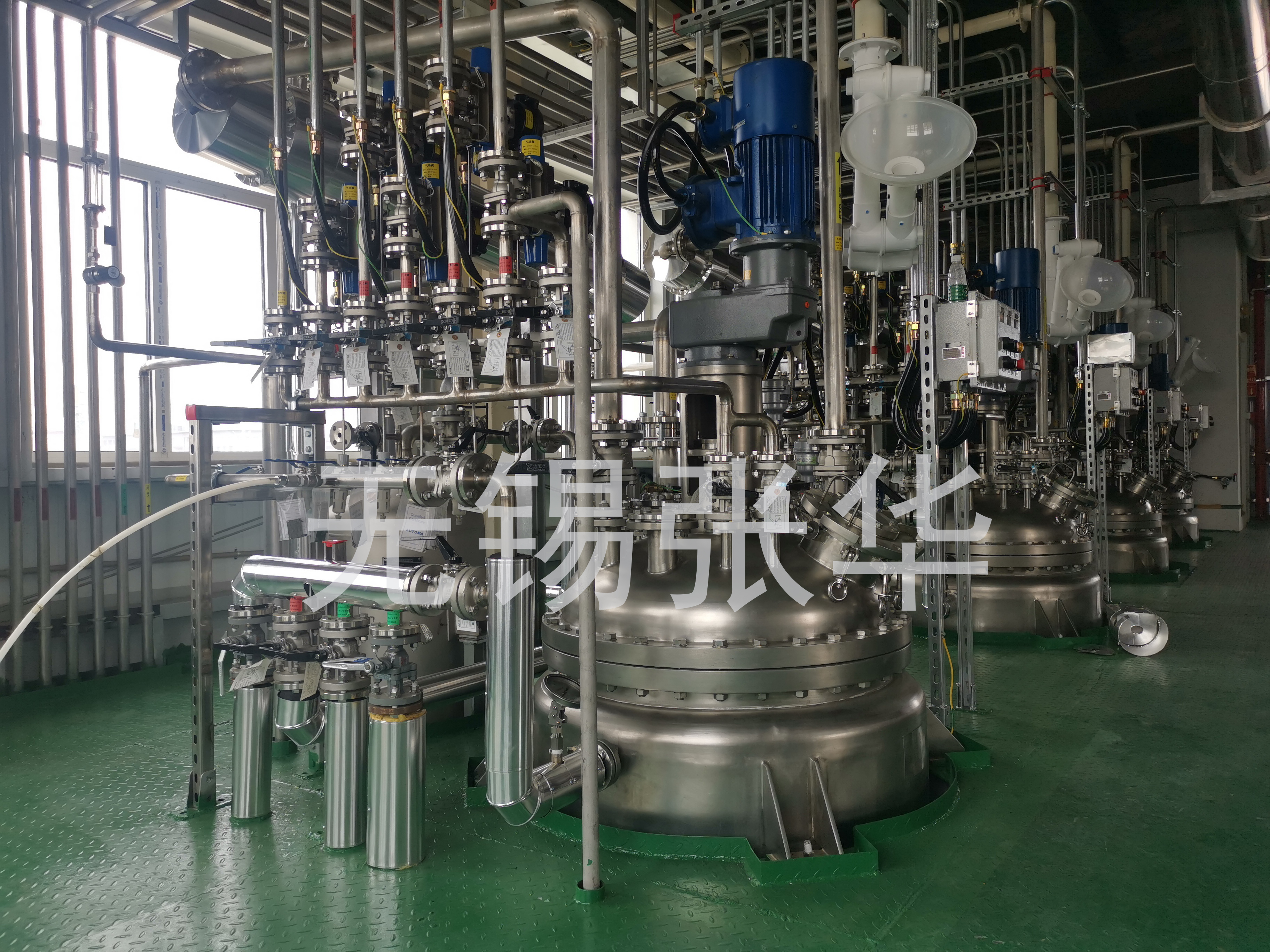


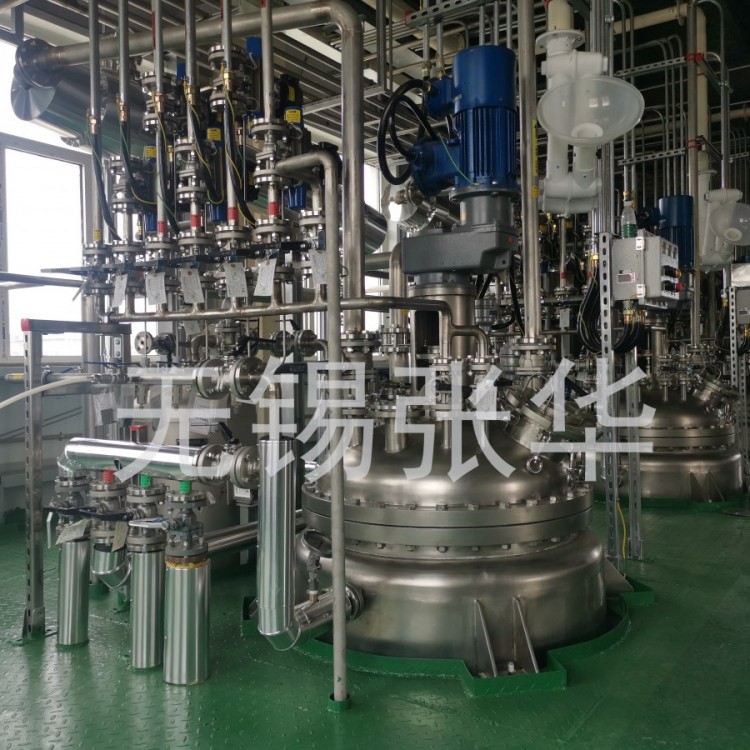









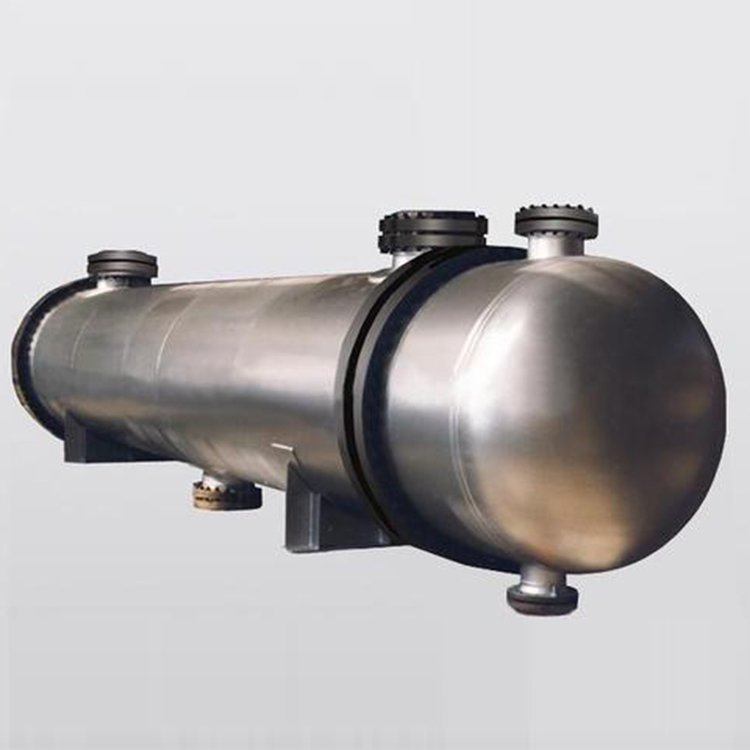
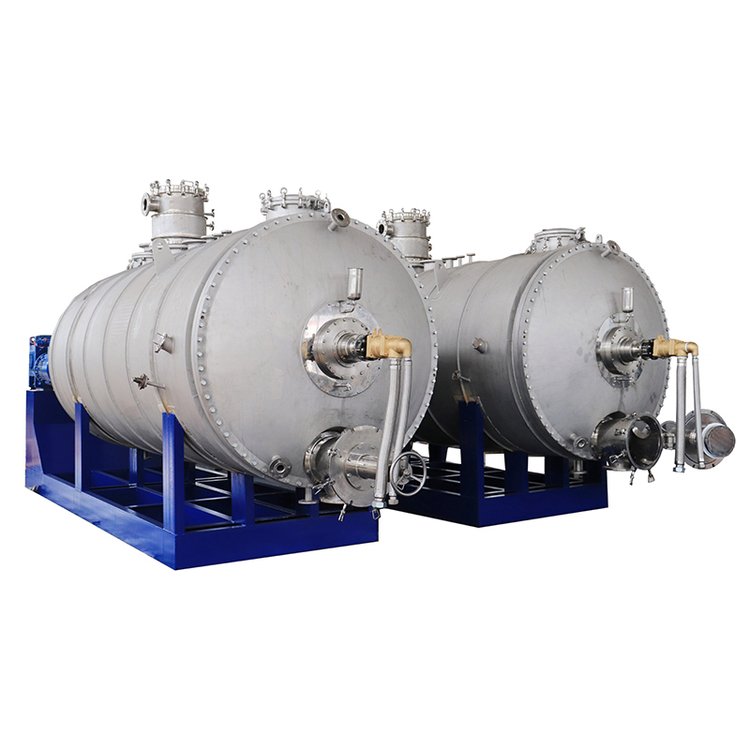
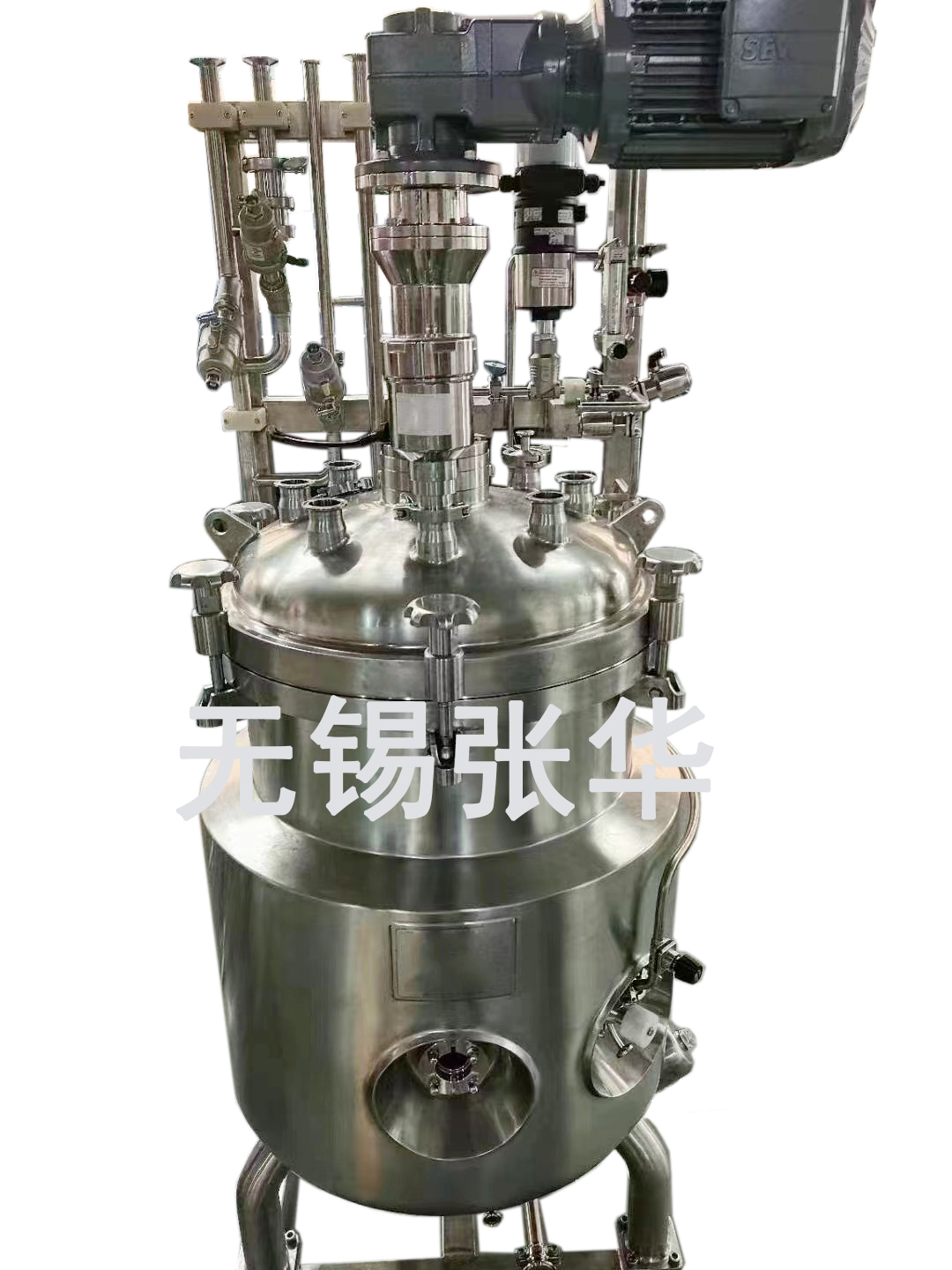
A reactor is a container used for physical or chemical reactions, widely applied in the production fields of oil, chemicals, rubber, pesticides, dyes, pharmaceuticals, food, and various scientific research and experimental projects.
Introduction to Reactor Vessels
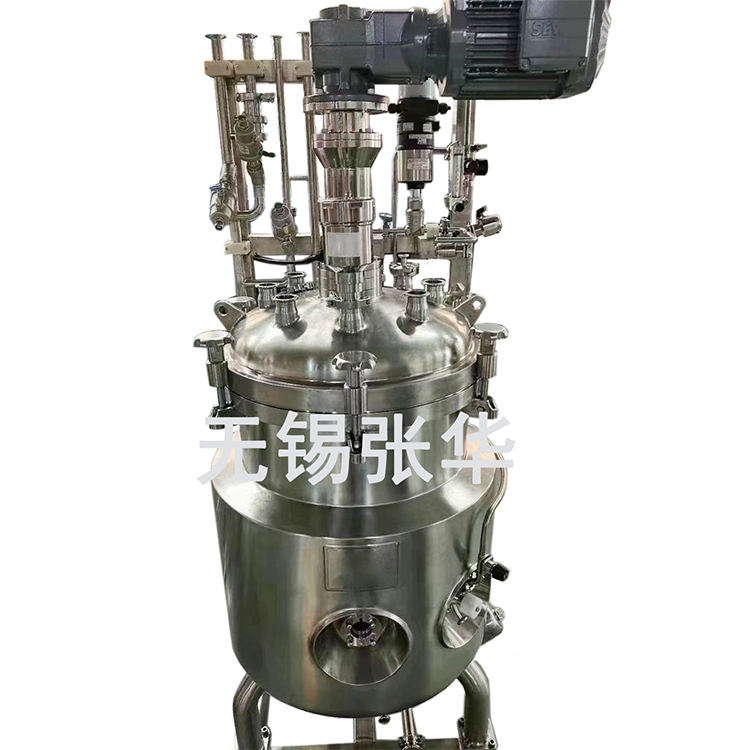
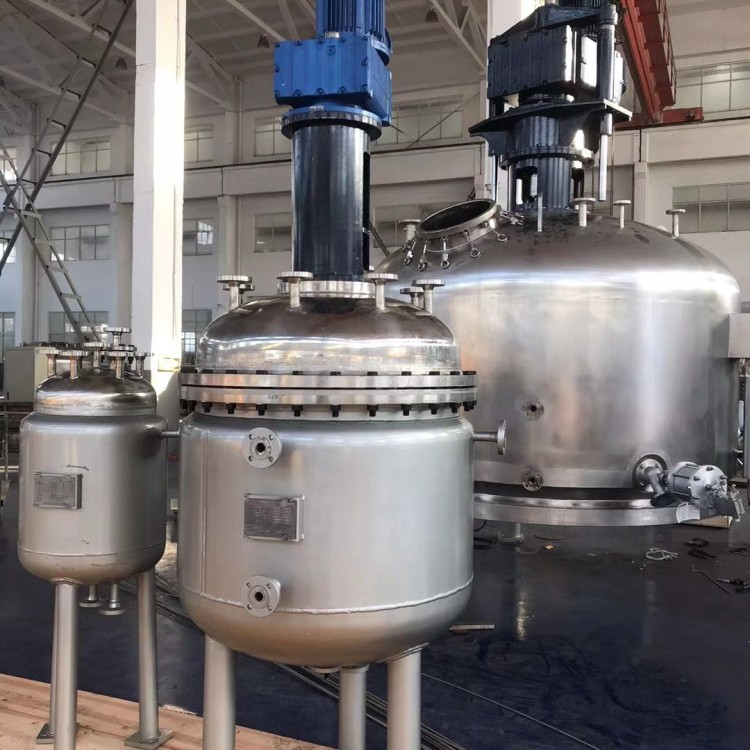
The main function of a reaction kettle is to ensure a thorough reaction of the reactants within the vessel by controlling factors such as temperature, pressure, and agitation speed, thereby achieving the desired chemical product. Its structure typically consists of the kettle body, kettle cover, jacket, agitator, drive unit, shaft seal, and support components.
Working Principle
The working principle of the reactor is as follows:
Reaction Vessel: The inner pot of the reactor is used to hold materials (reactive medium) and can be stirred. The jacket layer is used for passing different temperature media (such as thermal oil, refrigerant fluid, circulating water) to control the reaction temperature of the materials.
Heating and Cooling Systems: The reactor is equipped with a heating and cooling system. The heating system provides heat to reach the required reaction temperature of the reactants, with common heating methods including electric heating, steam heating, and hot water circulation heating. The cooling system is used to control the reaction temperature, ensuring that the reactants operate within an appropriate temperature range. Common cooling methods include circulating water cooling, air cooling, and cooling plates.
Blending System: The reactor is equipped with a blending system to facilitate the mixing of reactants and mass transfer processes, ensuring uniform mixing of the reactants and improving reaction efficiency.
Application Fields
Reactor vessels are widely used in the following fields:
Petroleum and Chemicals: Used in various chemical reaction processes, such as mixing, sulfonation, nitration, hydrogenation, alkylation, polymerization, condensation, etc.
Food Industry: Used for processes such as hydrolysis, neutralization, crystallization, distillation, evaporation, and storage.
Pharmaceutical Industry: Used for the production of medicines and health products.
Research & Experimental: Used for experimental studies of various chemical and physical changes.
Material and Classification
Vessels are typically made of stainless steel, carbon steel, zirconium, nickel-based alloys, etc. Depending on various production processes and operating conditions, the design structure and parameters of the reactors differ, classifying them as non-standard vessel equipment.
In summary, a reactor vessel is a comprehensive reaction container that ensures thorough mixing and reaction of the reactants by strictly controlling parameters such as temperature, pressure, and agitation during the reaction process, thereby yielding the desired chemical products.