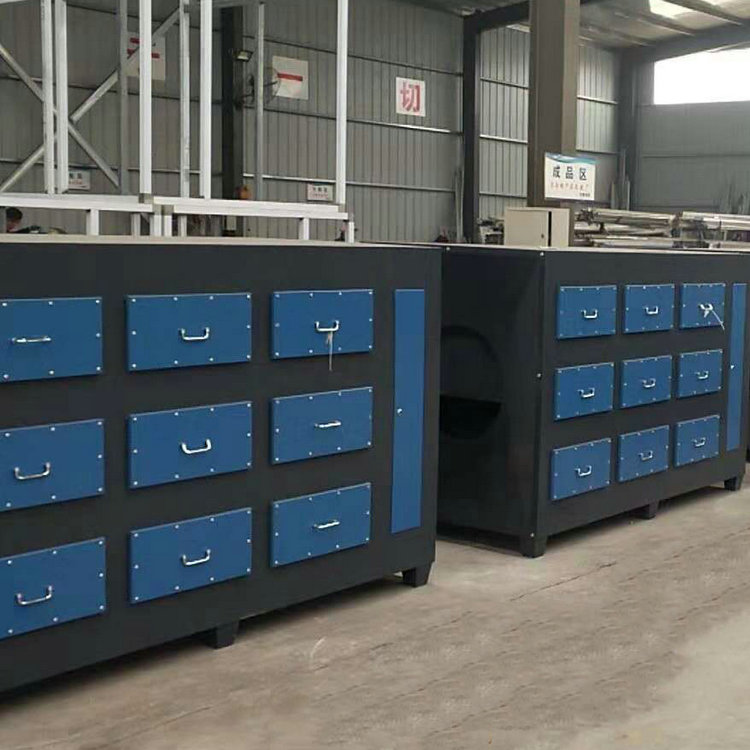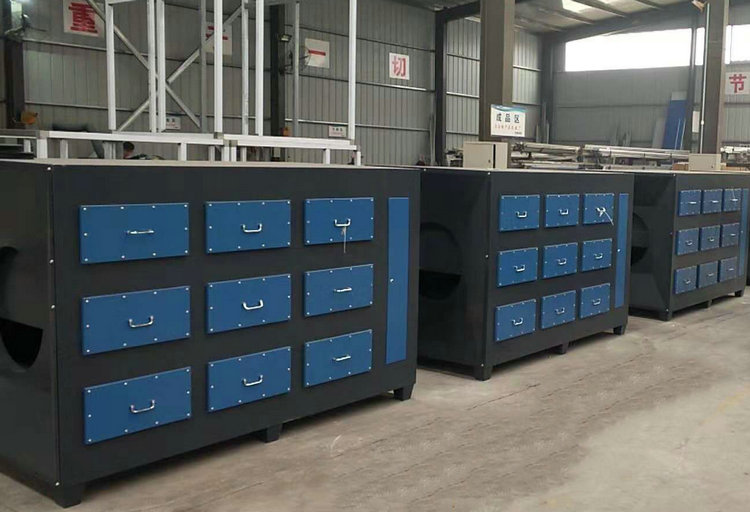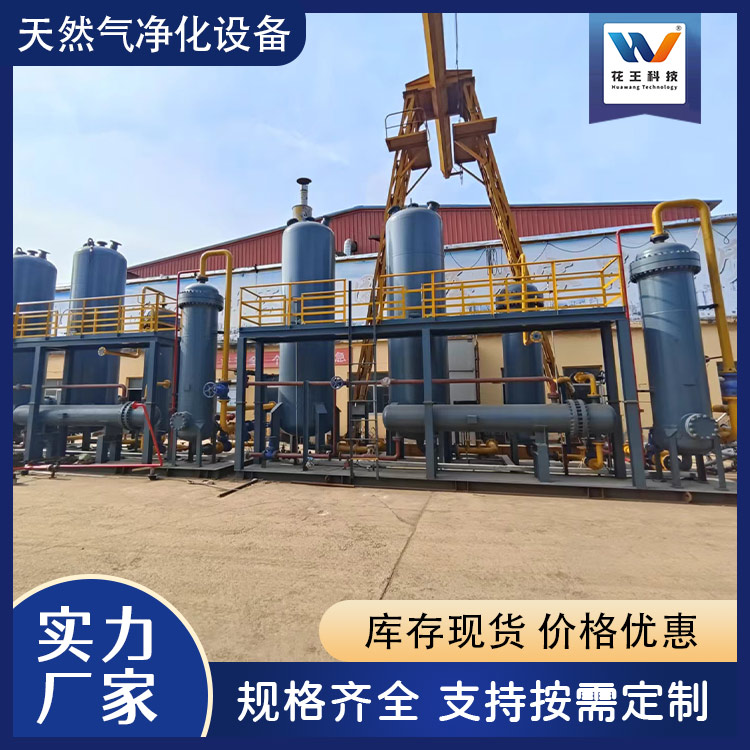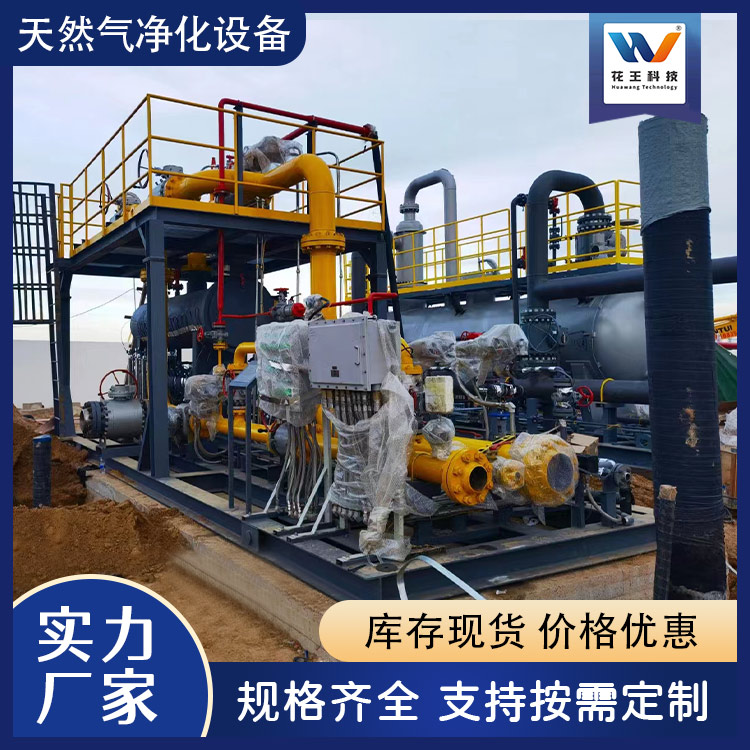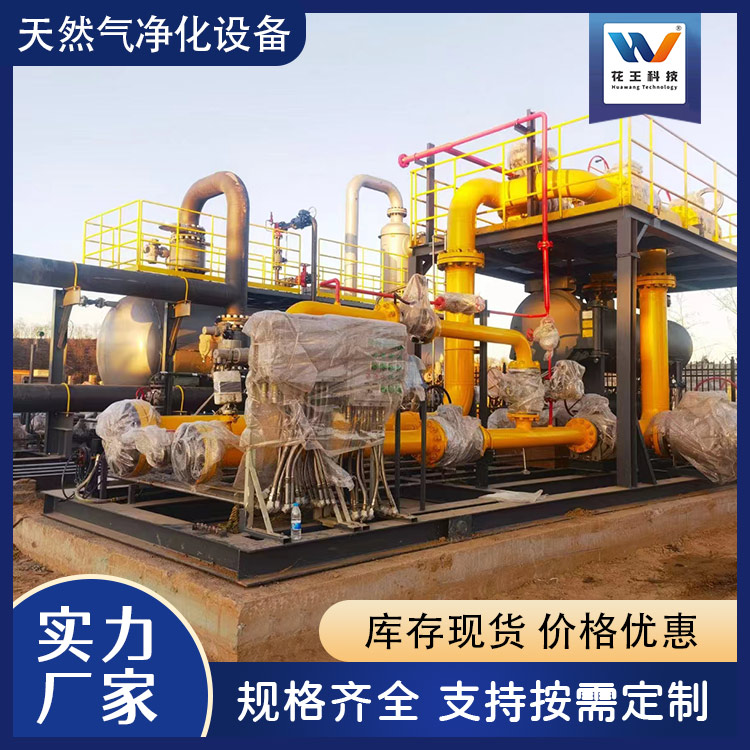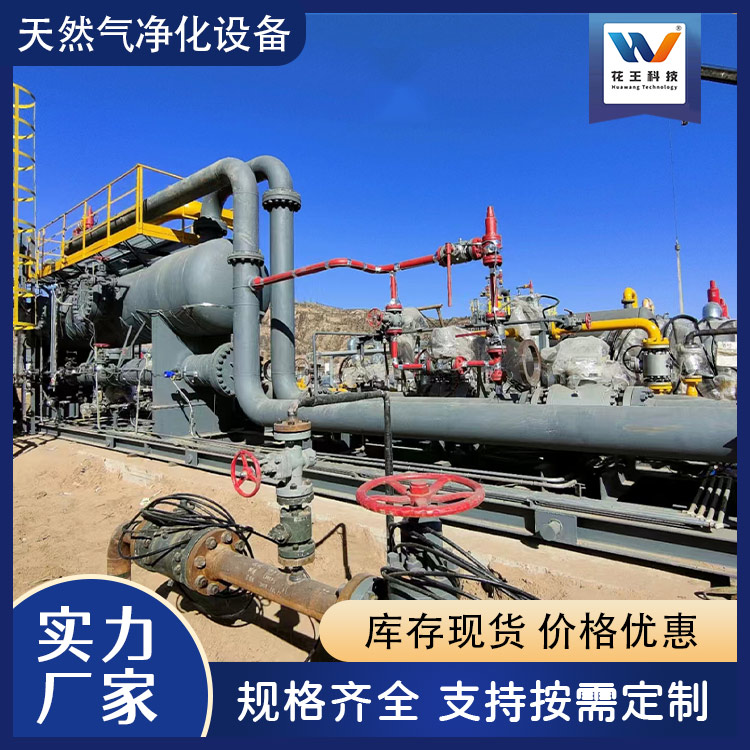


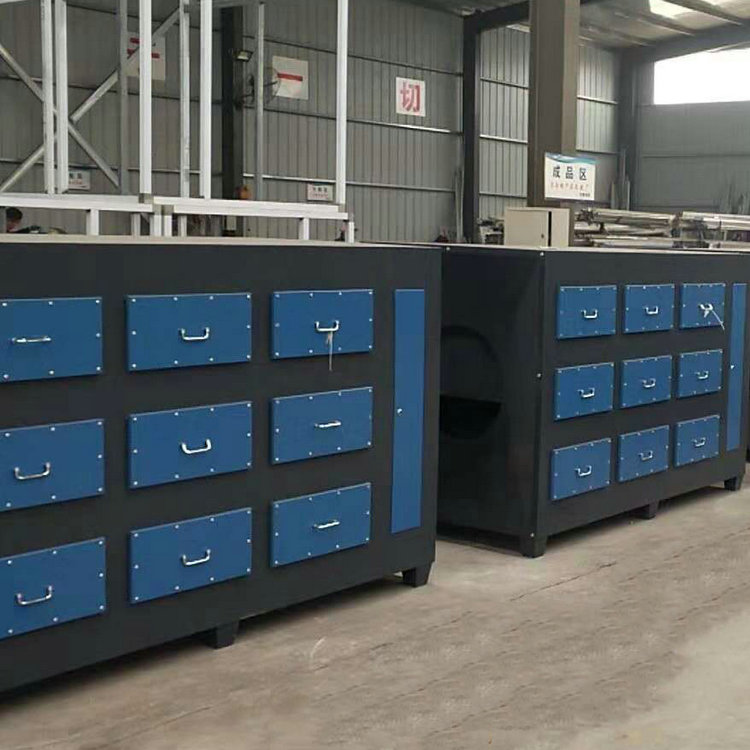









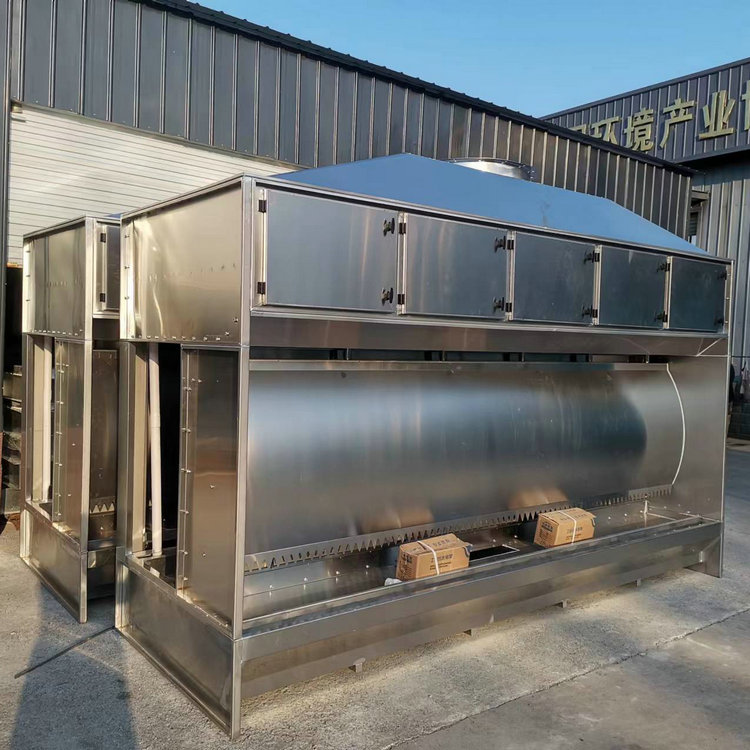
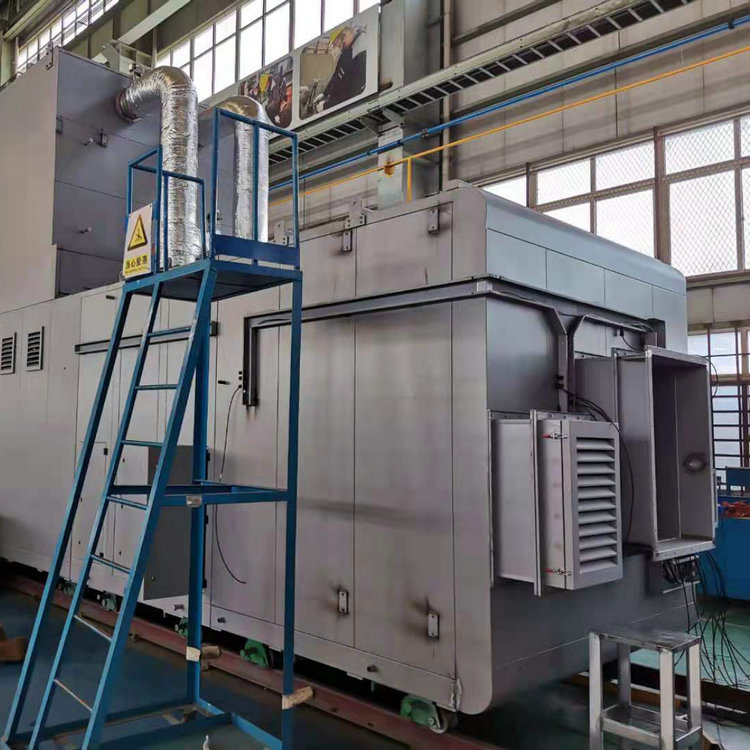
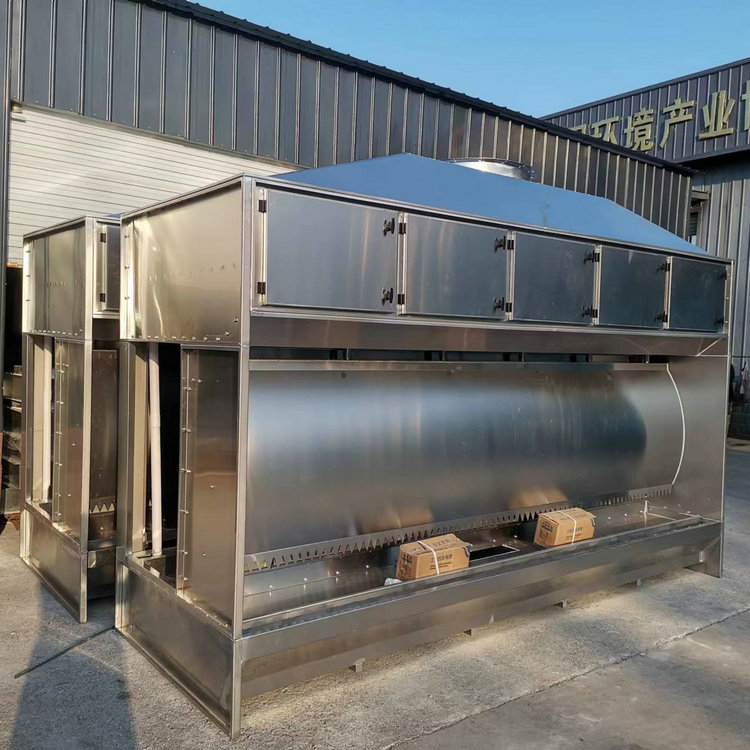
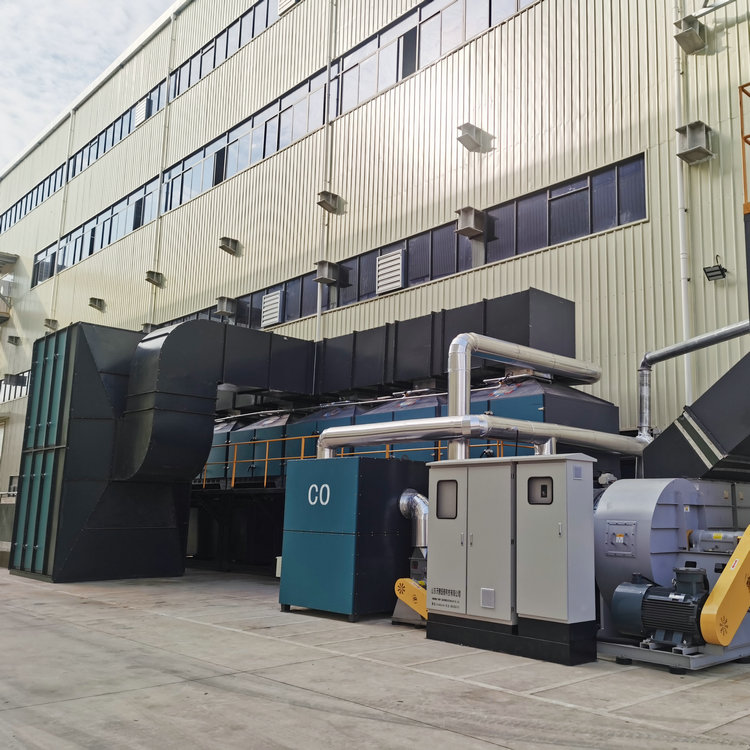
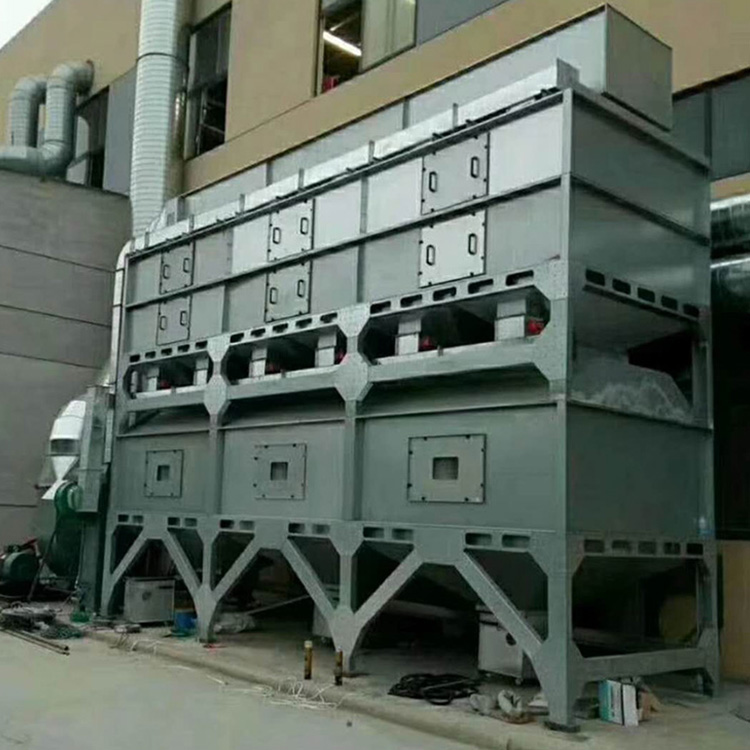

Activated Carbon Adsorption Box, also known as the Activated Carbon Environmental Protection Box, is a waste gas adsorption device using activated carbon as the adsorption material. The performance indicators of the activated carbon products used in the adsorption box can be divided into three types: physical performance indicators, chemical performance indicators, and adsorption performance indicators. The adsorption of activated carbon can be categorized into physical adsorption and chemical adsorption. Physical adsorption mainly occurs during the removal of impurities from the liquid and gas phases. The porous structure of activated carbon provides a large surface area, making it easy to absorb and collect impurities. Just like a magnet, all molecules have mutual attractive forces. Therefore, the numerous molecules on the surface of the activated carbon pores can generate strong attractive forces, attracting impurities within the medium to the pore openings. It should be noted that the diameter of the molecules of the adsorbed impurities must be smaller than the pore size of the activated carbon to ensure that the impurities are absorbed into the pores. This is why we continuously modify raw materials and activation conditions to create activated carbon with different pore structures, making it suitable for various impurity absorption applications.
In addition to physical adsorption, chemical reactions often occur on the surface of activated carbon. Activated carbon contains not only carbon but also trace amounts of oxygen and hydrogen in the form of chemically bonded functional groups on its surface, such as carboxyl, hydroxyl, phenolic, lactone, quinone, ether, and more. The presence of oxide or complex compounds on the surface of activated carbon can undergo certain chemical reactions with the adsorbed substances, thereby binding and aggregating with the adsorbed material on the surface of the activated carbon.