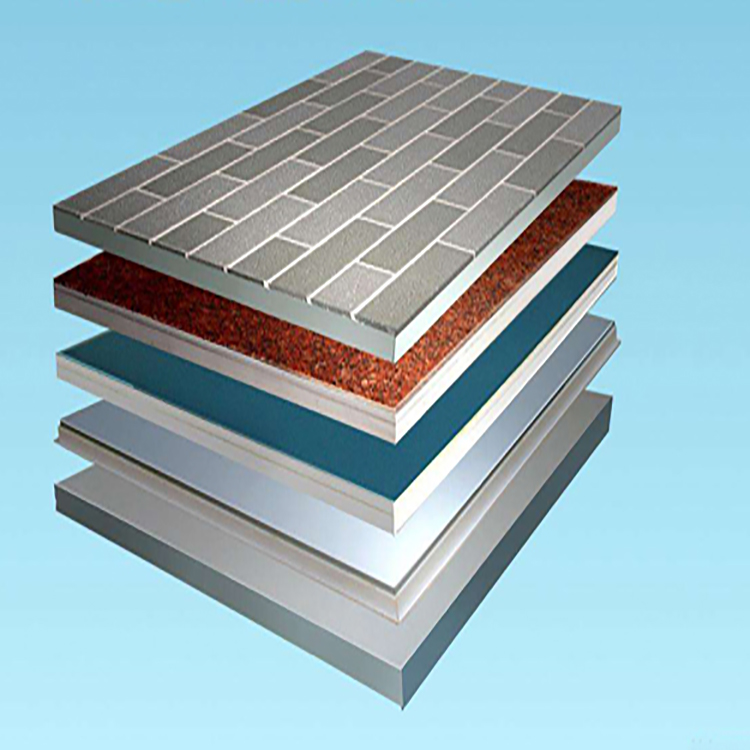

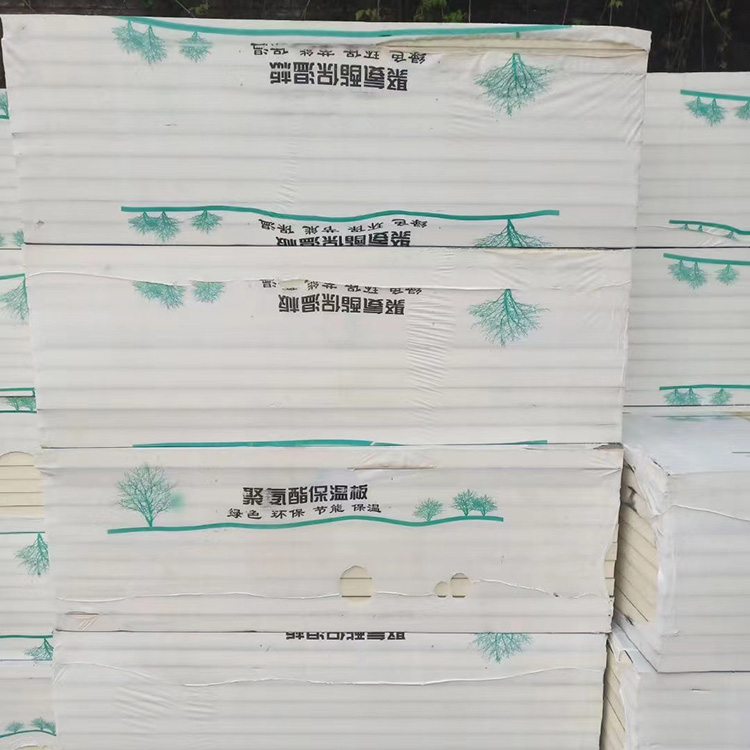

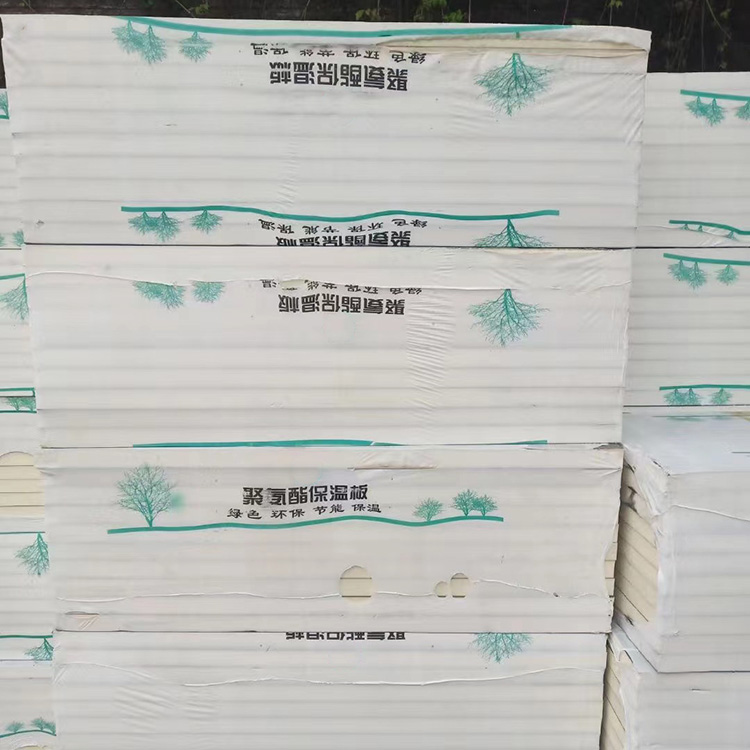
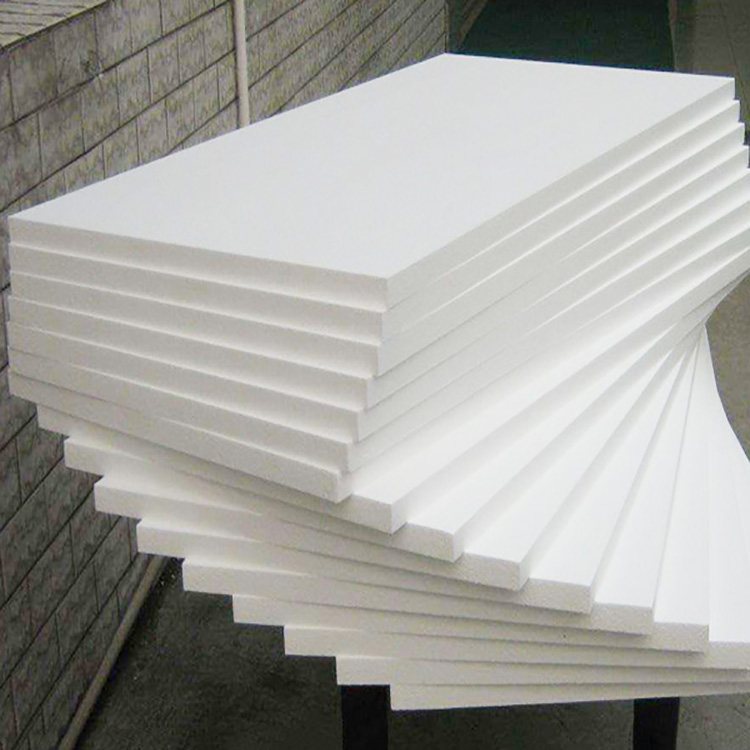
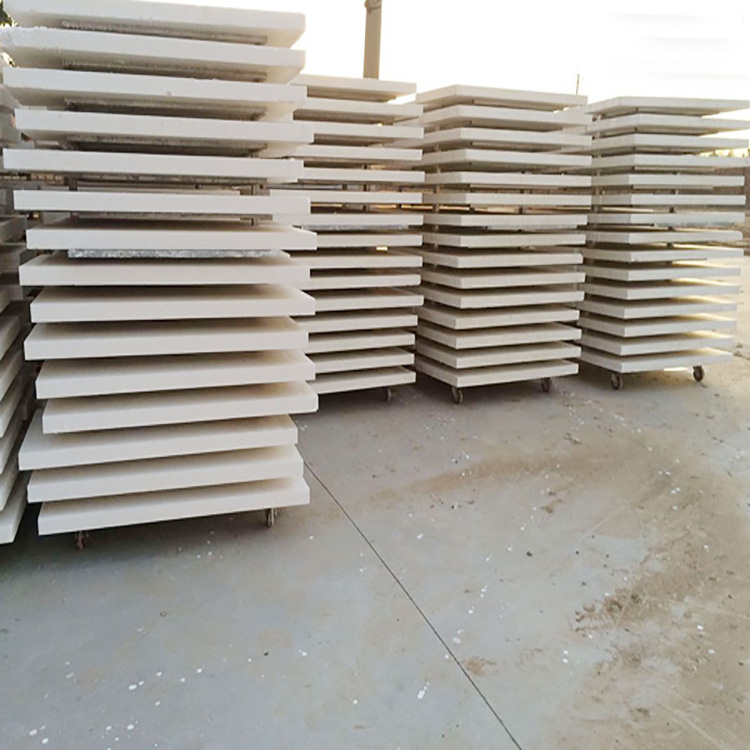










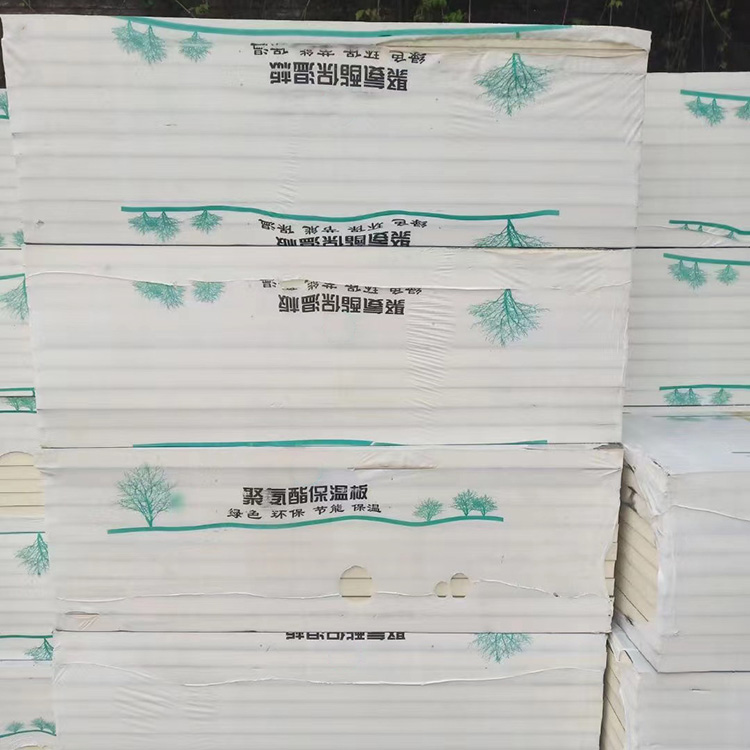
1. Rigid polyurethane has a low thermal conductivity and excellent thermal properties. At a density of 35-40 kg/m3, its thermal conductivity is only 0.018-0.024 W/(m·k), approximately half that of EPS, making it the lowest among all insulation materials.
2. Rigid polyurethane features moisture and water resistance. The closed cell rate of rigid polyurethane exceeds 90%, making it hydrophobic material. It will not increase the thermal conductivity due to moisture absorption, and the wall will not leak water.
3. Rigid polyurethane is flame-retardant, fire-resistant, and heat-resistant. After adding flame-retardant agents, polyurethane becomes a self-extinguishing material with a high flame resistance, its softening point can reach above 250 degrees Celsius, and decomposition only occurs at higher temperatures. Additionally, when burning, polyurethane forms carbon residue on the surface of its foam, which helps to insulate the foam beneath. It effectively prevents the spread of flames. Moreover, polyurethane does not produce harmful gases at high temperatures.
4. Due to the excellent thermal insulation properties of polyurethane panels, the same thermal preservation requirements can be achieved with reduced thickness of the building's exterior protective structure, thereby increasing the usable indoor area.
5. High resistance to deformation, not prone to cracking, with a stable and safe finish.
6. Polyurethane materials have a stable porosity structure, predominantly closed-cell, offering excellent insulation properties, as well as good resistance to freeze-thaw and sound absorption. The average service life of polyurethane foam insulation can exceed 30 years under normal usage and maintenance conditions. It is capable of withstanding damage from external factors such as dryness, humidity, electrochemical corrosion, and from the growth of insects, fungi, algae, or from rodent activity throughout the structural lifespan under normal operating conditions.
7. High overall cost-performance ratio. Although the price per unit of rigid polyurethane foam is higher than that of other traditional insulation materials, the increased cost will be offset by the significant reduction in heating and cooling expenses.