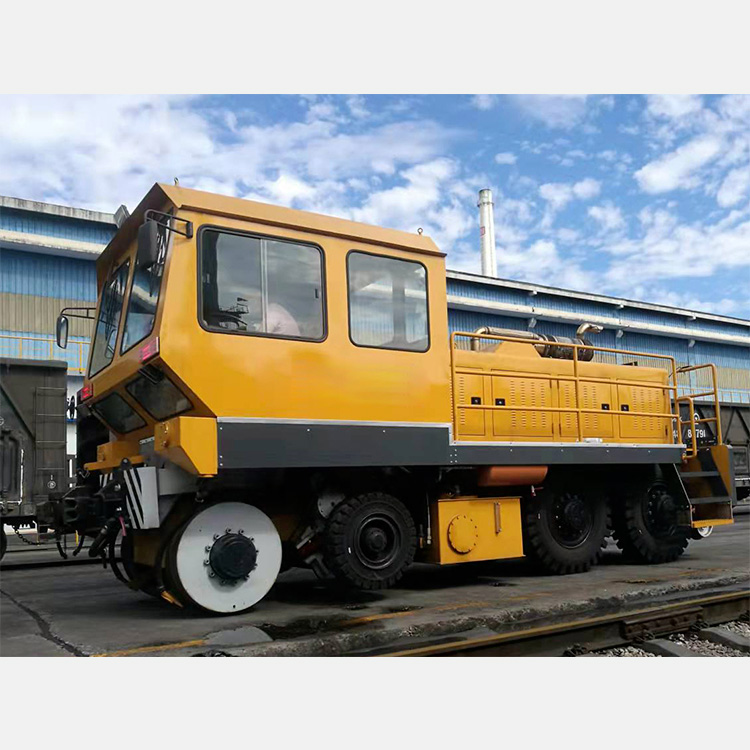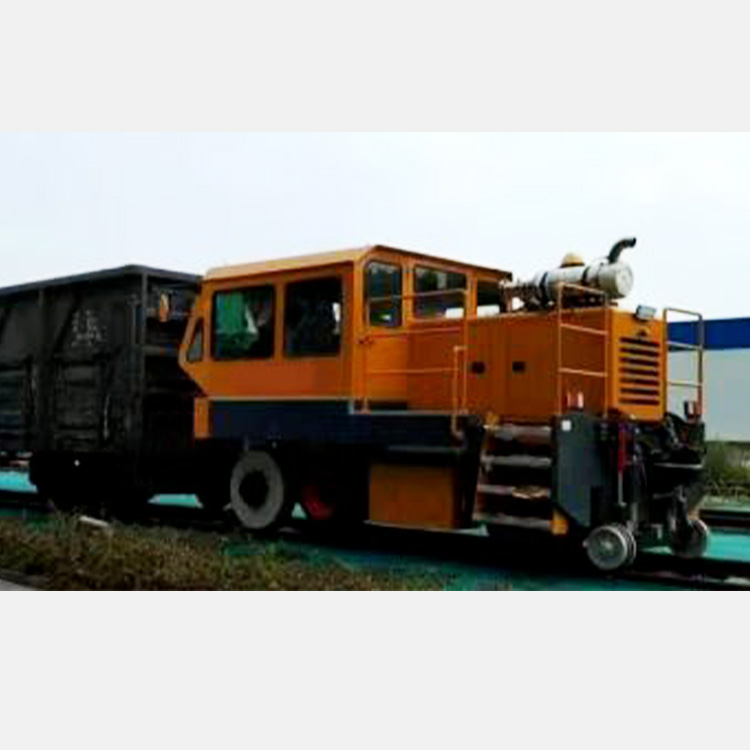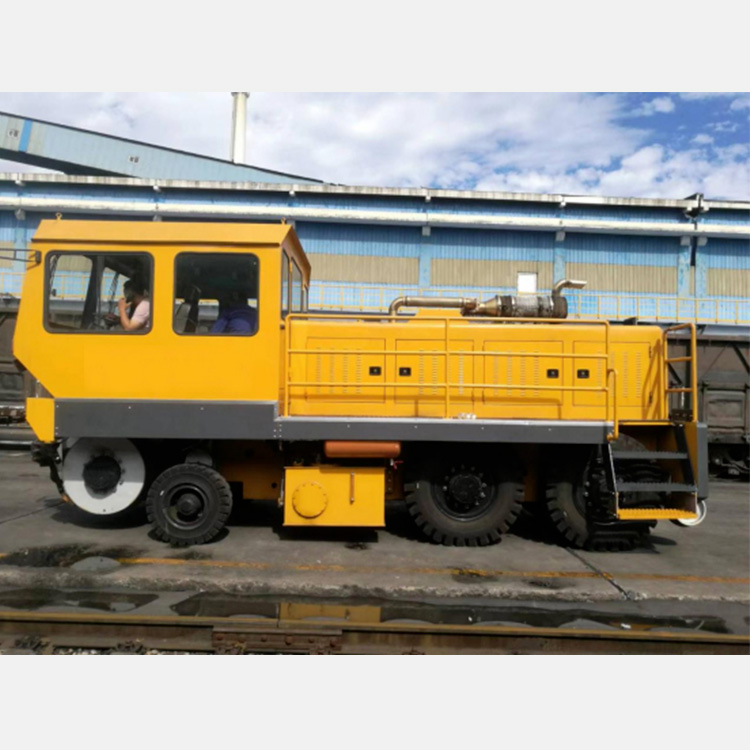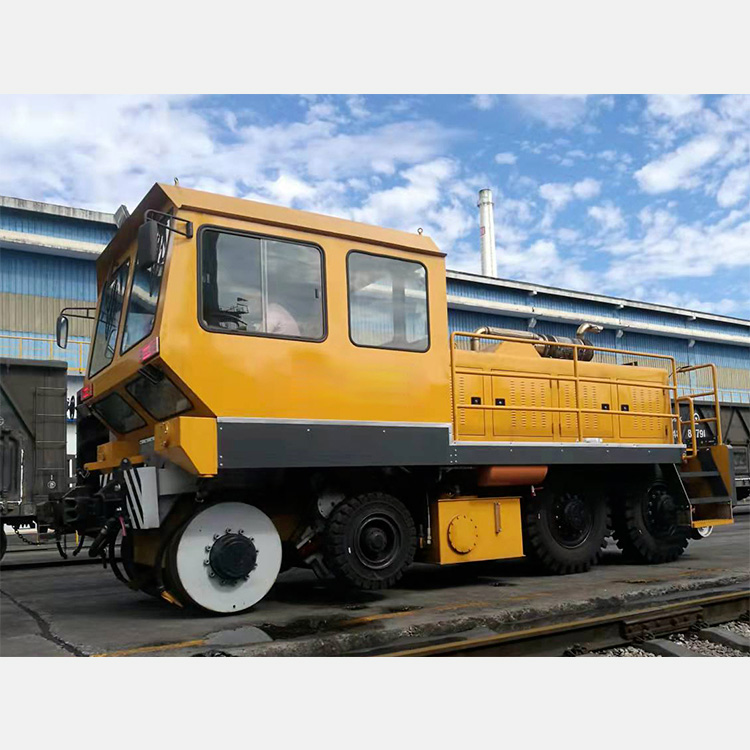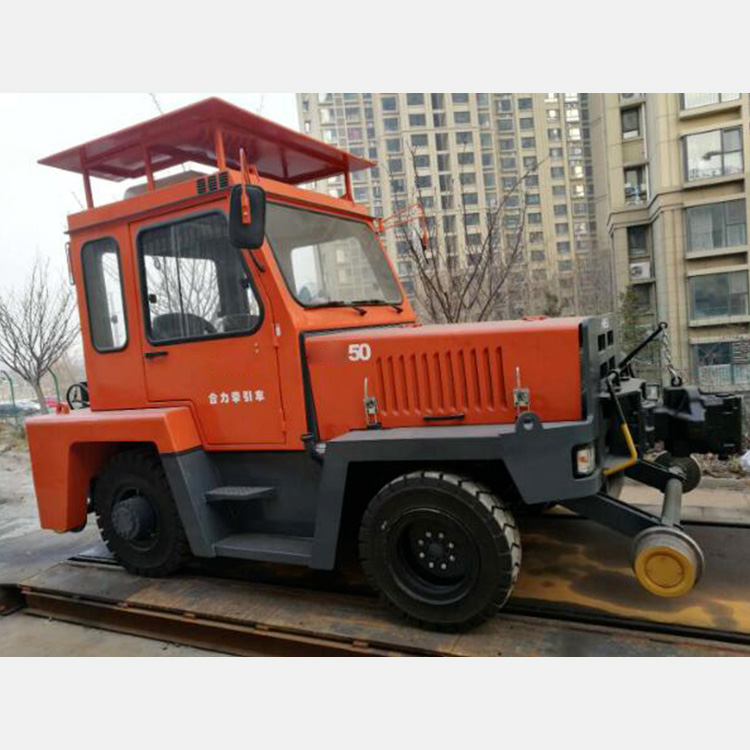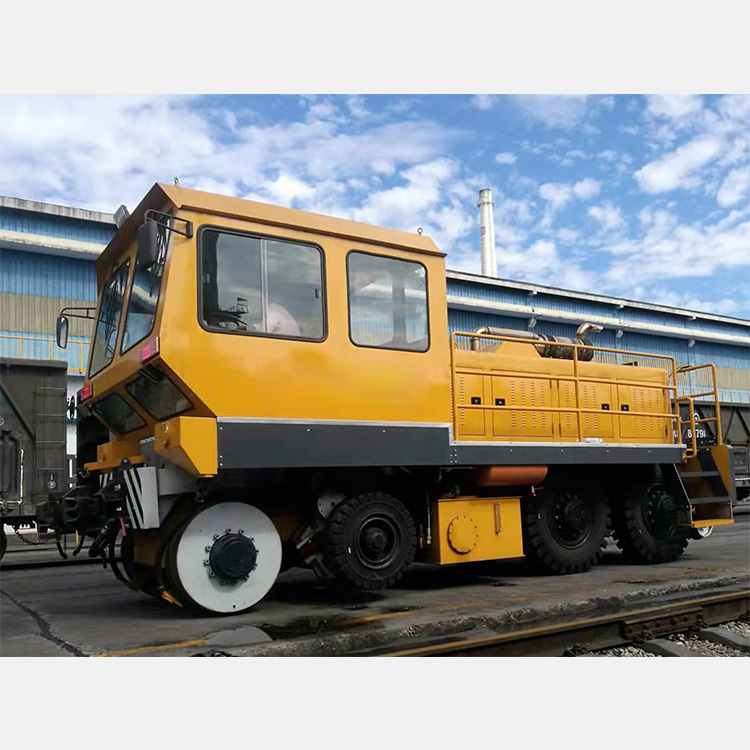

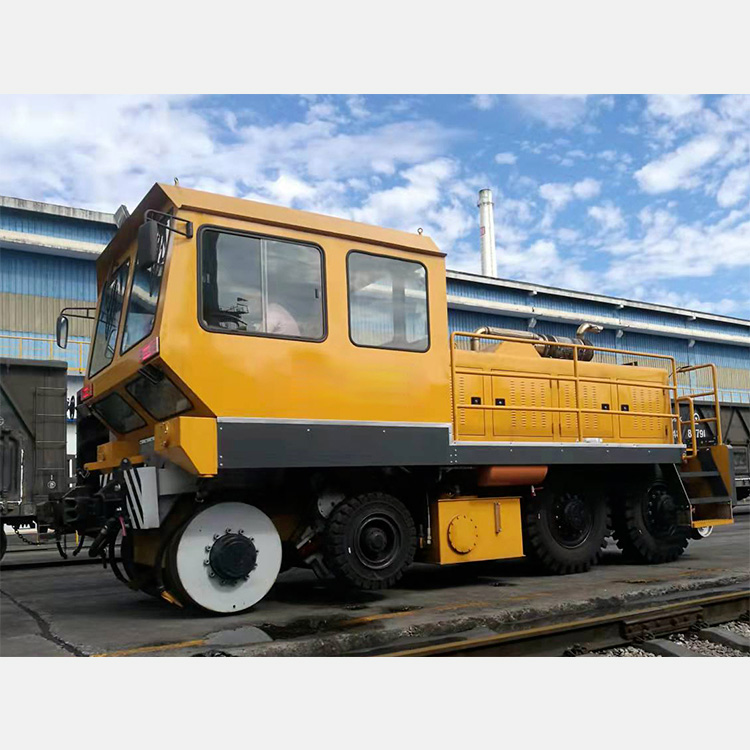
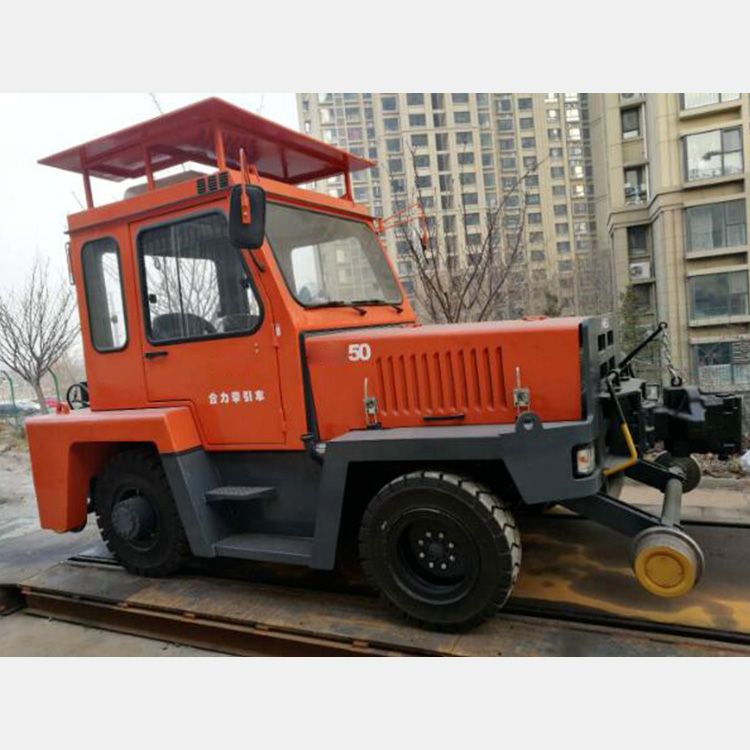
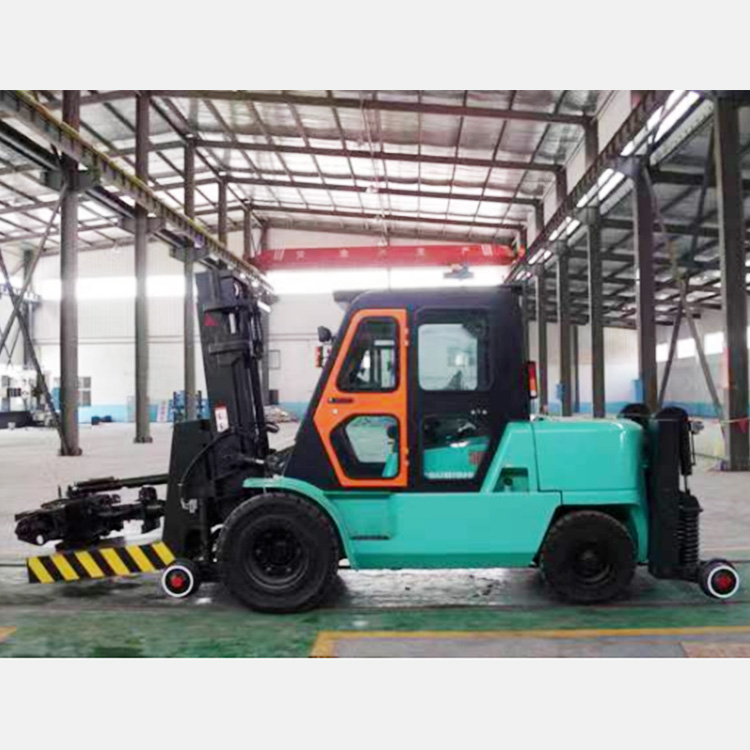








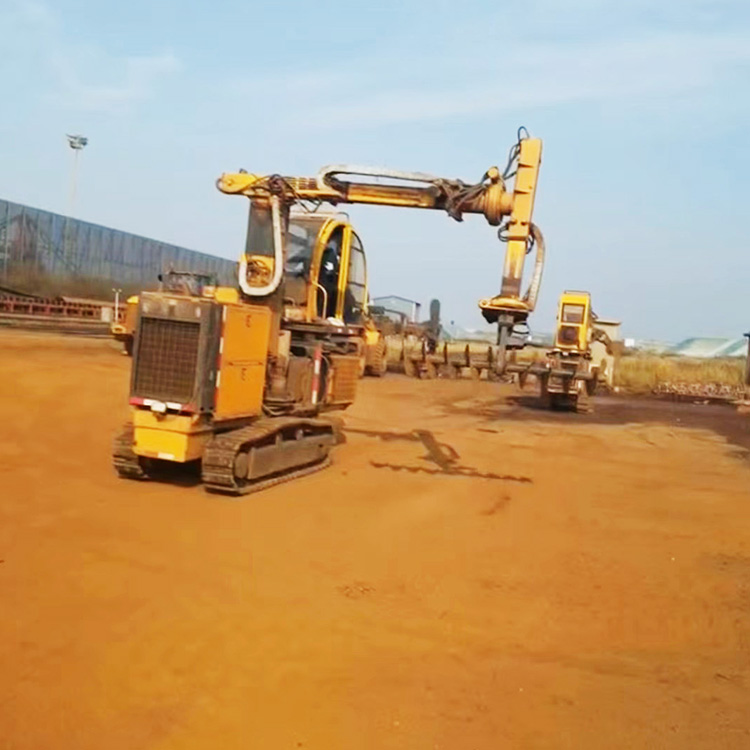
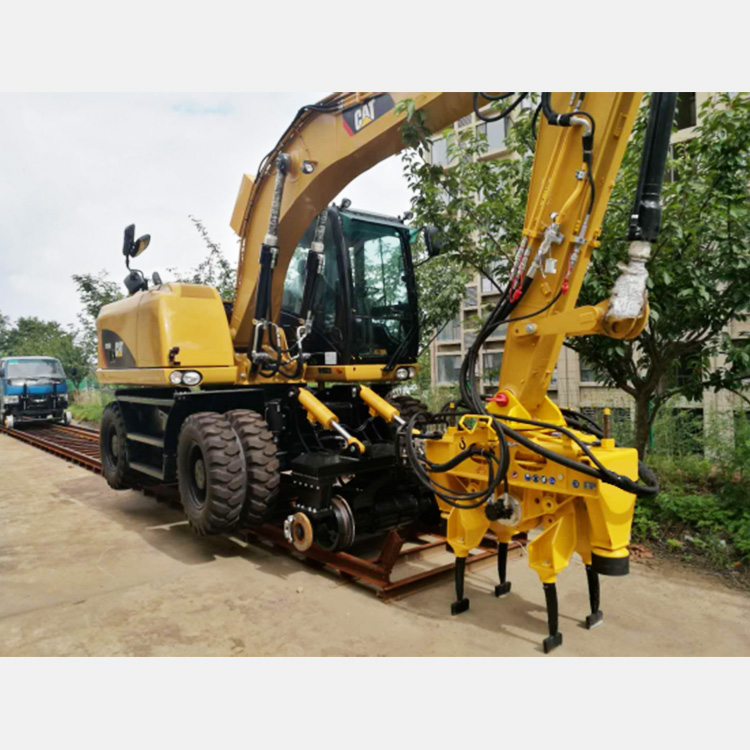
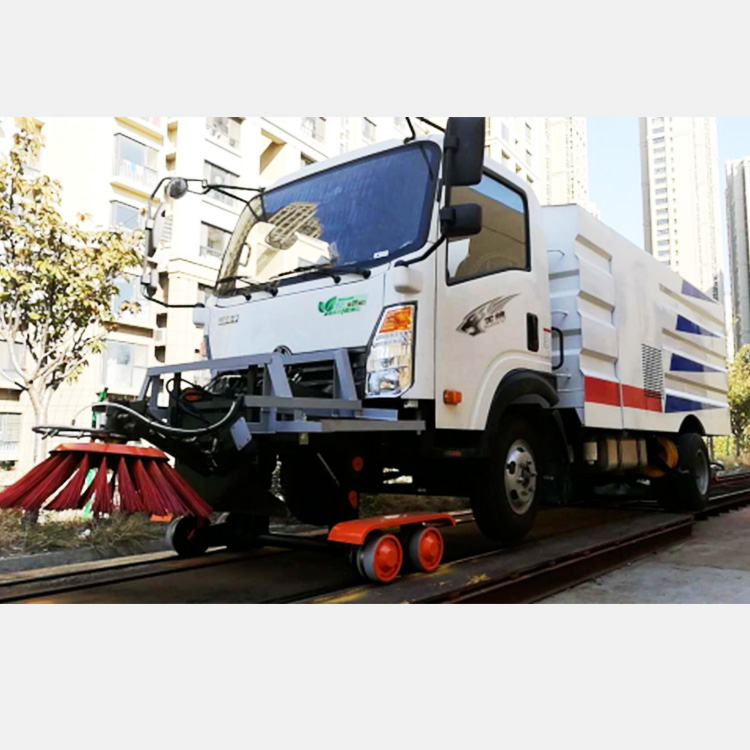
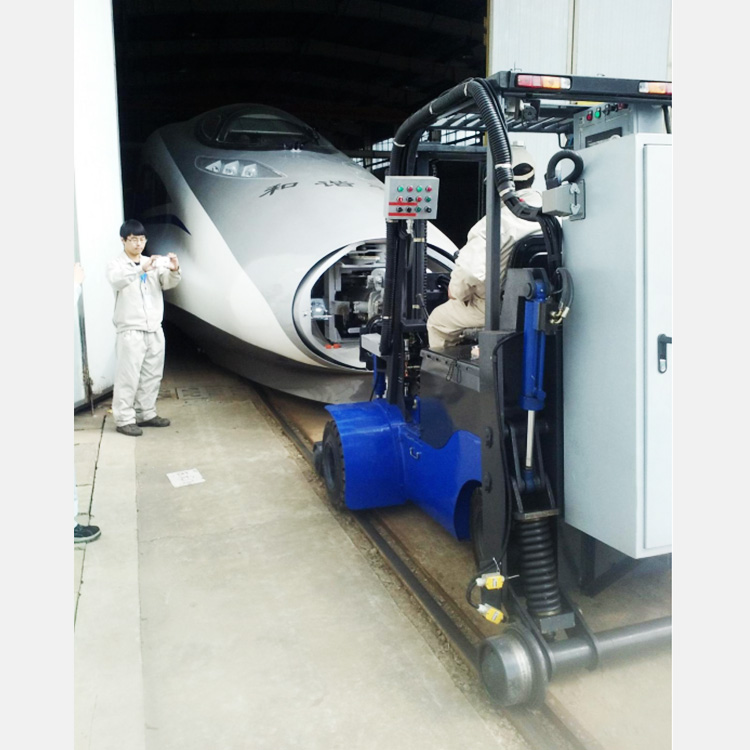
Dual-mode rail-road tractors were previously used in locomotive factories, as locomotives in production are non-powered and cannot drive independently. They also need to switch between different processes on the steel tracks, which led to the emergence of dual-mode rail-road tractors. Since locomotives are lightweight, dual-mode rail-road vehicles are typically modified from small tractors or forklifts, with a牵引 capacity of around 150 tons.
With the increasing application of dual-mode rail vehicles, the technology has gradually matured. Refineries with in-plant rail lines, ports, power plants, and railway freight yards typically have a train of about 3,000 tons. After the locomotive pulls the freight cars into the plant, it departs. When the need arises to move the cars for loading or unloading, there is an urgent demand for high-power dual-mode rail-truck tractors to perform shunting operations. This has led to the emergence of high-power dual-mode rail-truck tractors specifically designed to haul large train sets.
Our company's technical team has actively engaged in public relations efforts, drawing upon advanced international technologies, and through improvements, has designed a world-class, high-power dual-mode locomotive capable of pulling trains weighing up to 5,000 tons. Its ease of road-rail conversion and low operation costs have made it a favorite among clients.
Currently, our company can produce dual-mode road-rail tractors with a towing capacity of 150-5,000 tons. The models with a towing capacity of 3,000-5,000 tons have been improved based on the structure of train bogies and referencing the advanced features of foreign developed countries' models, not modified from other vehicle chassis. They are entirely independently researched, designed, and manufactured by our company to meet the operational requirements of dual-mode road-rail tractors. These tractors can utilize bogie structures, with each bogie equipped with four steel wheels and four rubber tires. On the road, the steel wheels are raised, and rubber tires are used for propulsion. On the railway, the steel wheels roll on the tracks for guidance, while the rubber tires drive on the tracks, significantly enhancing driving force and stability on the tracks. They can navigate even tight rail curves without derailing. The structure is reasonable, featuring a complete set of functions such as air-generating systems, monitoring systems, hydraulic systems, and braking systems. They are compact in length, with advanced and complete safety protection devices, reliable performance, and can meet the requirements for long-term safe, stable, and continuous operation. The equipment starts up, operates, and shuts down smoothly, with convenient maintenance and inspection. They comply with safety, fire prevention, environmental protection, and labor protection standards. The crossing of level crossings is convenient and quick, making them one of the most advanced dual-mode road-rail tractors domestically and internationally. They have been patented and have received positive feedback from customers who have already placed orders for their use.