









Dual-mode high-speed train inspection vehicle
After the production of high-speed and EMU trains is completed, the electrical systems must be inspected (including locomotives that operate for a period of time and are regularly returned to the factory for maintenance according to procedures). The traditional method of inspection is to rely on manual labor and handheld measuring tools. Faced with hundreds or even thousands of measurement points and items, not only is the efficiency extremely low, but there are also frequent accidents where the system and components are damaged due to incorrect measurements. Additionally, due to the high power consumption of locomotives, electrical power must be applied during inspection, and manual inspection takes a long time, resulting in a high cost of electrical energy consumption. Therefore, a highly automated and efficient inspection method is very necessary.
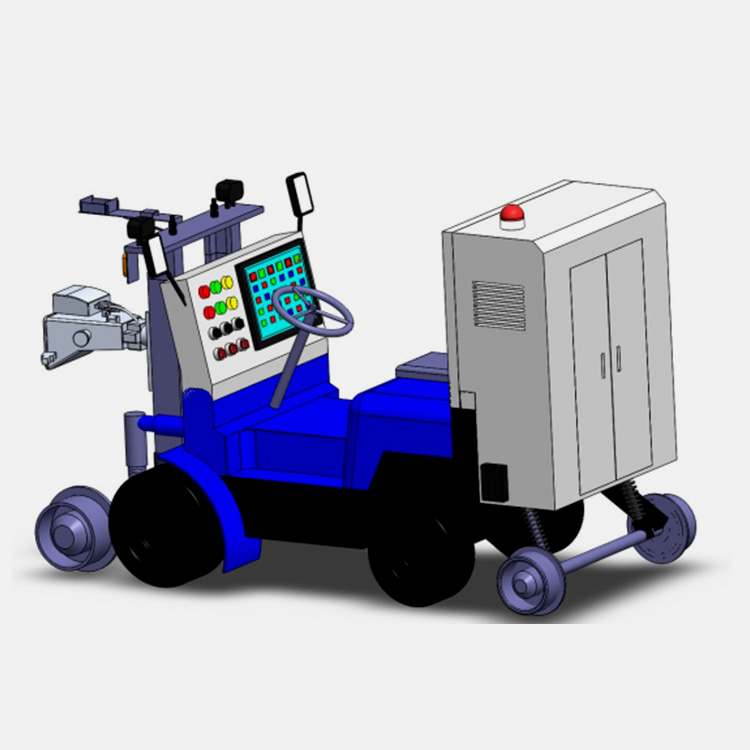
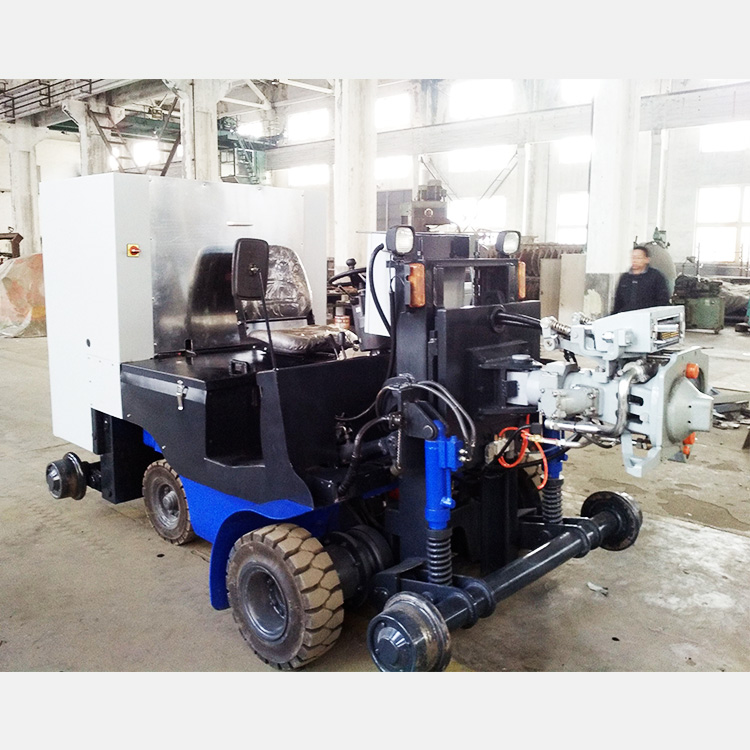
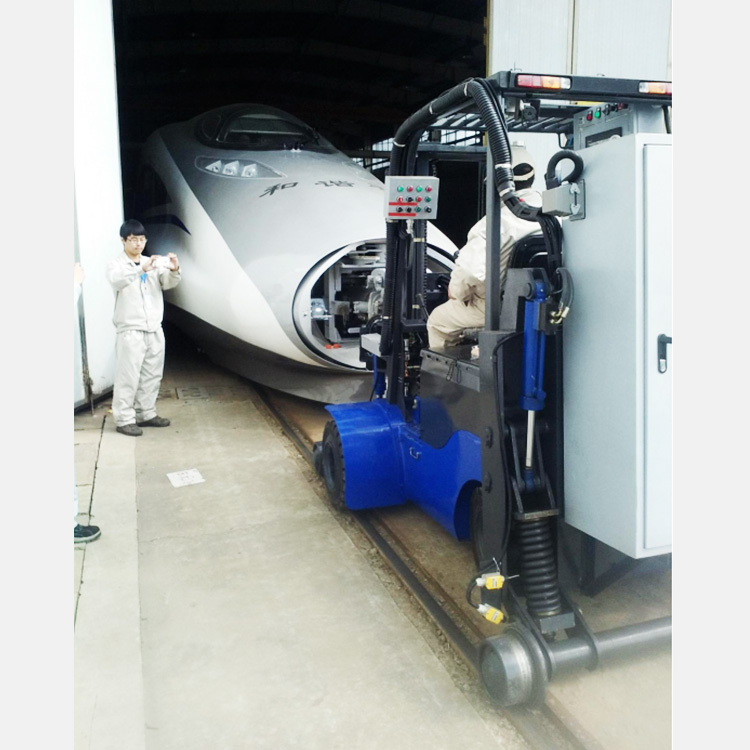
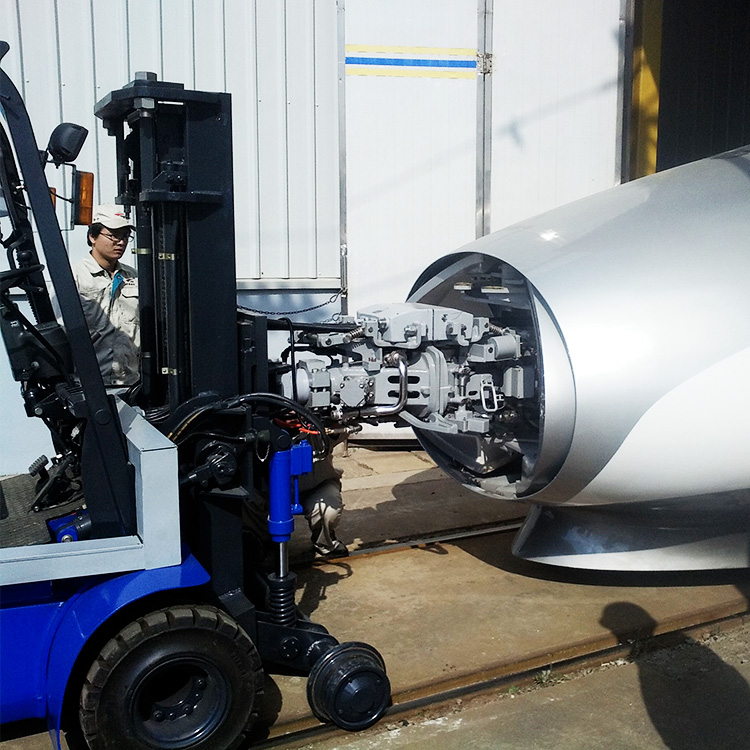
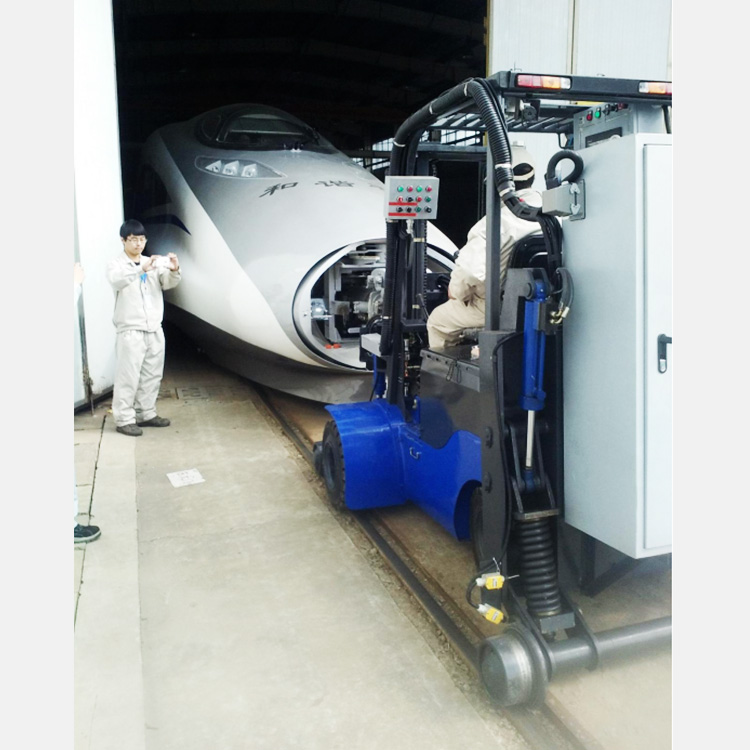
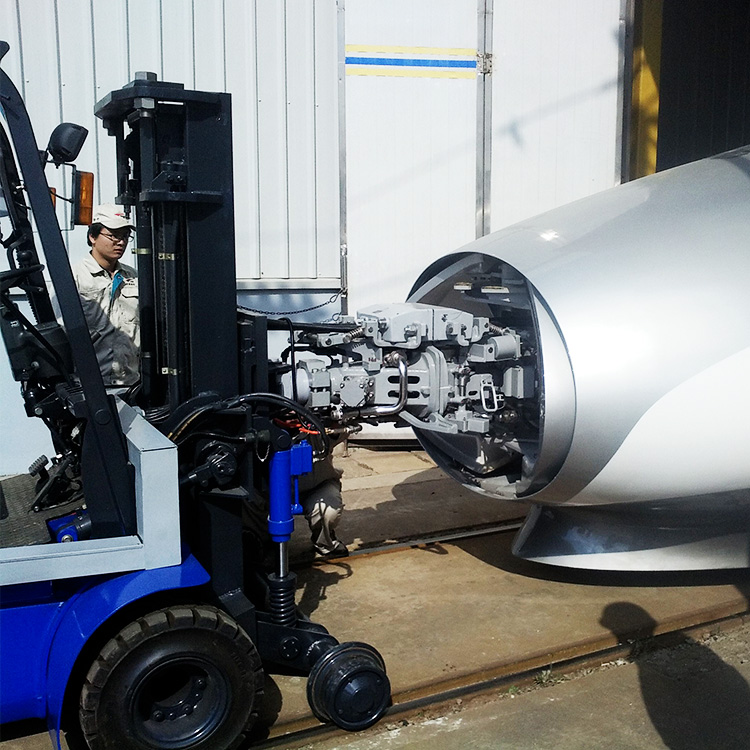
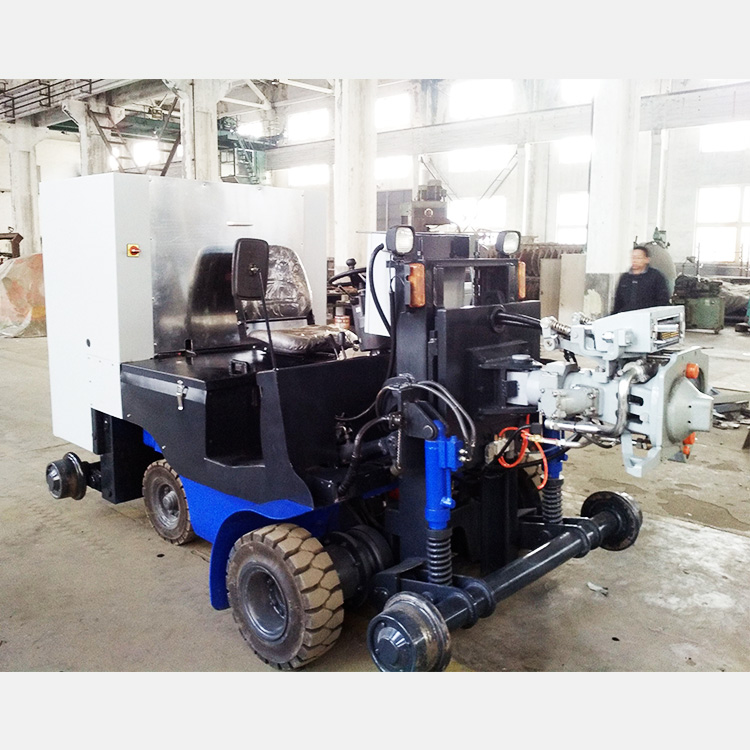
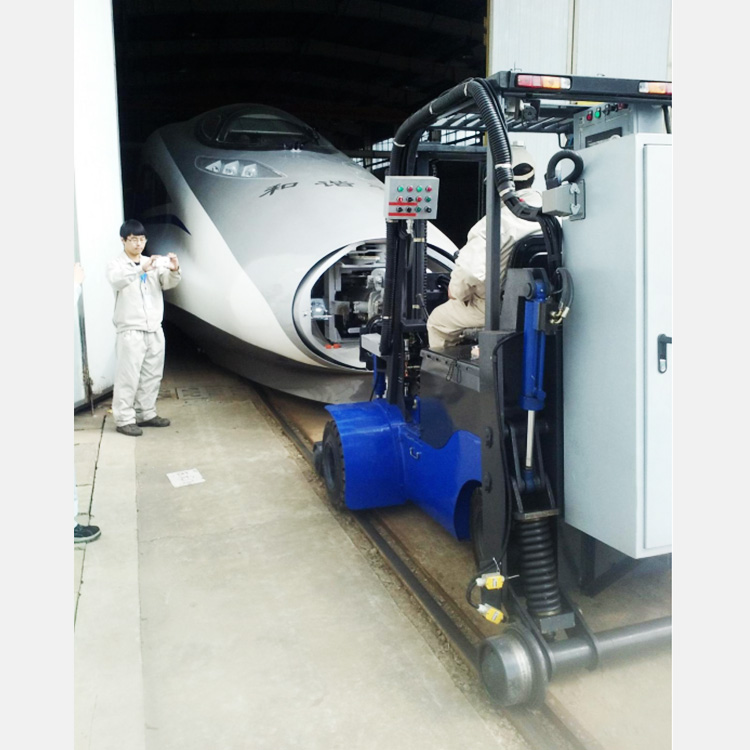
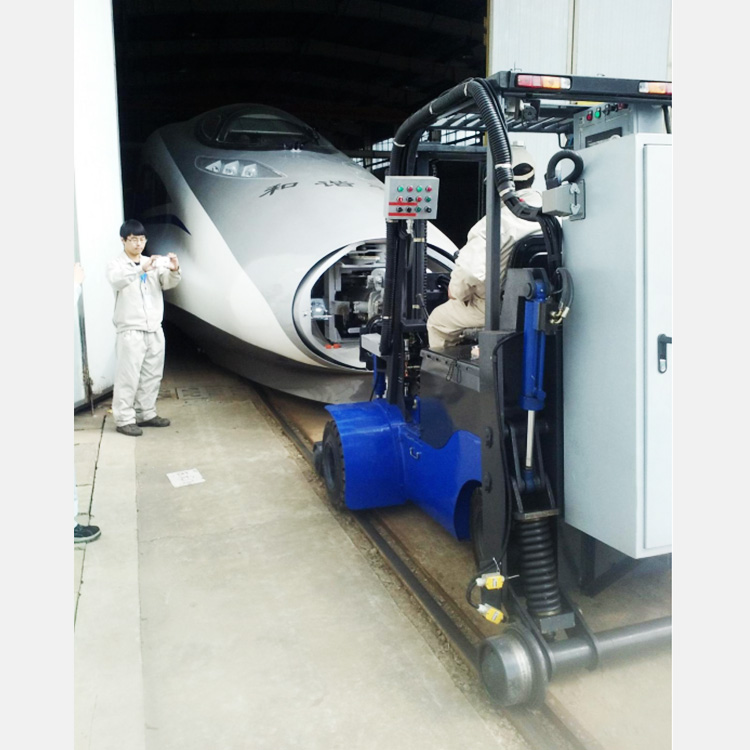
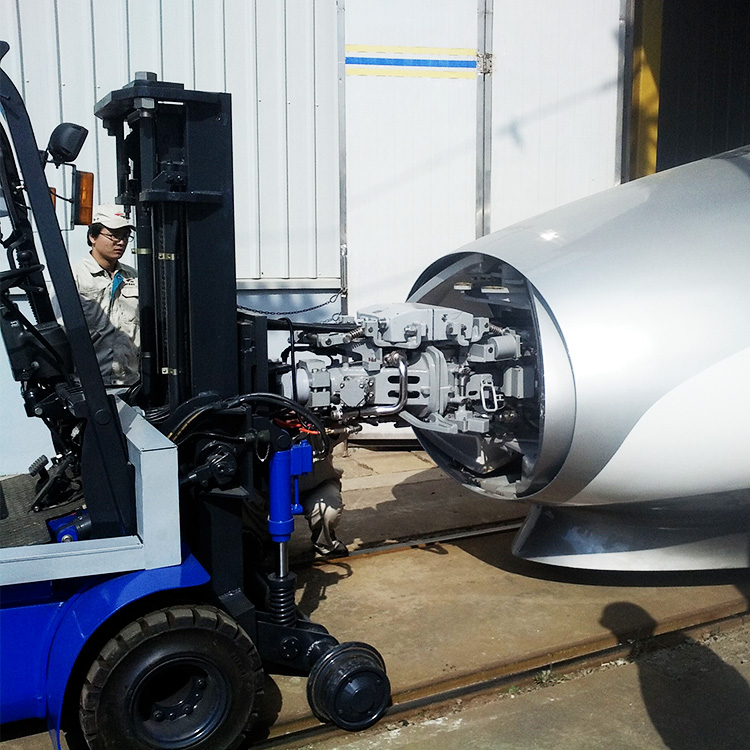
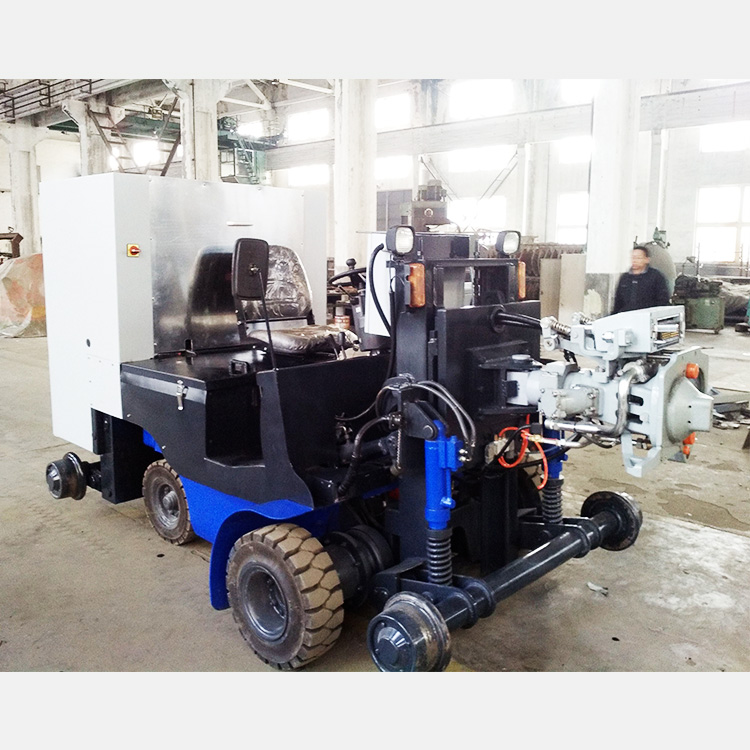
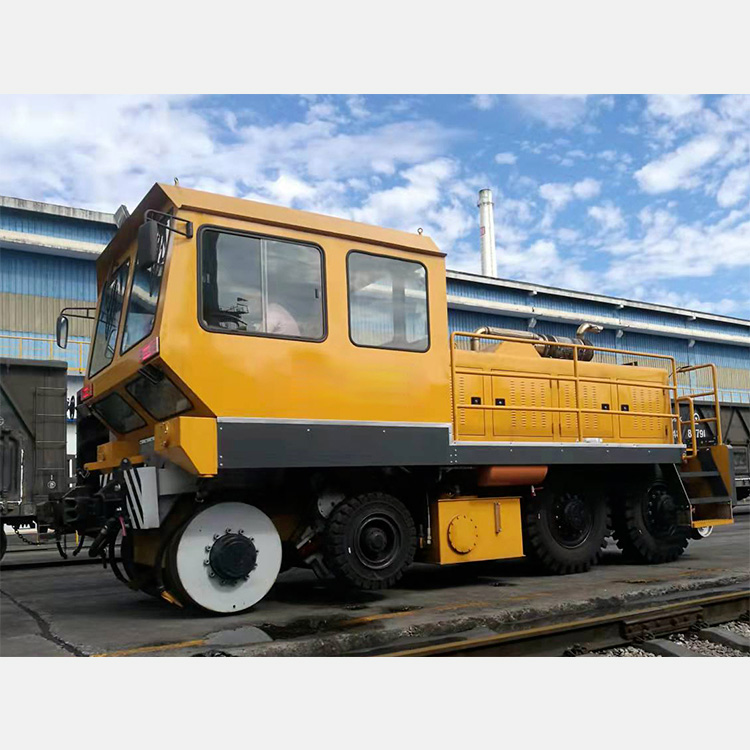
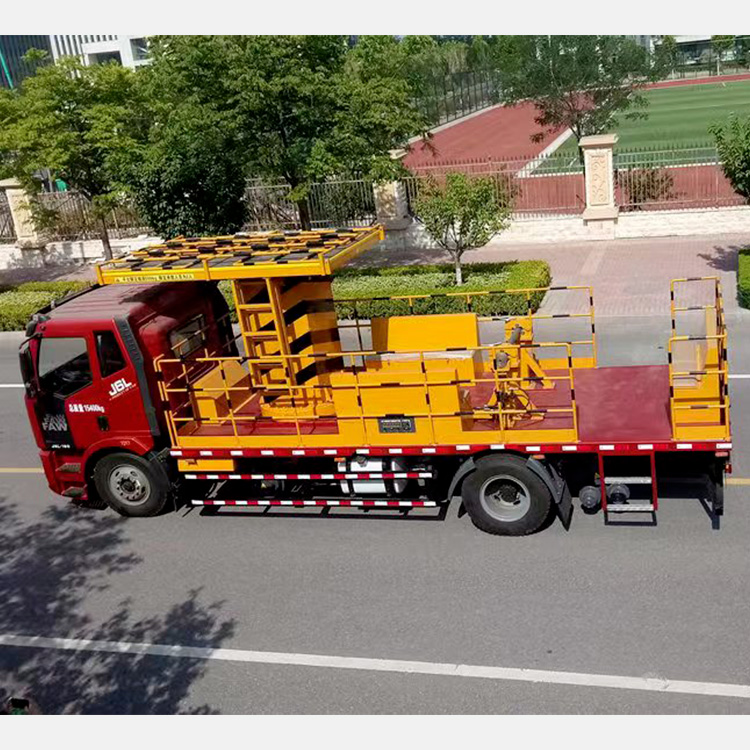
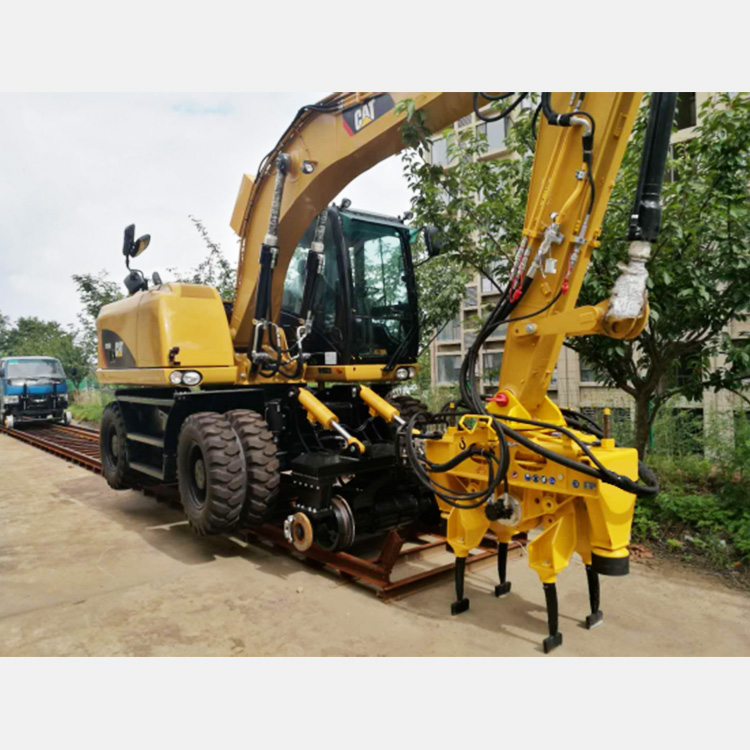
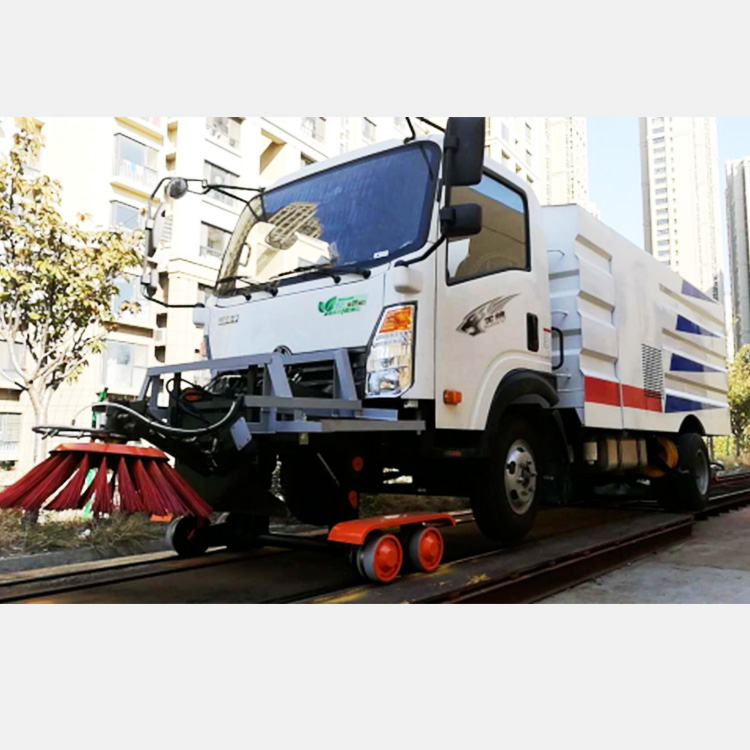
Under the委托 of the Four-Wheeled Locomotive Factory, our company has collaborated with Harbin Institute of Technology to develop and produce a dual-mode high-speed rail automatic inspection vehicle that addresses the issue of low detection efficiency of locomotives. The vehicle is equipped with a 1.5-ton electric forklift chassis, transformed into a dual-mode road-rail vehicle with the addition of a hydraulic system and guidance system (guiding steel wheels, etc.). A high-speed rail coupling matching the high-speed rail is installed at the front, and an electrical system and pneumatic system for automatic electrical detection are added at the rear. During inspection, the vehicle is driven onto the rails, the guiding wheels aligned with the rails, the handle operated to lower the guiding wheels, and the inspection vehicle can then move along the tracks, hook up with the high-speed rail, and begin automatic electrical system detection. The process ends automatically after each item is inspected according to the program.
The Four Sides Machine Factory is extremely satisfied with the use of our equipment. It has not only significantly boosted detection efficiency and saved a great deal of labor, but also reduced electricity costs, with savings of over 20 million yuan in electricity bills annually.