







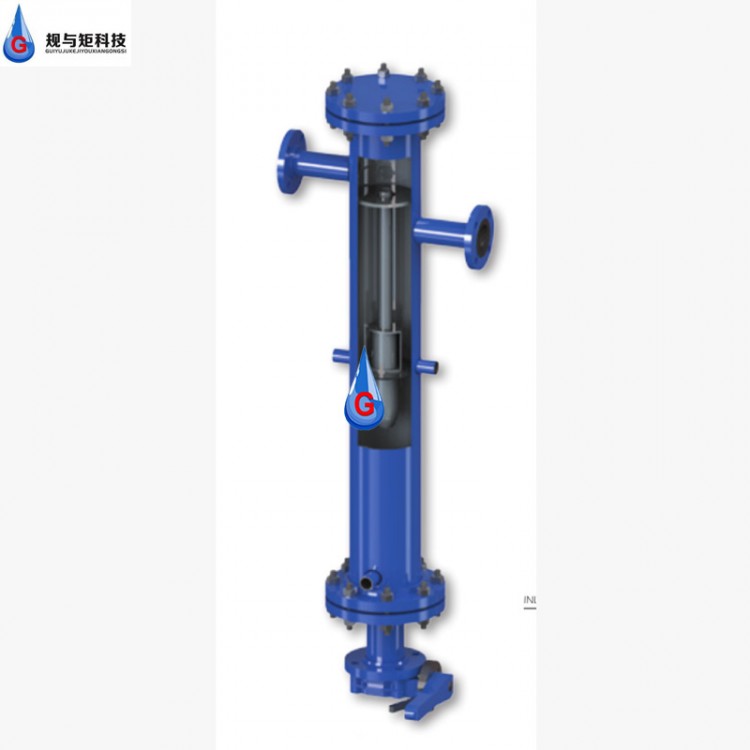
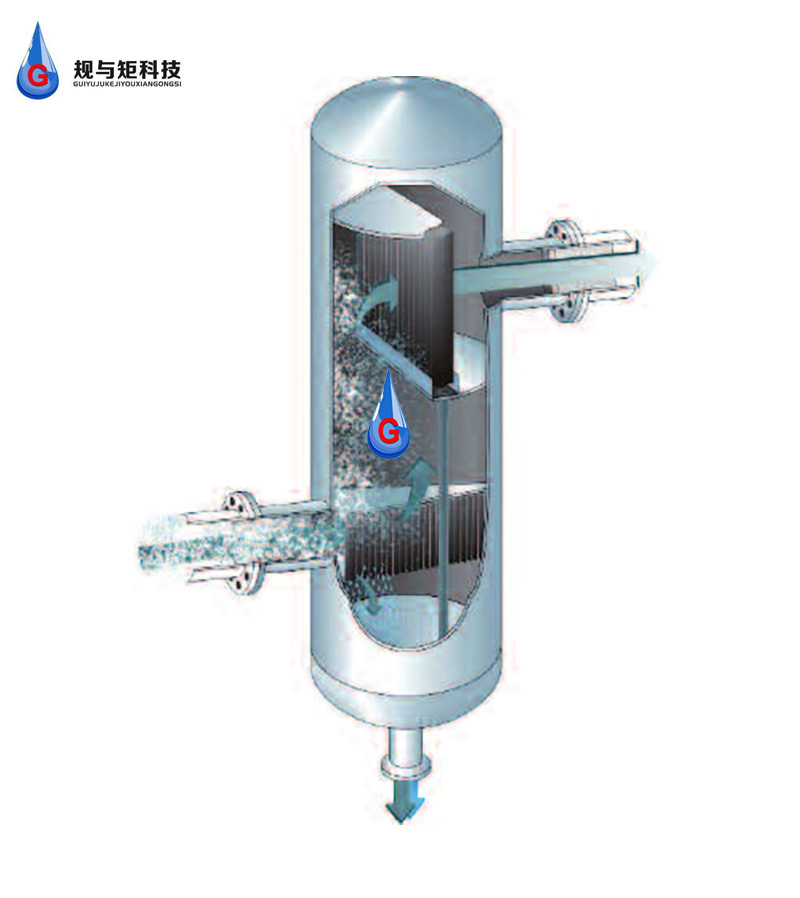
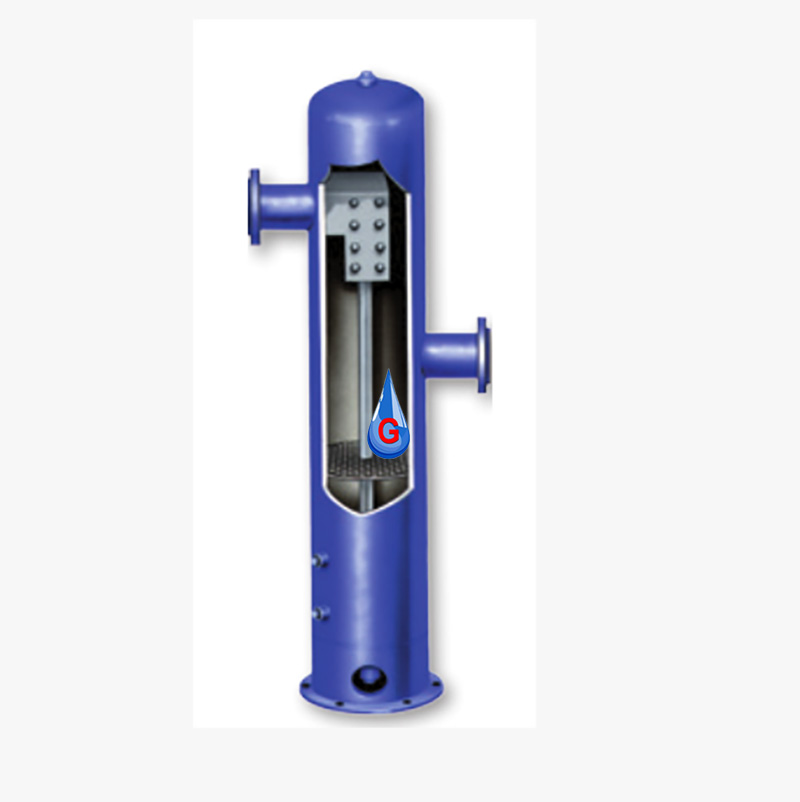
Working Principle:
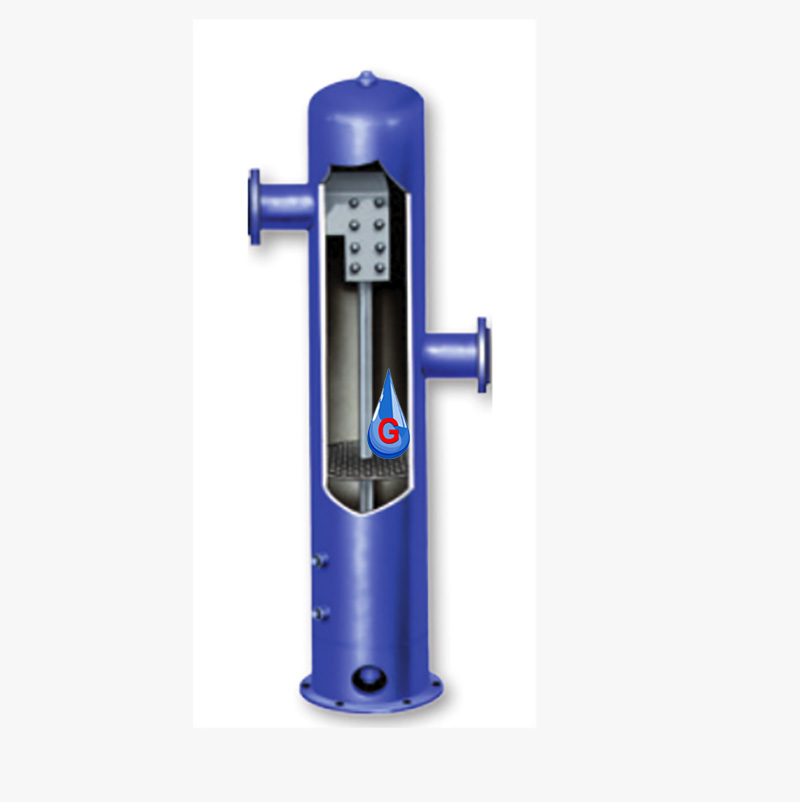
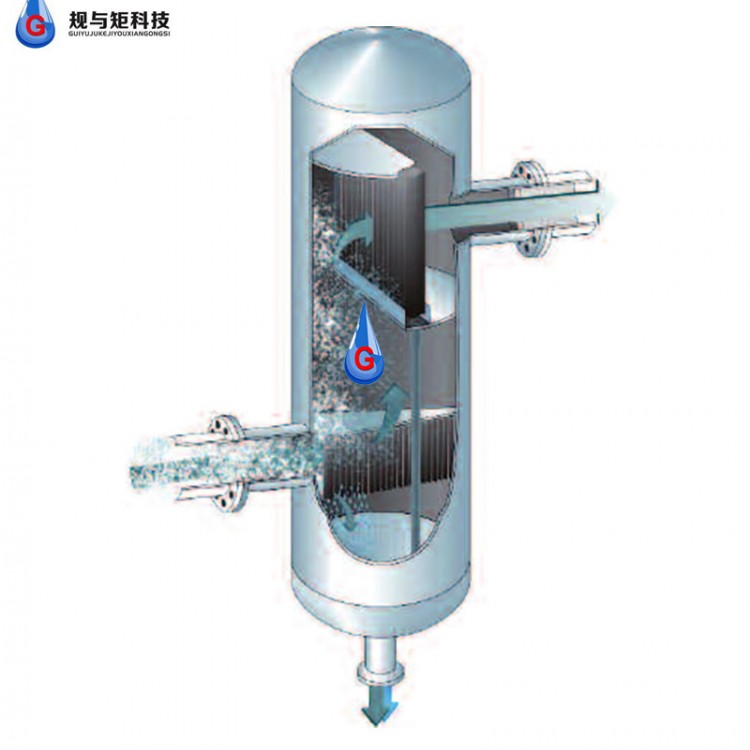
(A) A feed buffer device for gas-liquid two-phase inlet can help mitigate gas flow.
The kinetic energy of the liquid-liquid two-phase fluid entering the separator, while removing the gas
Intermingled large-sized droplets.
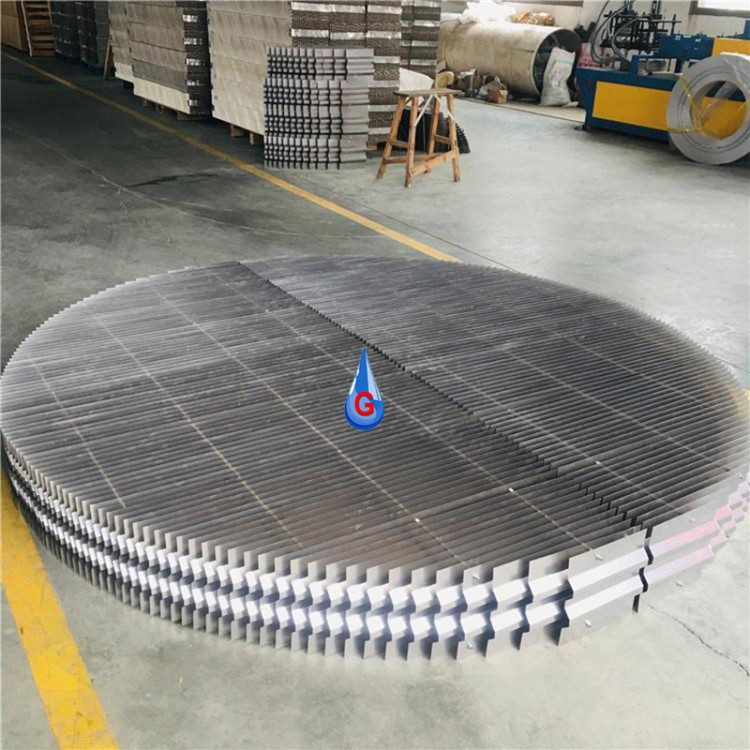
(B) The gas carries the remaining small droplets into the upper separation blades.
(C) The liquid collected by the separated blades enters below the blades.
Conduct collection.
(D) The collected liquid is guided into the conduit by its own gravity
At the bottom of the separator, and finally discharged from the bottom of the separator.
Design an appropriate liquid seal to prevent gas from entering the conduit, causing
Liquid short circuit.
(E) Reasonable level control to ensure the liquid at the bottom is effectively separated from the separator
Successfully discharged while ensuring a liquid seal in the conduit.
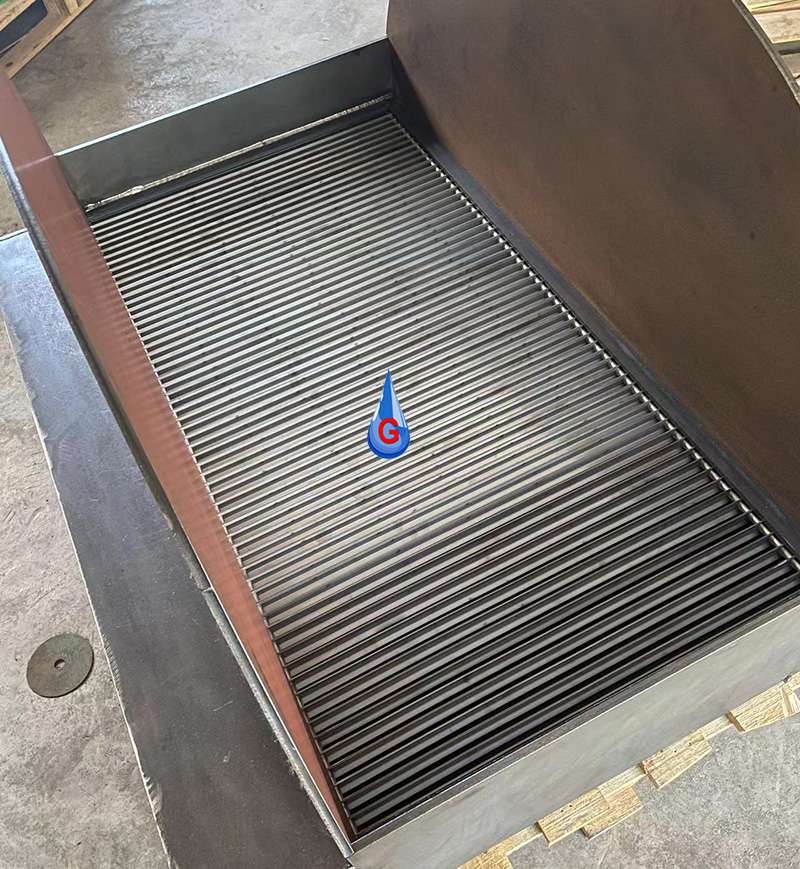
Advantages:
Enhanced liquid separation efficiency
. Broader operational flexibility range
Smaller separator housing dimensions
Suitable for high liquid-gas ratio applications.
Applicable for slug flow conditions
. Convenient for modification of existing vertical separators
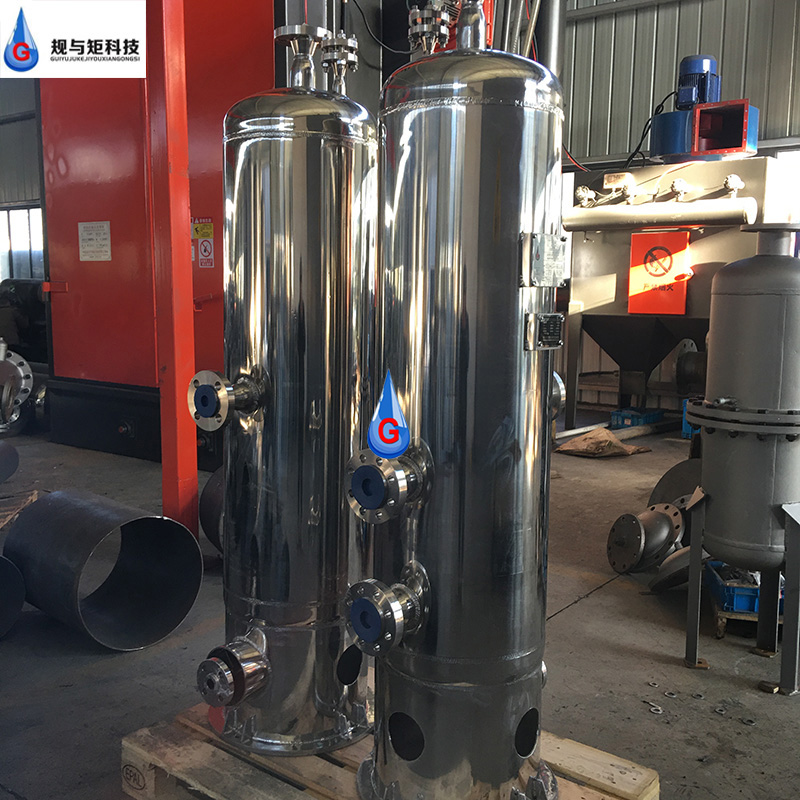
Features:
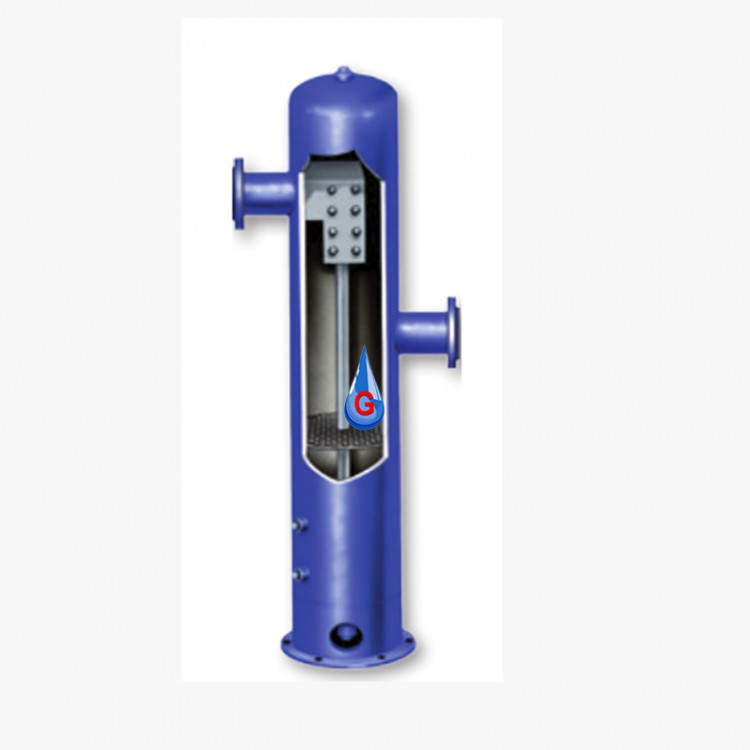
Vertical blade separator can handle high liquid-gas ratios, especially in conditions with a large amount of entrained liquid.
Scenarios prone to plugging. The designed diameter of the vertical blade separator is compared to that of the traditional
The separator diameter required for screens or other separation equipment is relatively smaller.