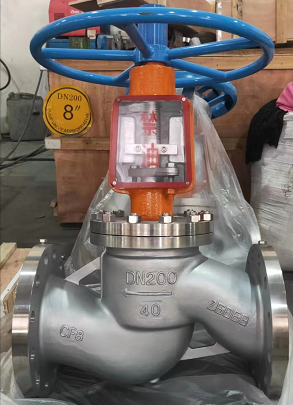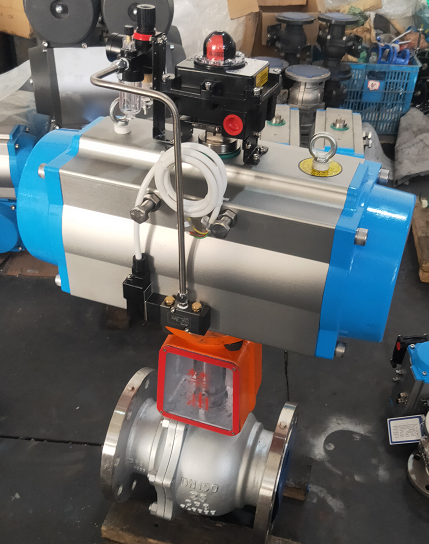

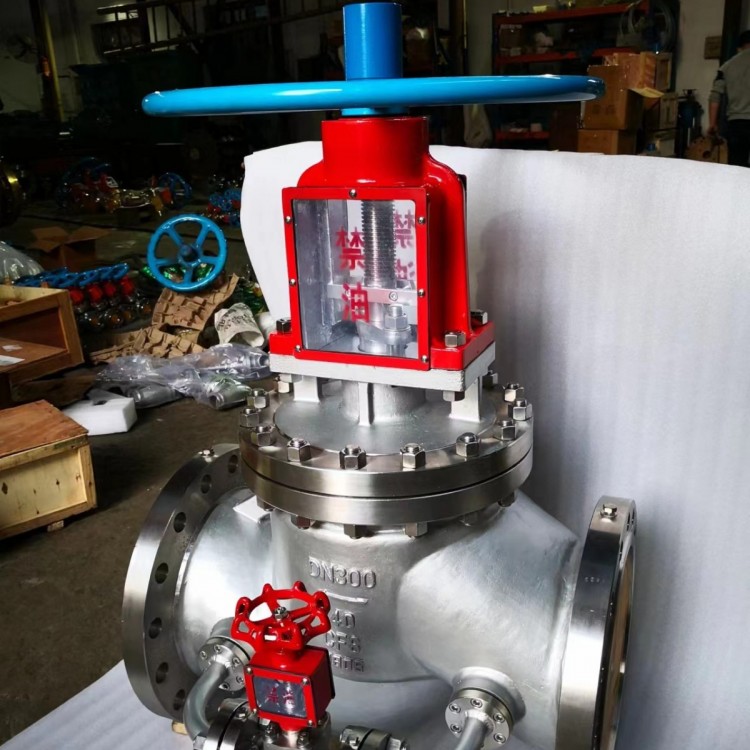

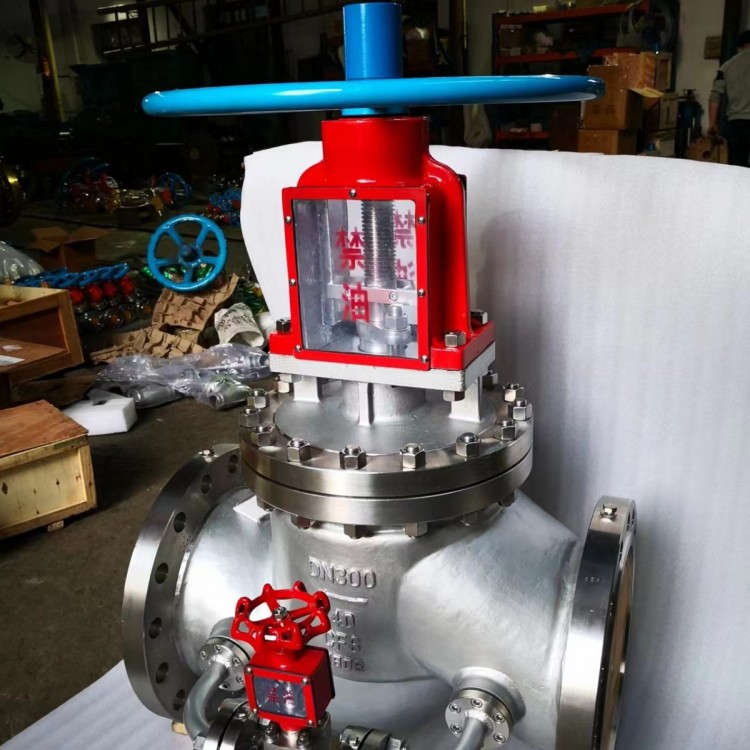

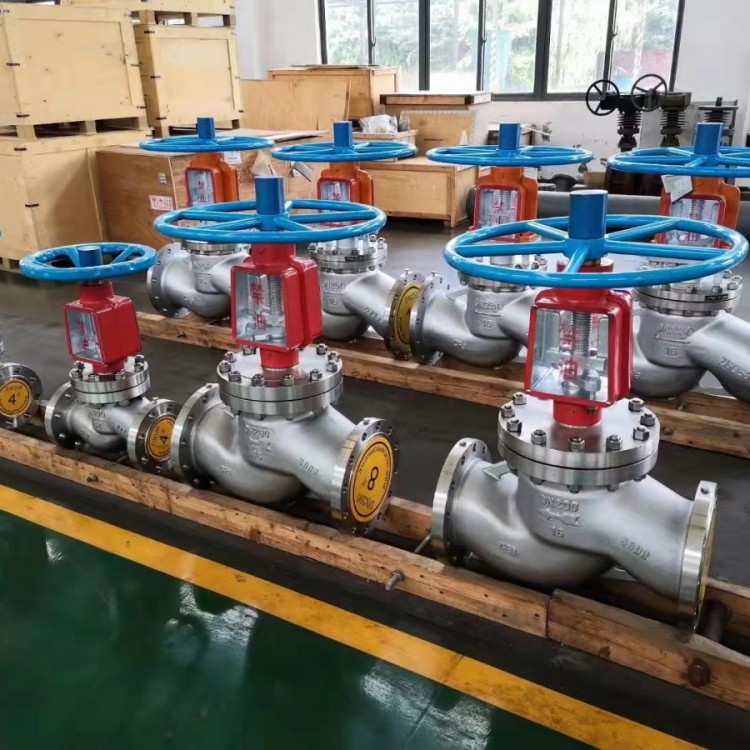









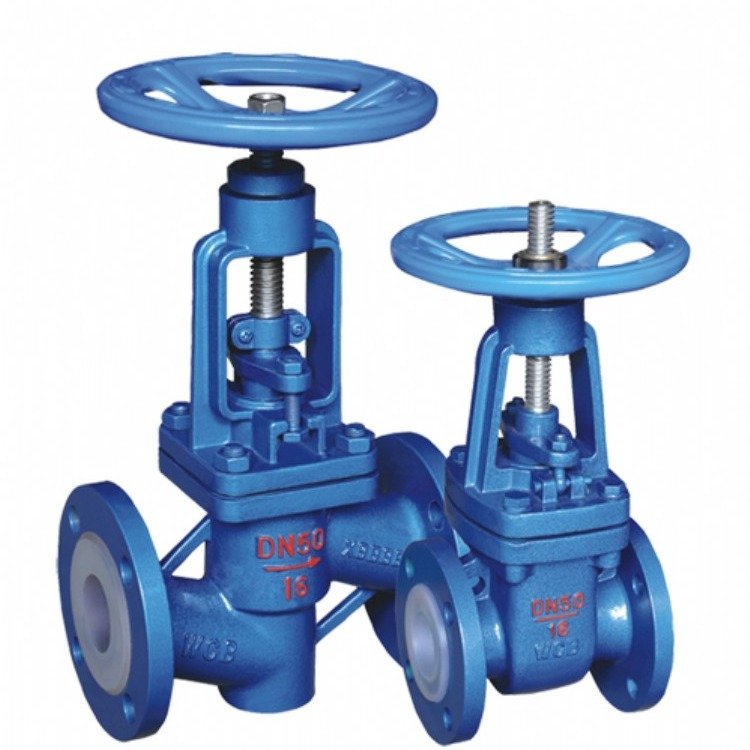
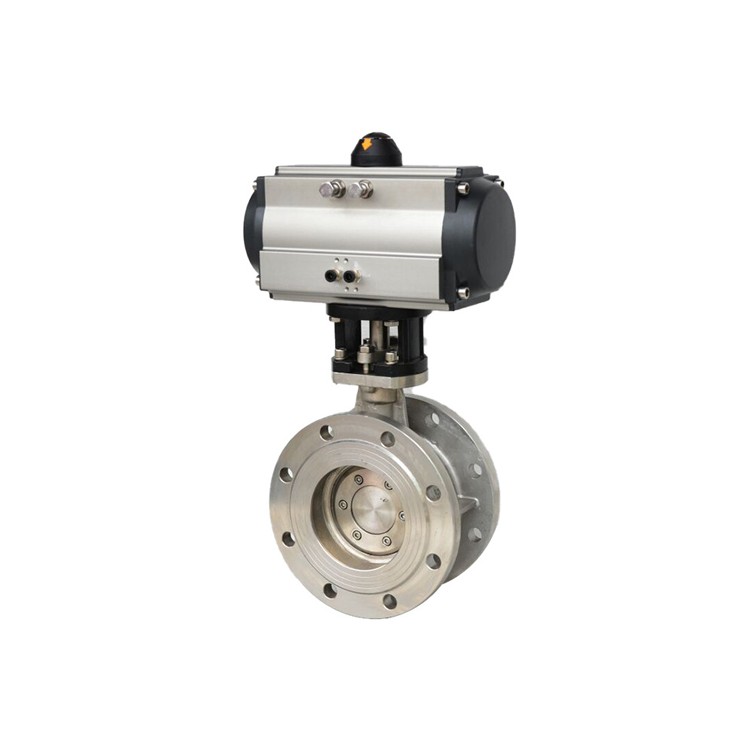
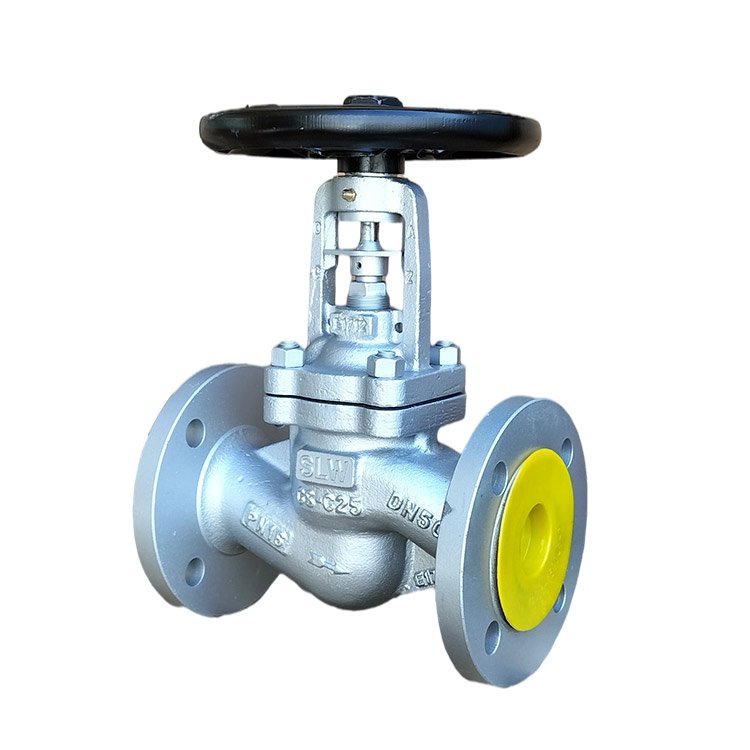
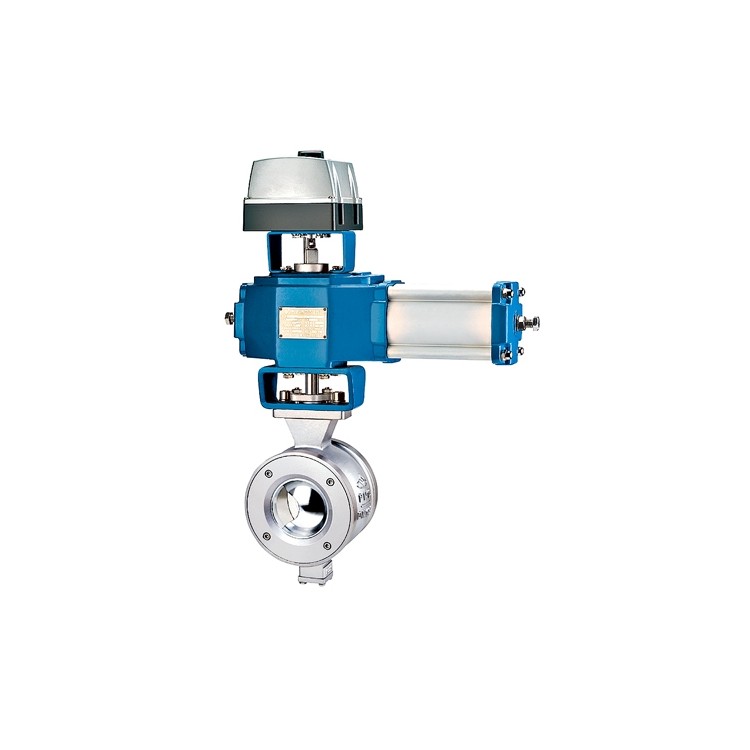
The high-pressure chamber of the oxygen valve is connected to the cylinder, the low-pressure chamber serves as the gas outlet, leading to the usage system. The reading on the high-pressure gauge indicates the pressure of the stored gas inside the cylinder. The outlet pressure of the low-pressure gauge can be controlled by the adjusting screw.
First, turn on the main switch, then rotate the low-pressure gauge pressure adjustment screw clockwise to compress the main spring, which in turn actuates the diaphragm, spring pad, and plunger to open the valve. This allows the high-pressure gas entering from the high-pressure chamber to pass through a throttle and pressure reduction before entering the low-pressure chamber and flowing into the working system via the outlet. Next, rotate the adjustment screw to change the valve opening height, thereby regulating the flow of high-pressure gas and achieving the desired pressure level.
All oxygen valves are equipped with safety valves. It is a device that protects the pressure reducing valve and ensures its safe operation, as well as a signaling device for any fault in the pressure reducing valve. If, due to issues such as a worn seat, damaged valve, or other reasons, the outlet pressure rises automatically and exceeds a certain permissible value, the safety valve will automatically open to exhaust gas. Such valves should generally be installed horizontally in the pipeline.