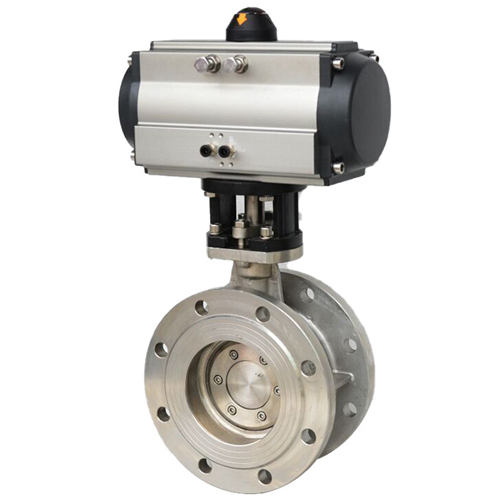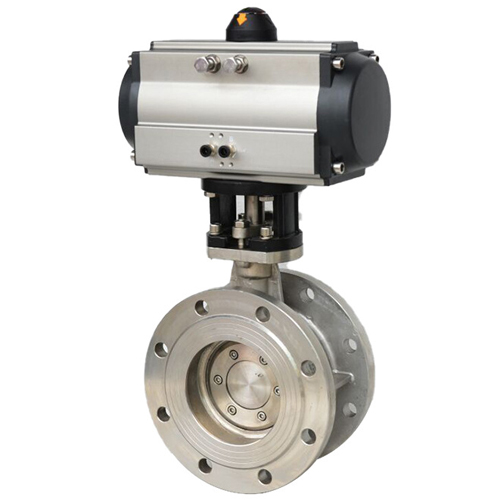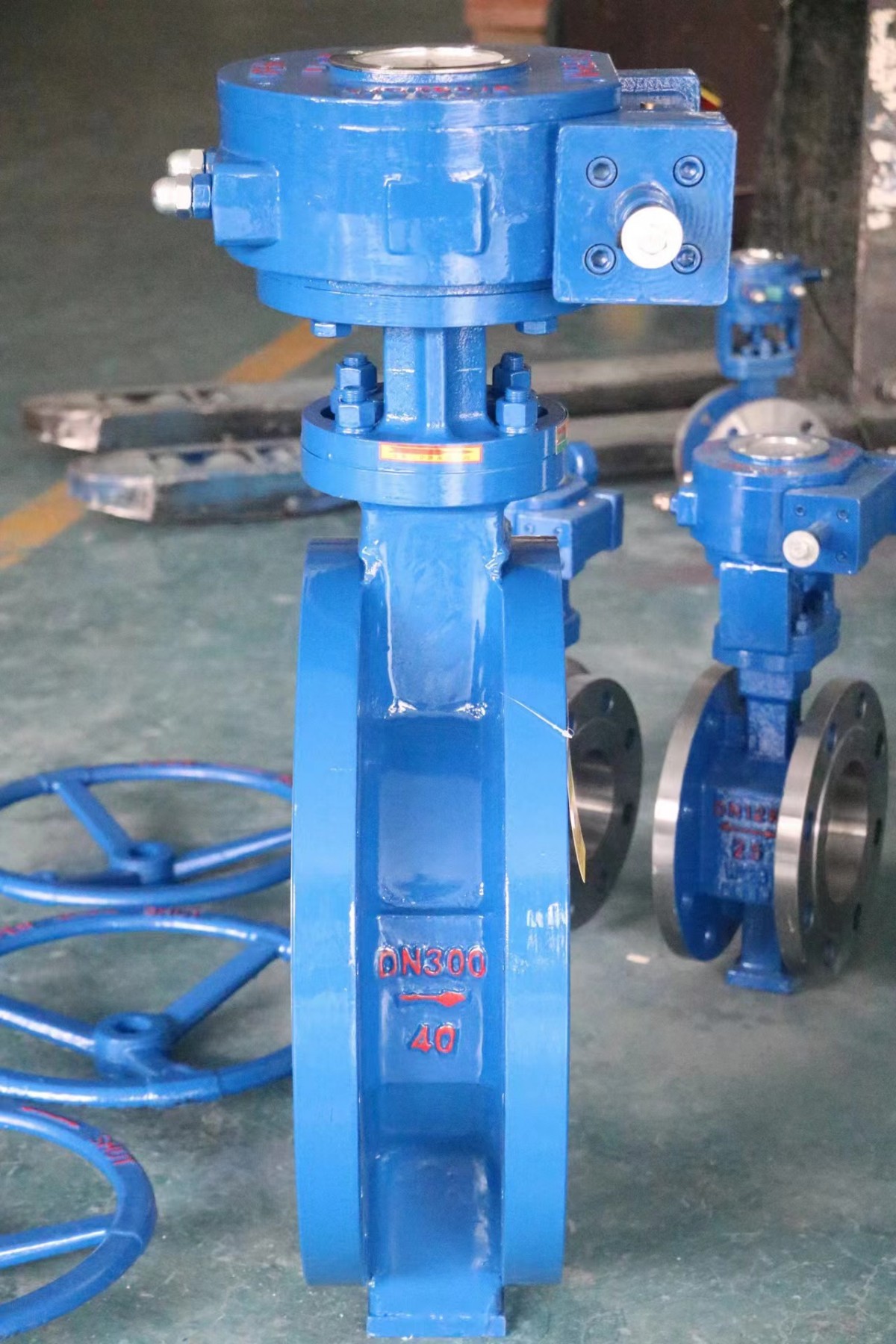

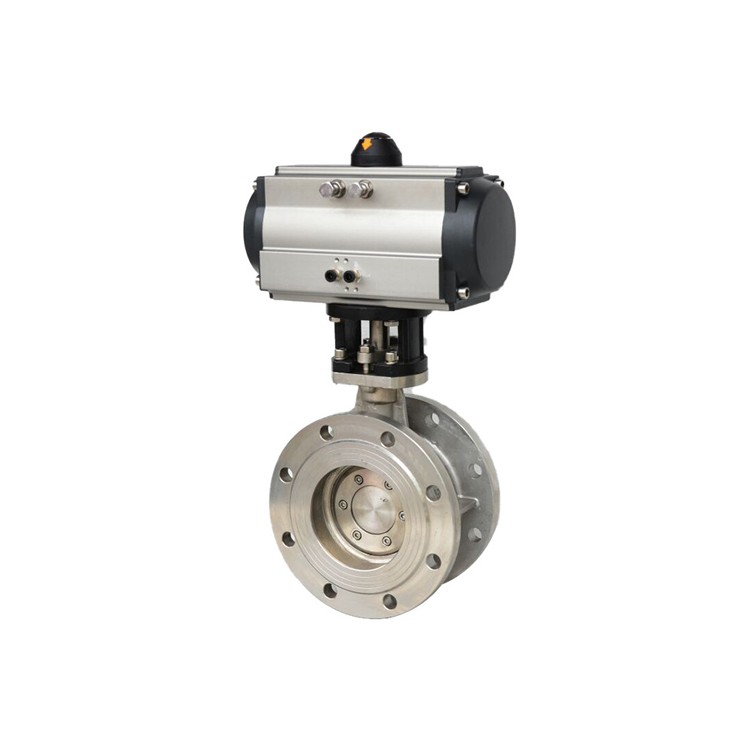

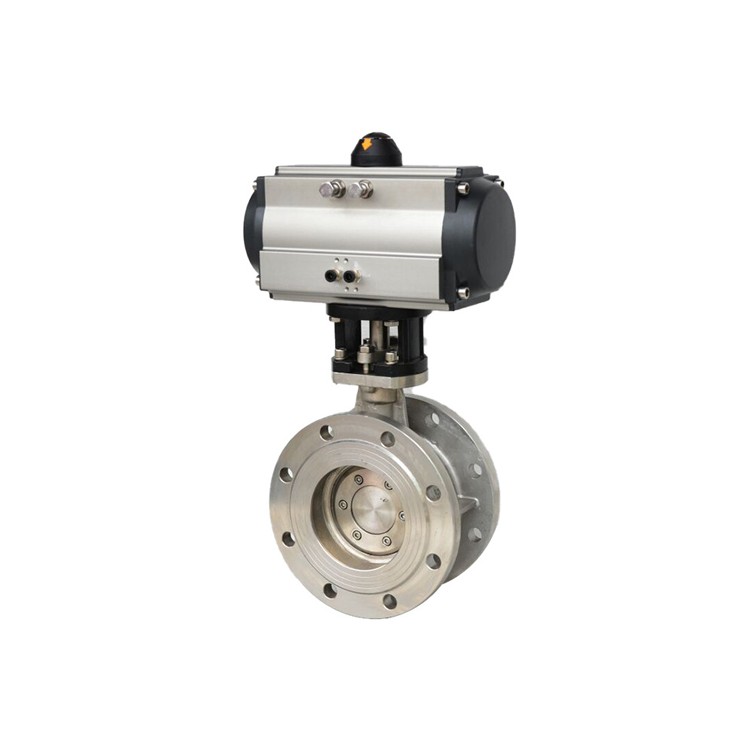
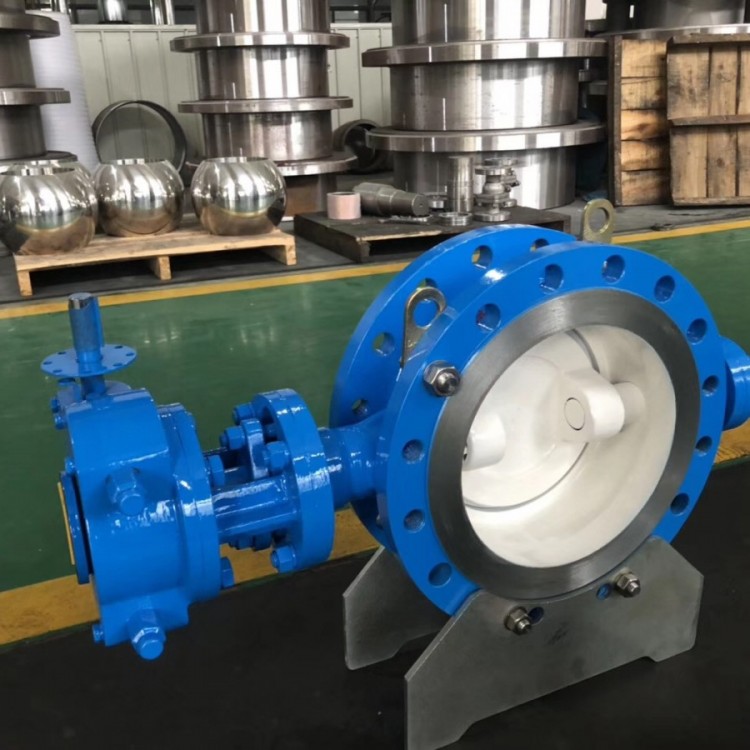
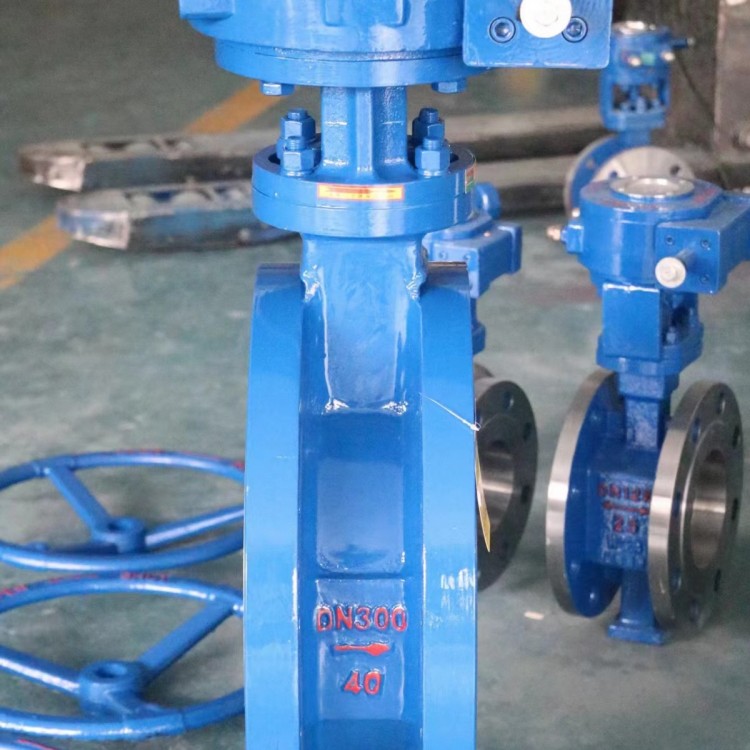














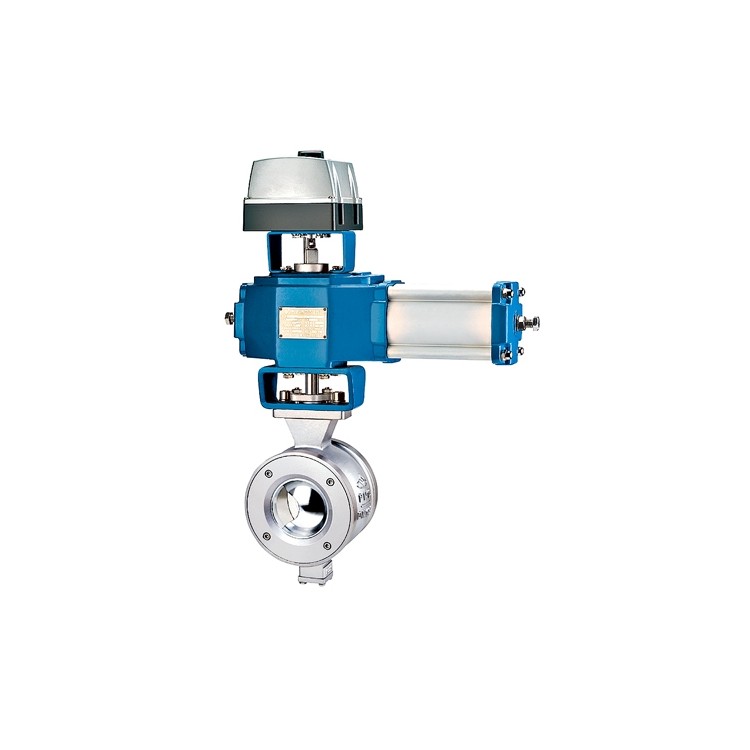
The primary advantages of pneumatic butterfly valves include a simple structure, compact size, lightweight, and low cost. This feature is particularly pronounced in pneumatic butterfly valves, which are easy to install in high-altitude tunnels and can be controlled by a two-position five-way solenoid valve for convenient operation. They can also regulate flow media. The fluid resistance is low, and when fully open, the large-diameter pneumatic butterfly valves have a significant effective flow area, making them quick and easy to open and close. The disc plate rotates 90 degrees to complete the operation. Due to the nearly equal force on the medium-hand side of the butterfly plate, the torque direction is opposite, resulting in a smaller opening and closing torque. They can achieve good sealing at low pressure. The sealing materials for butterfly valves include nitrile rubber, fluororubber, food-grade rubber, and PTFE lining, ensuring excellent sealing performance. The hard-sealed butterfly valves, with a sandwiched metal sheet structure, combine the advantages of metallic hard sealing and elastic sealing, maintaining excellent sealing properties even in low-temperature conditions.