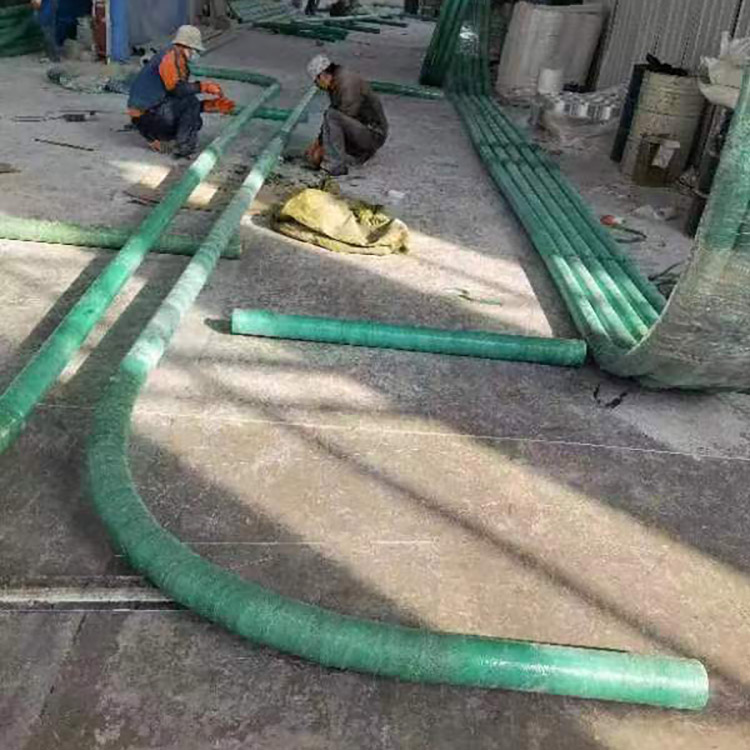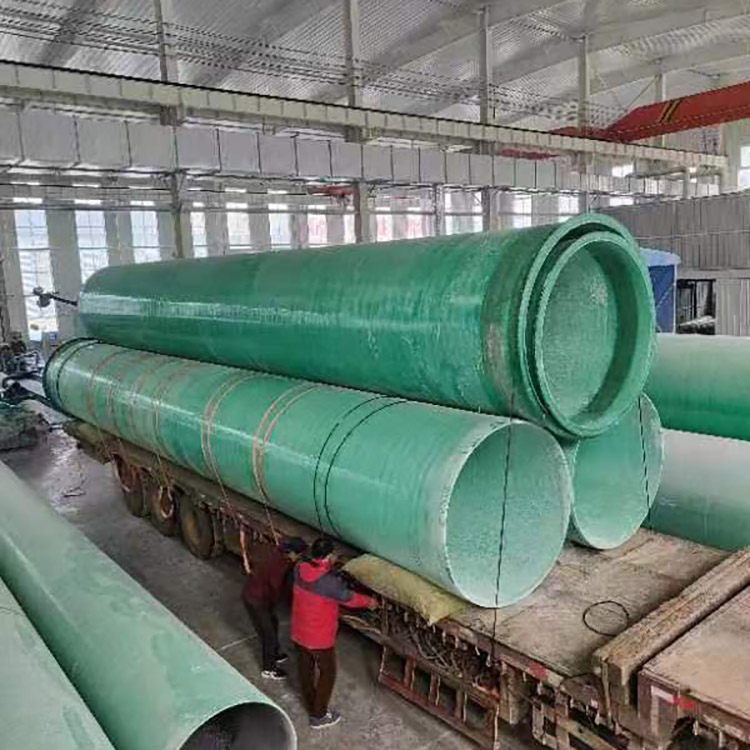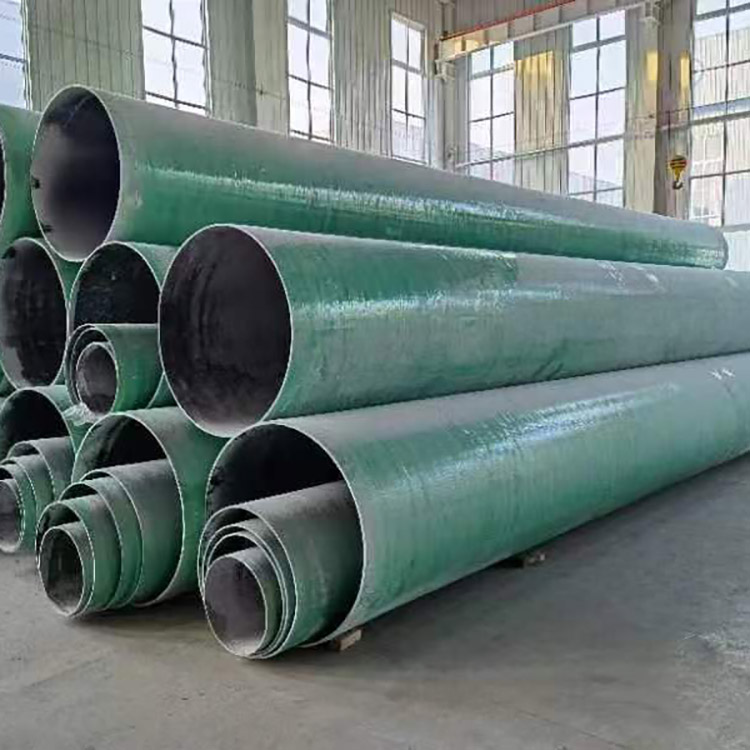

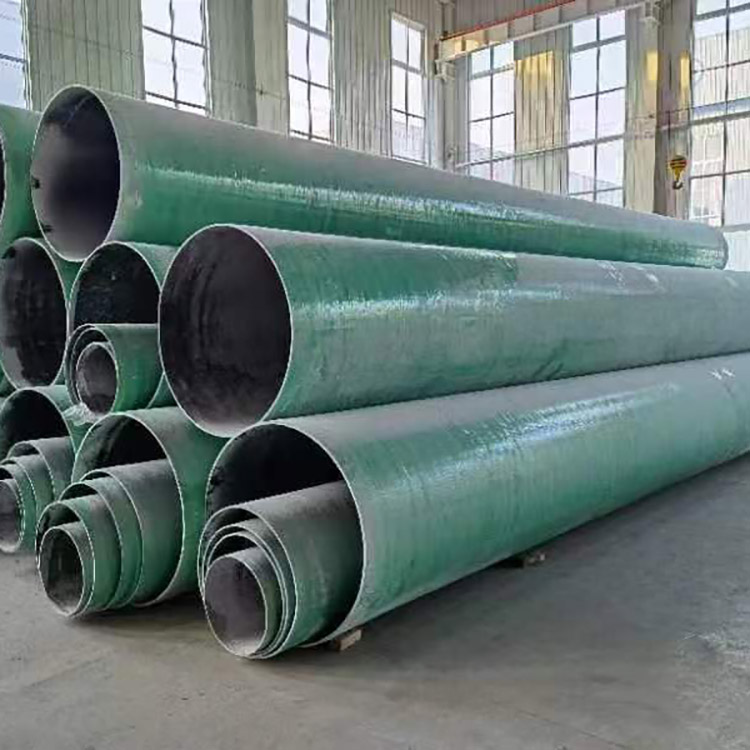


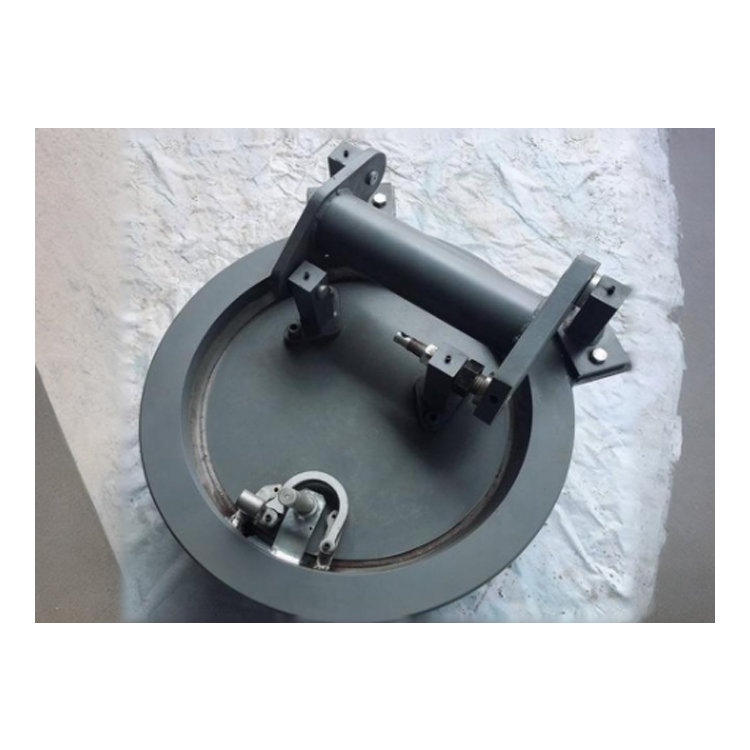
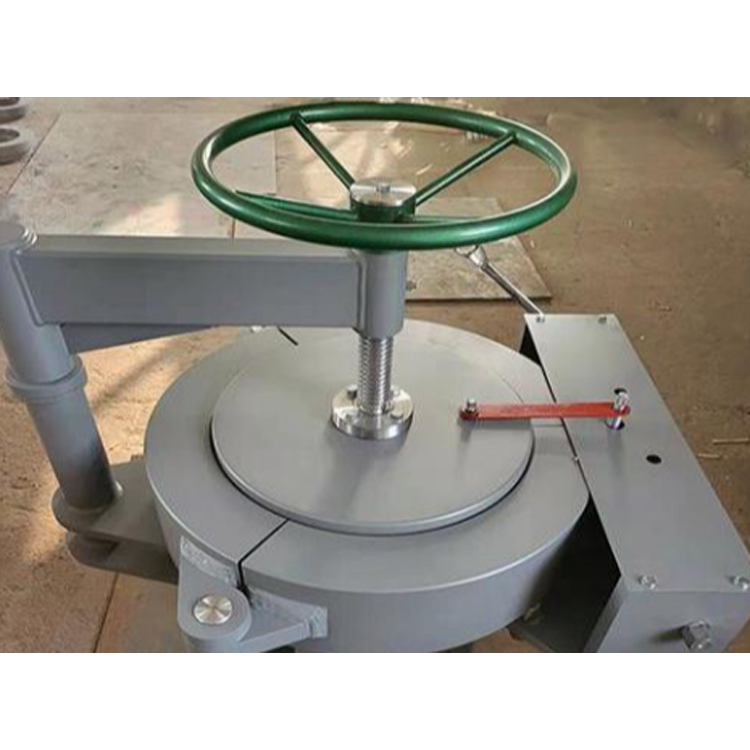
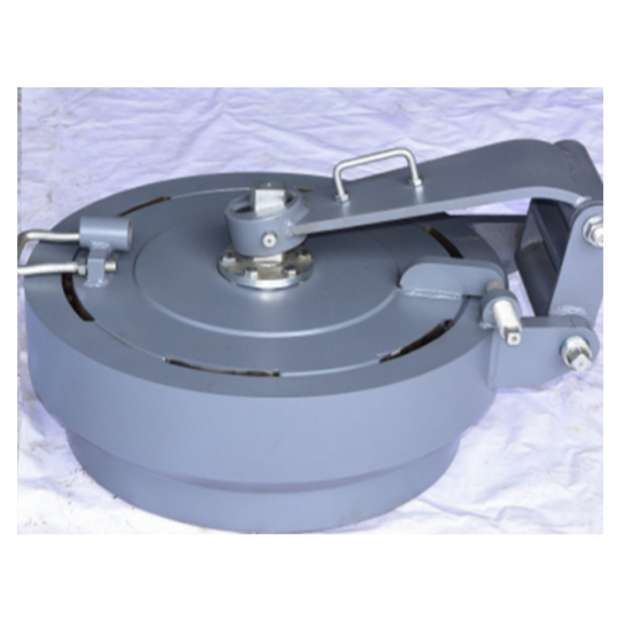





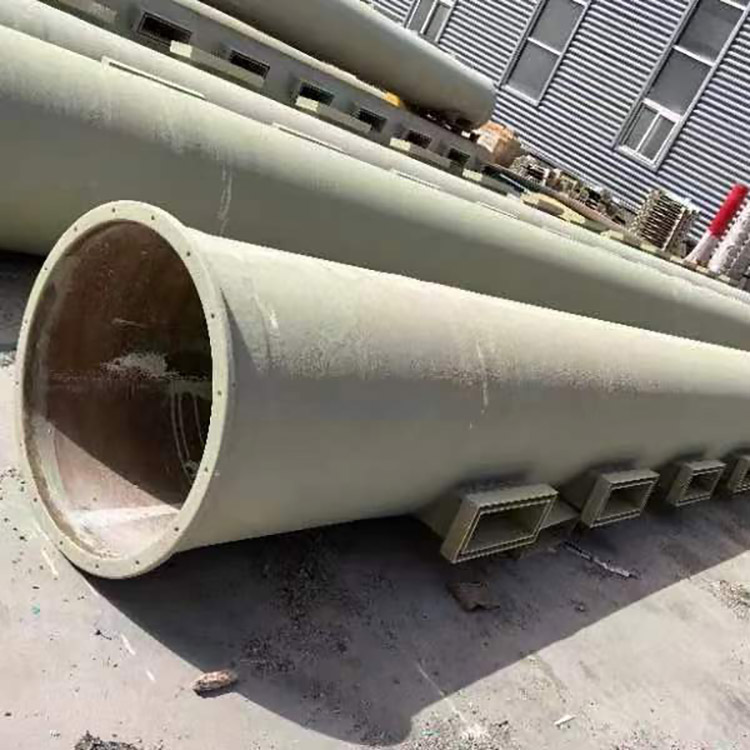
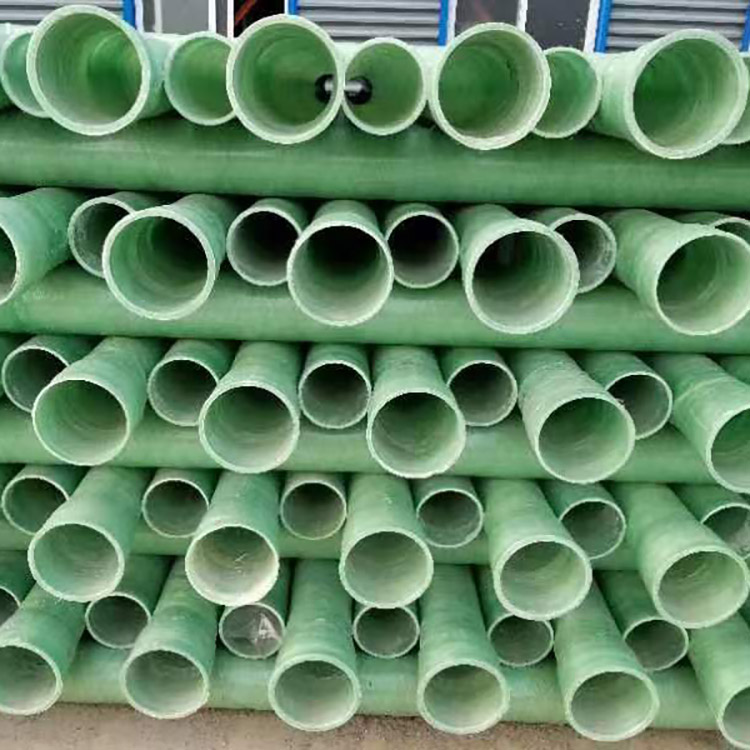
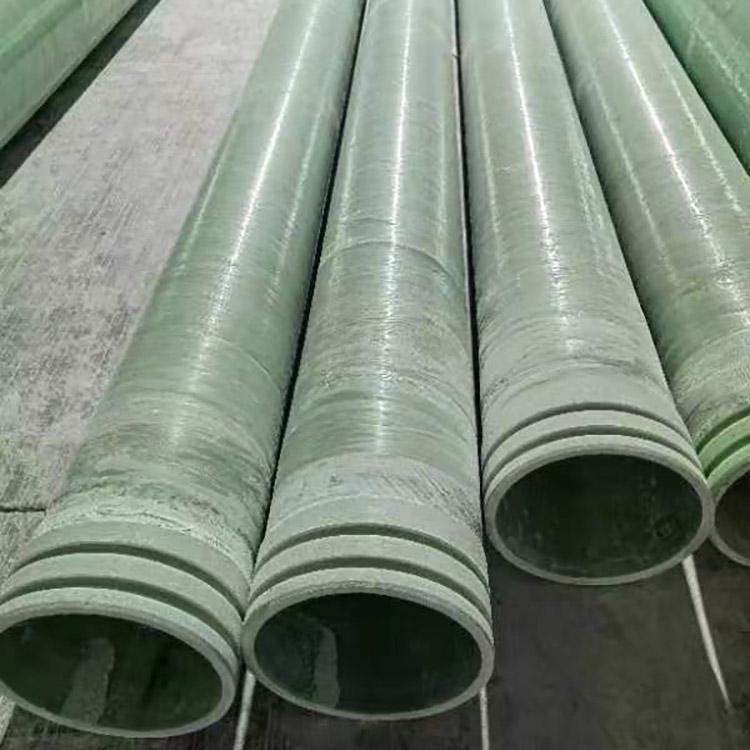
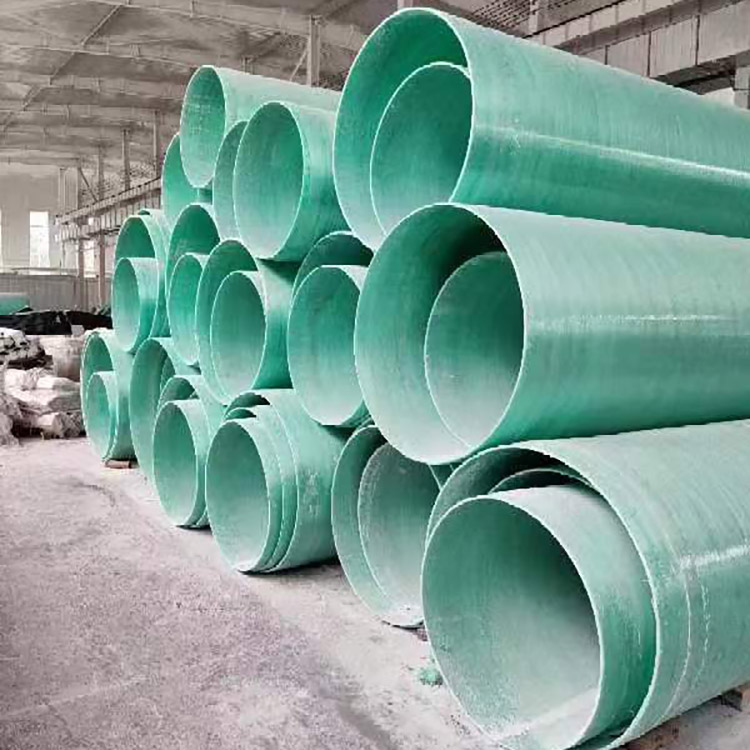
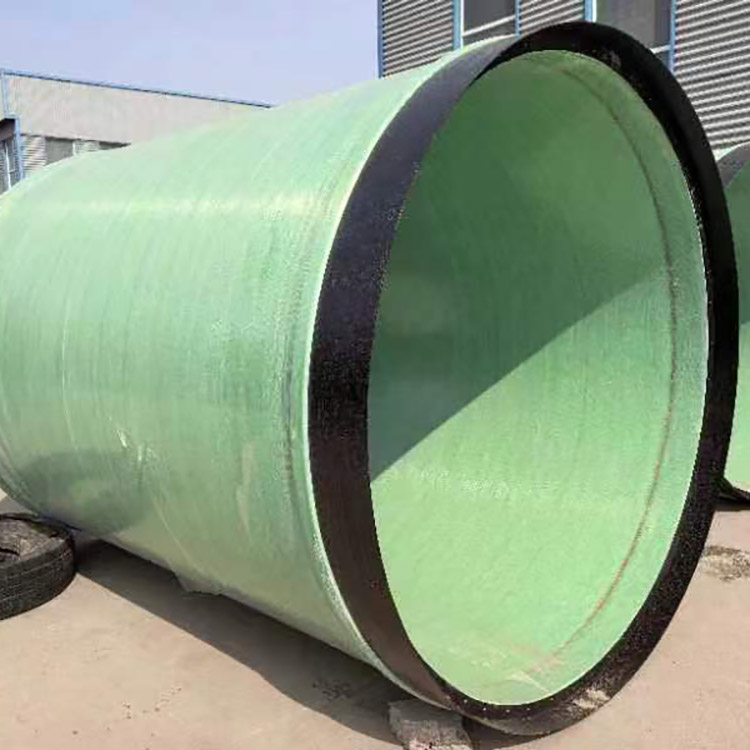

Fiberglass ventilation ducts are widely used in industrial factories, commercial buildings, agricultural greenhouses, workshops, and other locations as ventilation equipment. They are primarily made of organic fiberglass, featuring resistance to acids and alkalis, corrosion, and a long service life. Their main applications include discharging corrosive exhausts, regulating indoor temperature and humidity, and facilitating the circulation of fresh air.
Glass fiber ventilation ducts excel in their excellent corrosion resistance, capable of withstanding the erosion from acids, alkalis, salts, seawater, untreated wastewater, corrosive soil, or groundwater, as well as many chemical fluids. Additionally, they feature lightweight high strength, smooth inner walls, and good electrical and thermal insulation properties, making them both convenient for transportation and installation during use, while also enhancing their conveying capacity and reducing energy consumption.
In terms of installation and maintenance, the cost of glass fiber ventilation ducts is relatively low. Due to their light weight and high strength, many unnecessary procedures can be omitted during installation, such as welding, rustproofing, and anti-corrosion treatments. Additionally, with their excellent performance, the maintenance cycle is relatively long, reducing long-term maintenance costs.