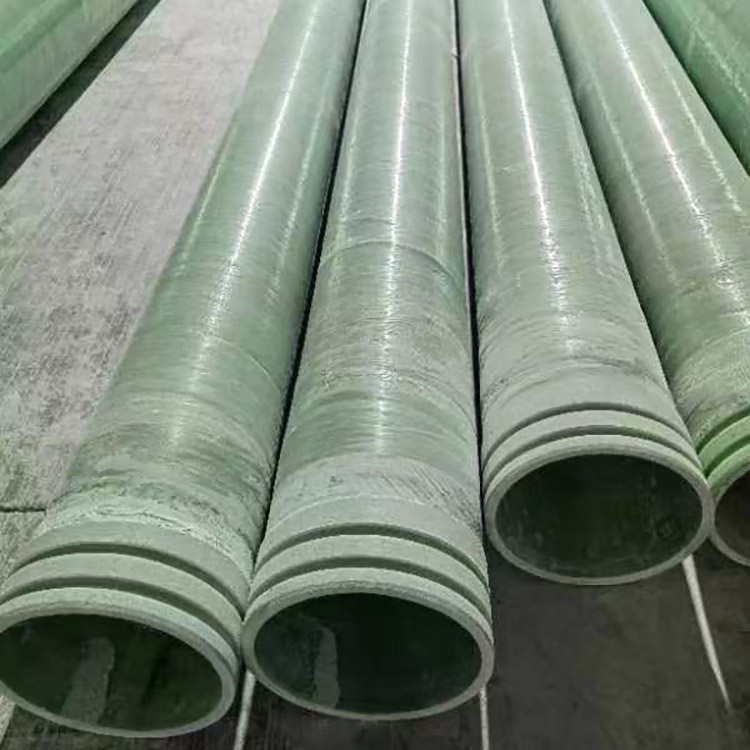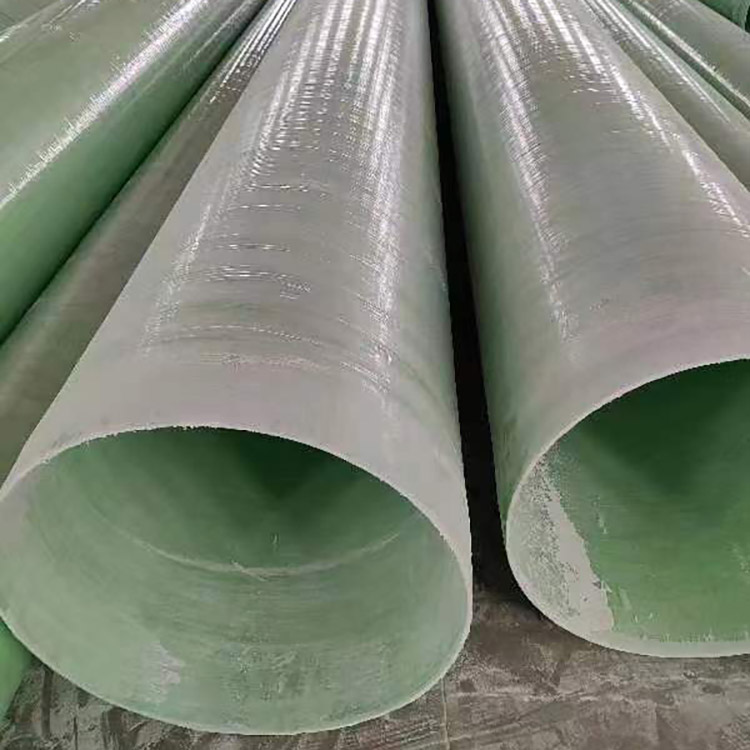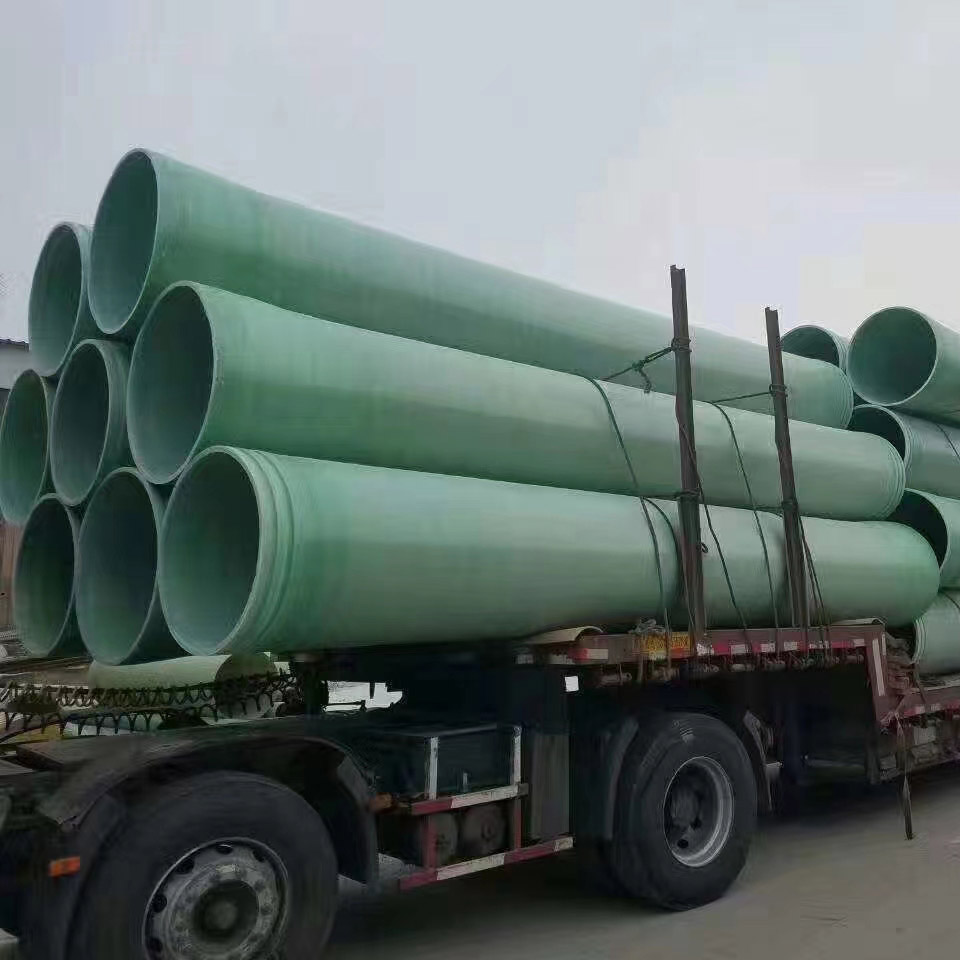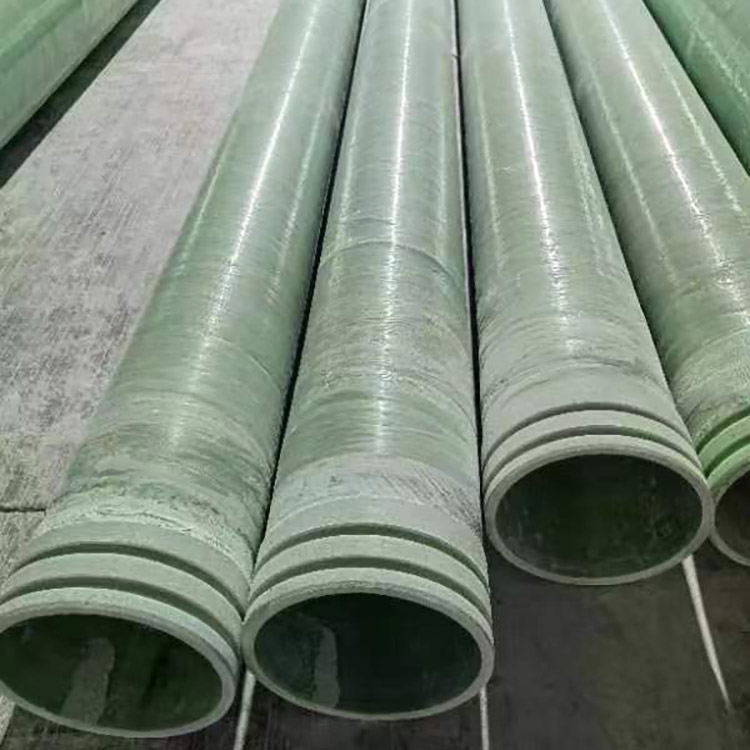

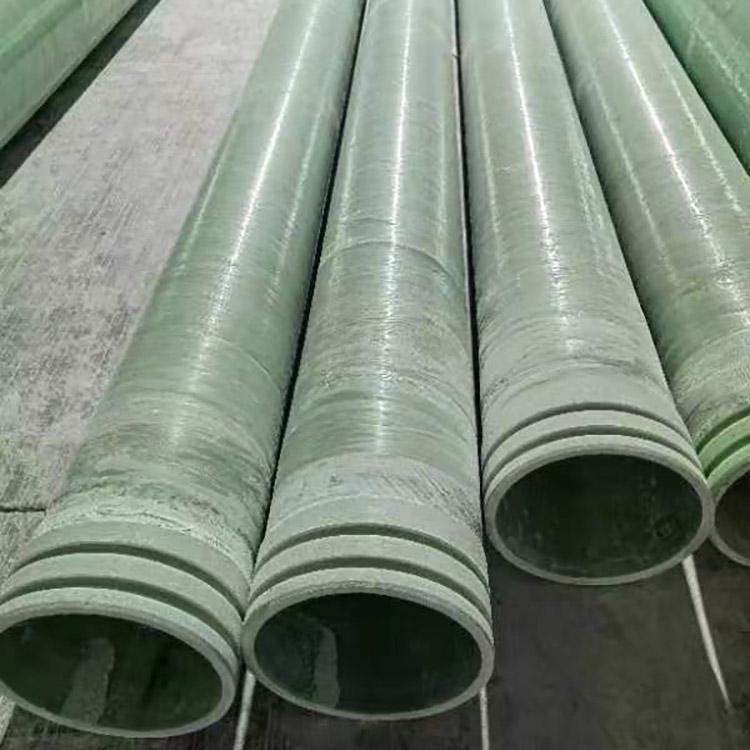

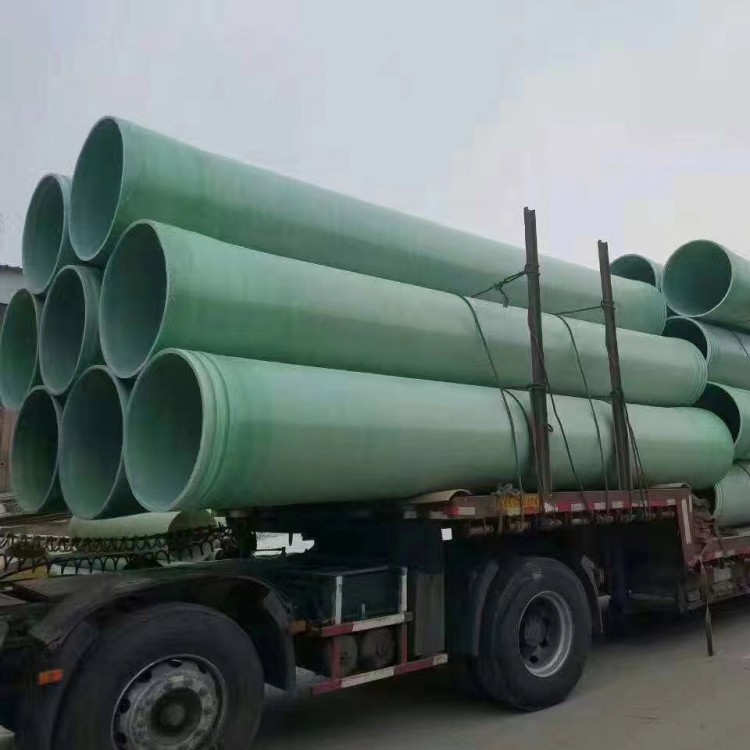


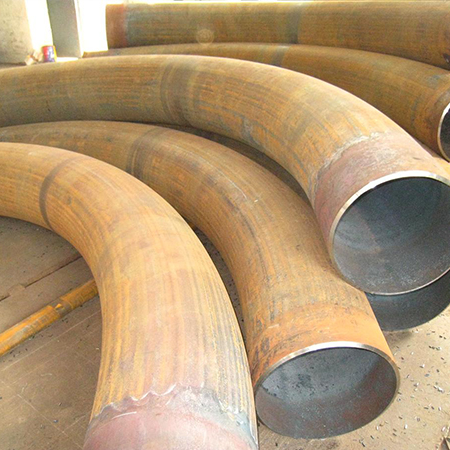





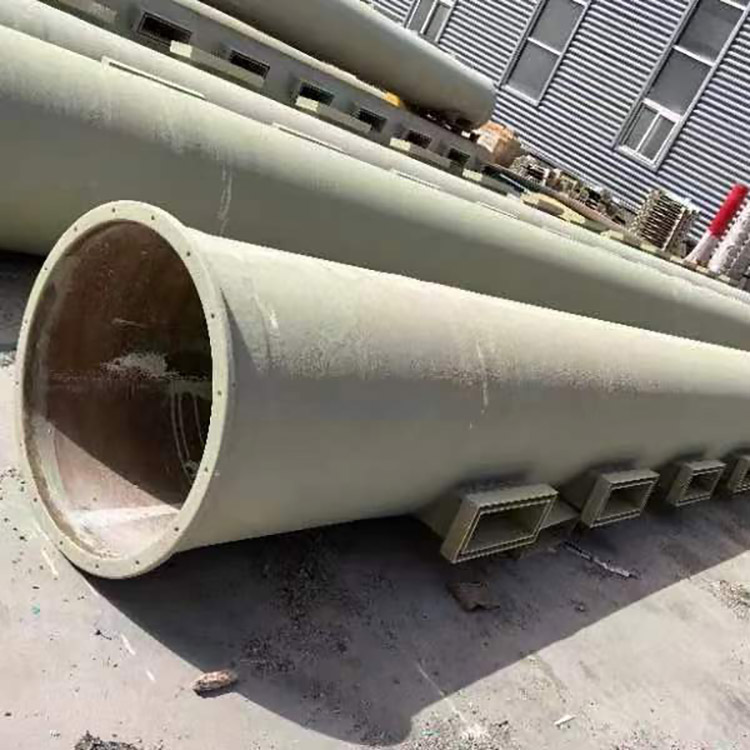
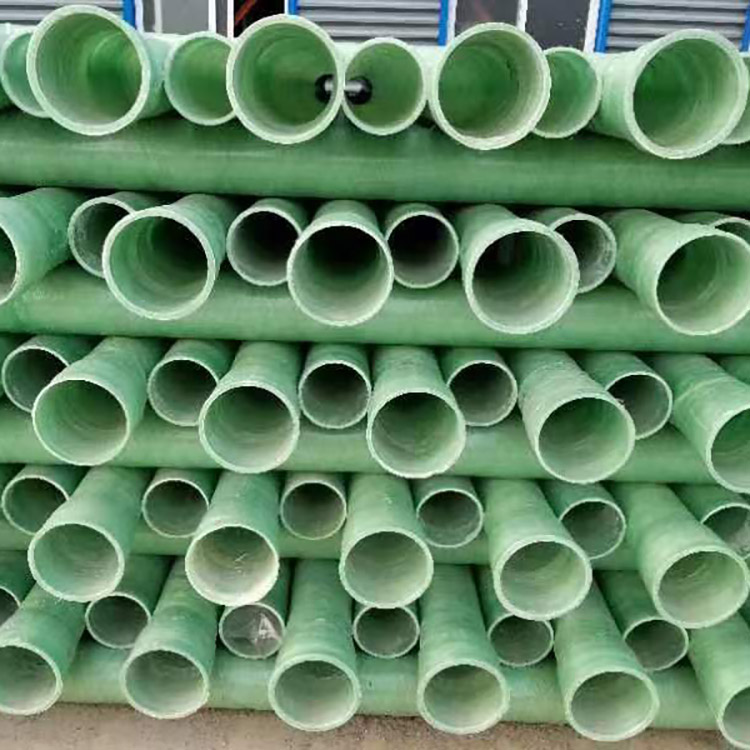
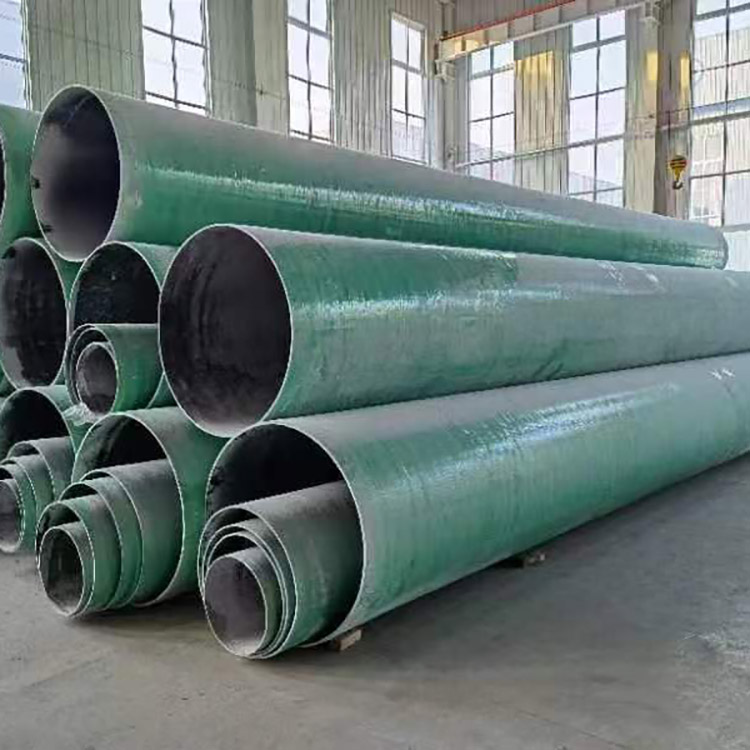
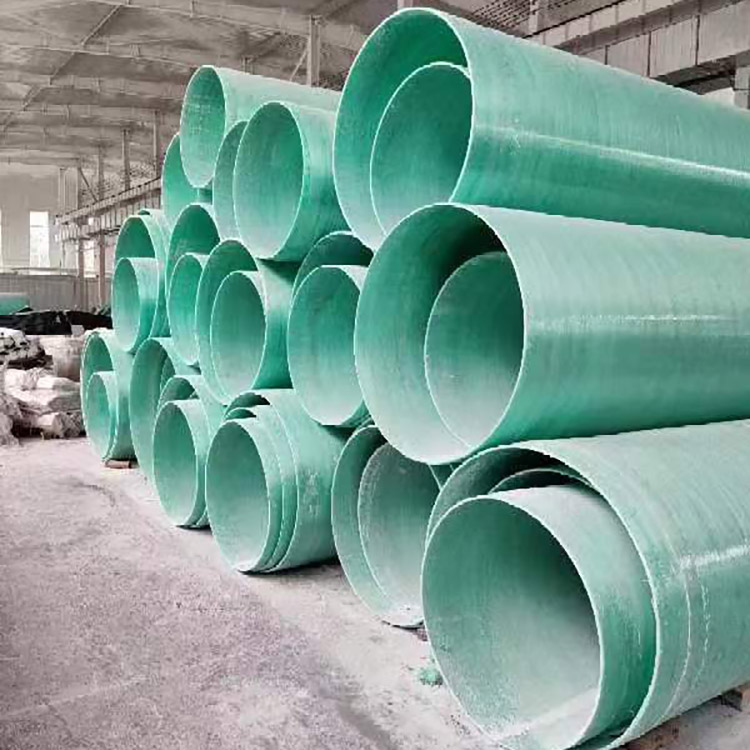
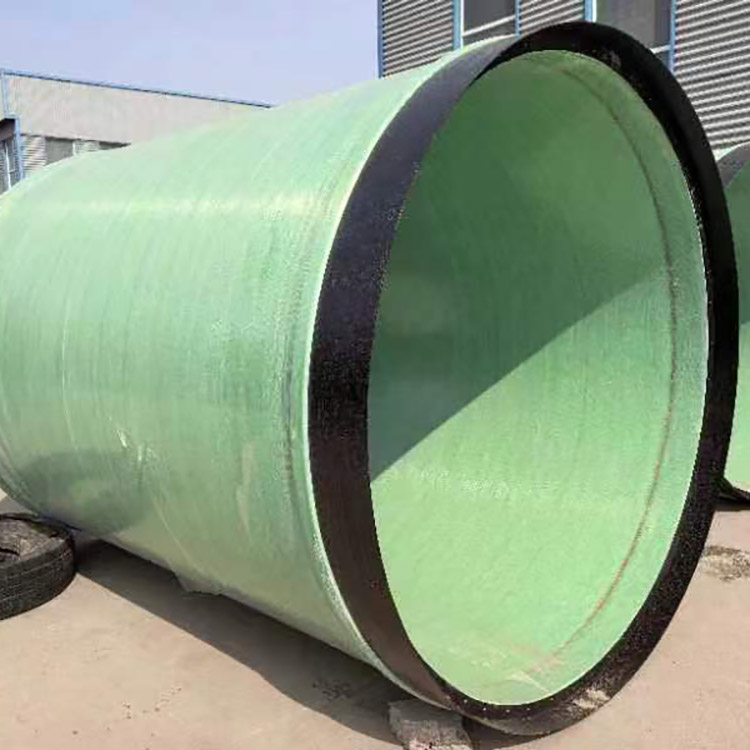
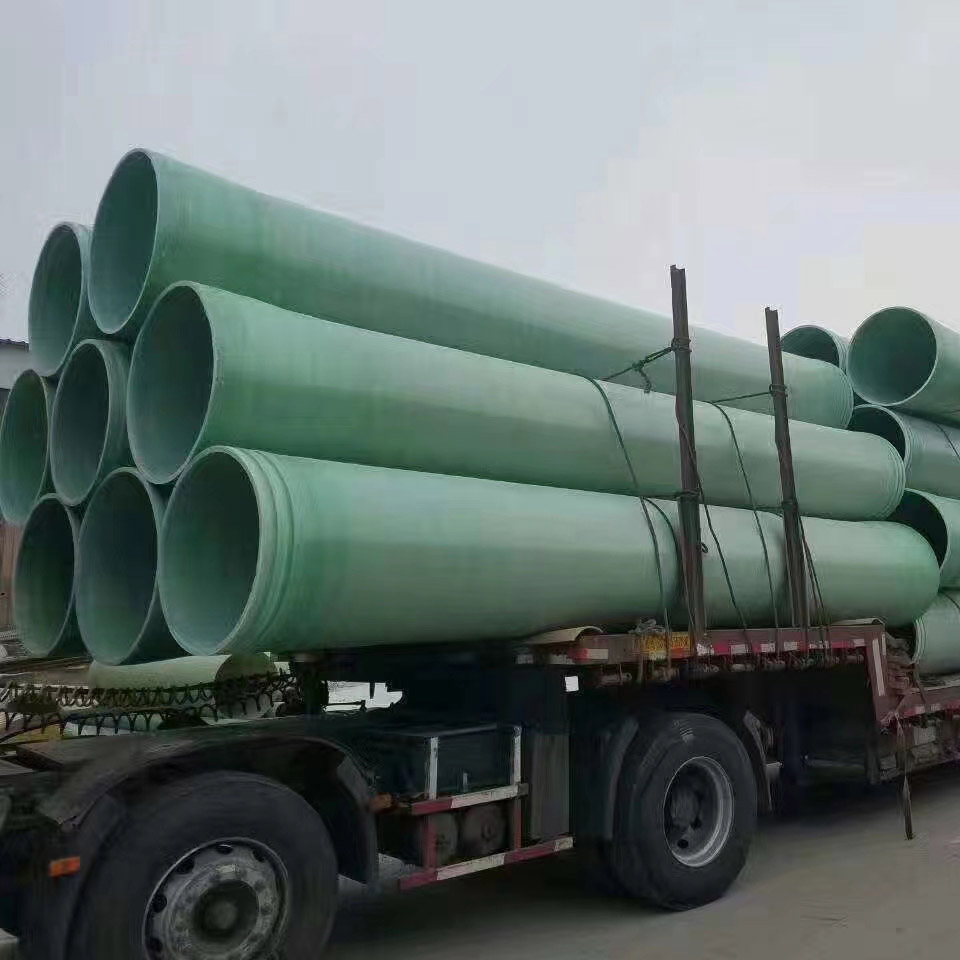
Fiberglass-reinforced plastic (FRP) piping is a lightweight, high-strength, corrosion-resistant non-metallic pipeline with excellent chemical resistance, lightweight strength, non-scaling, and strong seismic resistance. It is commonly used in drinking water transmission main pipelines, distribution pipelines, sewage pipelines, rainwater pipelines, and agricultural irrigation pipelines.
In the production process, fiberglass-reinforced pipes are manufactured by layering glass fibers in accordance with the process requirements around a rotating mandrel, and uniformly laying quartz sand at a distance between the fibers to act as a sand-laying layer. This structure ensures a rational wall structure of the pipe, fully utilizing the material's properties and enhancing the pipe's rigidity and stability.
Fiberglass-reinforced plastic (FRP) piping has a lifespan of over 50 years, is non-toxic, and maintains water hygiene, making it widely used for drinking water transmission. Additionally, its smooth inner surface and low fluid resistance reduce energy consumption during transport. Furthermore, FRP piping is lightweight, easy to transport, cost-effective to install, and maintenance-free, providing significant advantages in various pipeline projects.