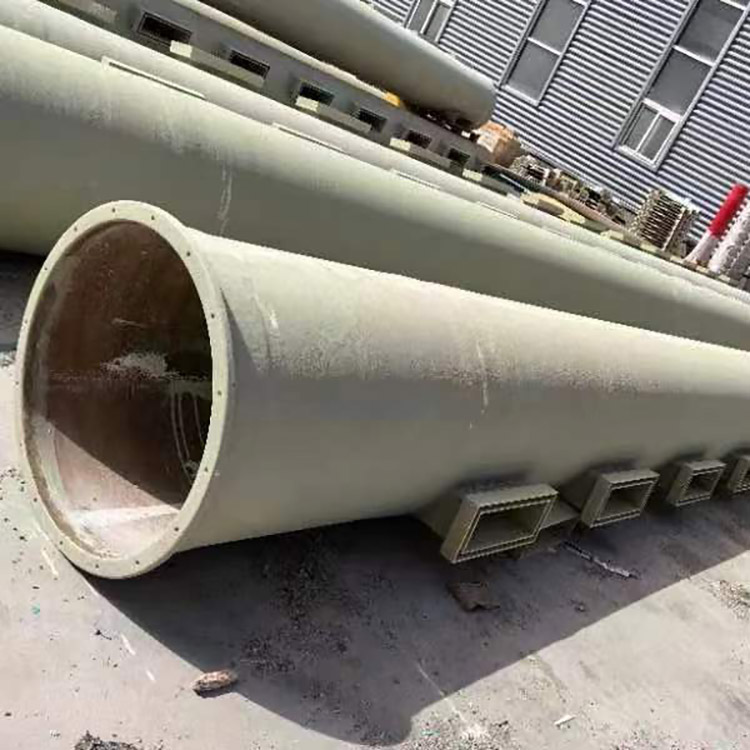

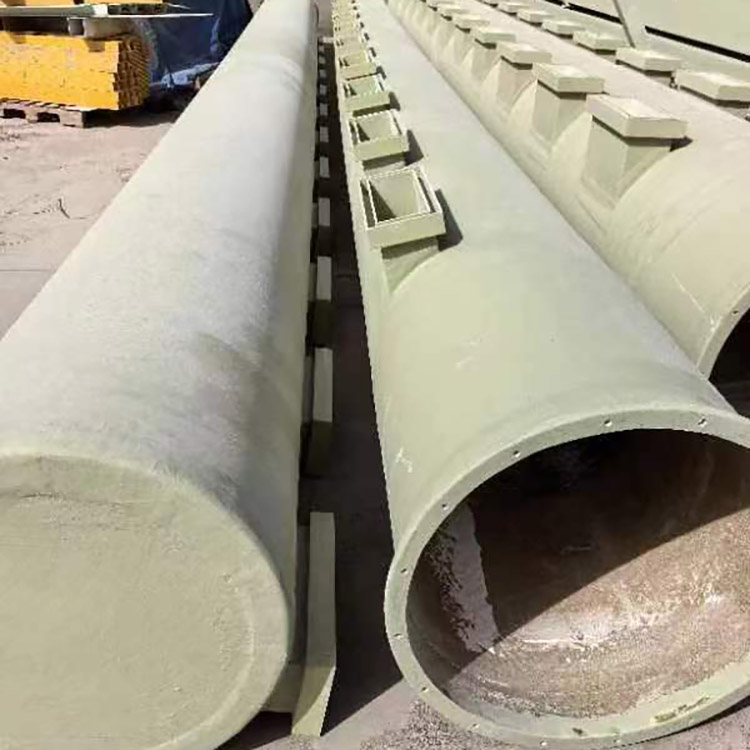
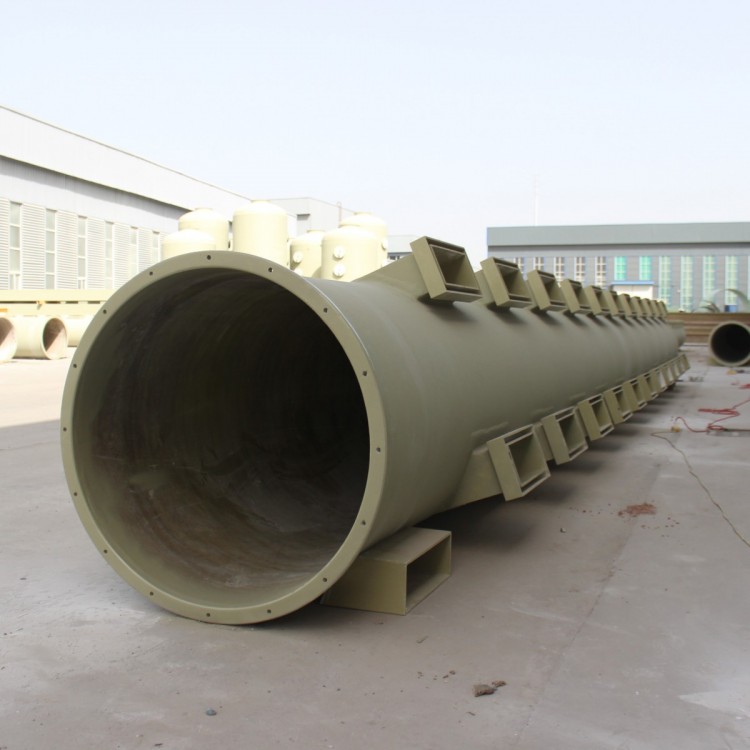







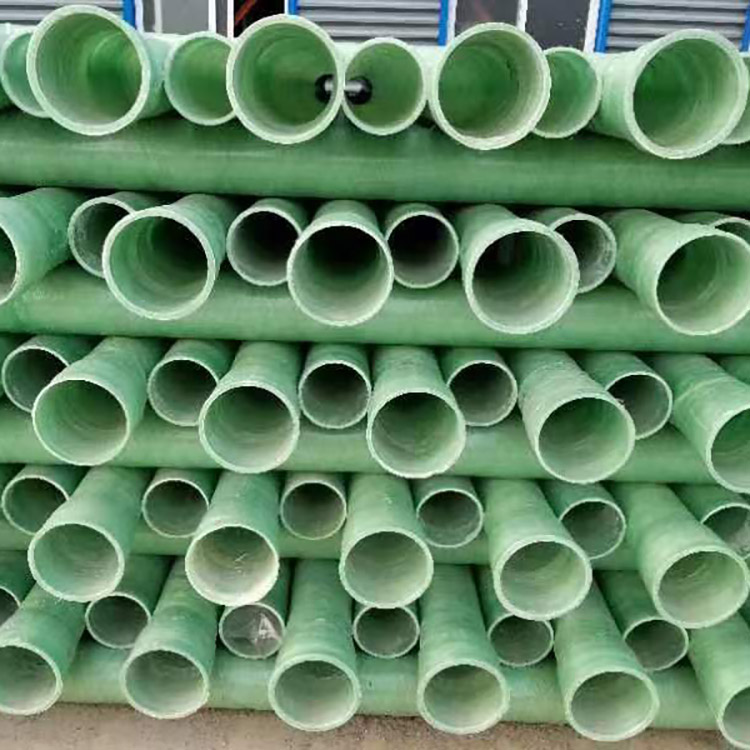
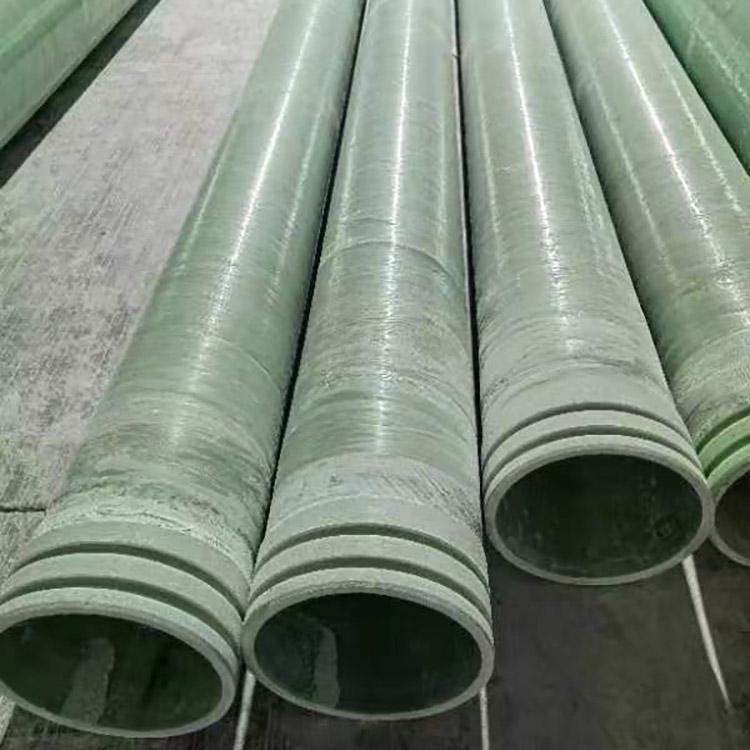
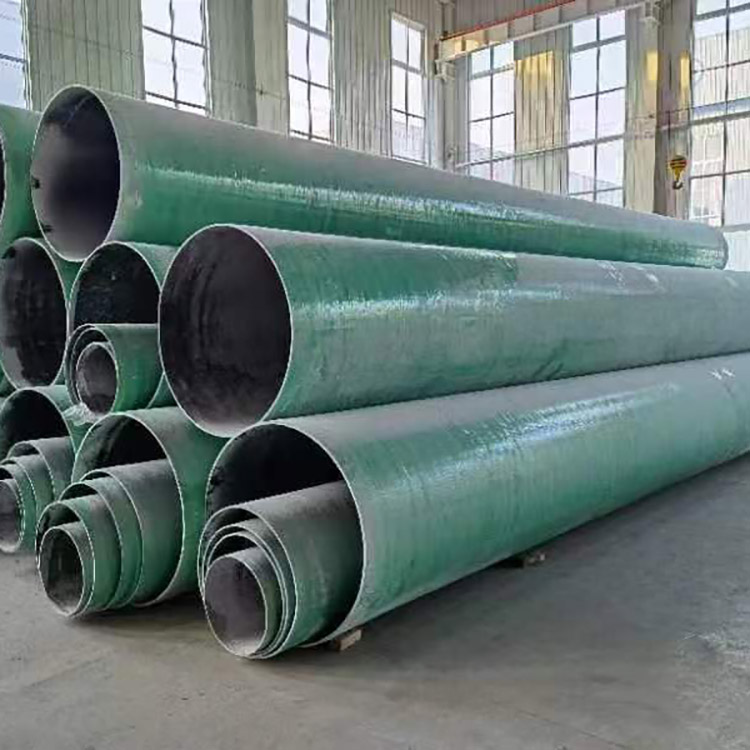
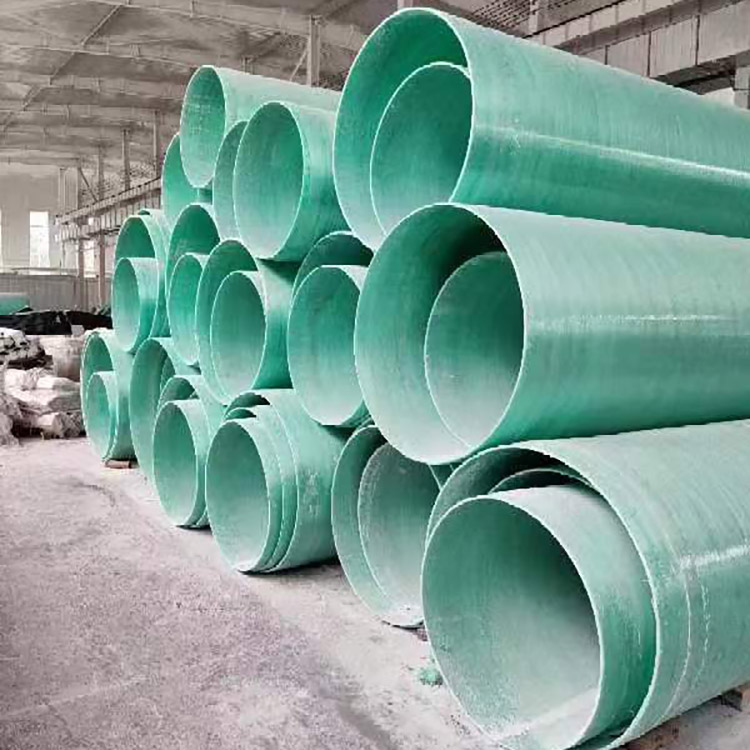
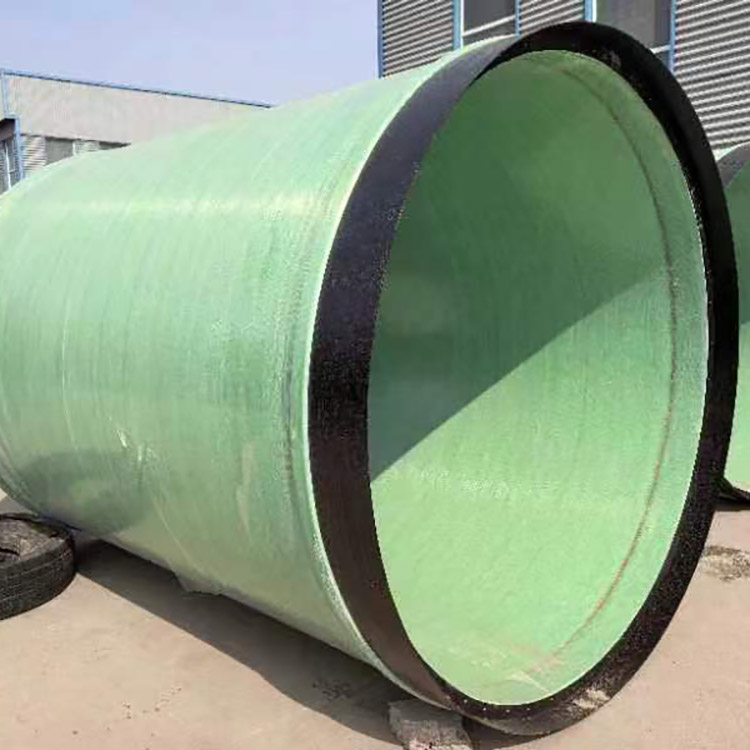

Fiberglass Reinforced Plastic (FRP) piping, also known as glass fiber reinforced composite piping, is a pipe made from a composite material of glass fibers and resins. It is widely used in pipeline systems across industries such as chemicals, oil, and food, due to its excellent corrosion resistance and high strength.
The main features of glass fiber reinforced plastic (GRP) process pipelines include:
Corrosion-resistant: Resists erosion from acids, alkalis, salts, and other chemical media, suitable for conveying corrosive substances.
Lightweight and High-Strength: Relatively light in weight yet boasts high strength, making it easy to install and maintain.
Wear-resistant: Offers excellent wear resistance, maintaining a good surface condition over long-term use.
Excellent electrical insulation properties: A superior insulating material, suitable for special conveying applications.
Ease of construction: On-site fabrication to meet specific requirements, adaptable to various complex site and process demands.
In addition, glass fiber reinforced plastic (GRP) process pipelines offer excellent hydraulic properties, energy savings; low coefficient of thermal expansion, high adaptability; long service life, safety and reliability; and low operation and maintenance costs.
In the chemical industry, glass fiber reinforced plastic (GRP) process pipelines excel, boasting excellent temperature resistance and corrosion resistance. This enables them to operate stably under harsh conditions such as high temperatures, high pressures, strong acids, and alkalis, meeting the high requirements of chemical production for pipeline materials. Additionally, GRP process pipelines are widely used in the power, oil, shipping, and agricultural irrigation sectors.