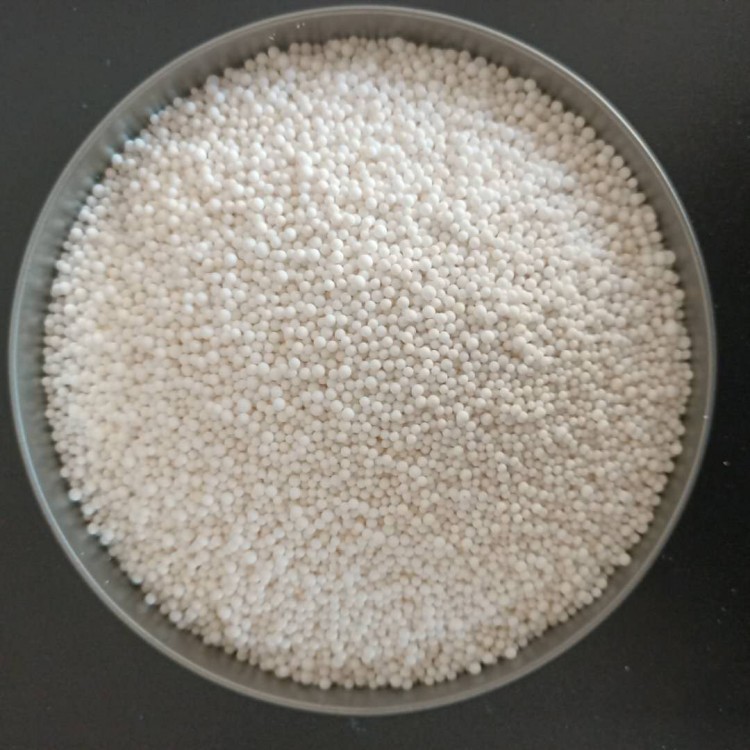
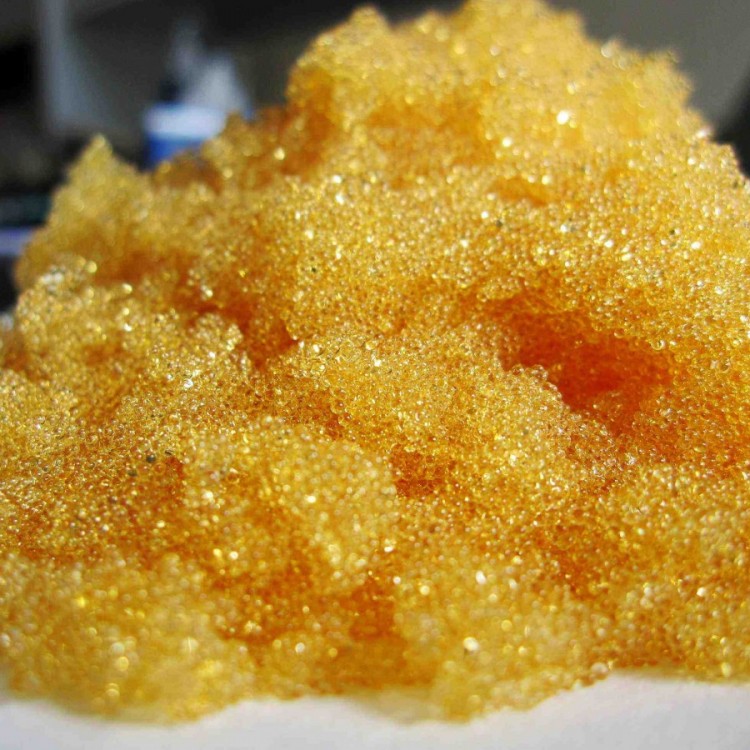
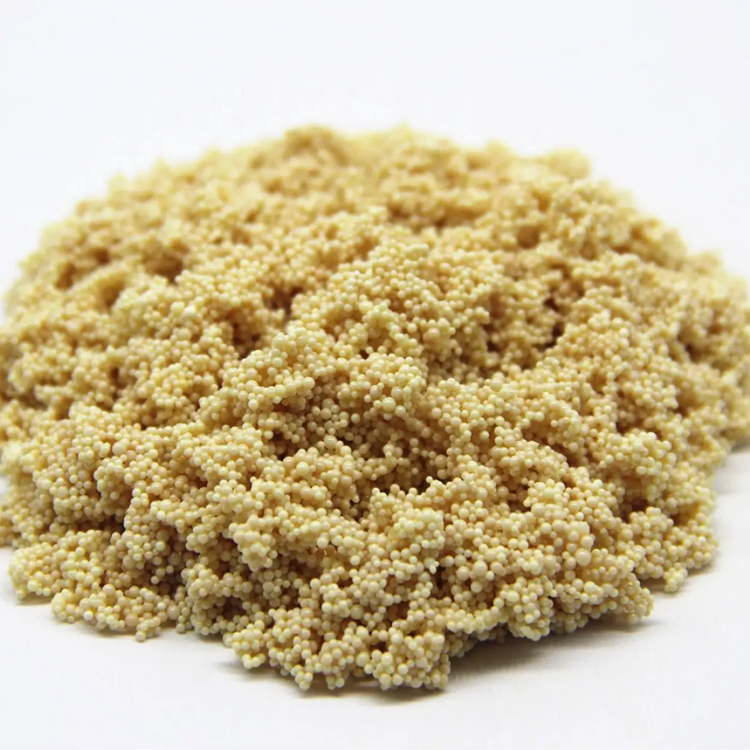


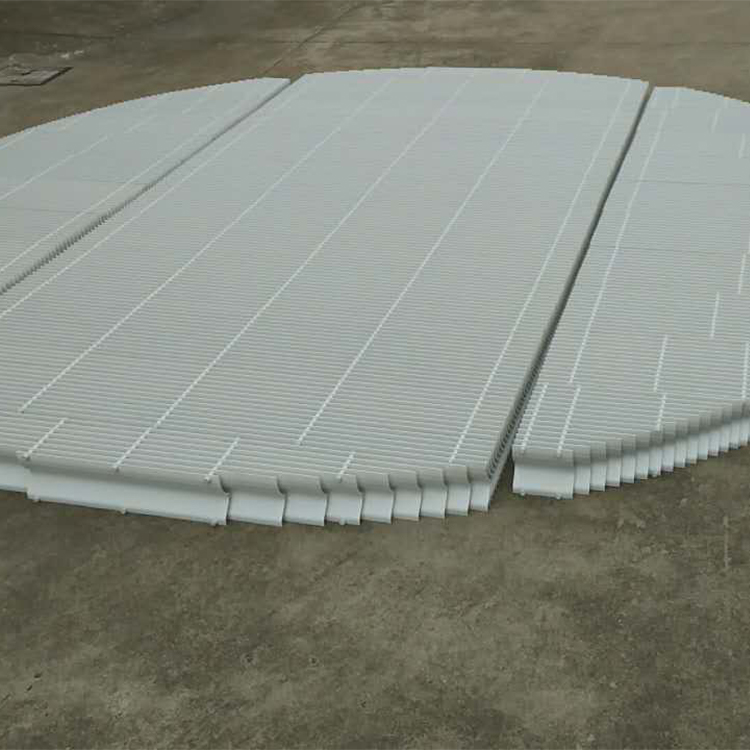










Resins generally refer to organic polymers that soften or melt when heated, showing a tendency to flow under external force when softening, and are solid or semi-solid at room temperature, sometimes also in liquid form. In a broad sense, any high molecular compound that can be used as a raw material for plastic processing is termed a resin.
Resins are categorized into natural and synthetic types. Natural resins refer to amorphous organic substances obtained from secretions of plants and animals in nature, such as amber and shellac. Synthetic resins are produced through chemical synthesis of simple organic compounds or by reacting certain natural products, like phenolic and polyvinyl chloride resins. Synthetic resins are the primary components of plastics.
By synthetic reaction
This method allows resins to be categorized into addition polymers and condensation polymers. Addition polymers are polymers obtained through addition polymerization reactions, with the chemical formula of their monomer units identical to that of the monomers, such as polyethylene.
Condensates are polymers obtained through condensation polymerization reactions, whose structural units have a chemical formula different from that of the monomers, such as phenolic aldehyde resins, polyamide resins, etc.
By molecular backbone composition
This method categorizes resins into carbon chain polymers, hetero-chain polymers, and elementorganic polymers.
Carbon chain polymers refer to polymers whose main chains are entirely composed of carbon atoms, such as polyethylene.
Random-chain polymers refer to polymers whose main chains are composed of atoms of carbon and oxygen, nitrogen, sulfur, and other two or more elements, such as polyformaldehyde, polyamide, polysulfone, polyether, etc.
Element organic polymers refer to polymers where the main chain does not necessarily contain carbon atoms, primarily composed of atoms of elements such as silicon, oxygen, aluminum, titanium, boron, sulfur, and phosphorus, such as organosilicon.
As nature dictates
Thermosetting resins (commonly used in glass fiber reinforced plastics): Unsaturated polyester/vinylester/epoxy/phenolic/bis-maleimide (BMI)/polyimide resins, etc.
Thermoplastic resins: Polypropylene (PP), Polycarbonate (PC), Nylon (NYLON), Polyether Ether Ketone (PEEK), Polyether Sulfone (PES), etc.
Synthetic resins are a type of high polymer formed by artificial synthesis. Their primary application is in the production of plastics. To facilitate processing and enhance performance, additives are often added, and sometimes they are used directly for forming, making them synonymous with plastics. Synthetic resins also serve as the basic raw materials for manufacturing synthetic fibers, coatings, adhesives, insulating materials, and more. There are many types of synthetic resins, with polyethylene (PE), polyvinyl chloride (PVC), polypropylene (PP), and ABS resin being the five major general-purpose resins, widely used synthetic resin materials.
Resin crafts
This set of craft items utilizes resin material in their design, fully capitalizing on the material's advantages of smooth lines and bright texture.