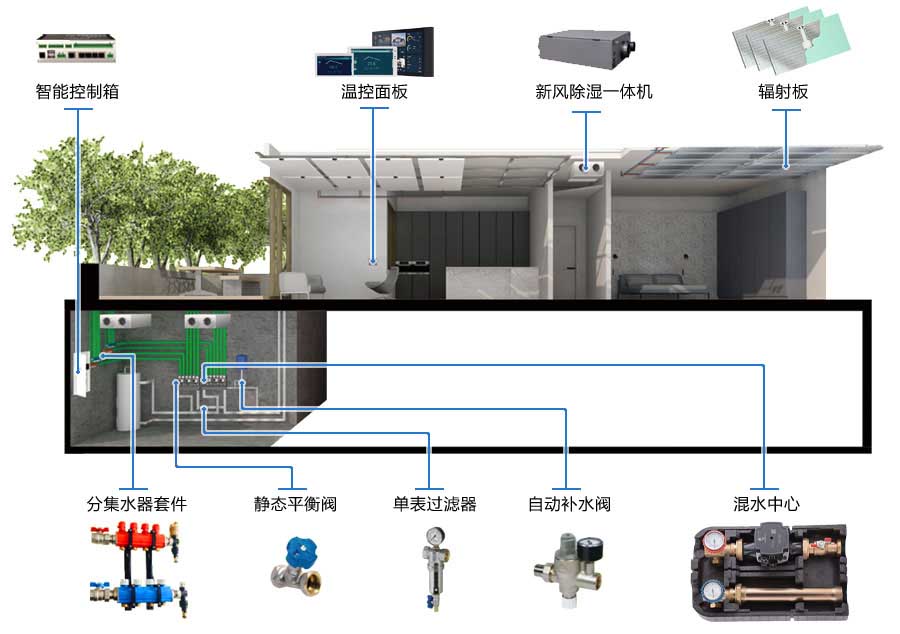













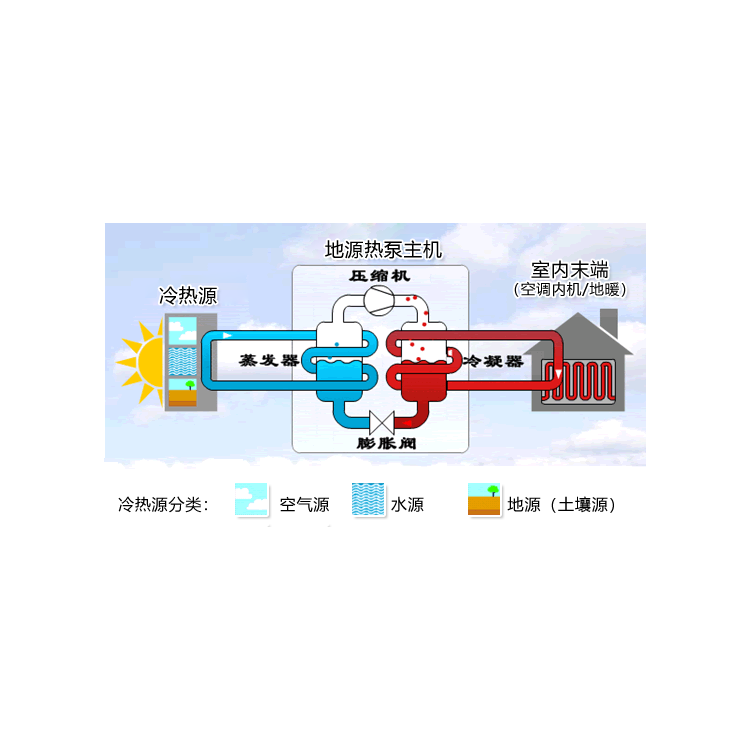


What is floor heating
Ground heating, short for "Low Temperature Floor Radiant Heating System," involves installing special heating pipes according to a set procedure under the floor or tiles to achieve indoor heating. In the near future, ground heating will become the primary heating method.
Low-temperature radiant floor heating is an extremely ideal heating method. It involves laying cross-linked polyethylene pipes beneath the indoor floor, using low-temperature hot water as the heat medium. The hot water inside the pipes, embedded within the floor, is heated to a certain temperature through a special bidirectional circulation process (heating the concrete and floor) and then evenly radiates heat into the room. This new heating method, where the floor radiates heat uniformly, also creates a natural convection phenomenon due to the difference in density between cold and hot air, thus forming an indoor microclimate with an ideal temperature distribution, making the indoor environment comfortable for the human senses.
Underfloor heating ground structure
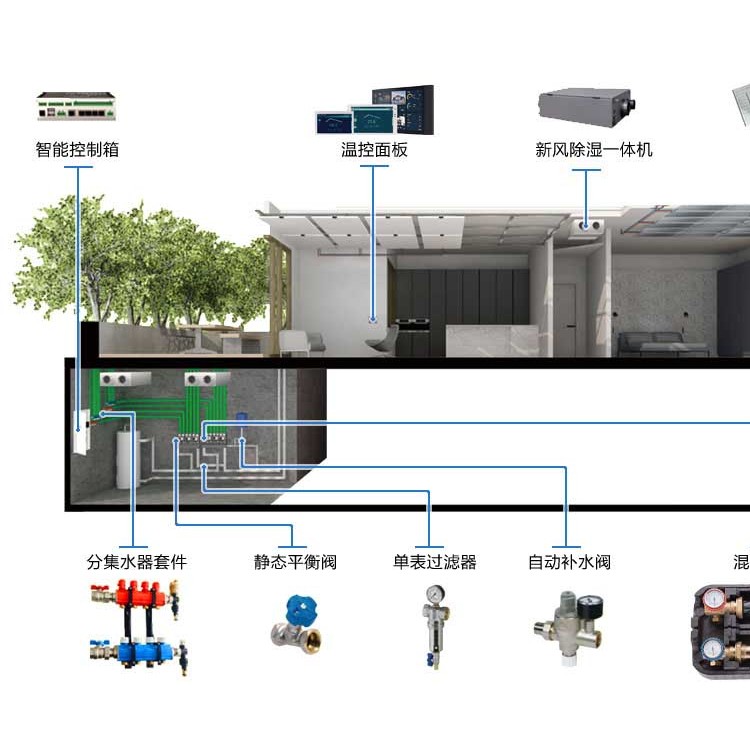
Floor heating system (water-based) plan view. It consists mainly of nine major components:
Structural layer, composite insulation layer, gravel concrete layer, leveling layer, floor layer, heat pipes, expansion joints, plastic clip nails, corner insulation materials, etc.
Advantages of Using Underfloor Heating
Cozy heating methods
Underfloor radiant heating is a comfortable heating method available today, free from the dryness of air conditioning and the uneven warmth of radiators. It achieves a comfortable effect similar to solar radiation indoors during winter. Half of the heat exchange in the human body occurs through radiation. Underfloor heating primarily transfers heat through ground radiation. Moreover, it emits far infrared wavelengths of 8.97 micrometers, which are beneficial to human health and known as the "life line" wavelength range by scientists. These wavelengths can be rapidly absorbed by the human body, causing blood vessels to dilate, promoting circulation and metabolism, activating tissue cells, enhancing immunity, and being highly beneficial to health.
Space-saving
No radiators required indoors, no piping. Saves space.
3. High-efficiency energy-saving
The hot water medium required for the system operation only needs to be heated to 40-60 degrees, resulting in low heating costs (compared to 80-degree radiant heating). The radiant heating of the underfloor system further enhances the thermal efficiency. Similarly, the comfort level is maintained at about 2 degrees lower. Scientific data shows that every 1-degree reduction in indoor design temperature saves 10% in fuel, thereby cutting gas costs.
4. Extend Equipment Lifespan
Extending the service life of systems like boilers, water does not scale below 60 degrees Celsius. This prevents scaling inside the furnace, which can reduce service life. A simple flush with water each year is sufficient. The pipeline uses non-joint PE-RT plastic pipes with minimal metal components and excellent oxygen resistance, reducing oxidation and corrosion of the system's metals and extending service life.
5. Good thermal stability
Due to the even heat loss through concrete in ground heating, combined with the concrete's energy storage function, the room temperature can be maintained stable even with intermittent heating.
6. Zone control available for easy management
Low initial installation cost, zoning control options, easy metering, and convenient management. Floor radiant heating does not increase construction or operational maintenance costs compared to other individual household heating methods. Room temperatures can be independently adjusted to meet needs, facilitating individualized heat metering and billing.
7. Reduce Floor Noise
Our country usually chooses prefabricated slabs or cast-in-place slabs for floors, which have poor sound insulation. When people walk on the upper floor, it affects the lower floor. The use of floor heating adds insulation, offering excellent soundproofing and reducing noise pollution; the floor heating process is silent, creating a quiet indoor environment.