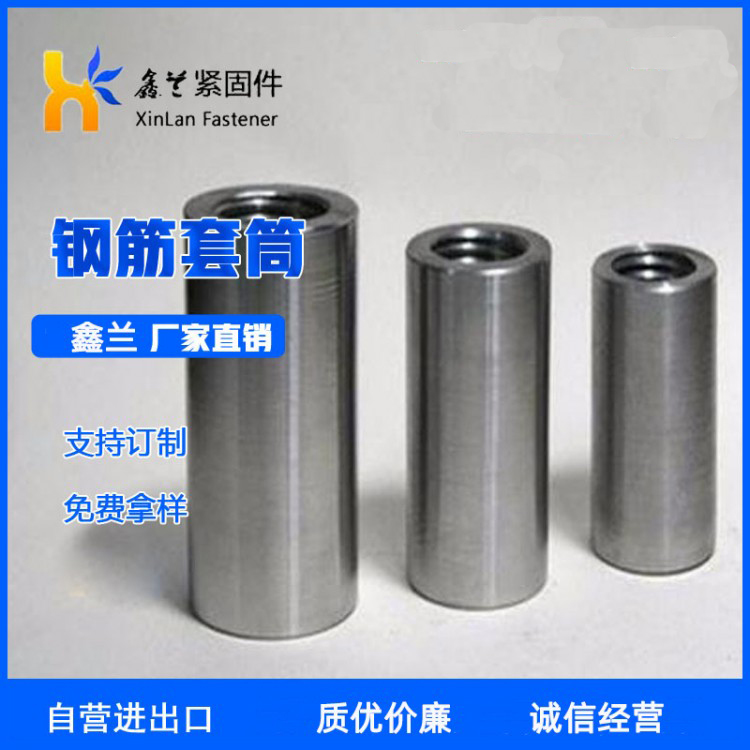









I. Material Selection for Bushings:
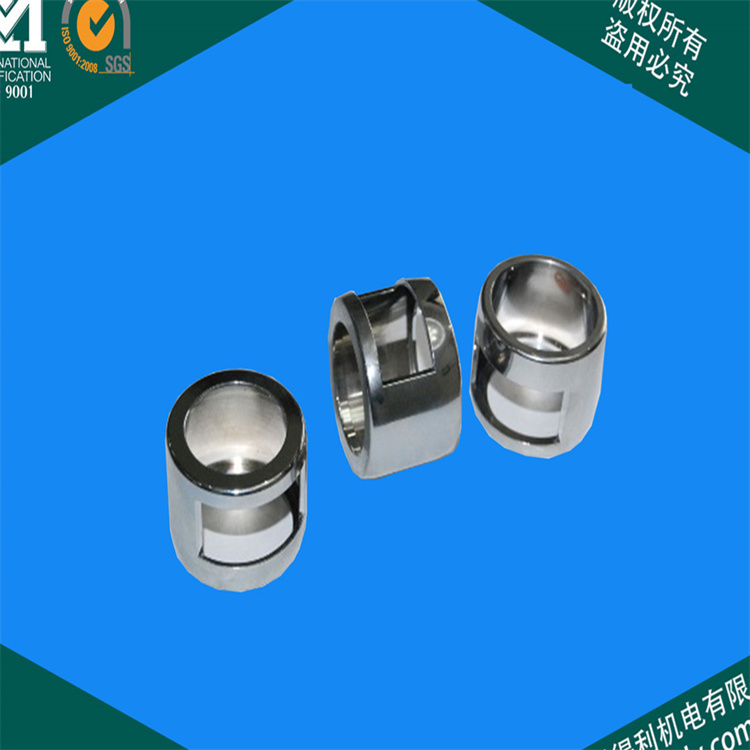
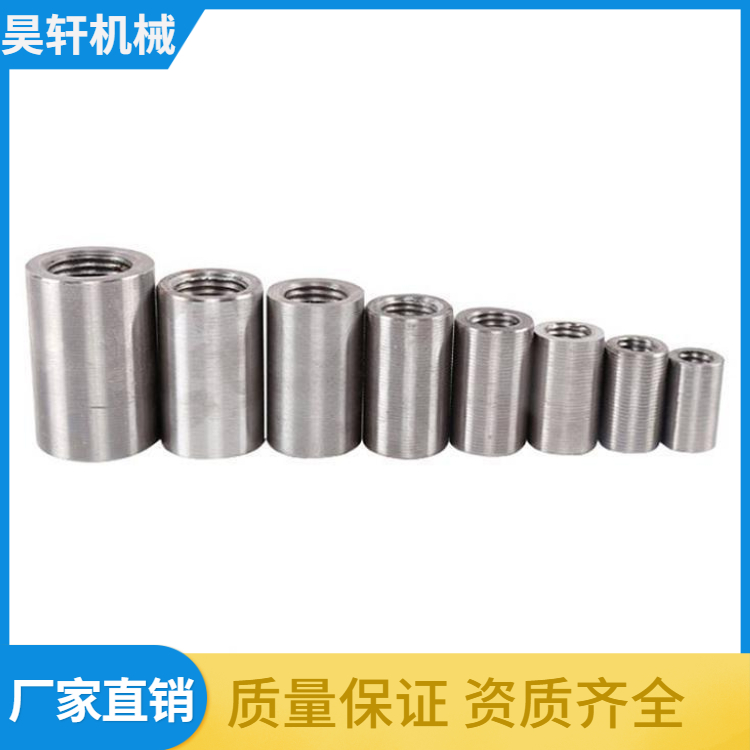
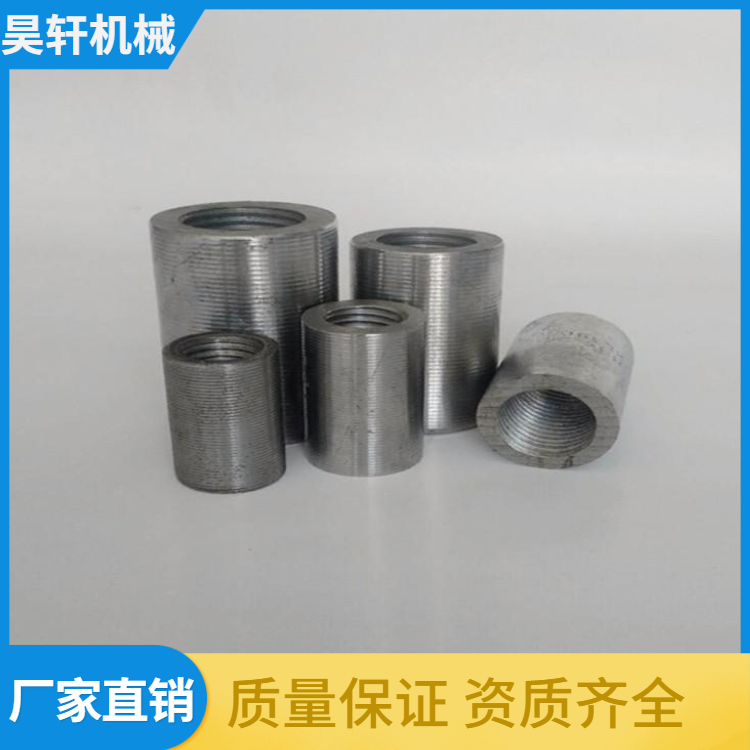
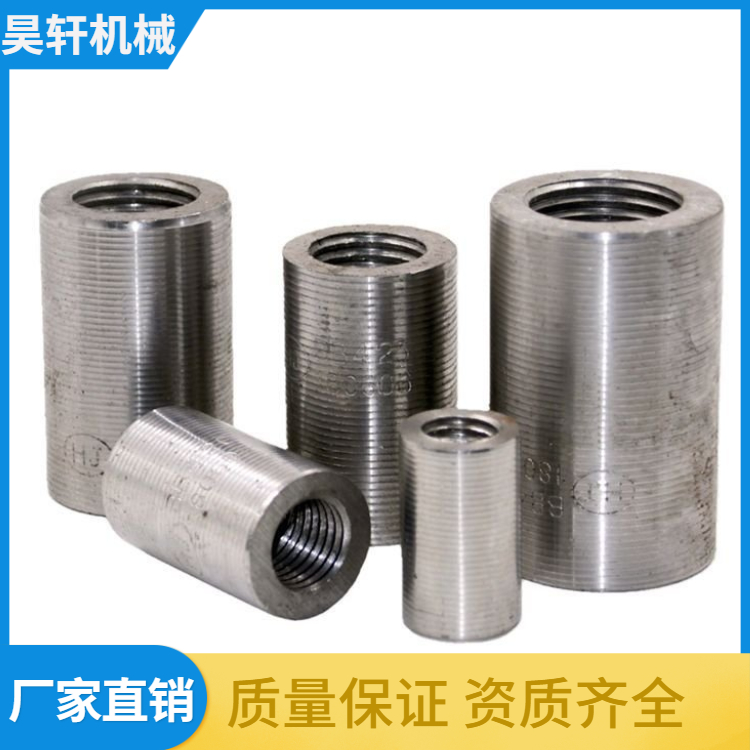
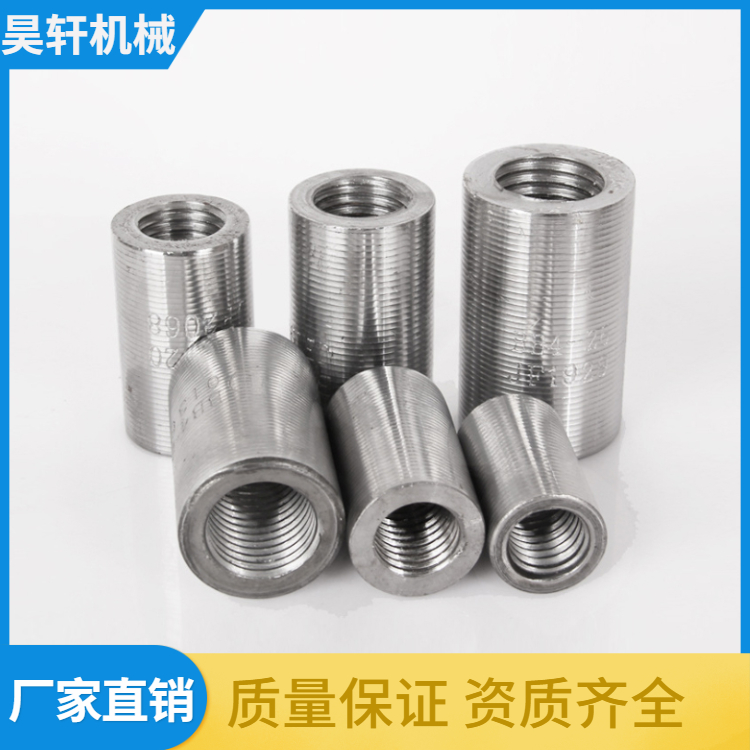
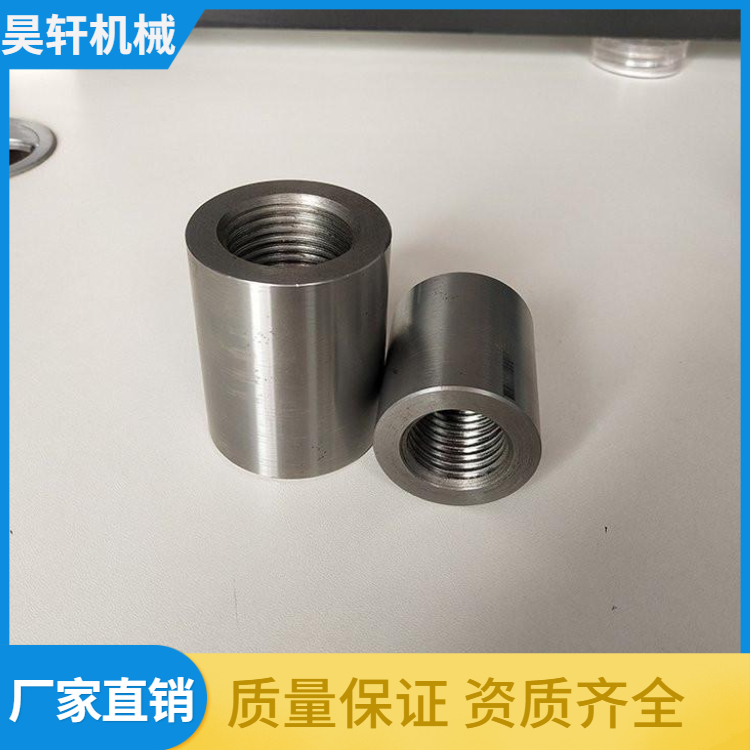
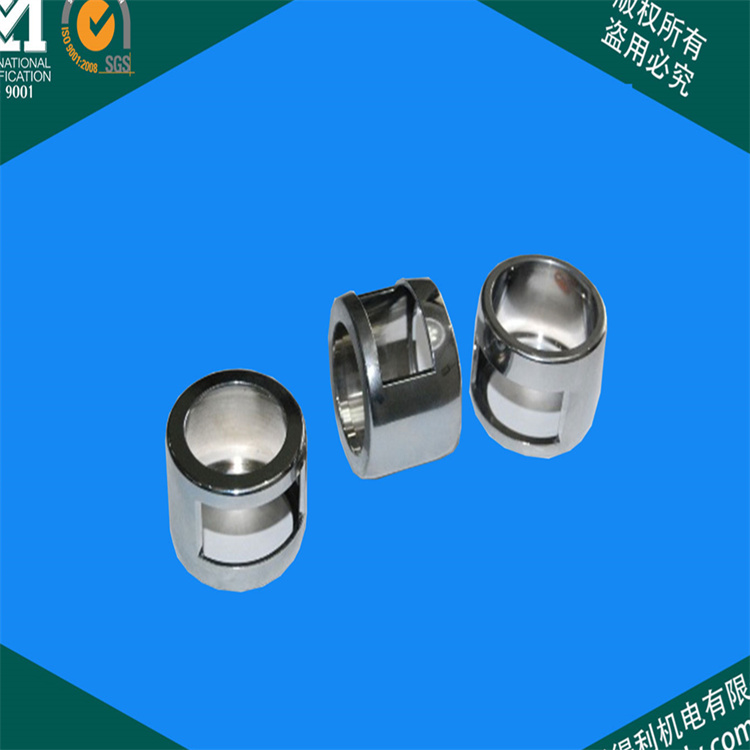
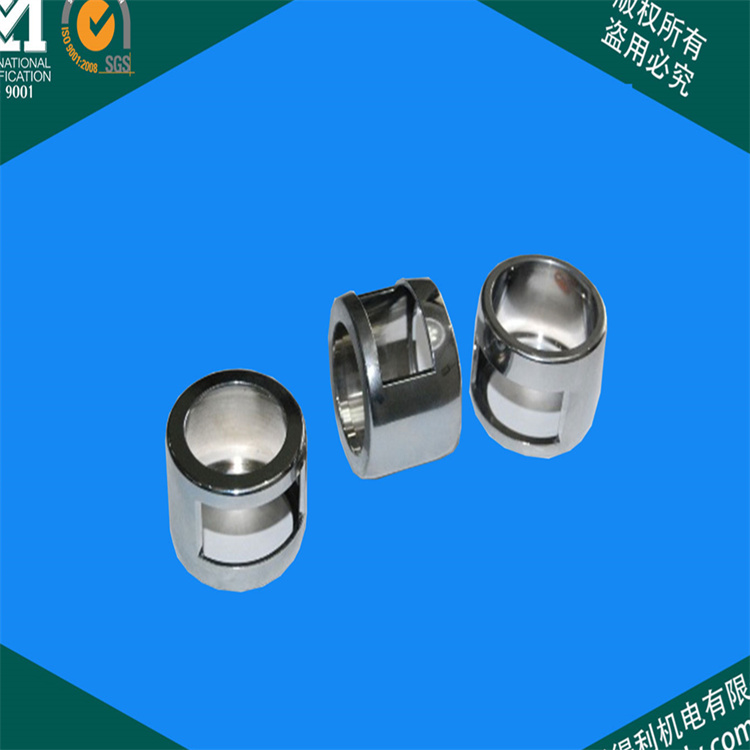
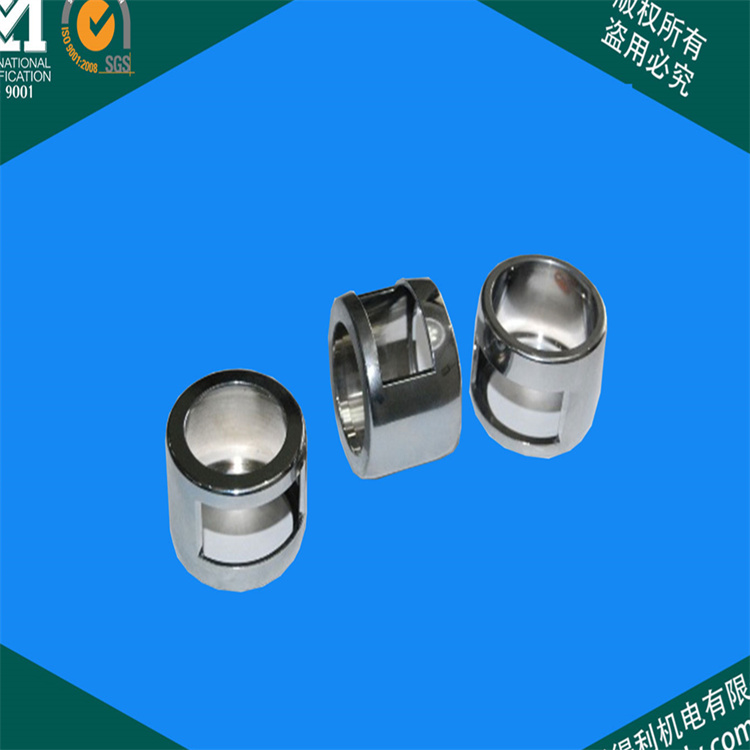
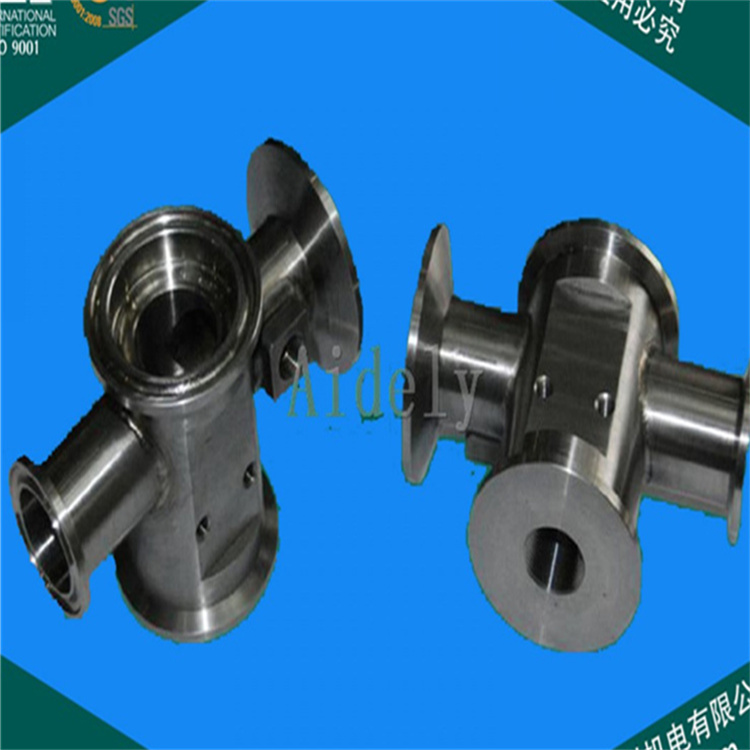
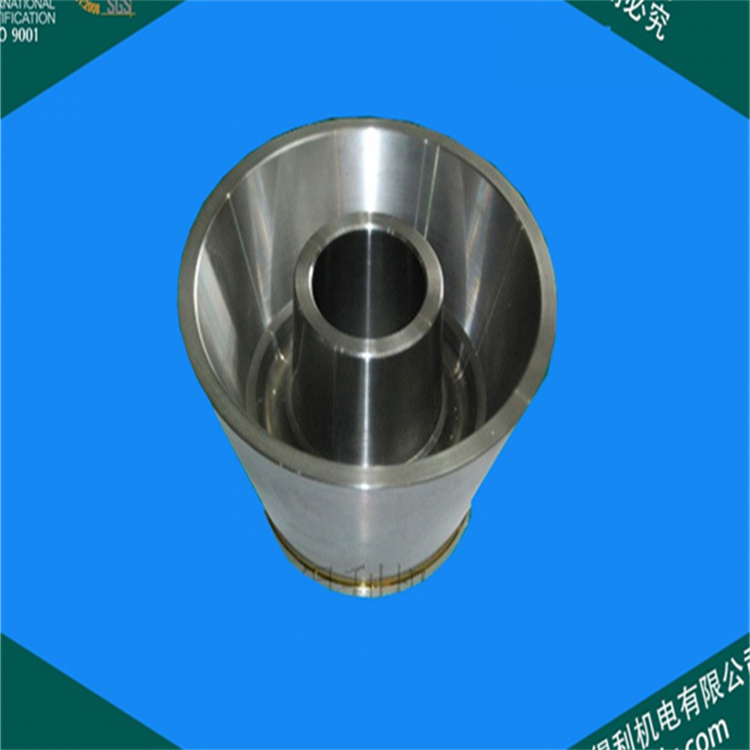
Common sleeve materials include steel, stainless steel, aluminum alloy, etc., select the appropriate material based on specific usage requirements.
Steel: High strength and hardness, suitable for sleeves that require bearing heavy loads.
Stainless Steel: Offers excellent corrosion resistance, suitable for sleeves requiring corrosion resistance.
Aluminum alloy: Lighter in weight and excellent in workability, suitable for sleeves requiring weight reduction.
II. Tube Processing Technology:
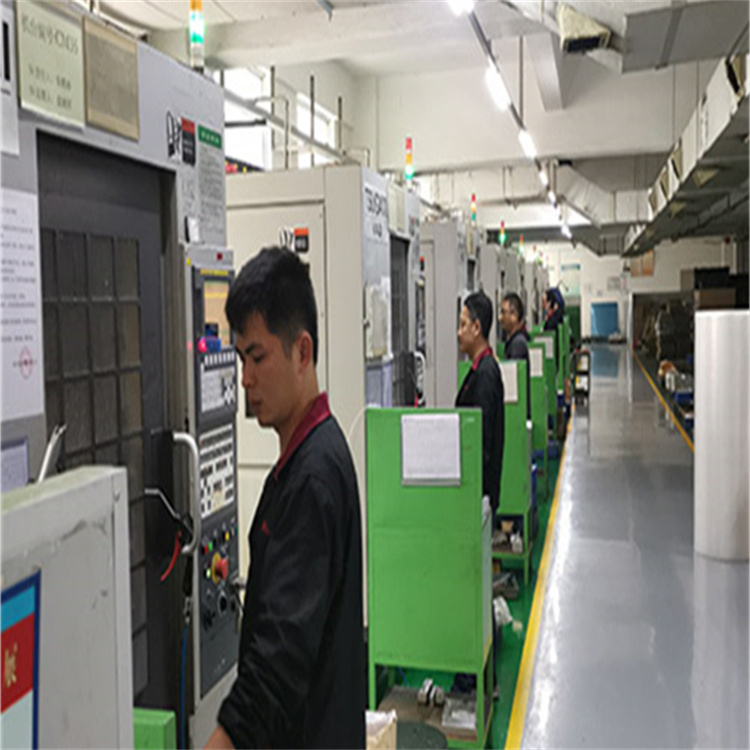
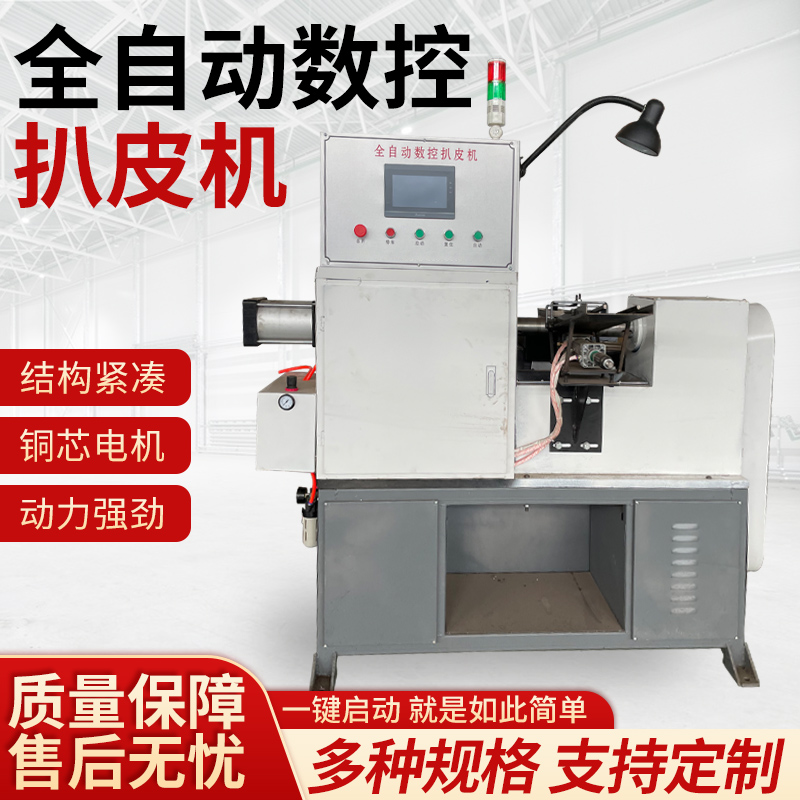
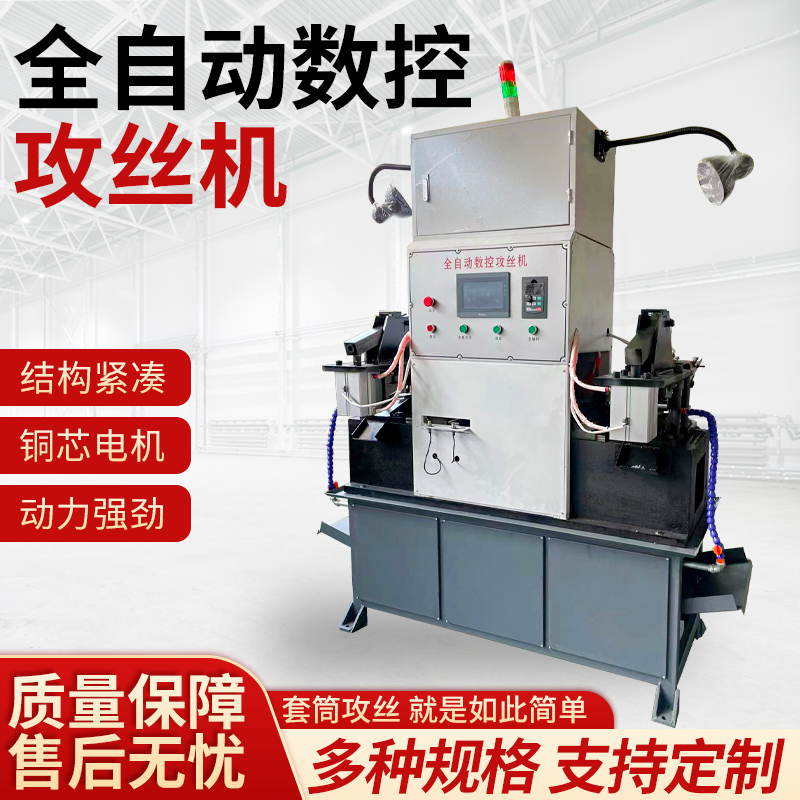
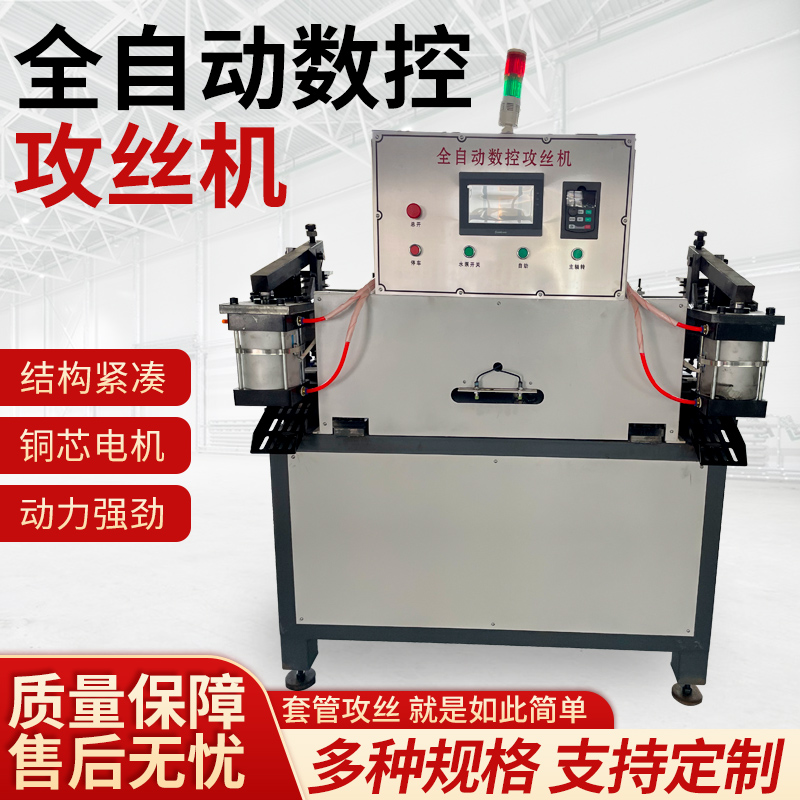
Steel sleeve processing: a. Machining: Select appropriate cutting tools and parameters, control cutting speed and feed rate to ensure surface finish and dimensional accuracy; b. Drilling: Choose the right drill bit and coolant, control drilling speed and feed rate to ensure hole diameter accuracy and surface quality; c. Grinding: Use grinding technology for precise finishing of the sleeve to enhance surface roughness and dimensional accuracy.
Processing of stainless steel sleeves: a. Stainless steel has high hardness and is difficult to machine, requiring the selection of appropriate machining processes and tools; b. Slow cutting and coolant cooling can be used to reduce cutting temperatures and tool wear; c. It is necessary to prevent oxidation and discoloration of the stainless steel surface, and suitable surface treatment methods can be employed.
Processing of Aluminum Alloy Sleeves: a. Aluminum alloy has good machinability, suitable for machining processes like milling and turning; b. Aluminum alloy tends to produce burrs and tool marks, so attention must be given to the selection of cutting parameters and tool sharpening; c. Surface treatments such as anodizing can be used to enhance the corrosion resistance and surface hardness of the aluminum alloy sleeve.
III. Sleeve Quality Control:
Conduct quality inspections on sleeve materials, including tests for chemical composition and mechanical properties, to ensure compliance with requirements.
Inspect sleeve dimensions and surface quality to ensure the sleeve processing quality meets requirements.
Establish a quality record for sleeves, documenting processing parameters and test results for traceability purposes.
Continuously refine the sleeve manufacturing process to enhance efficiency and quality, meeting customer requirements.