













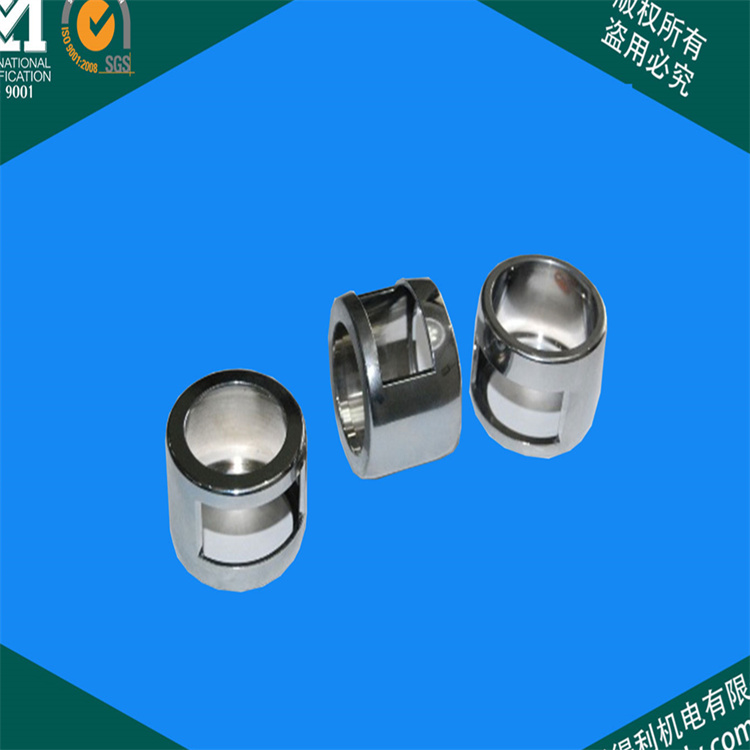
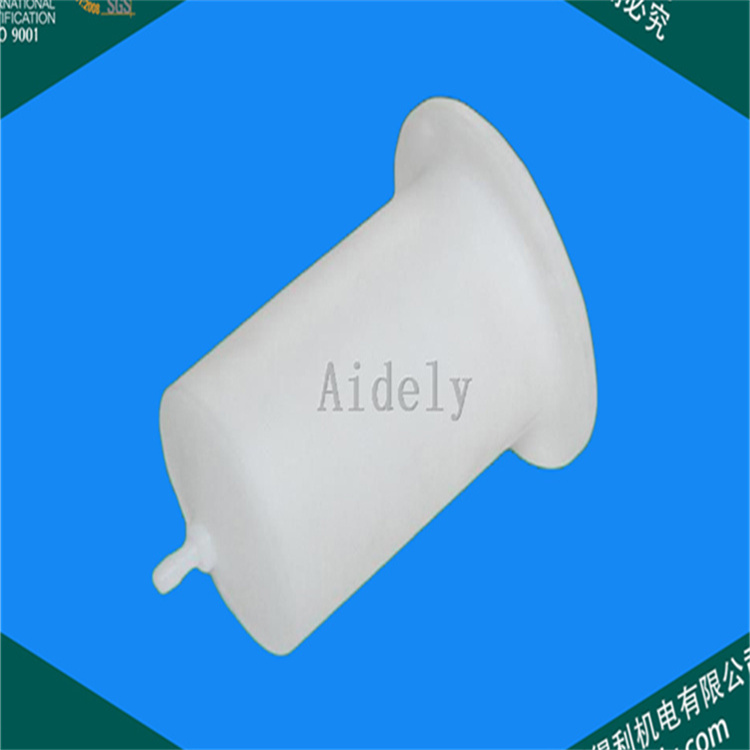
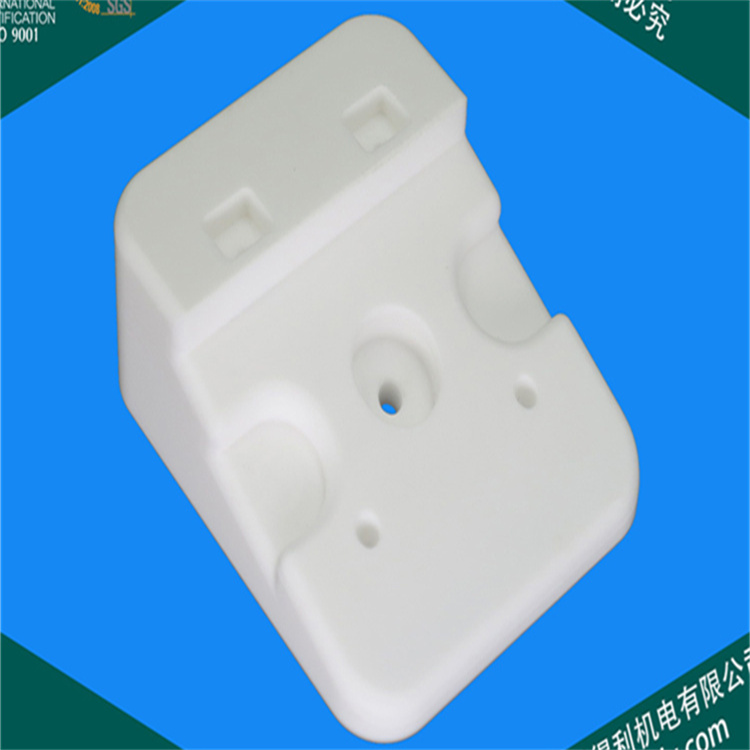
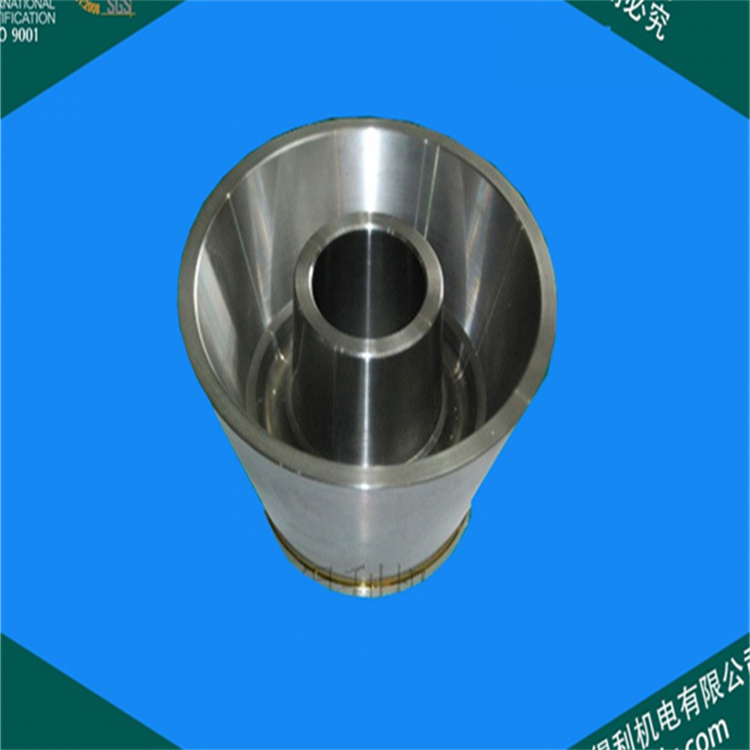
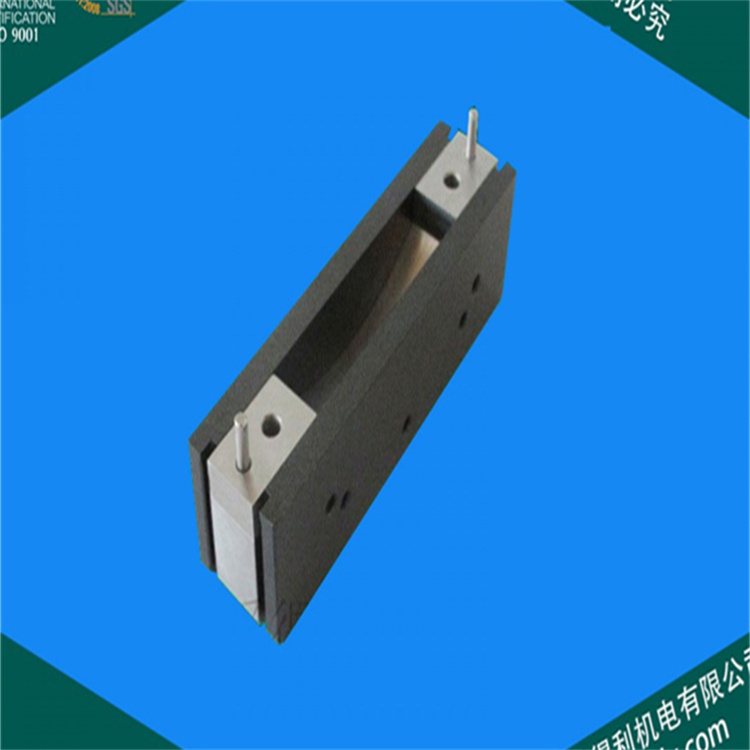
I. Characteristics of Stainless Steel Materials:
Corrosion Resistance: Stainless steel boasts excellent corrosion resistance, suitable for manufacturing parts requiring such properties.
High Temperature Resistance: Stainless steel features excellent high-temperature resistance, suitable for manufacturing parts under high-temperature conditions.
Excellent mechanical properties: Stainless steel boasts high strength and toughness, suitable for manufacturing components that require high strength.
Ease of Machining: Stainless steel is more easily machined compared to other metal materials, but attention should be given to the cutting process and tool selection.
Section II: Stainless Steel Parts Machining Process
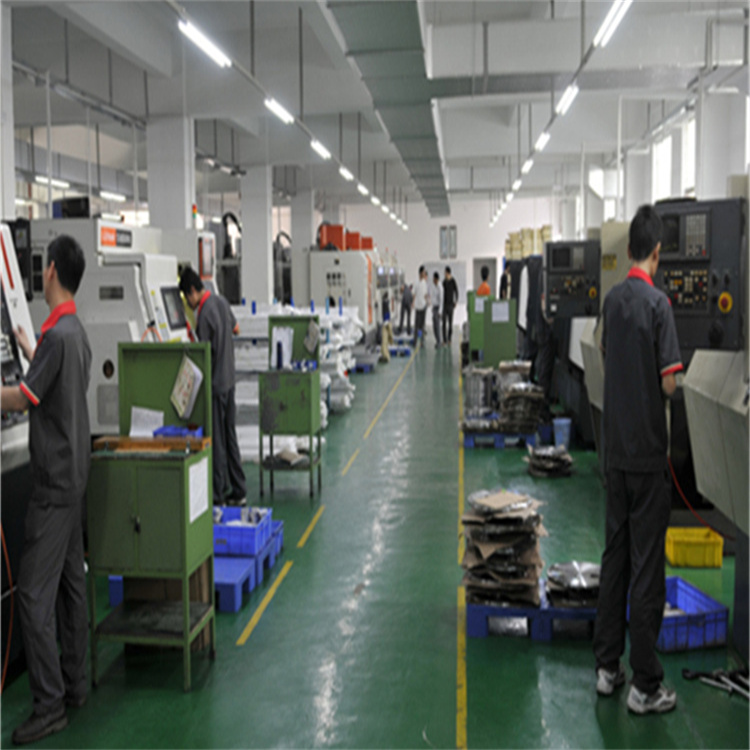
Stainless steel cutting processing: Select appropriate tool materials and geometry, control cutting parameters to reduce cutting temperature and extend tool life.
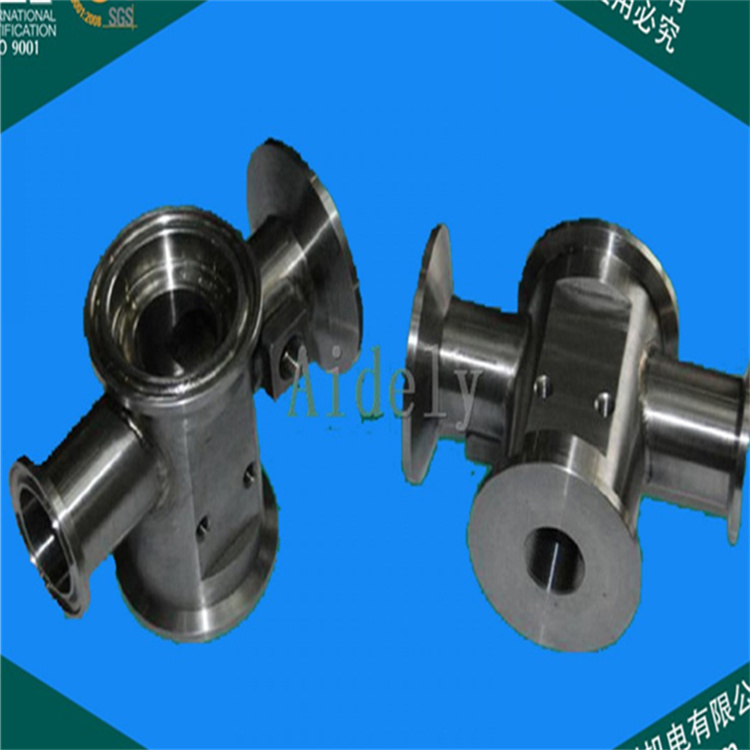
Welding processing of stainless steel: Select the appropriate welding method and materials, control welding parameters, and prevent the formation of oxide layers and welding deformation.
Polished finish of stainless steel: Utilize appropriate polishing techniques and agents to enhance the surface smoothness and flatness of parts.
Stainless steel turning: Select the appropriate tool material and coolant, control feed and cutting speeds to prevent tool wear and poor surface quality.
Section 3: Quality Control:
Conduct quality inspections on stainless steel materials, including tests for chemical composition and mechanical properties, to ensure compliance with specifications.
Inspect stainless steel parts for dimensional accuracy and surface quality to ensure the parts meet processing quality requirements.
Establish a quality档案 for stainless steel parts, documenting processing parameters and test results for traceability purposes.
Continuously refine the processing technology for stainless steel parts, enhancing efficiency and quality to meet customer requirements.