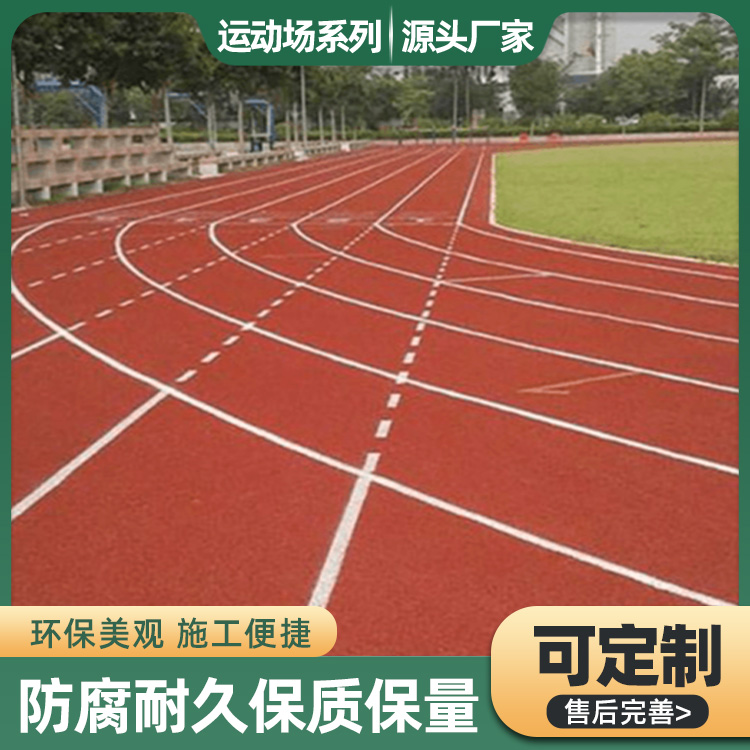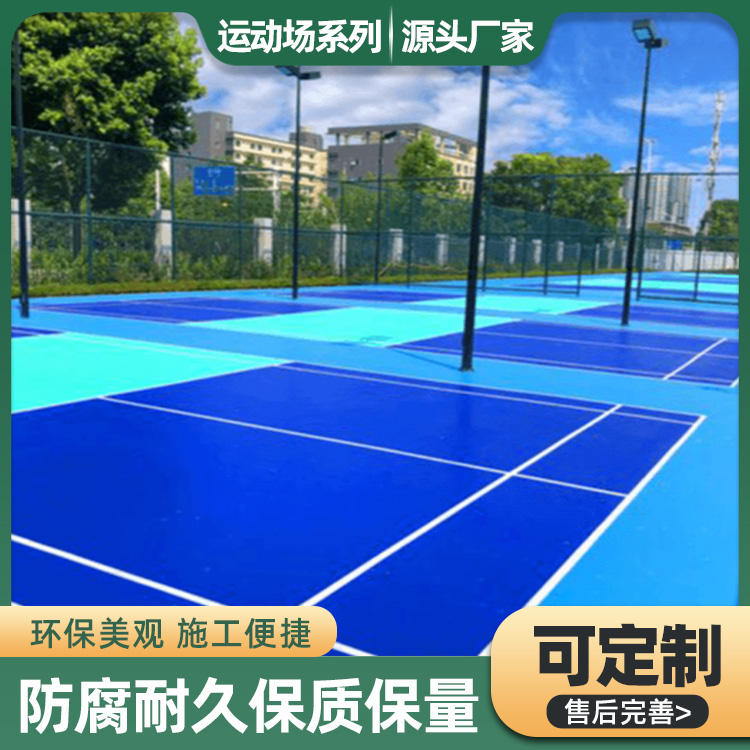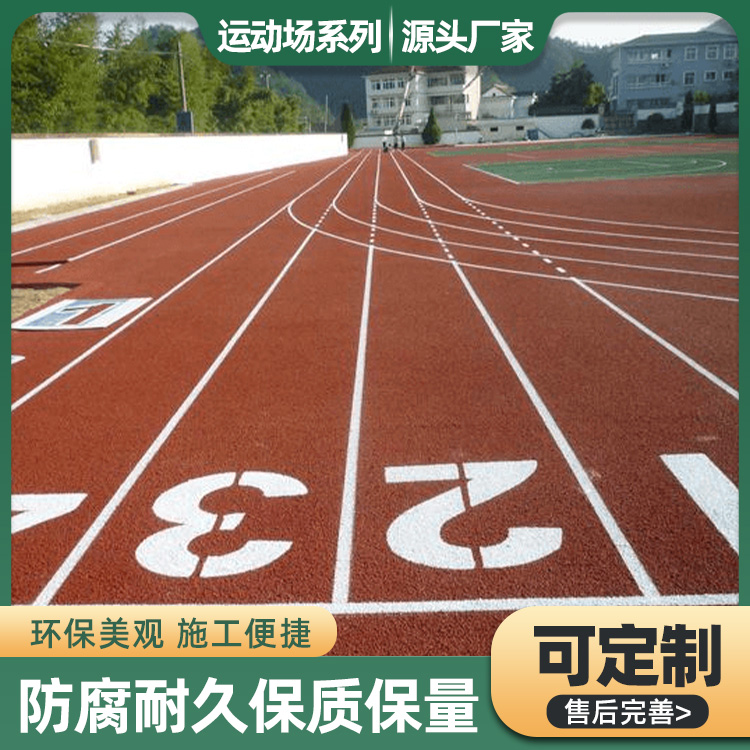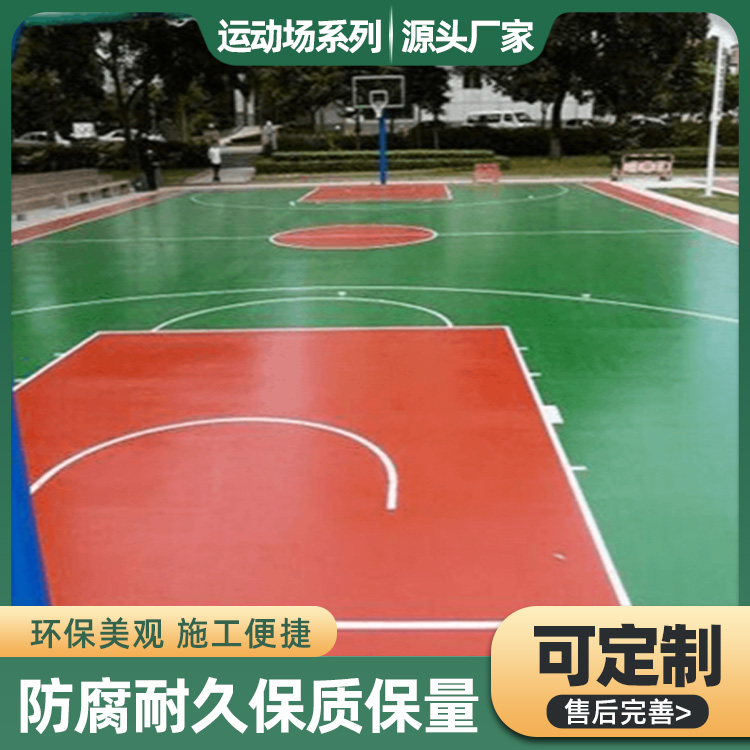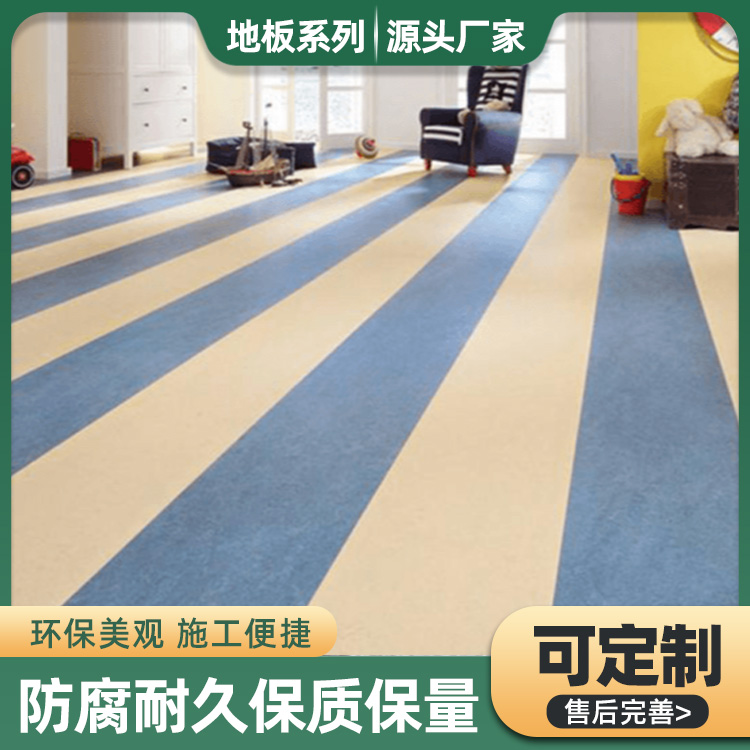
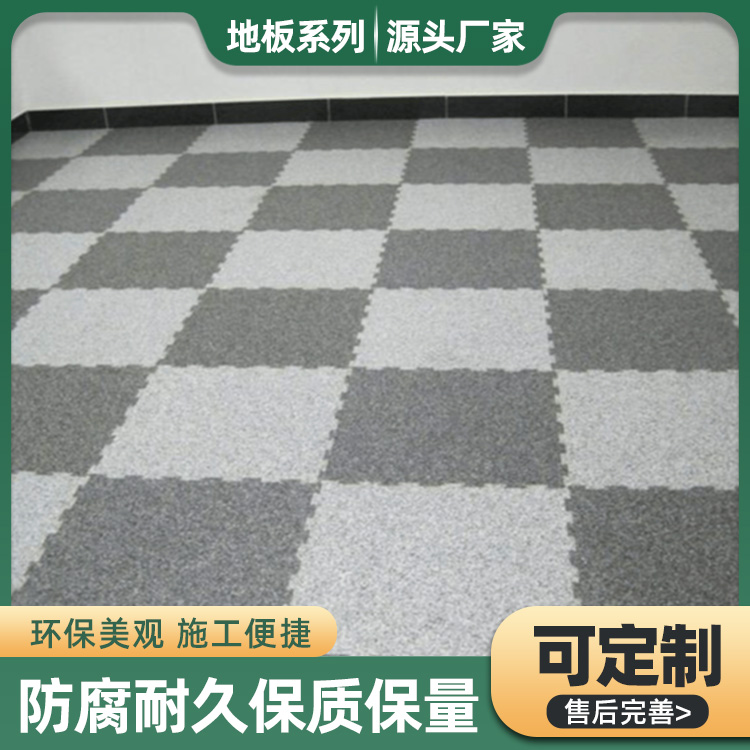
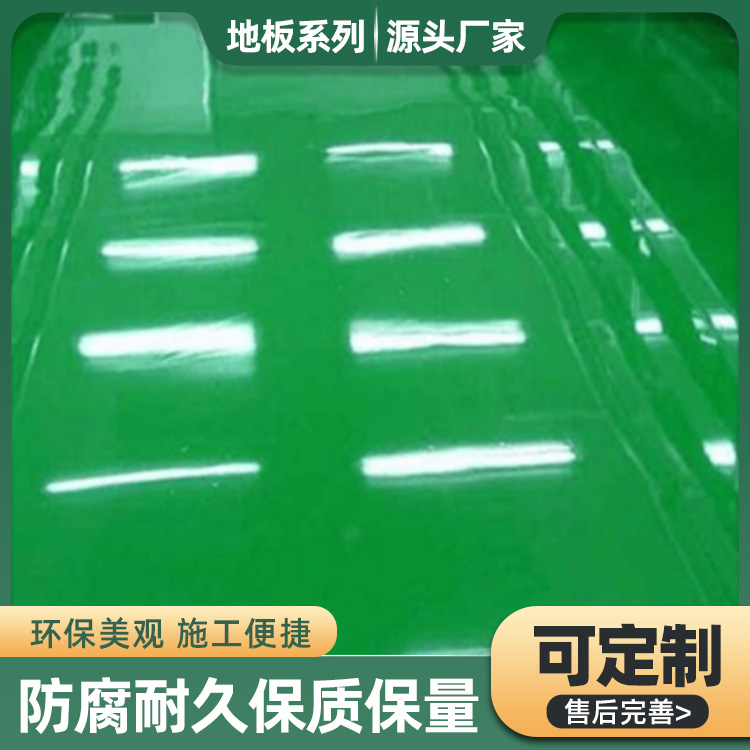
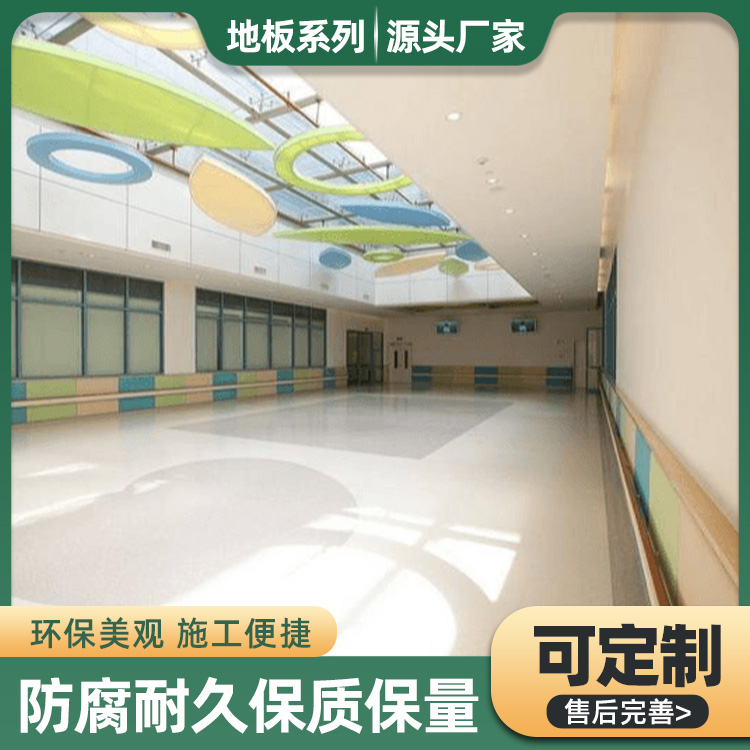
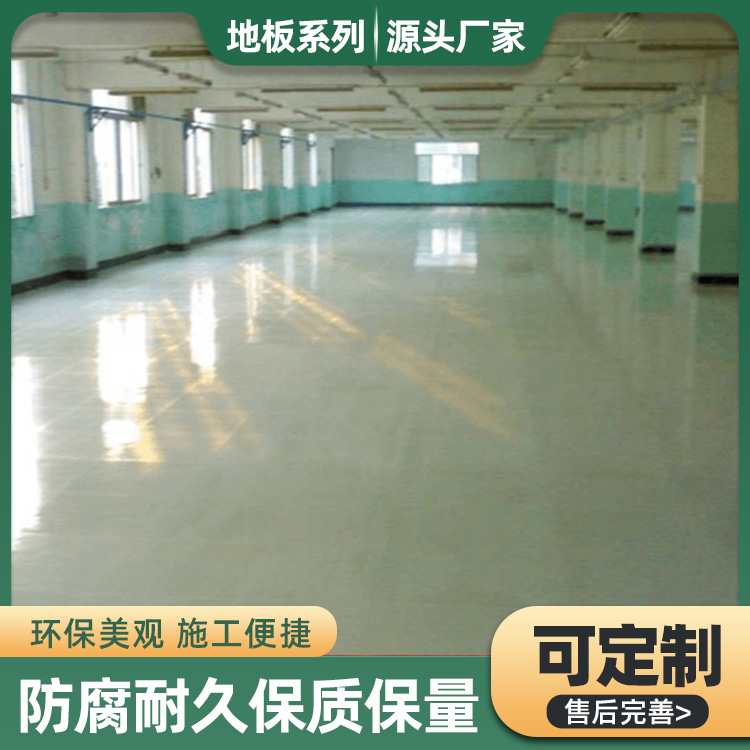







Cement ground hardening is a method that makes the surface of the ground harder through chemical reactions. This treatment effectively prevents cracking, chalking, and dusting of the ground, enhances its wear and corrosion resistance, thereby extending the service life of the ground. The advantages of cement ground hardening flooring include: 12
Durability. The curing of concrete flooring provides enhanced durability, making the surface harder and more stable, less susceptible to external impacts and wear. It effectively prevents sanding, chalking, and damage. 2
Load-bearing capacity. The hardened concrete surface offers increased hardness and stability, capable of supporting greater pressure and weight, making it suitable for areas frequently used for transporting heavy loads and vehicles.
Abrasion resistance. Cured flooring densifies the surface through internal chemical reactions, reducing friction and minimizing wear and corrosion, particularly in high pedestrian and vehicle traffic areas.
Dust and water-resistant features. Special coatings can be added during the curing process of the flooring to minimize the growth of dust, dirt, and moisture, maintaining cleanliness and hygiene of the surface.
Aesthetic Environment. Solidified flooring can enhance the environment and improve the overall image of the place. By applying coatings in various colors and patterns, the ground achieves an aesthetically pleasing appearance.
The construction steps for curing cement floors typically include:
Cleaning and Treatment. Remove dust, grease, and other debris from the ground.
Choose a binder. Select the appropriate binder based on the ground conditions and spray it evenly according to the ratio.
Distribute the curing agent. Use a floor scrubber to evenly distribute the curing agent, promoting its reaction with the ground.
Drying and surface treatment. After the curing agent dries, surface treatment is performed to complete the construction.