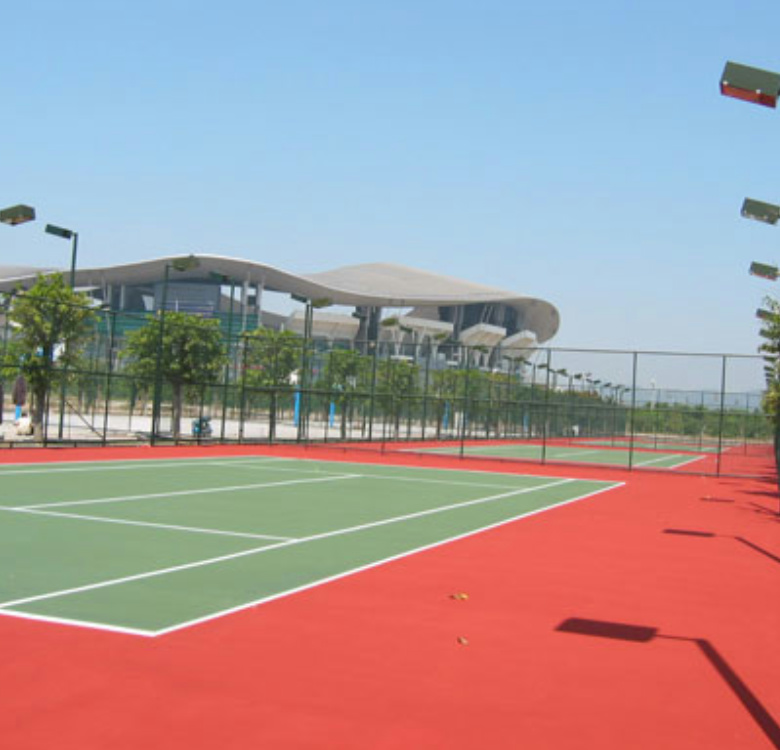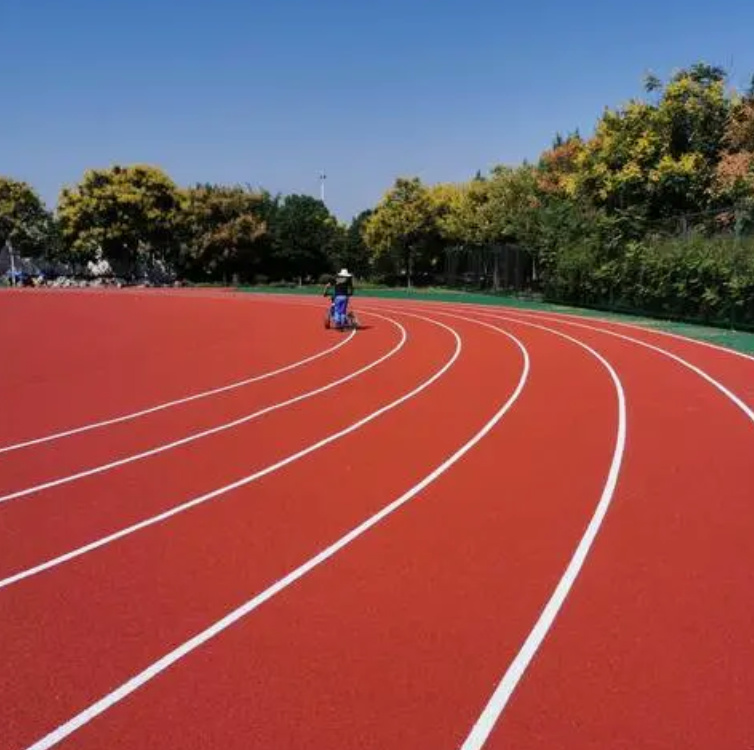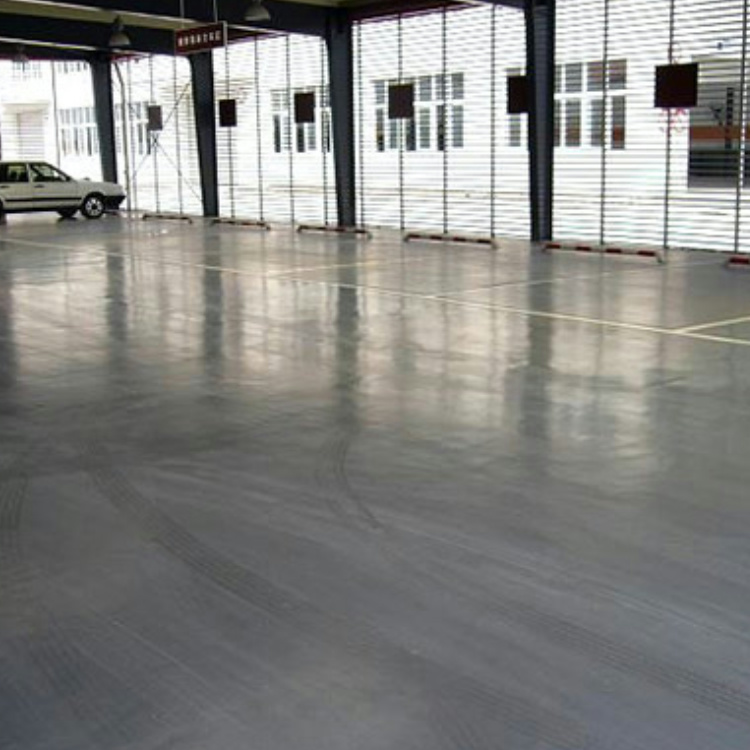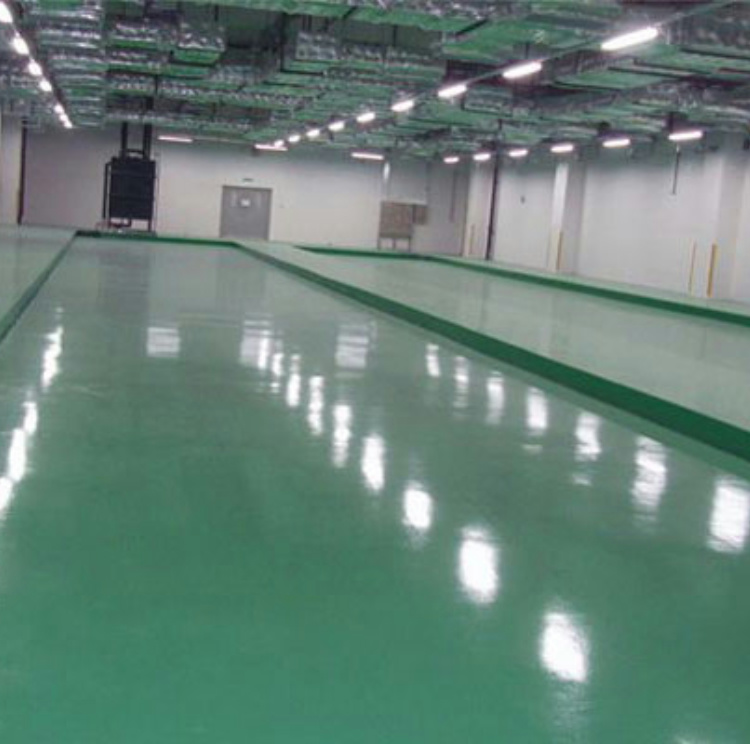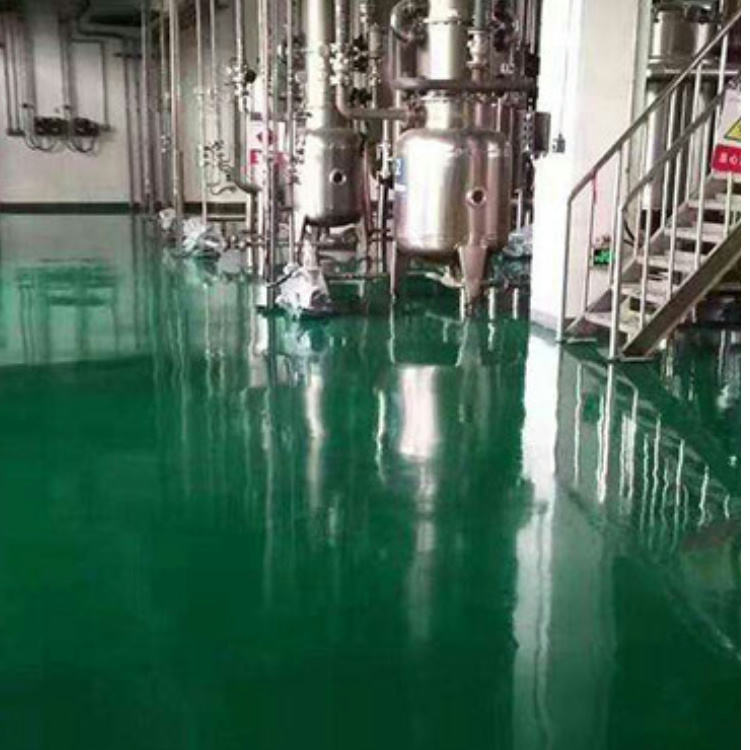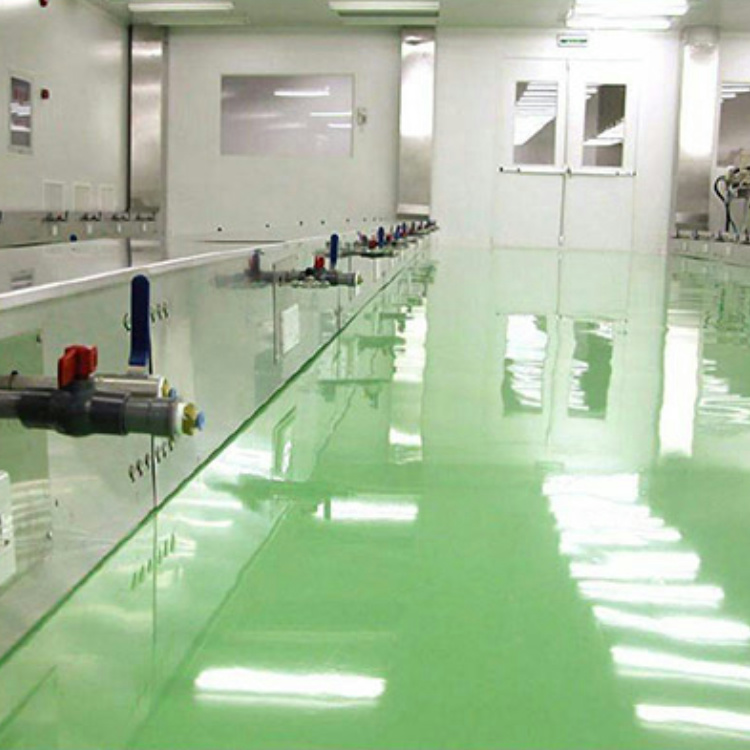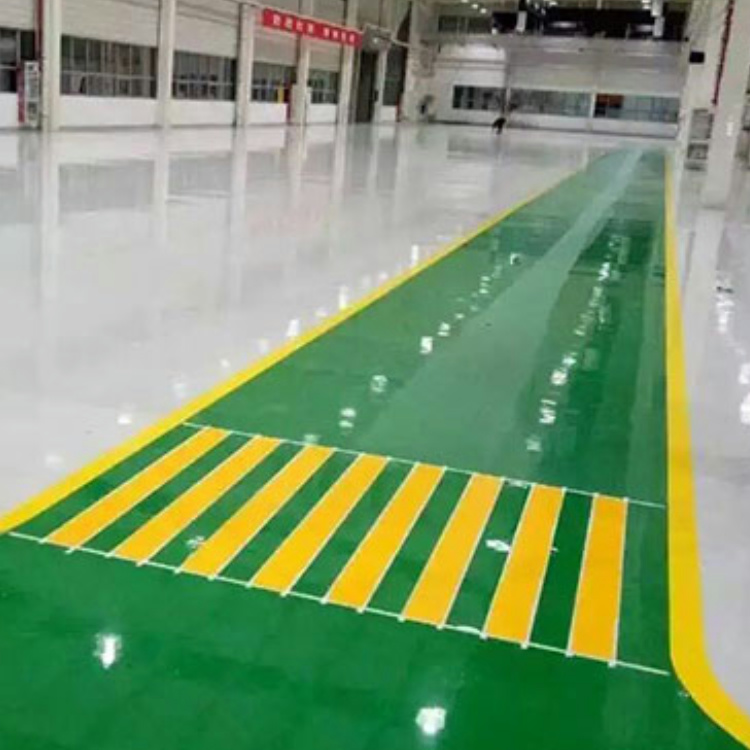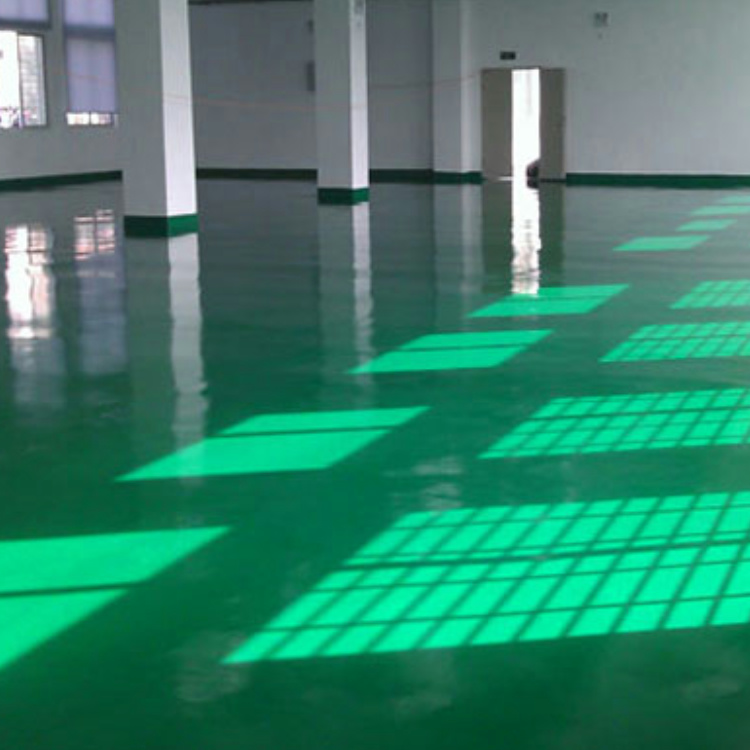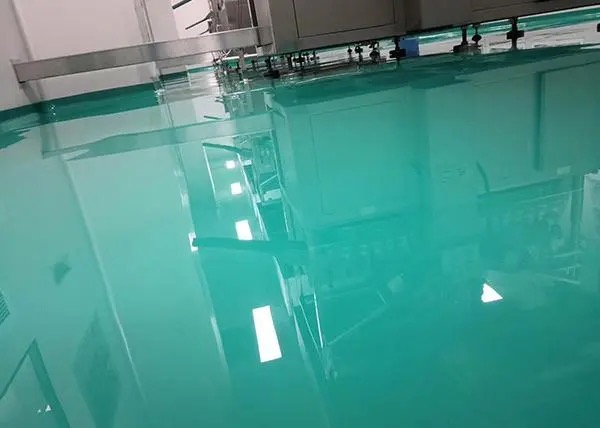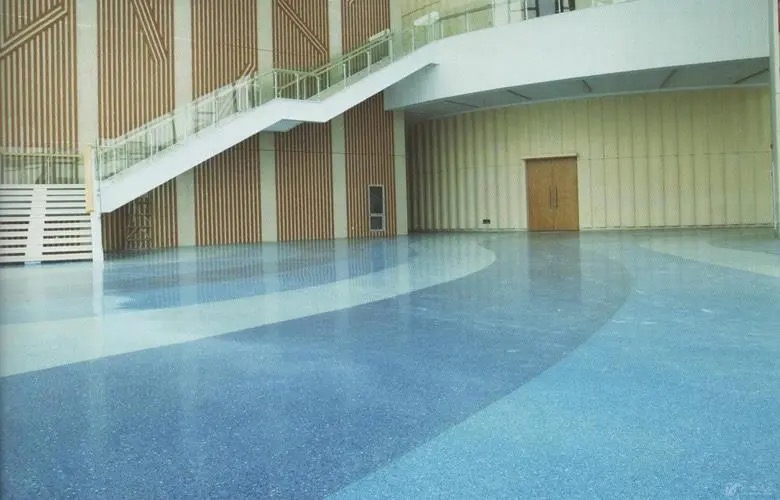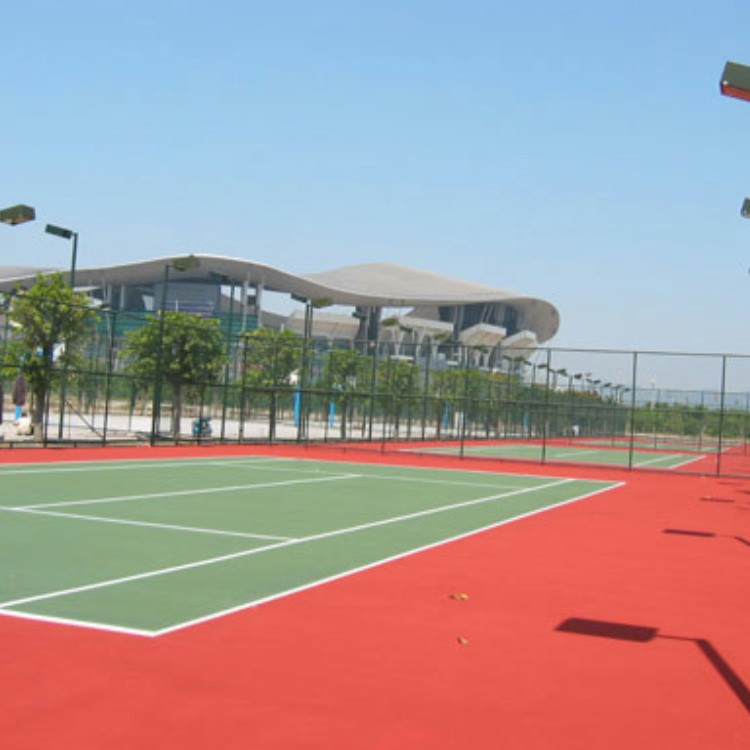
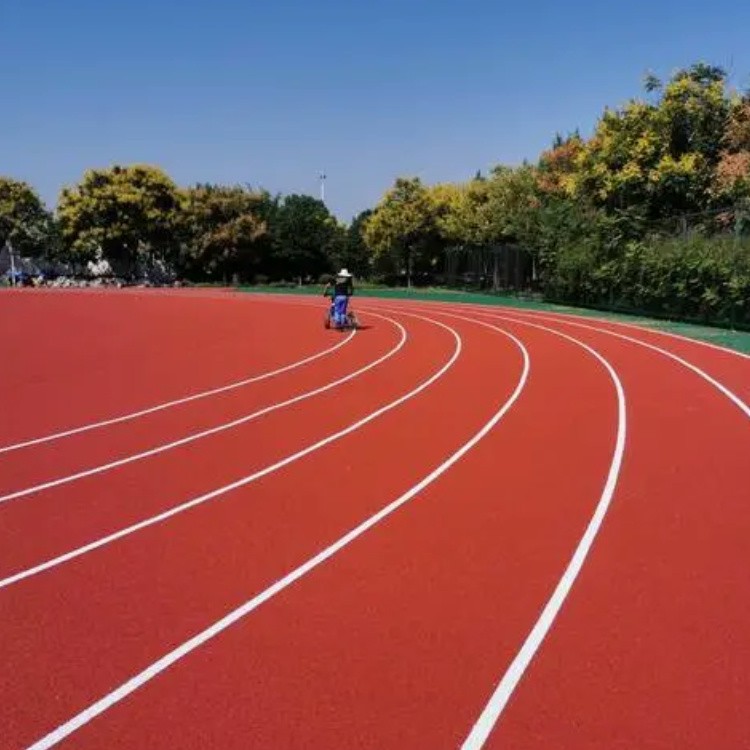
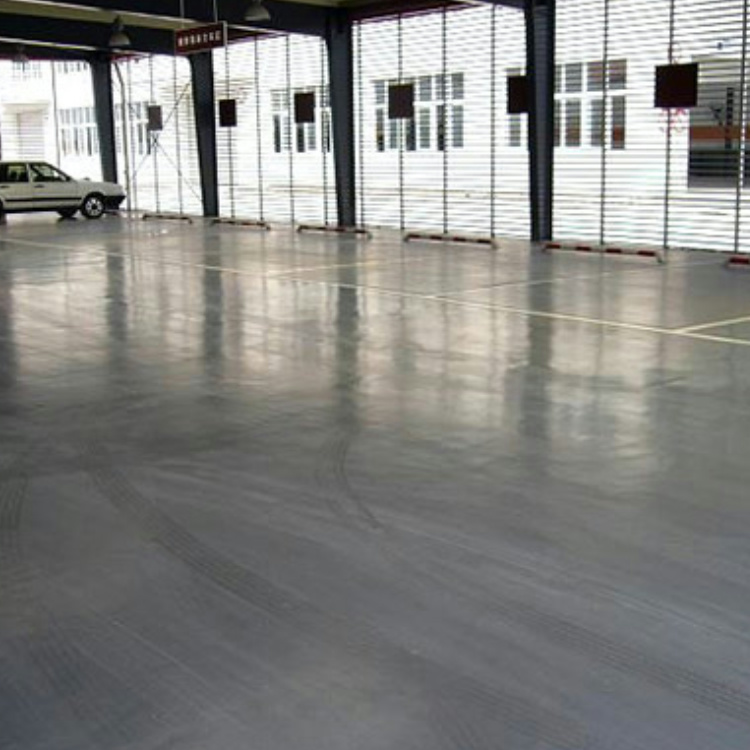

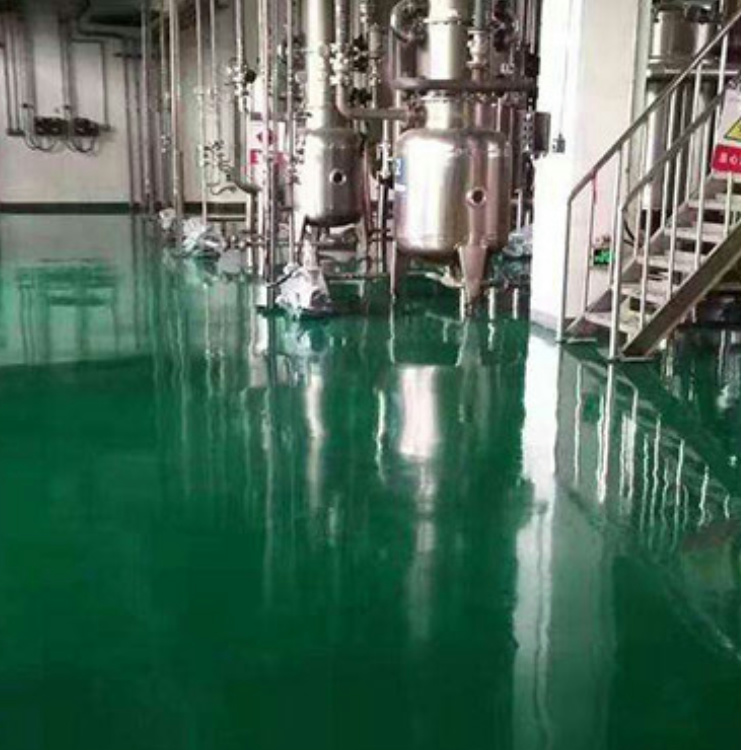







Epoxy floor paint was invented in Germany in 1934, primarily made from oils, resins, colors, solvents, etc., and is mainly categorized into decorative floor paint, heavy-duty corrosion-resistant floor paint, and heavy-load-resistant floor paint. It is composed through a variety of production processes including mixing, dissolution, and dispersion of different substances. Epoxy floor paint features bright, authentic, aesthetic appearance, wear resistance, waterproofing, and corrosion resistance.


The self-leveling property mentioned in floor paint primarily refers to the topcoat, while the primer and intermediate coats are the same as other floor types. The quality of the self-leveling topcoat is crucial for the appearance and performance of epoxy self-leveling floors. The application of epoxy self-leveling topcoat mainly involves using a trowel to spread it, gently agitating the self-leveling paint with the notched side of the trowel to generate momentum, and then allowing the paint to self-level. During the application process, temperature, application method, and technique directly impact the effectiveness of the epoxy self-leveling floor.