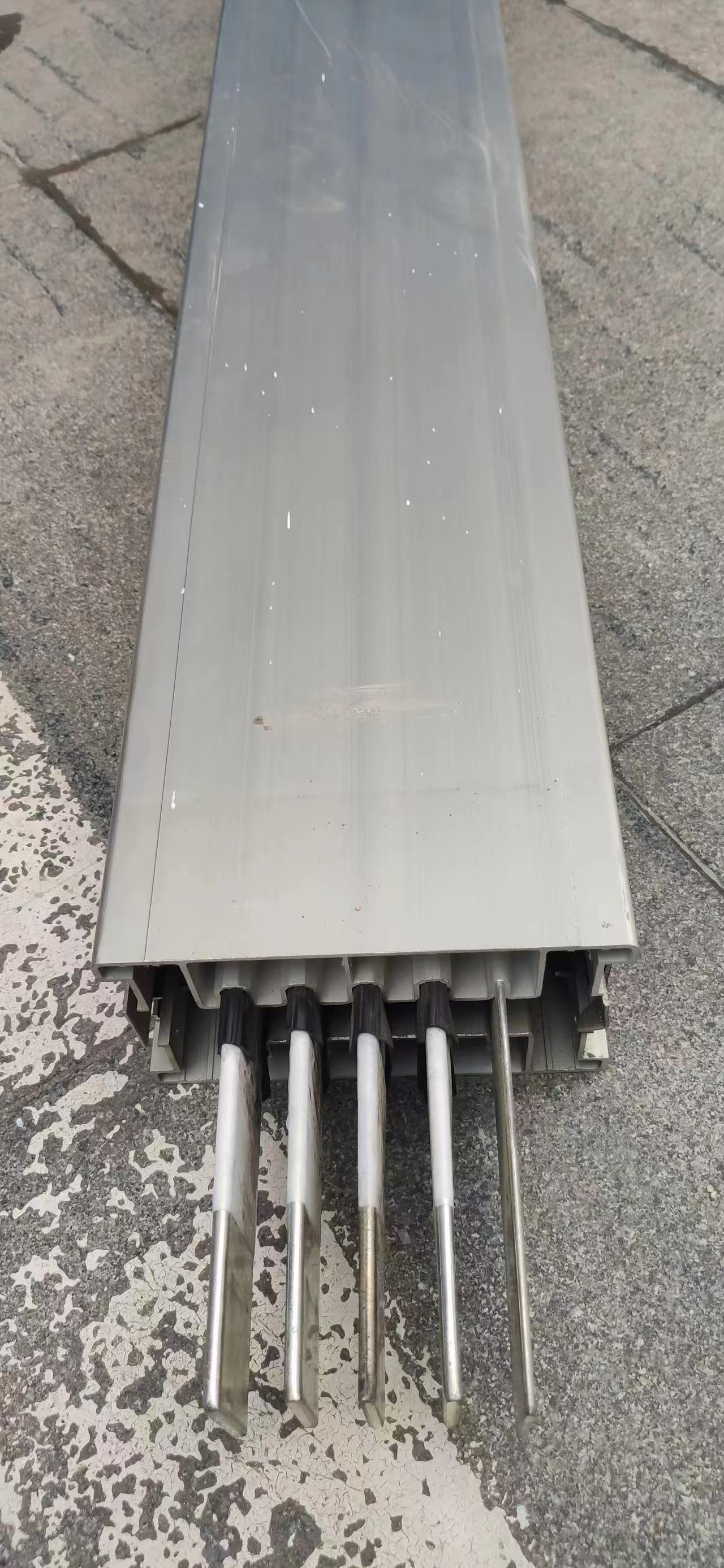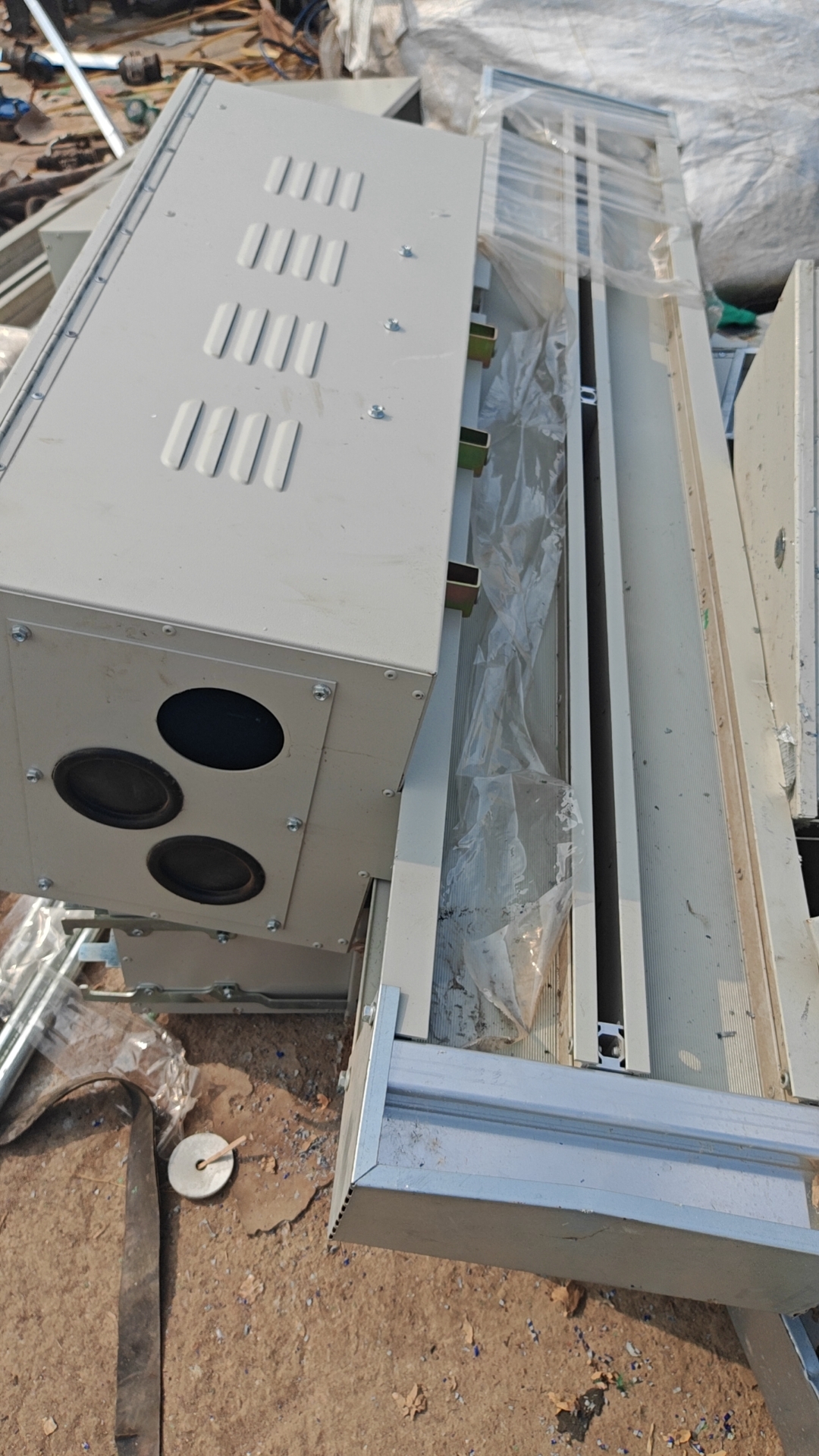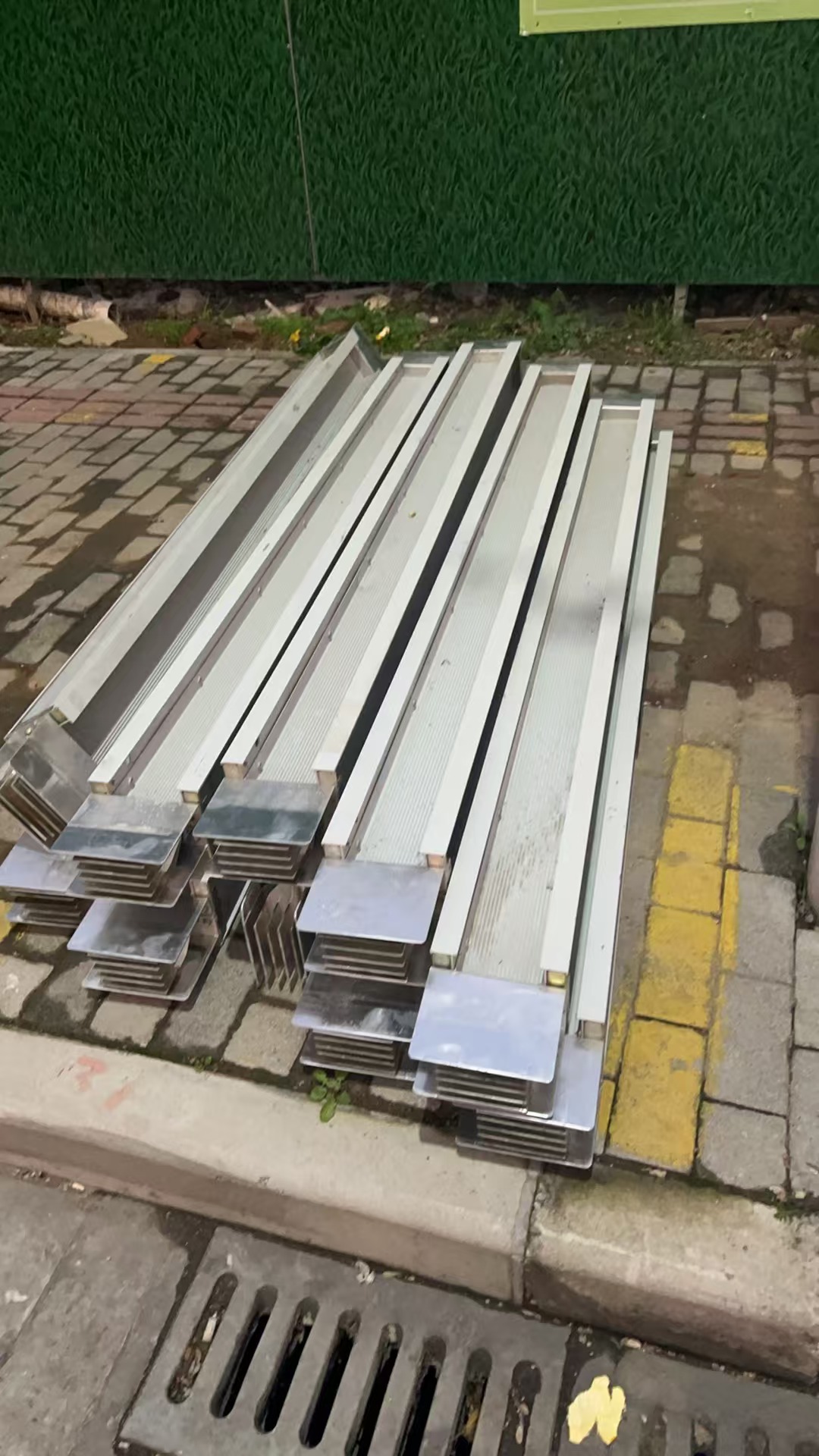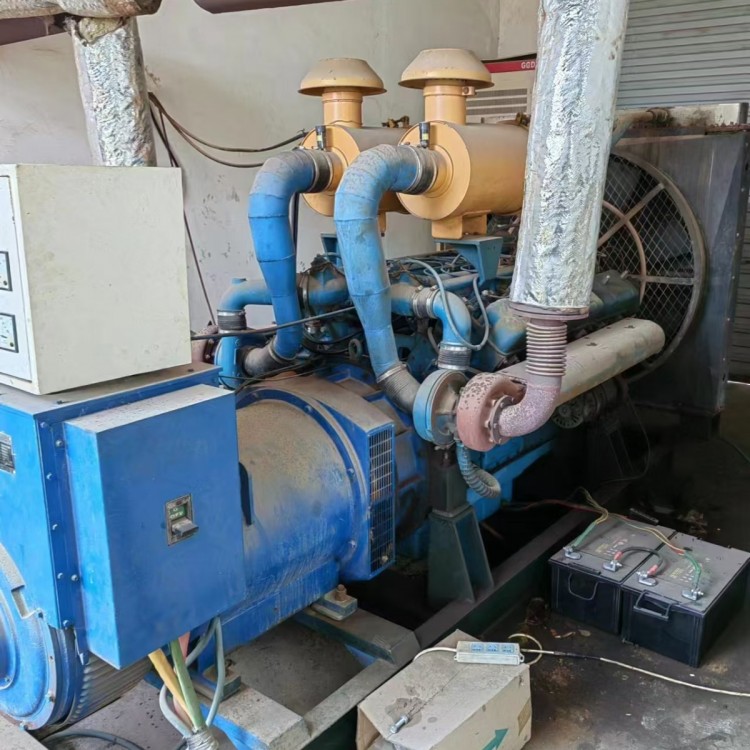


Nanjing Compact Busbar Tray Recycling (Jiangsu, Zhejiang, Shanghai Busbar Tray Recycling), Nanjing Used Busbar Recycling, Second-hand Busbar Tray Recycling, Busbar Tray Waste Recycling. Year-round recycling of various old cables in Shanghai, Suzhou, Yangzhong, including old wires, used busbars, second-hand busbar trays, waste busbar plates, second-hand high-voltage cables, waste optical fibers, etc., as well as waste wires, waste metals, and general waste materials recycling.
Description: Motherway busbars recycling for business buildings, workshop busbars recycling, Shanghai cable wire busbar recycling company, waste cable wire priced by tonnage, electrical wire and cable total price calculated by meter, waste cable wire copper wire processing, our company specializes in recycling various types of wire and cable, including:
Installation Method for Enclosed Busbars
(1) Construction Sequence
Busway inspection → Measurement and positioning → Bracket assembly and installation → Insulation testing → Busway splicing → Phase verification
(2) Primary Construction Methods and Technical Measures
1) Busbar channel inspection
Thoroughly inspect the busbar quality, with a focus on the following aspects:
a. Busway casing should be intact and undamaged. The busway and distribution box models and specifications should meet design requirements. Accessories are properly matched and in sufficient quantity.
b. Busbar connectors have a flat mating surface, symmetrical connection holes, and consistent distance from the edges.
c. Insulation panels between busbars must not be damaged or cracked.
d. Measure the insulation between phases, phase and neutral bars, PE bars, and phase and外壳 with a 500V megger for each section of busbar slot, ensuring not less than 20MΩ. The construction site should be kept clean and efforts should be made to minimize the on-site storage time. Adequate moisture protection measures should be taken.
2) Busbar Channel Measurement and Positioning
a. The direction of the busway should be determined by a combination of the design drawings and the actual engineering, following the principle of not conflicting with large-diameter pipelines or bridge structures. It should be laid as a short, straight path, with the distance from the ground not less than 2.5 meters. The minimum clearances to the building surface, other electrical lines, and various pipelines should comply with current standards.
b. The spacing of busway bracket supports for horizontal installation is generally 2-3 meters, determined by the weight of the busway per meter. Additional supports should be added at the bends of the busway and where it connects to the distribution box.
3) Bracket and suspension fabrication and installation
a. The type of support and hanger is determined by the installation location of the busbar channel and its weight. Generally, it is made of channel steel, angle steel, all-threaded hanger rods, and flat steel, with anti-corrosion treatment in place. The spacing between support and hanger structures should be uniform, and their horizontal level should meet the requirements of the busbar channel's horizontal level deviation.
b. Busbars are vertically mounted, typically using the standardized spring brackets provided by the busbar manufacturer.
Busbar trunking with flexible and convenient busbar trunking plug-in interfaces can accommodate a large number of outlets, offering strong versatility. When adjusting the positions of electrical equipment, there is no need to alter the power supply system.