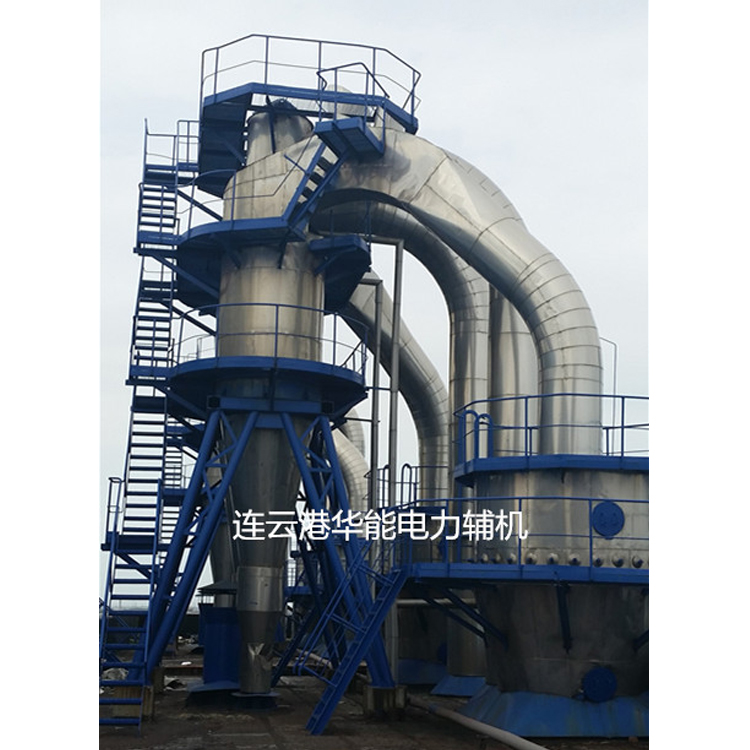

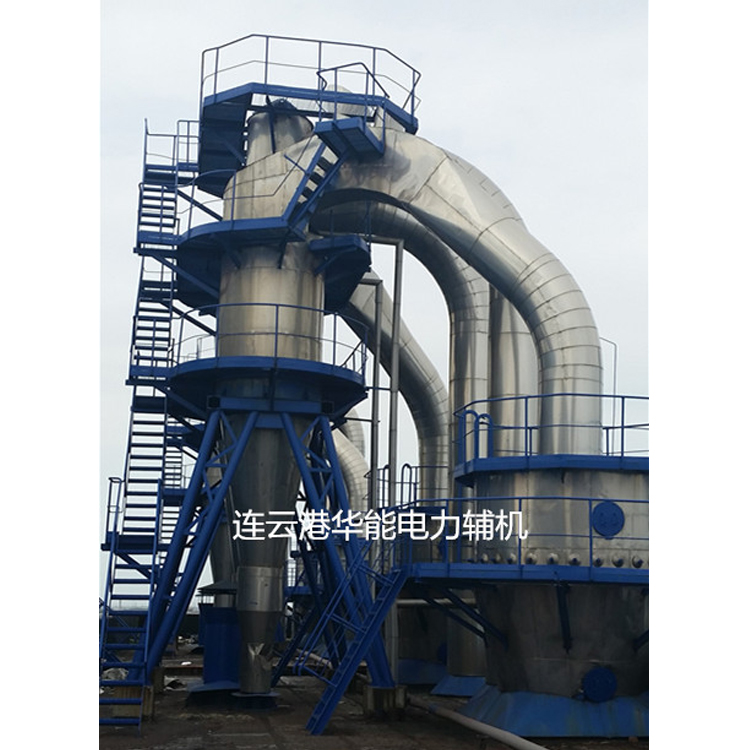
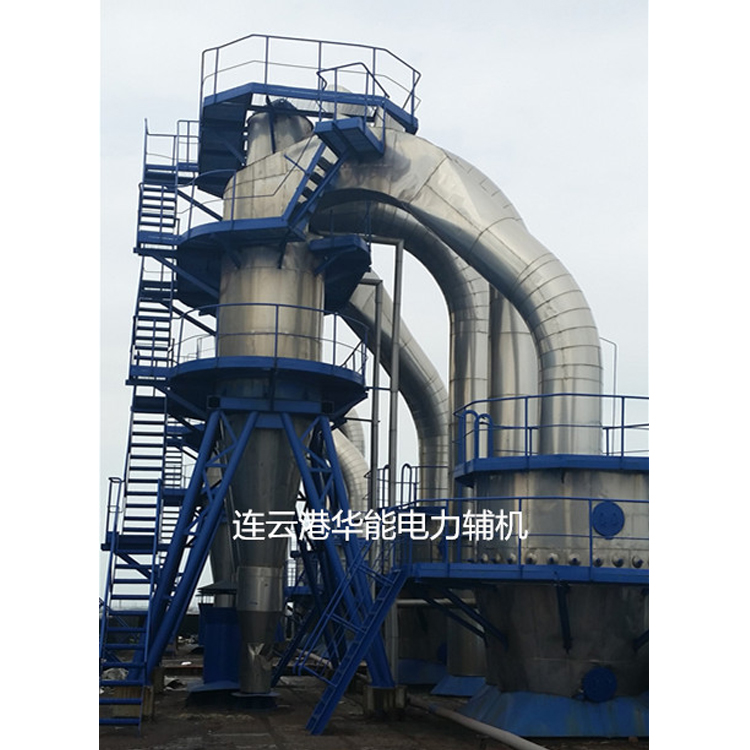












Coarse Powder Separator Overview
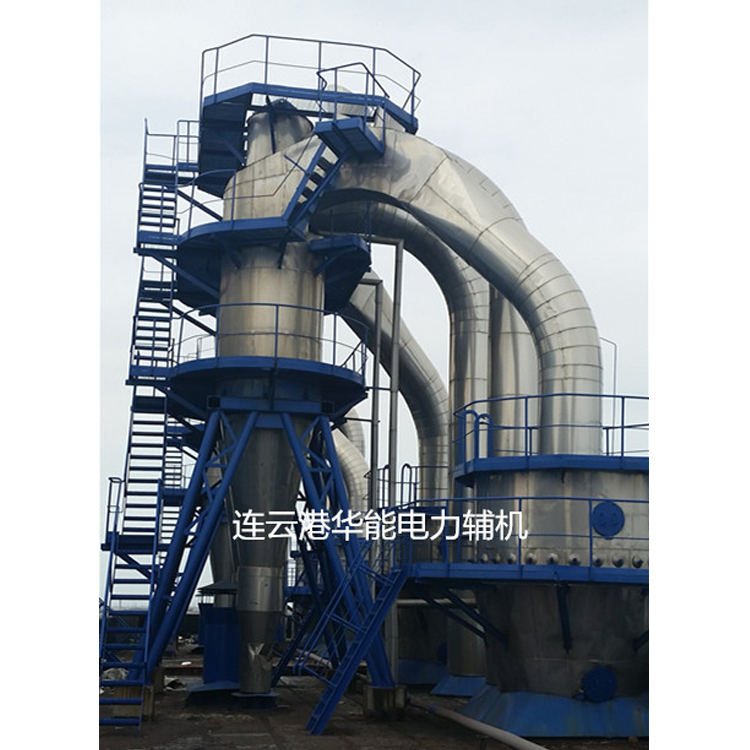
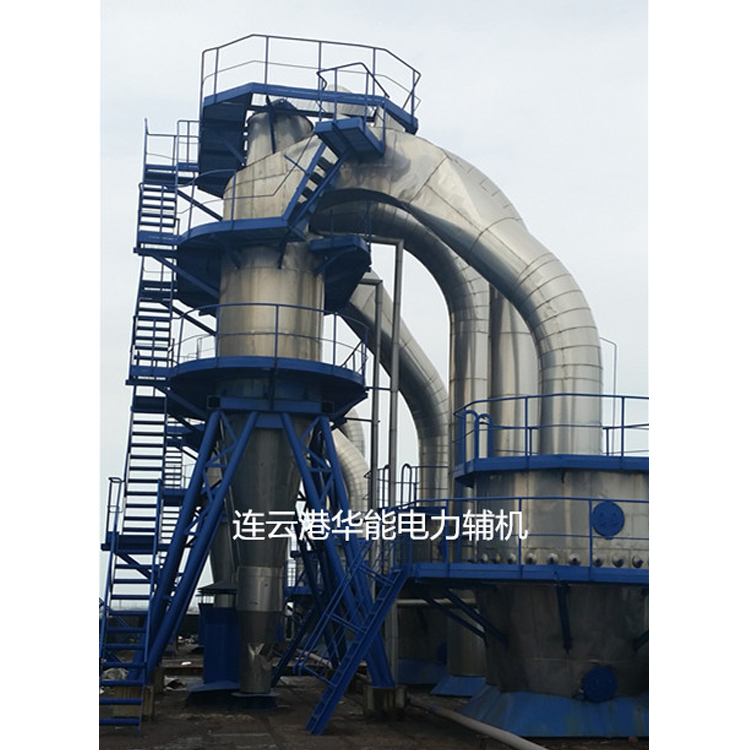
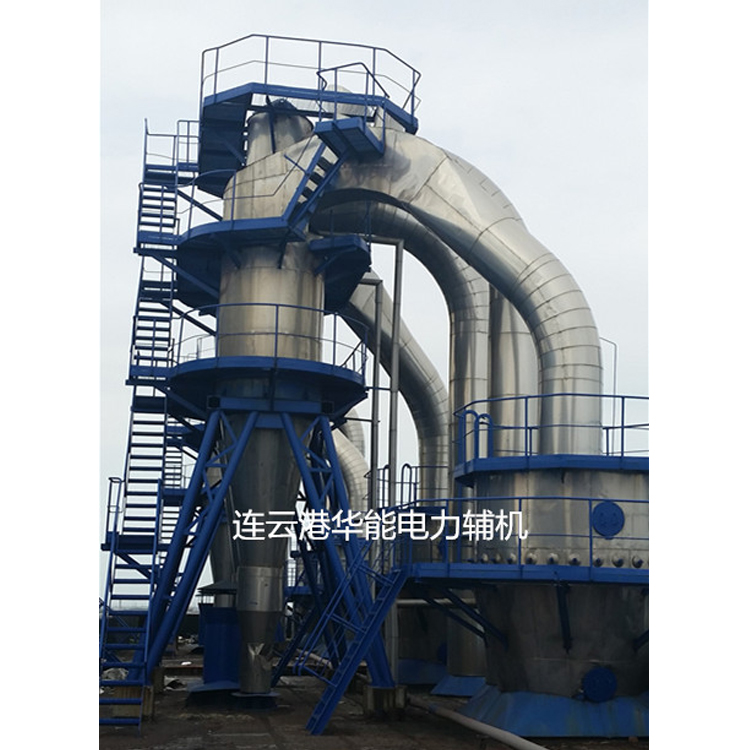
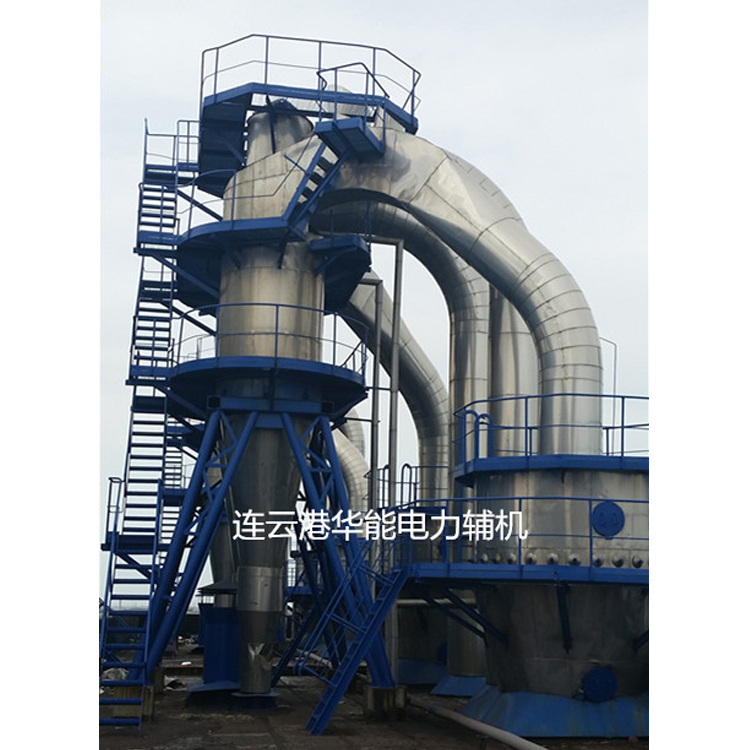
For the Lianyungang Huaneng Power Auxiliary Equipment Utilization Test Device, semi-industrial model test research was conducted, with careful measurements of the air flow pattern inside the coarse powder separator, especially in the primary separation zone. Through experimental research on separators with different structural parameters, a new type of series double-axial coarse powder separator was developed, achieving the most optimized design of the series double-axial coarse powder separator. The coarse powder separator is one of the key components of the central storage type pulverizing system. Due to the limitations of the separator structure, many old power plants suffer from issues such as high resistance, coarse fineness, severe local wear, poor uniformity, and insufficient output. Further improvement of the coarse powder separator's performance, reduction of local wear, and increase of the volumetric efficiency of the axial type coarse powder separator have been achieved. This technology has passed the industrial key science and technology project appraisal meeting and received high praise from the appraisers. They unanimously believe that the series double-axial coarse powder separator structure is reasonable, with excellent performance, improving the uniformity of coal powder, conducive to the combustion and complete combustion of coal particles in the furnace, and can improve the economic operation of the pulverizing system and boiler unit. The economic benefits of this technology are significant, and it has important application and promotion value.
Value.
Technical Features: Coarse Powder Separator
1. Radial and traditional axial separators structural features
(1) Coal powder gas flow enters the separator, impacting the front baffle at the bottom of the inner body, causing the gas flow to deflect and not form a uniform flow field between the inner and outer bodies. This results in a layer of faster gas flow near the outer body, which is detrimental to gravity separation at the bottom. Although the gas flow at the inlet is deflected, reducing the speed of some coarse particles, the high speed of the inlet gas carries the particles back up. Additionally, the gas flow deflected by the impact cone is lifted again at the exit of the inner cone, creating an ineffective cycle within the separator.
(2) Due to the deflection effect of the impact cone, the inner wall of the lower cone at the same horizontal position as the impact cone is severely worn, leading to frequent occurrences of powder leakage.
(3) The locking device between the inner cone and impact cone often gets stuck, causing the air-fine mixture to bypass and resulting in poor separation efficiency.
(4) Due to the structural limitations of the radial coarse powder separator, the primary separation at the lower part is not sufficiently thorough. Additionally, relying solely on secondary separation, which is primarily based on centrifugal and inertial forces at the outlet, does not yield good separation results. Furthermore, the outlet pipe is very close to the radial blades, and the guidance and suction effects at the outlet affect the formation of the rotational separation field. Some particles even short-circuit and flow into the outlet pipe, resulting in unsatisfactory separation.
(5) Radial coarse powder separation has a higher flow resistance.
These structural features of the radial coarse powder separator result in an uneven flow field distribution and separation mechanism, which have consistently shown issues over many years of operation. There is an urgent need for an upgrade or technical transformation.
2. Structural features of the new bidirectional multi-channel coarse powder separator:
(1) The inlet pipe is fitted with an expanded pipe to achieve a more reasonable air flow velocity (approximately 17m/S), which is conducive to the initial separation (gravity separation) in the lower part of the separator.
(2) Remove the radial baffle and seal the internal cavity. As the lower part of the internal pusher is a reversed triangular shape, it improves the distribution of the lower air flow field, resulting in uniform flow distribution, lower average airspeed, and enhanced gravity separation efficiency.
(3) Inside the upper and lower cylinder, there are double-axial baffles installed. Due to their impact and deflection on the airflow, the multi-channels create impact and inertial separation. Additionally, the flow velocity at this location is relatively low, resulting in a clear separation effect.
(4) Due to the guidance of the axial baffle, an axially rotating flow field is formed in the upper space of the separator. Because the upper space is larger, the gas-powder two-phase flow achieves a more sufficient three-way separation (centrifugal separation) here.
(5) The inner cavity is sealed, preventing air flow short-circuit. The flow field distribution is uniform, with an average speed reduction, significantly reducing wear on the lower cylinder by adding wear-resistant liners.
(6) Increased export pipe diameter reduces wear on the upper and outlet sections. The addition of swirling guide vanes at the upper outlet significantly reduces flow resistance.
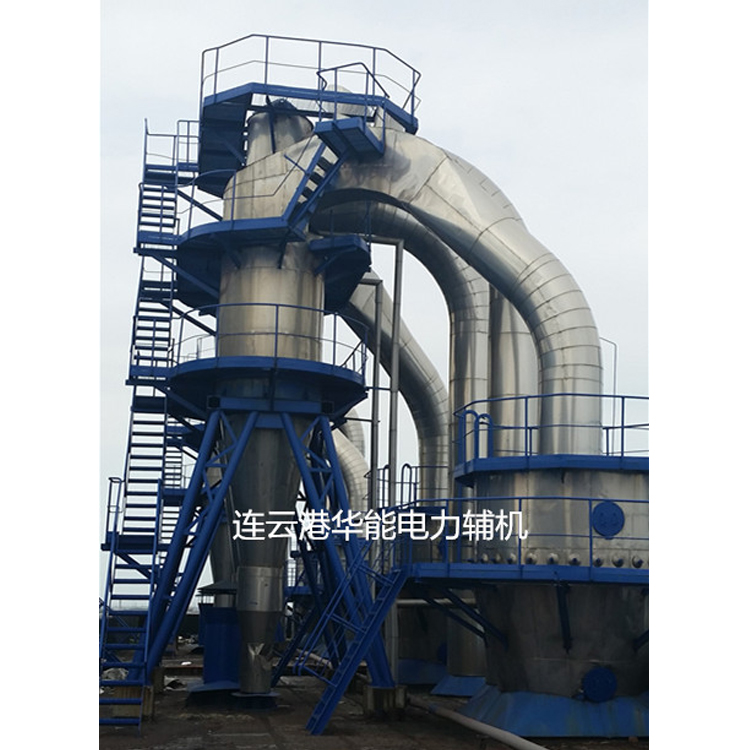
Section 3: Working Principle of Coarse Powder Separator
From the working principle of the coarse powder separator, the original axial coarse powder separator and the radial coarse powder separator exhibit similar gravity separation and impact separation effects within the single separation zone, while the transition between the inner and outer diameters...
Towards the jamming plate area, the coarse particles and the axial plate cause rebound waves, which add an effective separation function for particle separation. Meanwhile, an oil guide plate between the inner and outer cones is arranged to direct the oil.
The efficiency has been improved, enhancing the performance of the separator. The series double-axial coarse powder separator is an upgrade based on the original axial coarse powder separator, with improvements to the structure of its primary separation zone and the airflow pattern.
Increased the impact separation function of the first-order axial adjustment baffle, enhancing the separation effect of the coarse powder separator and improving the uniformity of coal powder.
IV. Performance Features:
The lower cone and outlet pipe of the radial coarse powder separator are severely worn, while the axial type components produced by Huaneng Power show significantly reduced wear.
2. Simple internal structure, safe and reliable, flexible adjustment, wide range of adjustment
3. Huaneng's double-axis multi-channel type radial pressure drop is approximately 400Pa lower, increasing the ventilation volume of the pulverizing system.
4. After the operation or technical transformation of the biaxial multi-channel type produced by Huaneng, tested by the Central Research Institute, it can increase the output of the pulverizing system by 25% and reduce the electricity consumption of the pulverizing system by 15% (about 4.3kwh/t), with the fineness of coal powder reduced by approximately
10%. Efficiency of the bidirectional multi-channel is increased from 33.8% to 52%, with a reduced cycle ratio. The uniformity of coal powder is also significantly improved.
5. Due to the significant reduction in coal powder fineness (R90C), it is highly beneficial for stable combustion and reduction of combustion losses, which will lead to a substantial increase in the boiler's combustion efficiency.
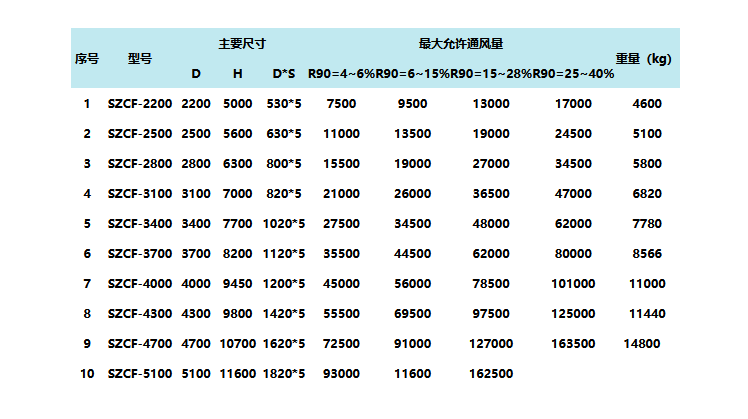
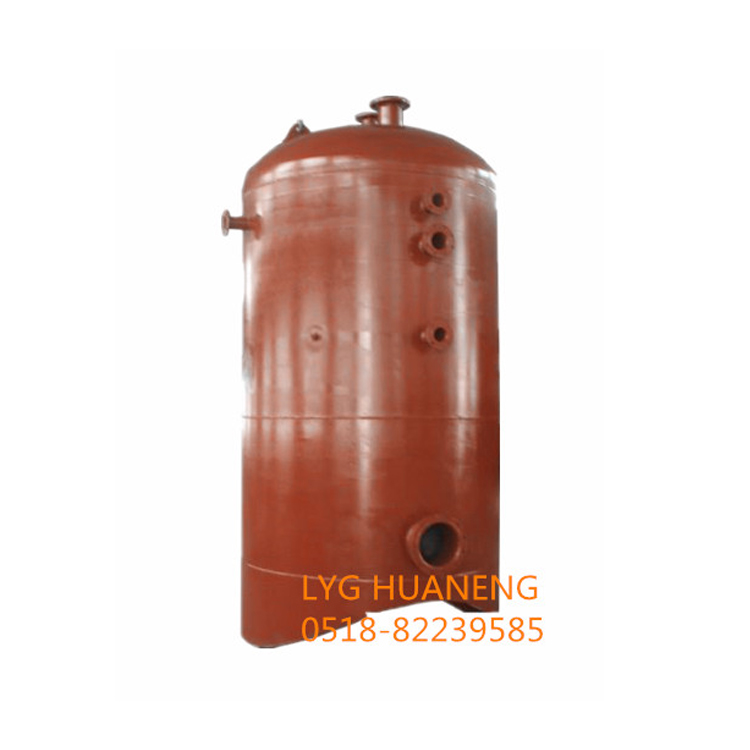
Five. Coarse Powder Separator Specifications and Models