









One: Analysis of Cooling Tower Noise Sources:
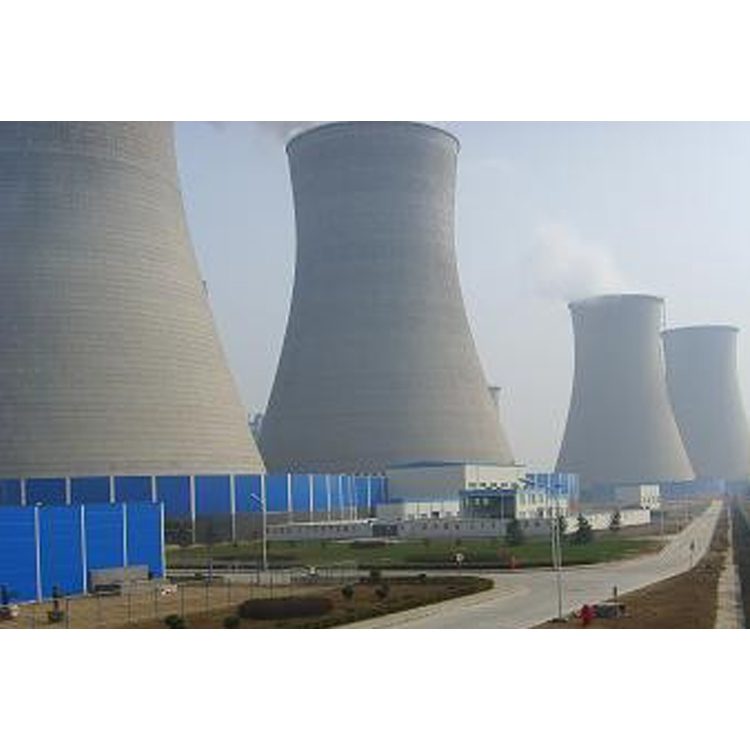
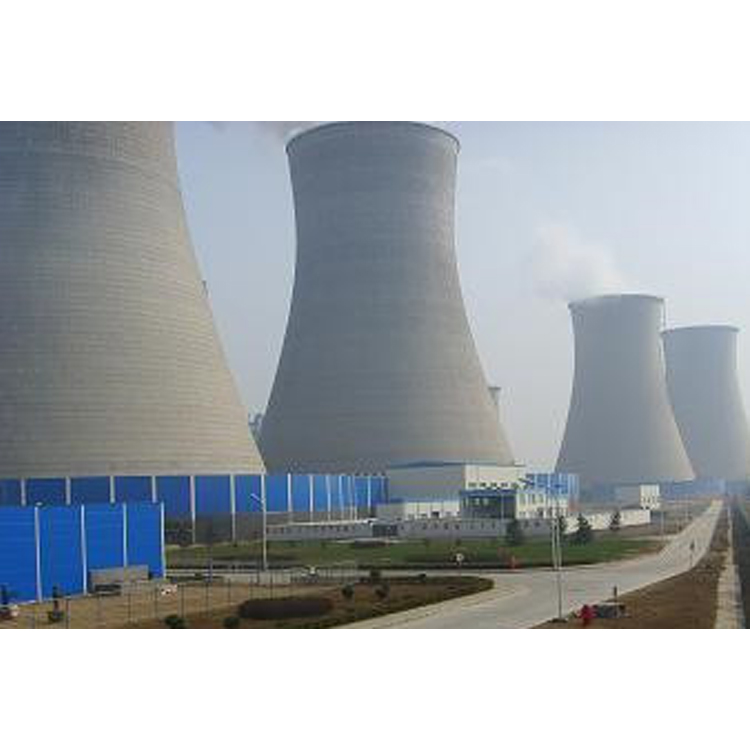
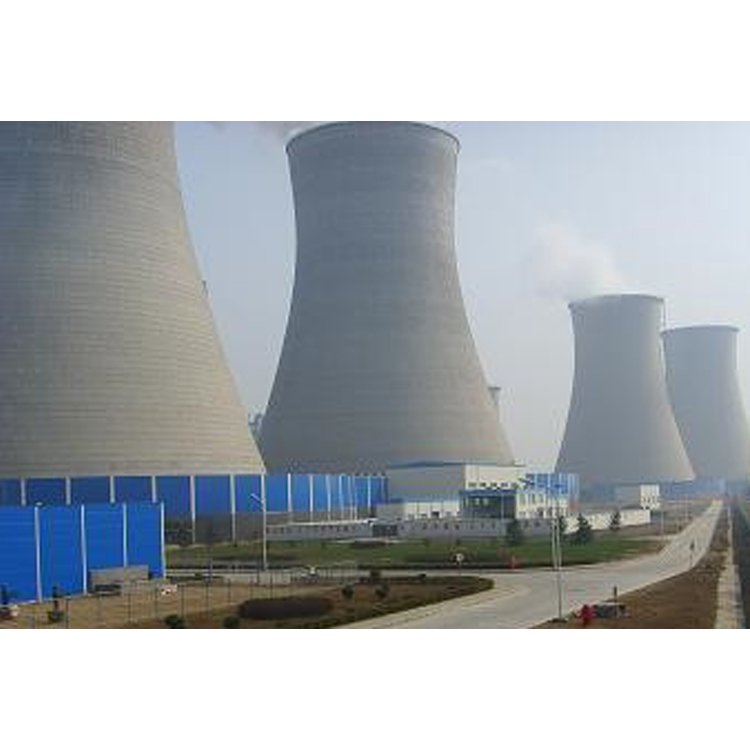
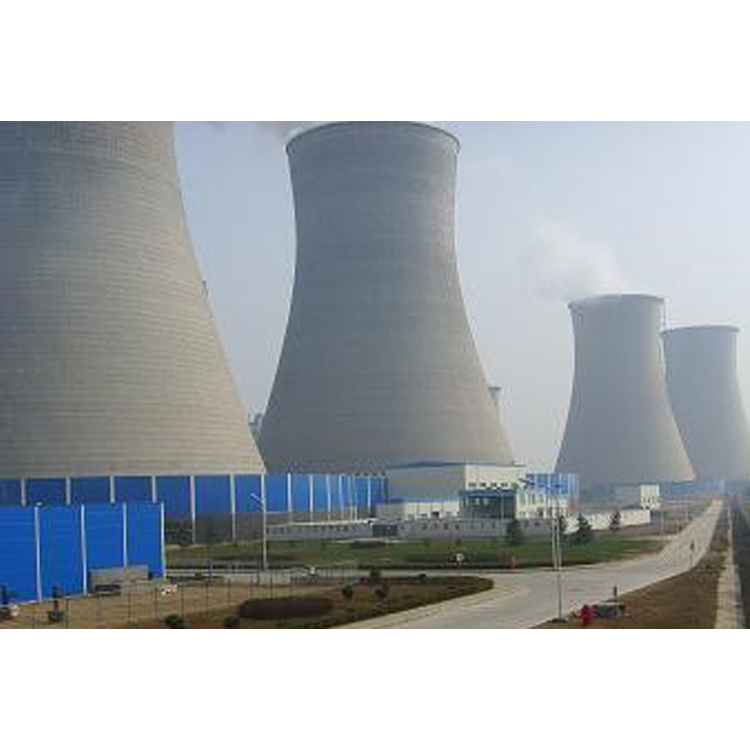
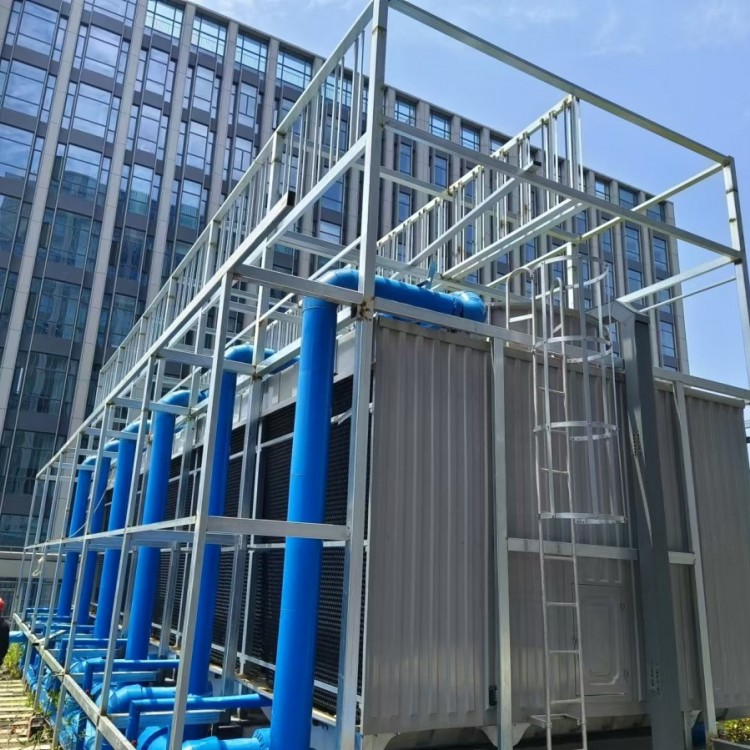
Cooling towers are mechanical equipment used in circulating water supply systems to lower water temperatures, typically by 4-6°C, and in industrial settings, they can lower water temperatures to 10-15°C. Their working principle is as follows: The cooling water in the bottom sump of the cooling tower flows down by gravity, and a pump sends it to the condenser, where it absorbs the heat released during the condensation of the refrigerant. This hot water is then discharged from the condenser and sent to the top of the cooling tower, where it is sprinkled into droplets and flows down through the packing. As the hot water falls, it comes into contact with cooler air currents, undergoing heat exchange. At this point, some of the water evaporates, while the majority cools and returns to the sump.
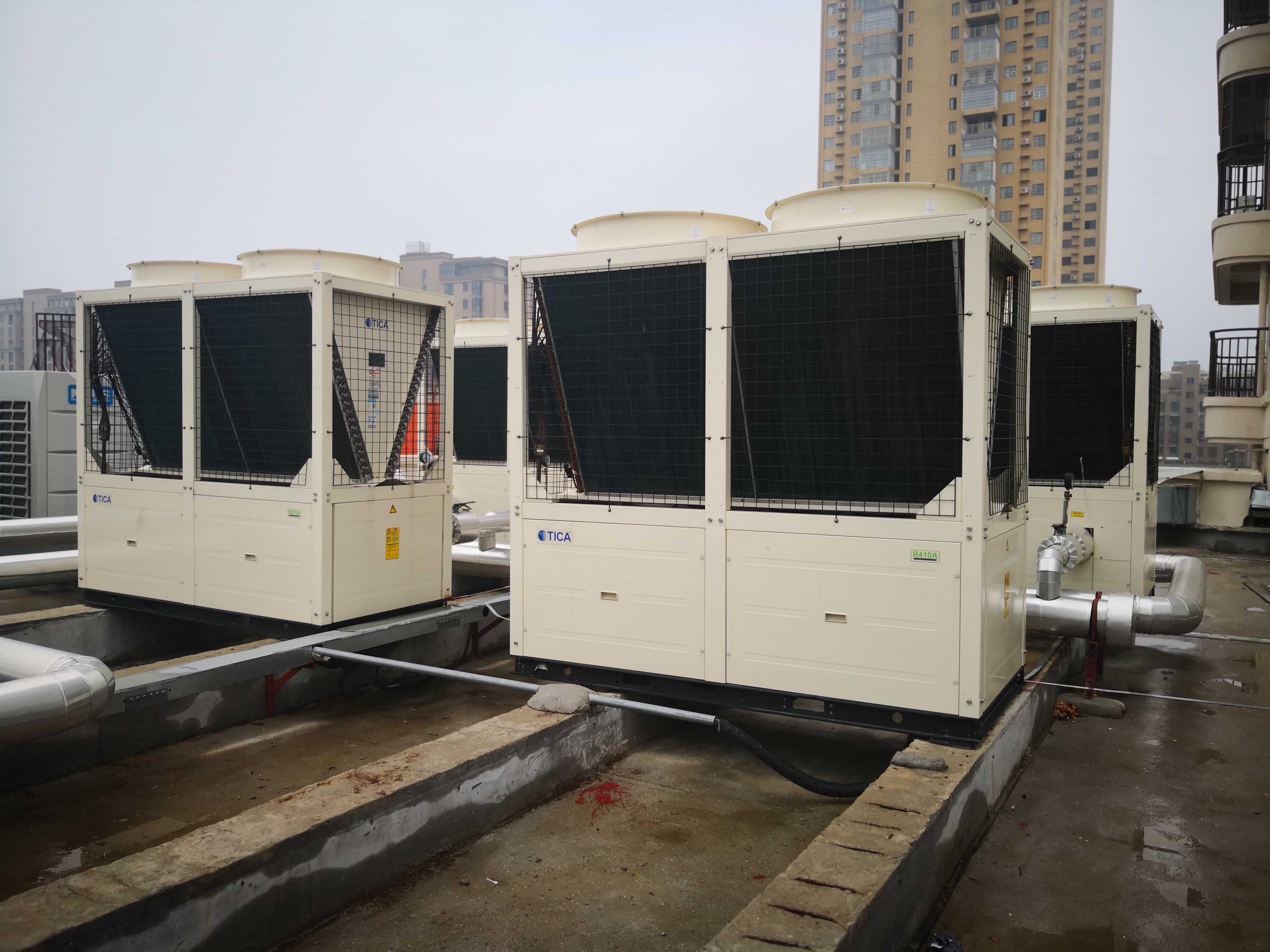
As the economy develops, factories, restaurants, hotels, office buildings, and entertainment centers spring up like mushrooms after rain. Particularly in the south where the hot weather lasts longer, installing cooling towers is necessary for central air conditioning. In some industrial zones, there are even buildings with a dozen or more cooling towers. In some commercial-residential mixed areas, businesses cannot be placed on the rooftop or on the same floor space, so they are only placed on the ground. The strong noise and heat from the cooling tower exhausts often disturb the tranquility of residents. Therefore, the noise issue of cooling towers has become a hot spot for environmental complaints. Analysis and frequency spectrum tests show that cooling tower noise originates from the following aspects:
1. Fan noise
It is the mechanical ventilation cooling tower's primary source of noise, which is aerodynamic in nature, including full-flow noise and rotational noise. Theoretical analysis of the aerodynamic noise source indicates that the intensity of full-flow noise
The relative velocity of airflow is proportional to the sixth power and also related to the blade shape, featuring continuous spectral characteristics. The rotational noise is generated by pulsations formed during blade rotation, and it is related to the number of blades, gas flow rate, and static pressure, etc.
It features a narrowband low-to-medium frequency spectrum.
2. Spraying noise
Fan operation exhaust and intake noise, as well as sprinkling noise; the fan radiates noise through the intake and exhaust ports and the tower body, with exhaust port noise approximately 5-10dB(A) higher than intake port noise, and its frequency spectrum is characterized by a continuous low-frequency dominance.
The spectrum belongs to low-frequency noise. The high-frequency noise generated when the recirculating hot water falls from the sprinkling device and impacts the accumulated water in the water collection pan at the bottom of the tower is related to the size of the sprinkling sound, which is in turn influenced by the height of the sprinkling and the water flow rate per unit time.
3. Gearbox and motor noise
The noise from reducers is primarily generated by gear meshing, while motor noise consists of electromagnetic and mechanical noise. Generally, these two sources of noise can be overlooked in terms of their impact on the surrounding environment.
4. Pump Noise:
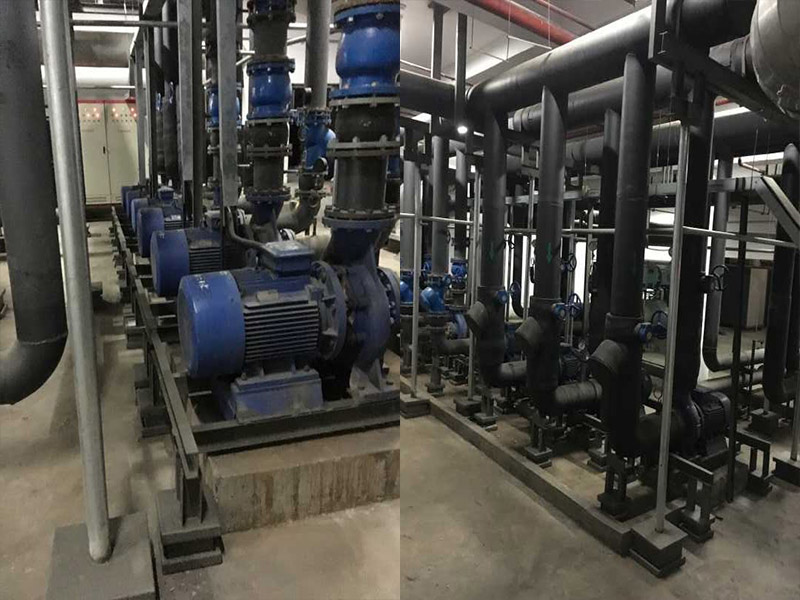
The pump is installed near the cooling tower for circulating cooling water. It often resonates with pipes, emitting high-frequency tuned noise. If the noise is too intense, it requires joint treatment.

General measures for noise control are:
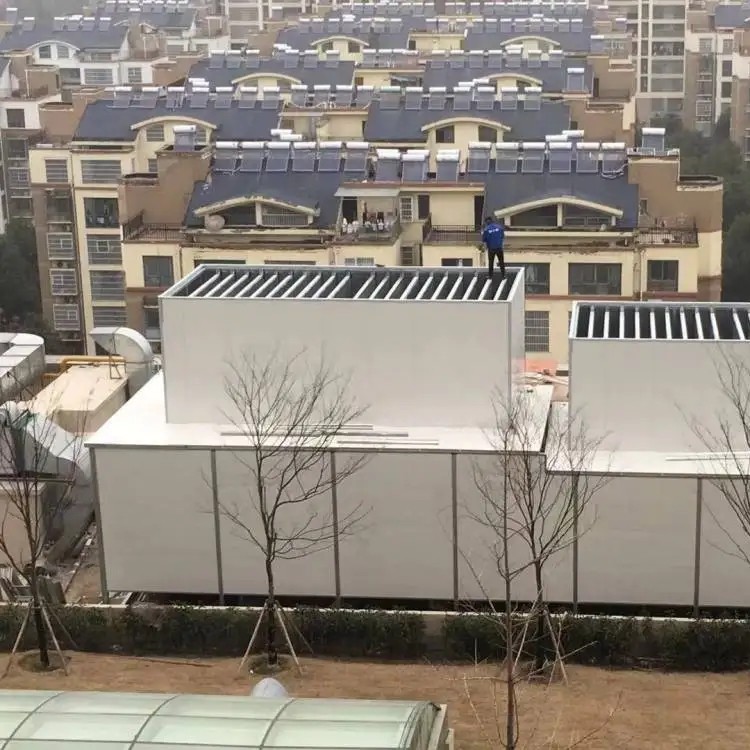
Control the source of the cooling tower noise, cut off the pathways of transmission, and protect the victims. The noise from cooling towers affects the daily lives of residents, impacting a wide range of individuals with high mobility. Measures to protect the victims are infeasible; therefore, only control over the noise source and the pathways of transmission can be implemented. In response to the noise characteristics of cooling towers, the following remedial measures are taken:
1. Replace standard motor blades with low-noise blades to fundamentally reduce noise levels at the source.
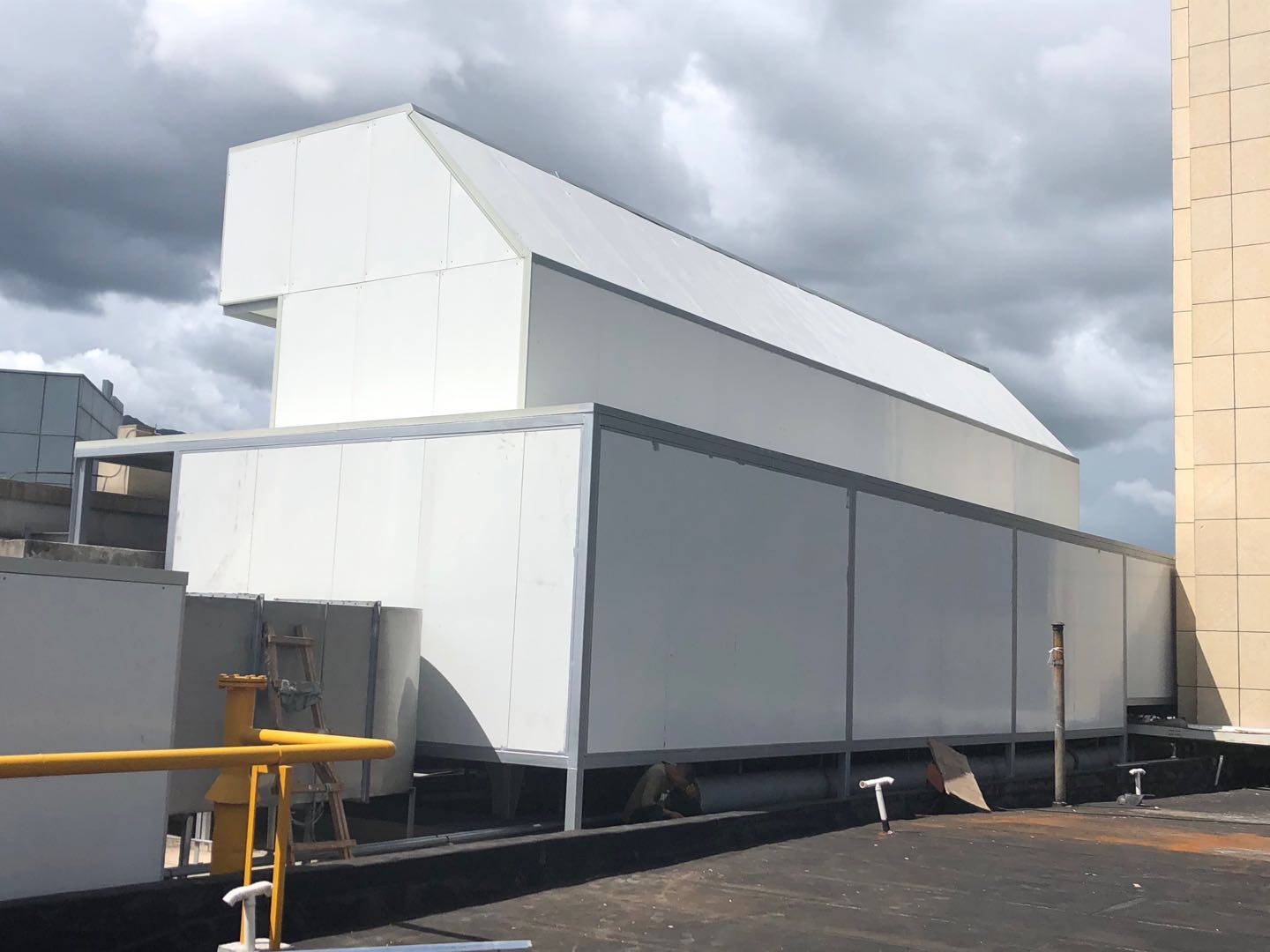
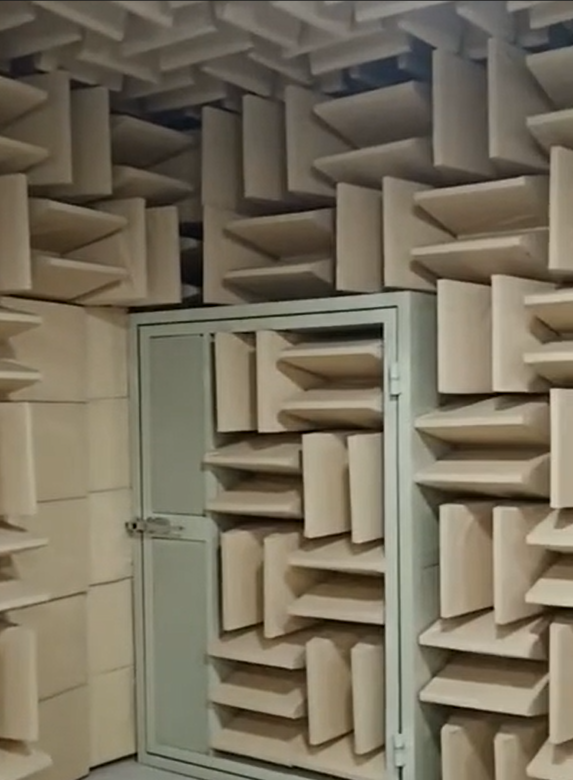
2. The exhaust air noise exhibits a continuous frequency spectrum characteristic; consider sound absorption treatment. Use waterproof sound-absorbing materials to create a silencing channel to achieve noise reduction.
Avoid noise caused by mechanical resonance; treat the cooling tower with rigid connections for vibration reduction.
4. Add rapid filtration media to the water collection tray to reduce the noise of the water flow.
5. Surround the tower and pump with waterproof sound-absorbing barriers to cut off the noise transmission path.