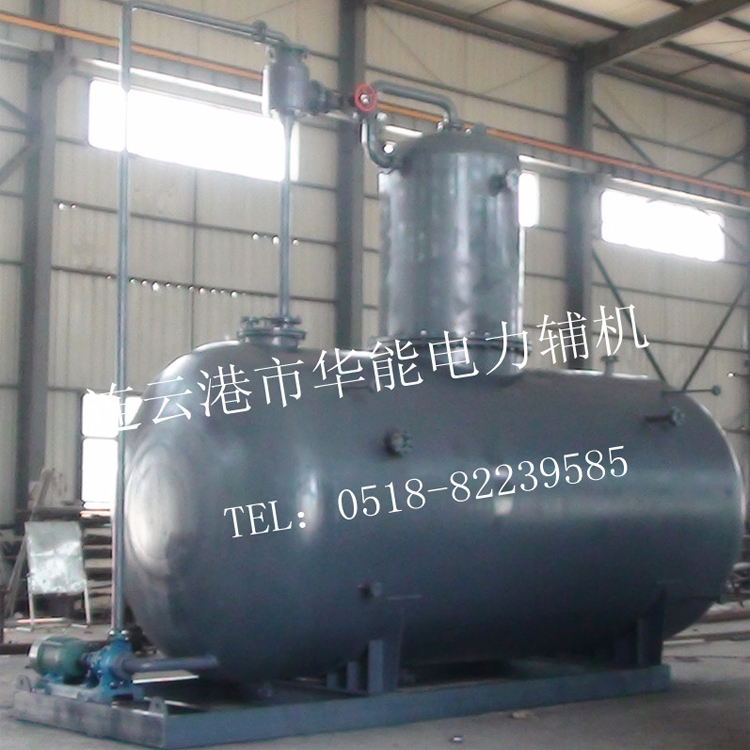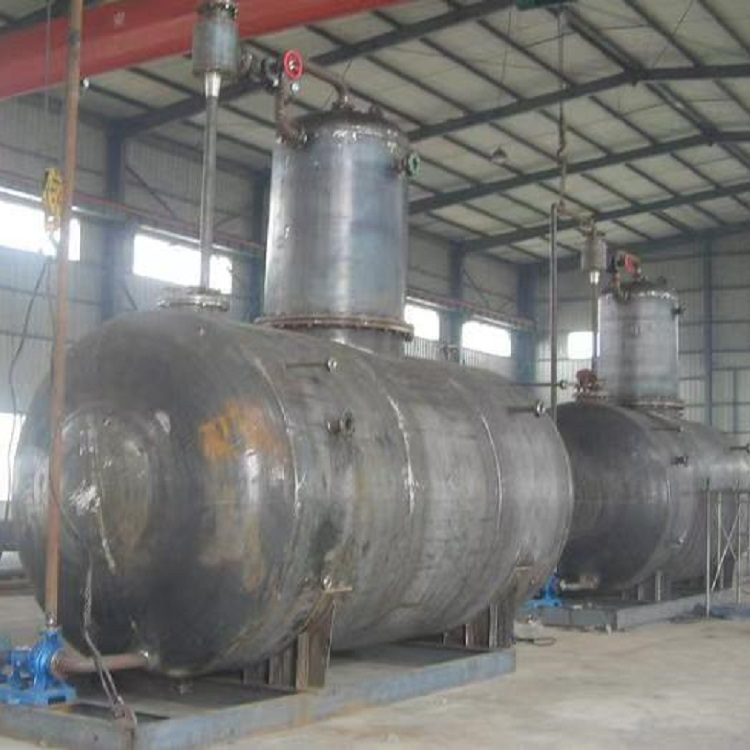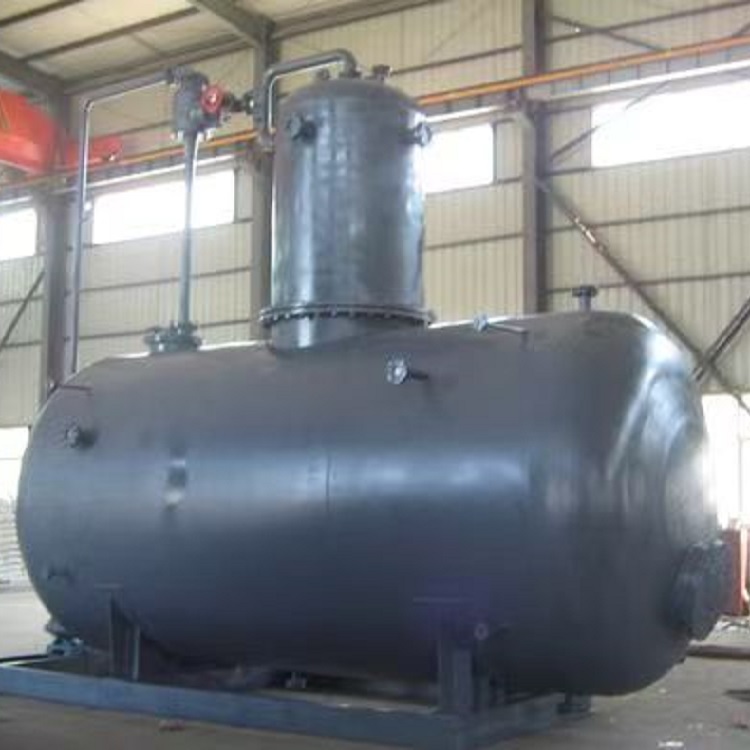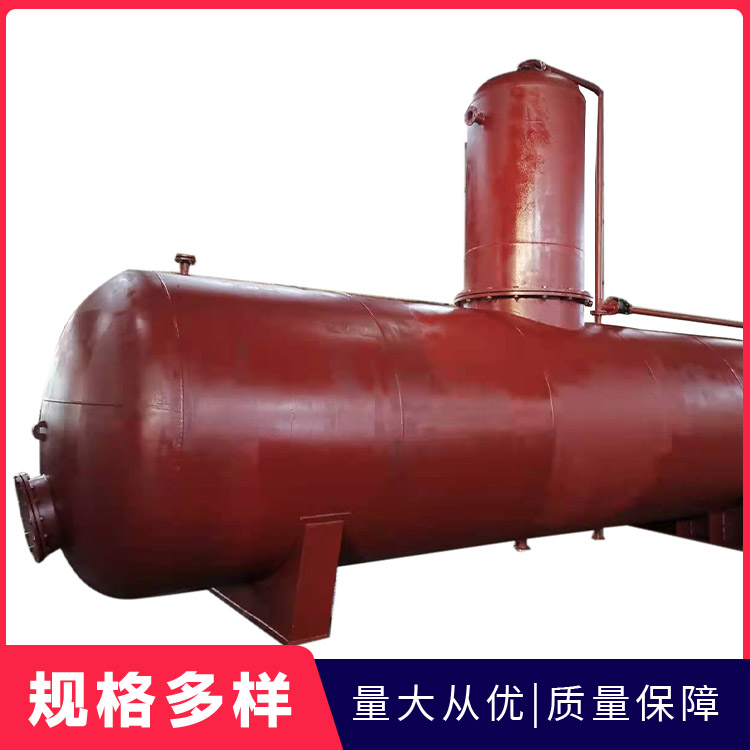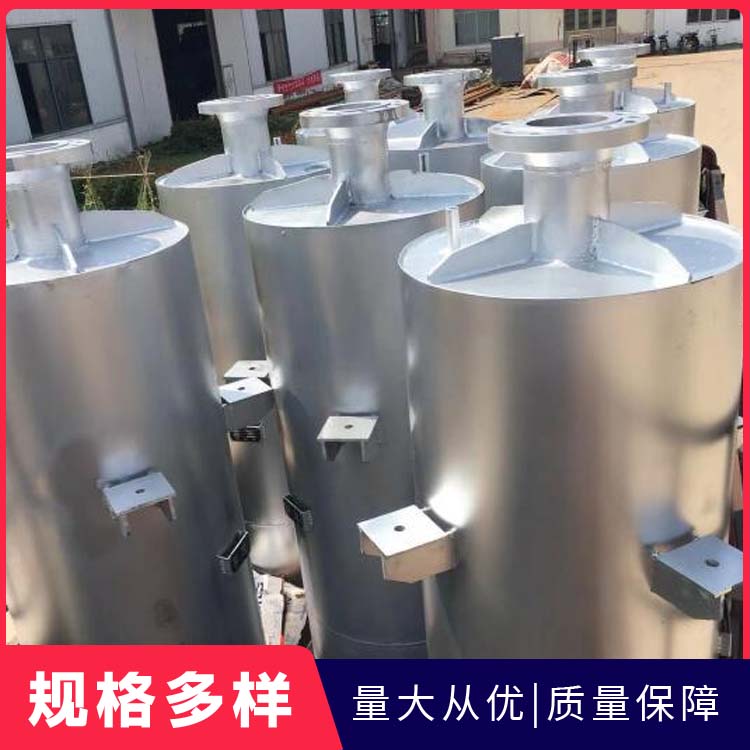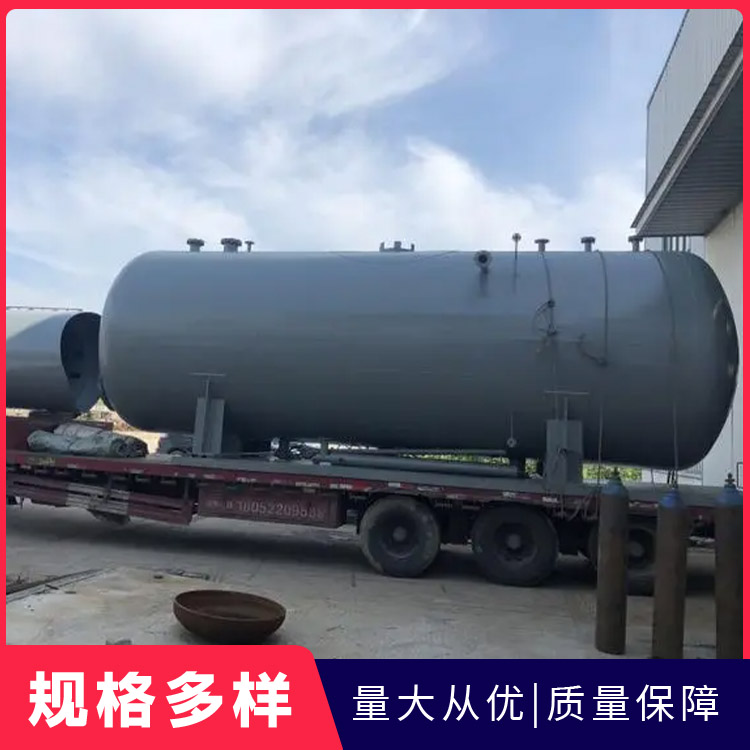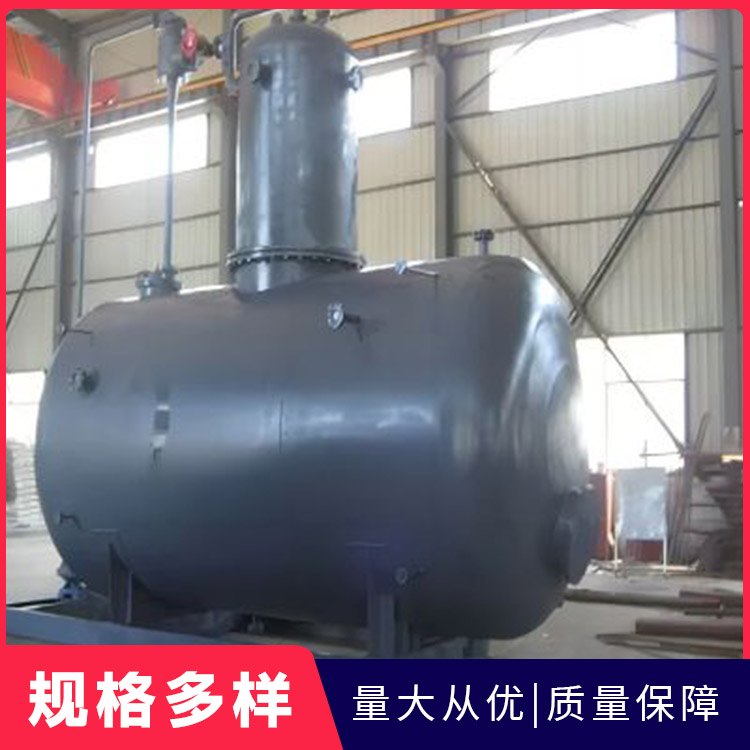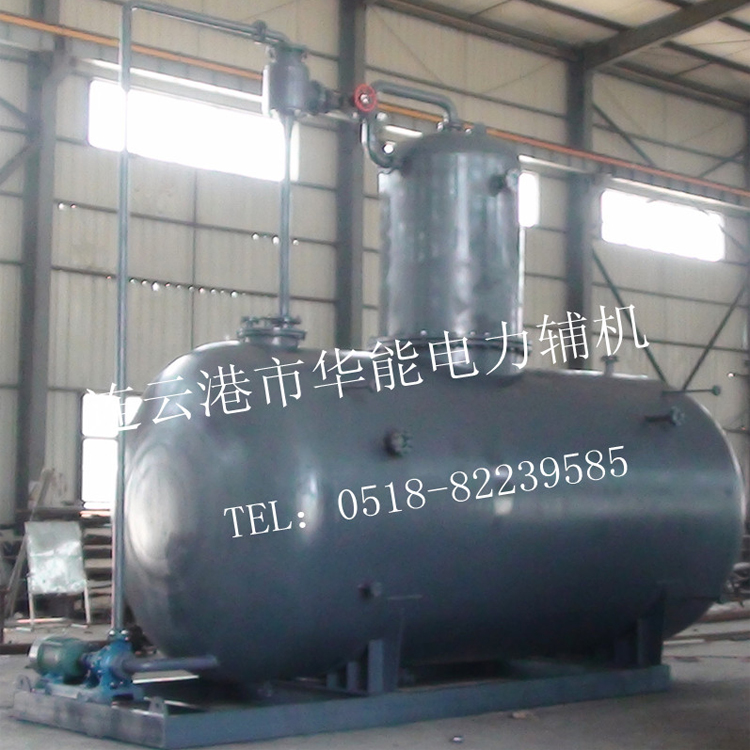

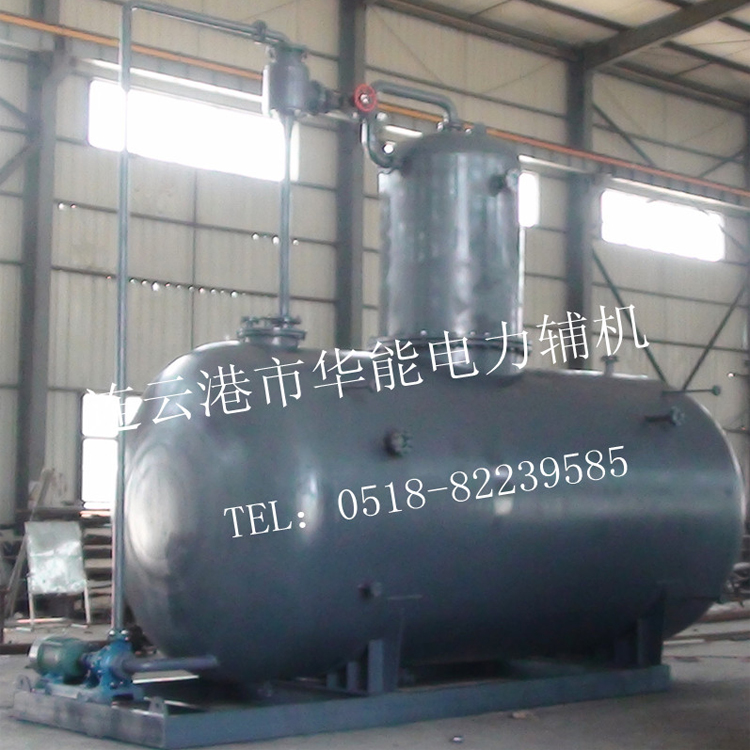
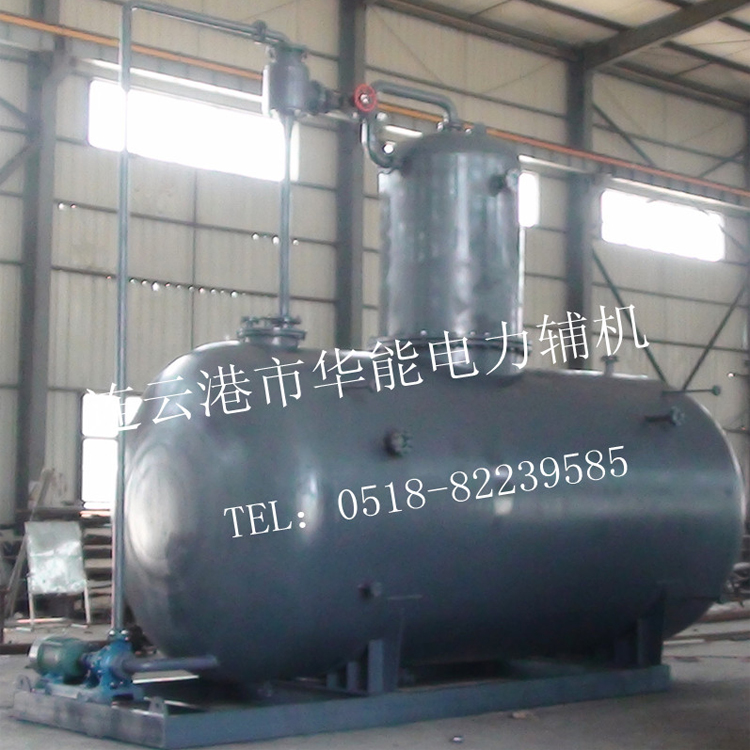
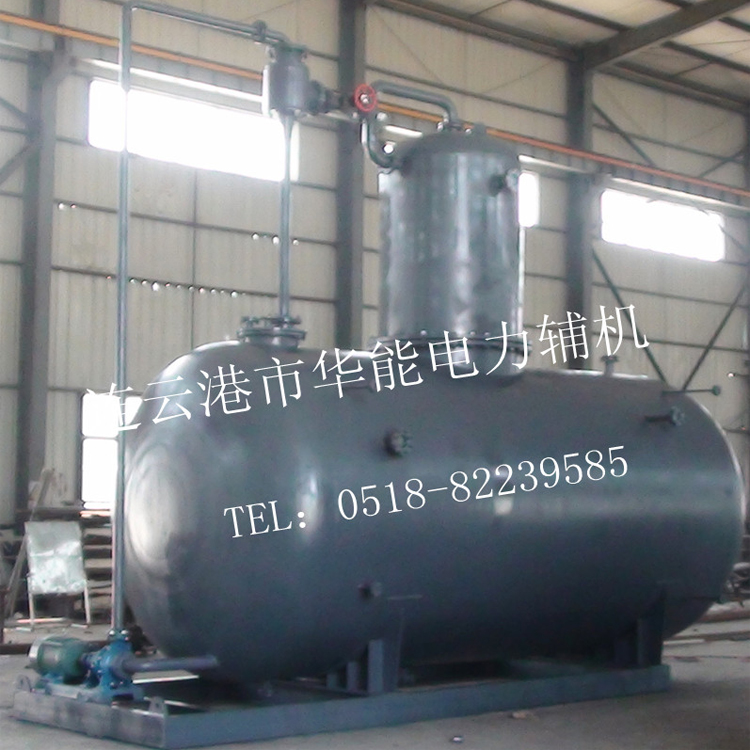


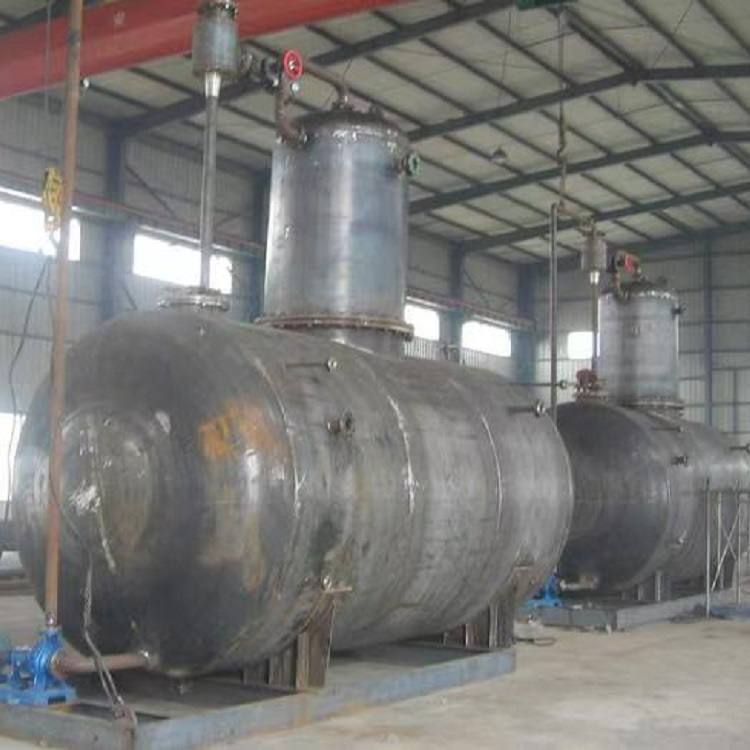
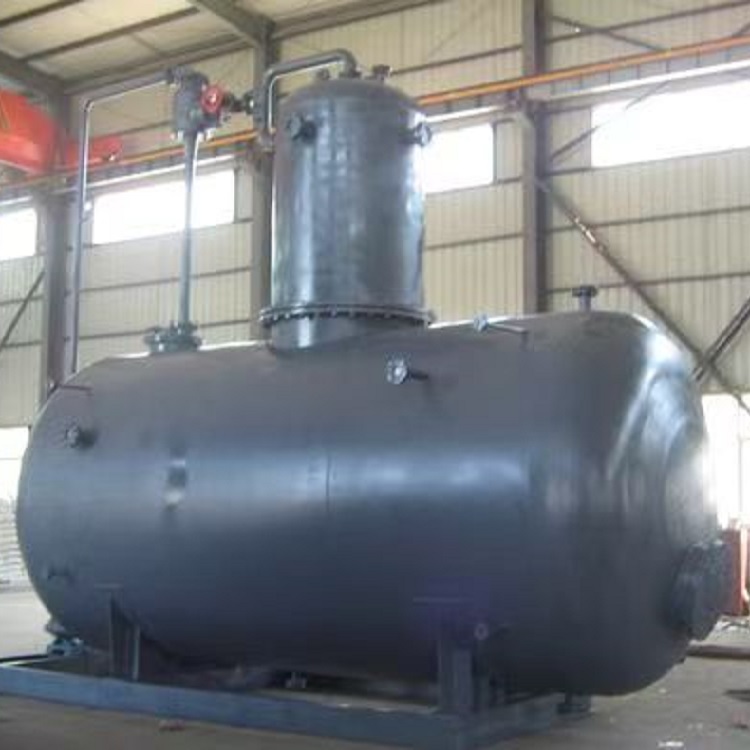







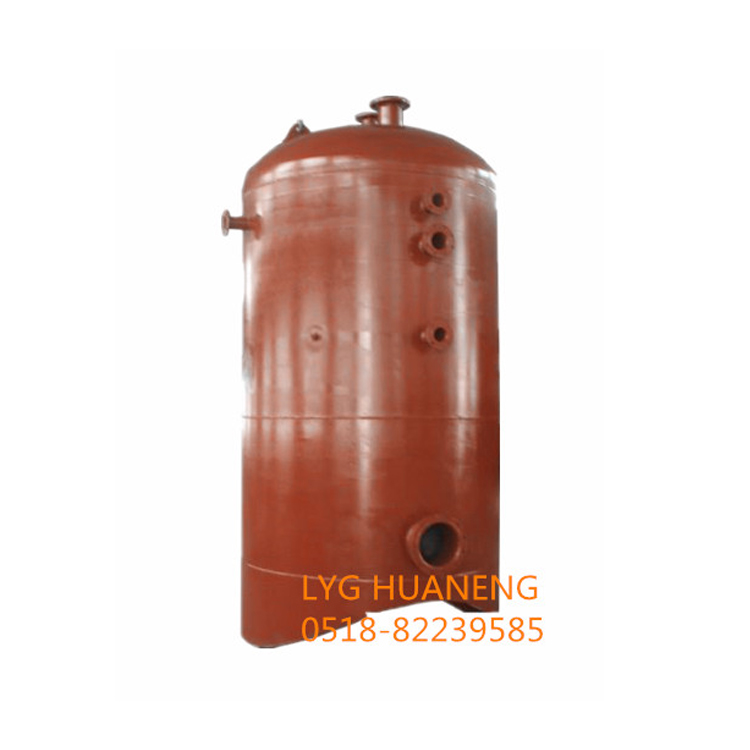


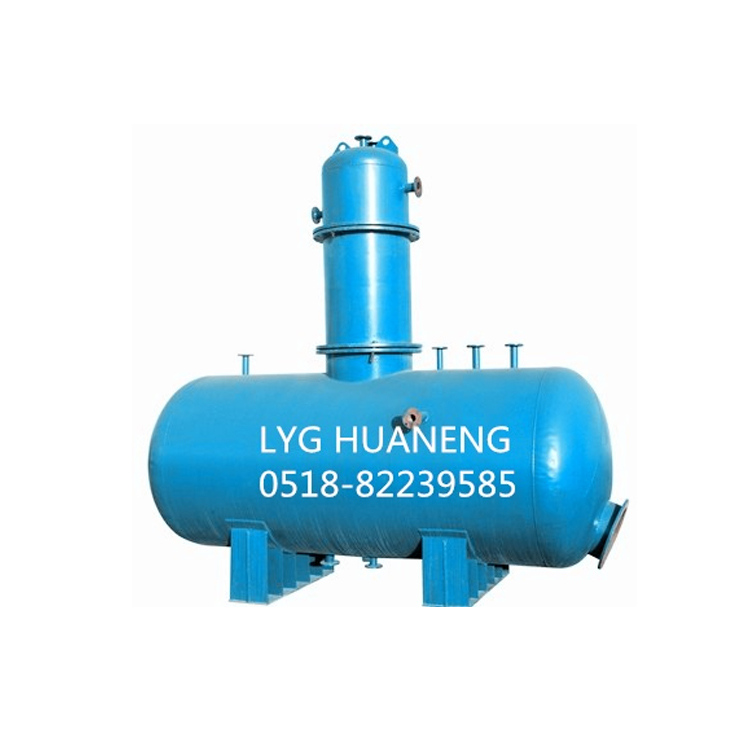
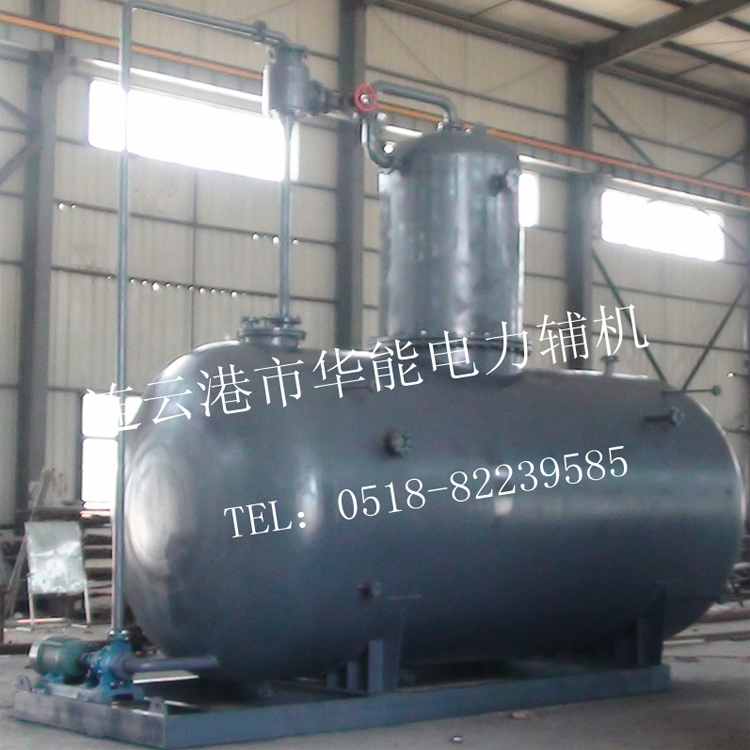
Vacuum Oxygen Remover Overview:
In the boiler feed water treatment process, deaeration is a critical step. Oxygen is a primary corrosive substance in both the feed water system and the boiler. Oxygen in the feed water must be rapidly removed, as it can corrode the boiler's feed water system and components. Corrosion products like ferric oxide can enter the boiler, settle or adhere to the boiler tube walls and heating surfaces, forming unsoluble iron scales with poor heat transfer, and corrosion can cause pitting on the inner wall of the pipes, increasing the resistance coefficient. Severe pipe corrosion can even lead to pipe explosion accidents. National regulations stipulate that steam boilers with an evaporation rate of 2 tons per hour or more and hot water boilers with a water temperature of 95°C or higher must undergo deaeration. For many years, numerous boiler feed water treatment professionals have been seeking efficient and cost-effective deaeration methods, and vacuum deaeration is one of the most optimal solutions.
Section 2: Working Principle of Vacuum Oxygen Remover
The working principle of the vacuum oxygen remover is based on Henry's Law and Dalton's Law. According to Henry's Law, in a closed container, any gas that exists at the water surface has a solubility that is directly proportional to its partial pressure, and the solubility of the gas is only related to its own partial pressure. The vacuum oxygen remover reduces the partial pressure at the water surface under a certain negative pressure, causing the partial pressures of air and oxygen to decrease, with the oxygen partial pressure dropping to zero. Similarly, the solubility of hydrogen in water also decreases to zero. When the pressure at the water surface is lower than atmospheric pressure, the solubility of oxygen can reach zero at lower water temperatures. Consequently, the oxygen molecules in the space above the water surface are removed or converted into other gases, resulting in zero oxygen partial pressure. This continuously extracts gases from the water, achieving the deoxygenation effect.
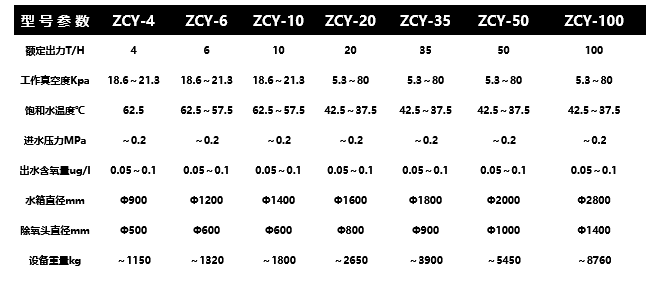
Section 3: Vacuum Oxygen Remover Model Parameters: