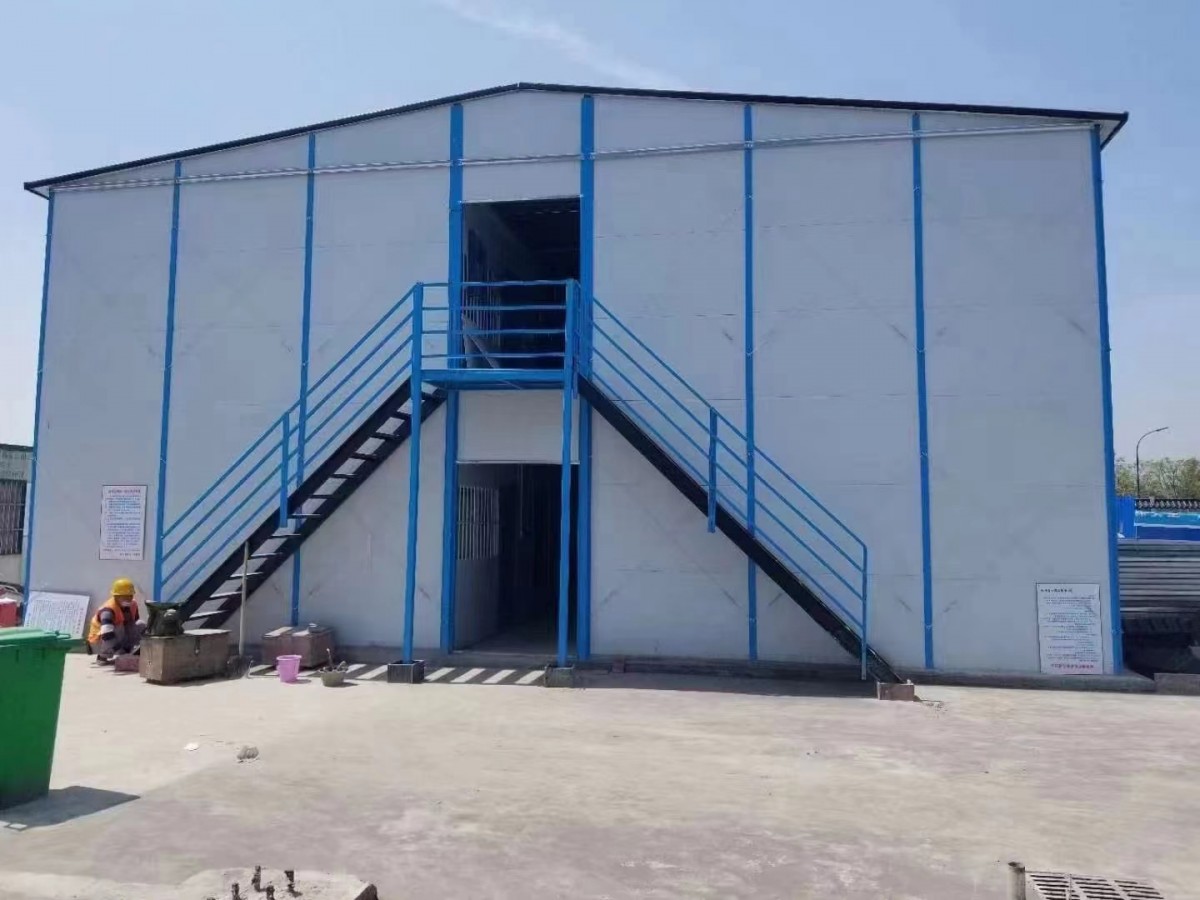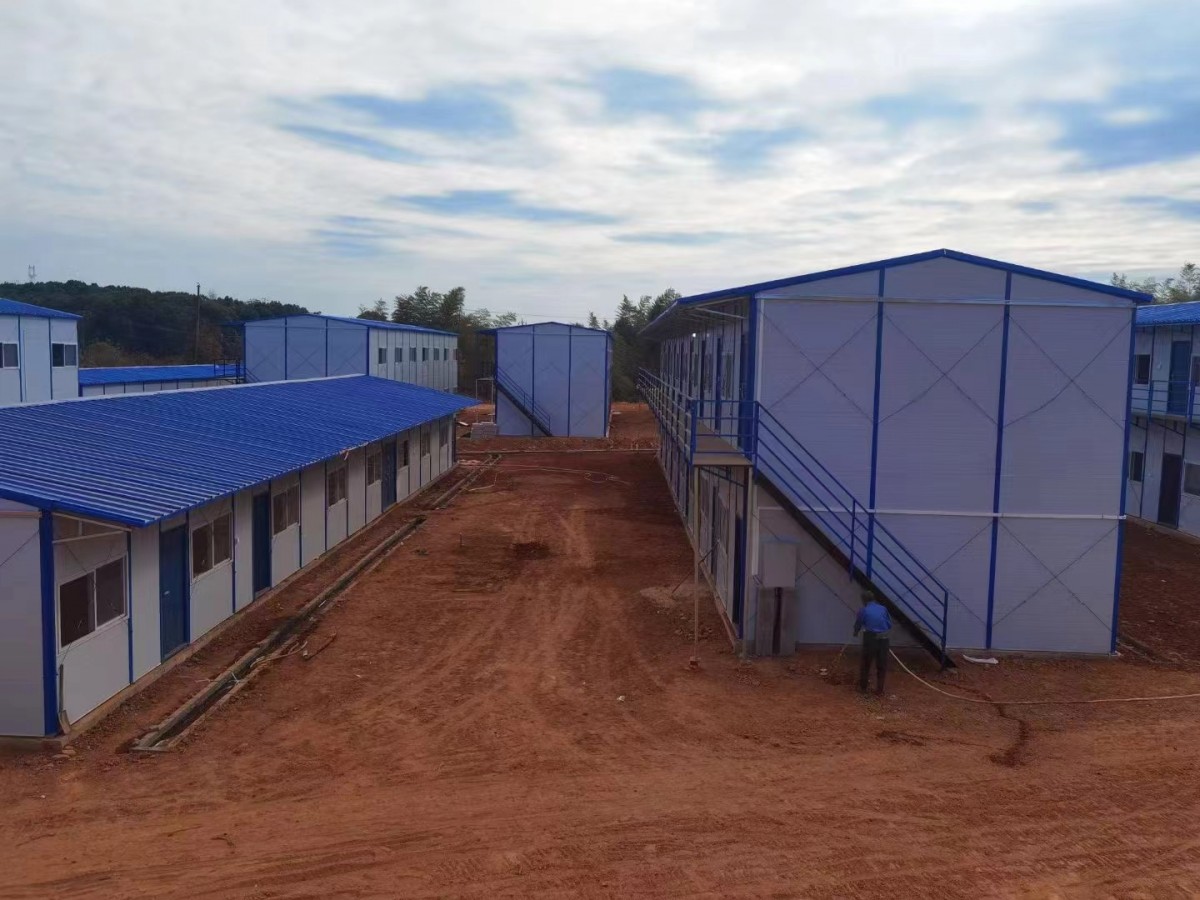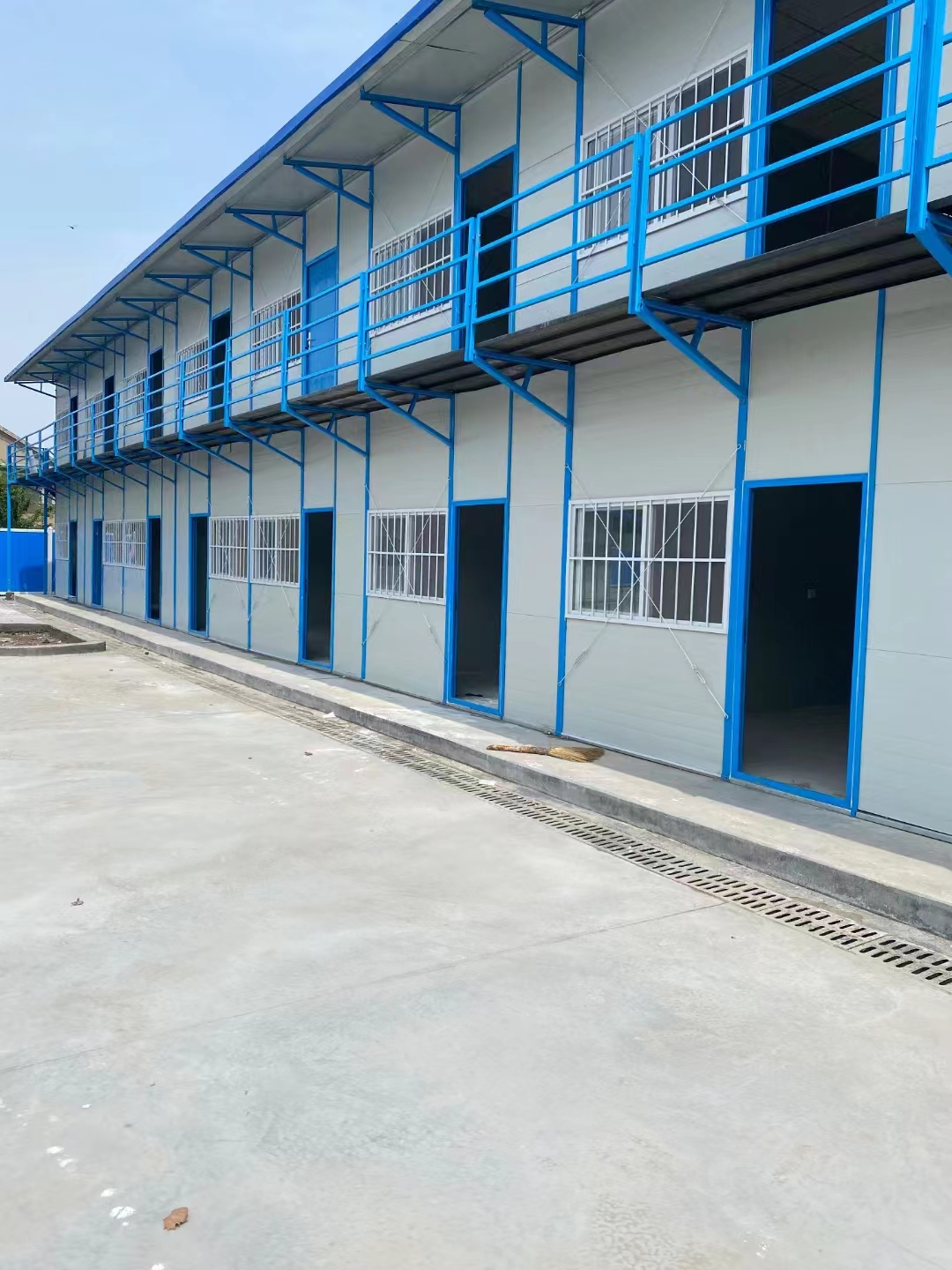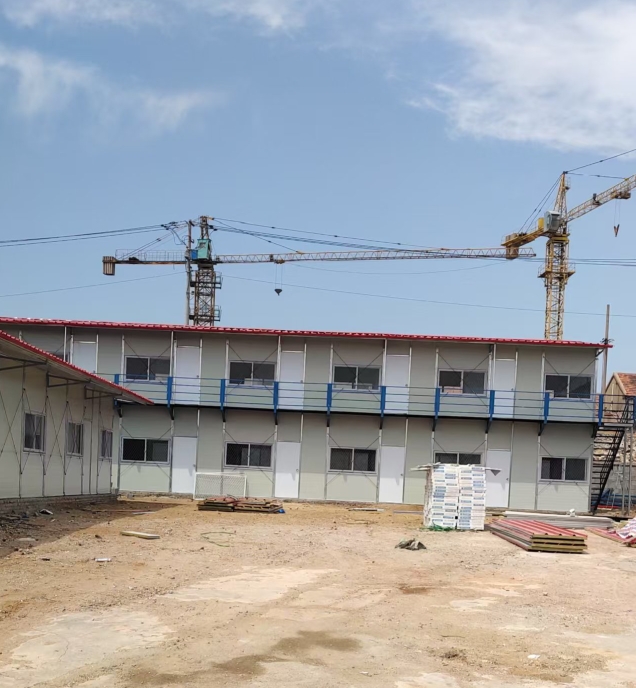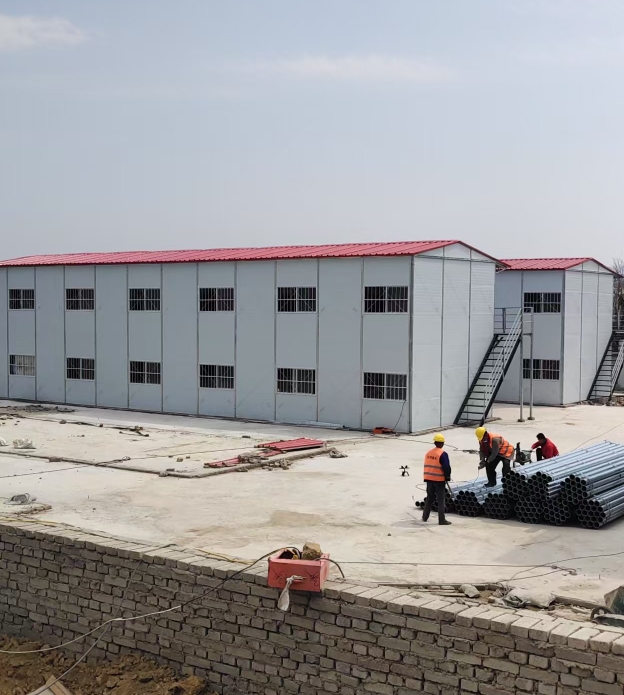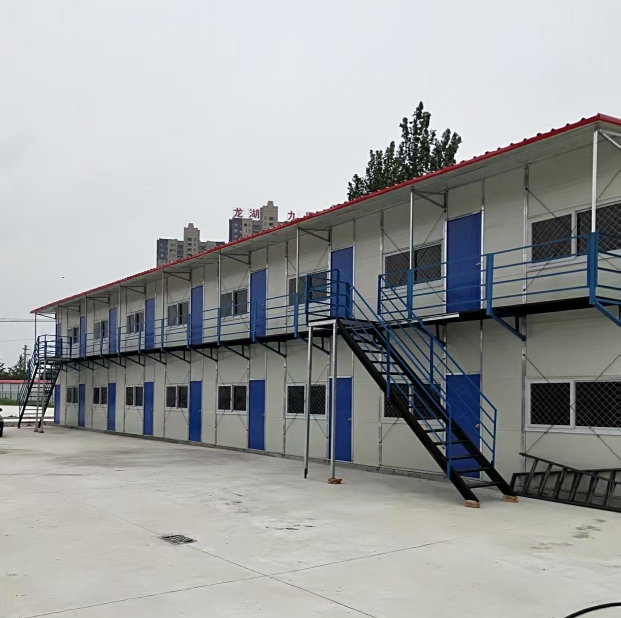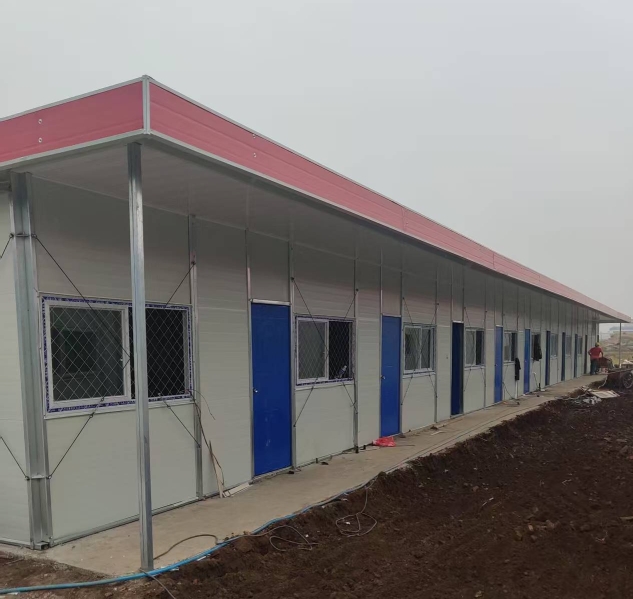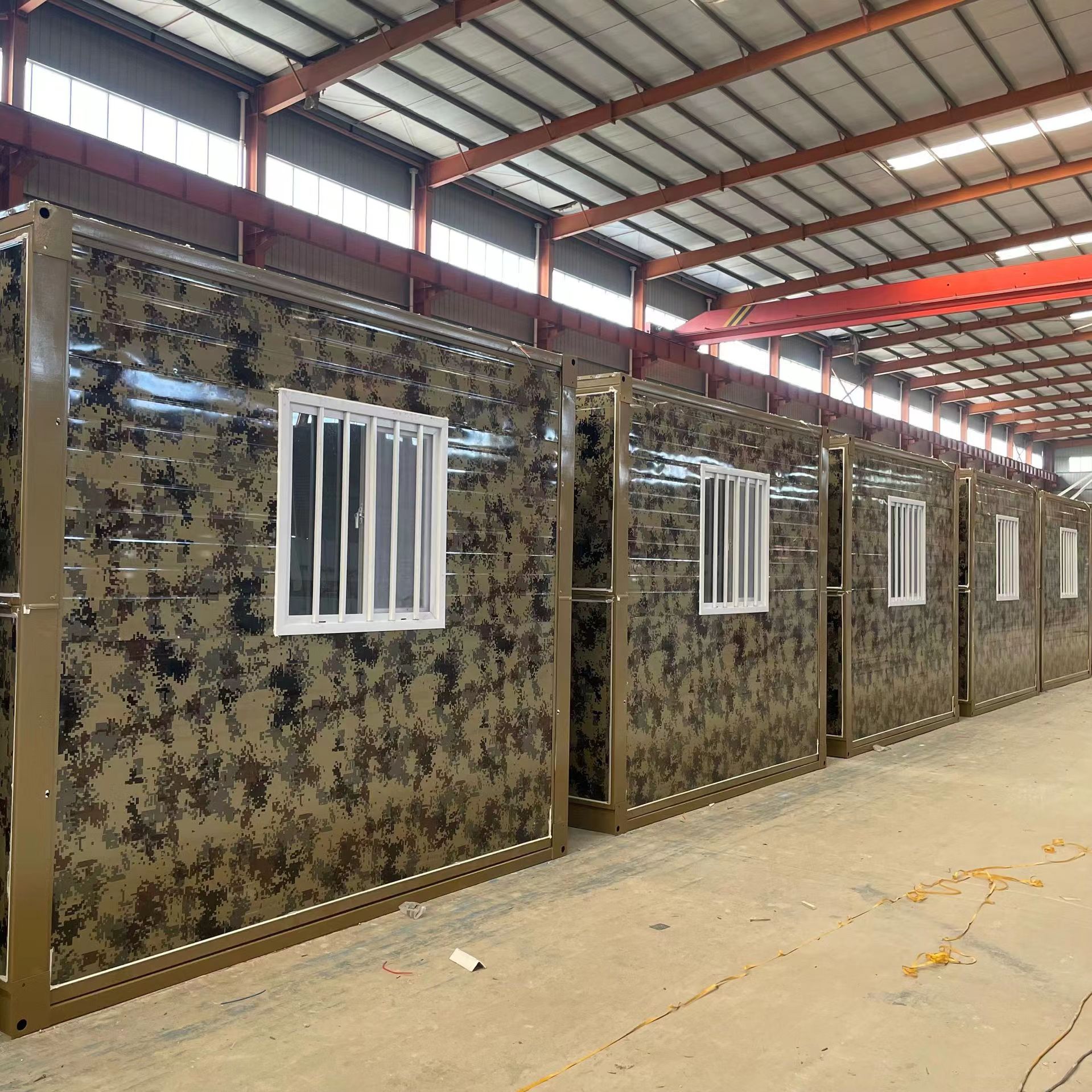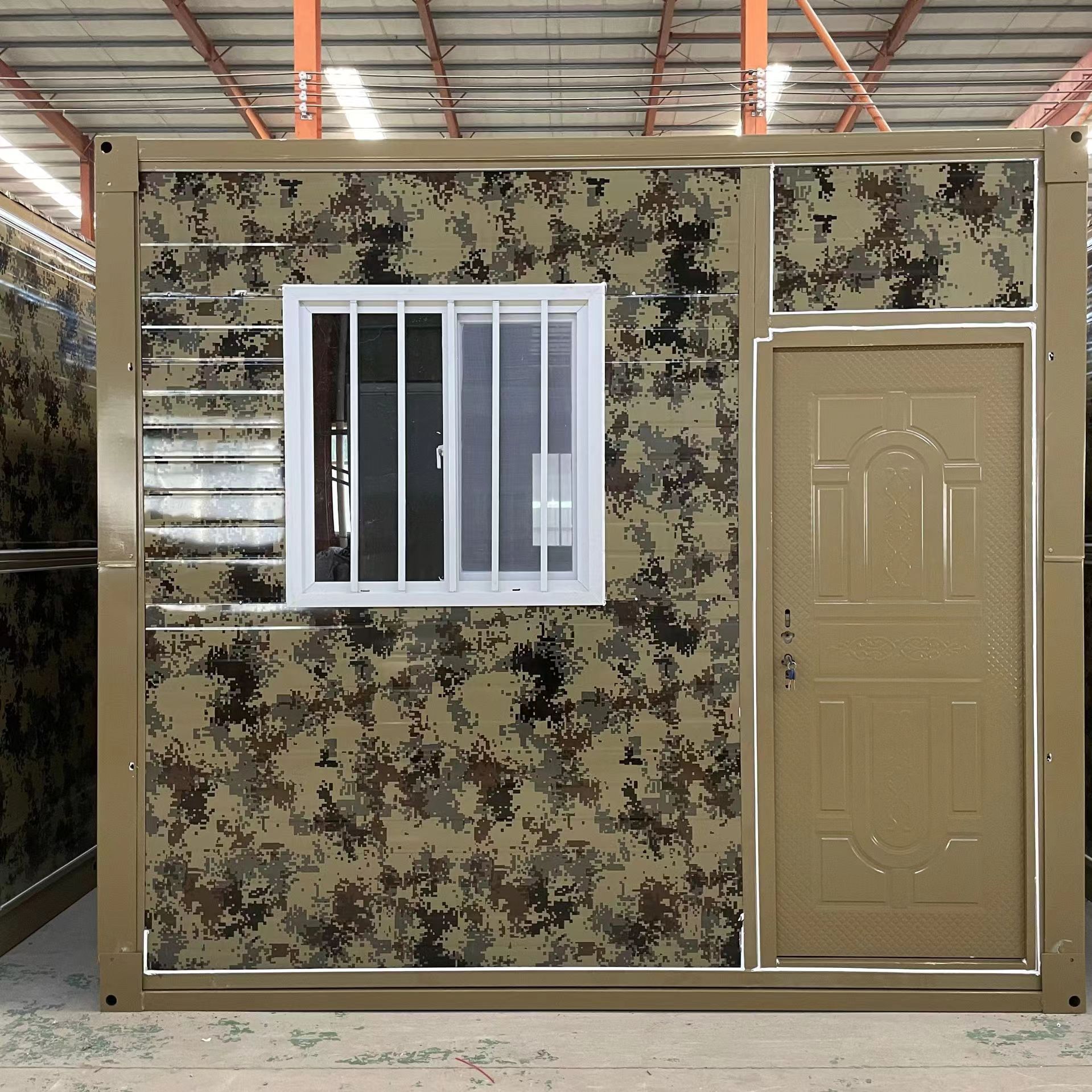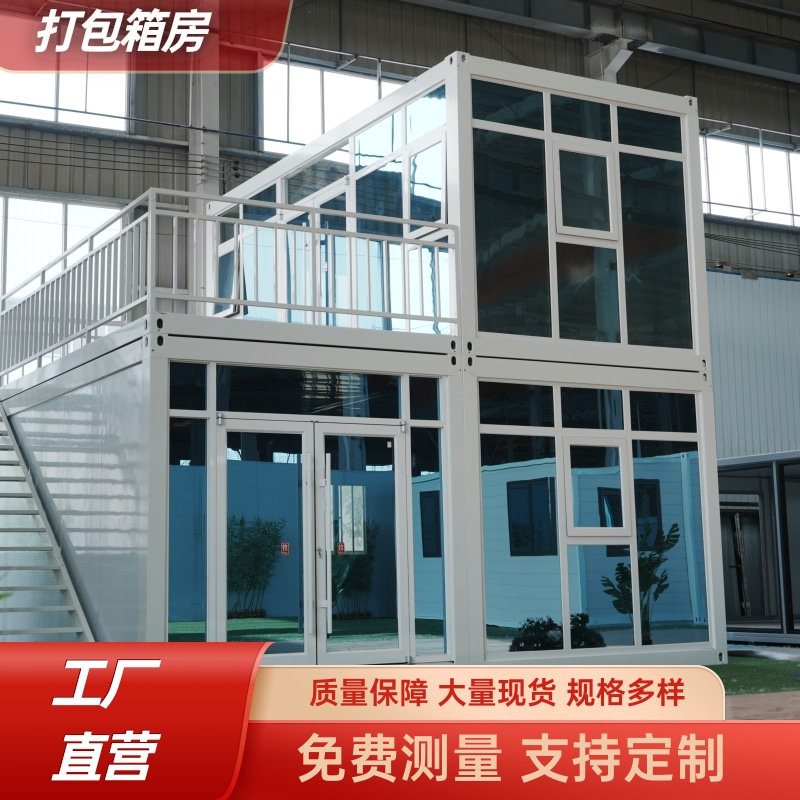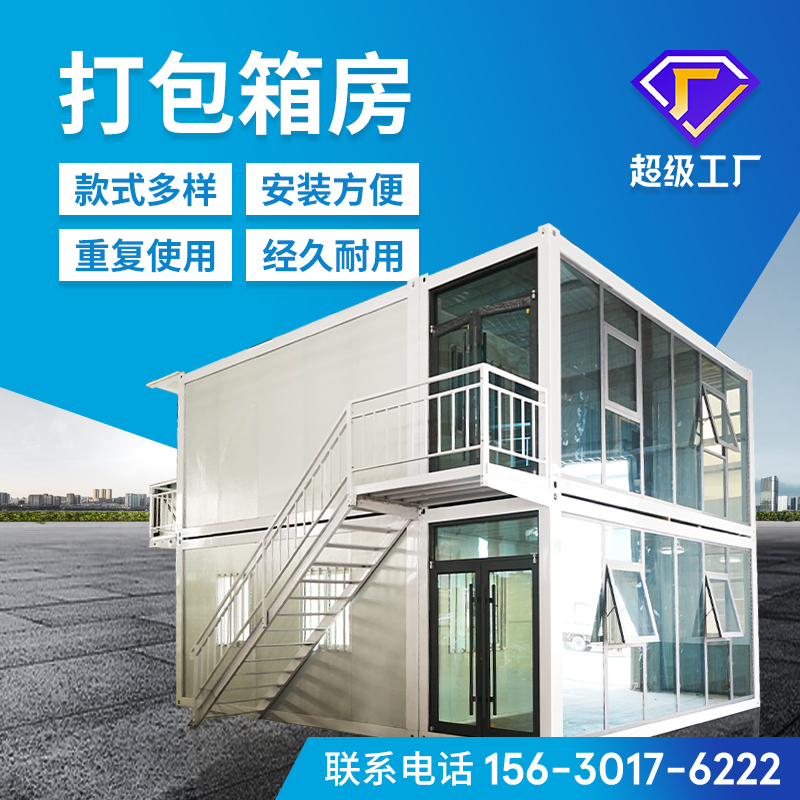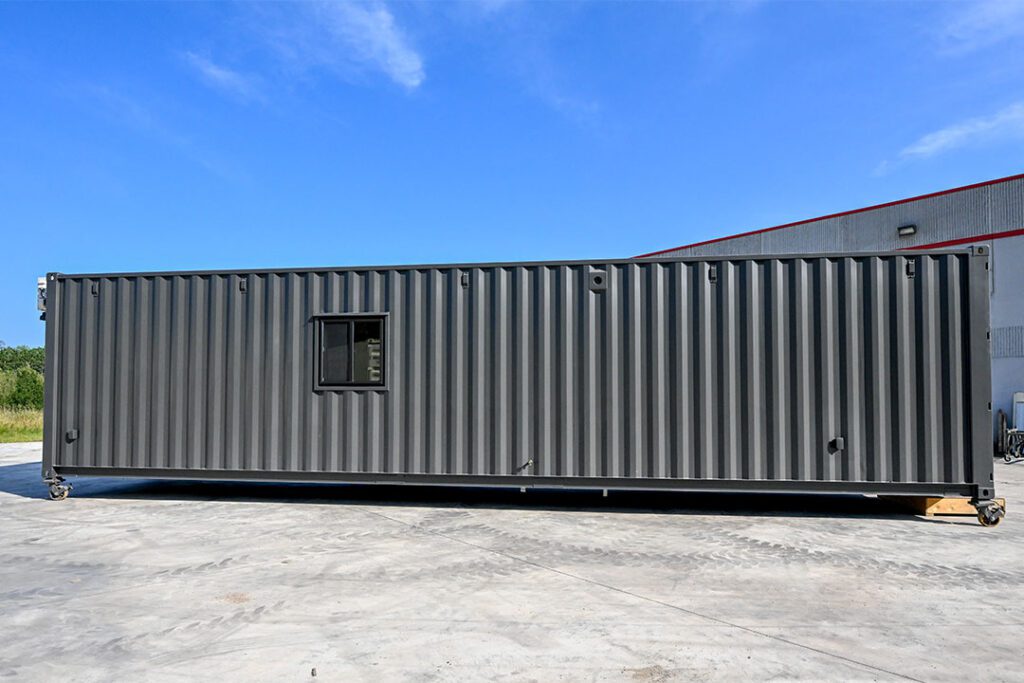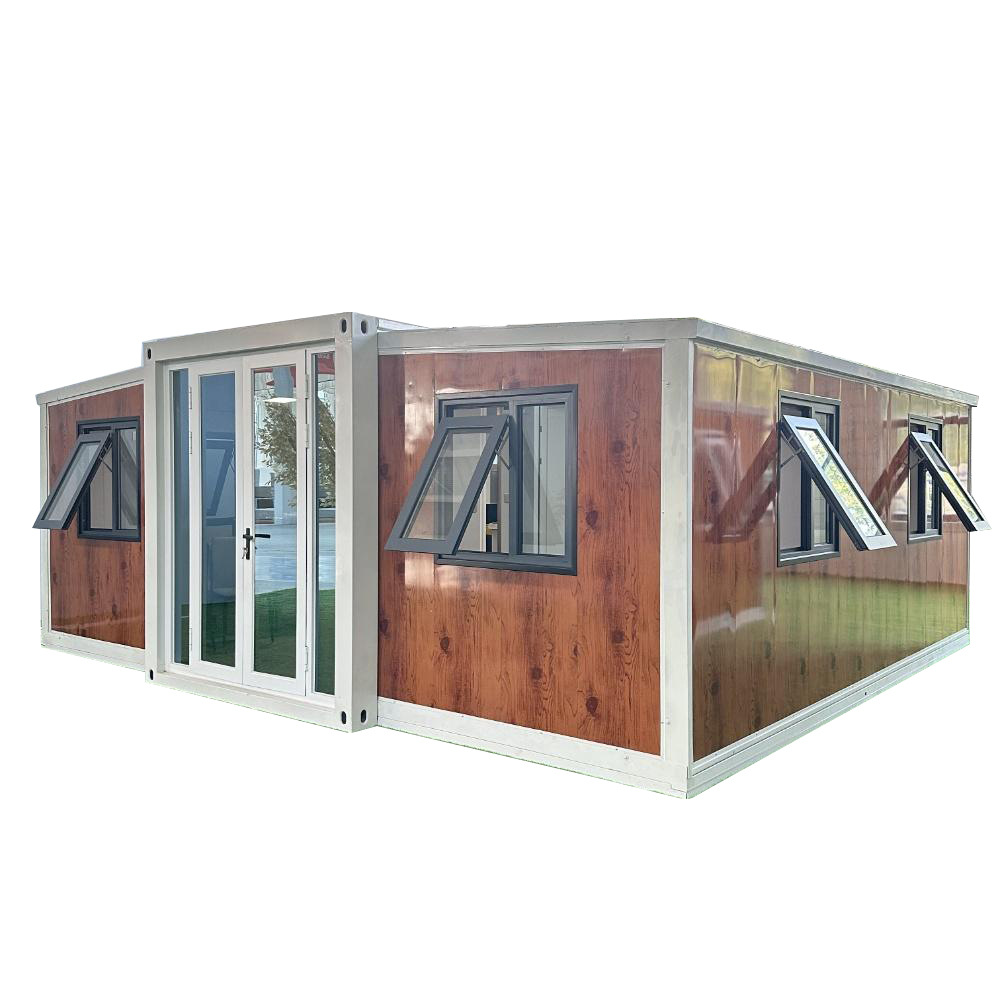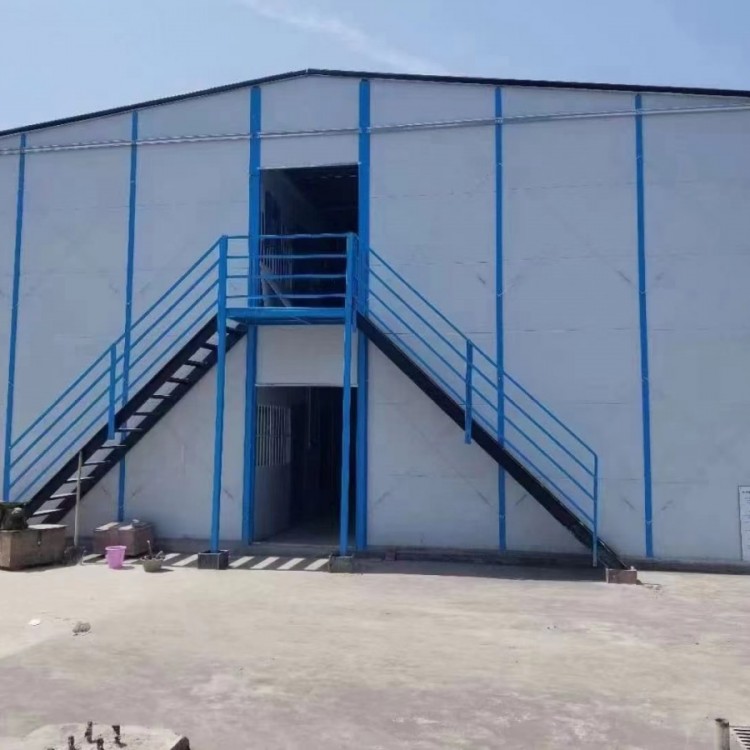


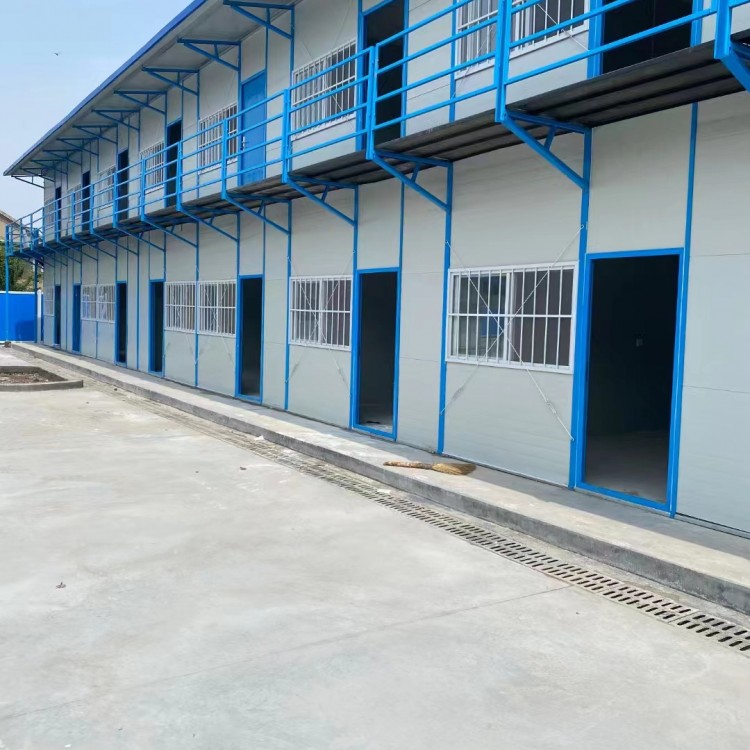


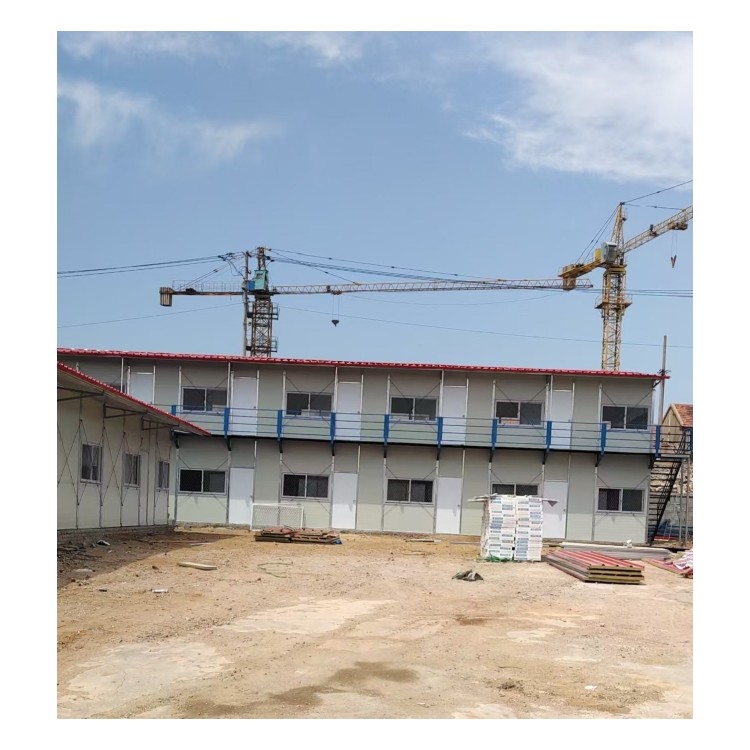
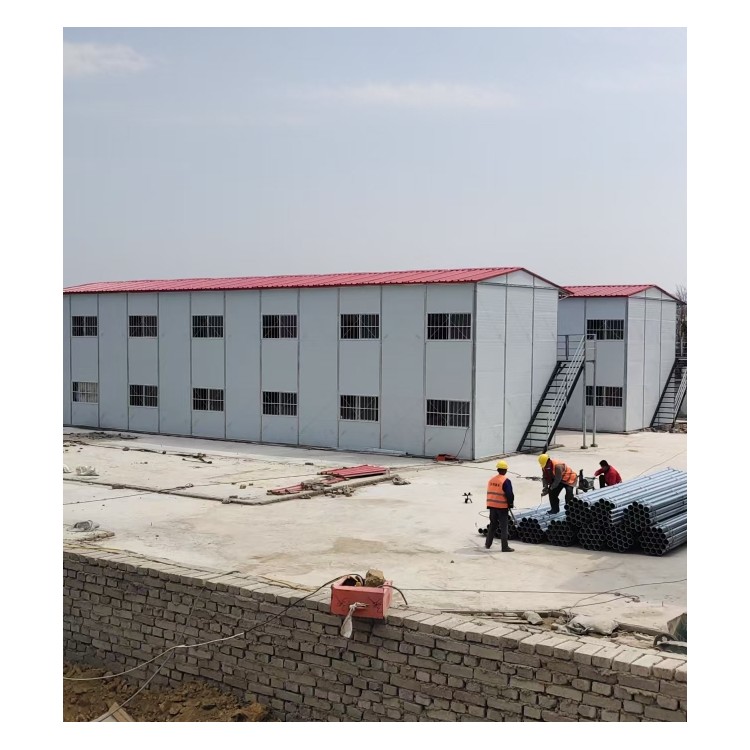
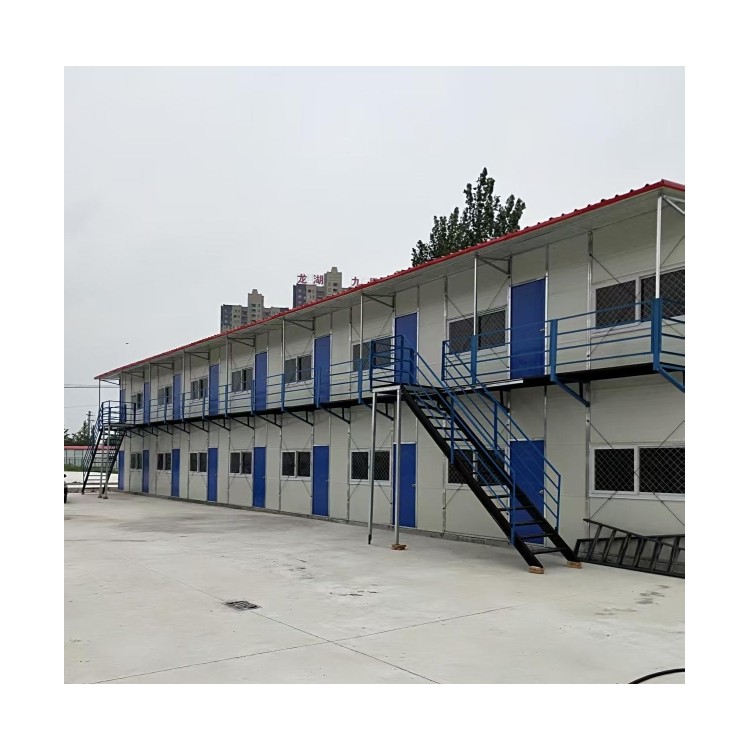
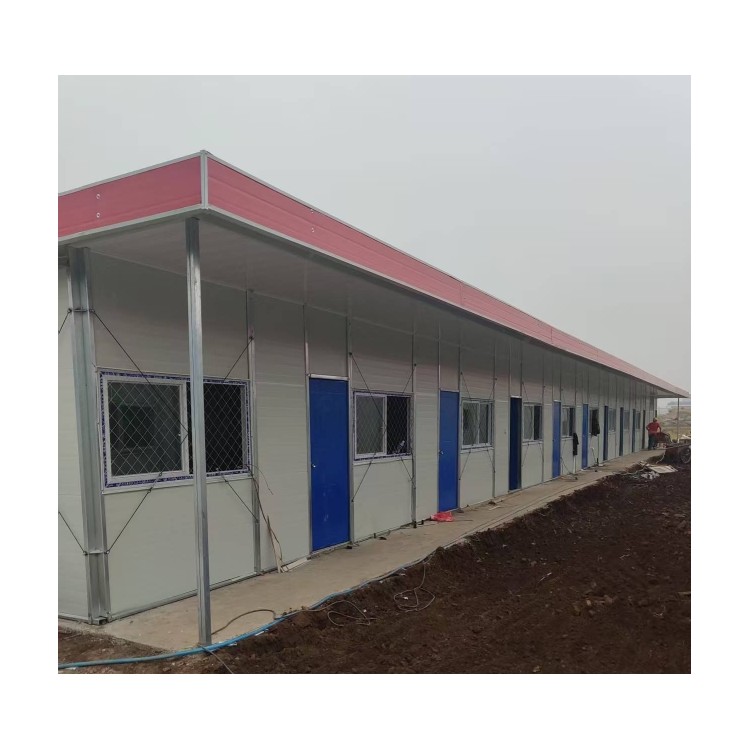
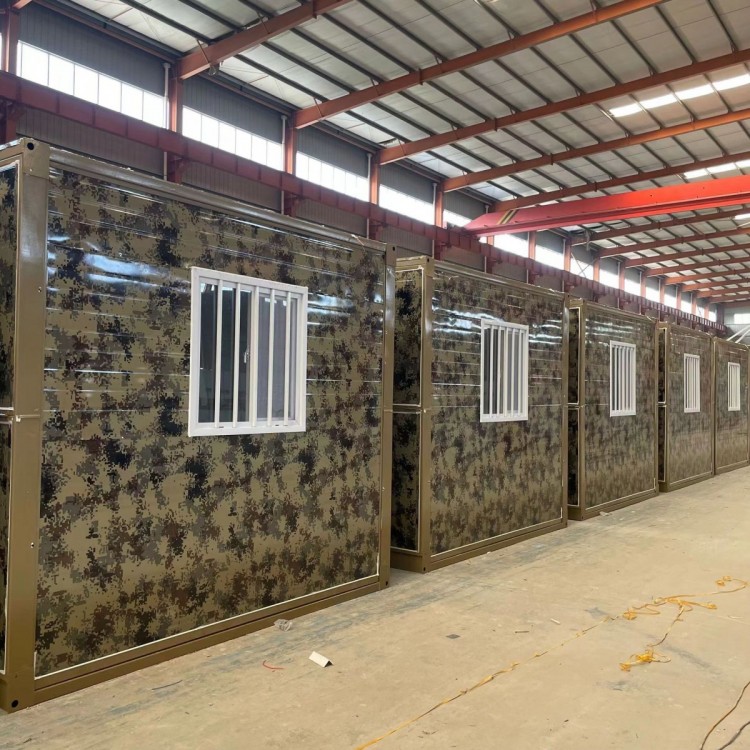





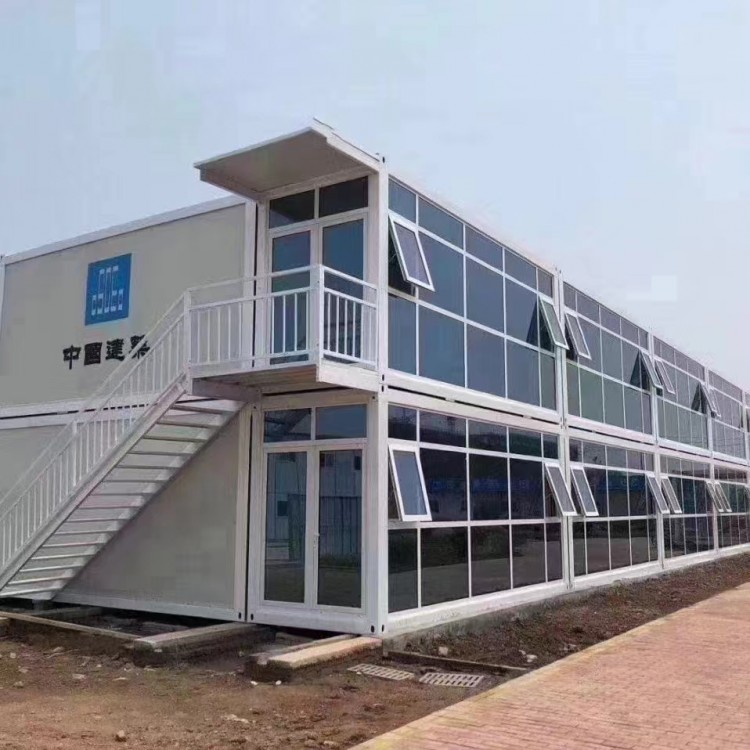
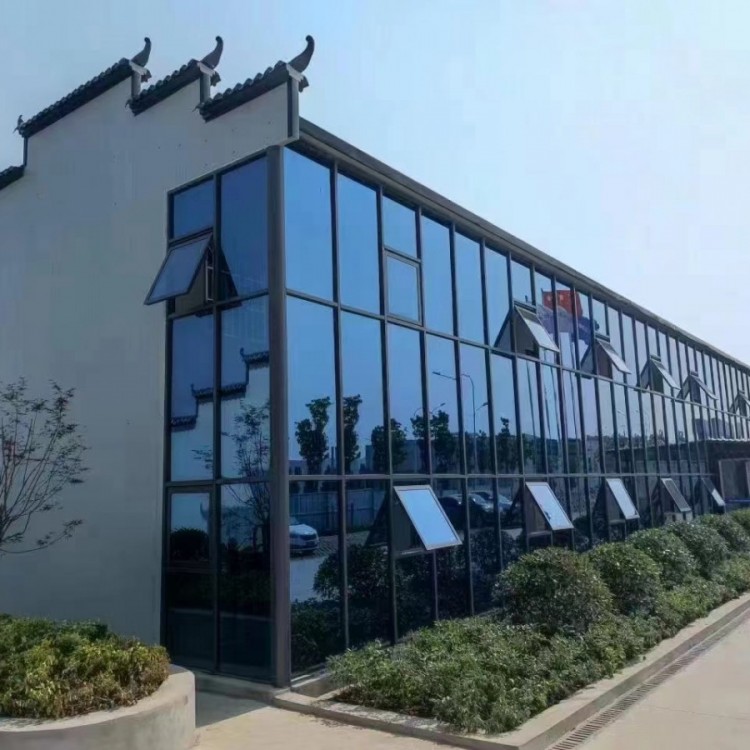
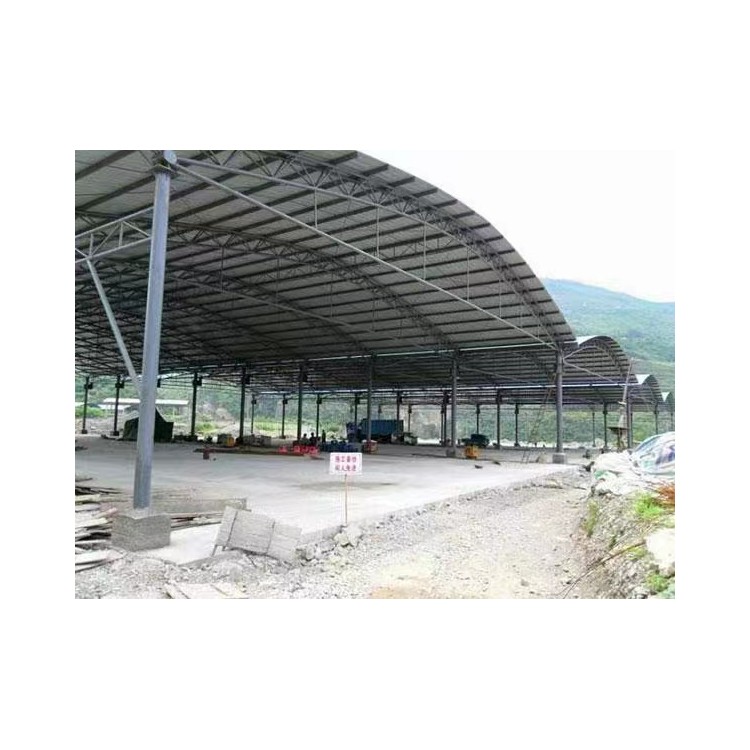
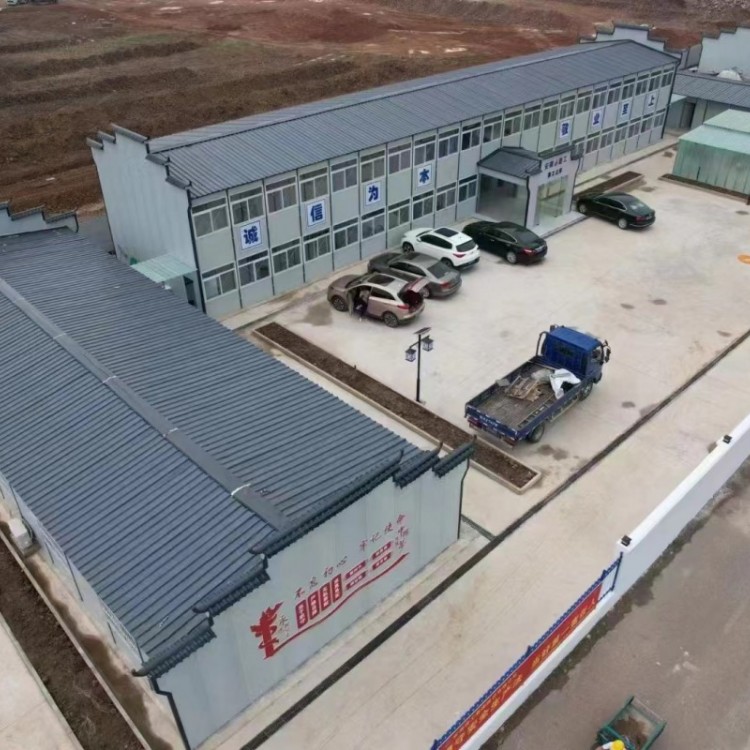
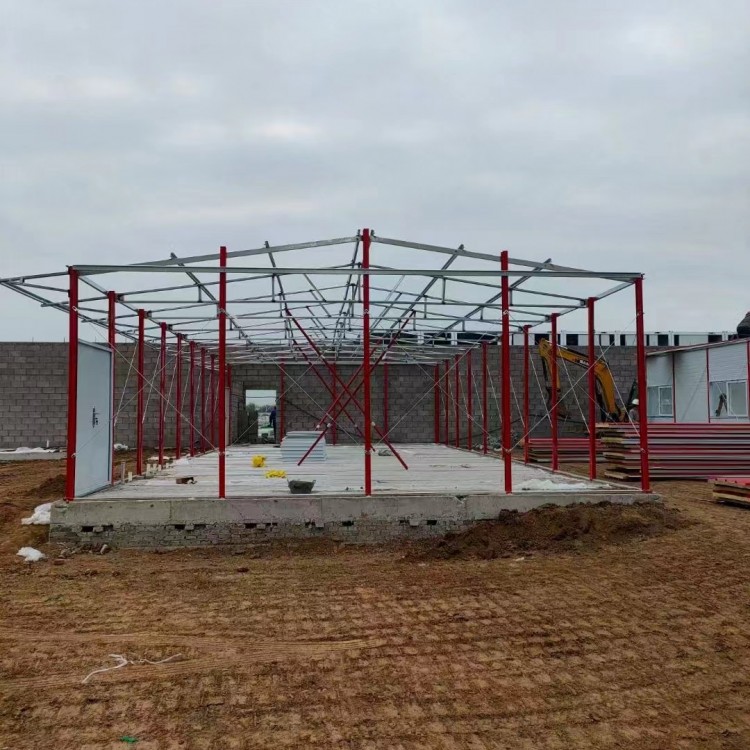
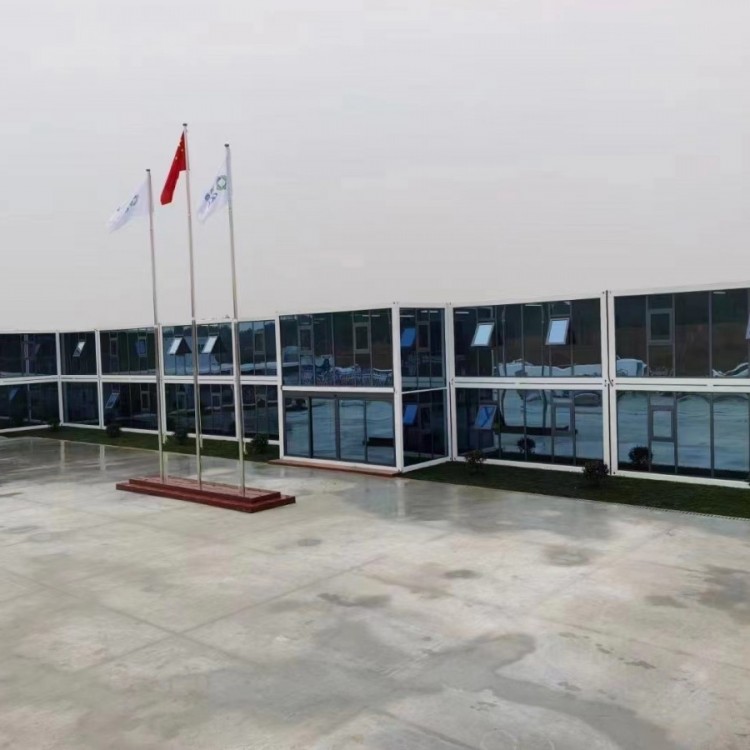
The principle of mobile cabins mainly relies on their structural design and material selection.
Firstly, the skeletal structure of portable buildings typically uses light steel materials, which offer excellent strength and stability, capable of withstanding certain external forces, ensuring the safety and stability of the portable buildings. Additionally, light steel materials also possess good toughness and corrosion resistance, enabling them to adapt to various harsh environmental conditions.
Next, the modular building's protective materials are mainly composed of sandwich panels, which consist of two thin steel plates with an insulating material in between. These panels offer excellent thermal insulation, heat preservation, and soundproofing properties. The sandwich panels also feature fire resistance, waterproofing, and corrosion resistance, effectively safeguarding the structure of the building and the safety of the occupants.
In assembly, the portable cabins utilize a standard modular series for space enclosures, with components connected by bolts, ensuring the entire structure is robust and reliable. This design simplifies the installation and dismantling of the cabins, as well as facilitates transportation and storage.
Additionally, the design concept of the portable buildings emphasizes environmental protection and energy conservation. By utilizing eco-friendly materials and energy-saving technologies, these portable buildings can achieve effective resource utilization and reduce environmental pollution. This environmentally friendly and energy-efficient architectural concept aligns with the current social demand for sustainable development.
In summary, the principle of mobile cabins is based on their structural design and material selection, utilizing light steel frames and sandwich panels for protective materials to achieve general standardization and environmental protection in temporary construction. This design results in the cabins' quick installation, good stability, environmental friendliness, and aesthetic appeal, making them a significant solution in the temporary construction field.