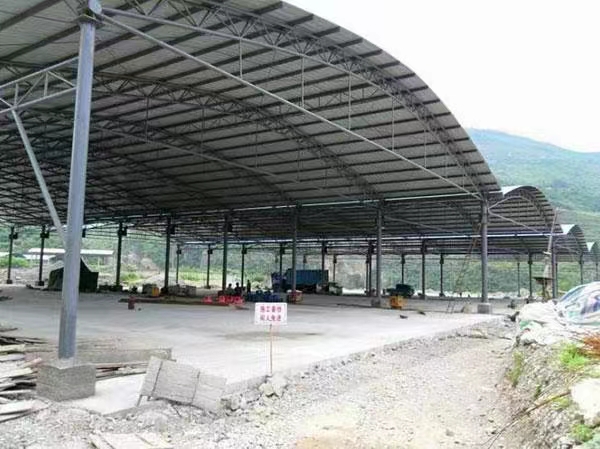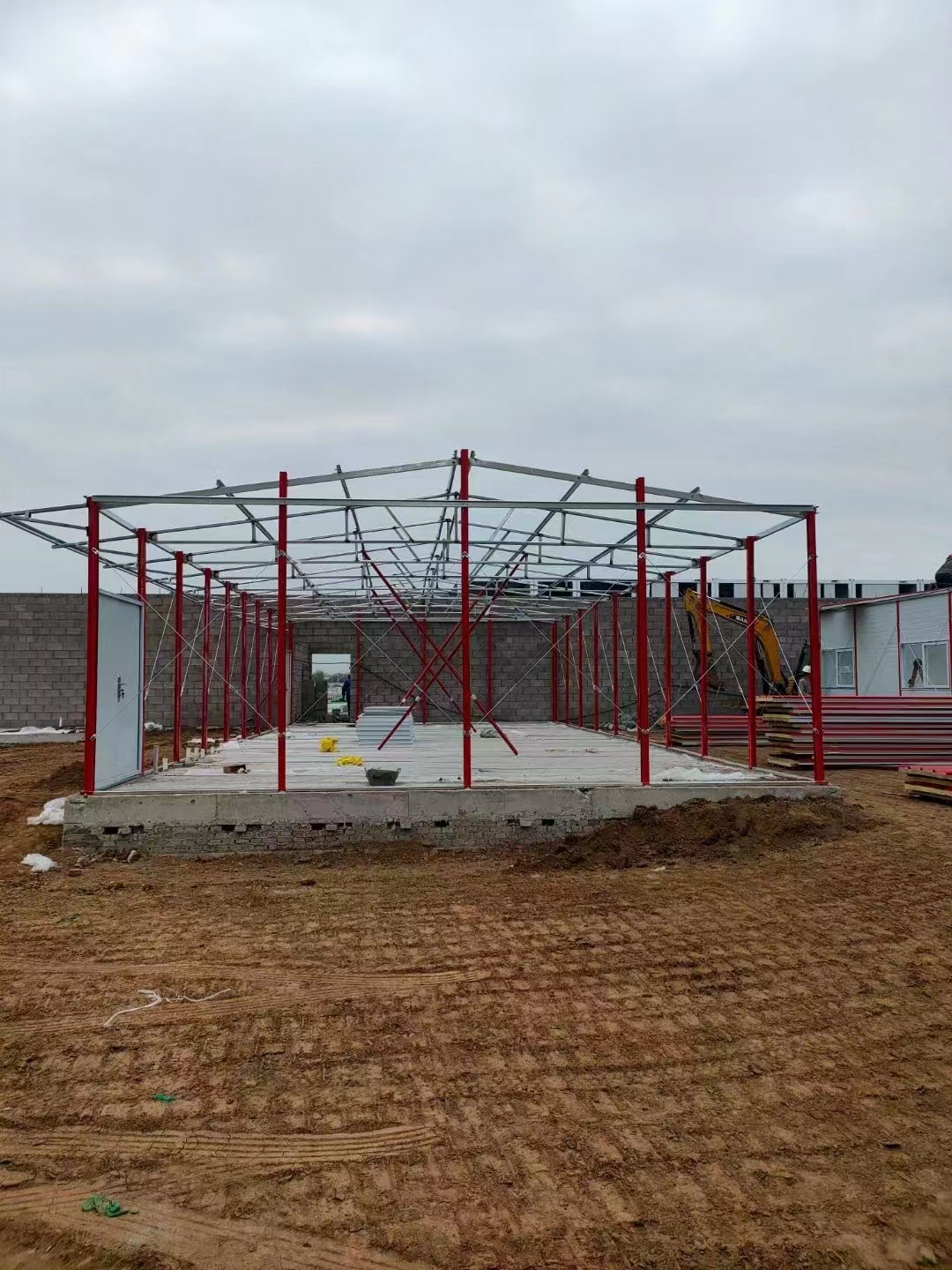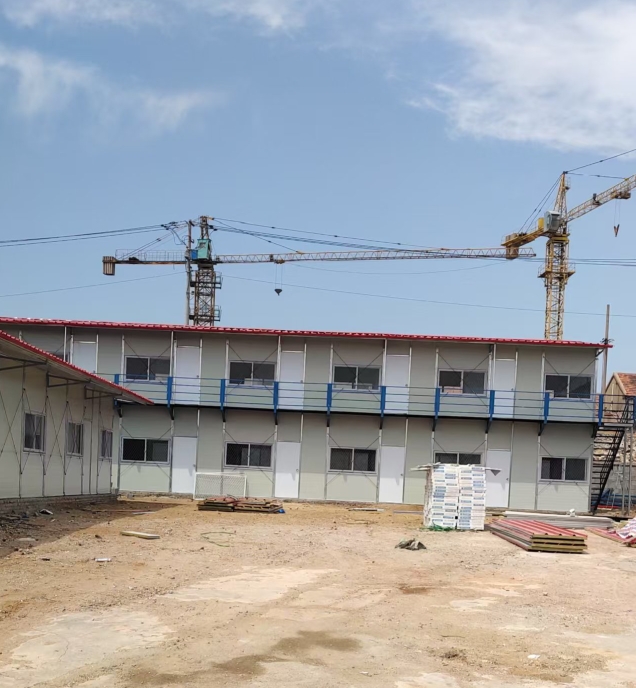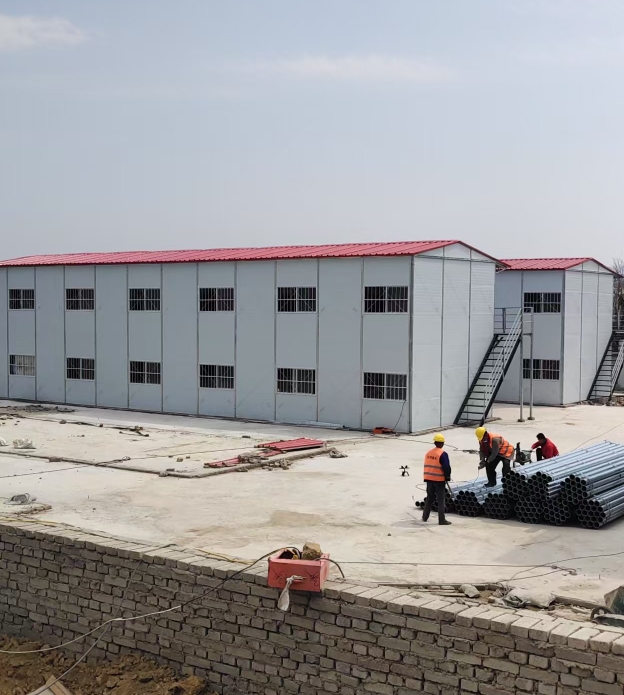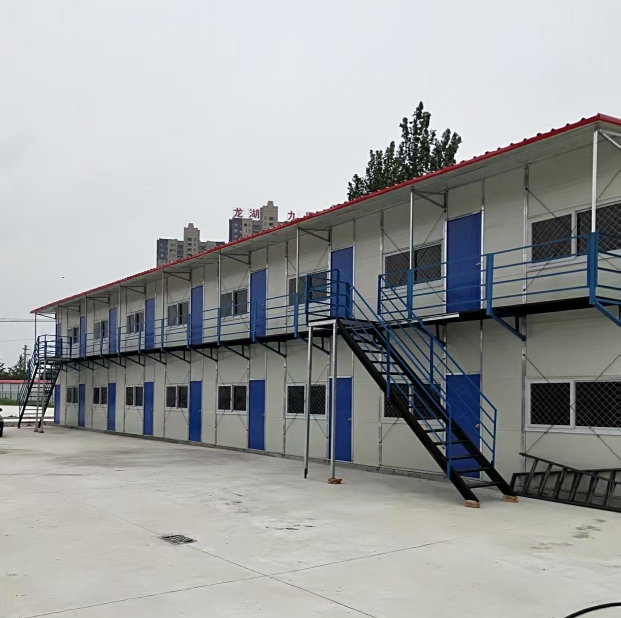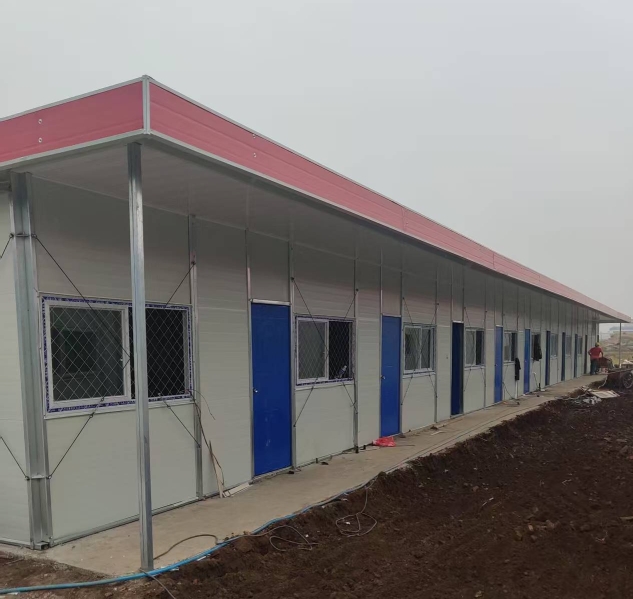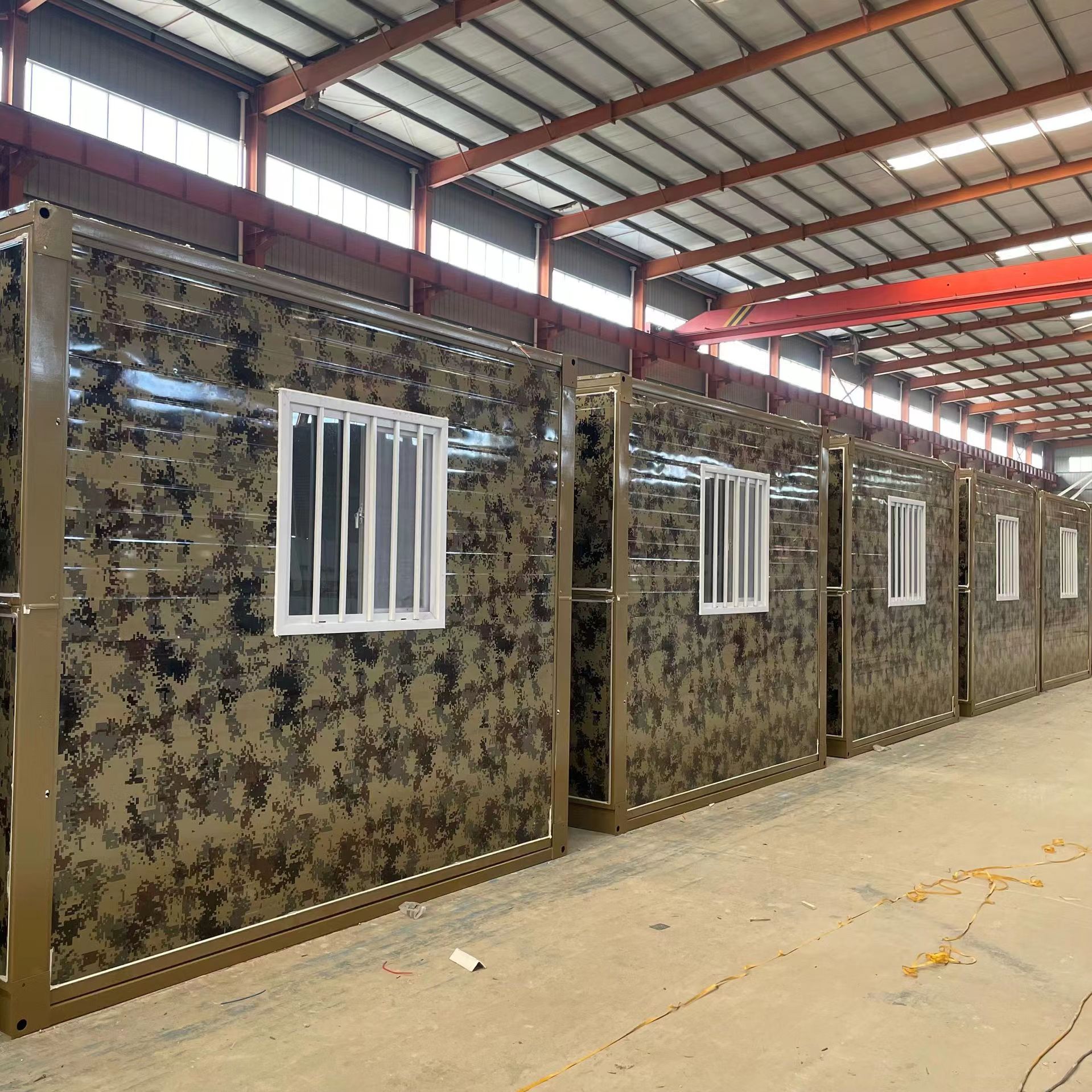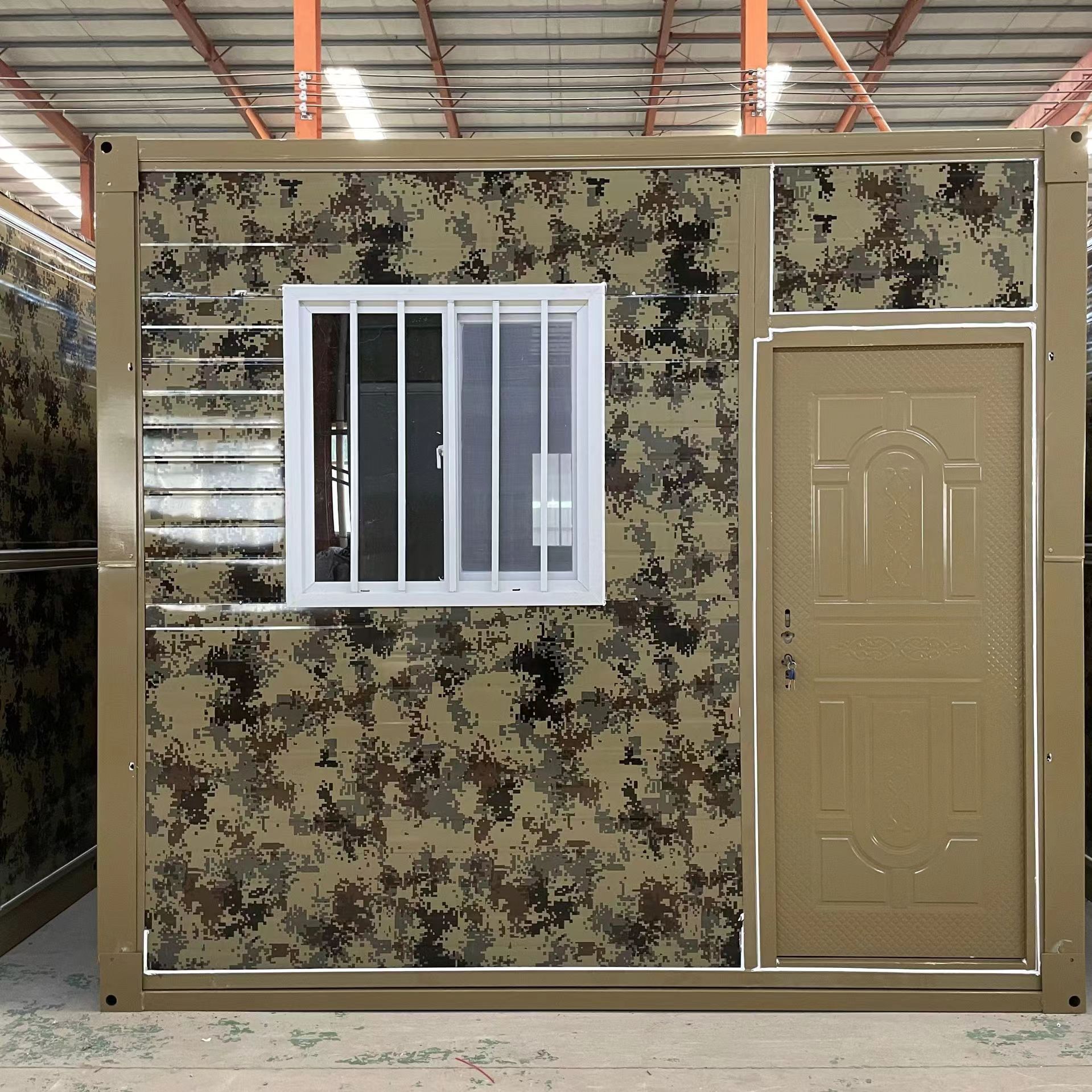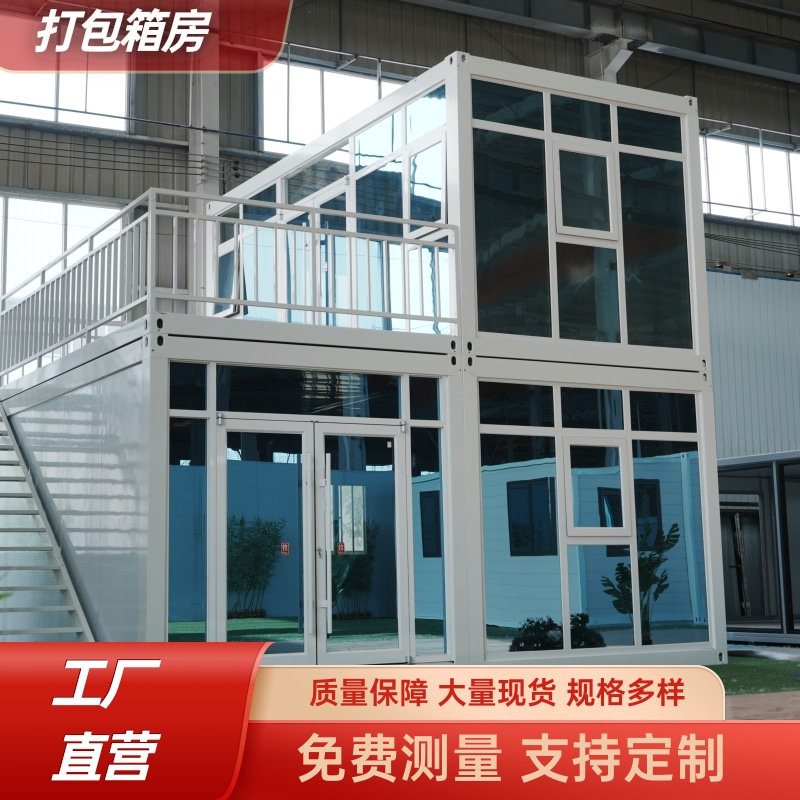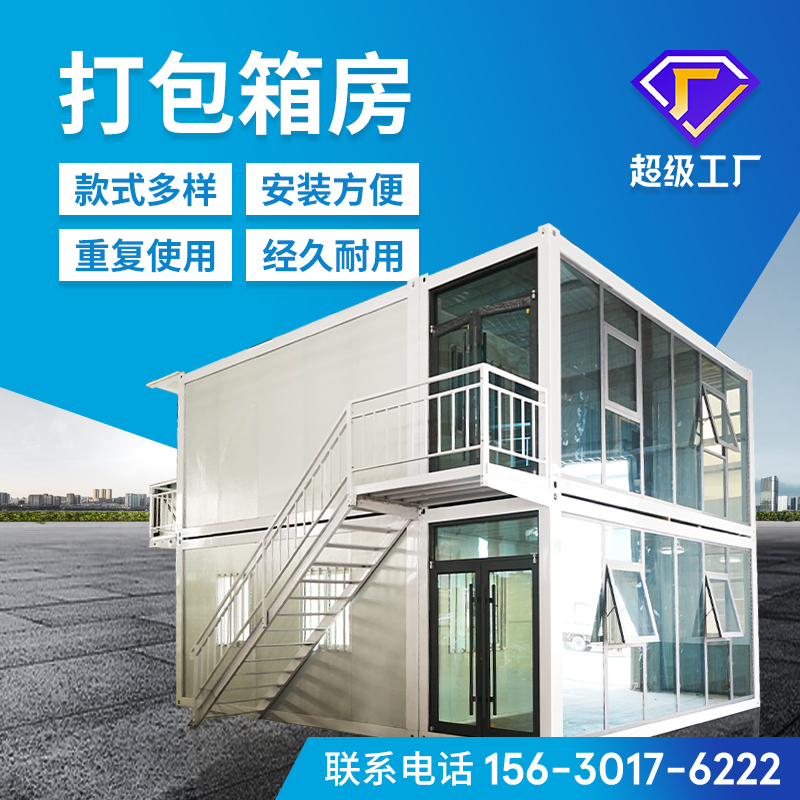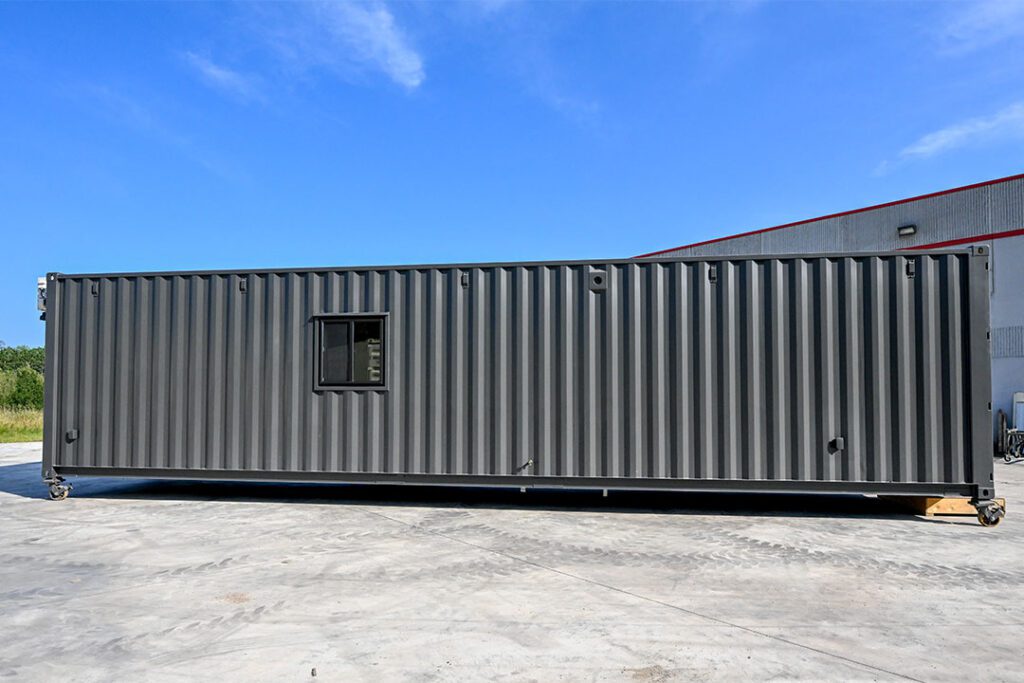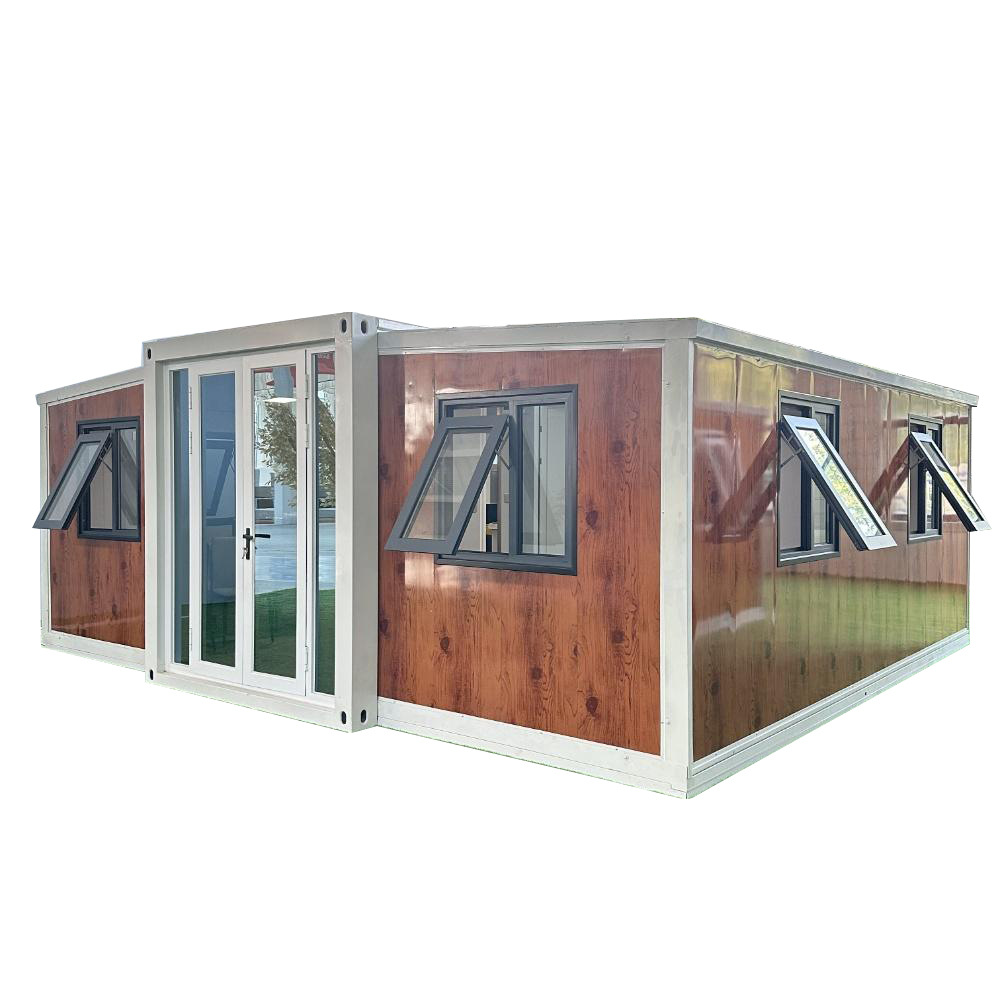


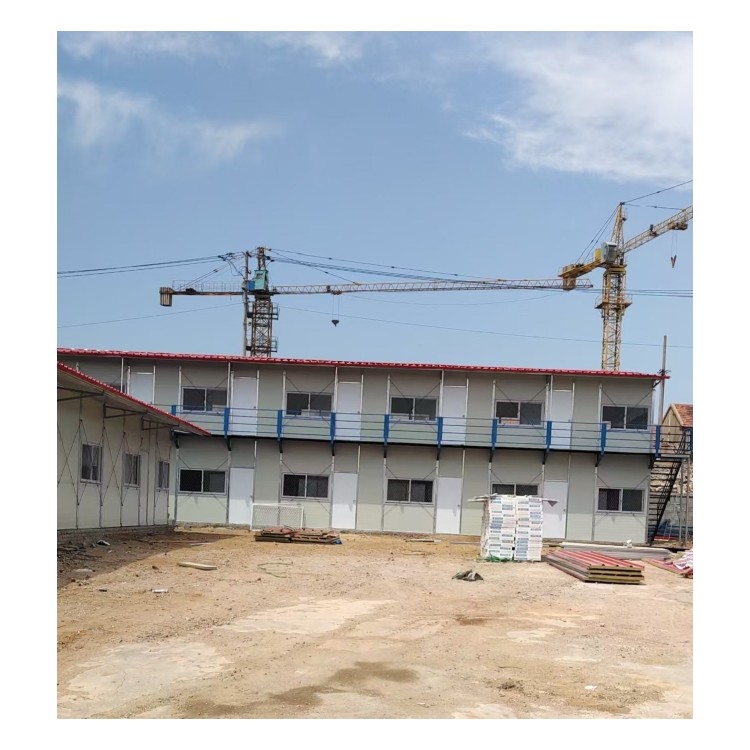
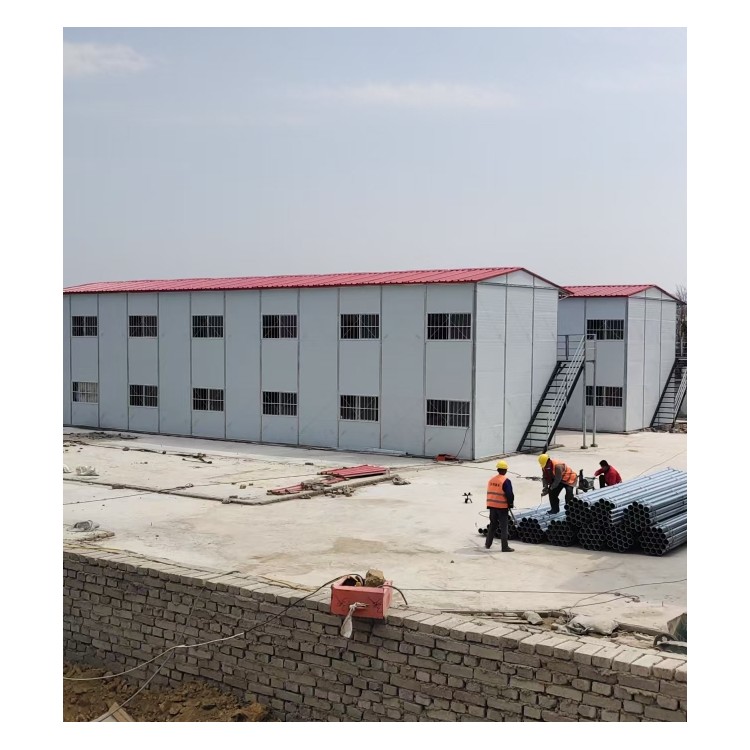
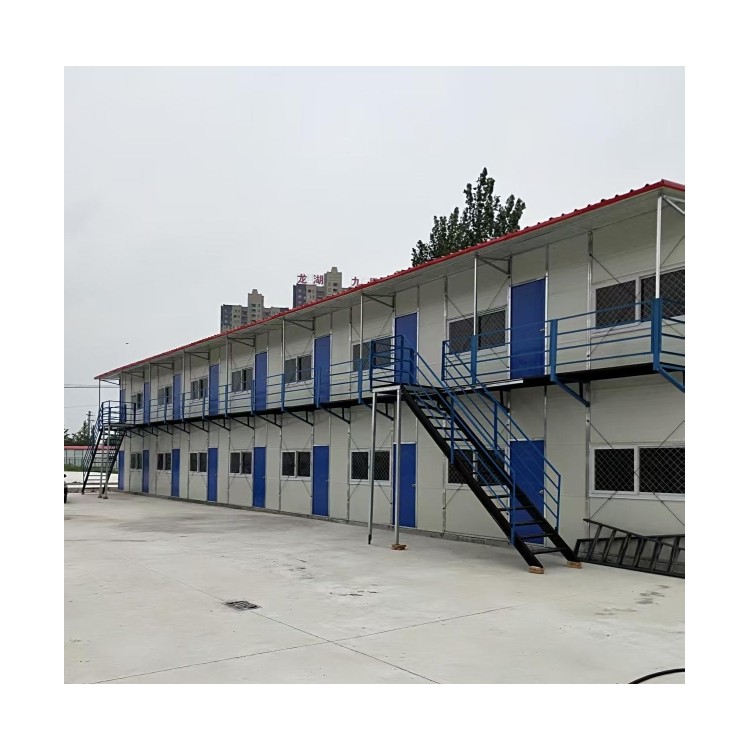
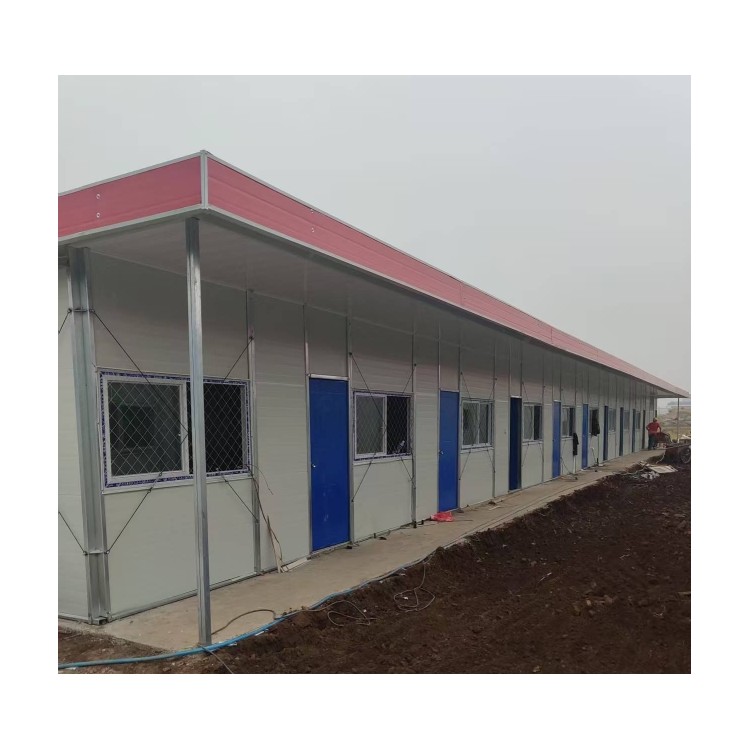
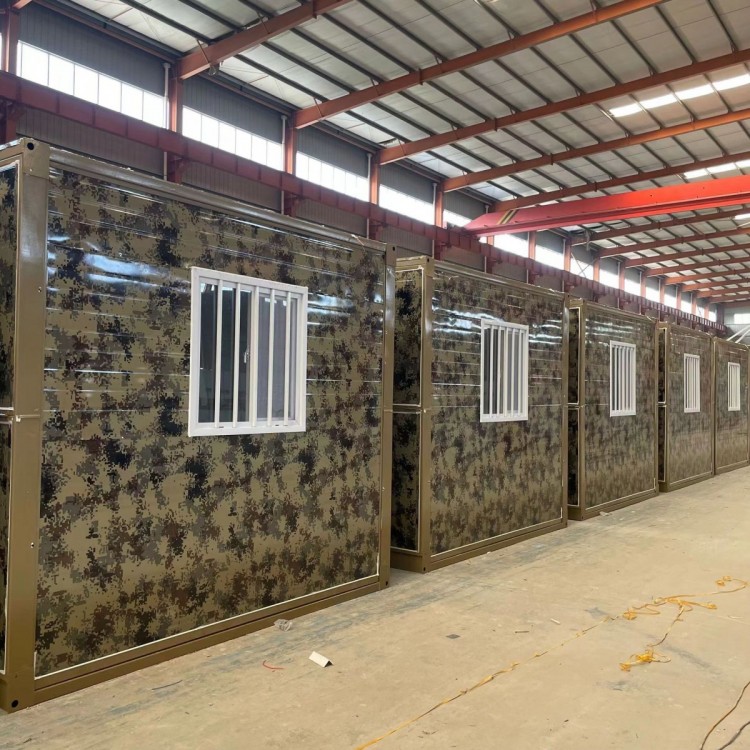





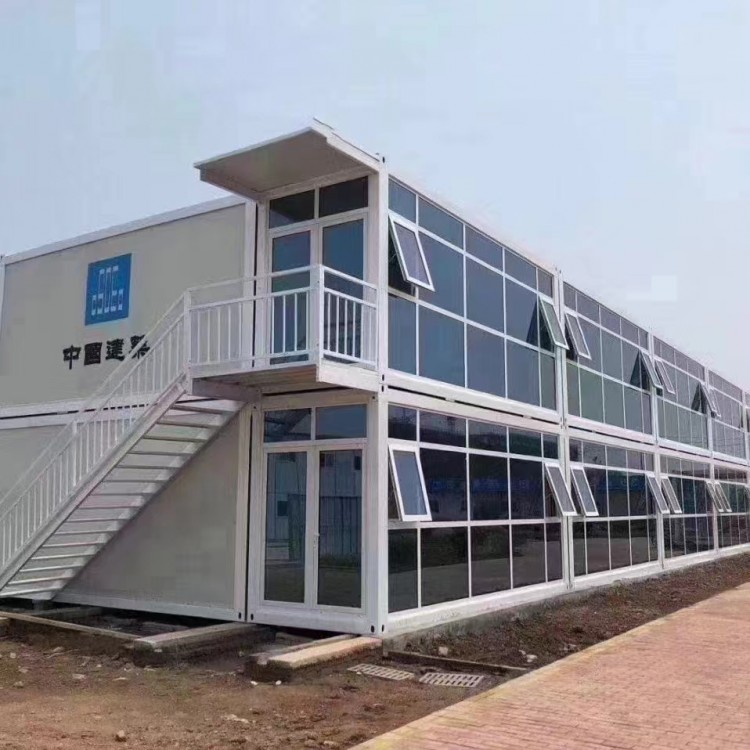
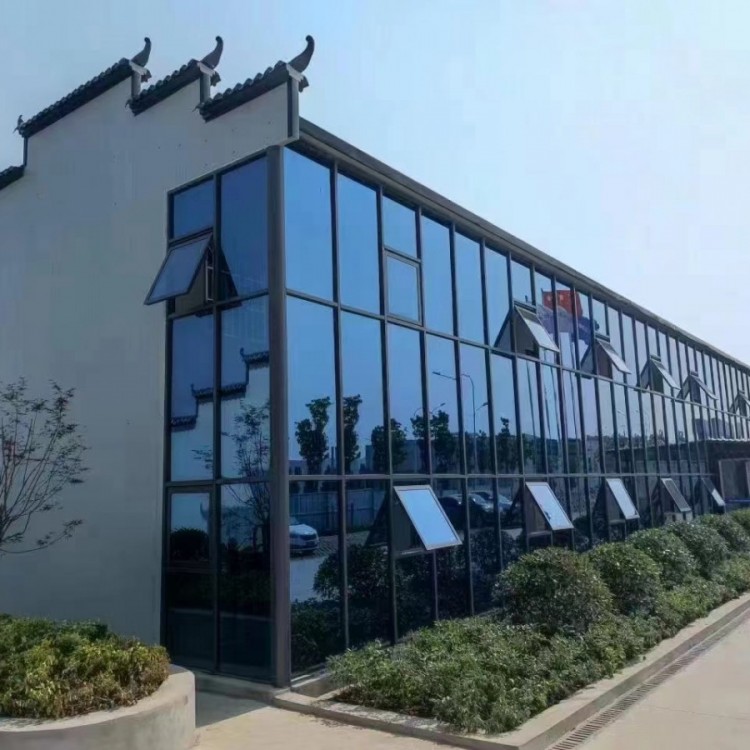
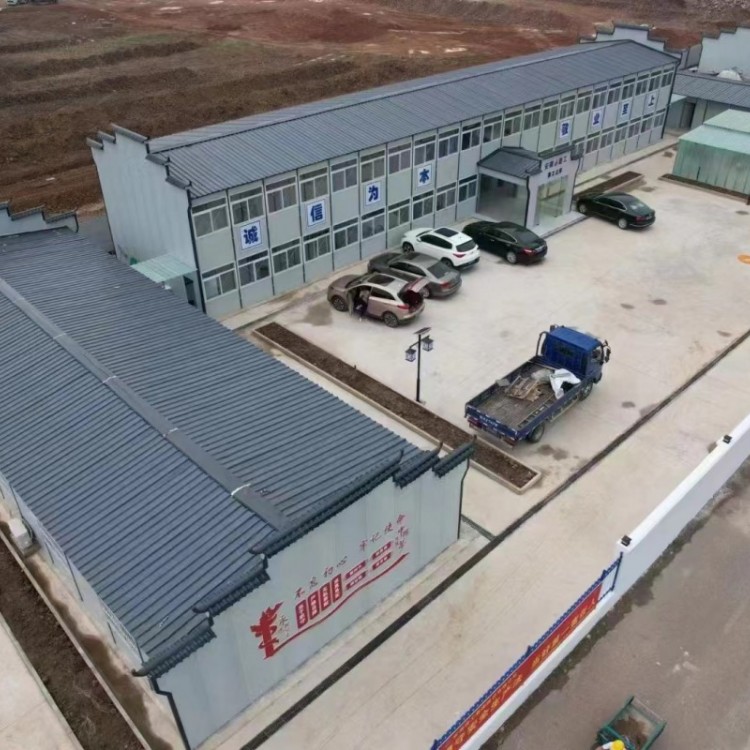
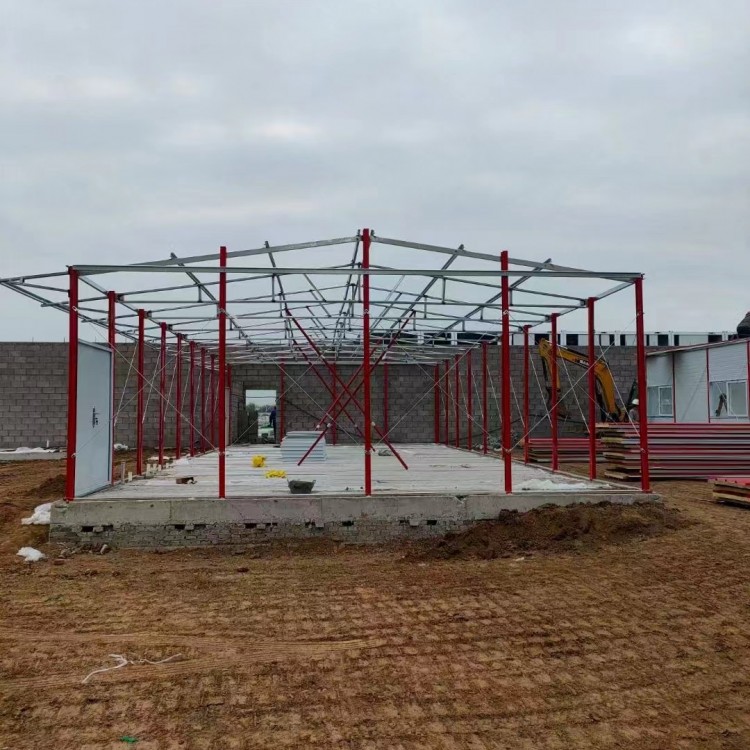
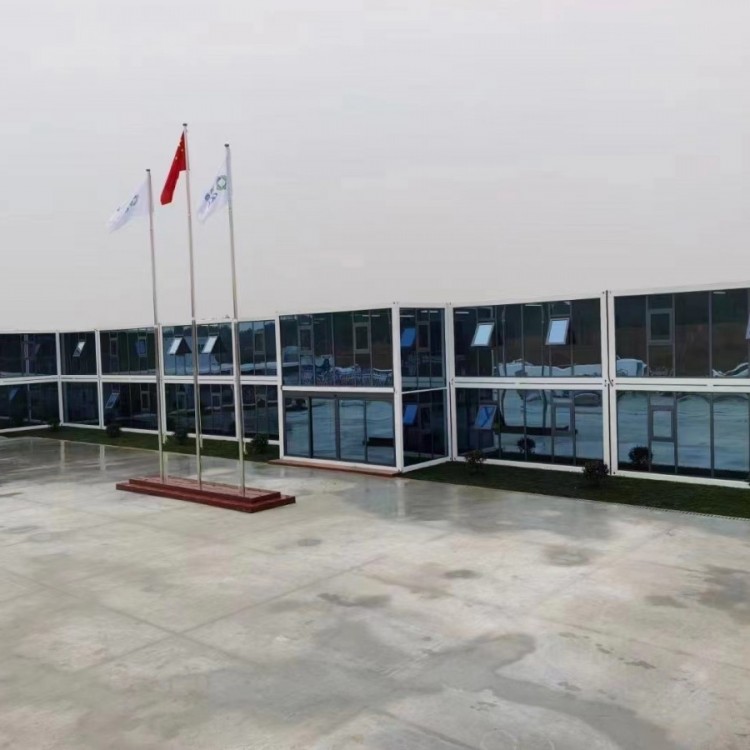
Mobile homes, as a temporary building solution, have a range of advantages and disadvantages.
Advantages:
Quick construction, convenient transportationModular housing units feature standardized design, allowing for prefabricated components, quick on-site assembly, and significantly reduced construction time. Moreover, their lightweight structure facilitates transportation and relocation.
Economical and practicalMobile homes offer significantly lower costs compared to traditional construction. Their recyclable nature also contributes to further cost reduction, making them highly cost-effective.
AdaptableMobile housing units are not restricted by terrain or environment, allowing for rapid assembly under various complex conditions, meeting temporary and mobile living and working needs.
Environmental protection and energy conservationThe mobile houses are constructed with environmentally friendly materials such as colored steel plates, which are recyclable and reusable, thus reducing environmental damage. Additionally, they offer excellent thermal insulation properties, resulting in significant energy-saving effects.
Elegant and tastefulModular housing designs are versatile and customizable to meet specific requirements, featuring an aesthetically pleasing appearance that enhances the quality of temporary structures.
Drawbacks:
Relative shorter lifespanDue to the use of lightweight materials in mobile homes, their lifespan may be shorter than that of traditional buildings. Long-term use may lead to issues such as material aging and damage.
Limited thermal insulation performanceDespite the optimization in thermal insulation for portable buildings, their performance in this aspect may not be as good as traditional construction due to structural and material limitations.
Waterproof performance needs improvement.Some portable cabins may have deficiencies in waterproof design, particularly during the rainy season or in humid conditions, where leakage issues may arise.
Wind and seismic performance is generally goodDue to the lightweight materials used in mobile homes, their wind and earthquake resistance may be relatively weak. Enhanced safety measures are required under extreme weather conditions.
In summary, mobile housing offers significant advantages in terms of construction speed, cost, adaptability, and aesthetics. However, it has certain shortcomings in lifespan, thermal insulation, waterproofing, and wind and earthquake resistance. When choosing to use mobile housing, it's essential to weigh and consider specific needs and scenarios.