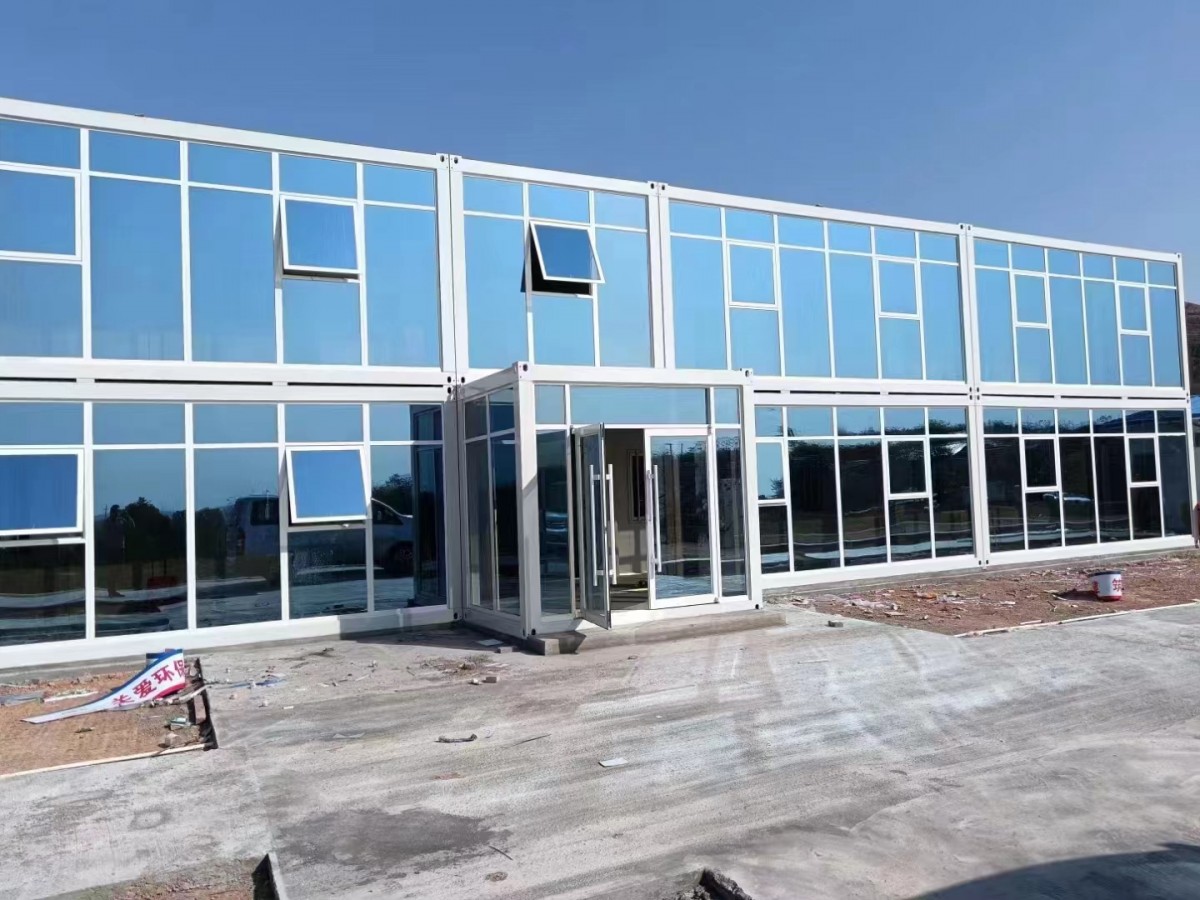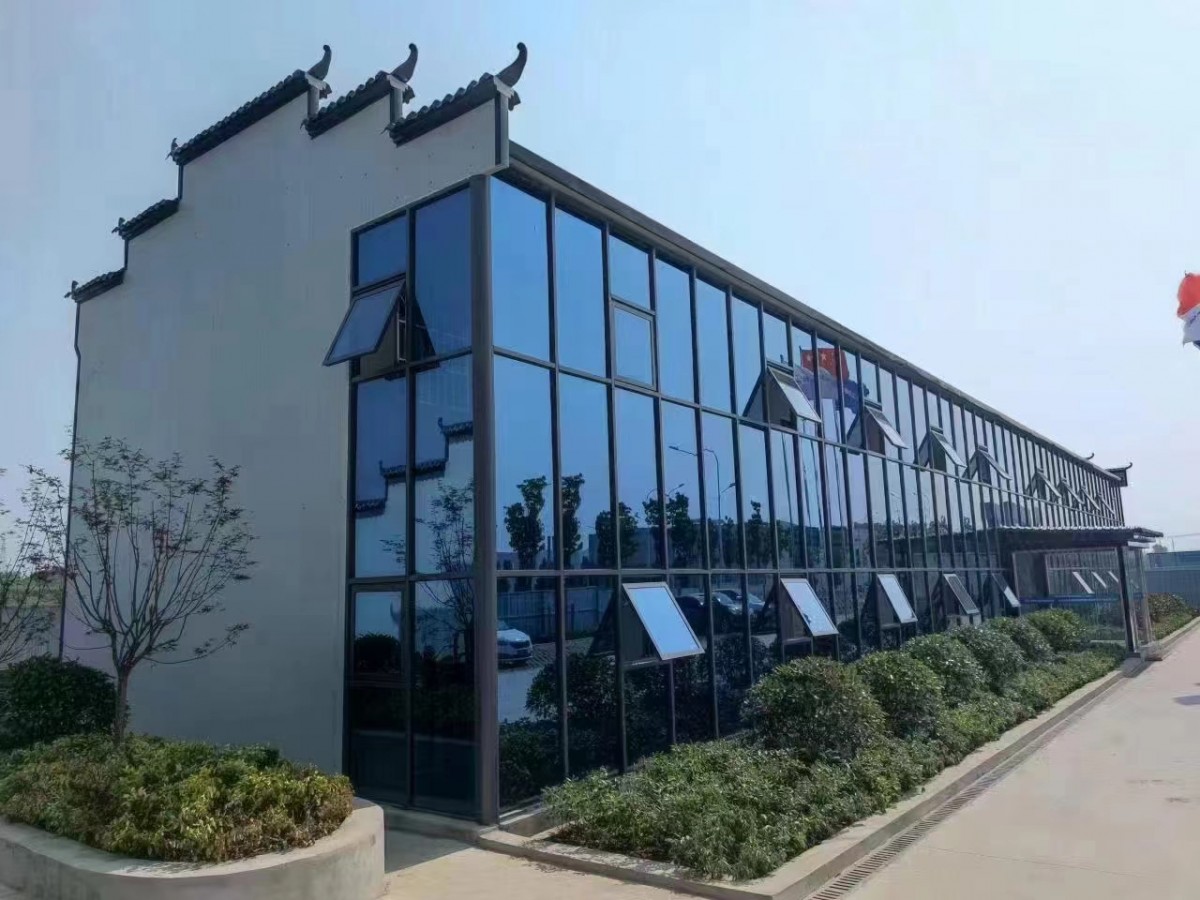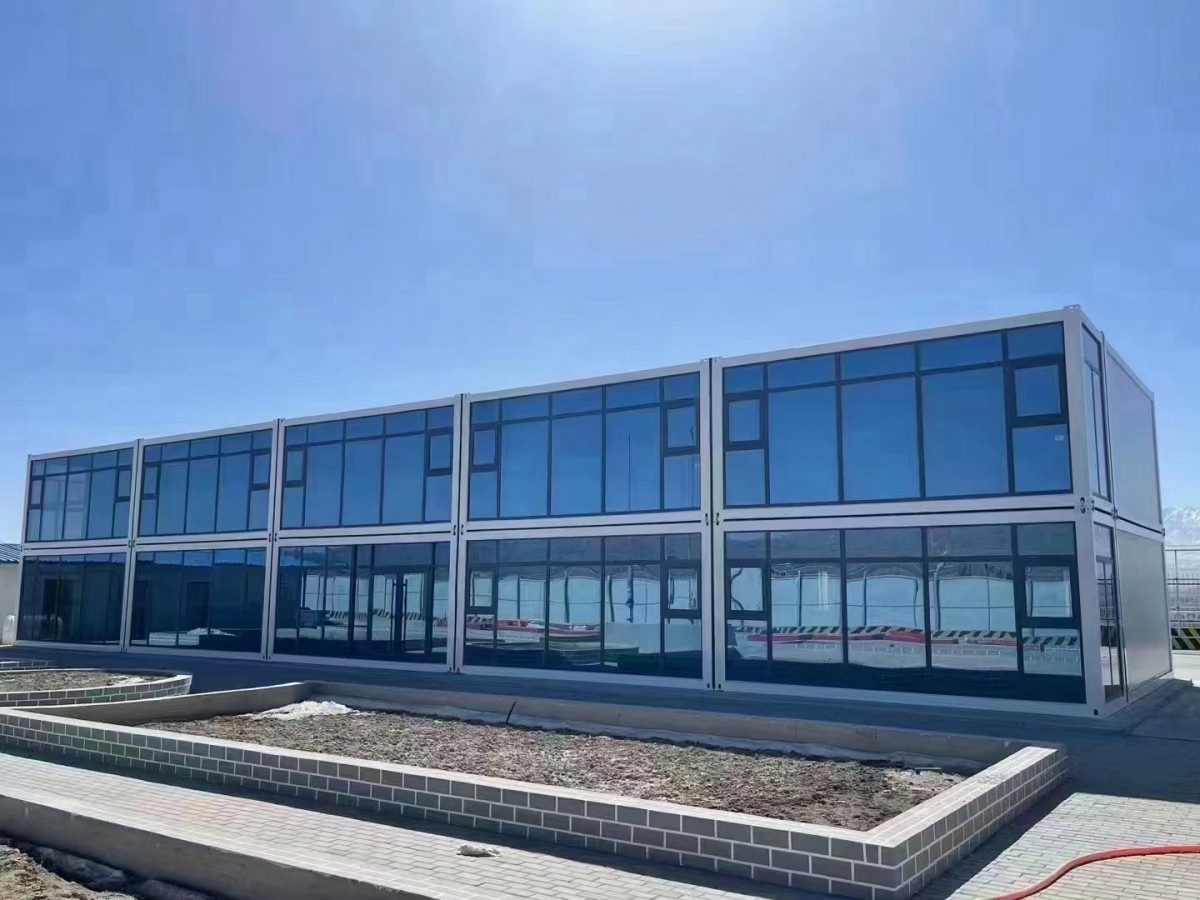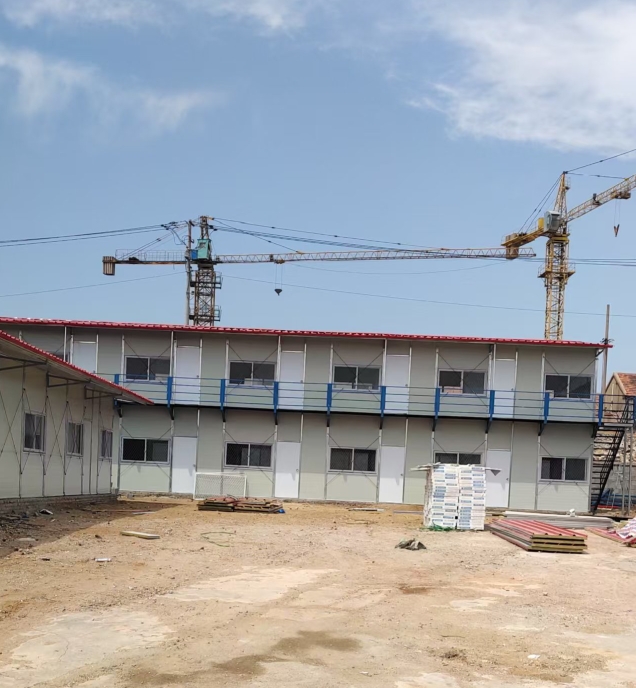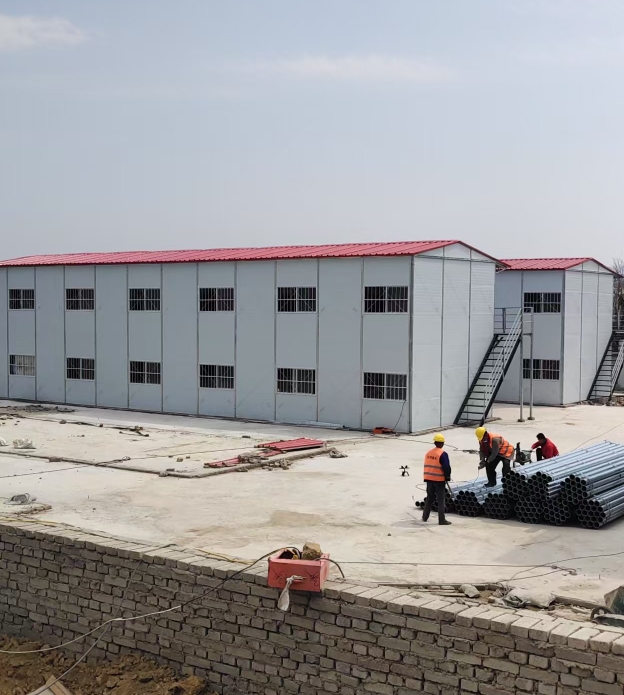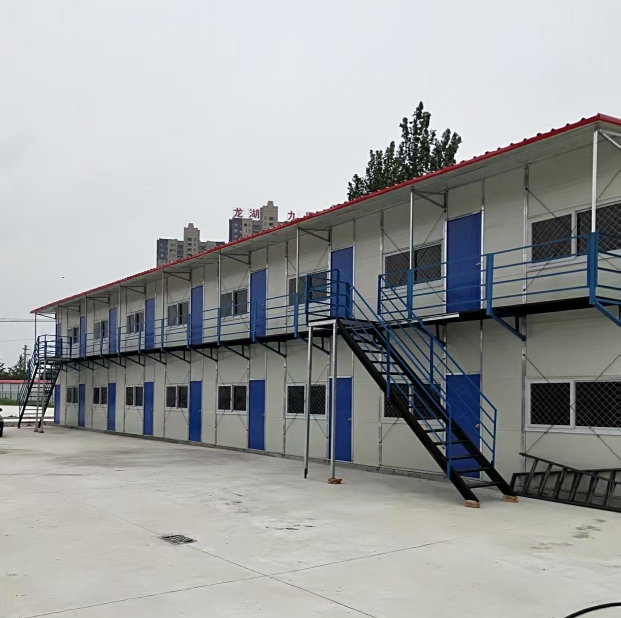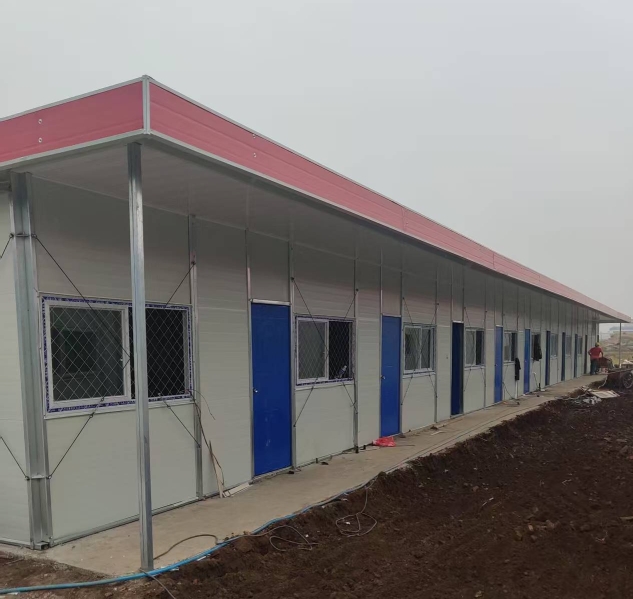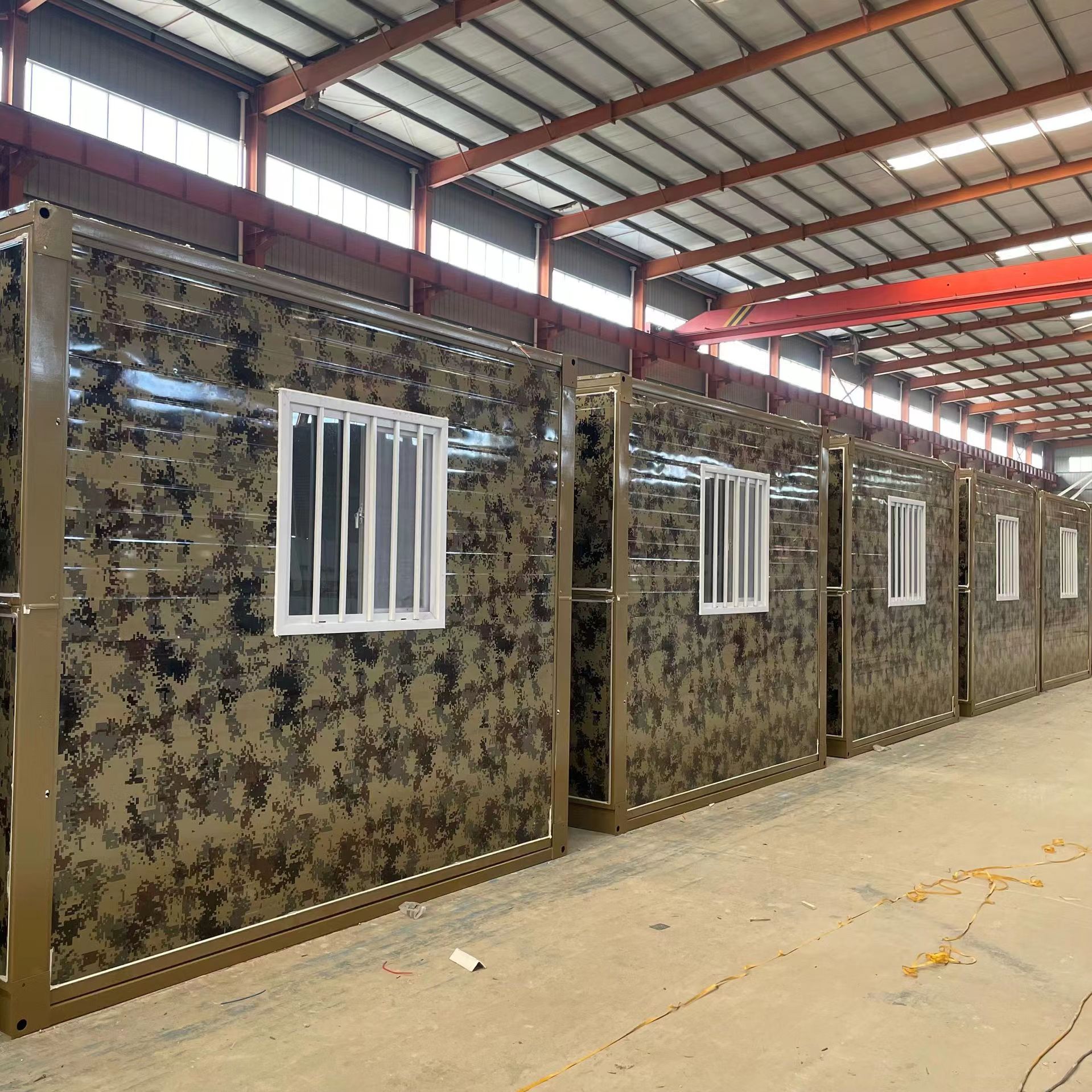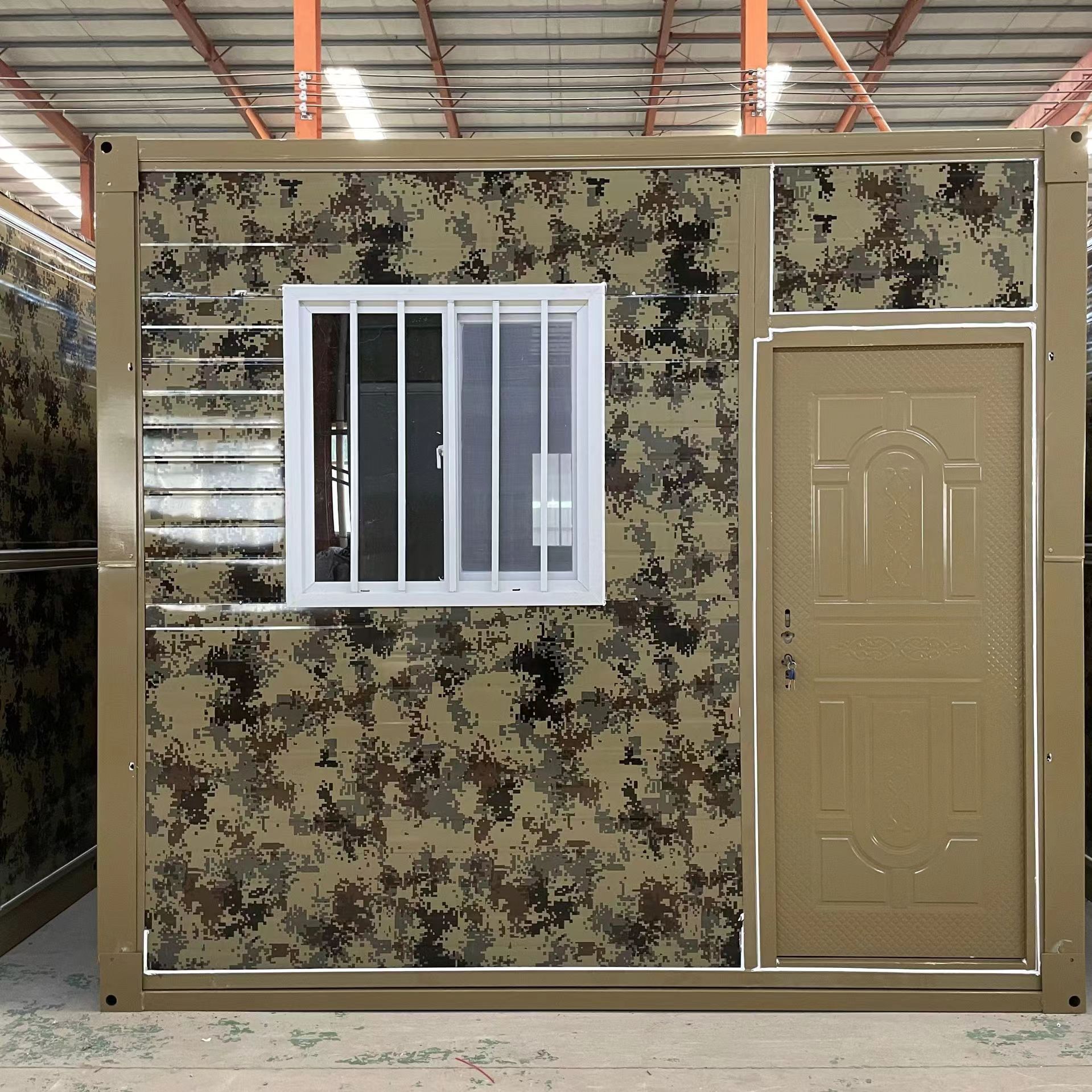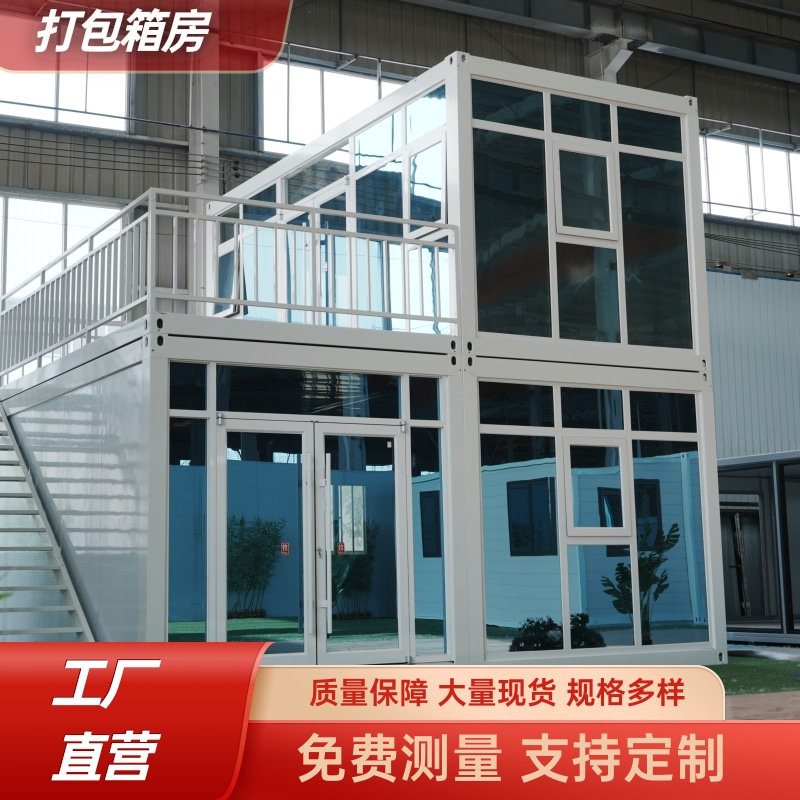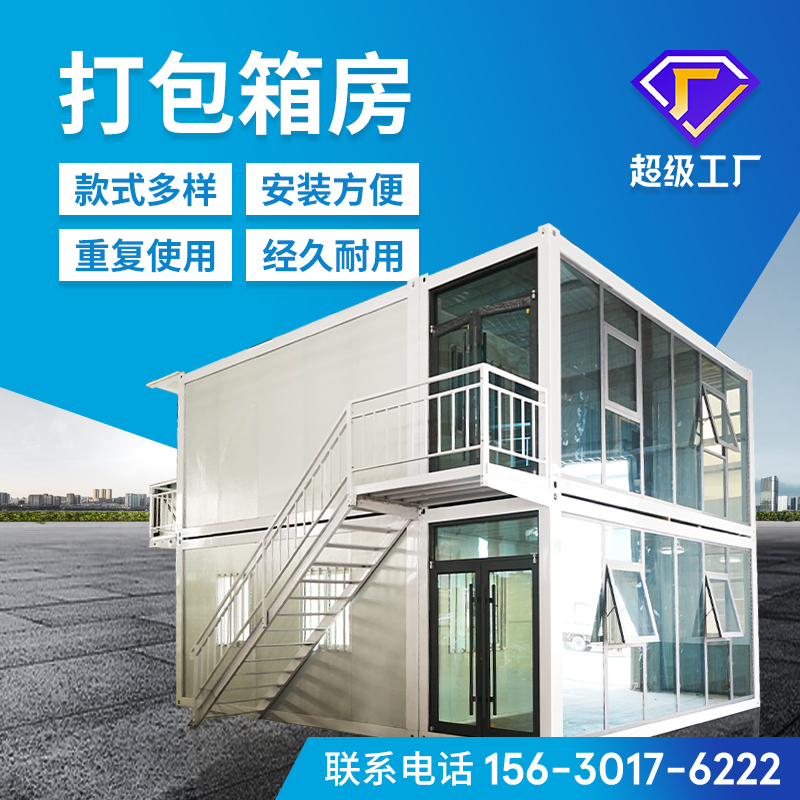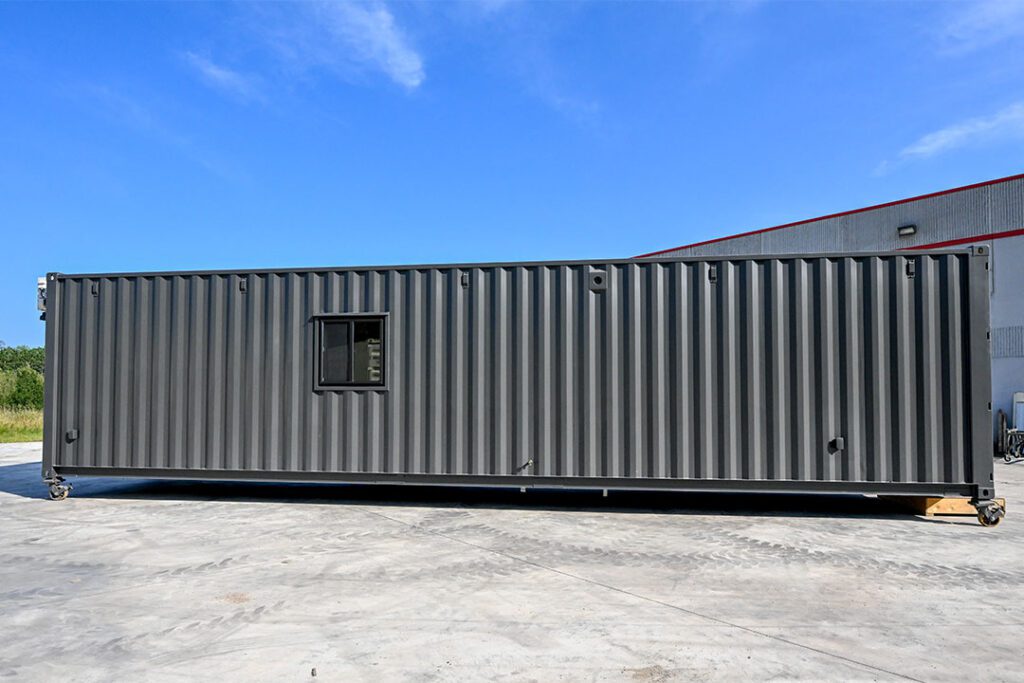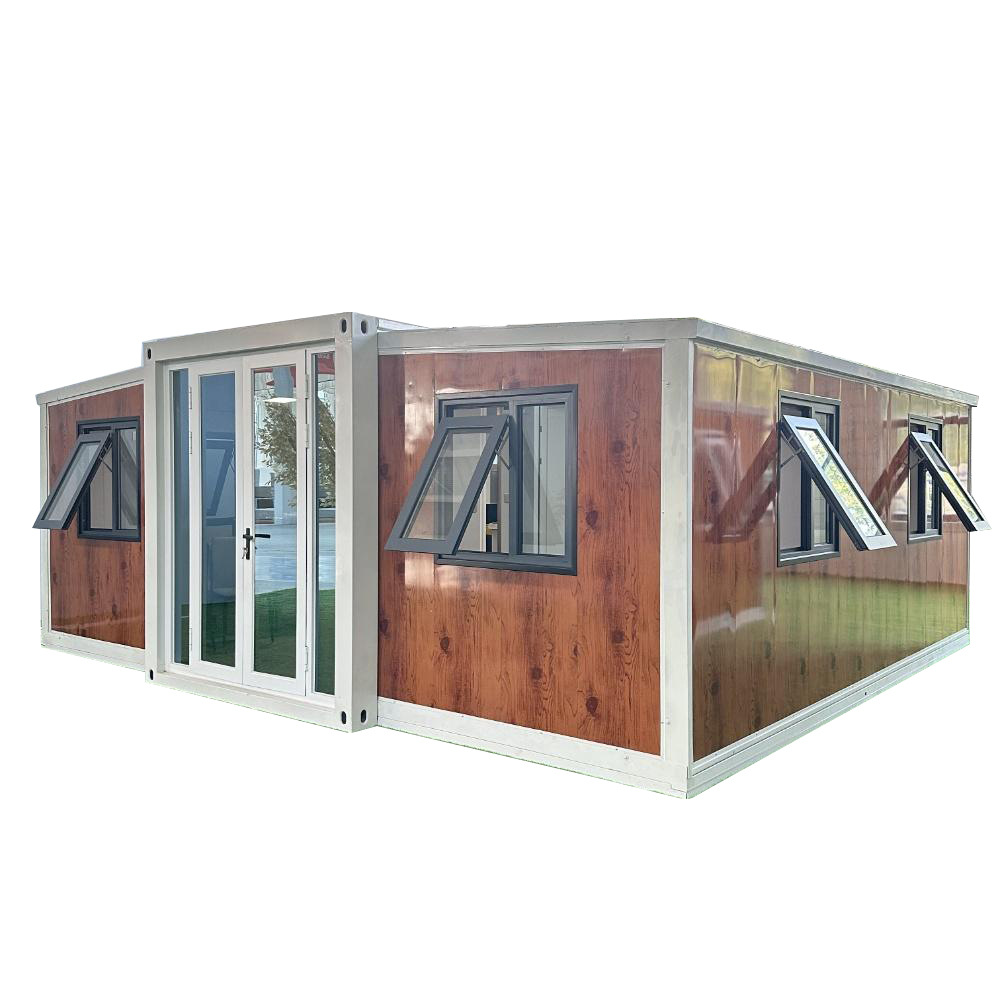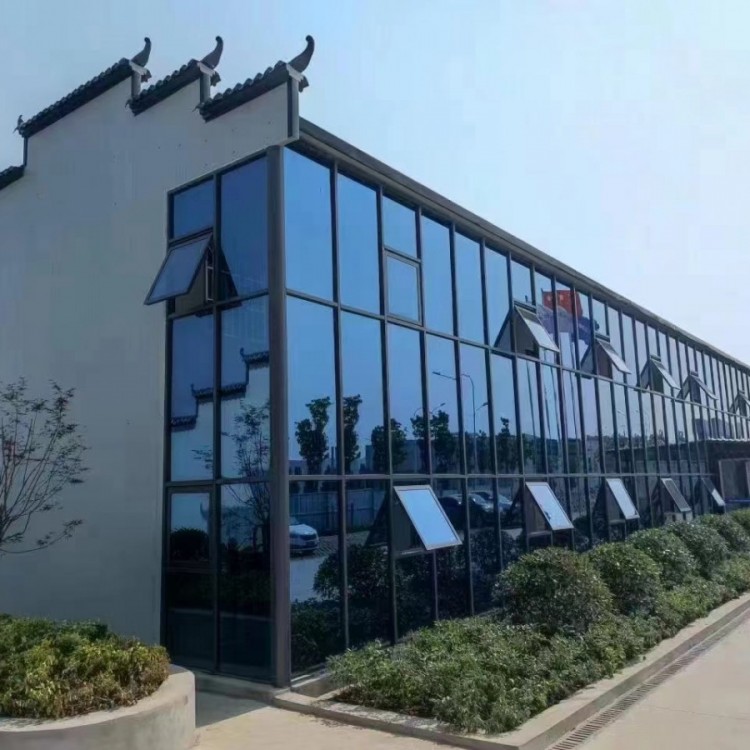

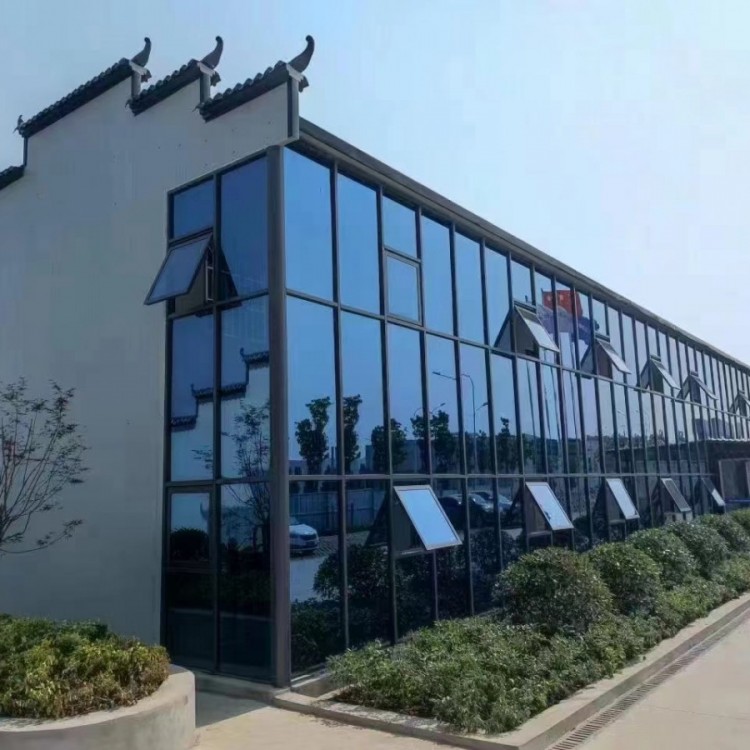
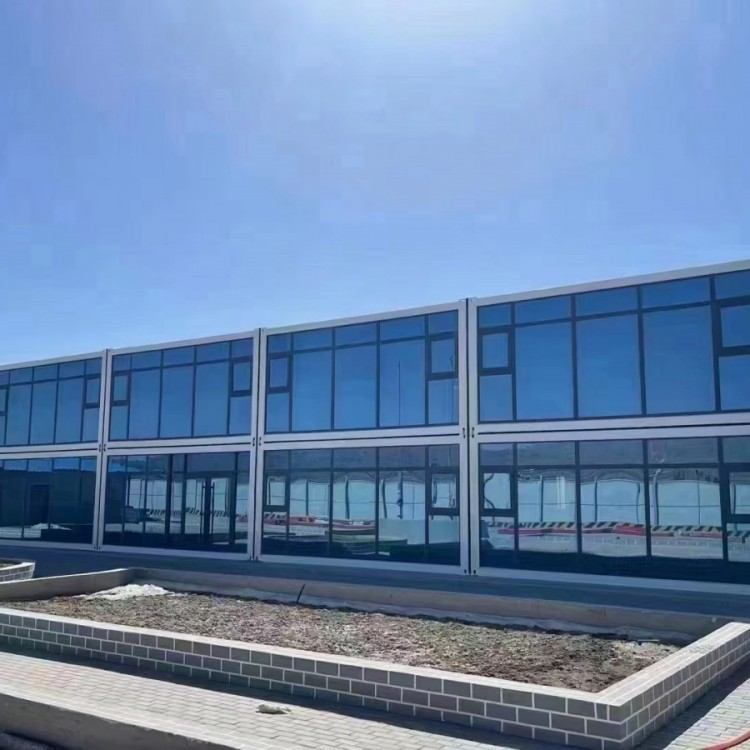
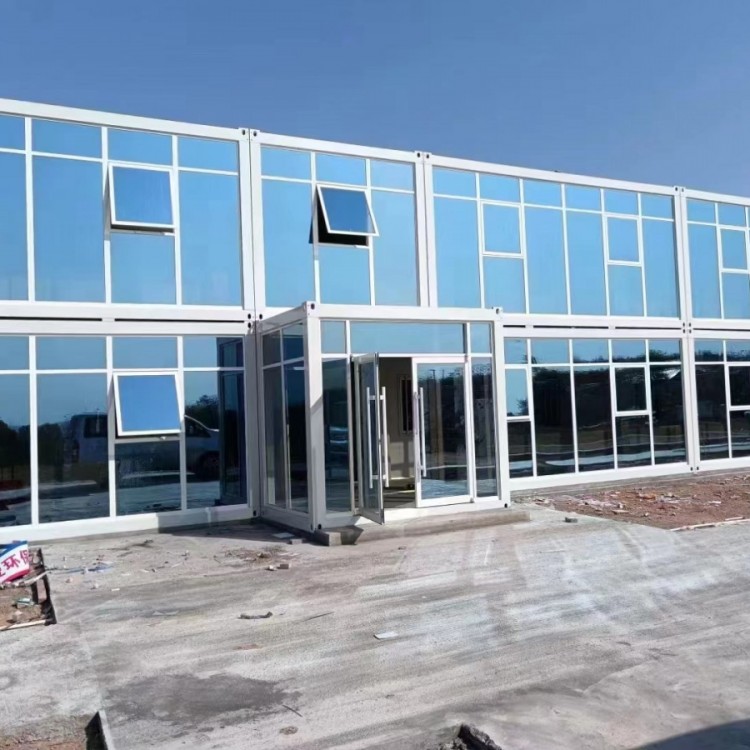


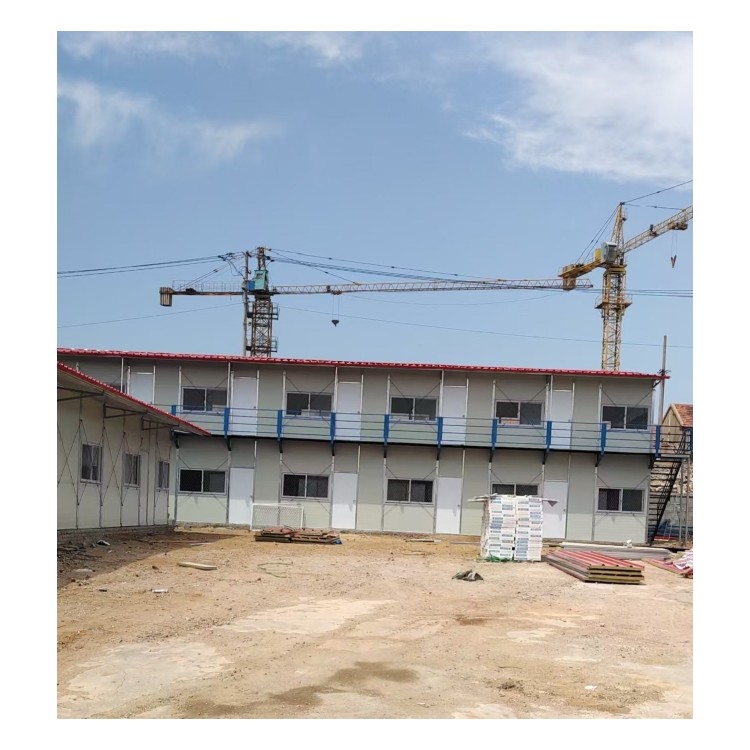
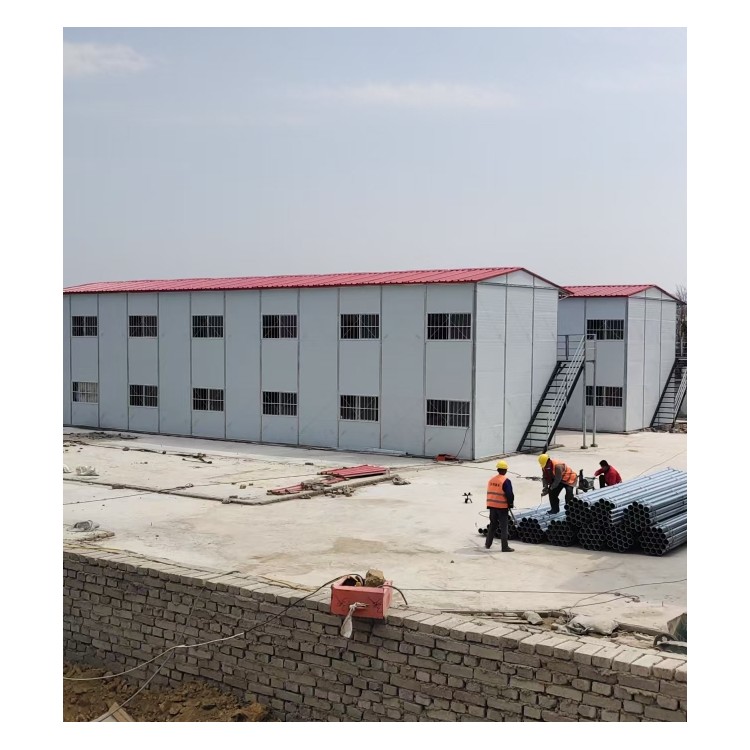
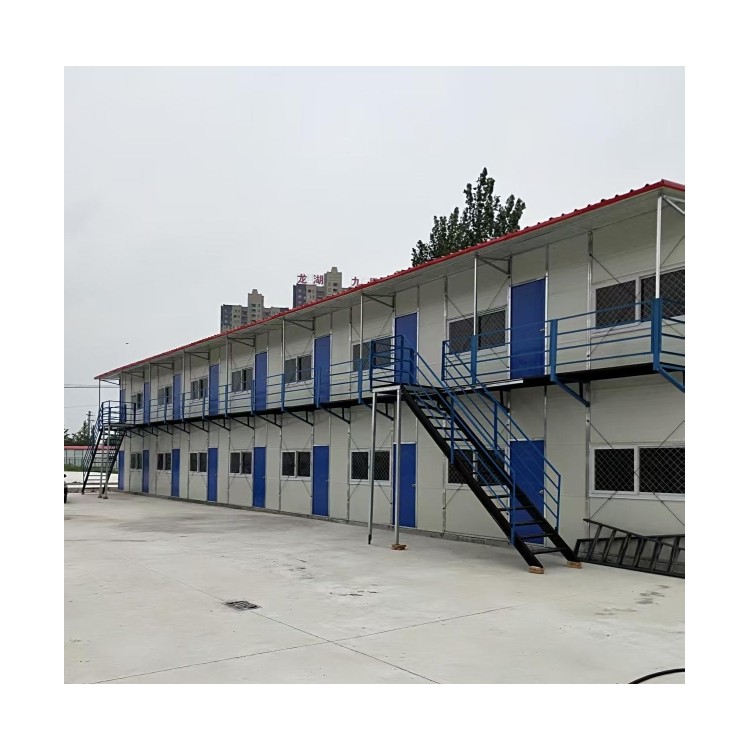
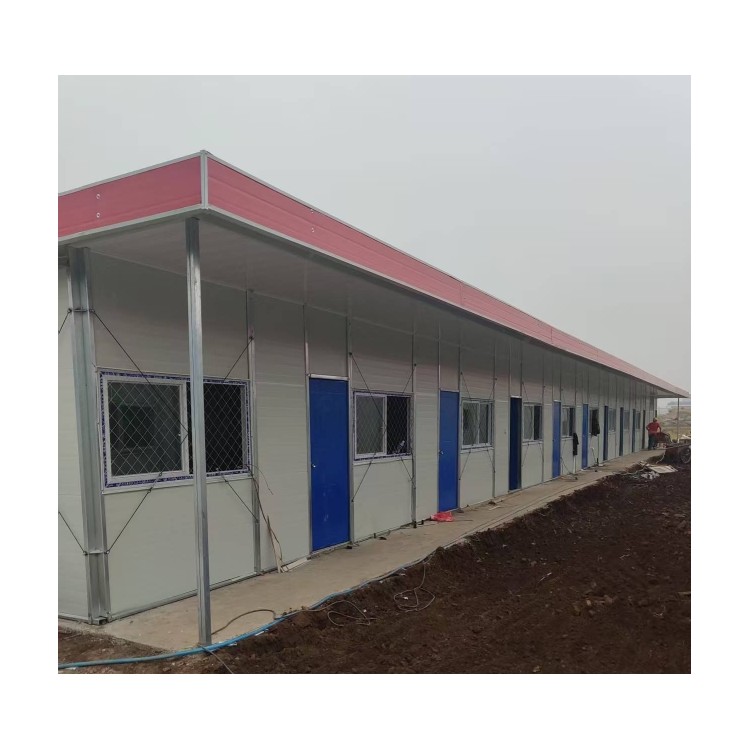
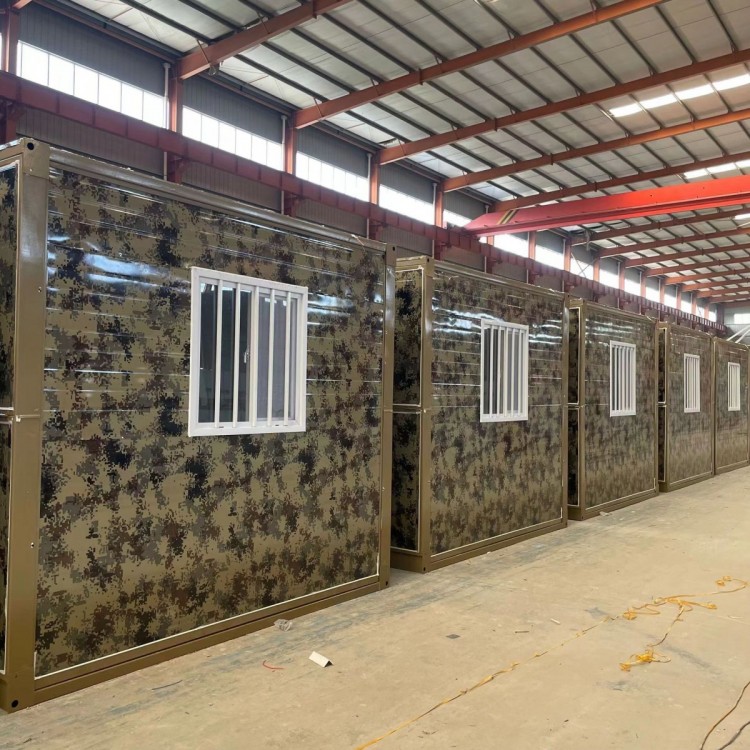





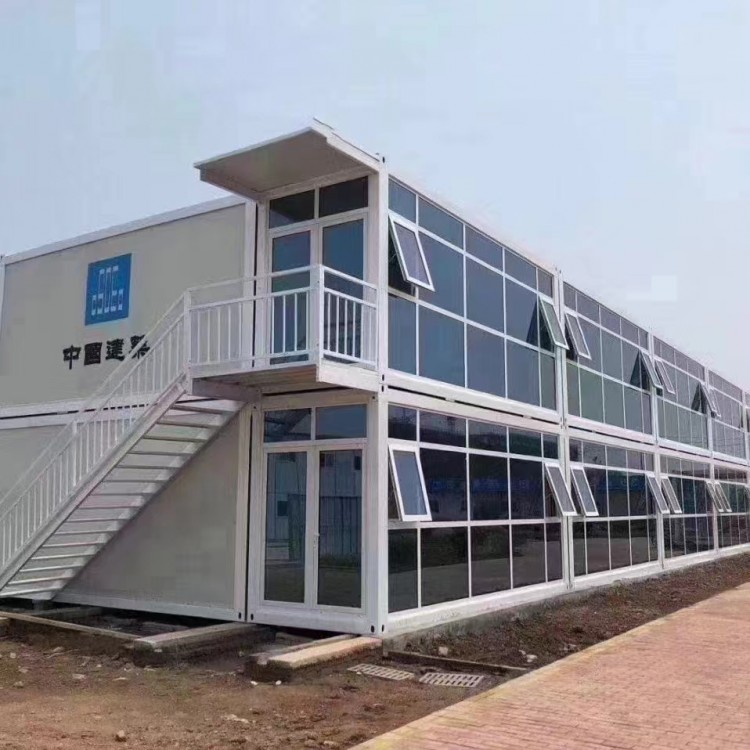
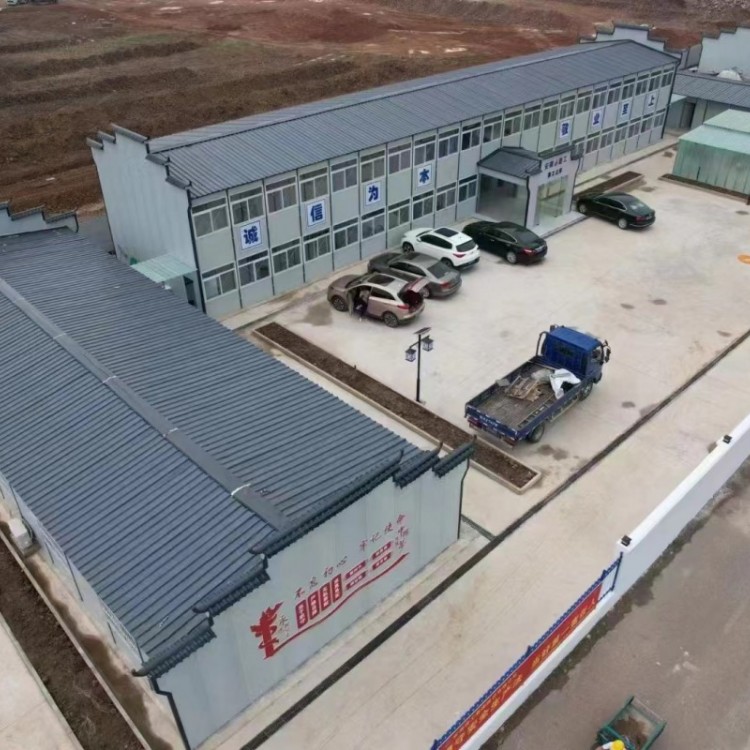
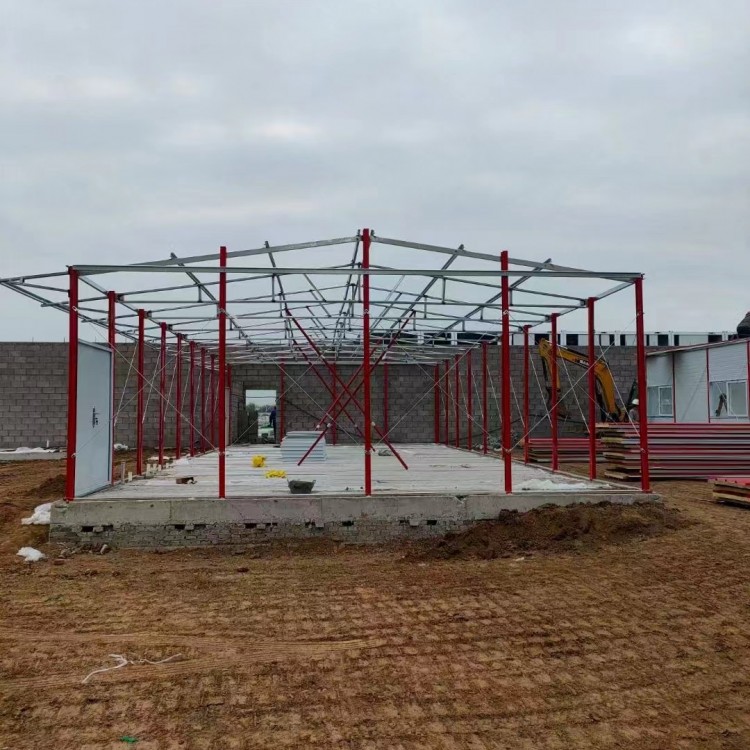
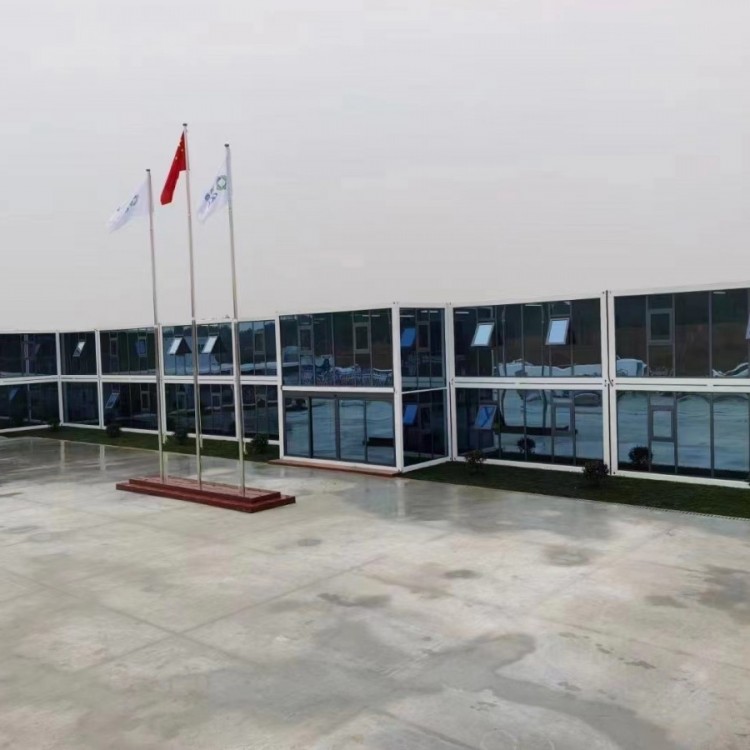
Integrated houses, also known as mobile or demountable houses, are a building method that emerged at the end of the last century. The main concept involves prefabricating walls, roofs, and other components in a factory, then processing load-bearing structures like steel frames according to design specifications, allowing for quick assembly into complete houses.
Integrated houses consist of structural, ground, floor, wall, and roof systems, each composed of several unit modules. These modules are manufactured in a factory and then assembled on-site. Such houses are demountable, movable, and do not damage the land, achieving a transformation from immovable property to movable property, as well as the separation of real estate's property and land.
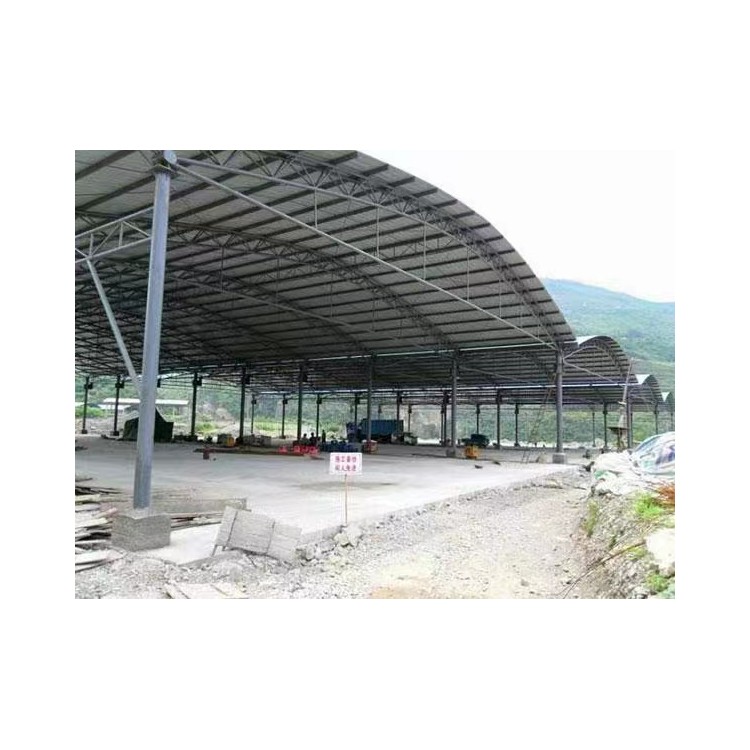
Integrated houses offer numerous advantages. Firstly, they achieve industrialized mass production of temporary constructions, enhancing pre-engineering in buildings, allowing components made from different shapes and materials to have certain interchangeability, significantly reducing construction costs. Secondly, the light steel structural materials of integrated houses have a uniform organization and high elastic modulus, with a density-to-strength ratio much lower than concrete and bricks, resulting in lower self-weight. This enables the construction of houses with larger spans and higher heights. Additionally, the architectural and structural design of integrated houses is integrated with their functions, making the buildings more functional.
Integrated houses have widespread applications both domestically and internationally, including temporary housing for urban construction and real estate projects, temporary accommodations for transportation, water conservancy, oil projects, tourist housing, transitional resettlement housing, temporary commercial facilities, temporary housing, public works and utilities, as well as temporary housing for exhibitions, conferences, sports events, and more.
Overall, integrated houses have secured a place in the modern construction industry due to their fast construction speed, demountable mobility, energy-saving and environmental protection, as well as their aesthetic and practicality, and are poised to become a future trend in the construction industry.