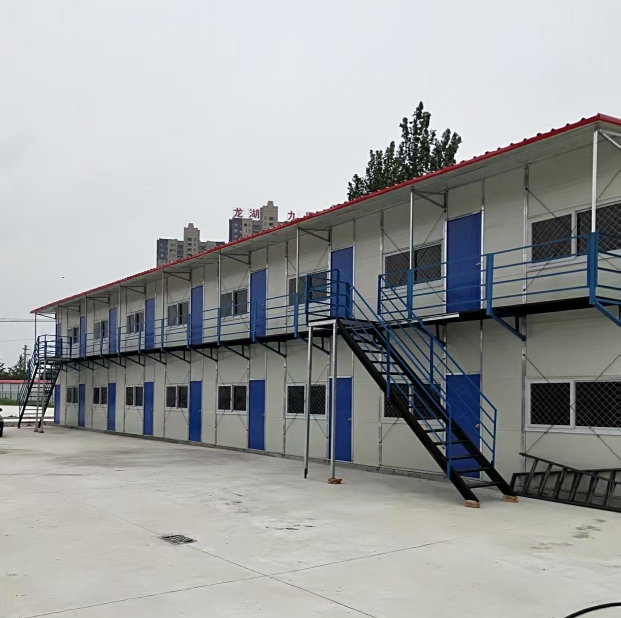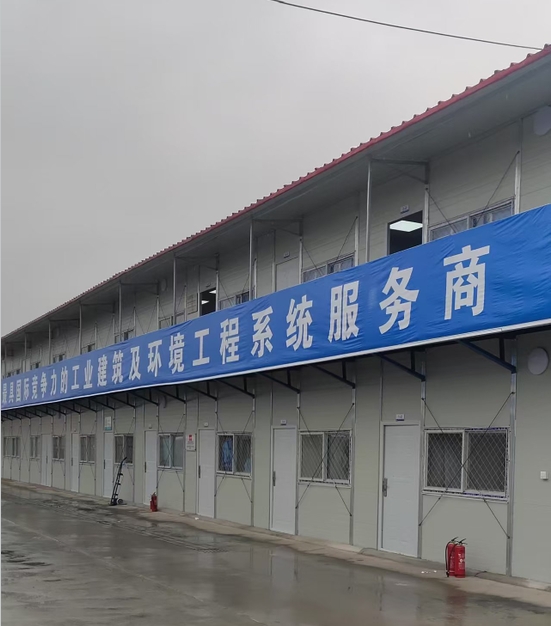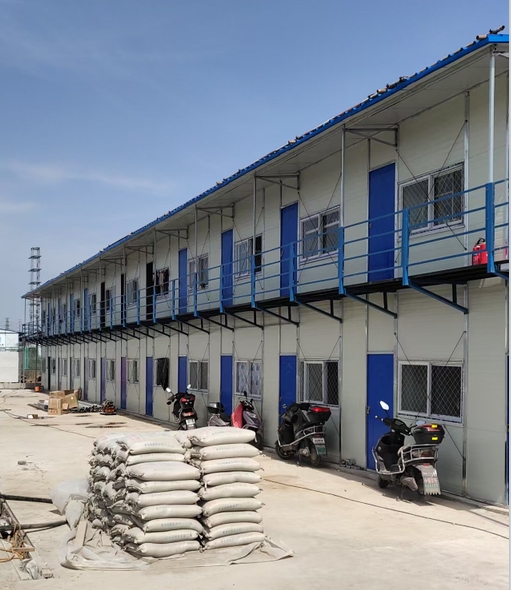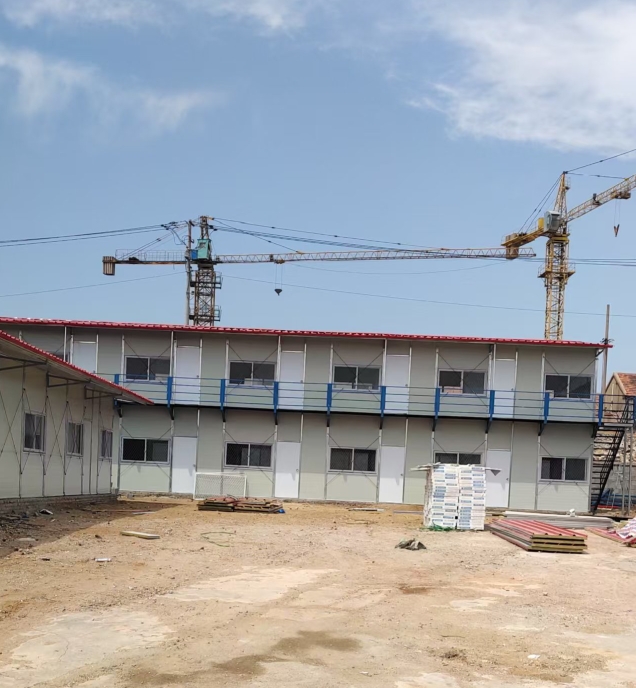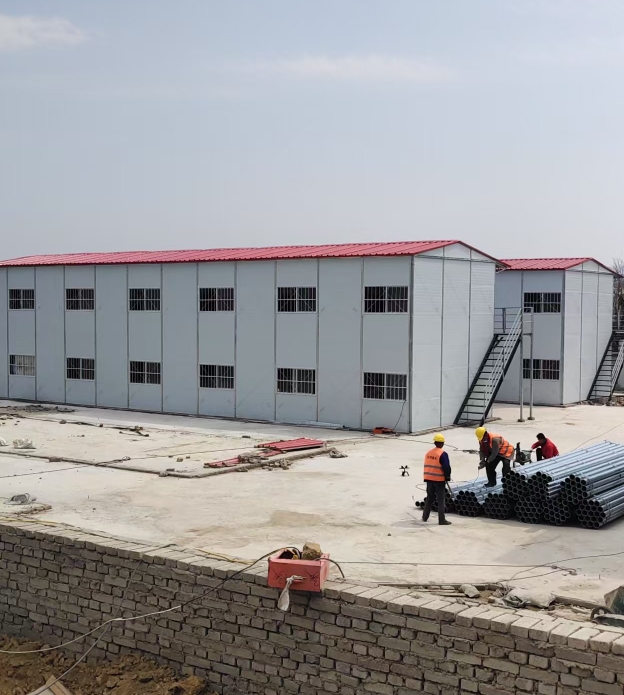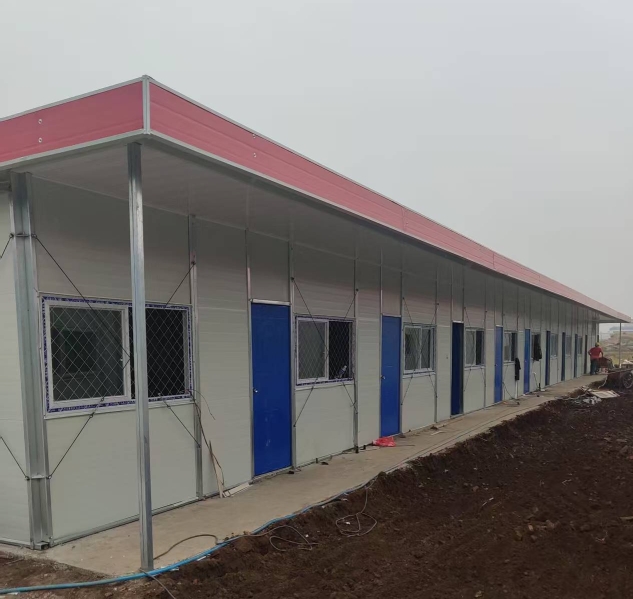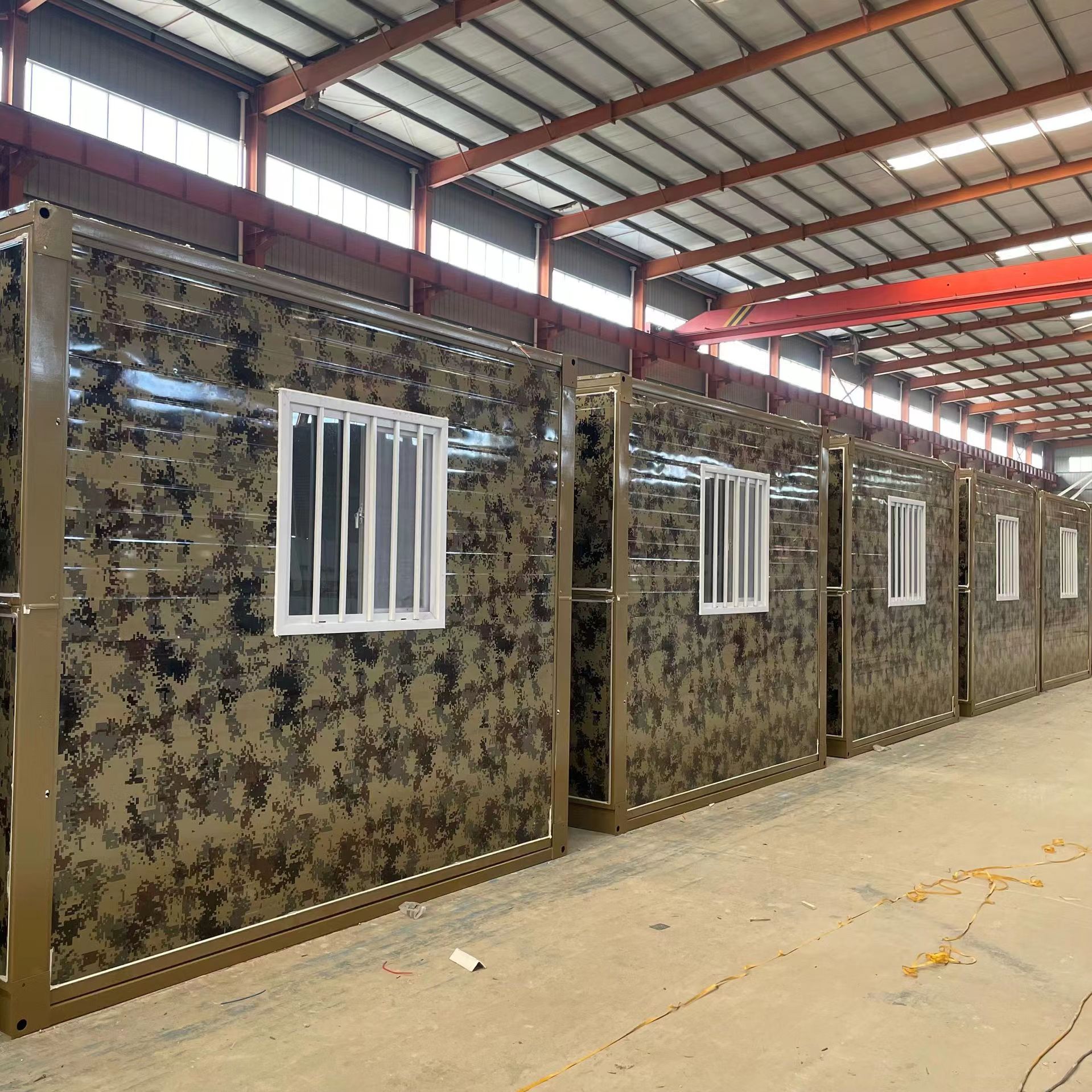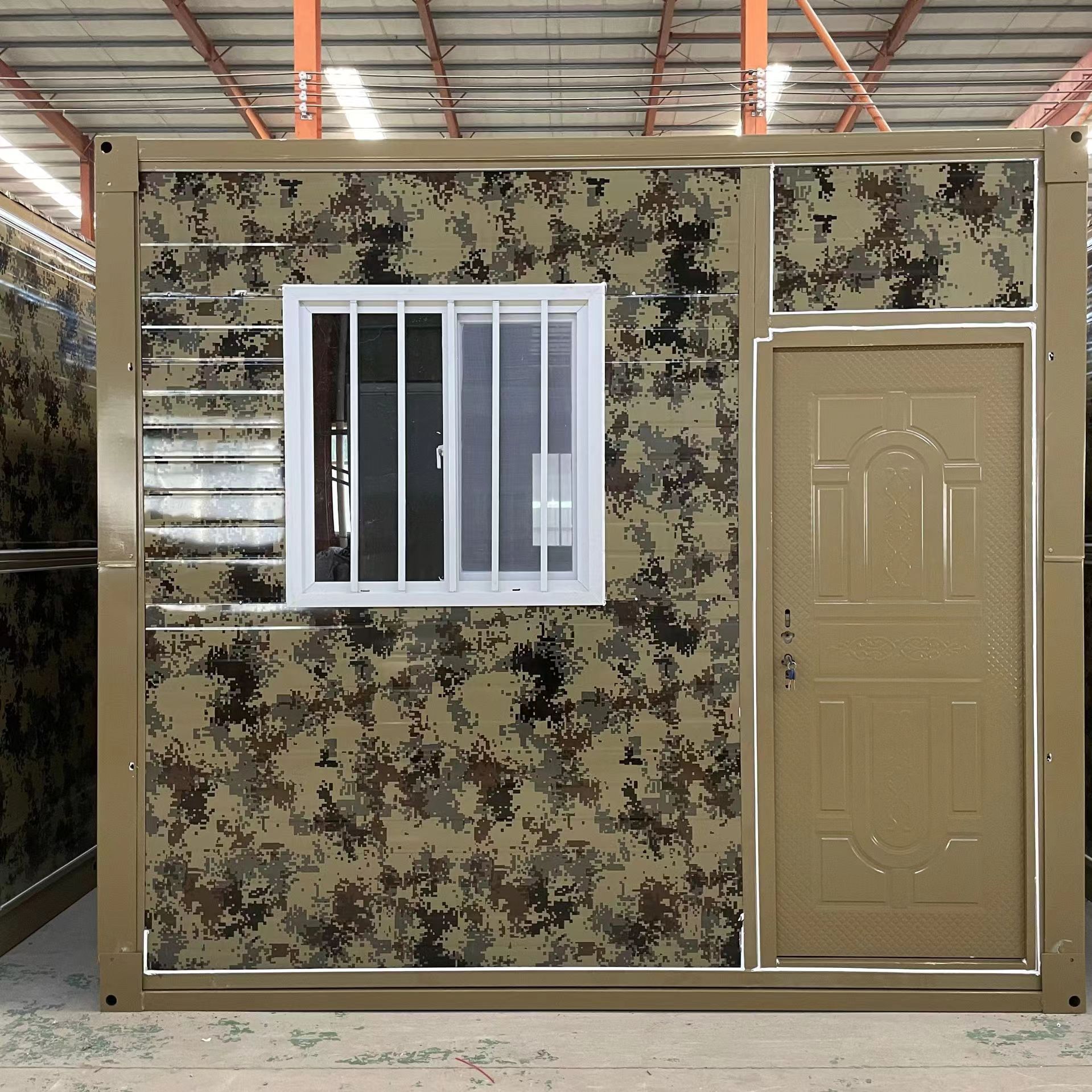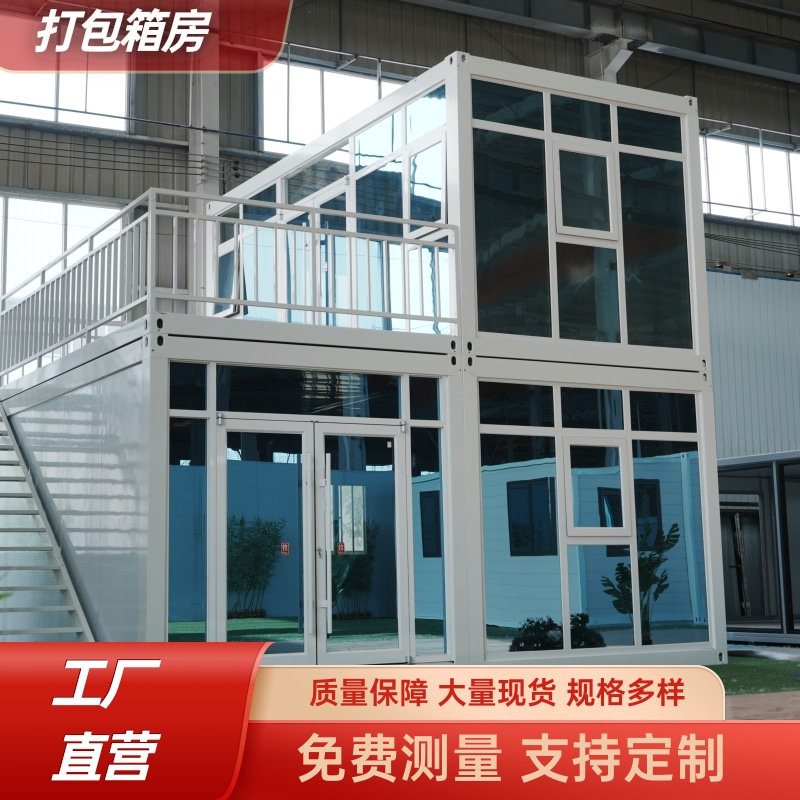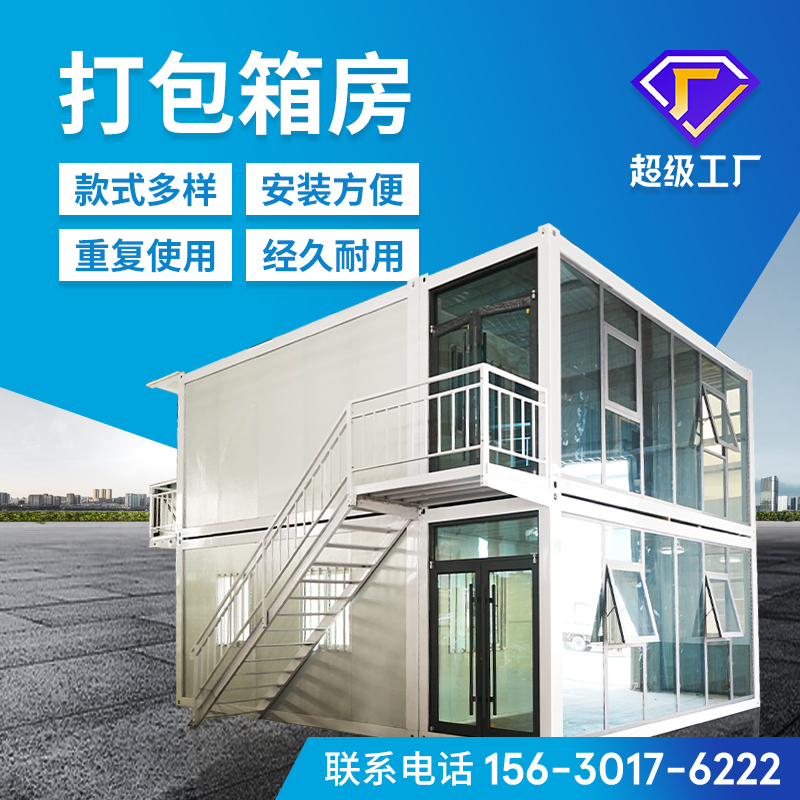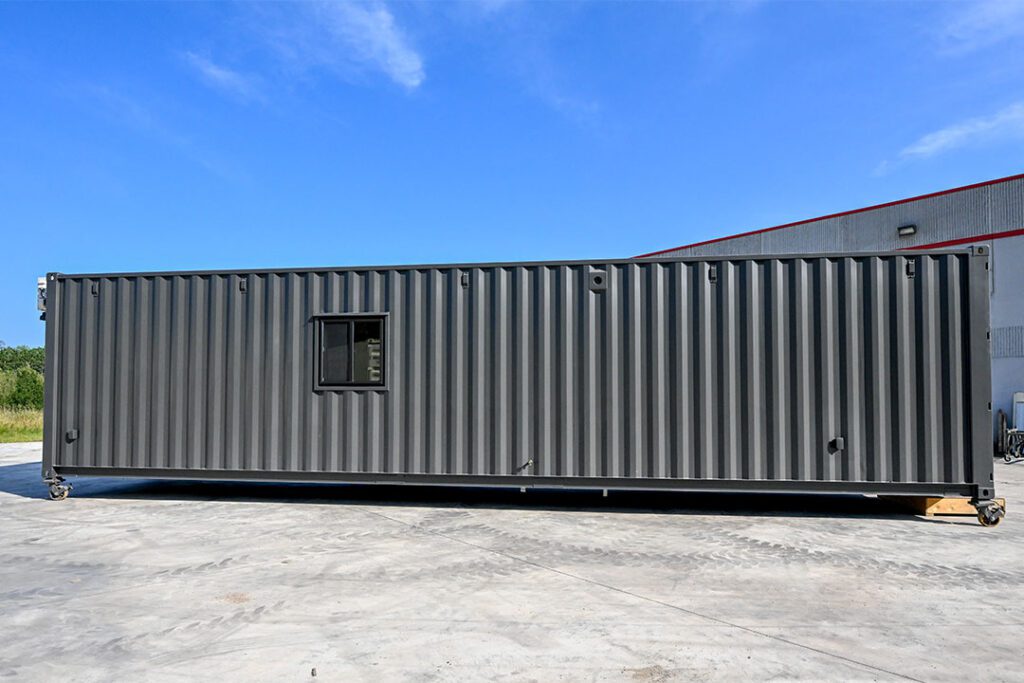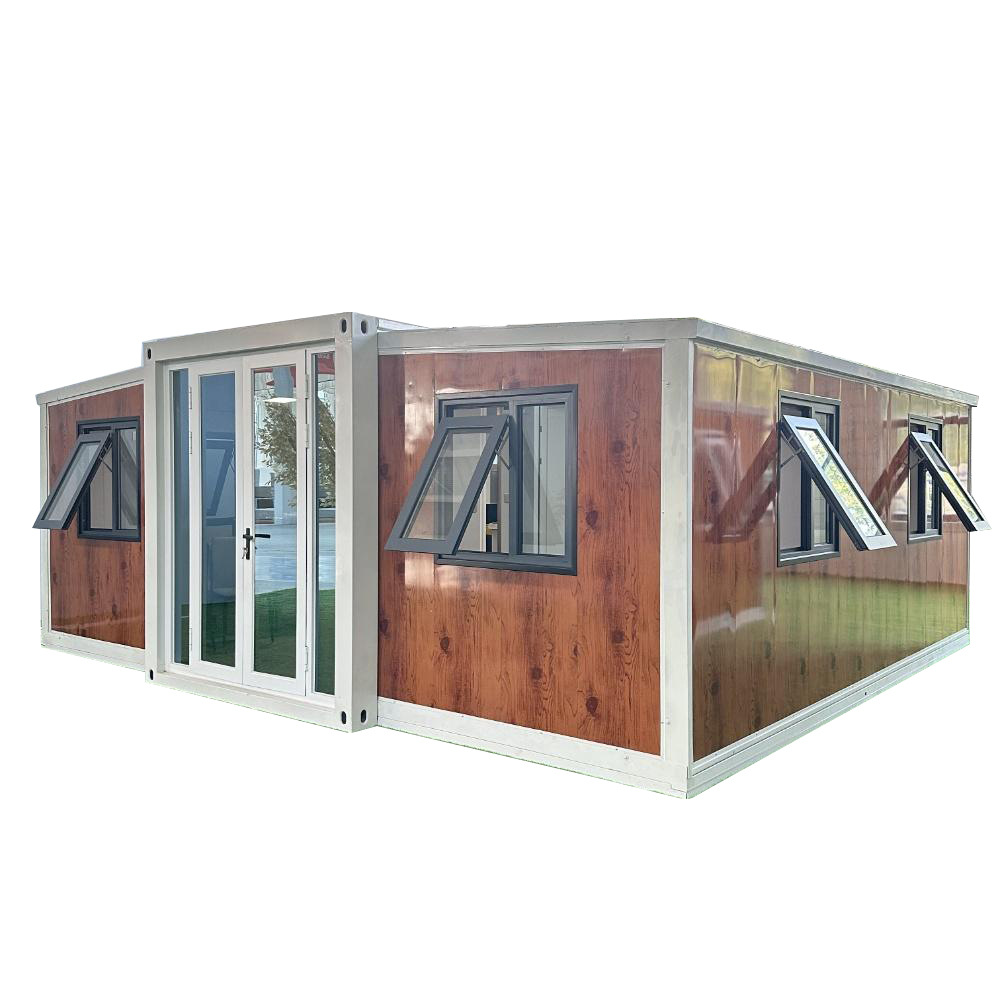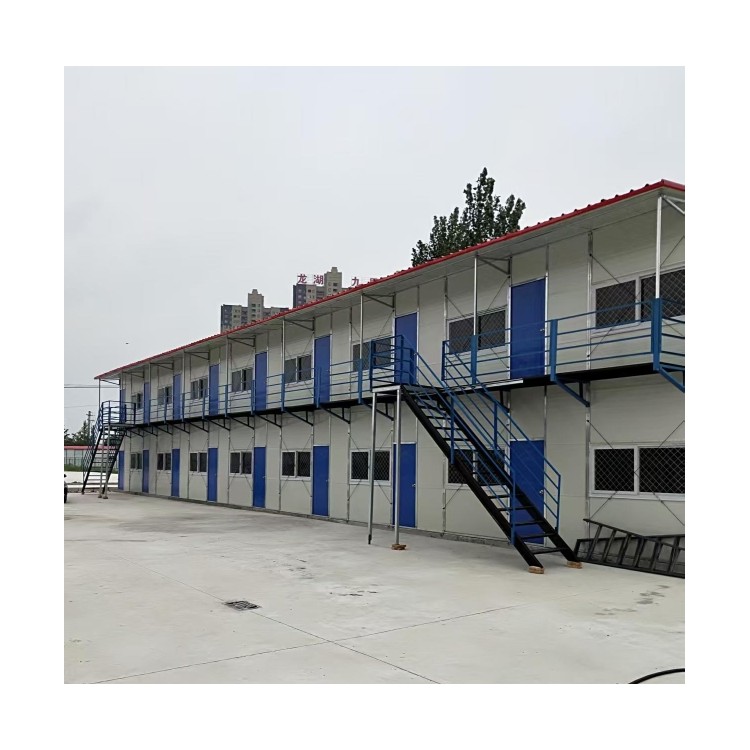

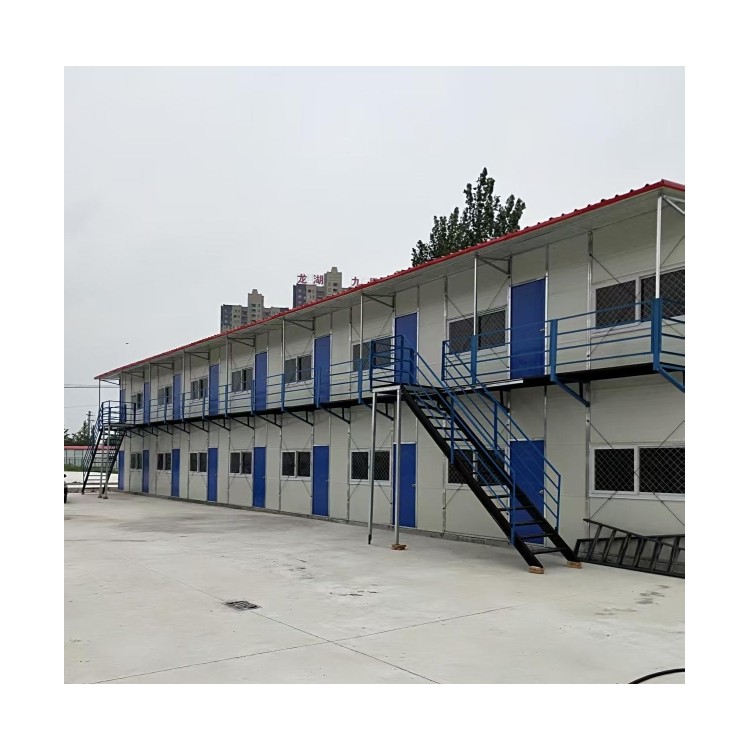
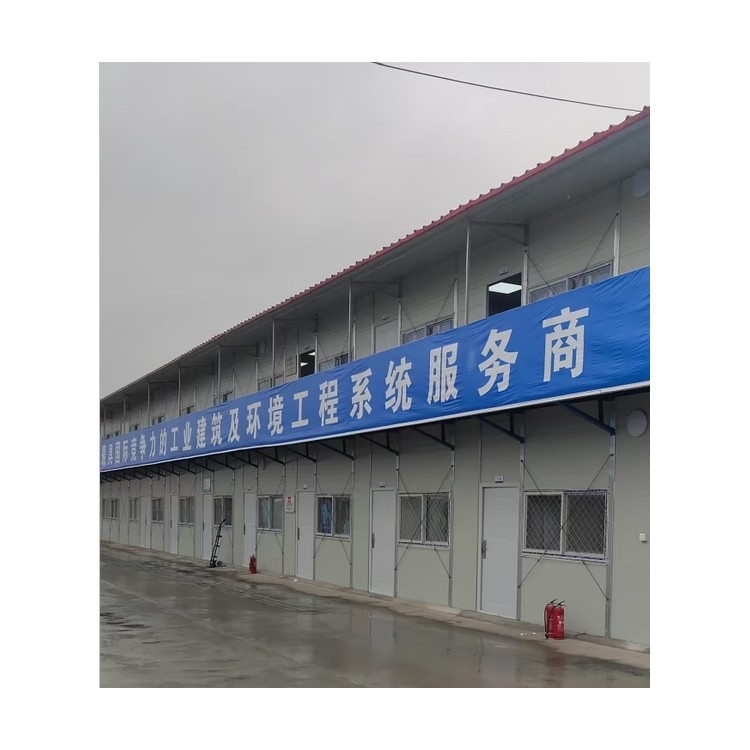
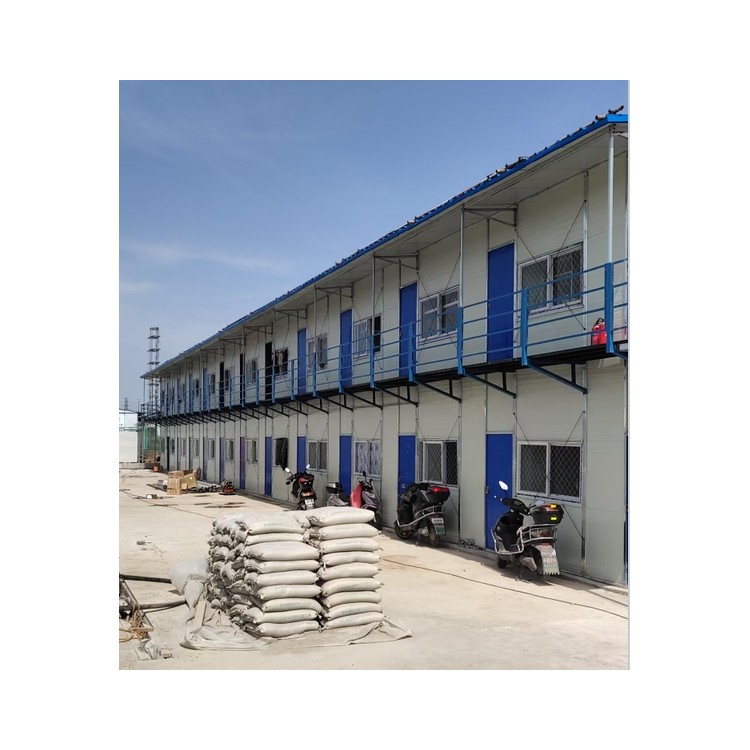


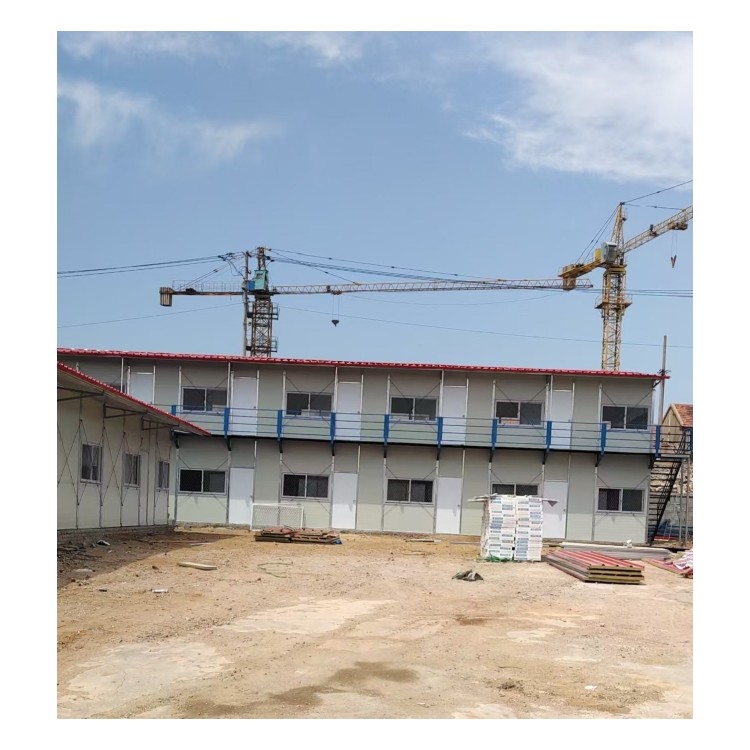
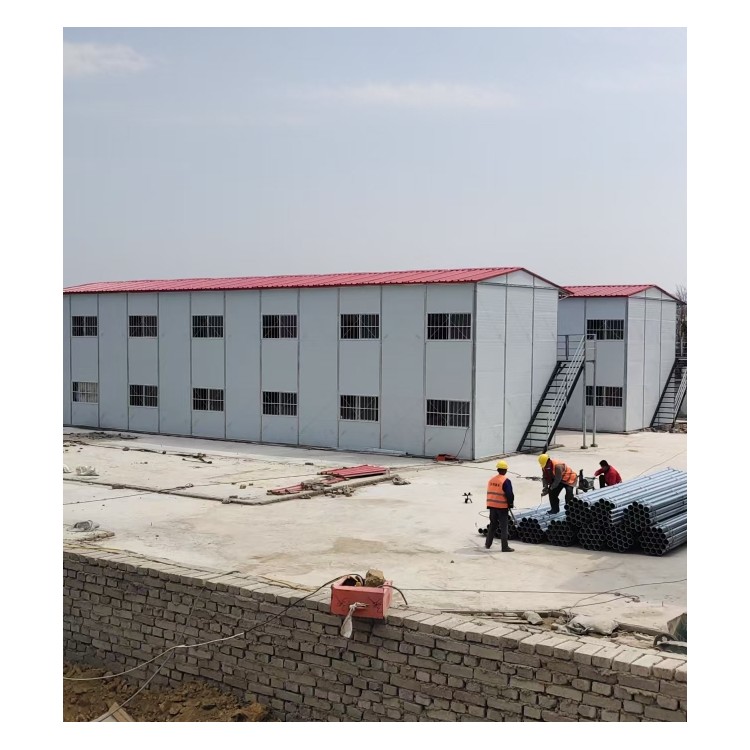
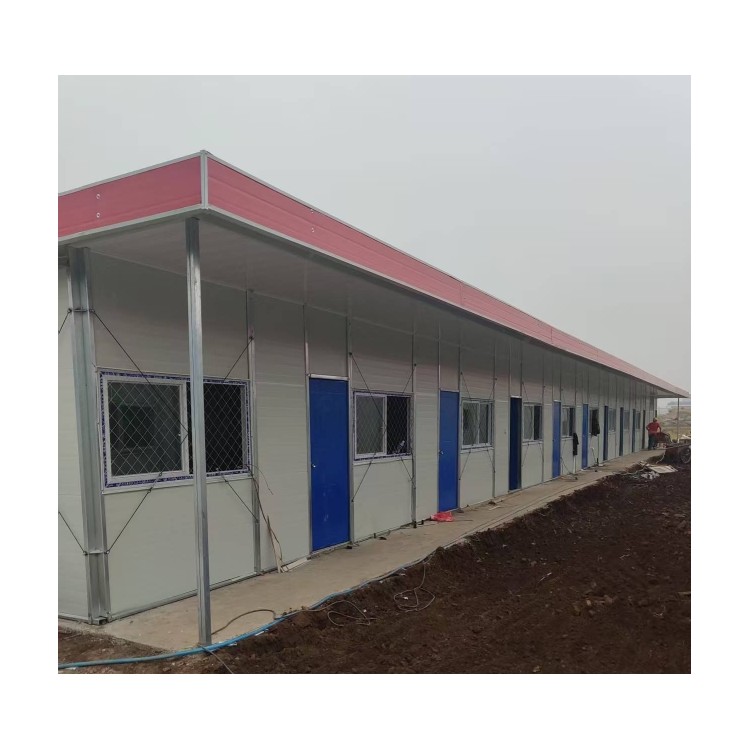
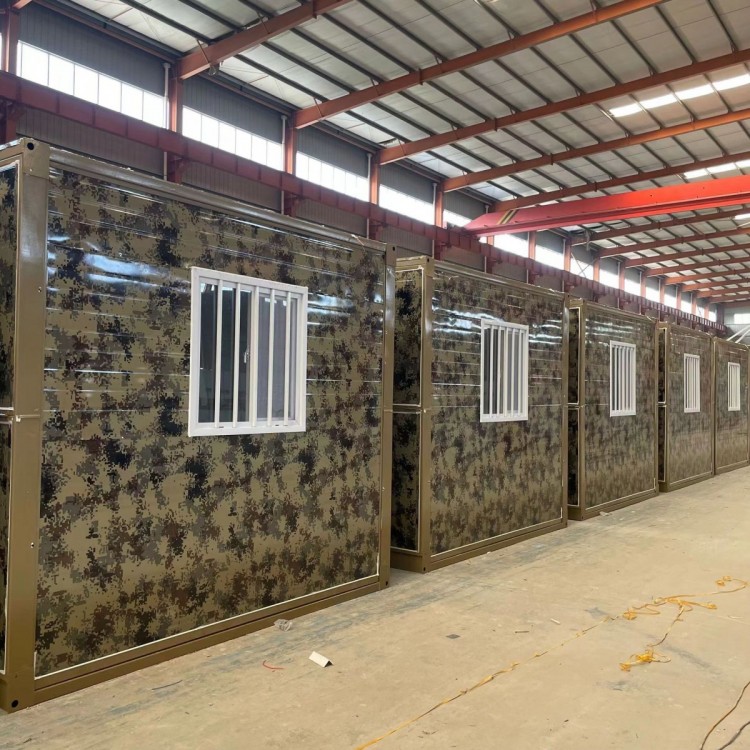





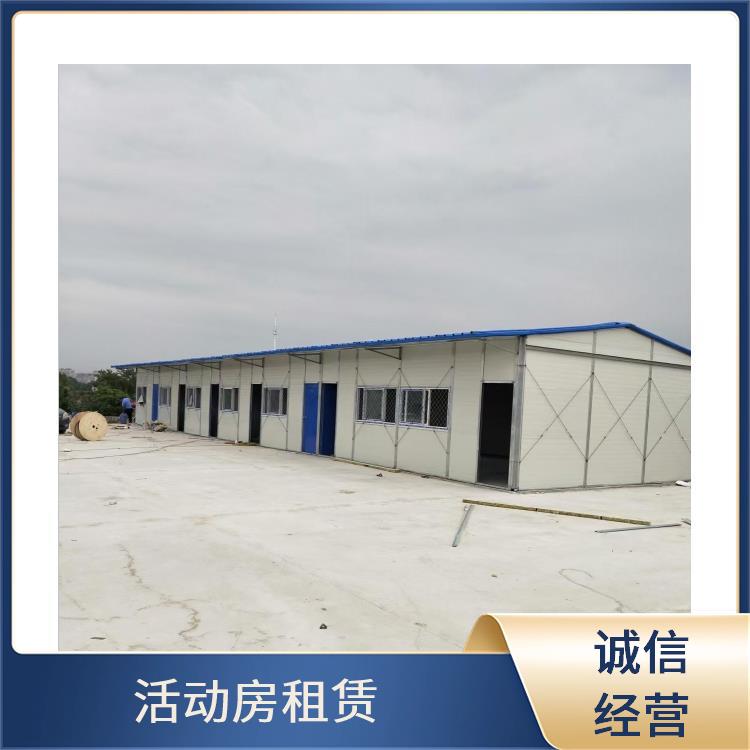
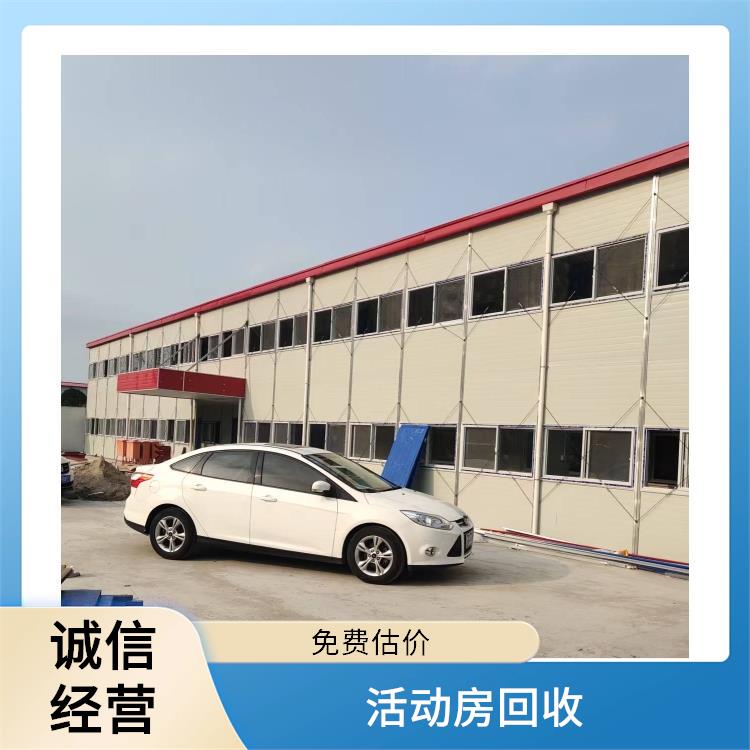
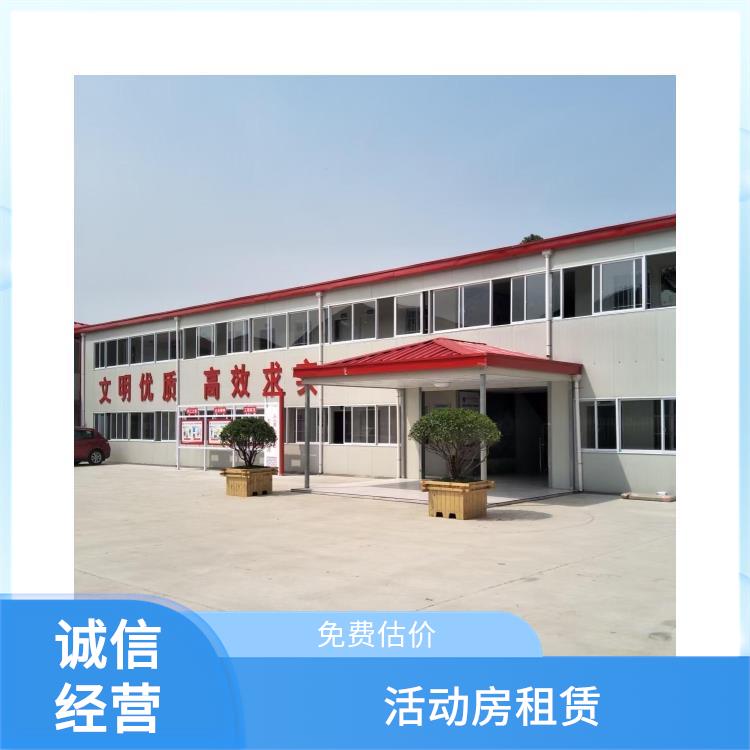
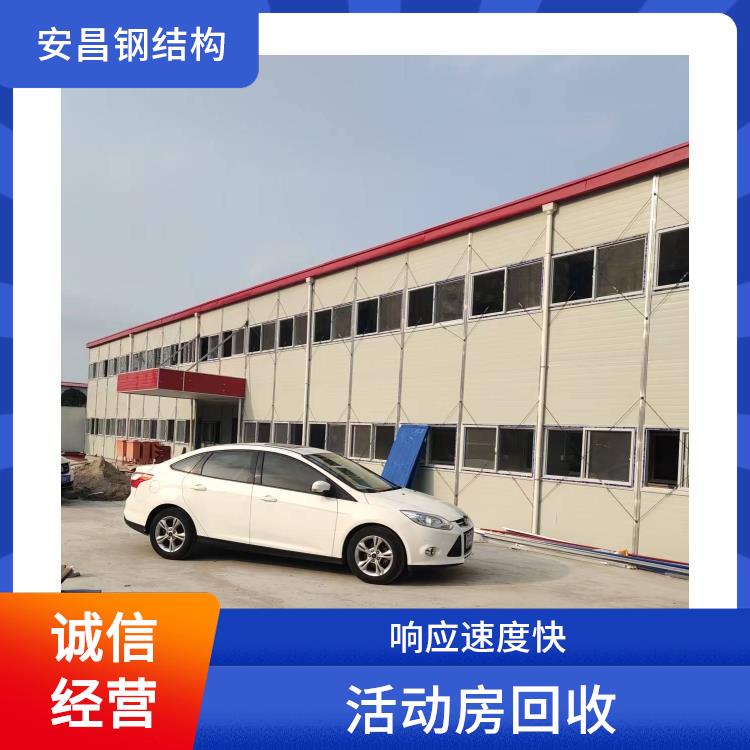
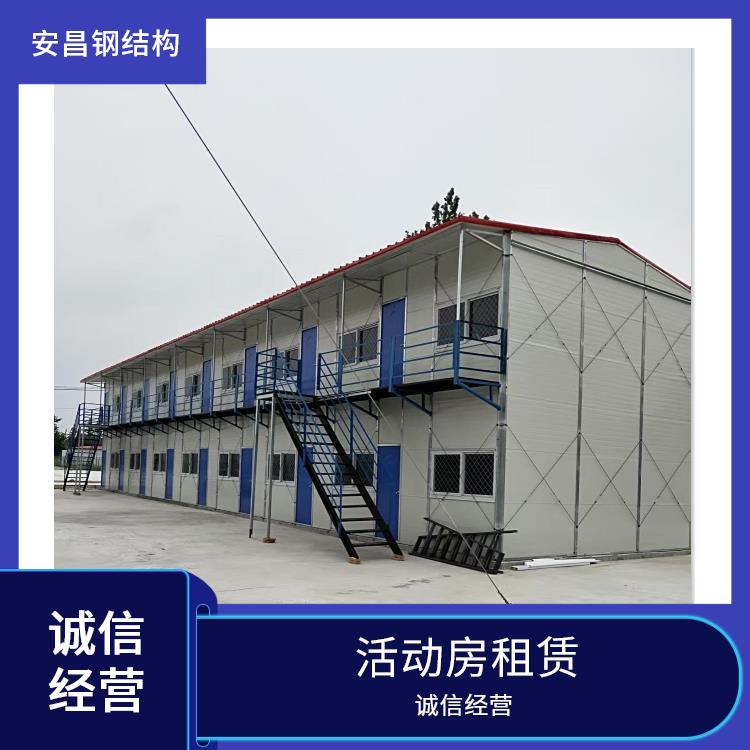
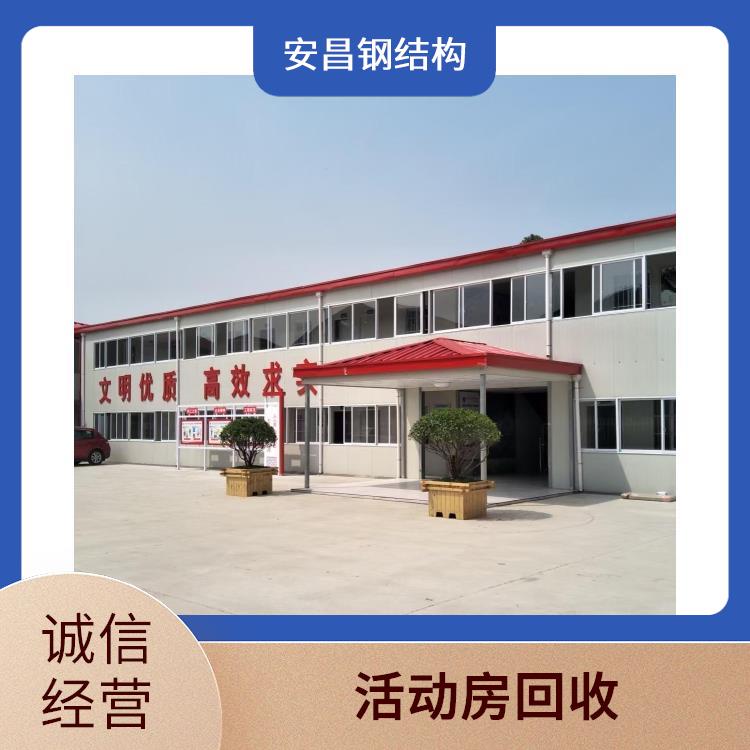
Mobile units are constructed with lightweight steel frames as the skeleton and insulated sandwich panels for the walls and roof, allowing for easy modular construction and assembly/dismantling with bolts. The main materials of container mobile units are the channel steel for the framework and the sandwich panels for the walls and ceilings, with the quality of these materials directly affecting the quality of the container mobile units. The differences in channel steel mainly manifest in variations in thickness. Although the surface differences between residential containers may not be significant, the thickness of the channel steel varies, resulting in different load-bearing capacities. Some residential containers can stack up to three layers, capable of withstanding greater pressure, while others can only stack two layers and cannot bear the pressure from stacking three layers. Insufficient channel steel thickness can easily bend under pressure, causing deformation in the residential containers and affecting their service life. Such container mobile units may not show any changes in the short term, but over time, they are prone to deformation and collapse, potentially endangering the safety of the people inside. Therefore, there are certain specifications for the selection of channel steel in residential containers, and it is not advisable to use sub-standard channel steel materials to save costs, as this can easily lead to problems.
WeChat Official Account

Scan to follow Official Account