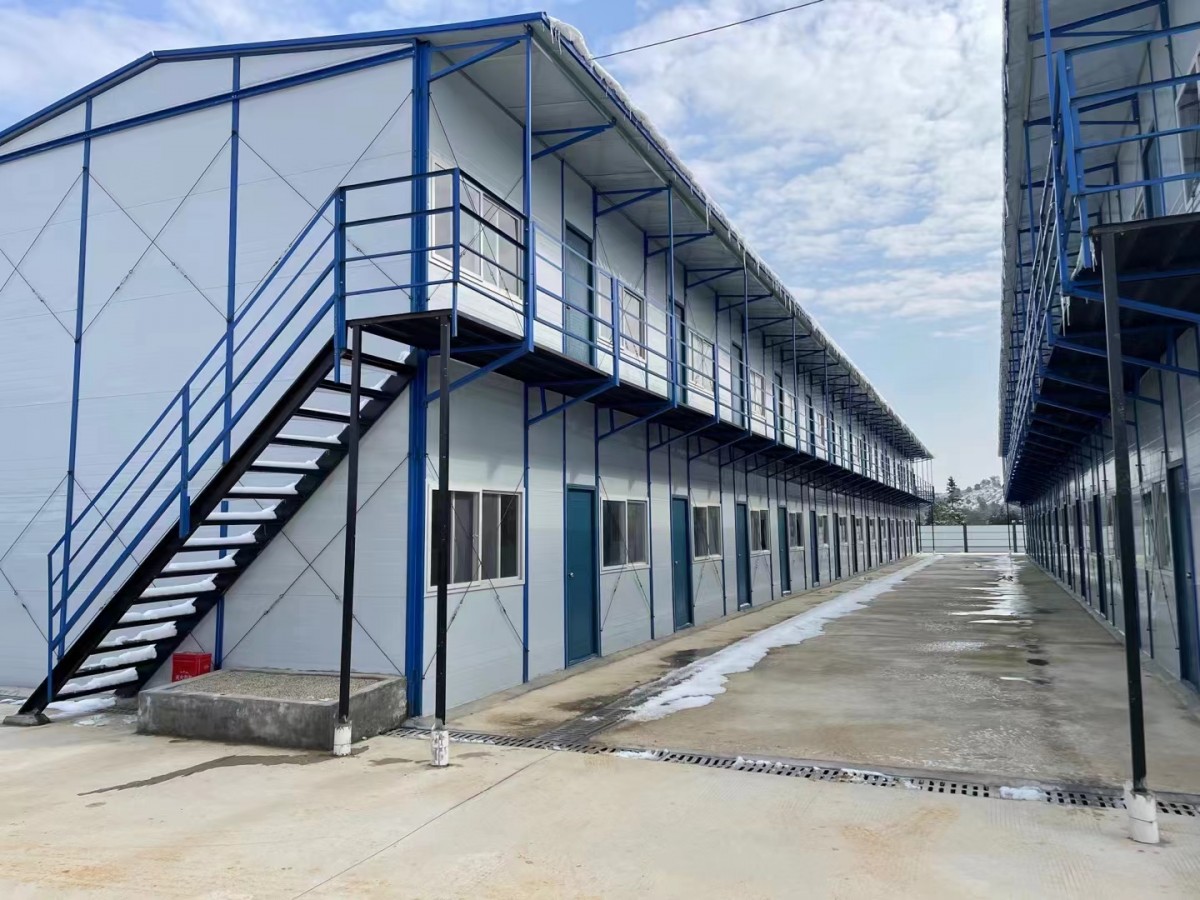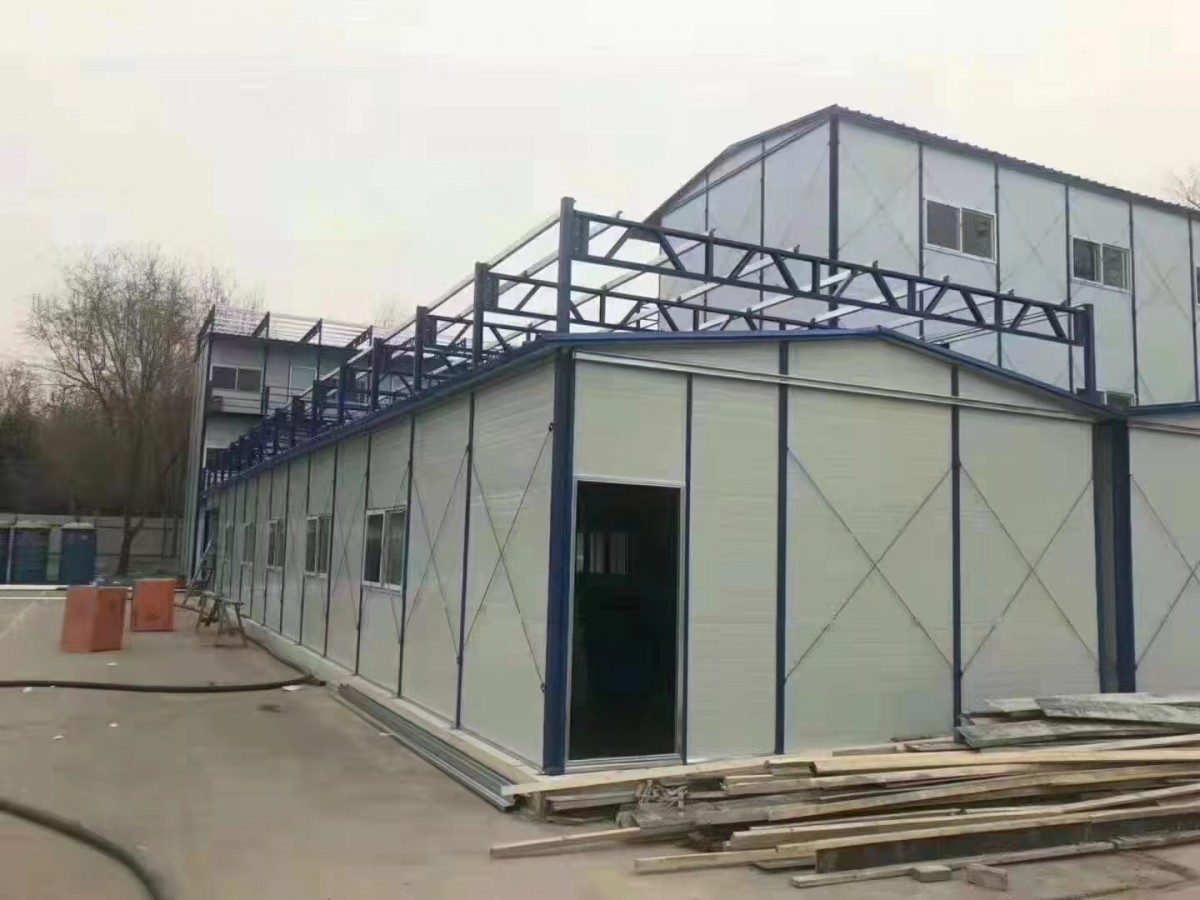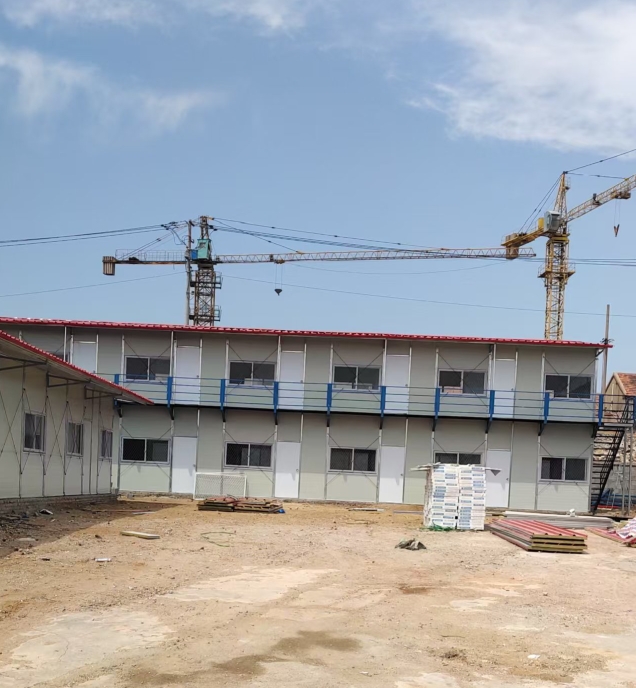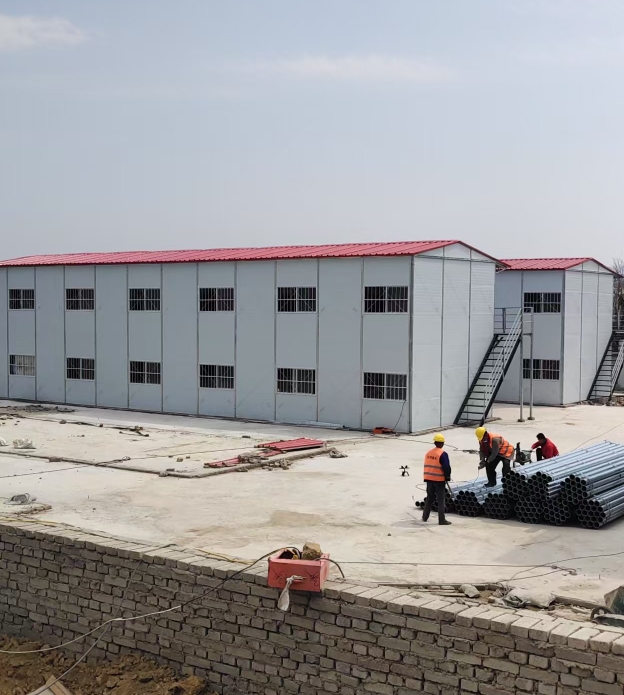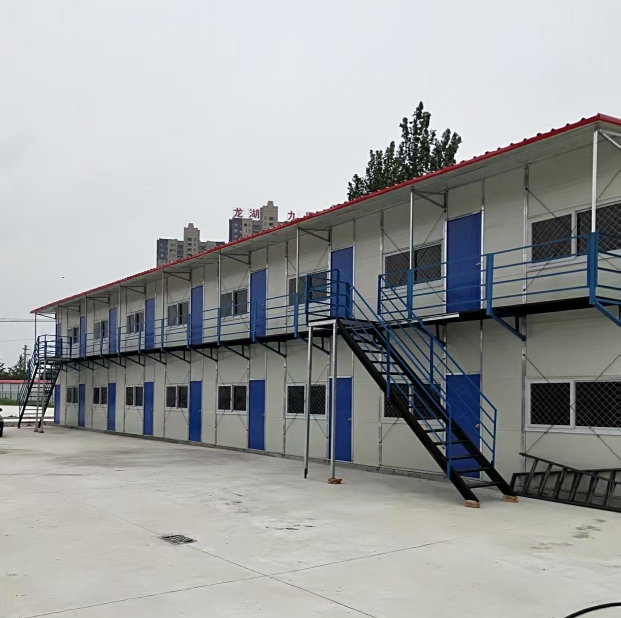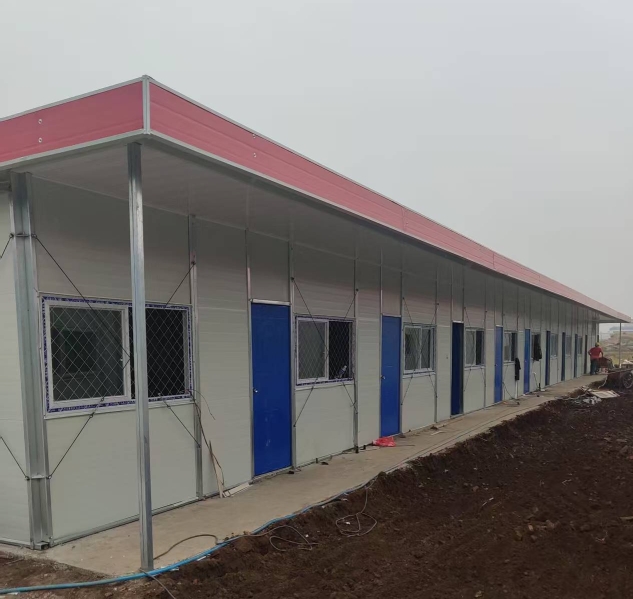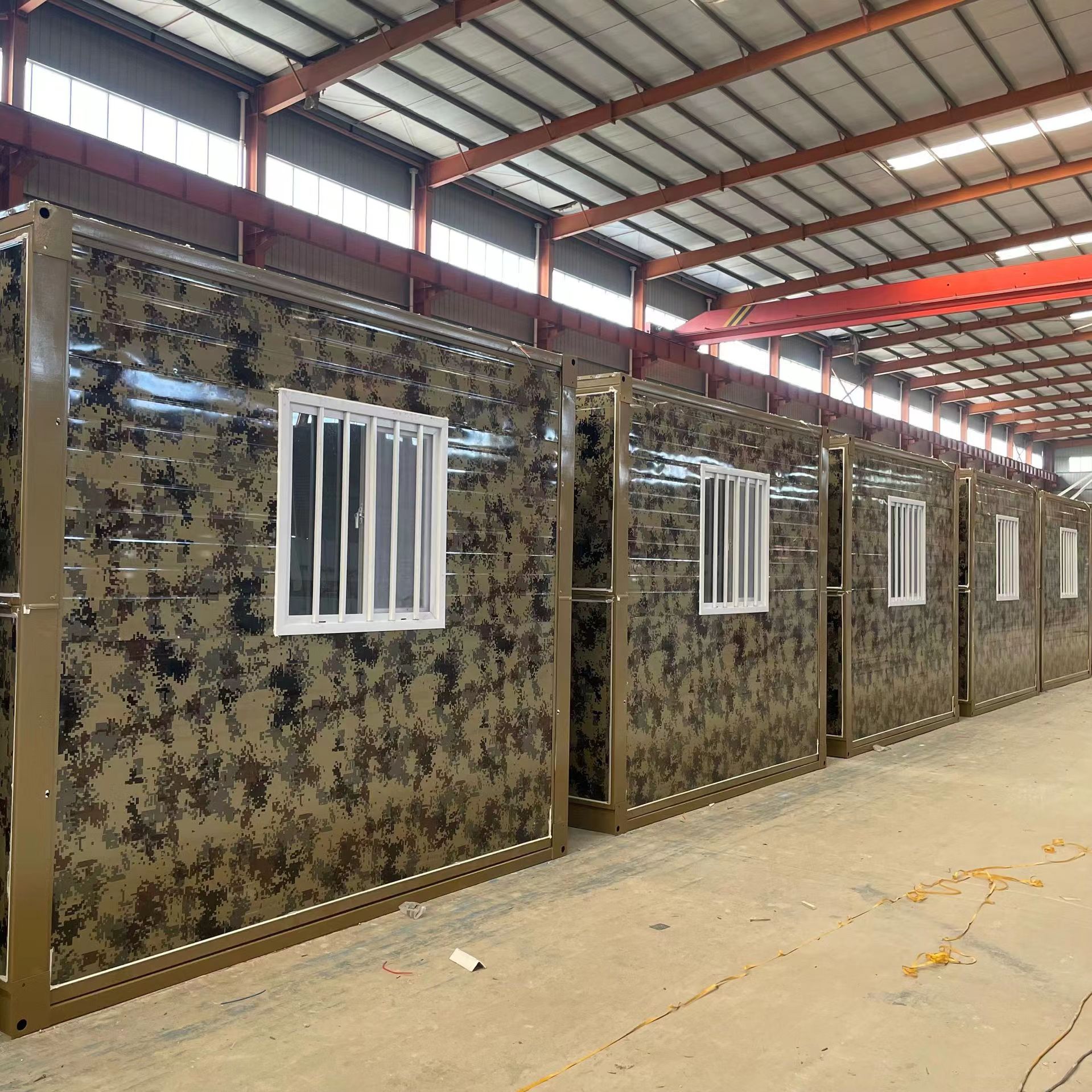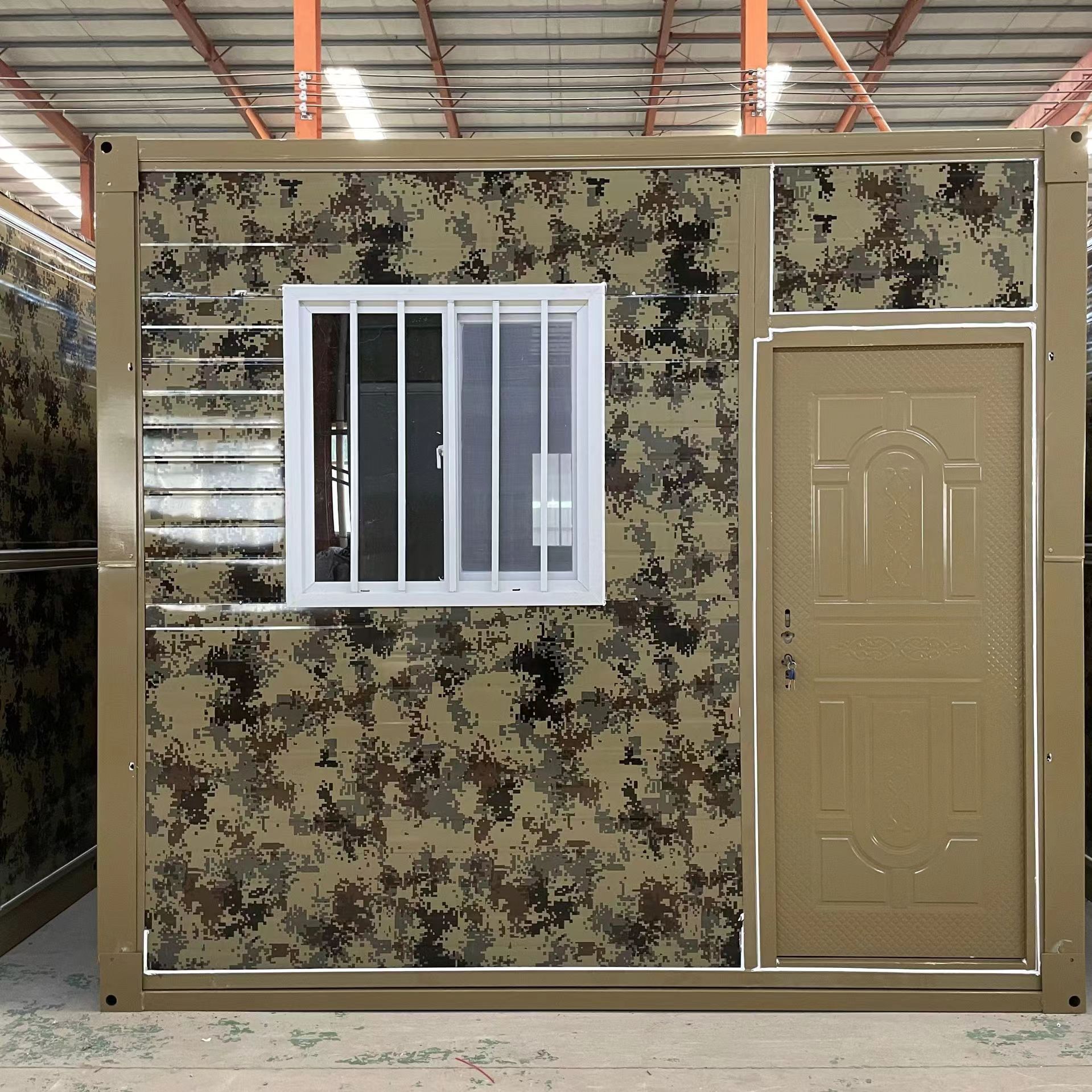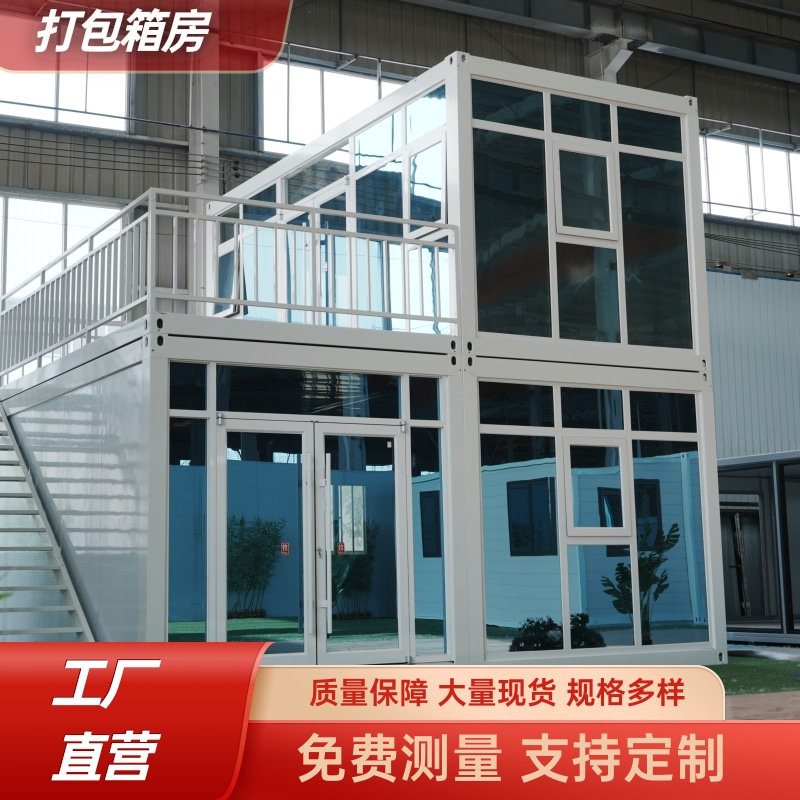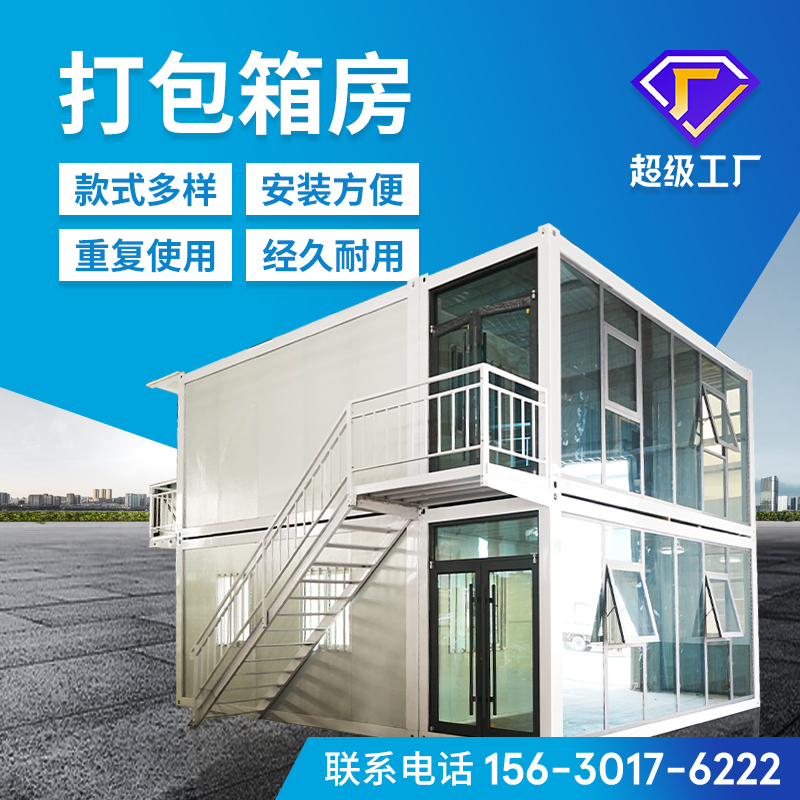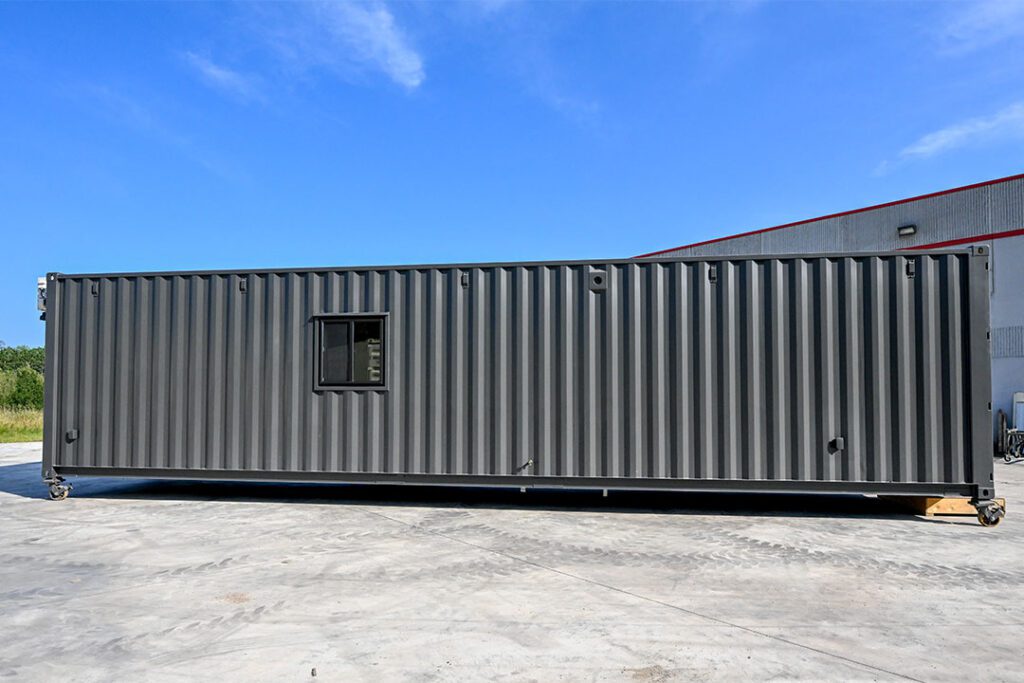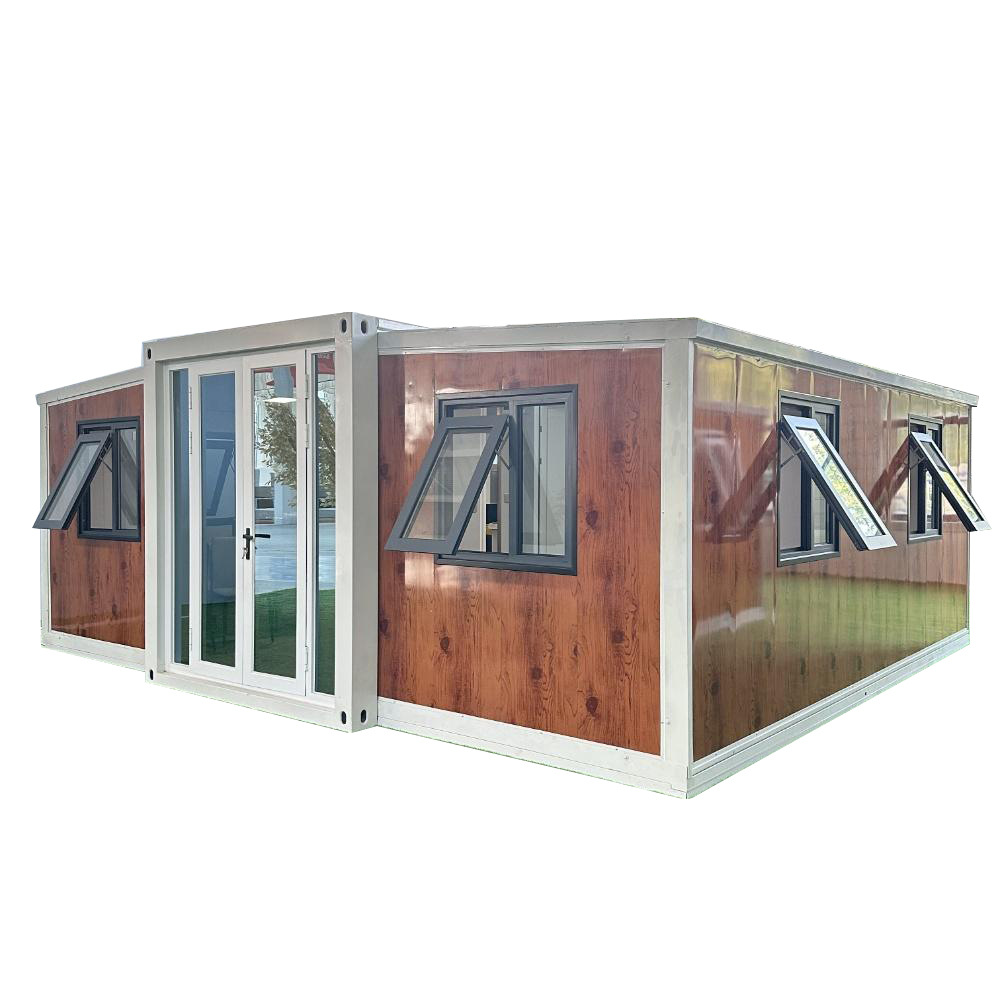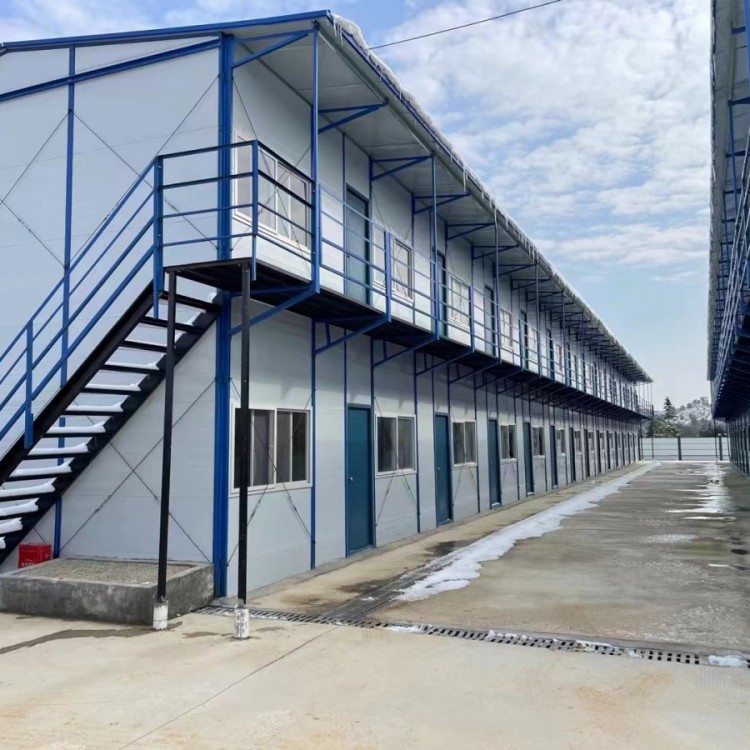

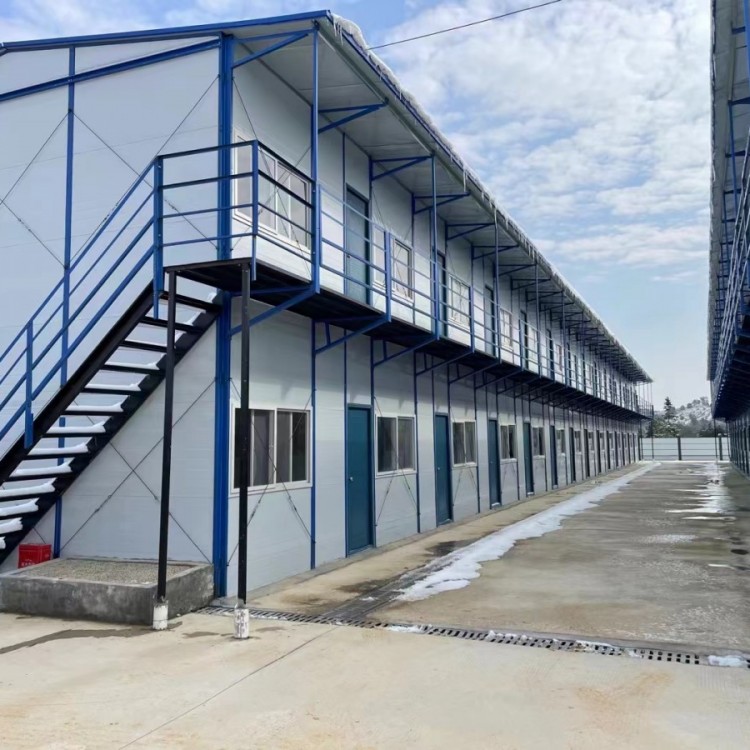
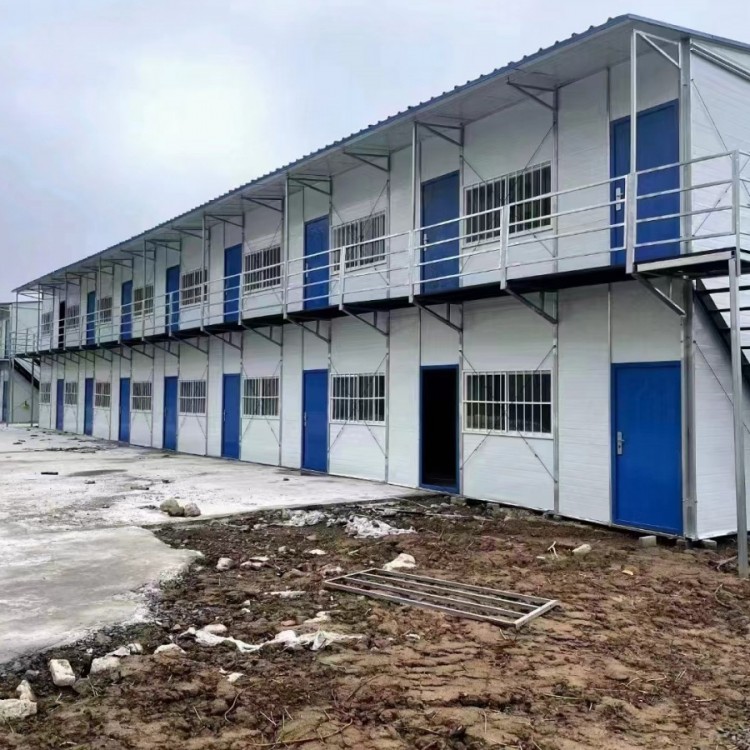
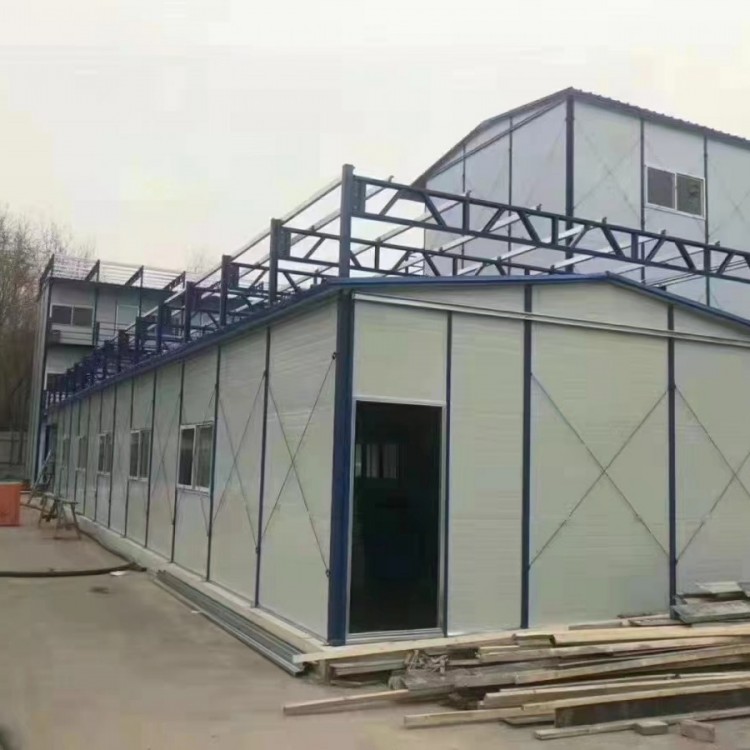


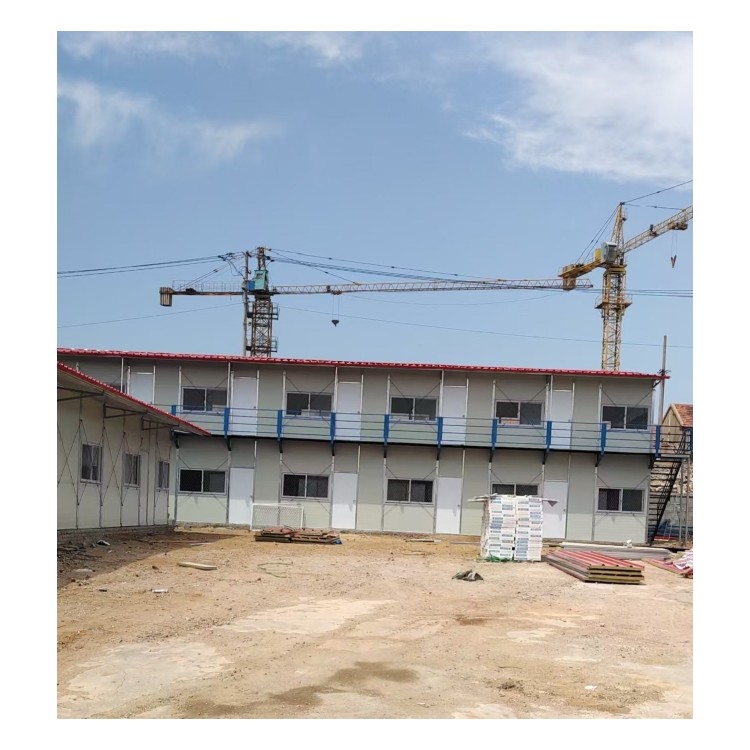
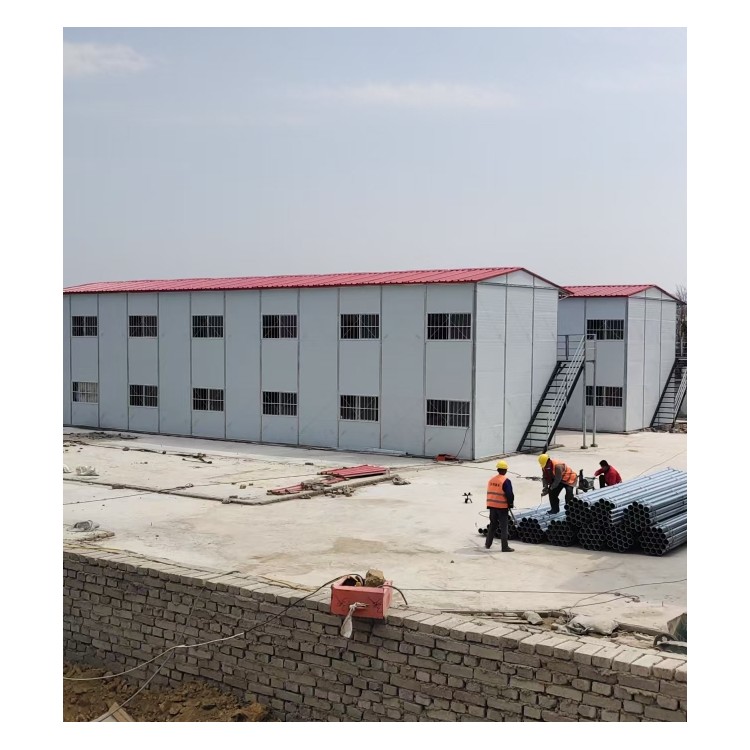
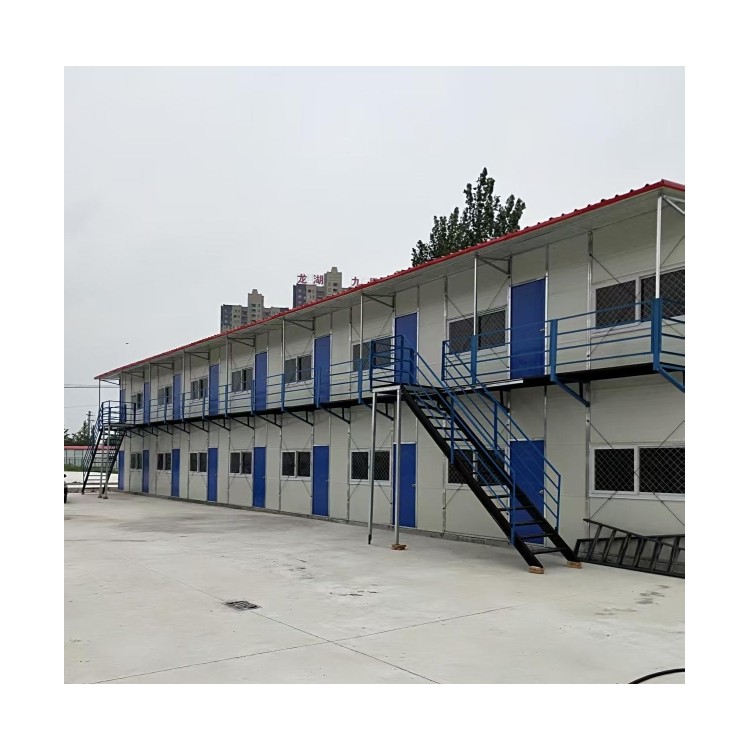
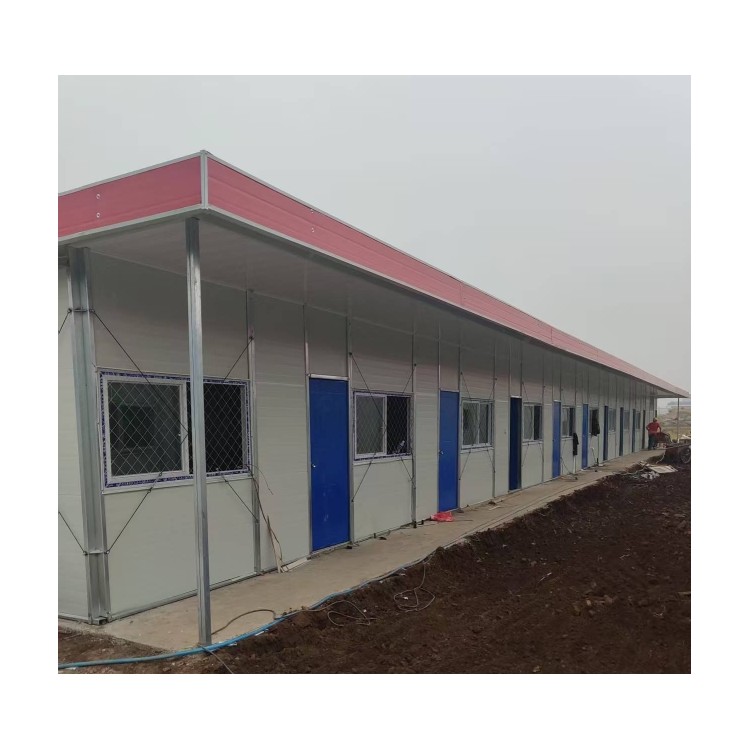
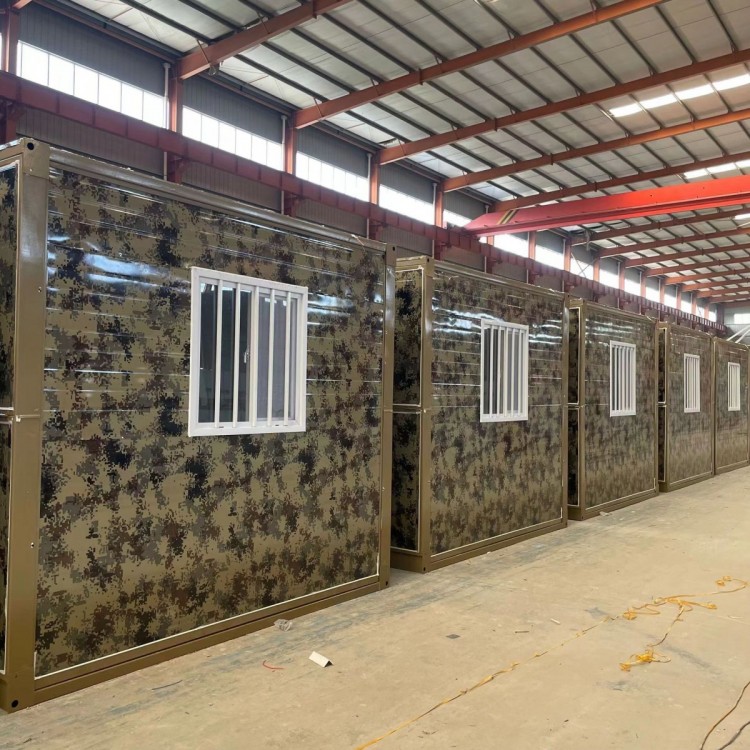





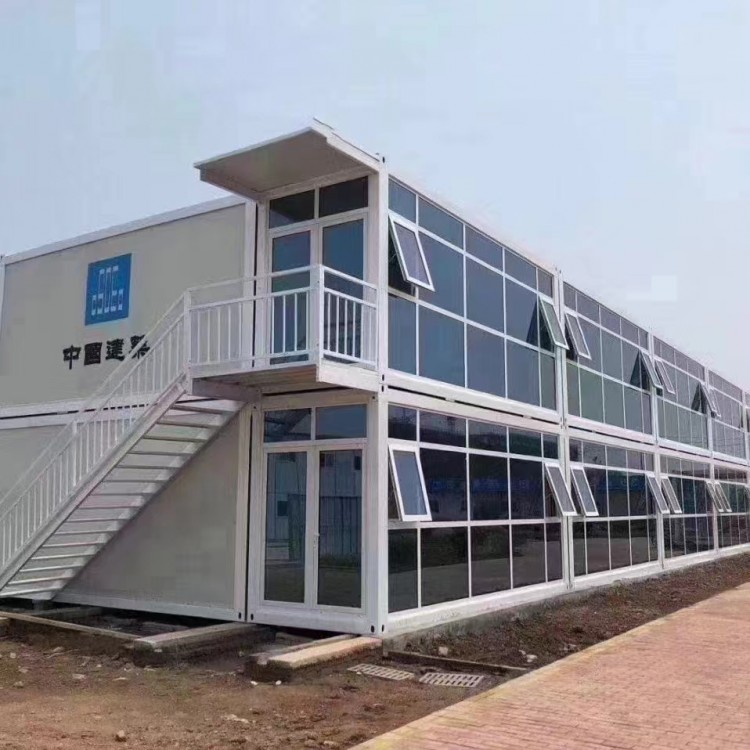
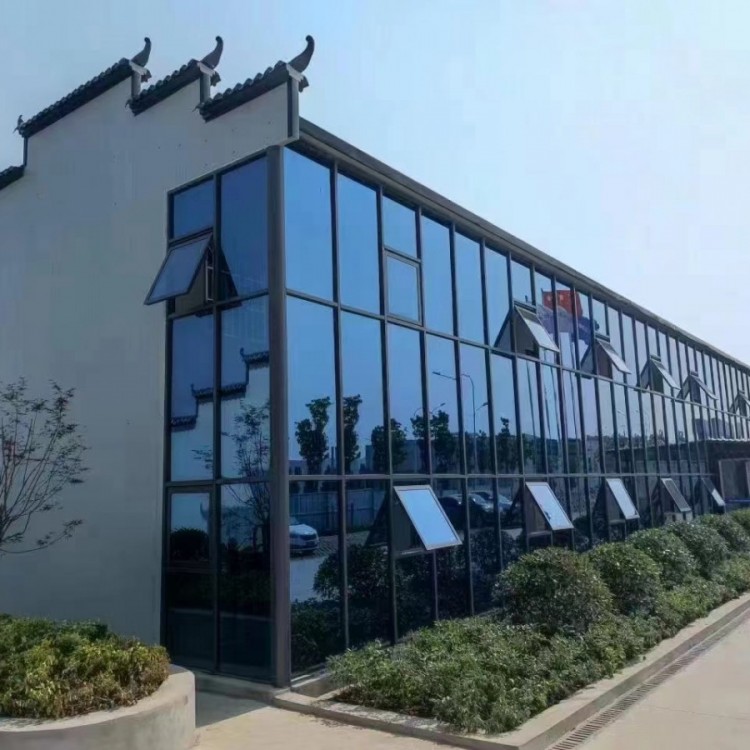
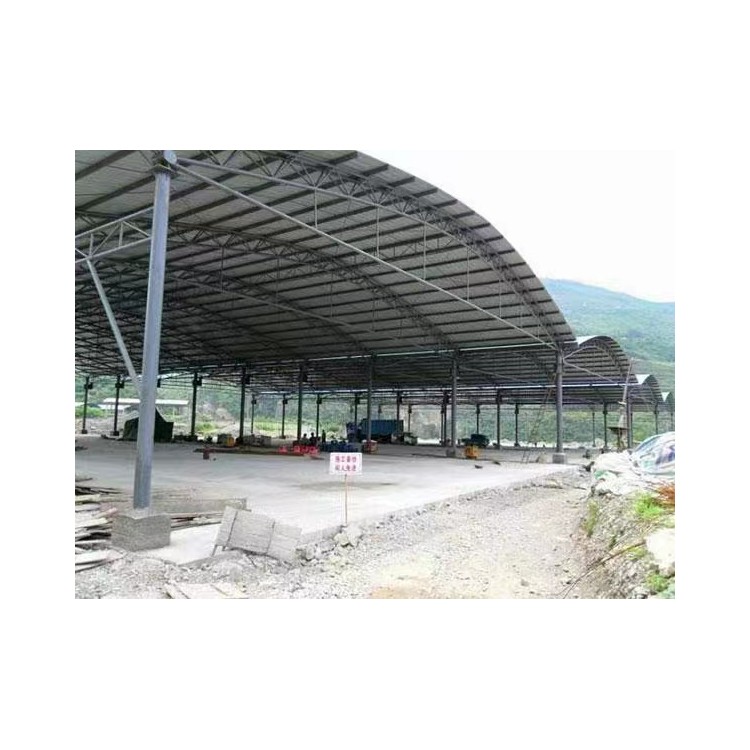
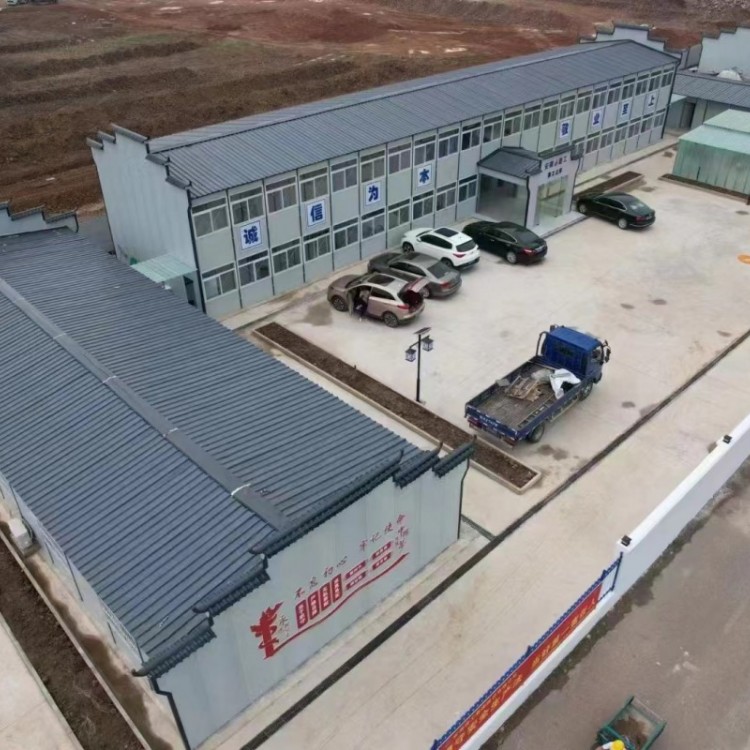
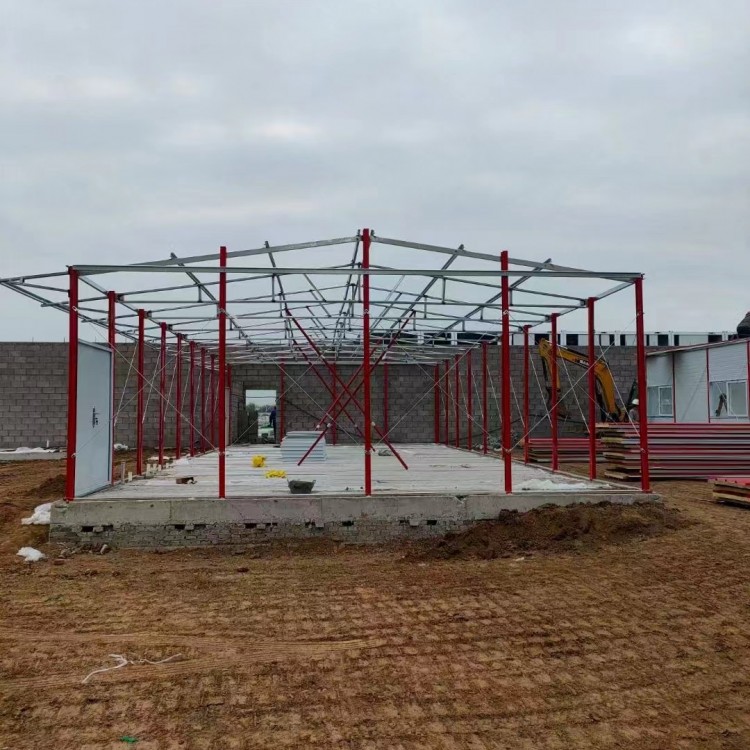
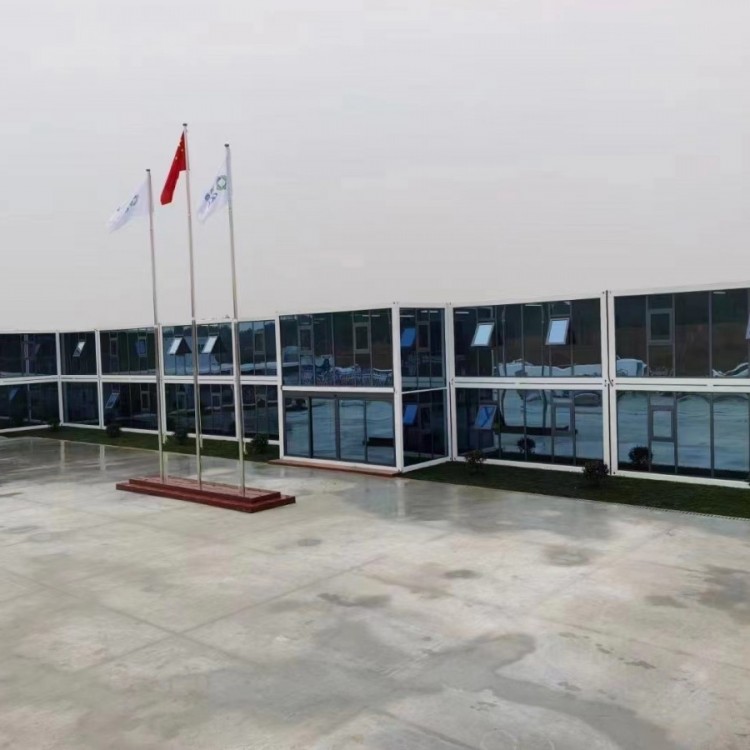
The advantages and disadvantages of portable cabins are as follows:
Advantages:
Easy installationModular prefabricated houses utilize standardized design with components connected by bolts, making the installation process simple and quick. No complex construction techniques or equipment are required, significantly shortening the construction timeline.
Flexible disassemblyModular in design, portable buildings are easy to disassemble, allowing for flexible dismantling and reassembly as needed, making them convenient for relocation and reuse.
Lower costMobile accommodation materials have a relatively low cost, and the construction period is short, which reduces labor and time investment. Therefore, the overall cost is low, making it suitable for various occasions with limited budgets.
AdaptableModular buildings offer strong adaptability, allowing for customization to meet various usage requirements in different scenarios. Additionally, they are capable of withstanding certain natural disasters such as typhoons and earthquakes.
Environmental Protection and Energy SavingThe prefabricated houses are made of environmentally friendly materials, such as sandwich panels, which offer excellent thermal insulation properties, contributing to energy conservation and emission reduction.
Drawbacks:
Poor soundproofing effectDue to the thin walls of the portable cabins and the limited soundproofing properties of the materials, the soundproofing effect is relatively poor and may not be suitable for environments requiring high soundproofing standards.
Limited lifespanMobile buildings have a relatively short lifespan, typically ranging from a few years to a decade or so. Prolonged use may lead to aging and deformation, necessitating regular maintenance and replacements.
Limited wind resistanceModular buildings have relatively weak wind resistance and may pose safety risks during strong wind conditions, requiring appropriate reinforcement measures.
Aesthetic quality is average.The prefab houses have a relatively simple appearance and design, with average aesthetics, which may not meet the requirements of situations with higher demands on beauty.
In summary, modular buildings offer advantages such as easy installation, flexible dismantling, low cost, strong adaptability, and environmental friendliness. However, they also have drawbacks like poor sound insulation, limited lifespan, limited wind resistance, and average aesthetics, which should be noted. When selecting modular buildings, comprehensive consideration should be given to specific needs and scenarios.