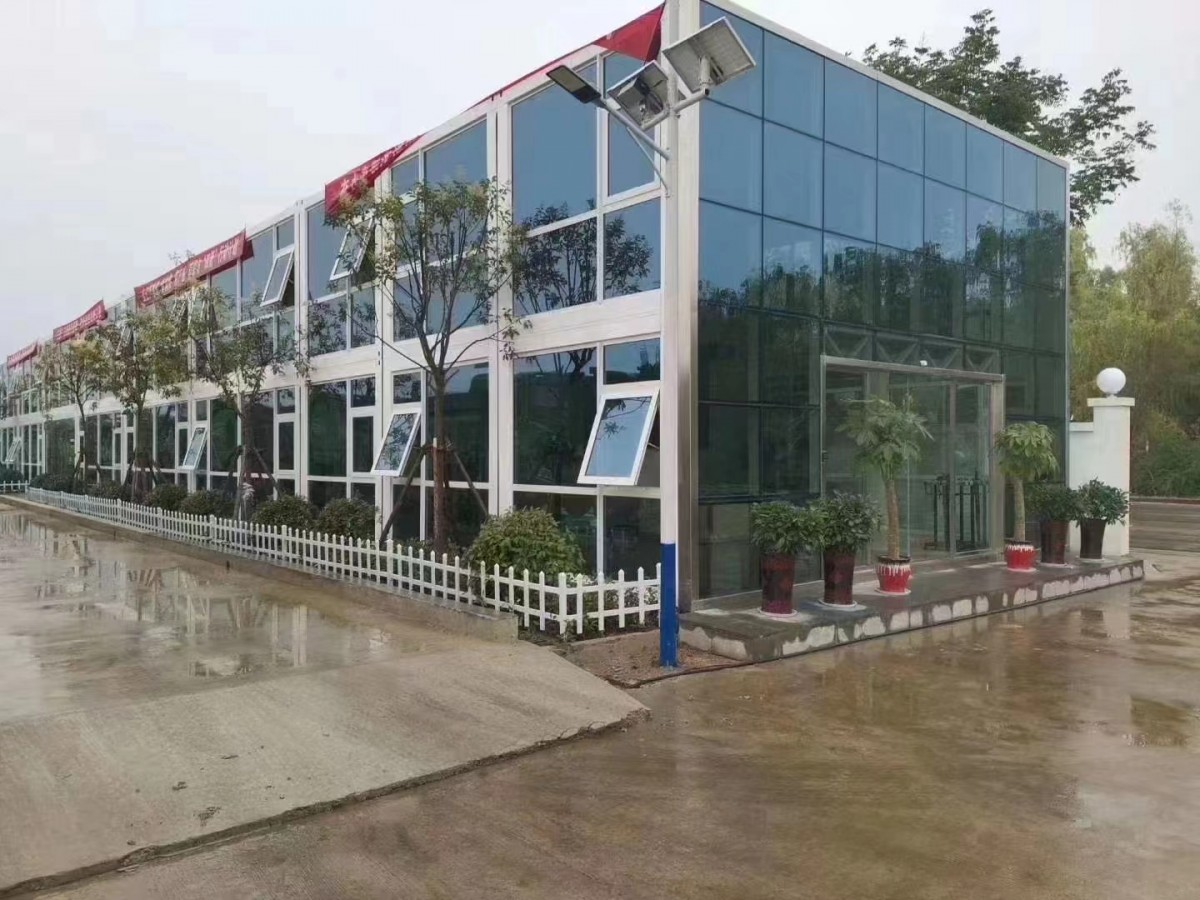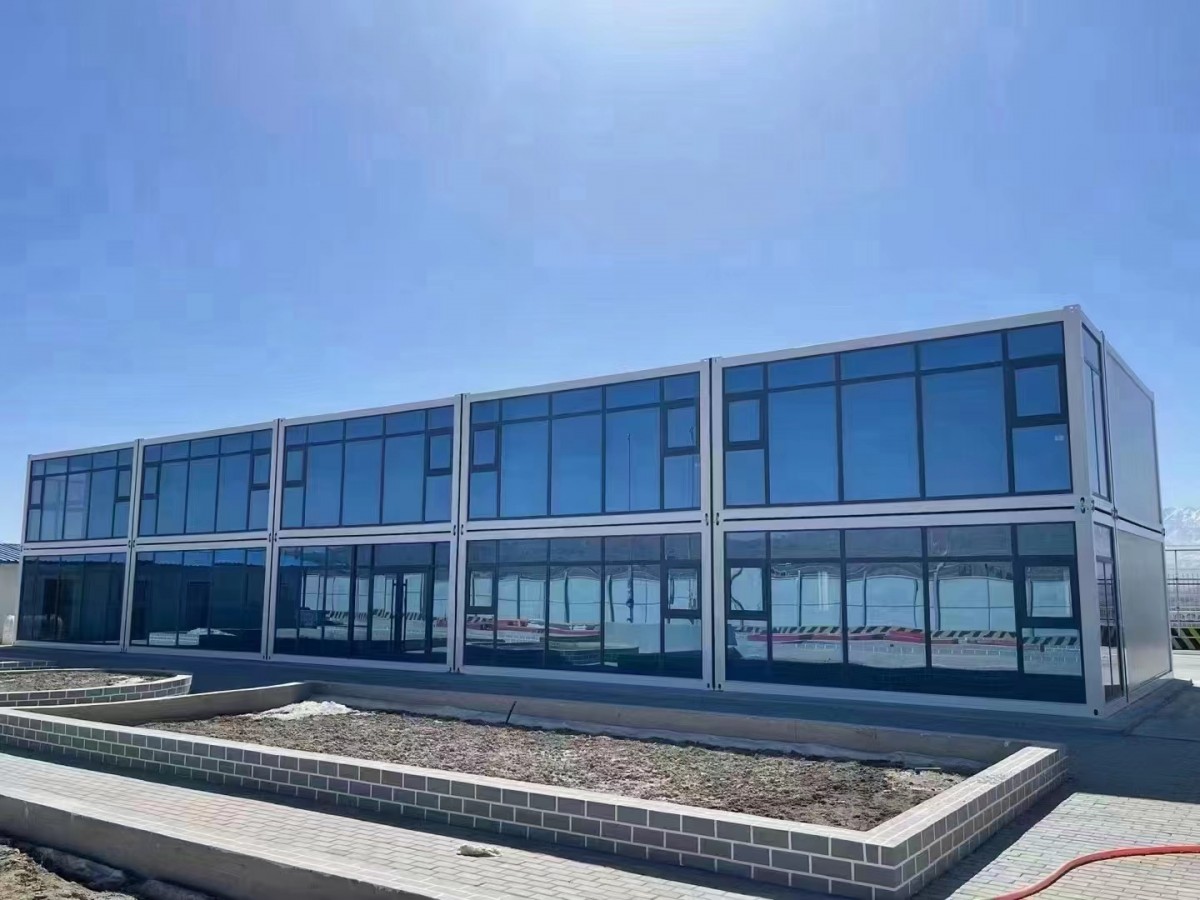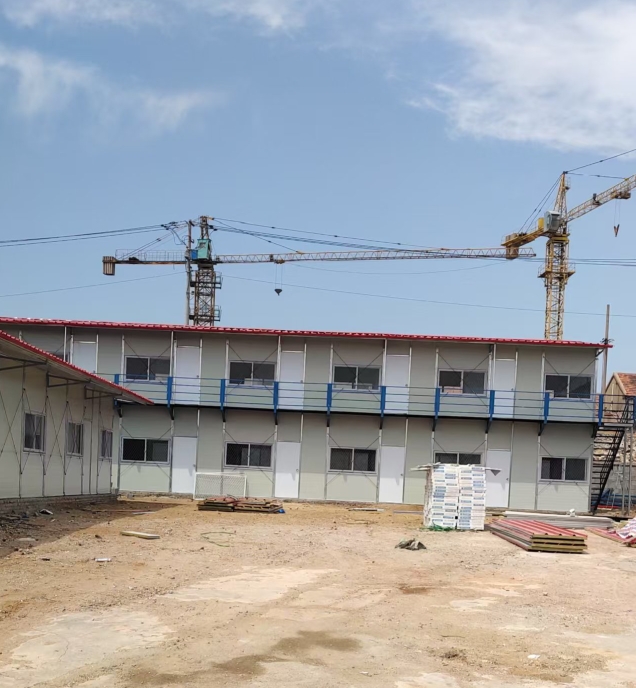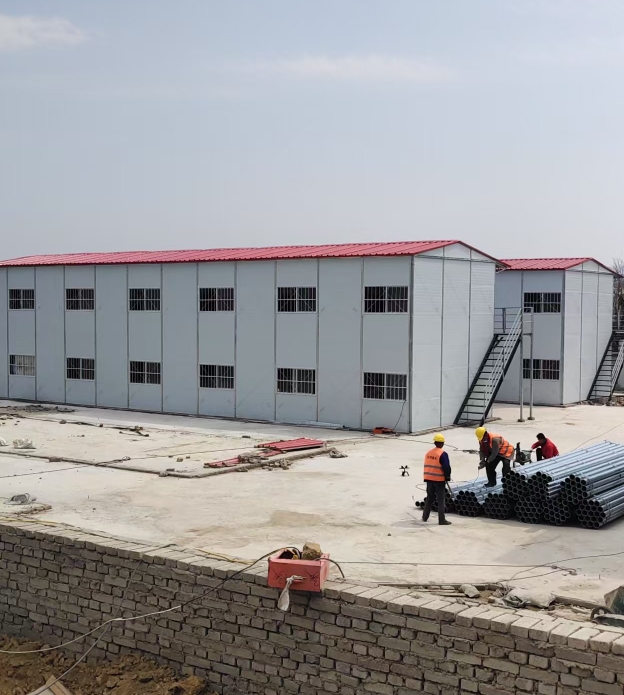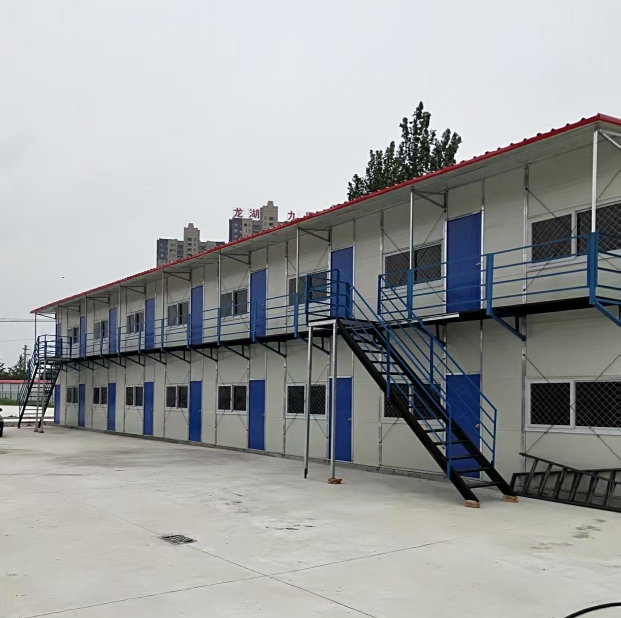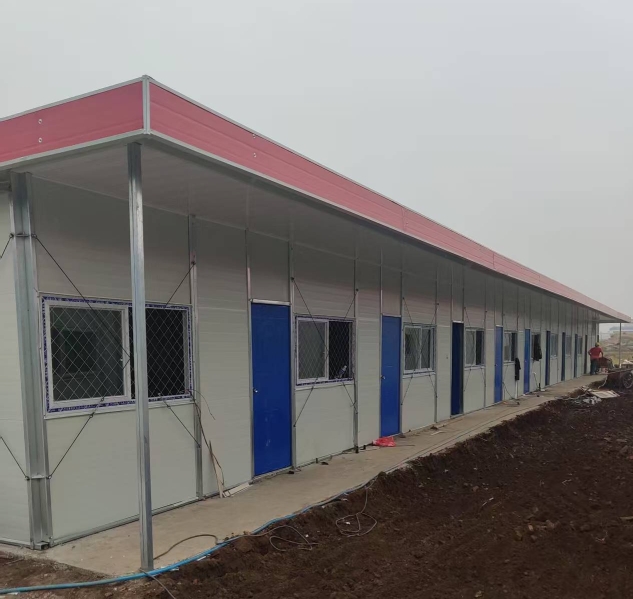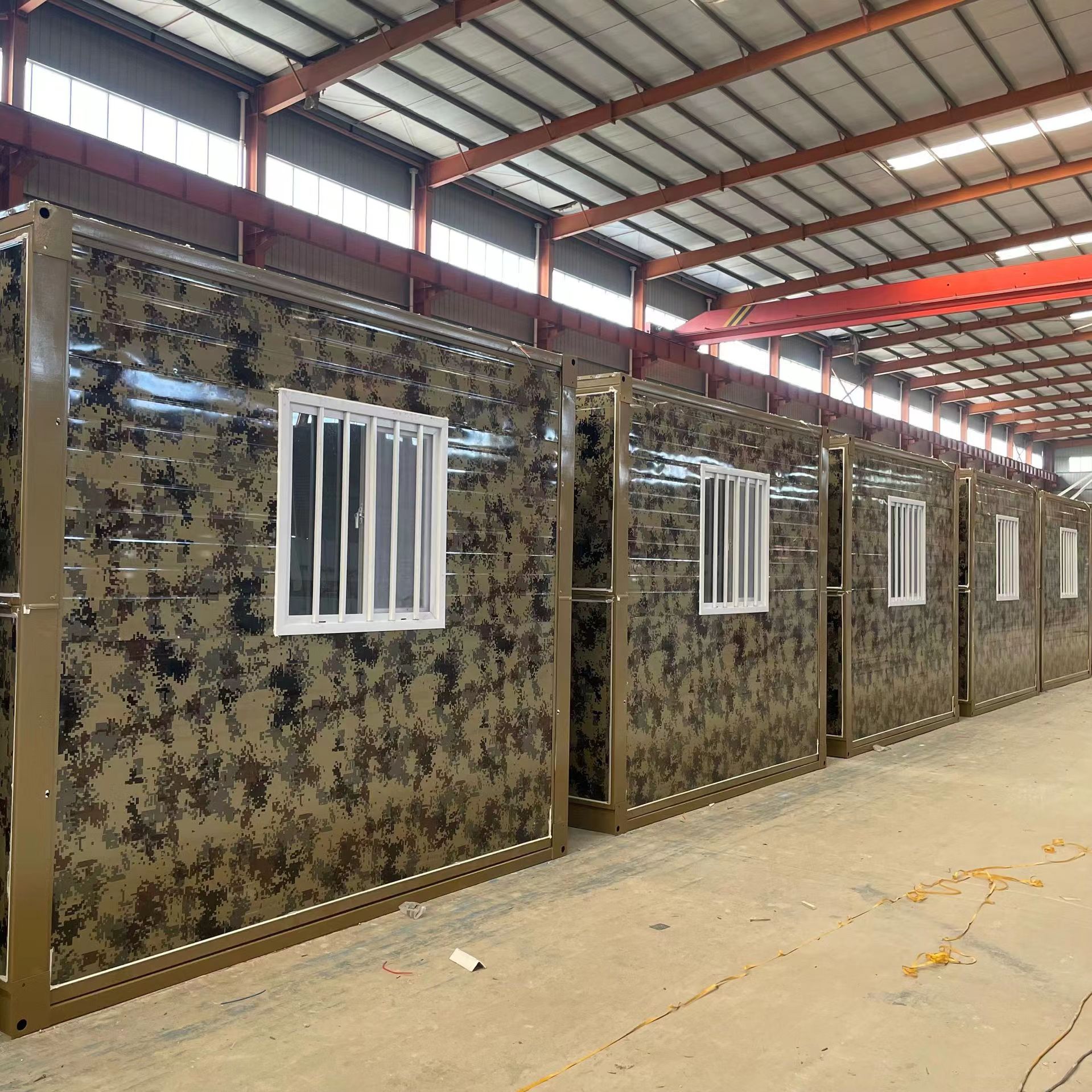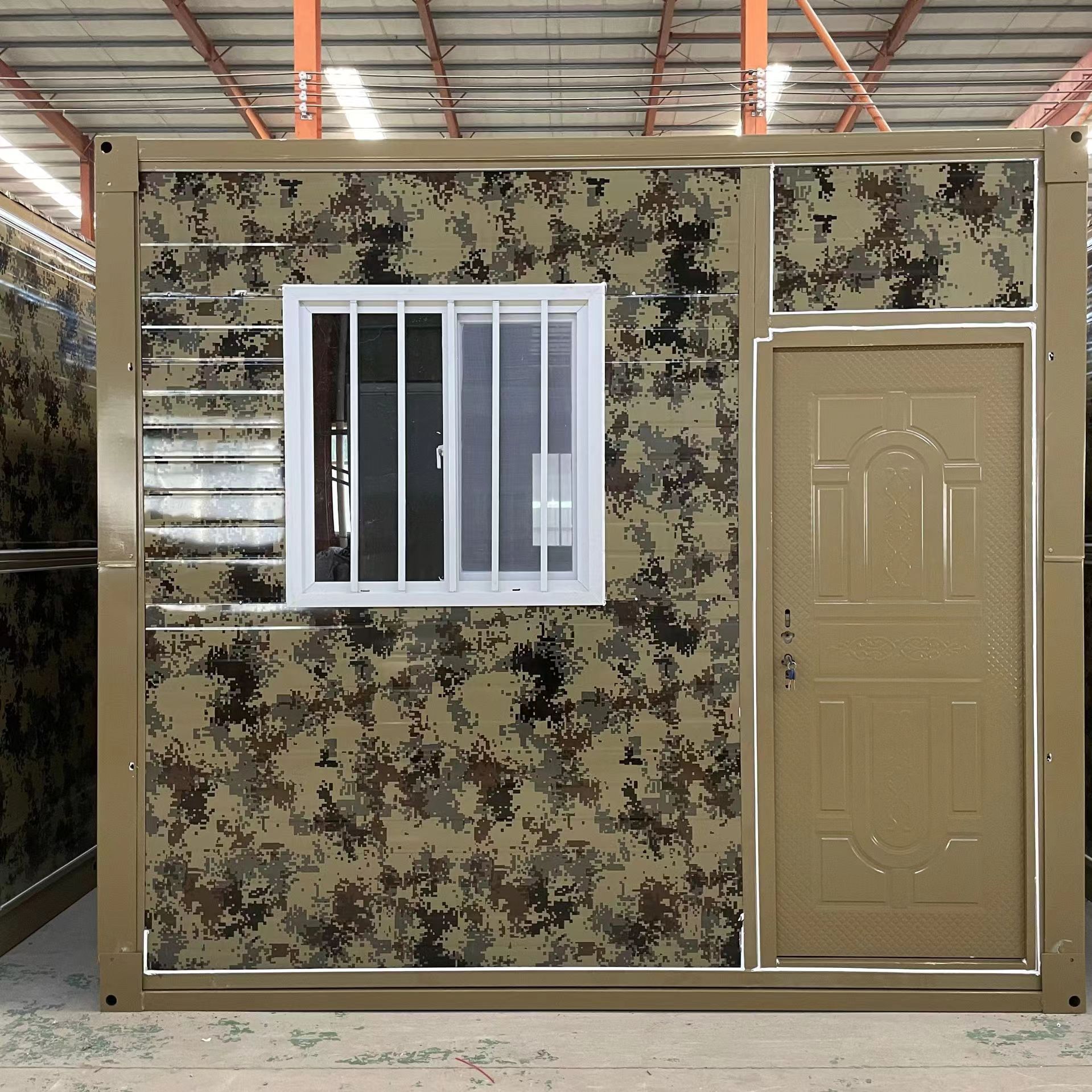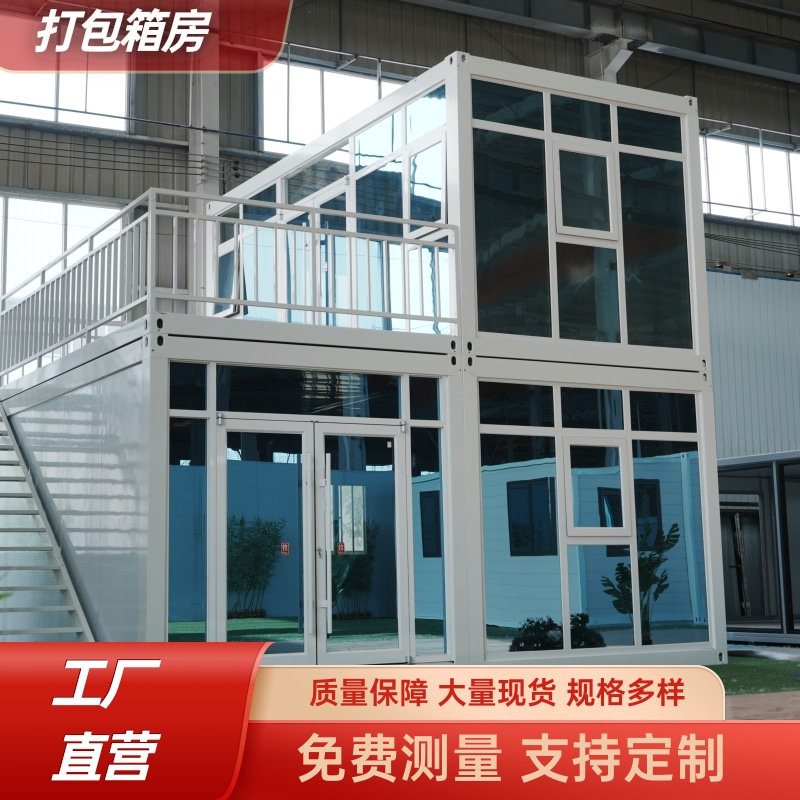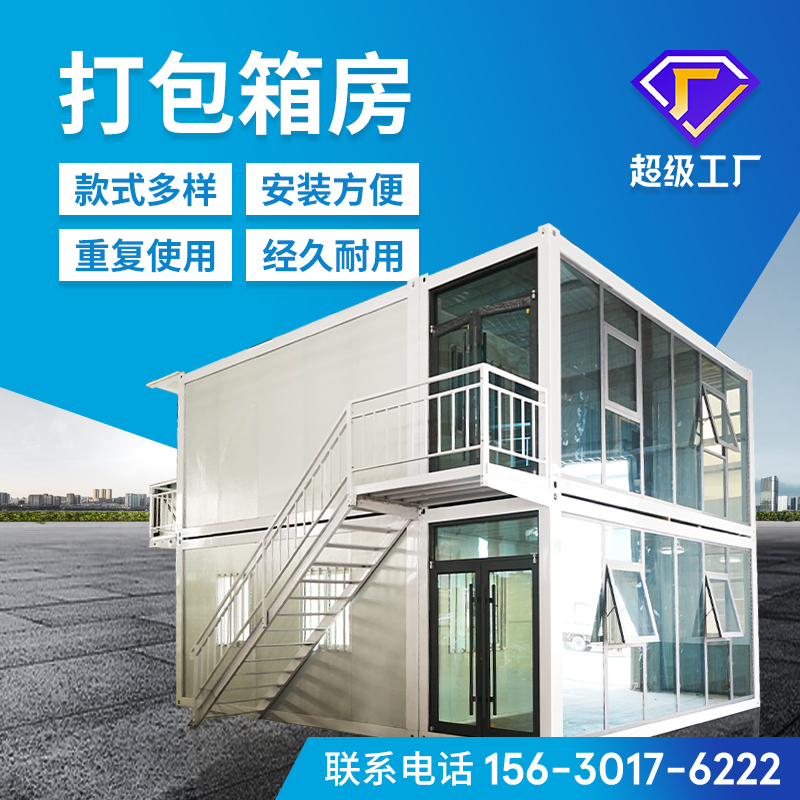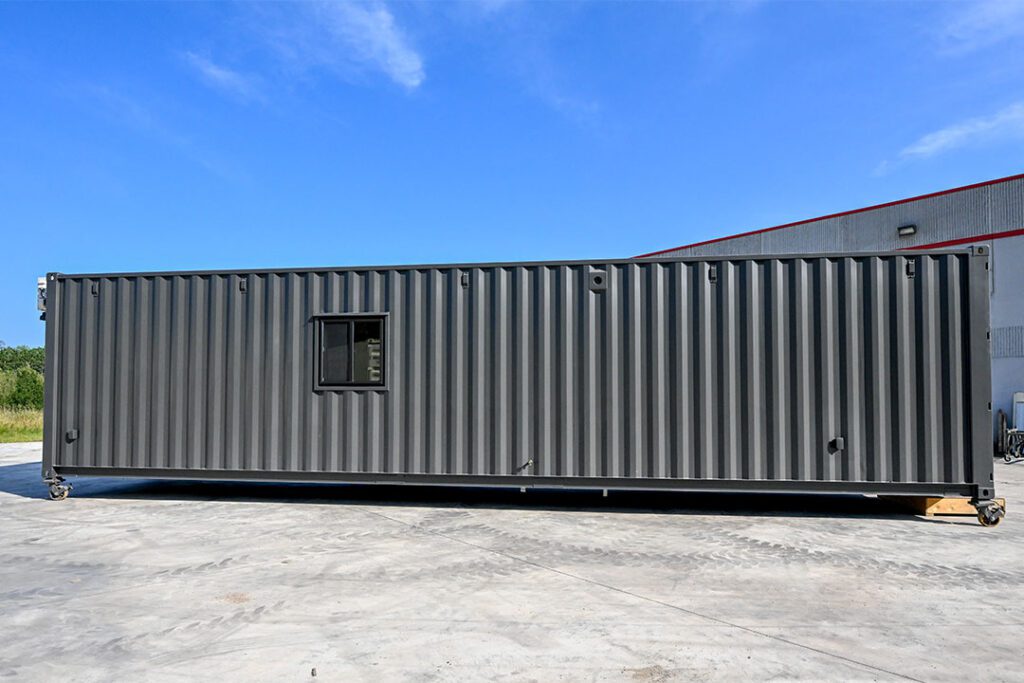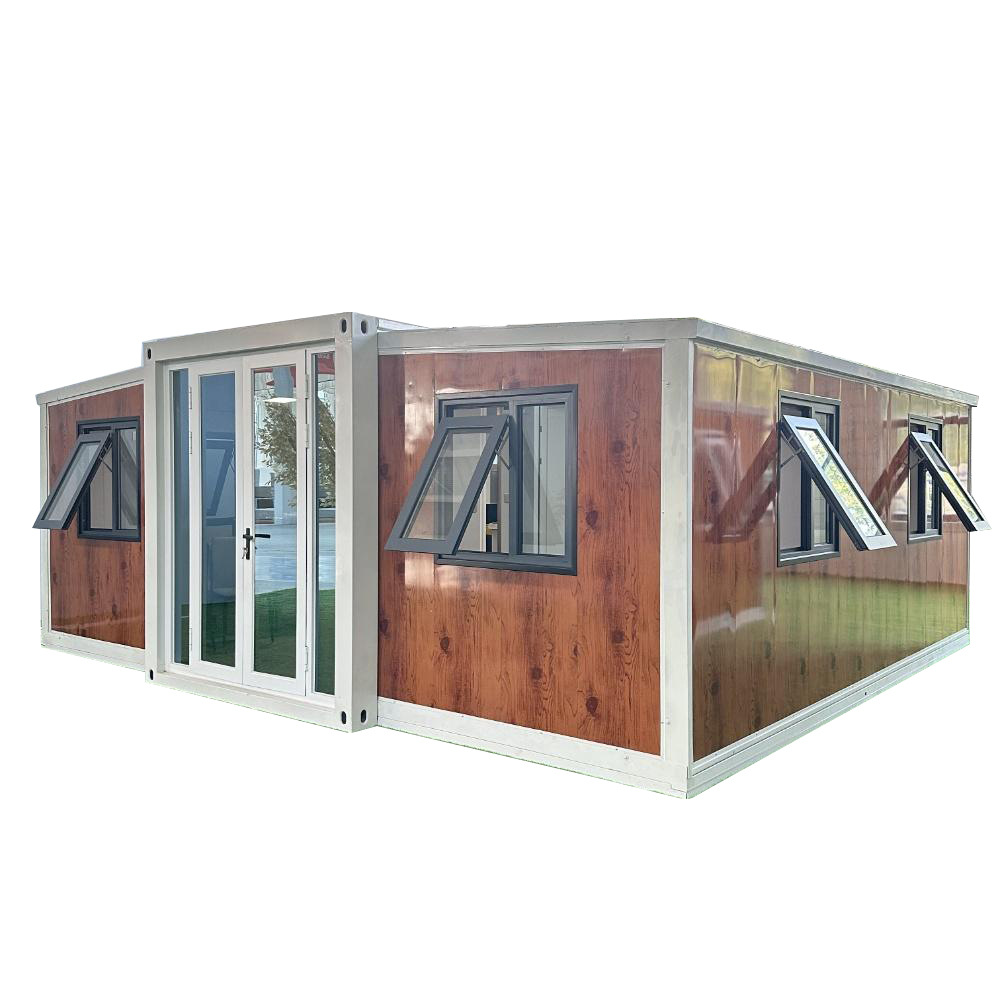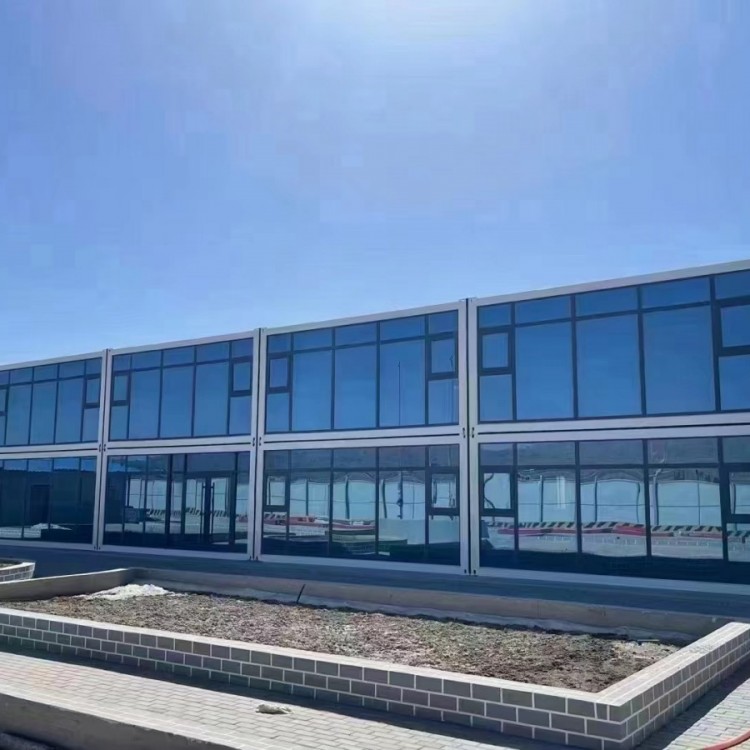

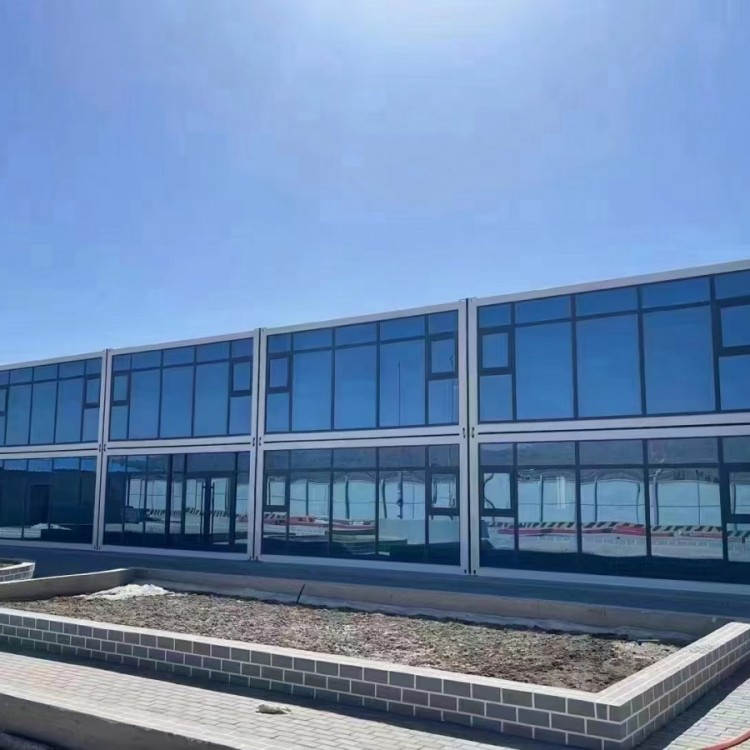

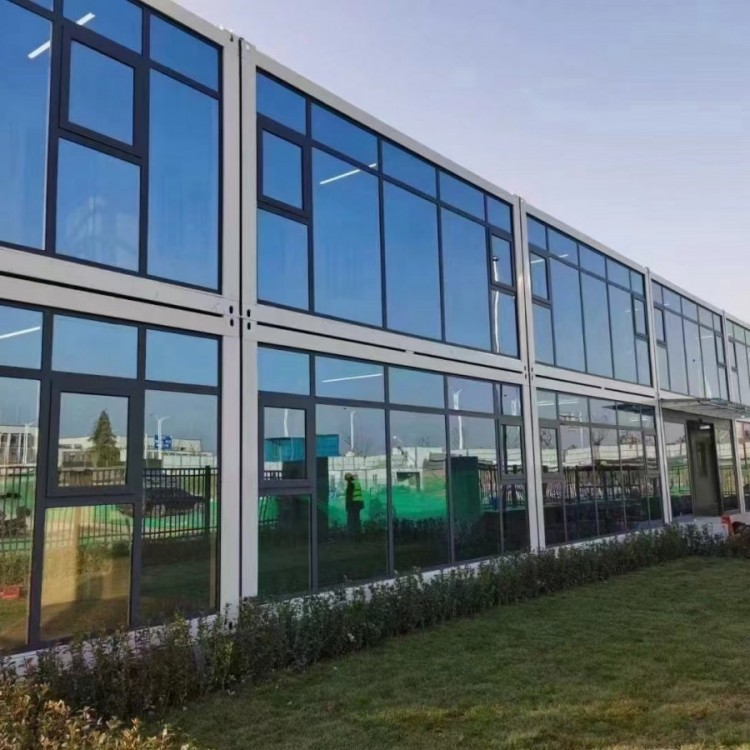


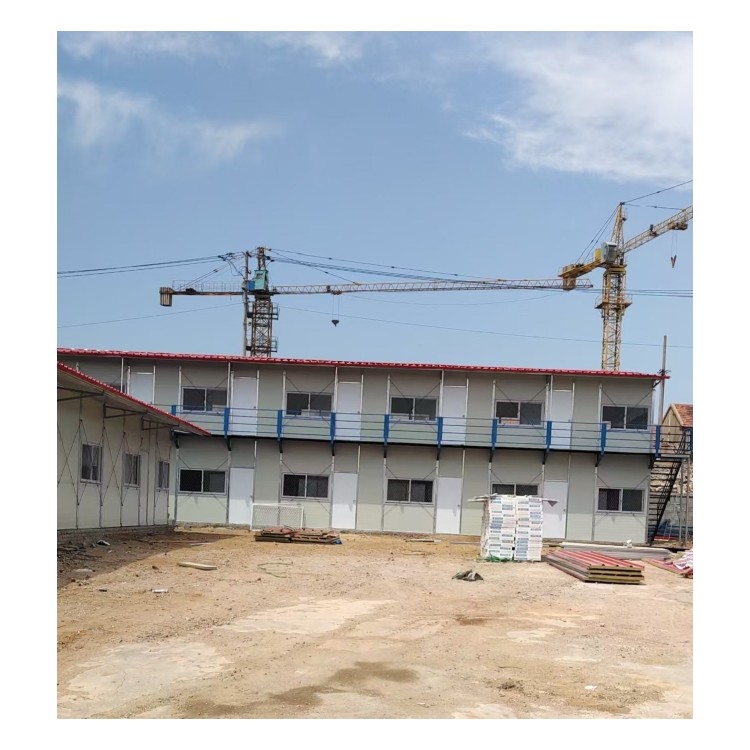
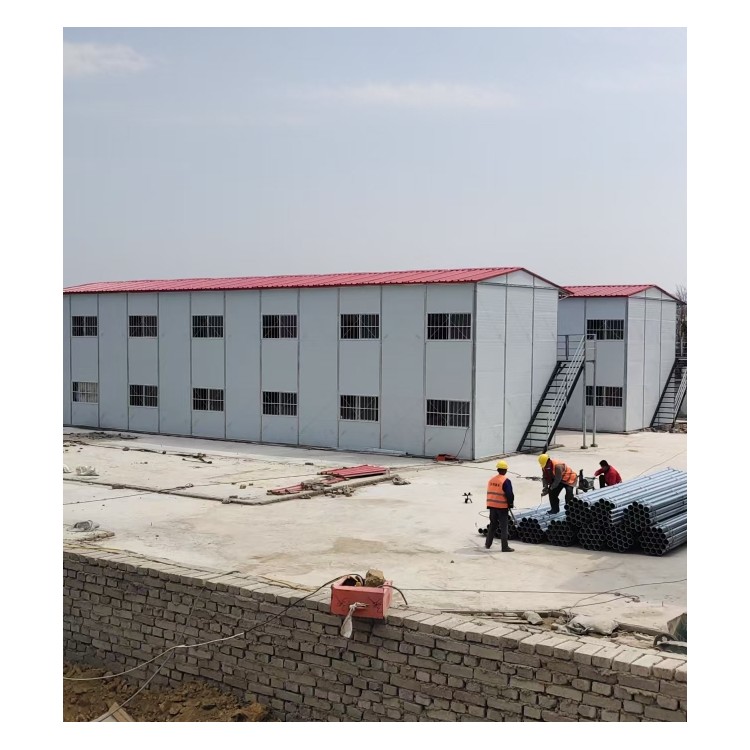
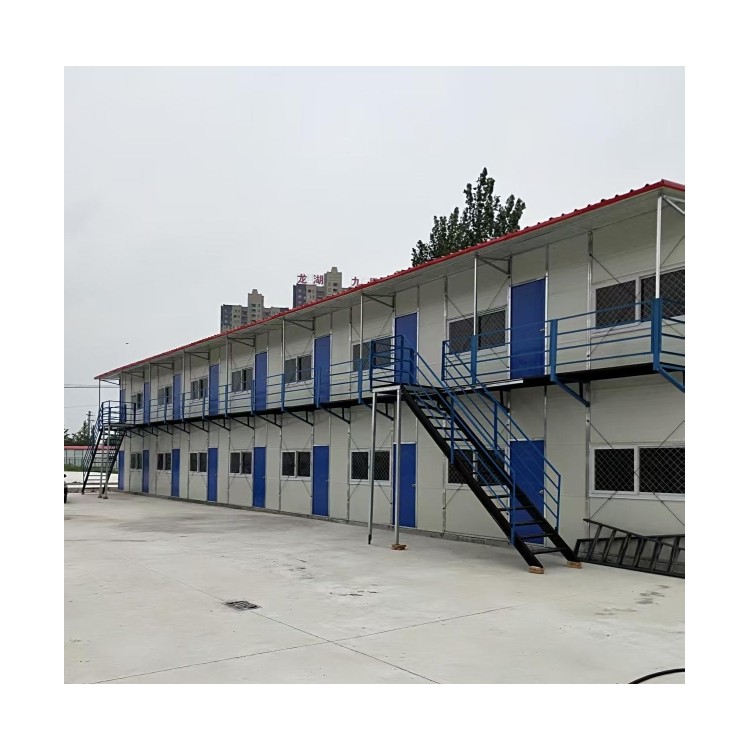
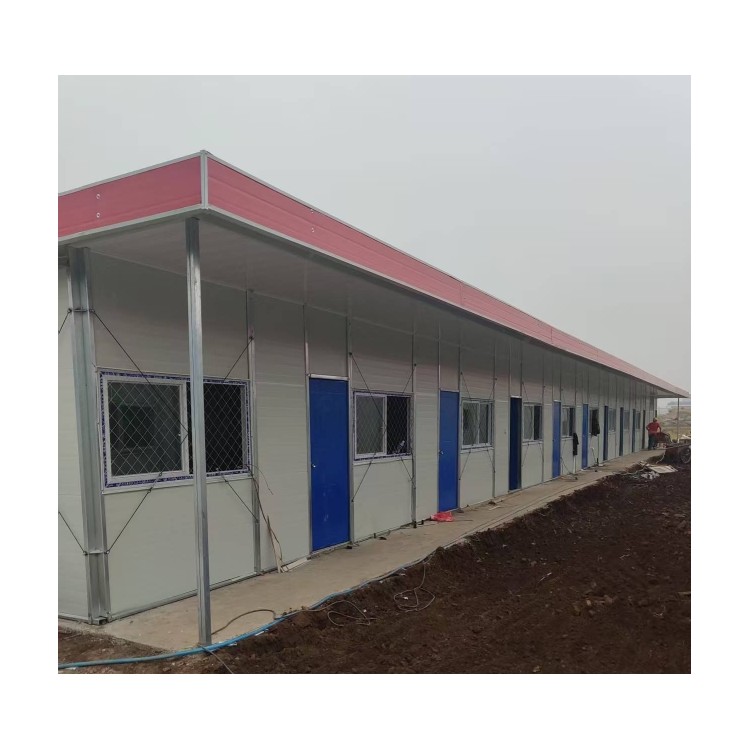
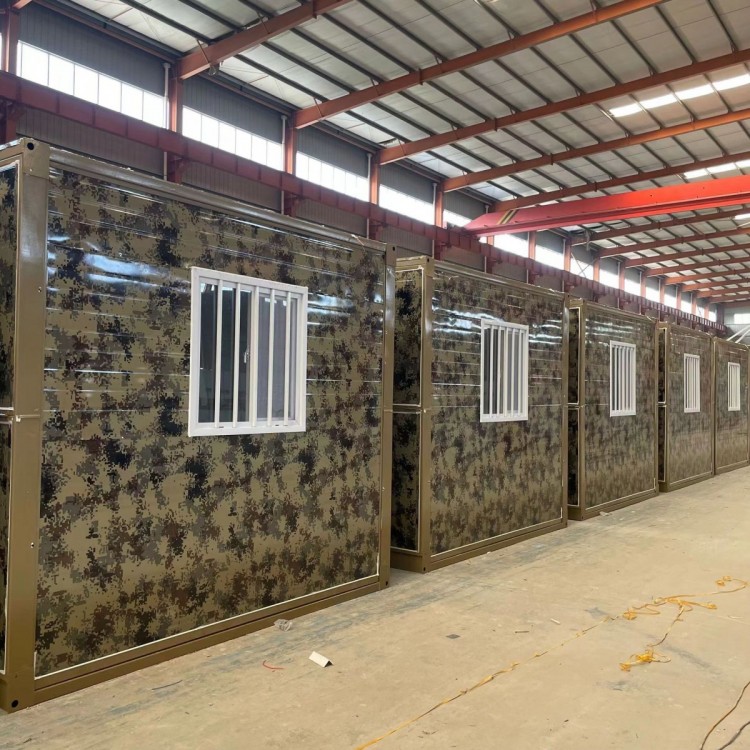





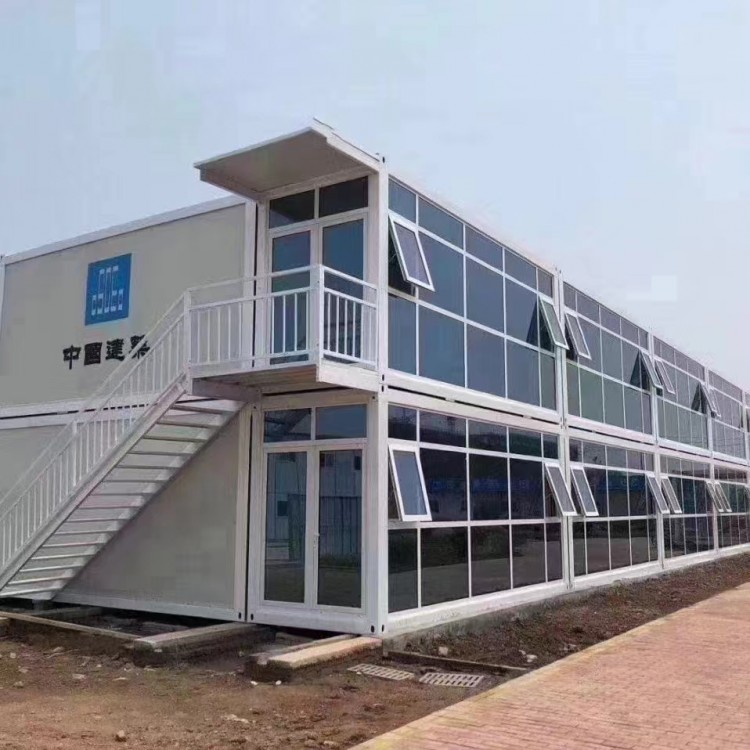
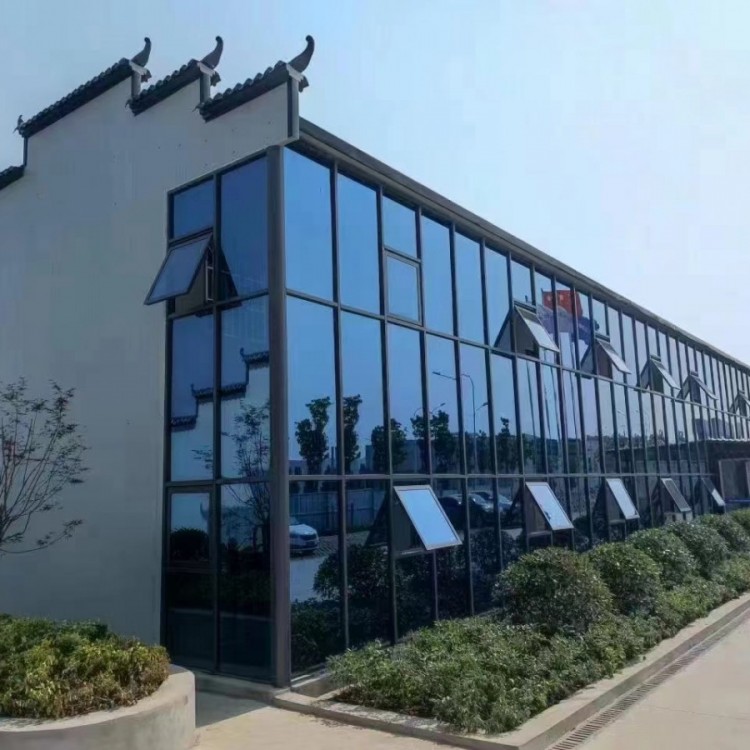
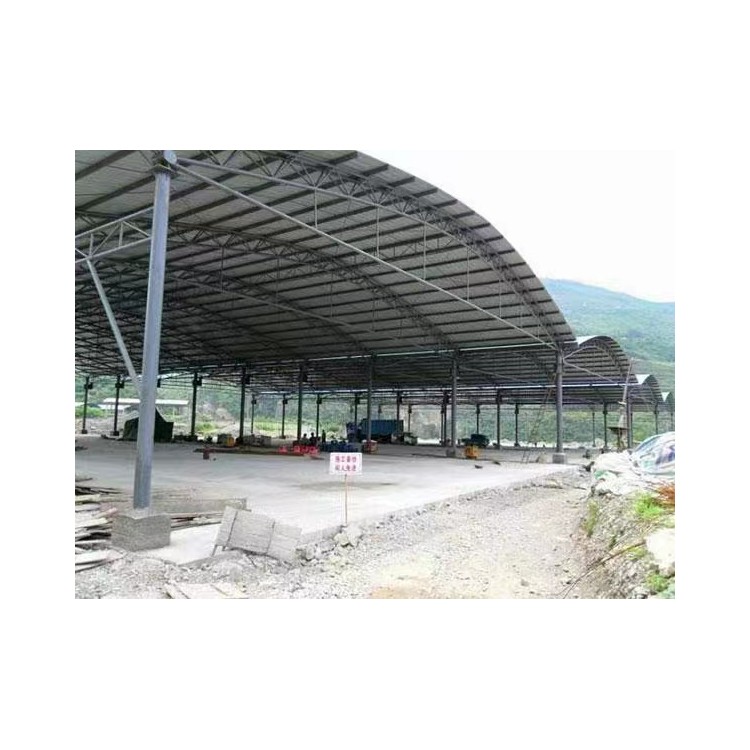
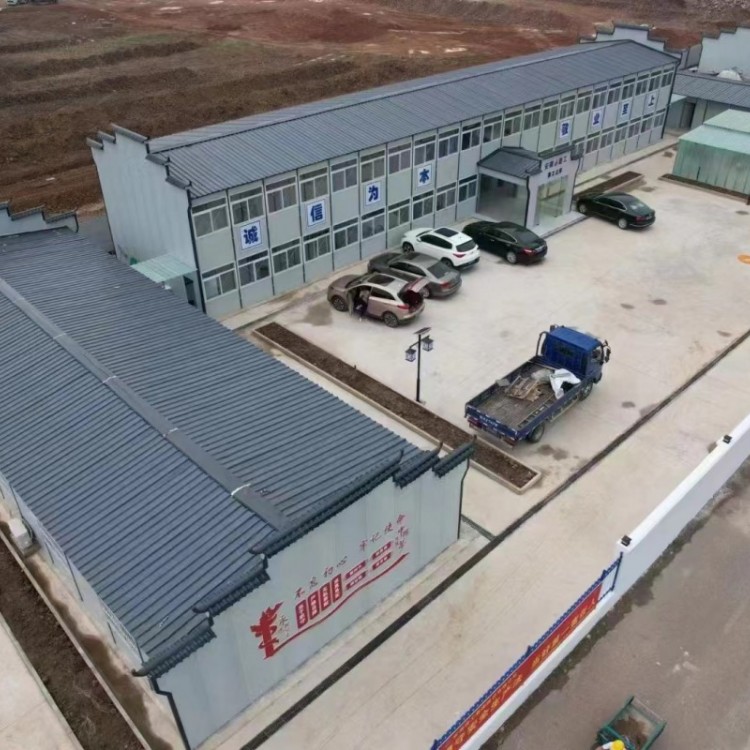
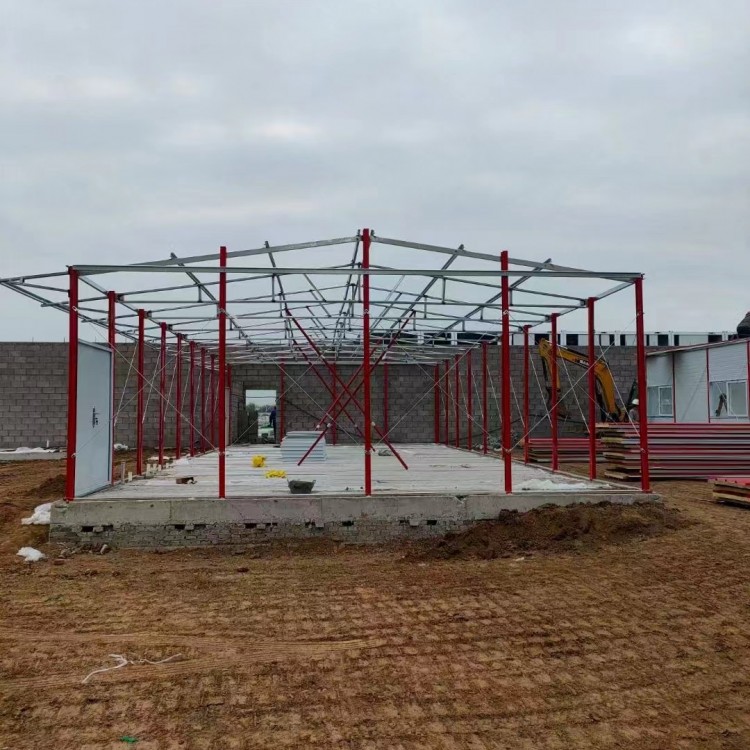
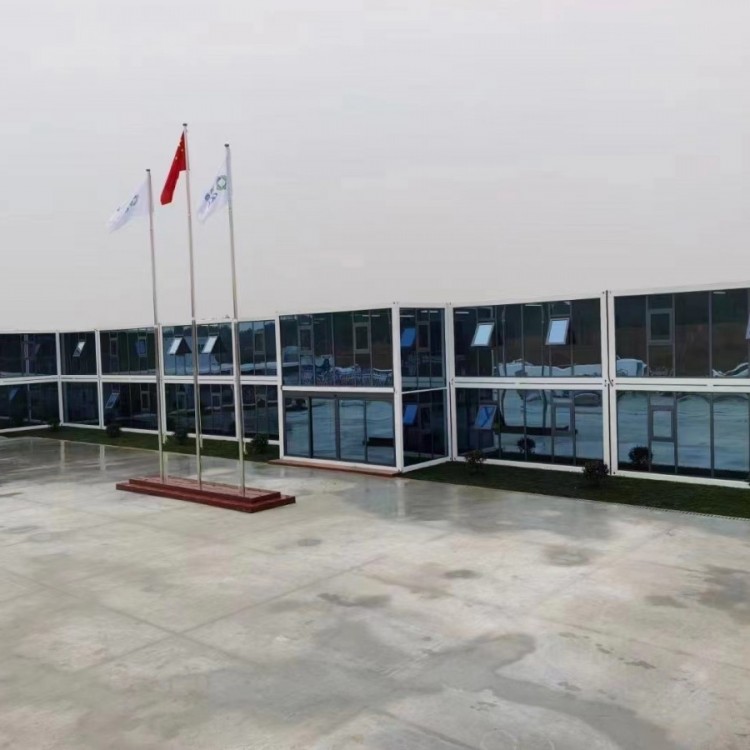
The principle of integrated houses mainly relies on modular design and prefabricated assembly concepts.
Firstly, integrated houses are composed of multiple systems, including the structural, ground, floor, wall, and roof systems, each consisting of several unit modules. These modules are manufactured in a factory and feature standardization, modularity, and versatility. During the factory prefabrication process, advanced processing equipment and techniques are employed to ensure the quality and accuracy of each module, providing a solid foundation for subsequent assembly work.
Next, the assembly of integrated houses is carried out on-site. Pre-fabricated modular components are assembled and installed through methods such as bolted connections and welding. This assembly method not only simplifies the construction process and reduces the requirements for construction techniques, but also significantly improves construction efficiency and shortens the construction period.
Additionally, the design of the integrated housing takes into account its dismountable and mobile characteristics. By employing reasonable structural design and connection methods, the house can be disassembled and moved without damaging the land, thereby transforming the traditional "immovable" property of houses into a "movable" one over thousands of years.
In summary, the principle of integrated housing involves modular design, factory prefabrication, and on-site assembly, creating an efficient, eco-friendly, and mobile building method. This principle makes integrated housing highly applicable in the construction industry, meeting the modern society's demand for quick, efficient, and eco-friendly construction methods.