
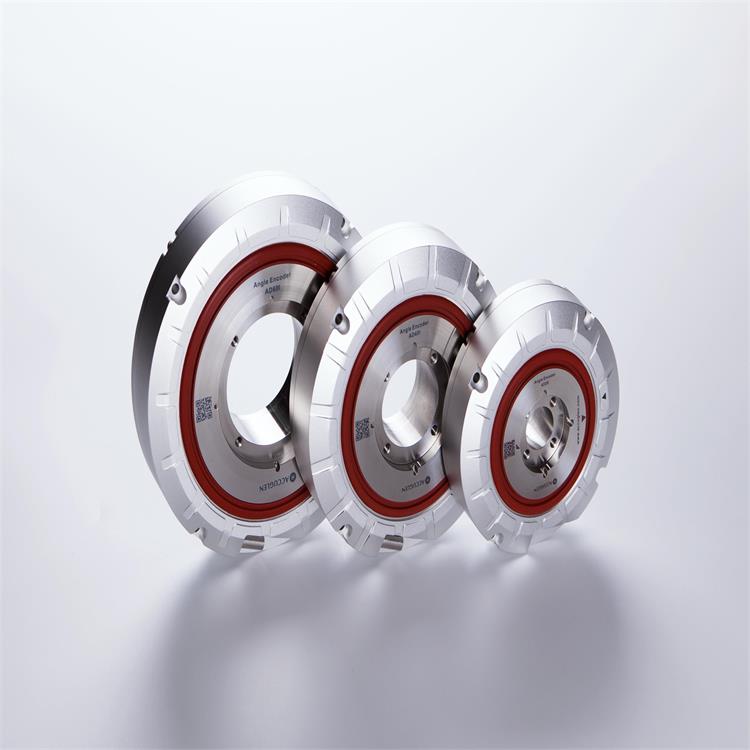







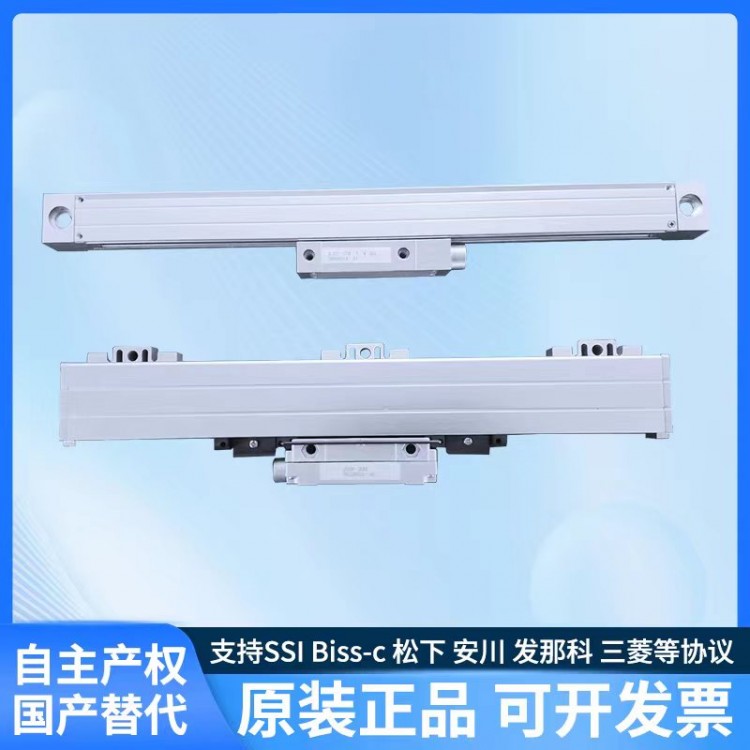

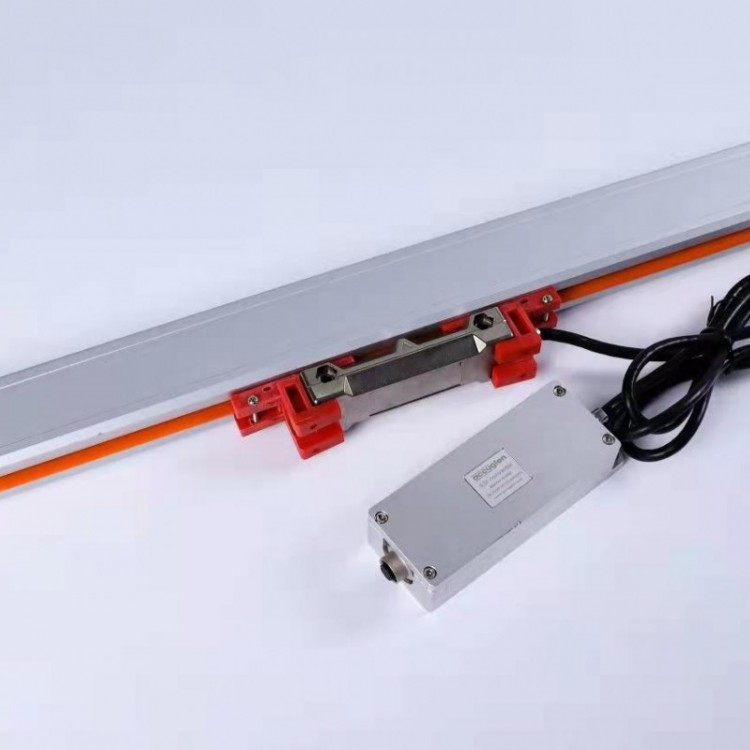

We currently produce and use transmission devices that predominantly employ semi-closed-loop control methods. Most system manufacturers integrate position encoders within the motor end, indirectly measuring the actual position or displacement of the actuating components.
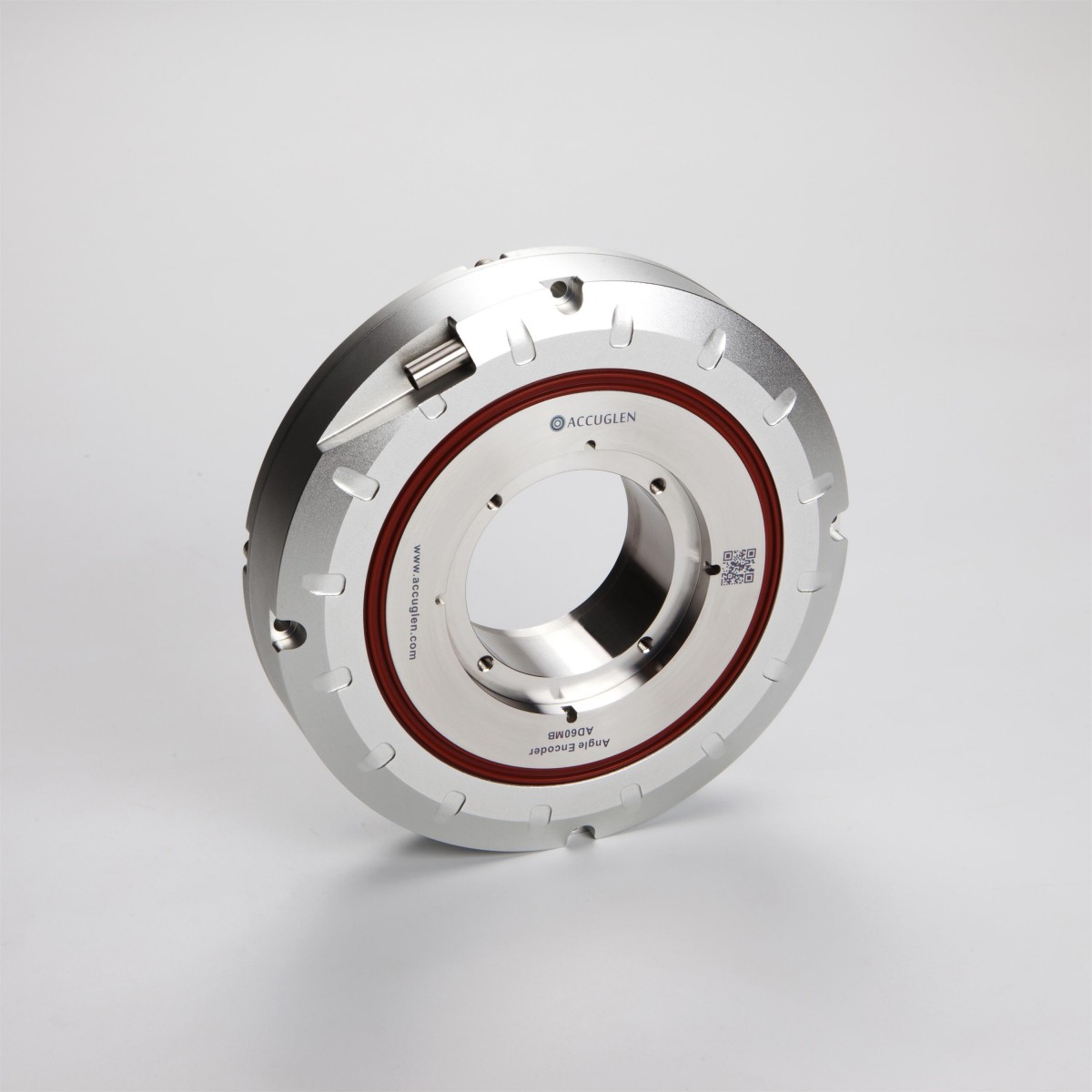
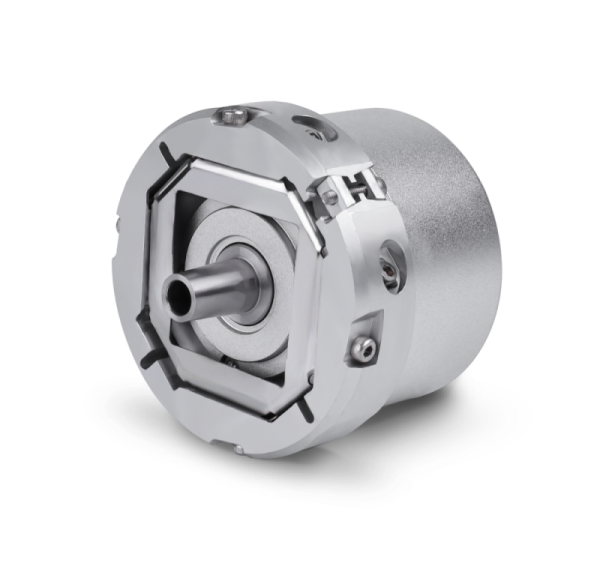
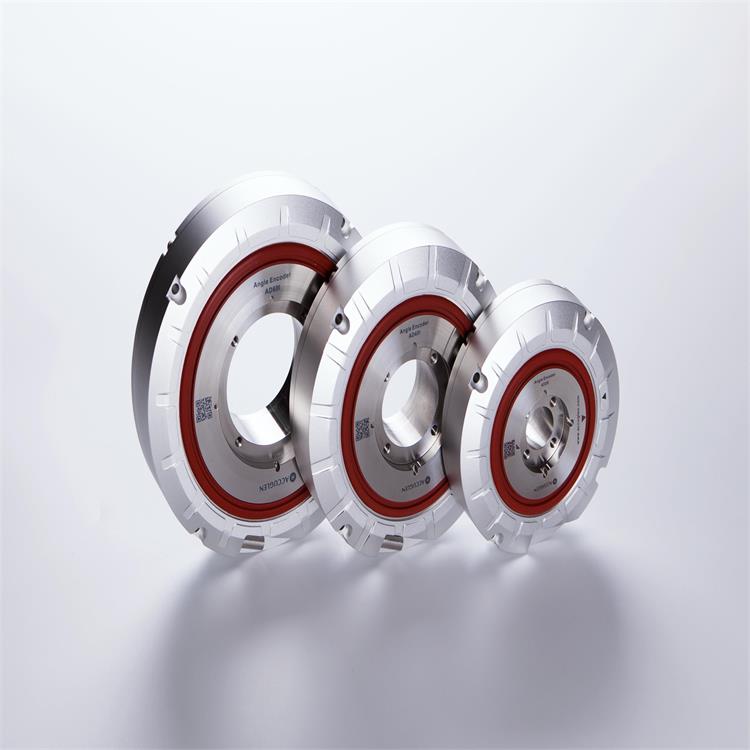
An encoder is an optical position detection element, a rotating angle encoder with the encoding disc directly mounted on the motor's rotating shaft to measure the shaft's rotational angle position and speed changes; its output signal is an electrical pulse.
Encoders are categorized into two types based on their reading method: contact and non-contact. Contact encoders use brush outputs to indicate the state of the code as "1" or "0" by contacting conductive or insulated areas; non-contact encoders utilize sensitive elements like photoelectric or magnetic sensors. When using photoelectric sensors, the state of the code as "1" or "0" is represented by light-transmitting and non-light-transmitting areas.
Encoders are categorized by their detection principle, including optical, magnetic, inductive, and capacitive types.
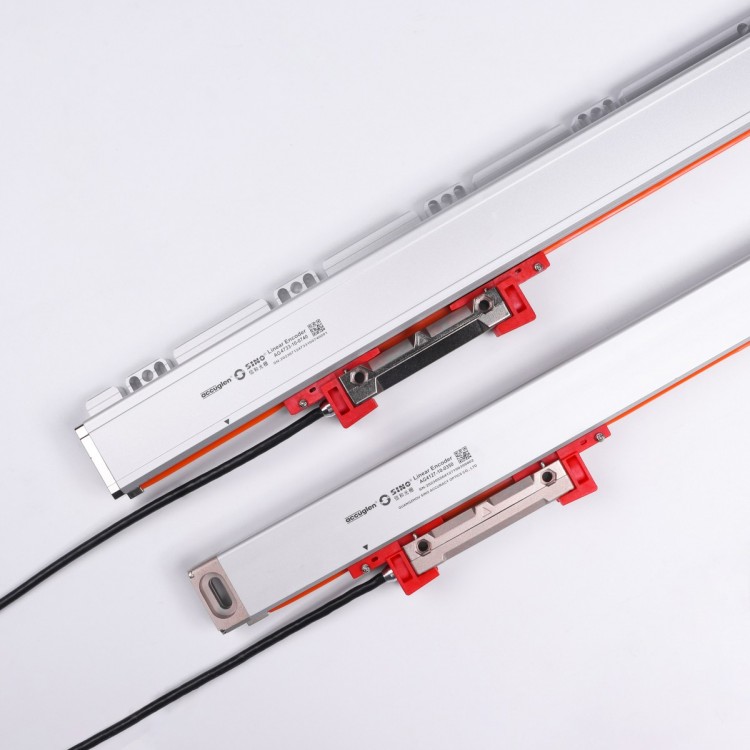
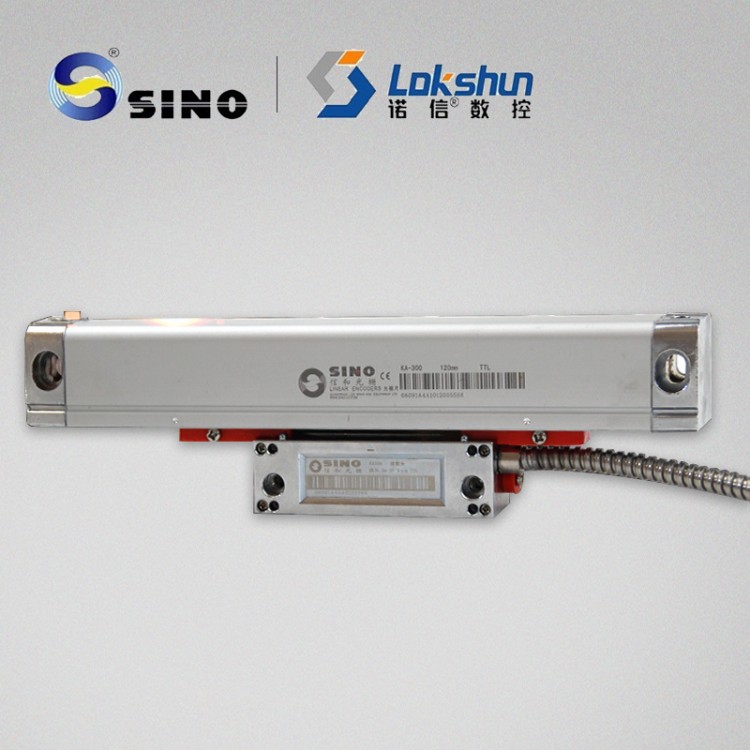
Encoders are categorized by measurement method, including linear encoders (such as glass scales and magnetic scales) and rotary encoders.
Encoders are categorized based on the principle of signal (including the method of graduation and the form of signal output), and they come in three types: incremental encoders, absolute encoders, and hybrid encoders.

From single-turn encoder to multi-turn encoder:
Single-turn encoder, measuring the photoelectric code disk's tracks while rotating, the encoder generates a code. When the rotation exceeds 360 degrees, the code returns to the starting point, which does not comply with the encoding principle. Such encoding is only applicable for measurements within a 360-degree rotation range and is called a single-turn encoder.
If you need to measure rotation beyond the 360-degree range, you would use a multi-turn encoder.
Encoder manufacturers utilize the principle of clockwork gears to increase the number of rotations by transmitting power from one encoder disc (or multiple gears and encoder discs) to another as the central encoder disc rotates. This creates an encoder with an expanded measurement range by adding additional rotations on top of the single revolution encoding. Such an encoder is called a multi-turn encoder. It determines the code by mechanical position, with each position having a unique code, eliminating the need for memory.
The other advantage of multi-turn encoder is that due to the wide measuring range, angle encoder factory, in actual use, there is often a surplus. This eliminates the need for the hassle of finding a zero point during installation; any intermediate position can serve as the starting point, greatly simplifying the installation and debugging process.
Multi-turn encoder offers significant advantages in length positioning and is increasingly used in industrial control positioning.

Series encoder optical disc features numerous light channels with etched lines, arranged sequentially as 2 lines, 4 lines, 8 lines, and 16 lines. At each position of the encoder, by reading the light and dark of each line, a binary code (Gray code) sequence from 2^0 to 2^(n-1) is obtained. This is referred to as an n-bit encoder. Such an encoder is determined by the mechanical position of the optical disc and is unaffected by power outages or interference.
Encoders determine codes based on mechanical positions, eliminating the need for memory. As a manufacturer of encoder sales, they don't require a reference point and don't need to continuously count. You simply read their position when you need to know where they are. This significantly enhances the encoder's anti-interference characteristics and data reliability.
Angle Encoder Manufacturer (Image) - Rotational Angle Encoder - Provided by Suzhou Bilixin Photoelectric Co., Ltd. Suzhou Bilixin Photoelectric has dedicated much enthusiasm and passion to the field of optical metrological instruments. Suzhou Bilixin Photoelectric always focuses on customers, creating value for them, and wins the market with quality and service. We sincerely hope to cooperate with all sectors of society to achieve success and brilliance together. For related business inquiries, please contact Mr. Xie.