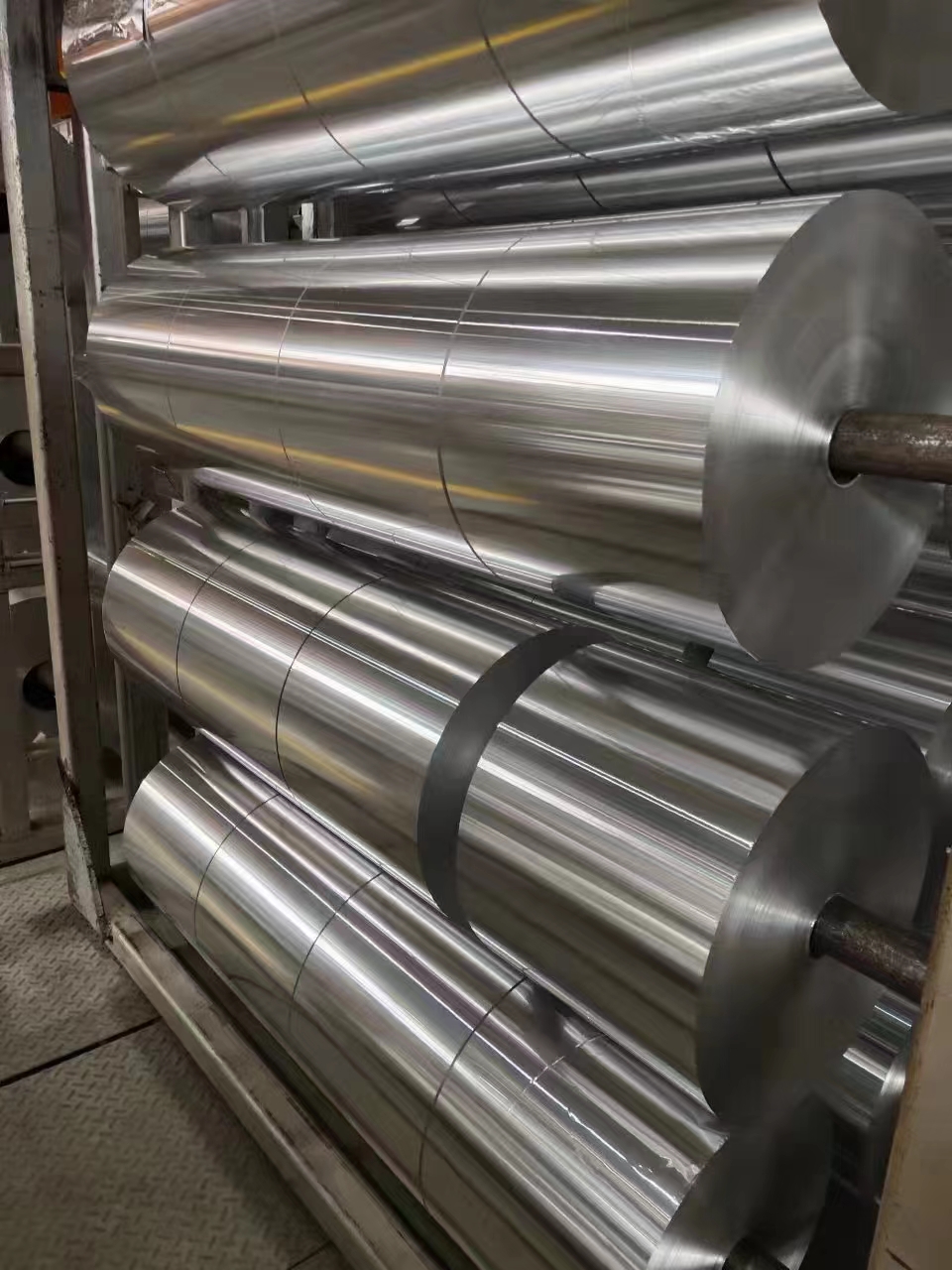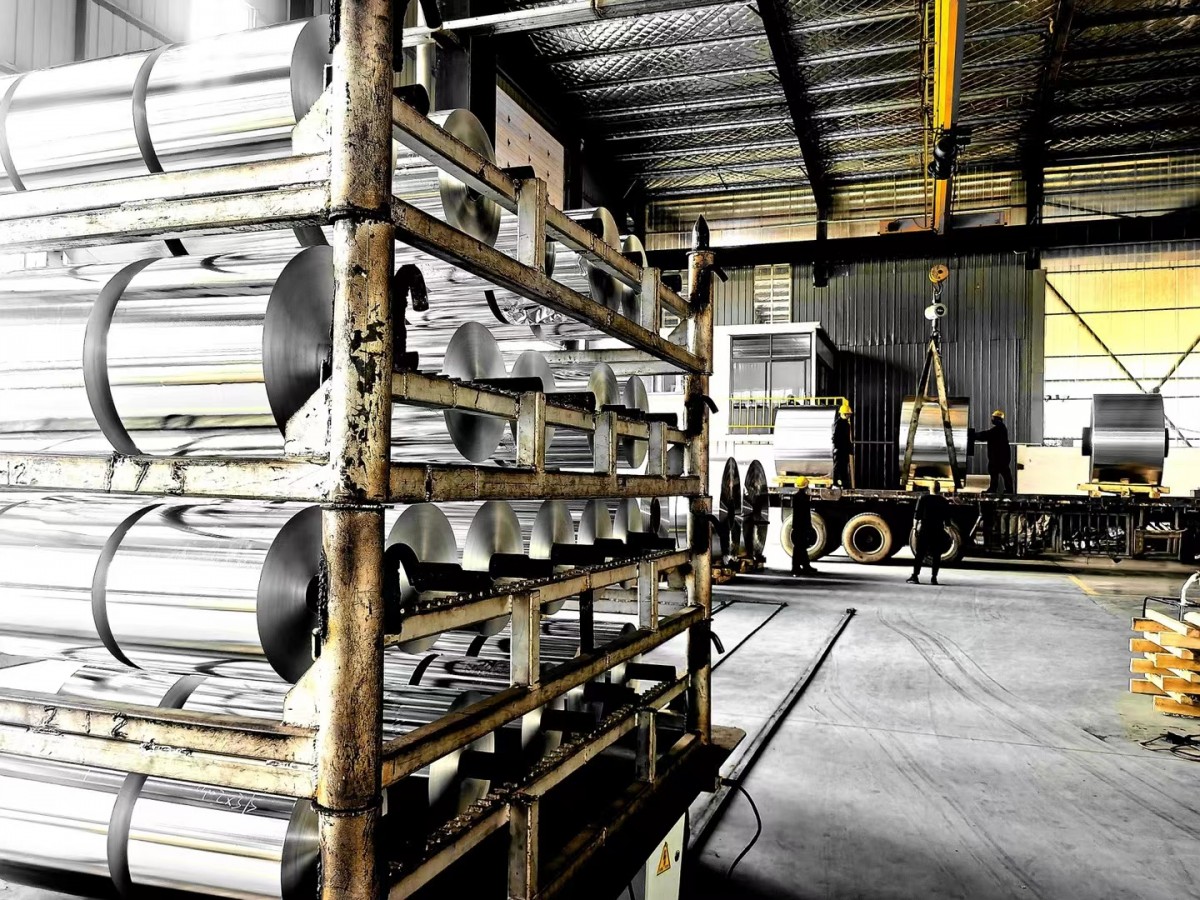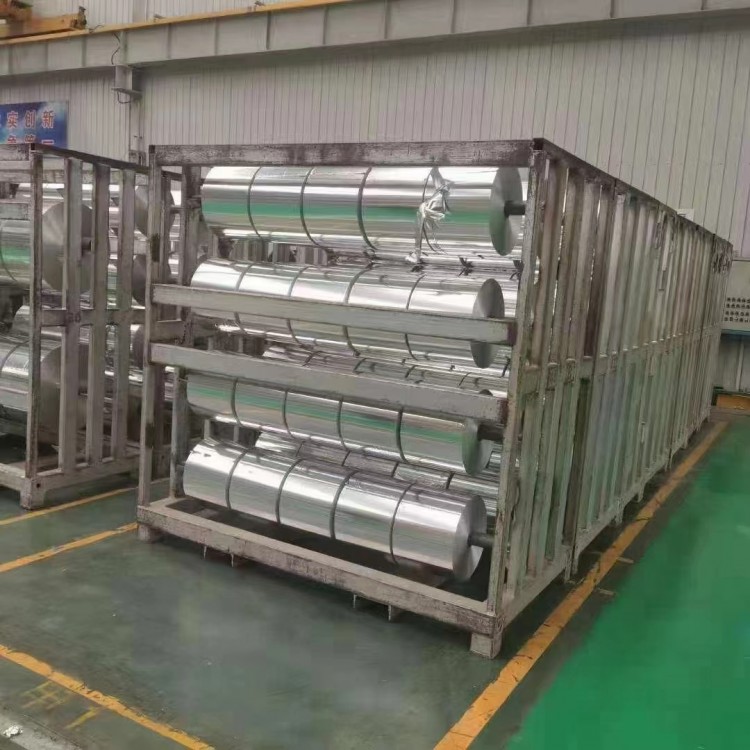












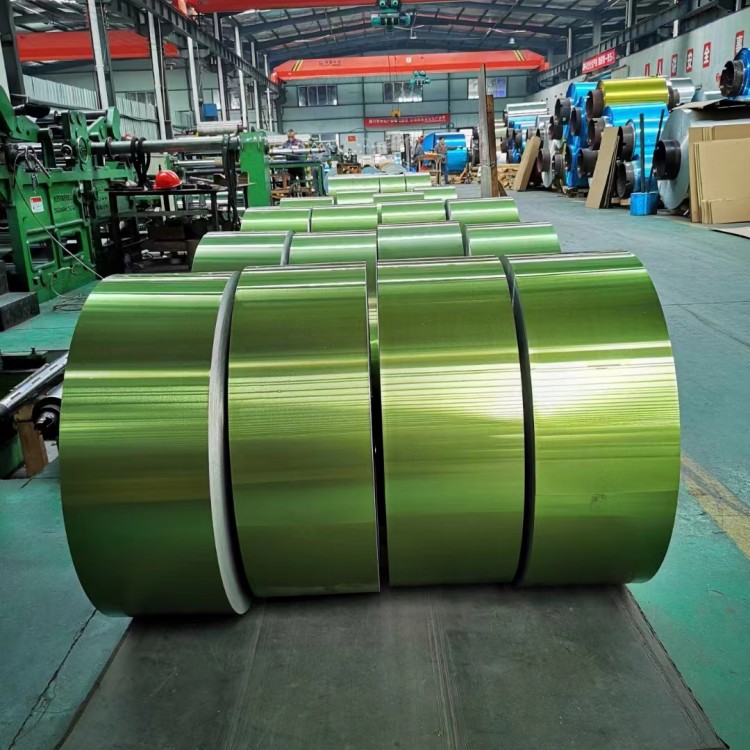
8079Aluminum foil can be categorized into thick foil, single zero foil, and double zero foil based on thickness differences.
①Thick foil“heavy gaugefoil")Thickness:0.1~0.2mmTin foil.
②Single Zero Foil(“medium gauge foil”)Thickness:0.01mmAnd less than0.1mm/Aluminum foil.
③Double Zero Foil(“light gauge foil”): So-called double-zero foil refers to its thickness being...mmFor foil used as a measuring unit, typically with two zeros after the decimal point, it usually has a thickness less than0.01Aluminum foil,Please provide the Chinese content to be translated.0.005~0.009mmAluminum foil. Sometimes, overseas, they refer to thickness≤40ltmThe aluminum foil is called“light gauge foil”and the thickness>40btmAluminum foil, collectively referred to as“heavy gauge foil”。
Shape
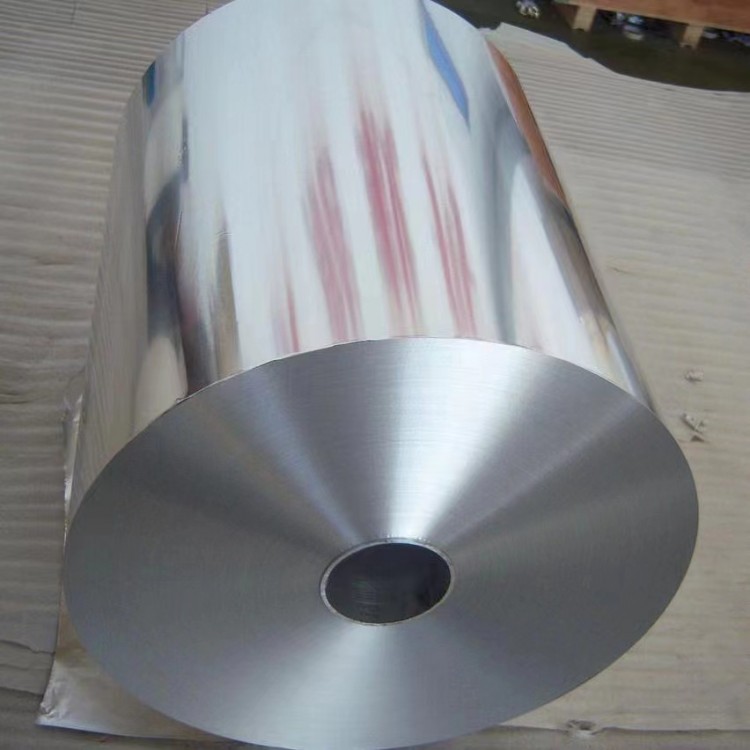
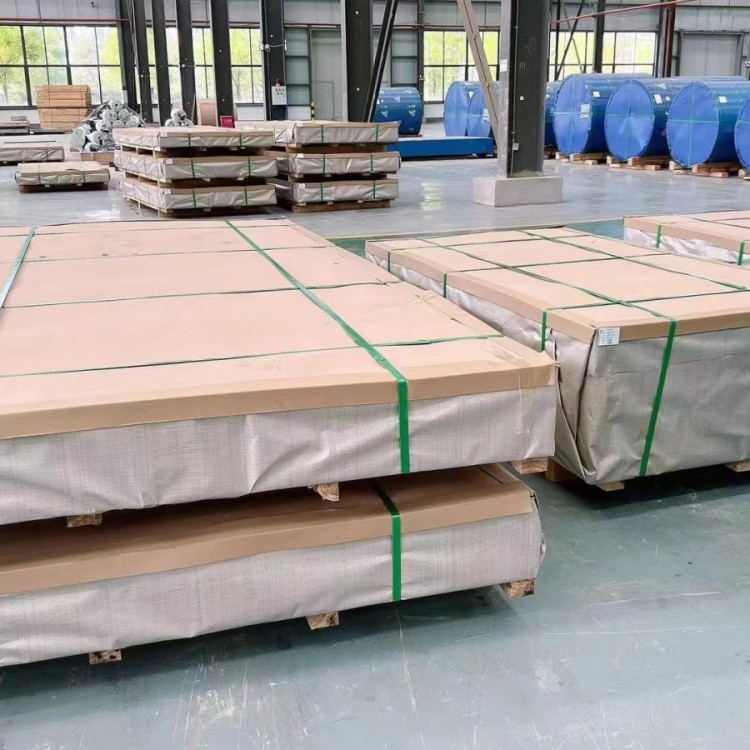
Aluminum foil can be divided into rolled foil and sheet foil. Most deep-processed aluminum foil materials are supplied in rolled form, while sheet foil is only used in a few artisanal packaging scenarios.
Aluminum foil can be categorized by its condition into hard foil, semi-hard foil, and soft foil.
①Hard Foil: Not softened after rolling(Annealing)The foil's surface has residual oil when not degreased. Therefore, the hard foil must be degreased before printing, lamination, or coating. If it's for forming processing, it can be used directly.
②Half-hard foil: Aluminum foil hardness(Or strength)Aluminum foil between the rigid and soft foil is commonly used for forming processing.
③Soft Foil: Aluminum foil that has been softened through full annealing, characterized by its soft texture and oil-free surface. It is widely used in various applications such as packaging, lamination, and electrical materials.
Surface Condition
Aluminum foil can be categorized into one-sided and two-sided glossy foil based on surface condition.