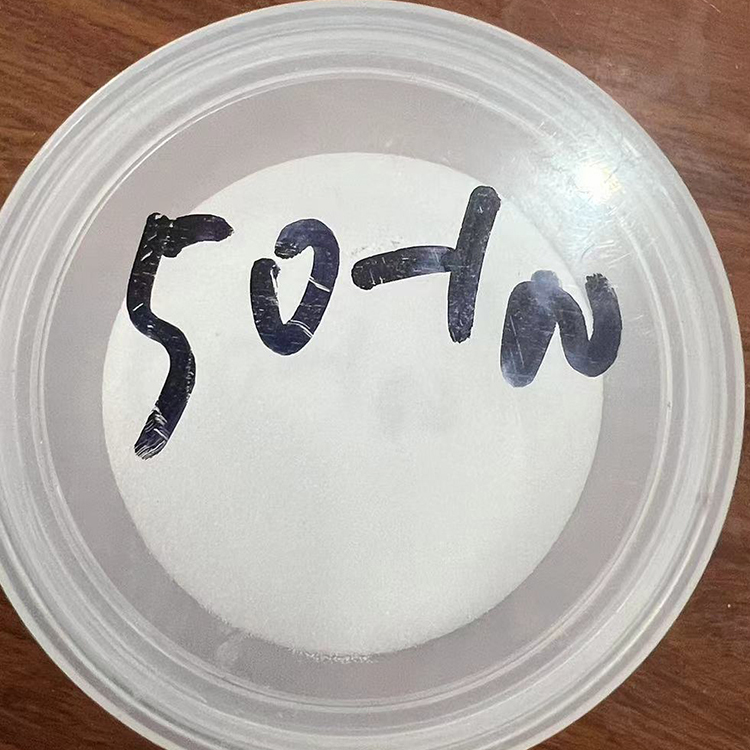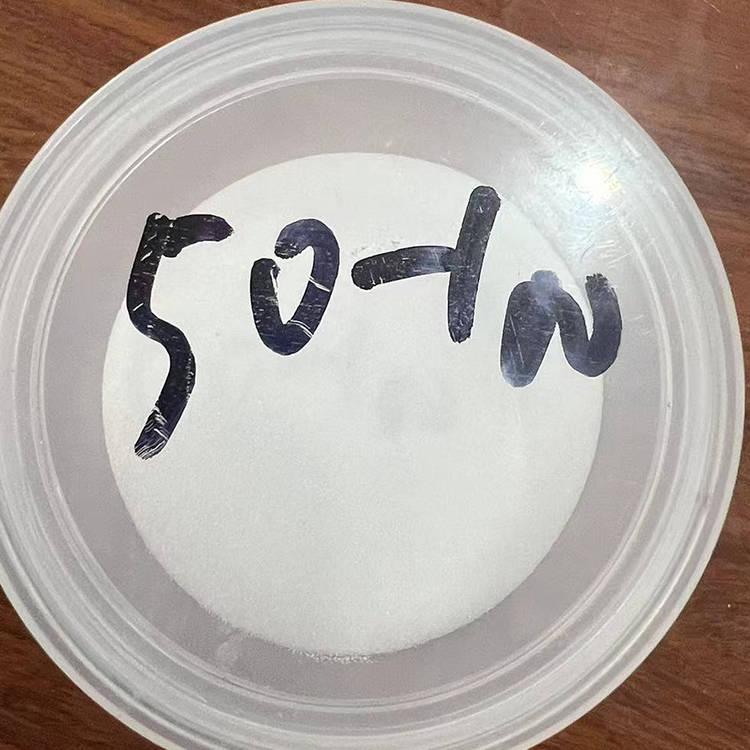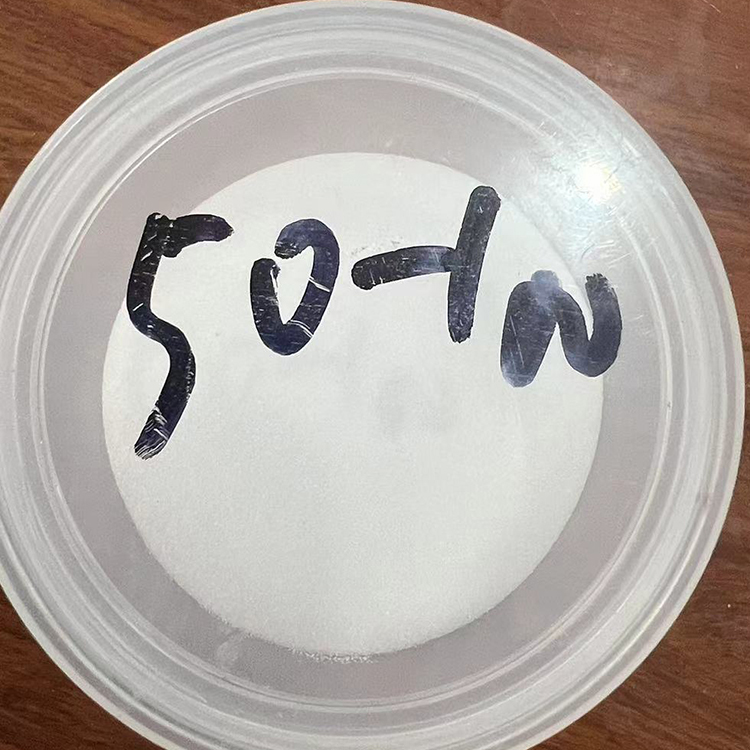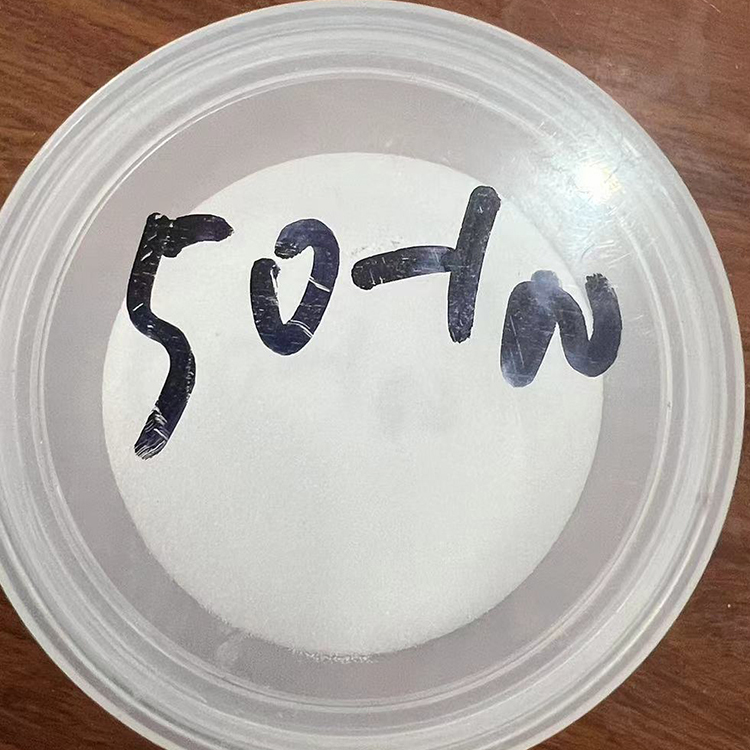

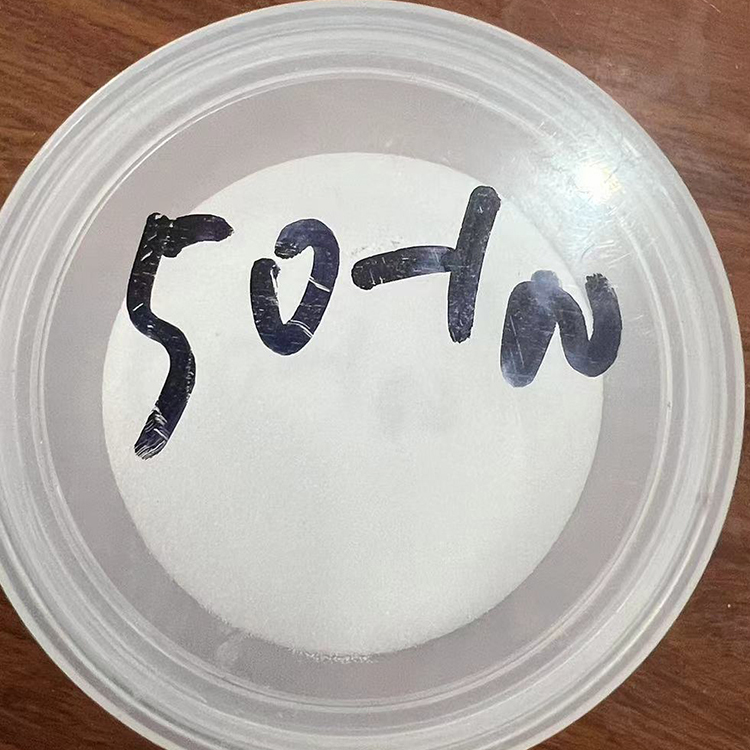

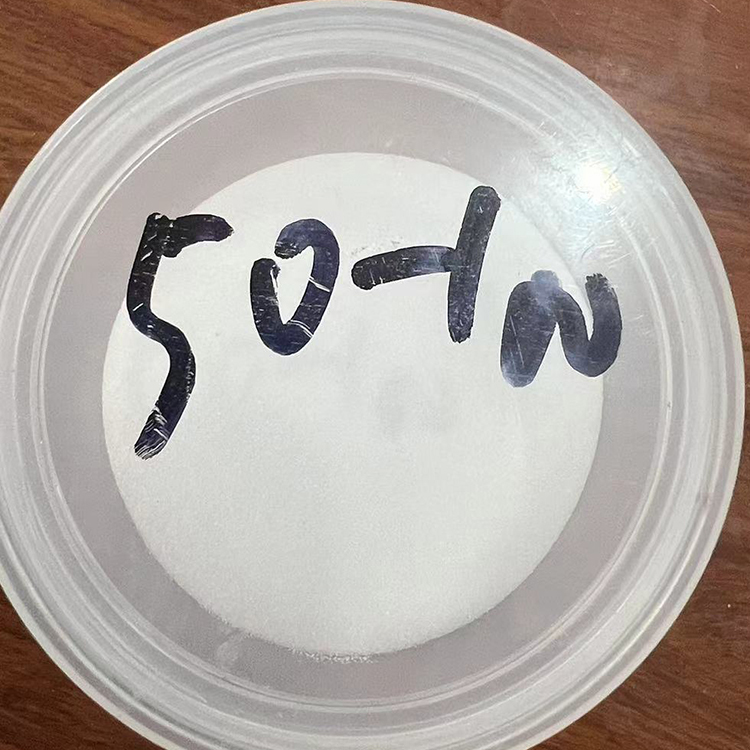












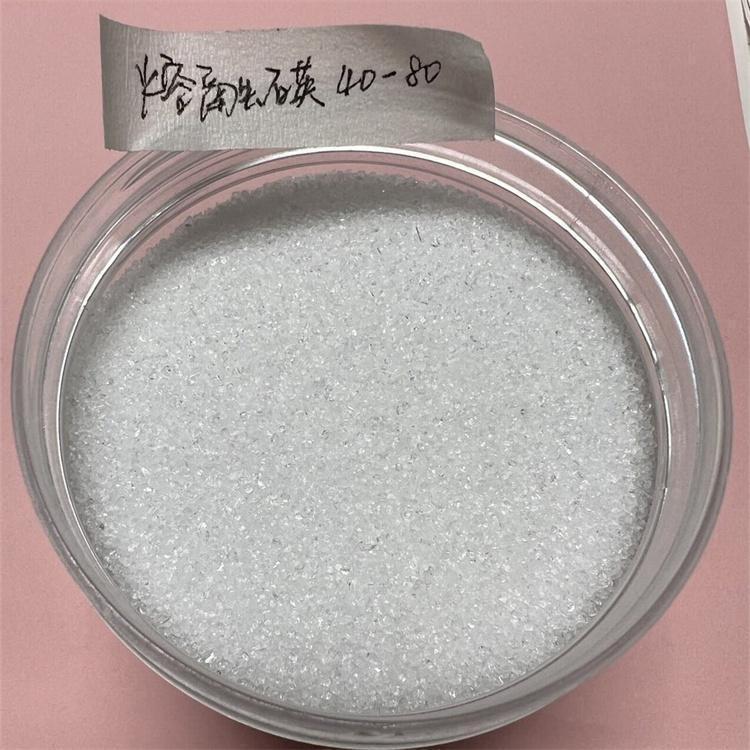

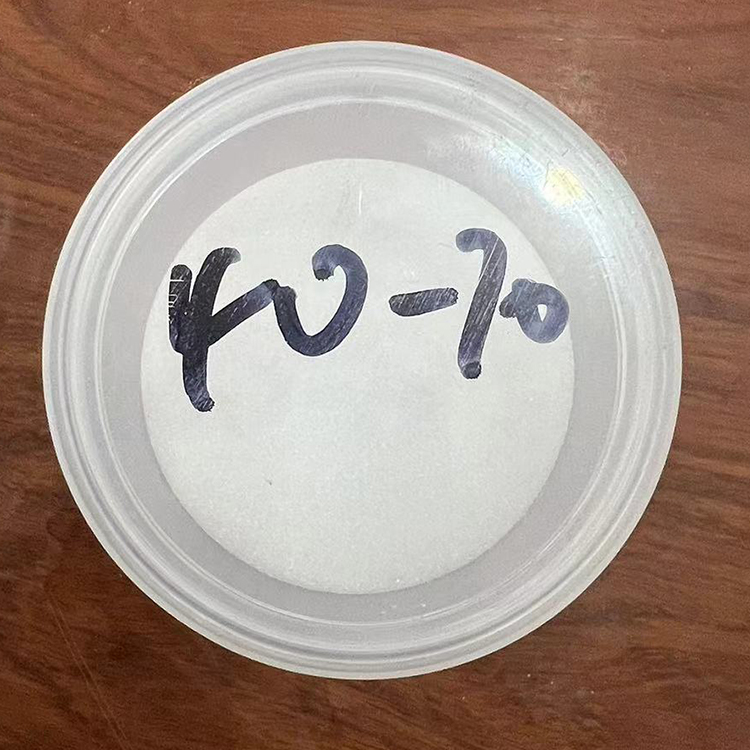
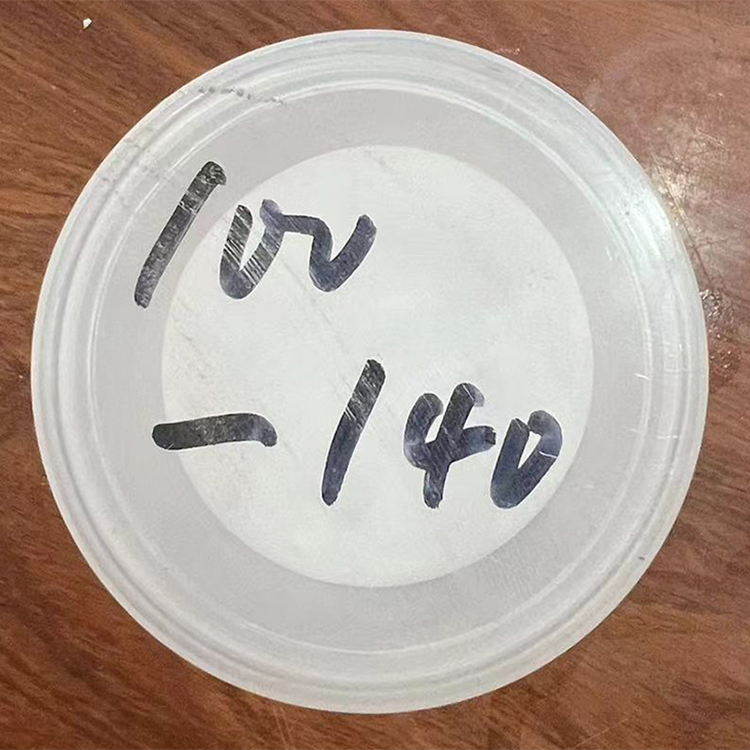
Fused quartz sand is the amorphous (glassy) form of silicon dioxide (SiO2). It is transparent and a type of glass with a long and disordered atomic structure. Its temperature and low thermal expansion coefficient are enhanced due to the cross-linking of its three-dimensional structure. Selected silicon stone raw materials with SiO2 content exceeding 99% are melted in an electric arc furnace or resistance furnace, reaching a melting temperature of 1695-1720°C. Due to the high viscosity of the SiO2 melt, it cannot be molded by casting methods at 1900°C. After cooling, it becomes a glassy body, which is then mechanically processed, magnetically separated, decontaminated, sieved, and produced into granular fused quartz sand of various specifications and applications.
Fused quartz sand applications: It serves as a filler in industries such as paints and coatings, and is also a key raw material for industries like epoxy resin casting, electronic sealants, foundry materials, refractories, ceramics, and glass.