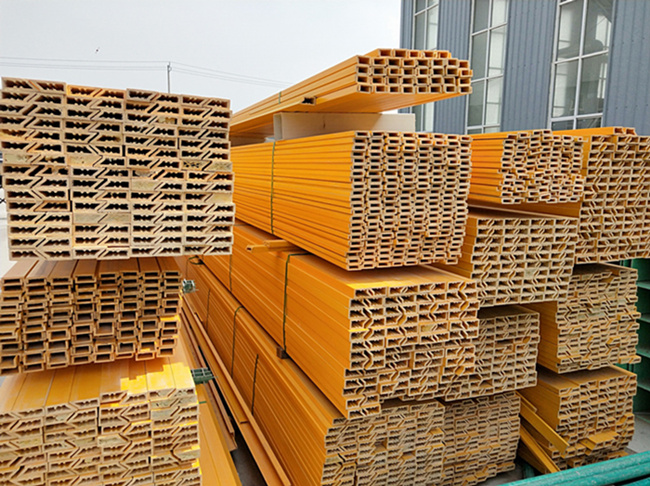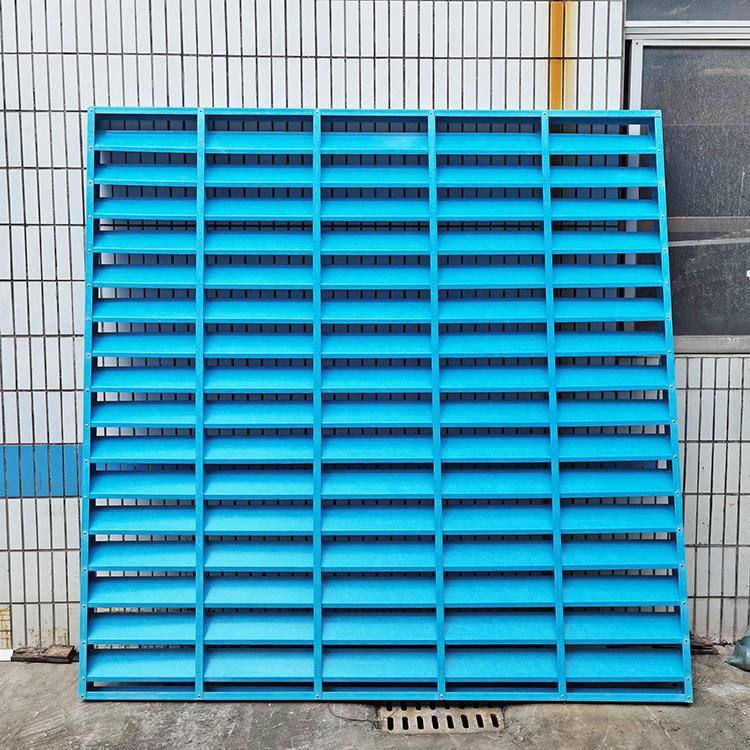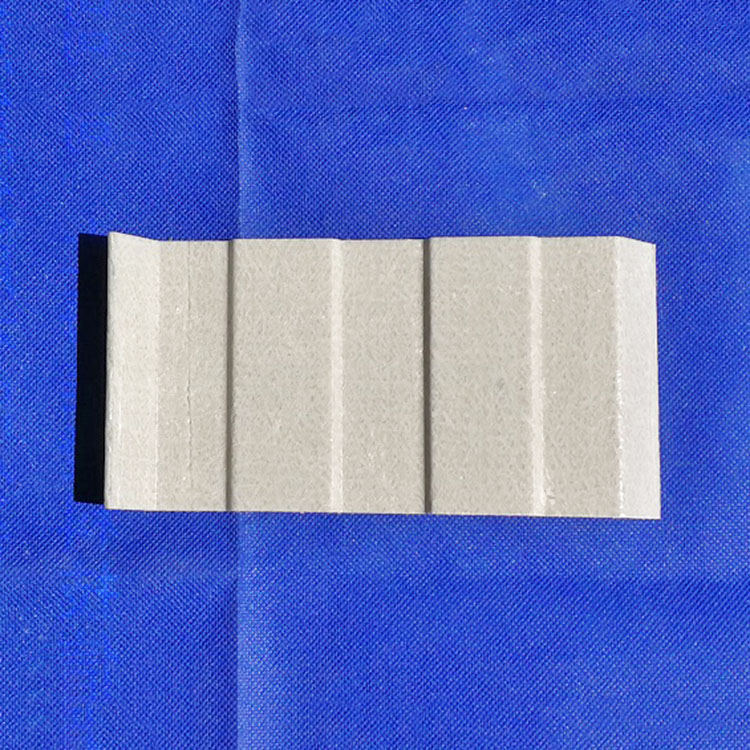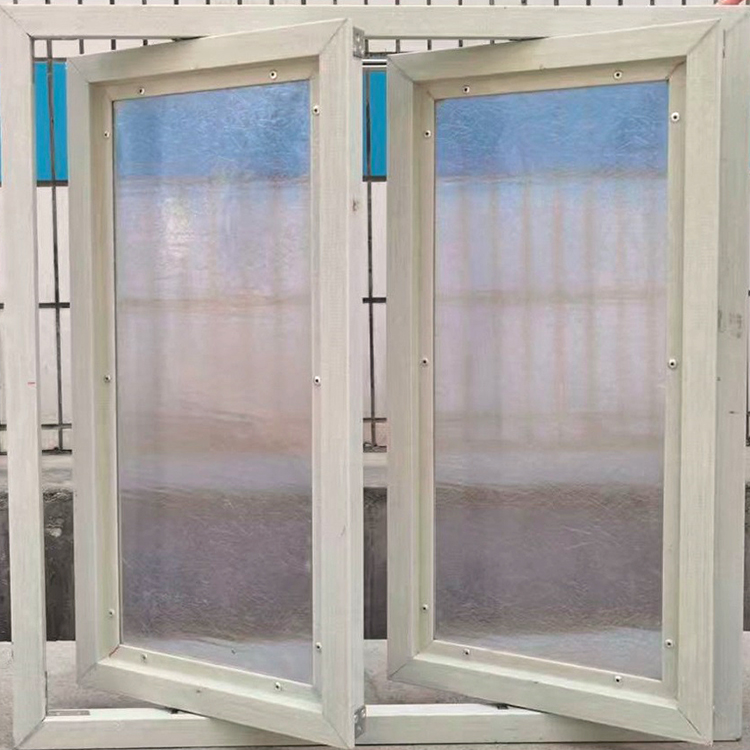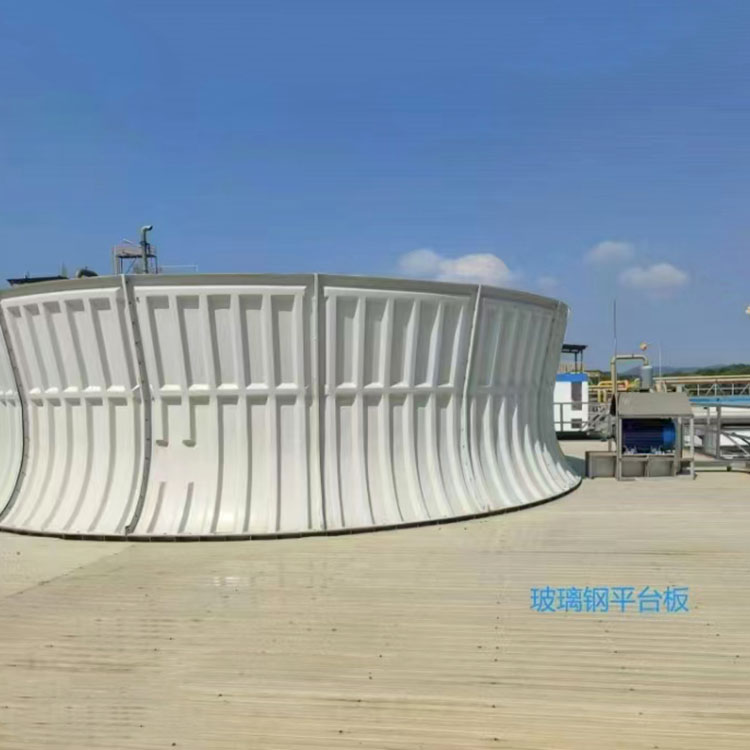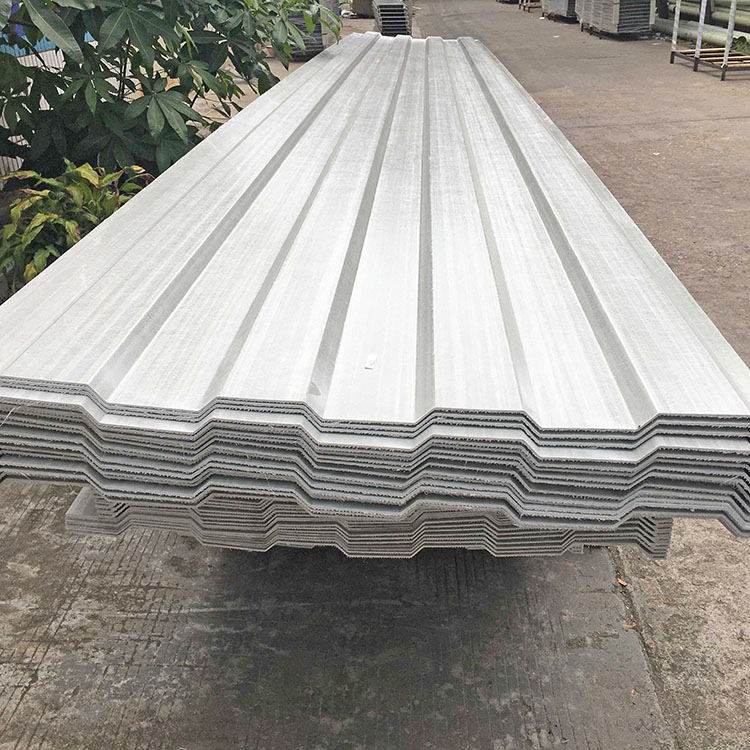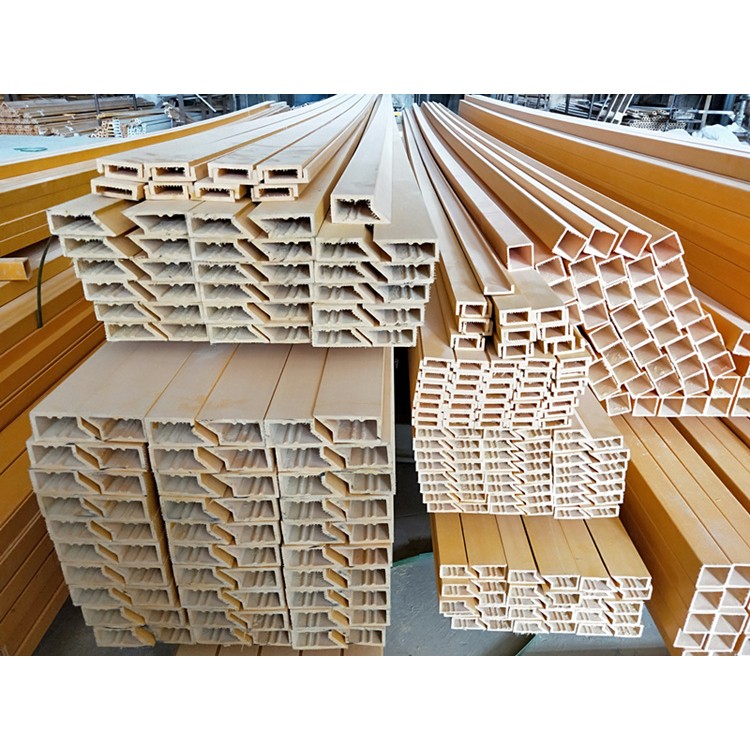
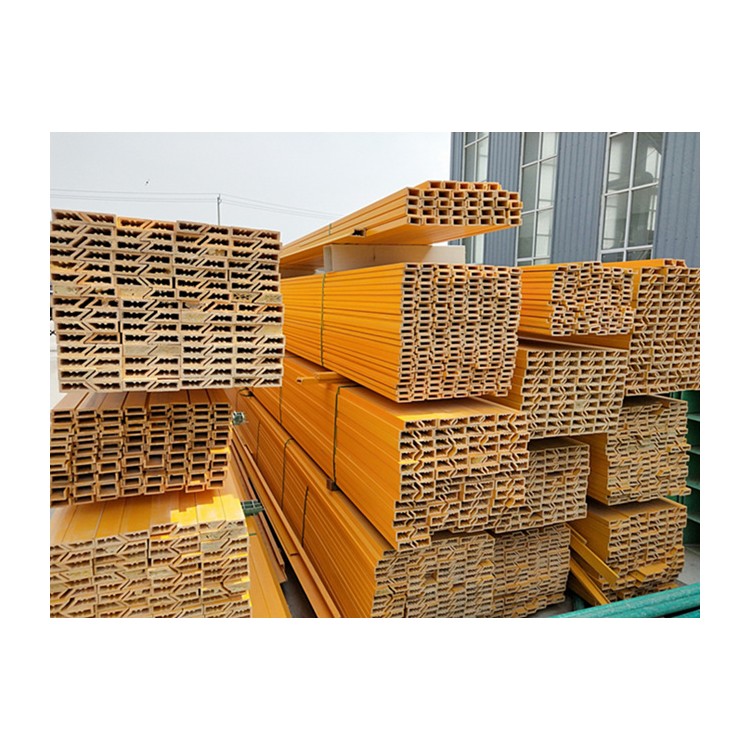


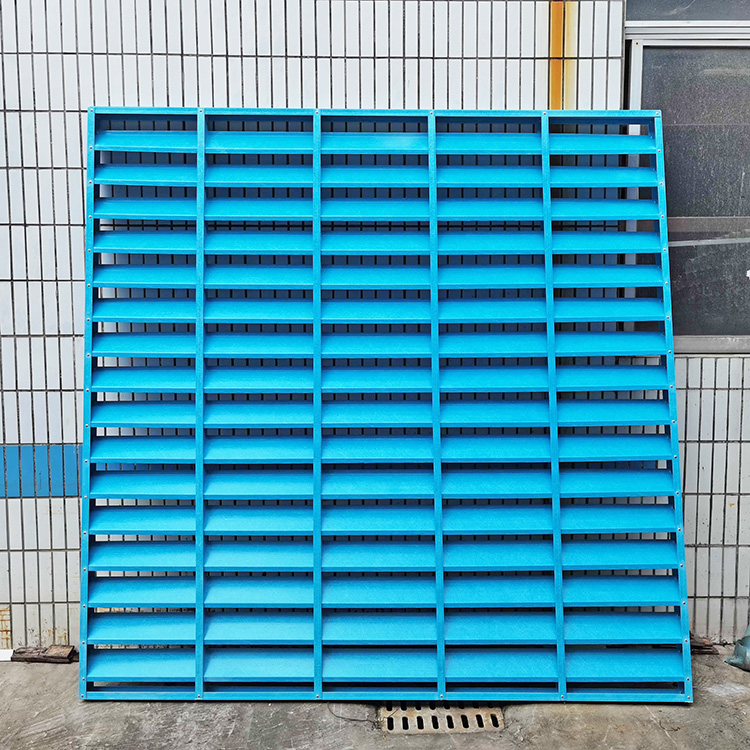
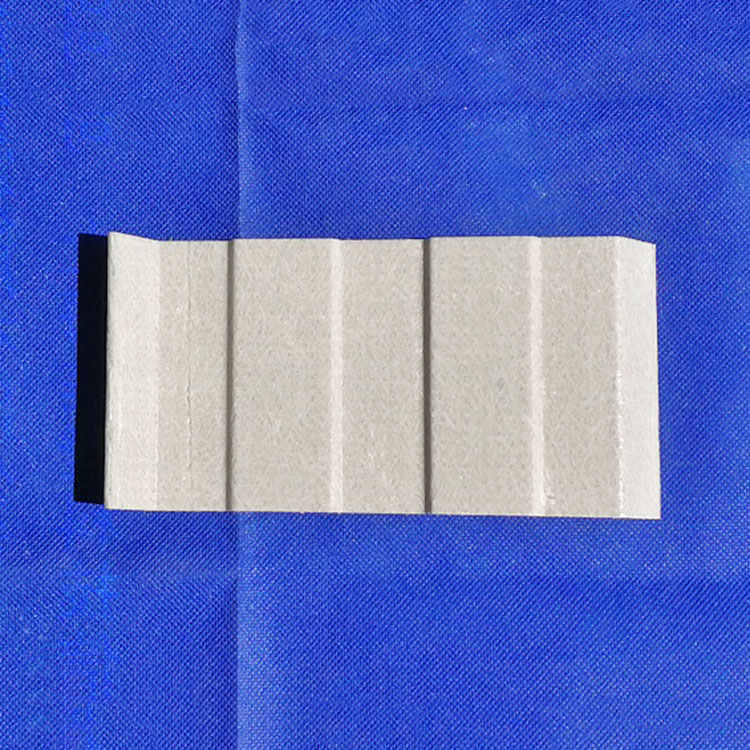





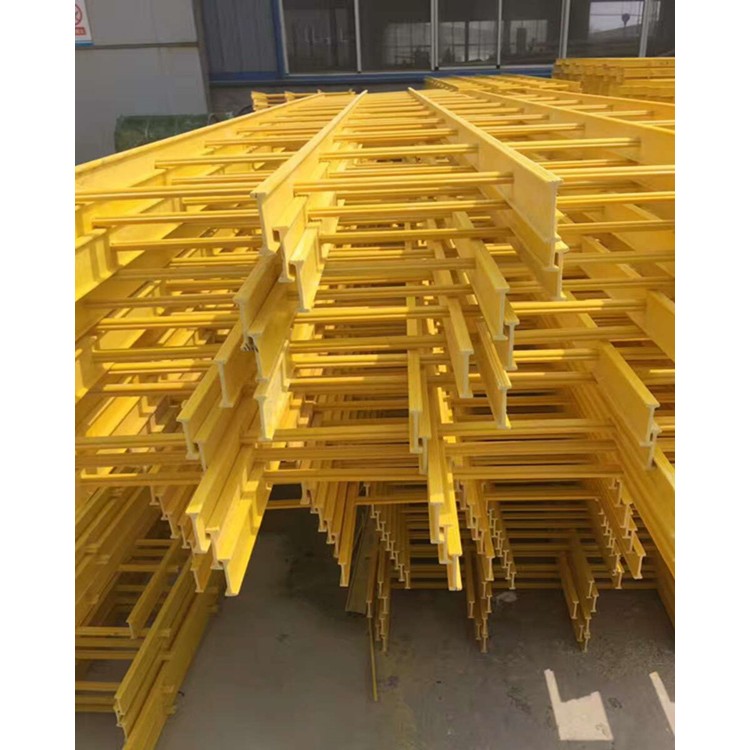
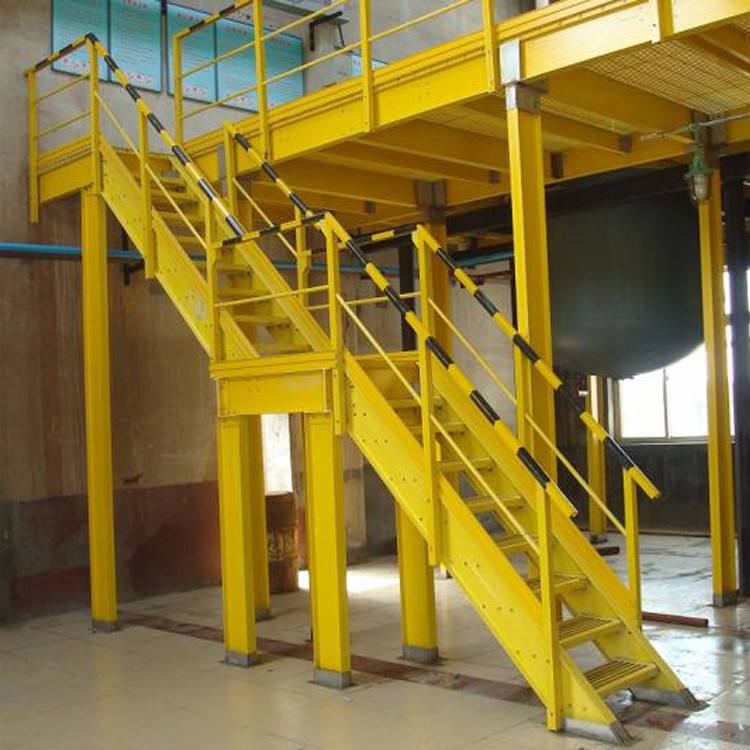
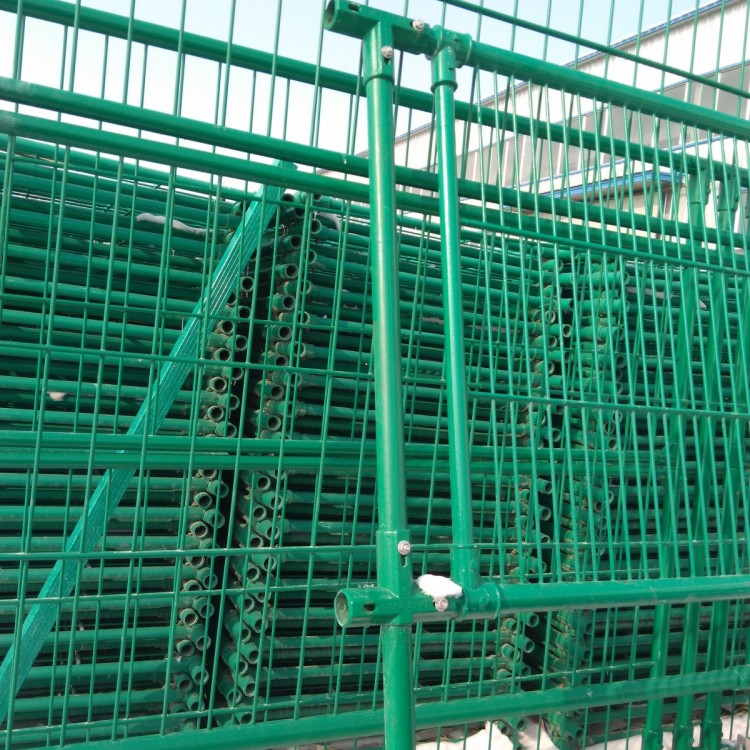
Fiberglass pultruded profiles are a composite material formed by using untwisted coarse glass fiber as the reinforcing skeleton material and thermosetting resin as the matrix material. The continuous glass fiber roving imparts the product with high tensile strength, while the glass fiber mat provides good lateral strength.
Commonly used thermosetting resin matrices typically include unsaturated polyester resins, vinyl ester resins, epoxy resins, and phenolic resins. These matrices provide products with excellent corrosion and weather resistance. Different resins allow the products to be suitable for various harsh corrosive environments. For specifics, please inquire.
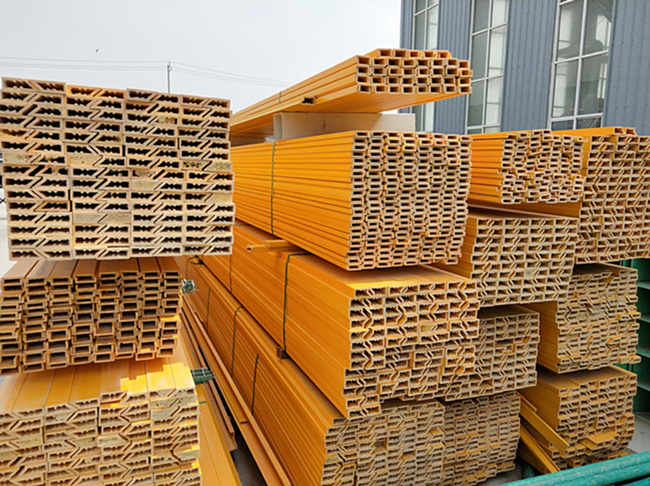
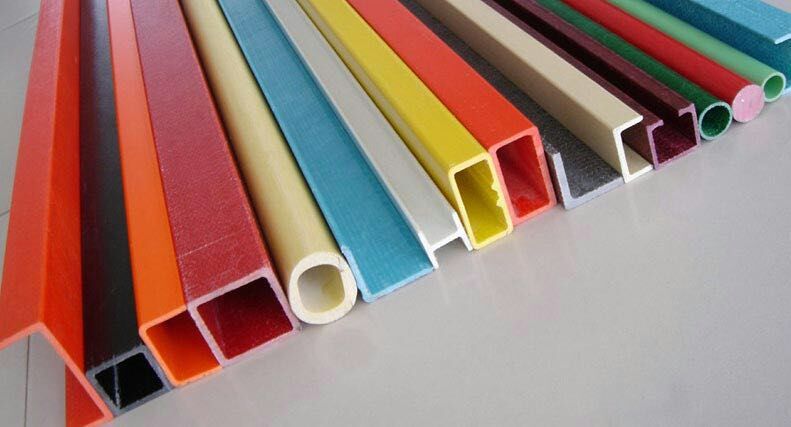
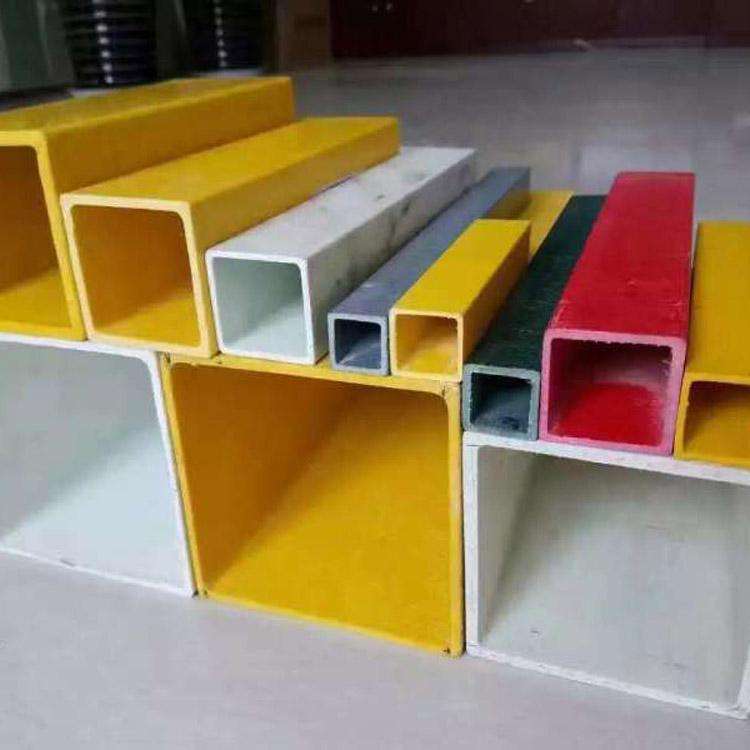
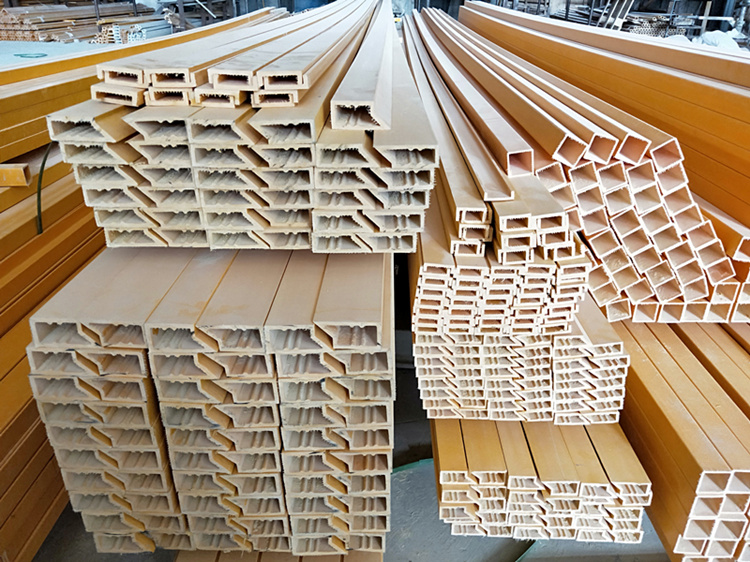
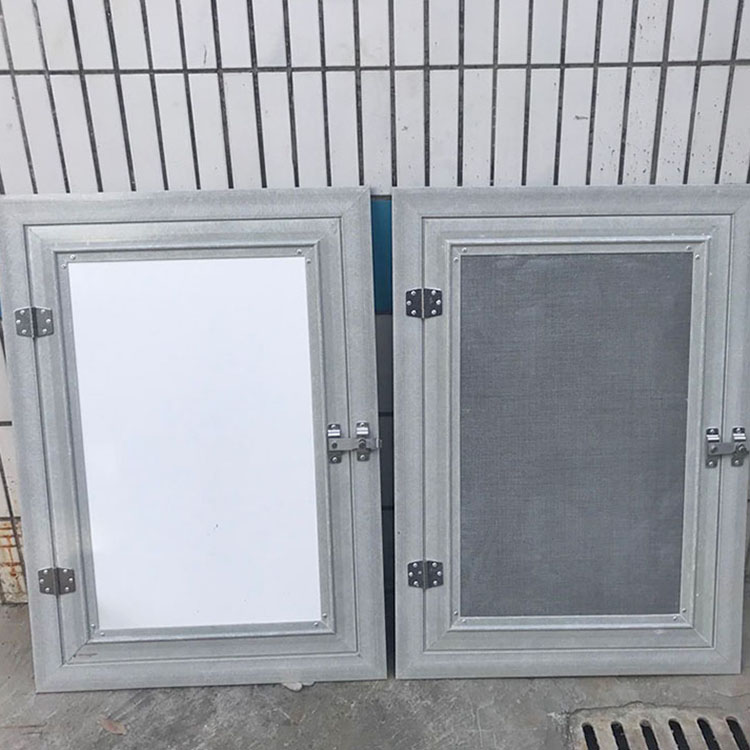
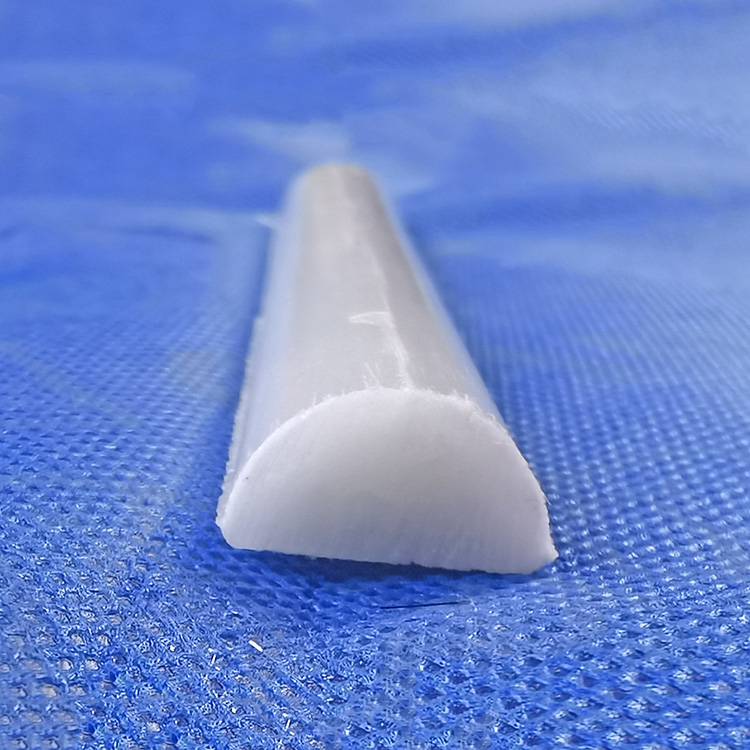
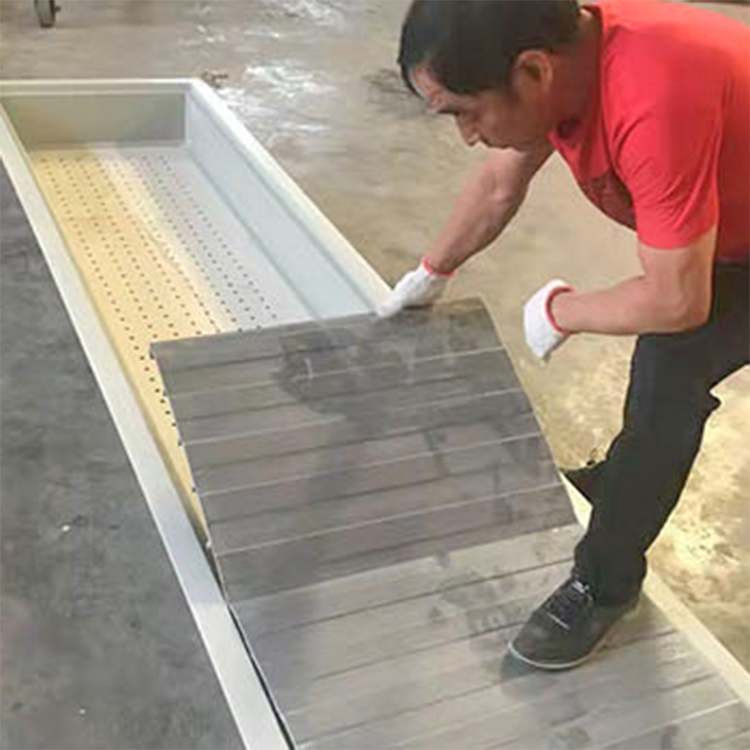
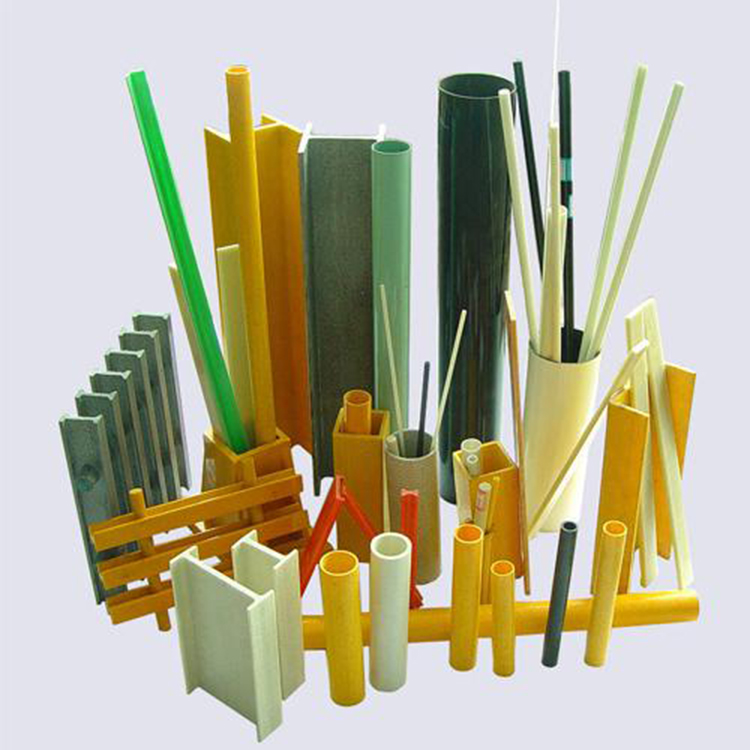
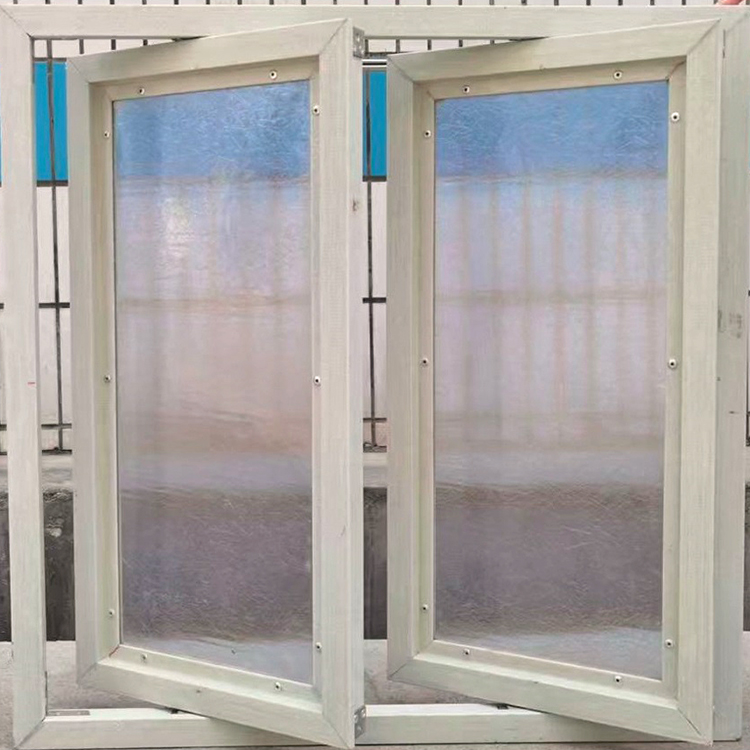
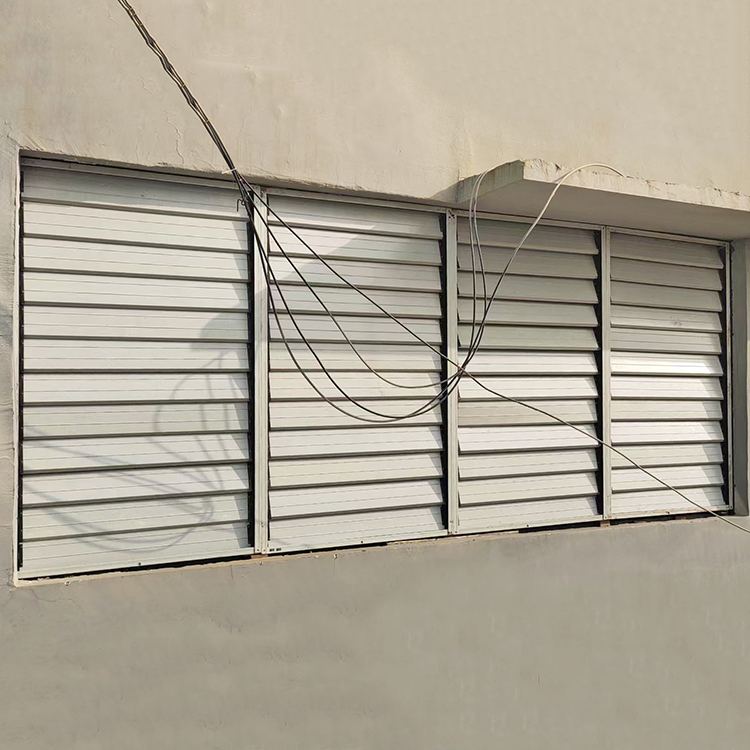
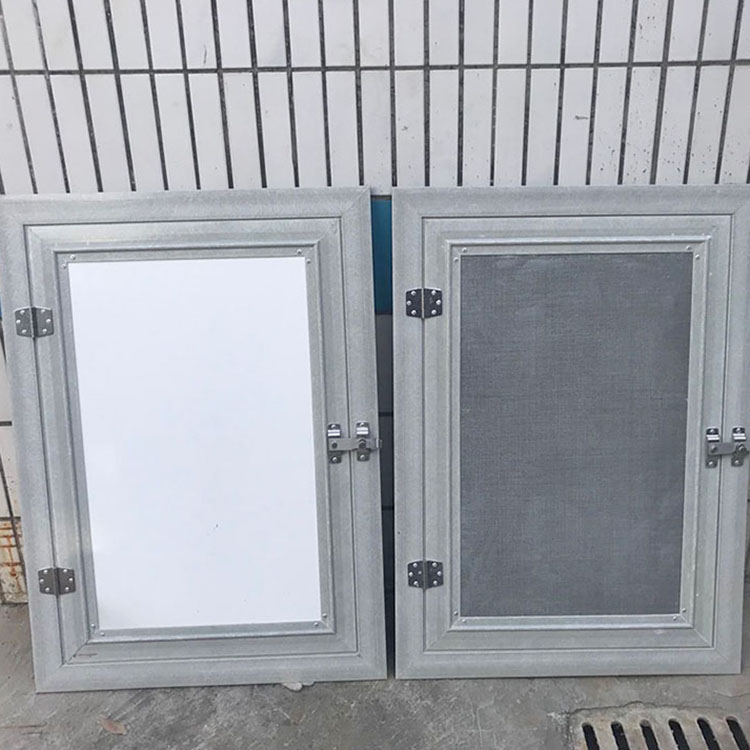
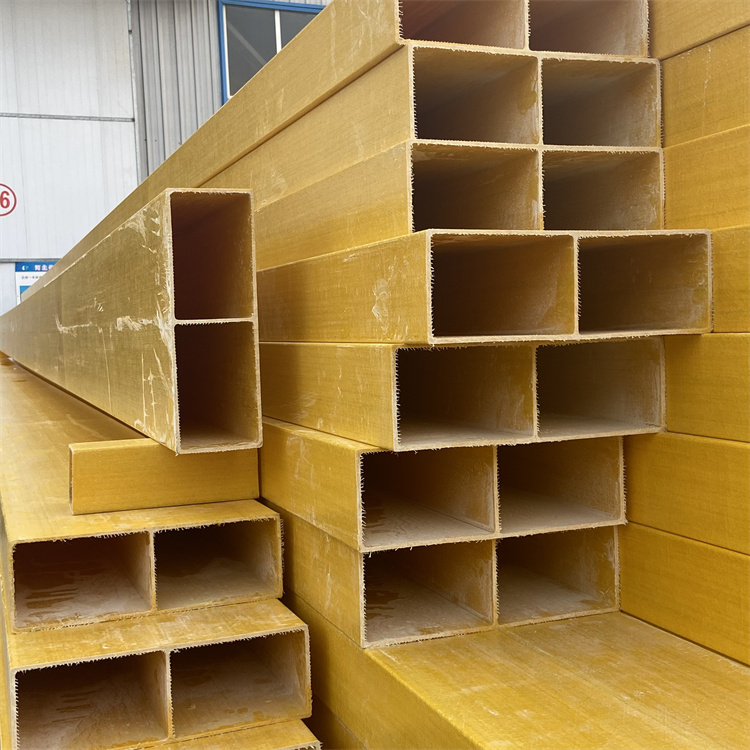
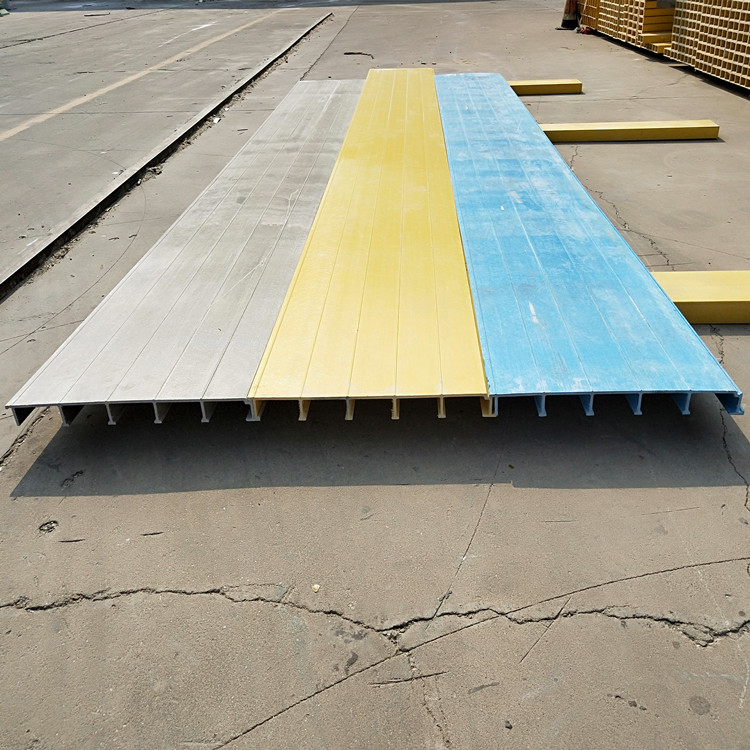
Fiberglass pultruded profiles include round tubes, round bars, angle iron, I-beams, channel steel, square tubes, rectangular tubes, heart-shaped tubes, flat strips, cable trays, doors and windows, sports equipment, and other standard profiles, as well as custom-shaped profiles to meet customer requirements. Fiberglass profiles are widely used in fields such as chemical corrosion prevention, wastewater treatment, electrical insulation, energy exploration, transportation, and electronic communication due to their outstanding lightweight, high-strength, corrosion-resistant, and insulating properties.
Key characteristics of fiberglass pultruded profiles: smooth surface, aesthetically pleasing appearance, acid-resistant, lightweight yet high-strength, insulated, flame-retardant, anti-aging, non-magnetic, uniform dimensions. Their longitudinal bending strength and impact strength exceed that of ordinary steel, with a service life typically exceeding 50 years.
This product is widely used in: energy, chemical industry, transportation, construction, printing machinery, textile machinery drive shafts, electrical insulation ladders, residential ladders, tool handles, cable protectors, antenna covers, oil transportation pipelines, sewage treatment pipelines, and purification water treatment pipelines, etc.
Glass fiber reinforced pultruded profiles boast excellent surface properties: when in contact with chemical media, these composite materials typically produce very little corrosion and scale, making them ideal for manufacturing fluid pipelines. These pipelines exhibit low internal resistance and a low friction coefficient, thereby saving substantial amounts of power. Since these composites generally do not easily generate metal ion contaminants like metals, this is also the reason for their widespread use in the food and pharmaceutical industries. Additionally, composites have a high friction (pv) limit value. Under water-lubricated conditions, their friction coefficient is very low, around 0.01 to 0.03, making them an excellent choice for wear-resistant materials.
Characteristics of glass fiber reinforced pultruded profiles:
1. Corrosion-resistant: Capable of withstanding corrosion from acidic, alkaline, organic solvents, and salt-based gases and liquids, offering unparalleled superiority compared to other metals.
2. Lightweight and High-Strength: The interlaced weaving and full resin impregnation of the overall molded structure result in a strength 10 times that of rigid PVC. The absolute strength far exceeds aluminum, reaching the level of ordinary steel.
3. Flame retardant, impact-resistant, and aging-resistant.
4. Safety: Insulated, non-magnetic, anti-slip, no electrical sparks, fatigue-resistant
5. Easy Installation: Due to the lightweight nature of fiberglass, components are significantly lighter, reducing the weight of the supporting structure. Installation does not require lifting equipment, saving both time and effort.