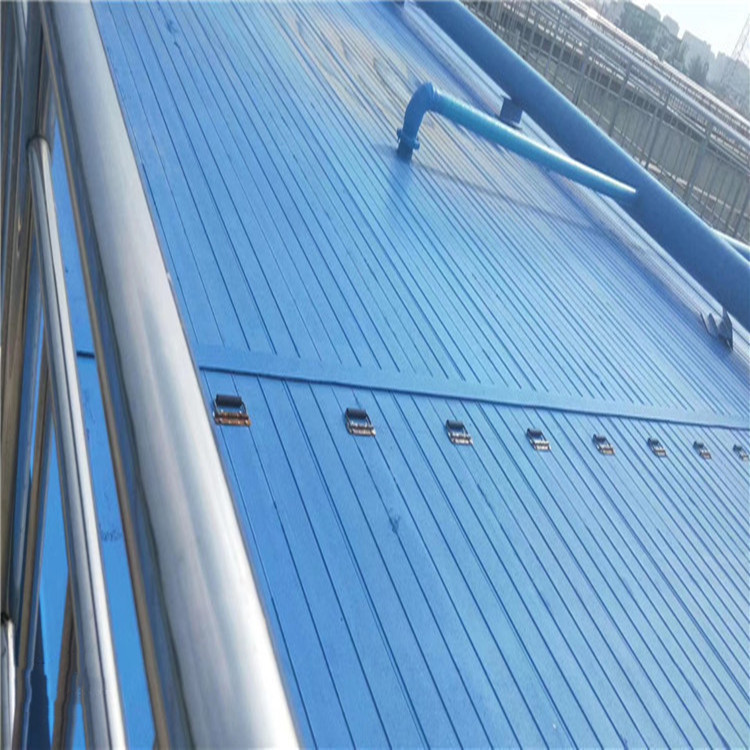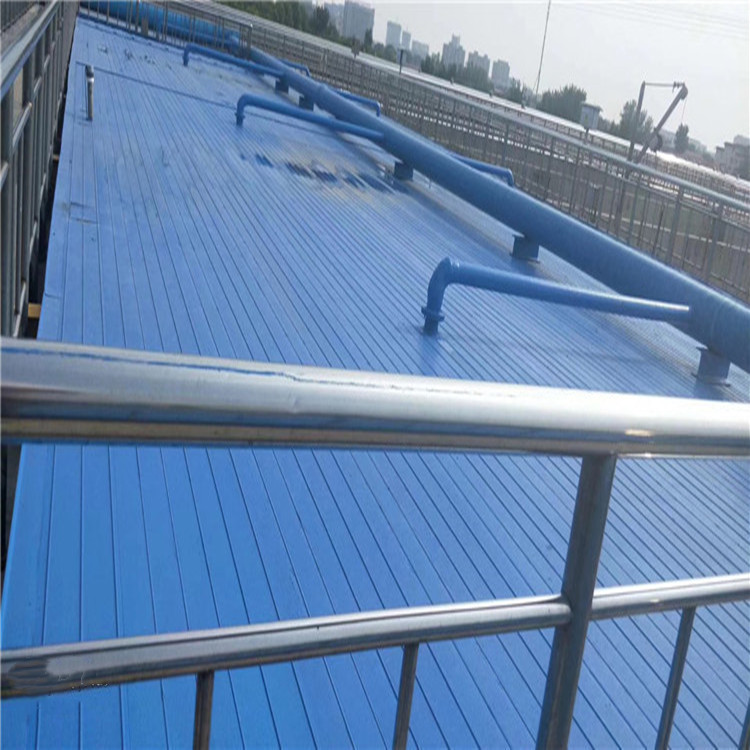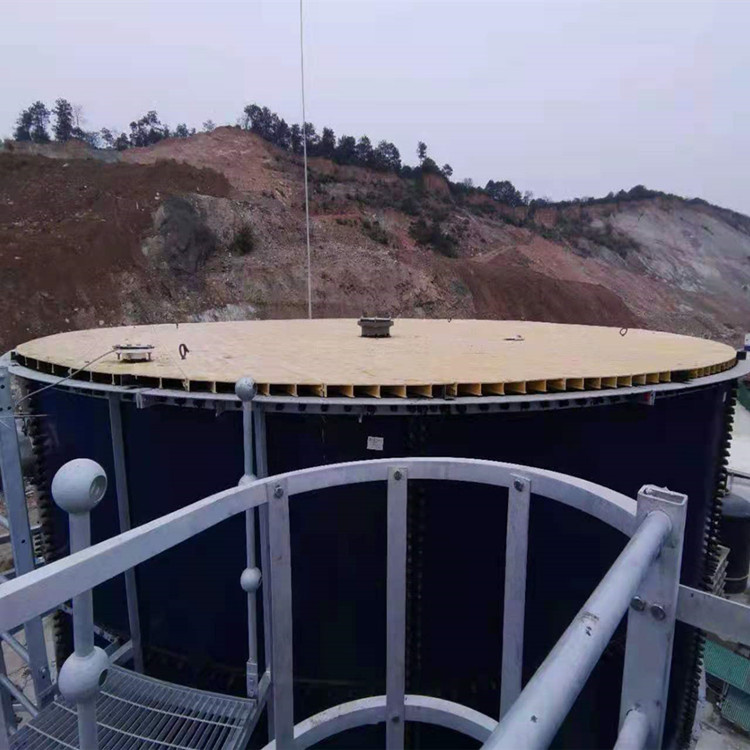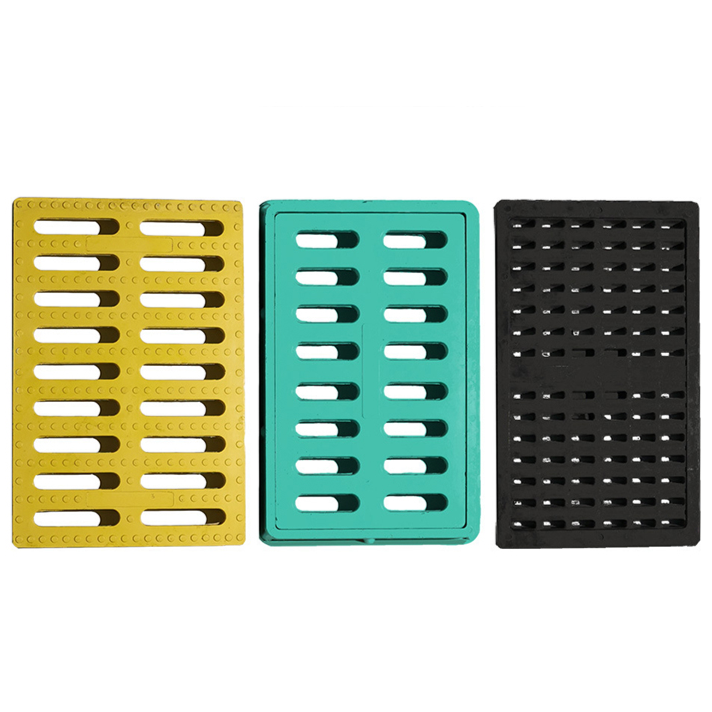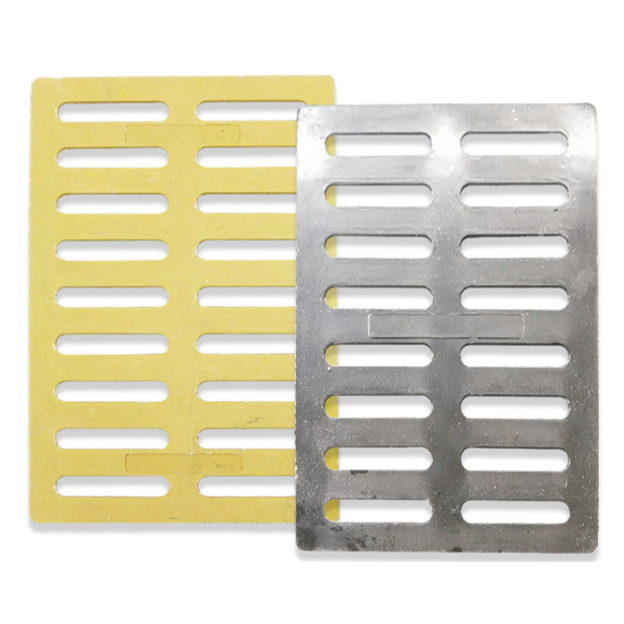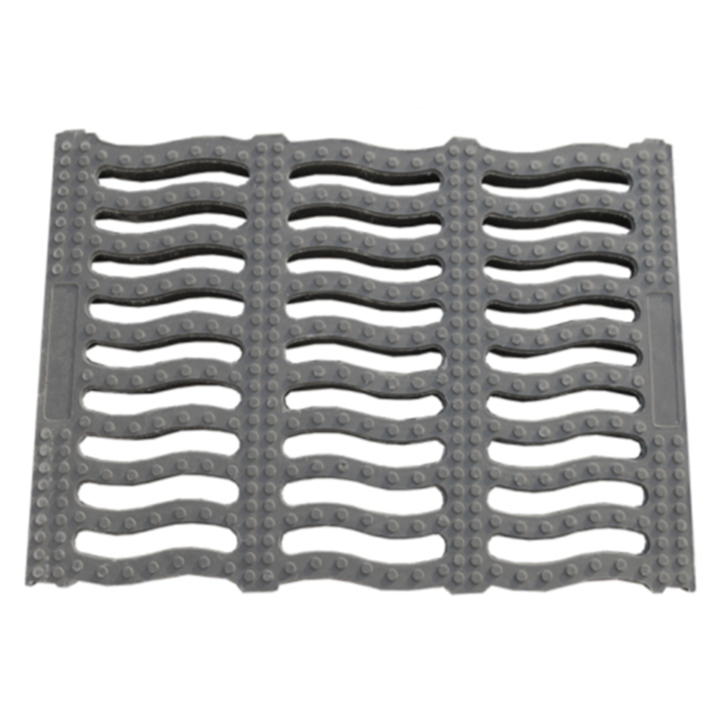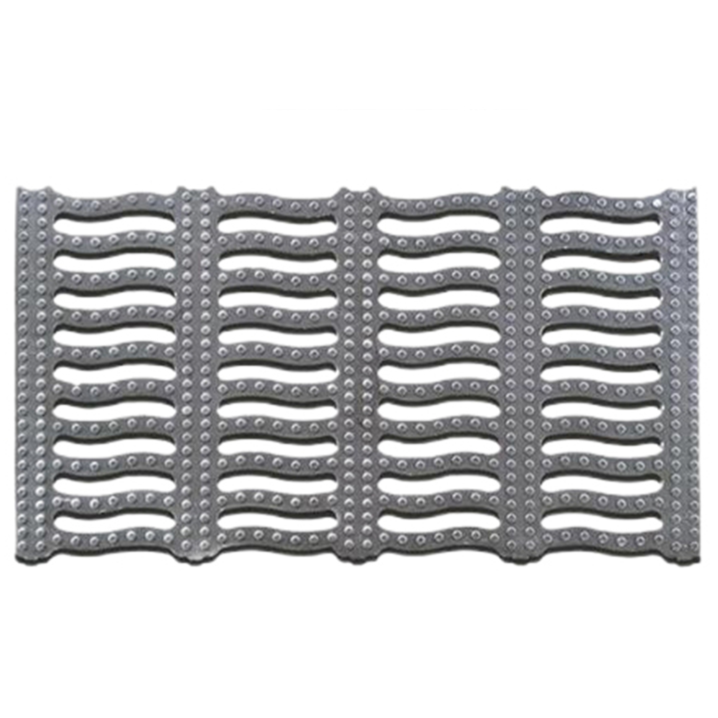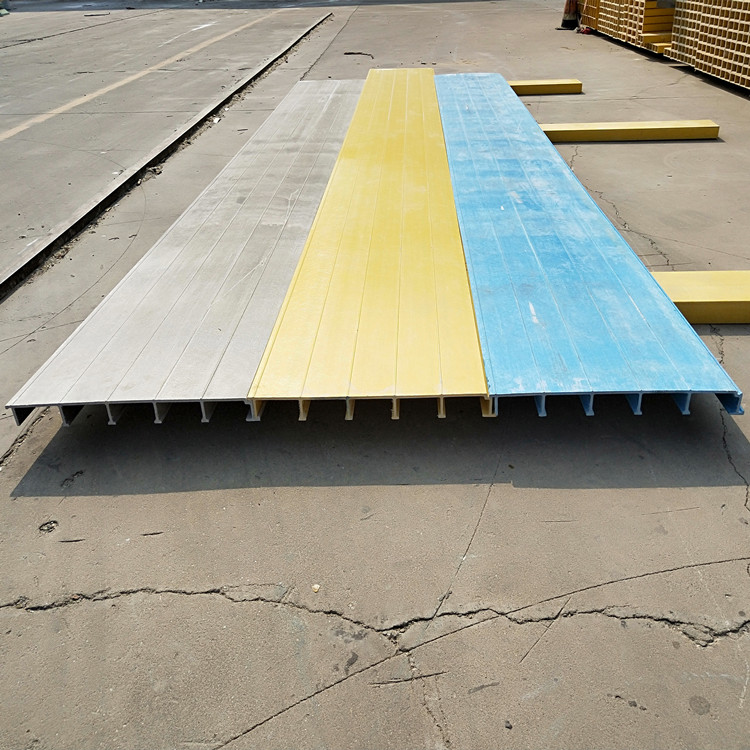

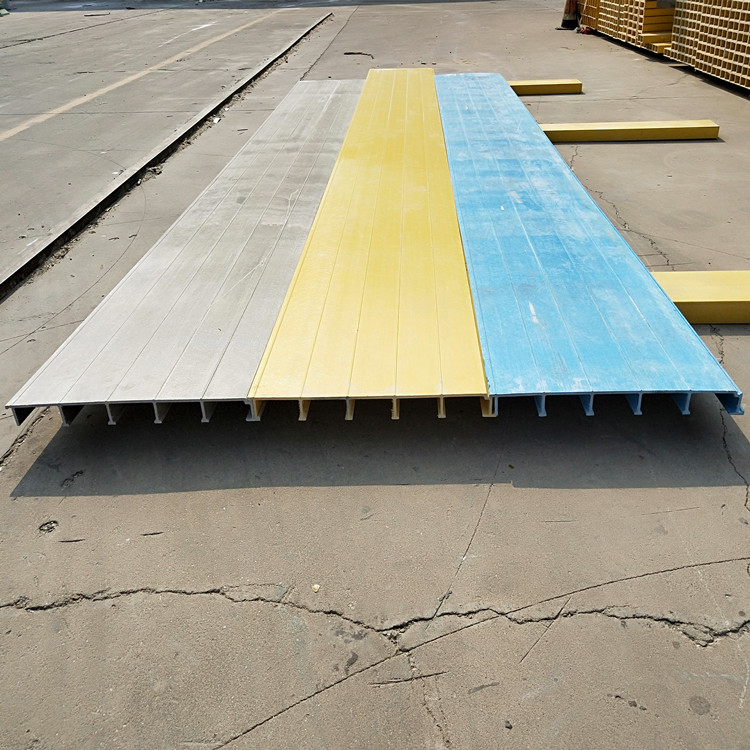

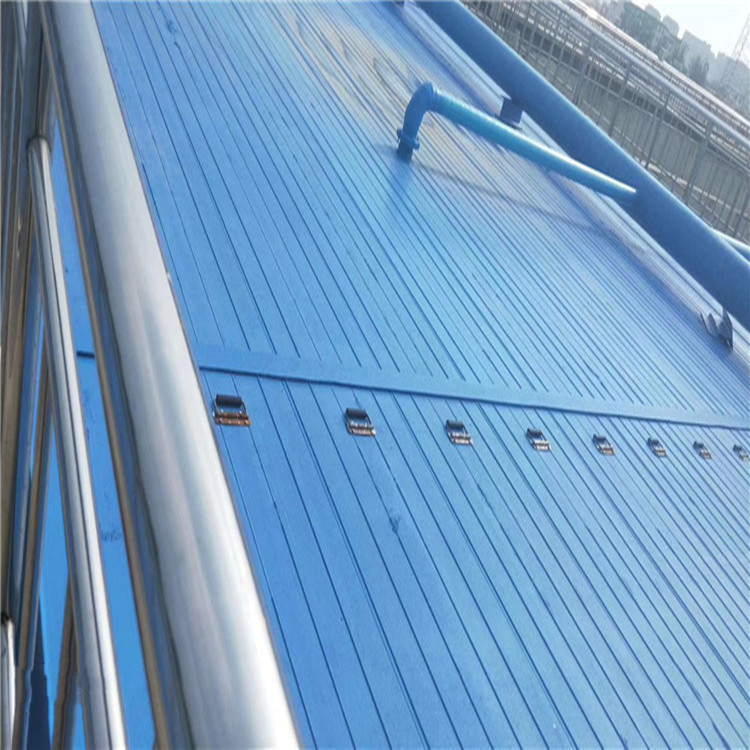


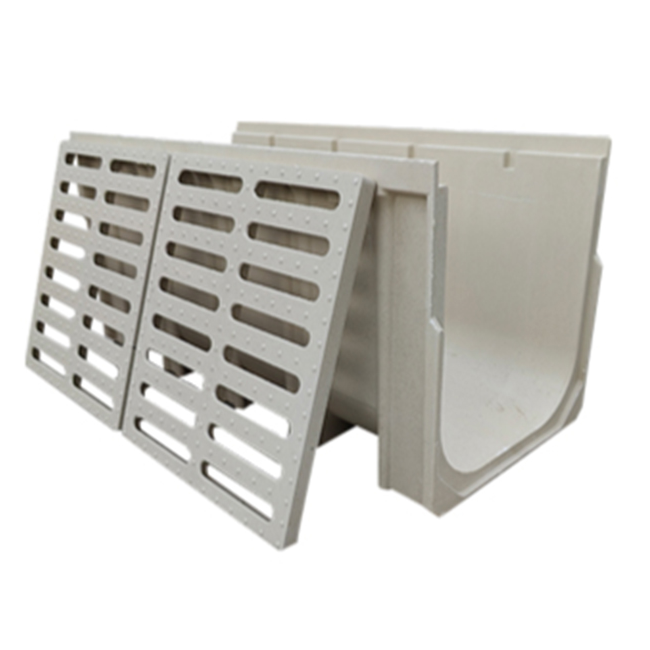
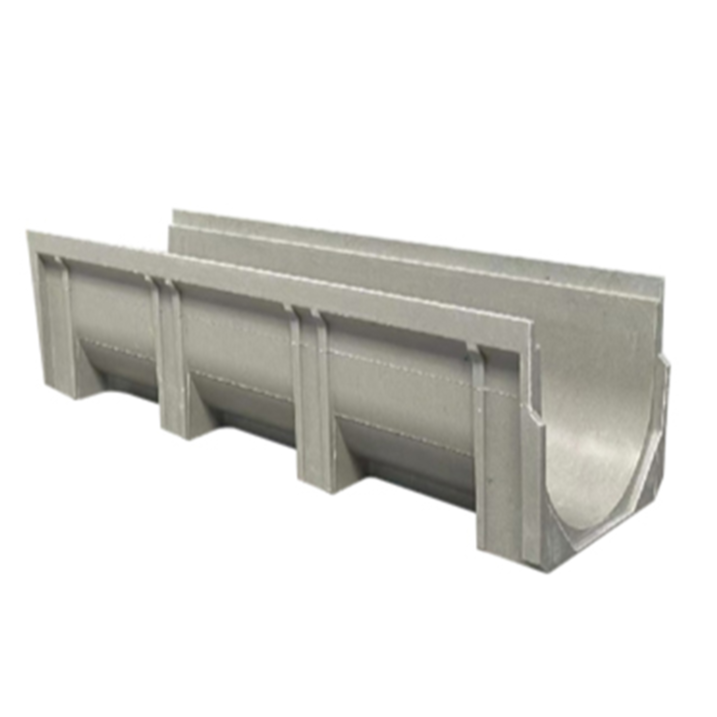
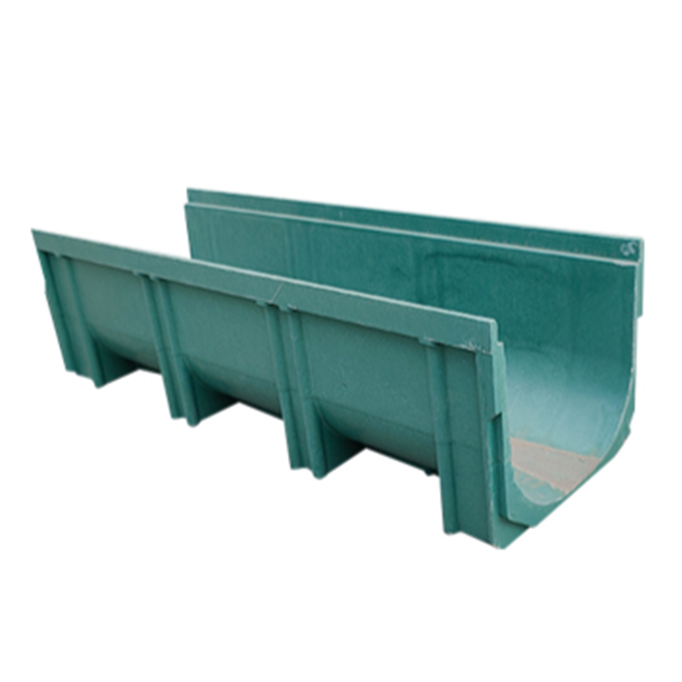
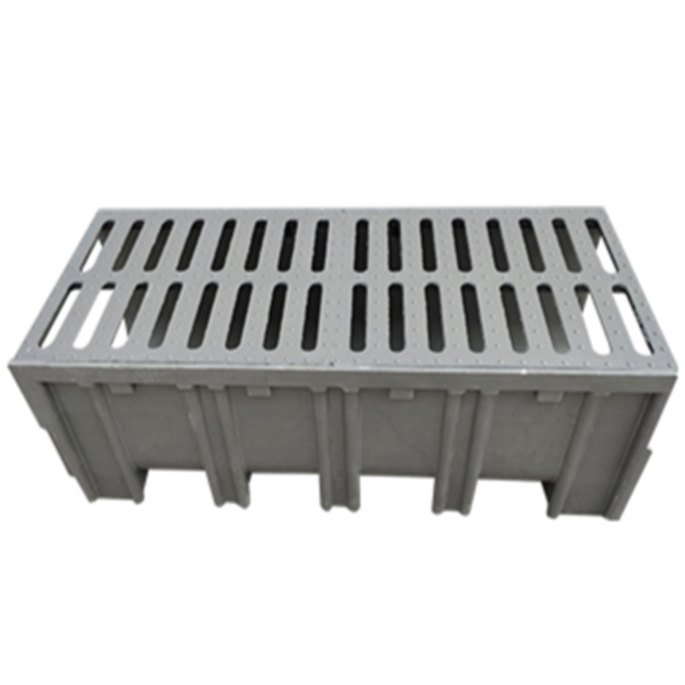
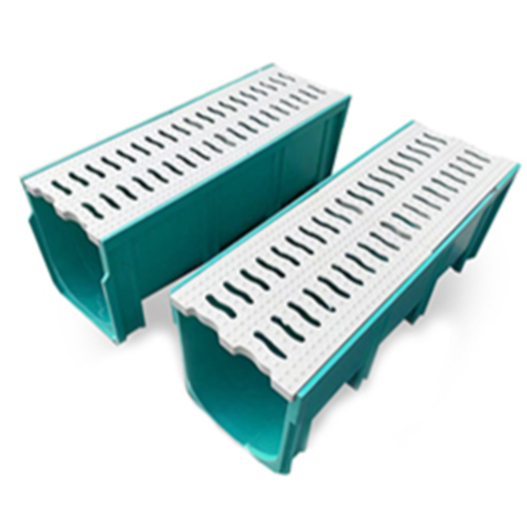





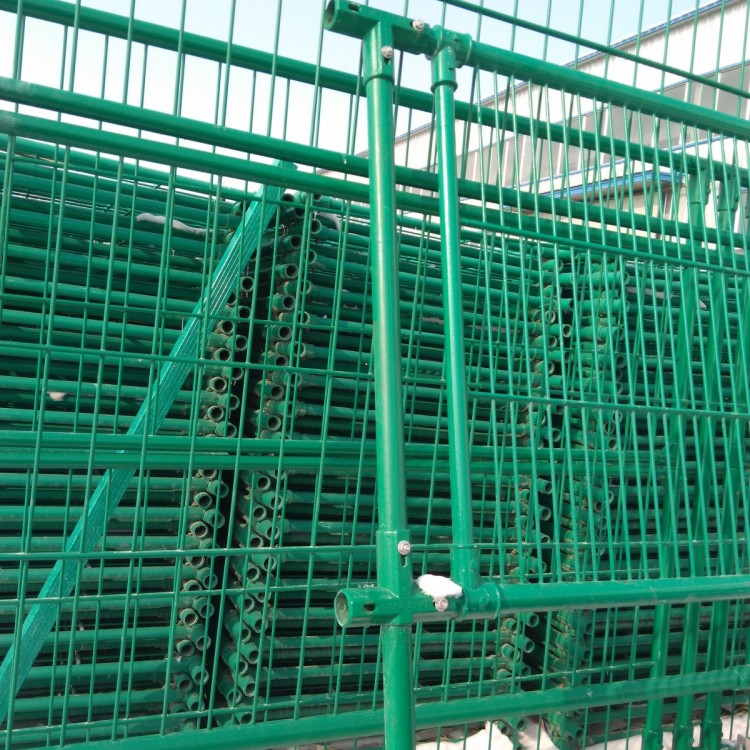
Additional glass fiber reinforced plastic (GFRP) covers, gas collection domes, and gas collection lids are installed above the wastewater pond to isolate the emitted gases from the air. Exhaust outlets are added to the surface of the GFRP covers, domes, and lids, and ventilation pipes are installed. The exhaust gases are then channeled into an exhaust gas purification tower. To enhance exhaust gas collection, a GFRP fan is installed in front of the purification tower, which draws the exhaust gases into the tower. Inside the tower, the gases undergo two-stage spraying. If the gases are acidic, an alkaline liquid recirculation absorption process is used; if alkaline, an acidic liquid recirculation spraying absorption process is employed. The exhaust gas treatment efficiency exceeds 90%, ensuring the emissions meet standards.
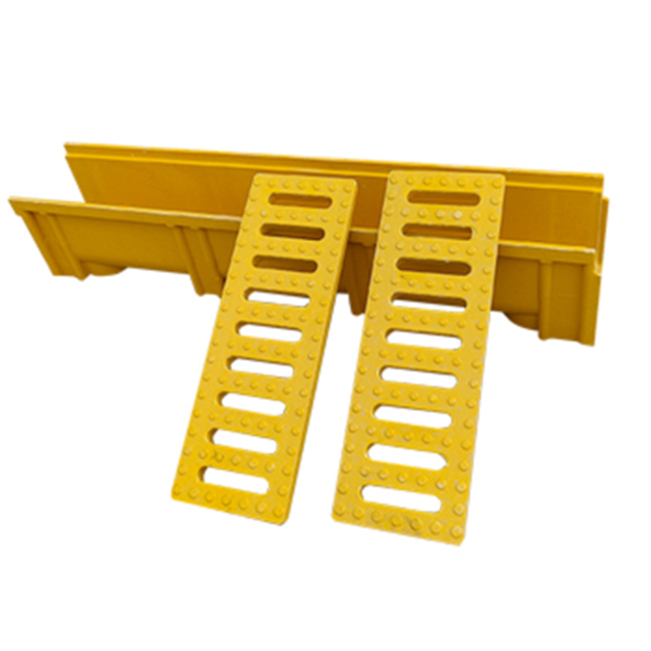
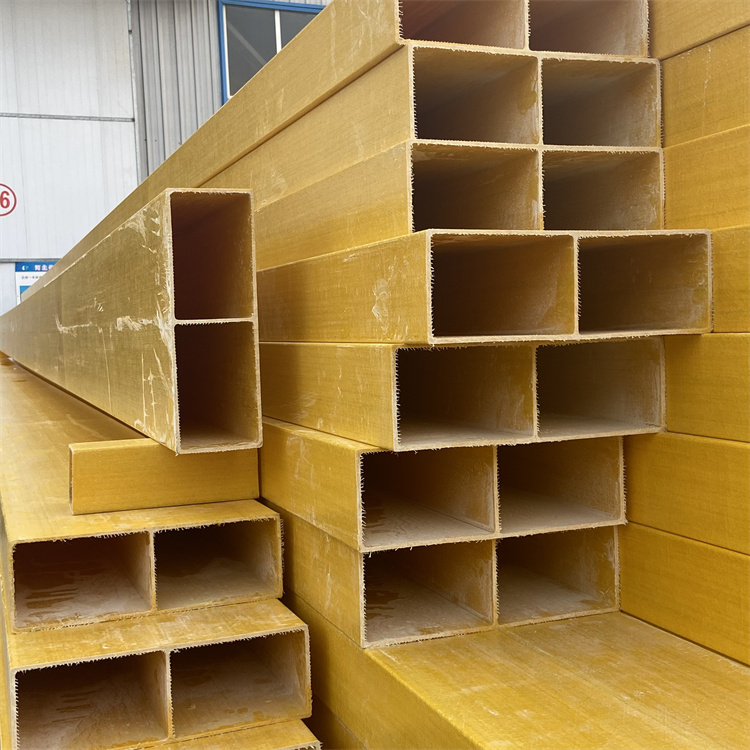
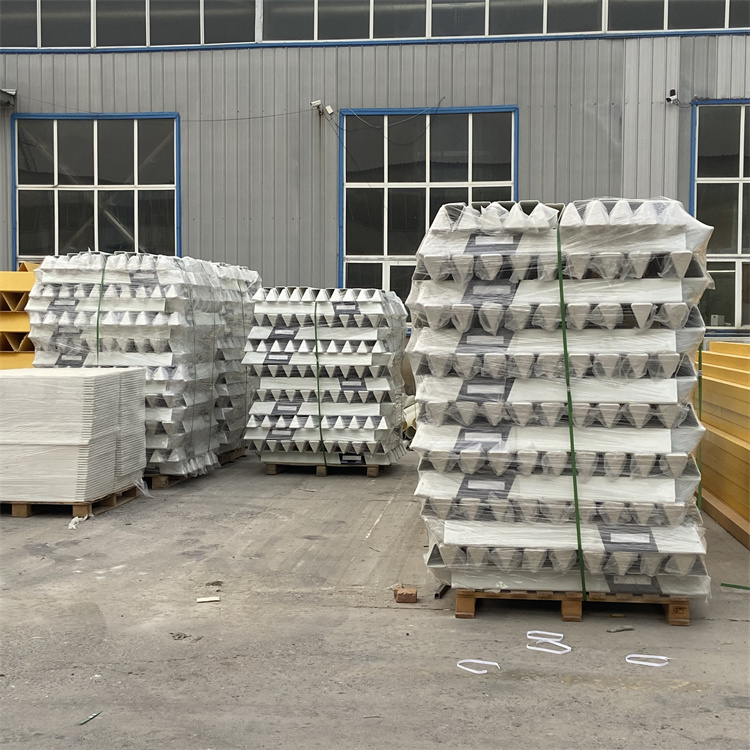
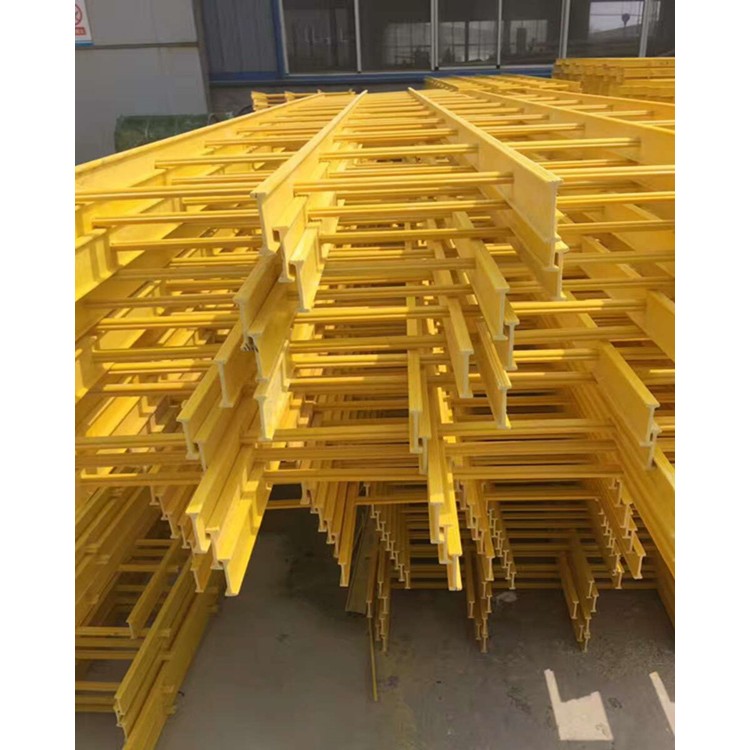
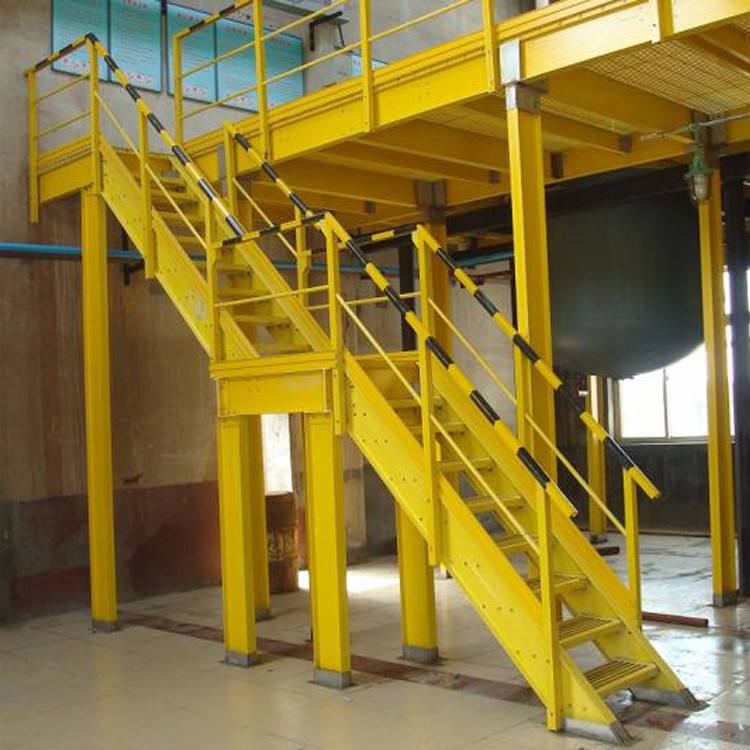
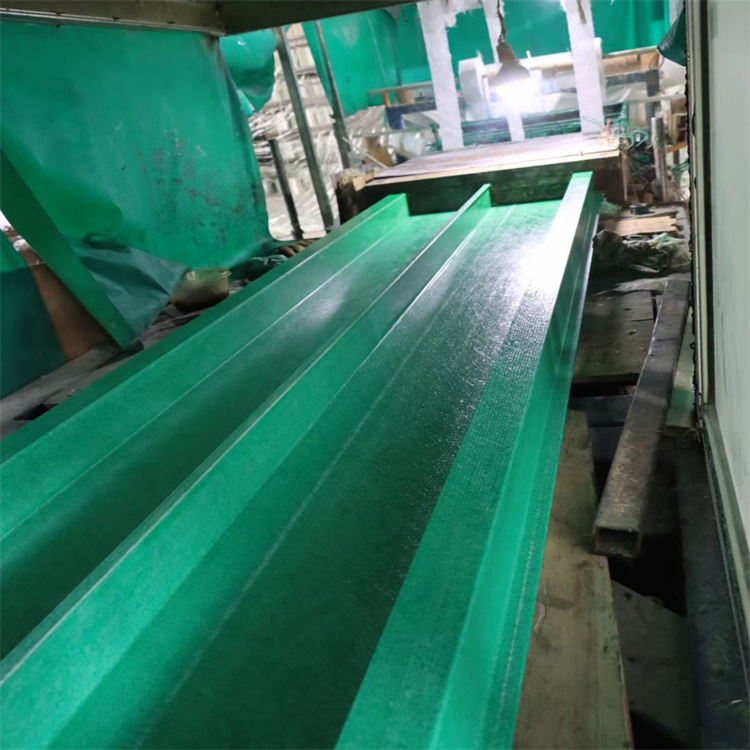
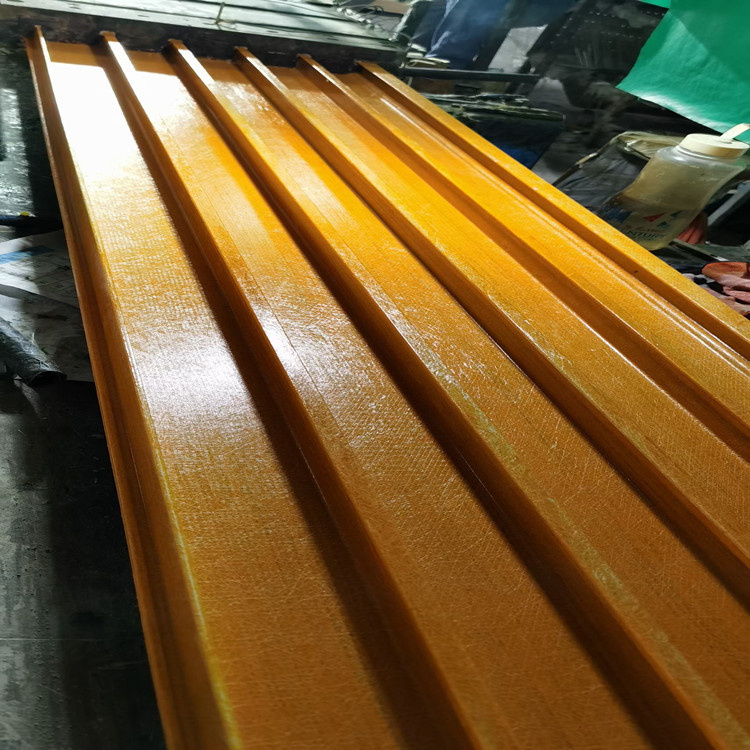
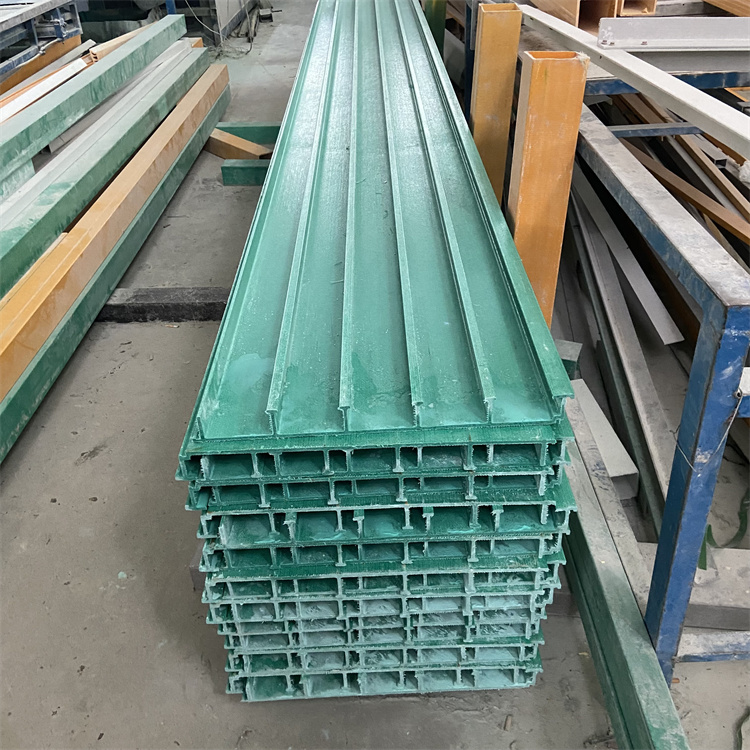
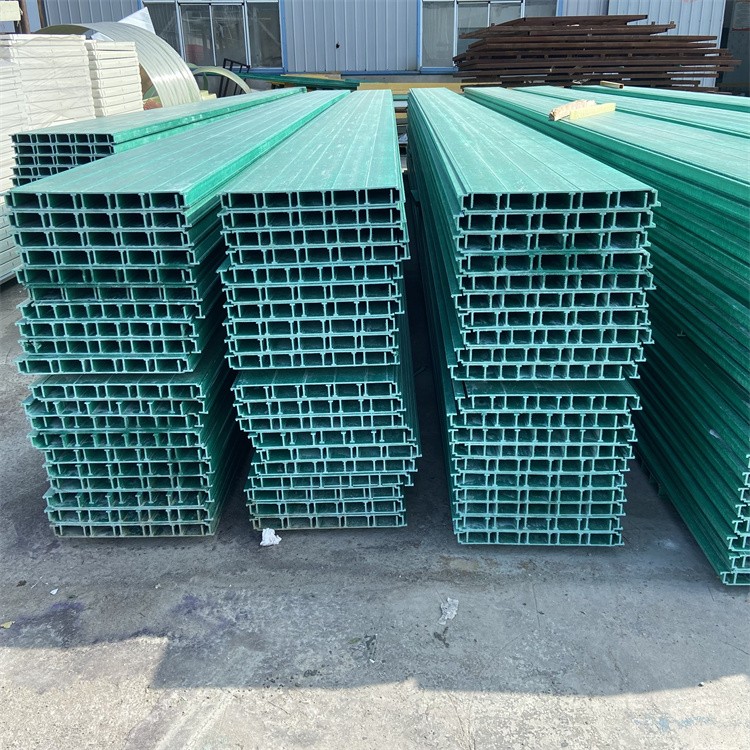
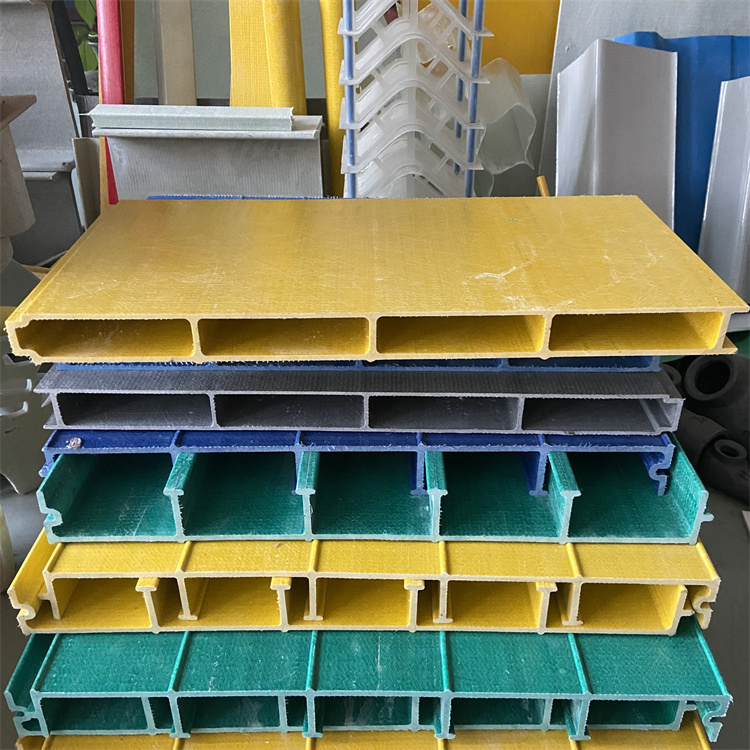
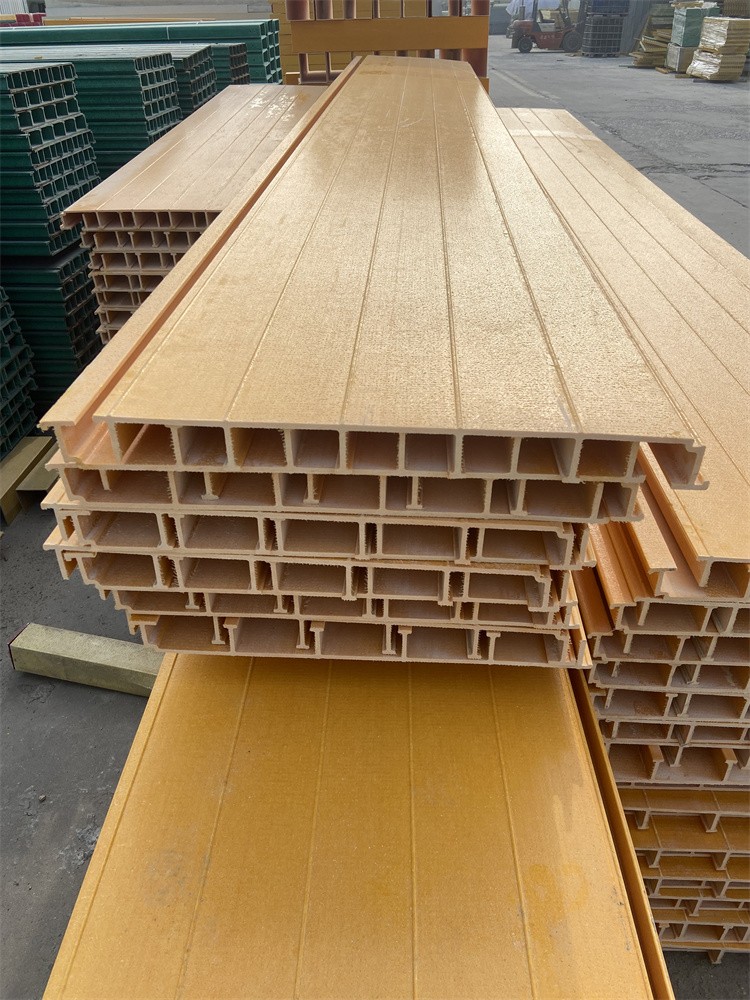
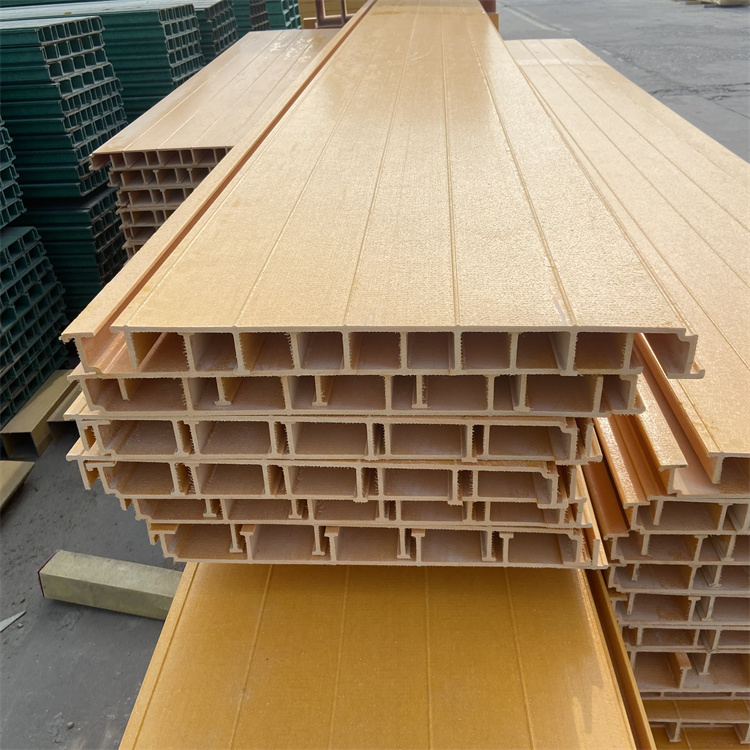
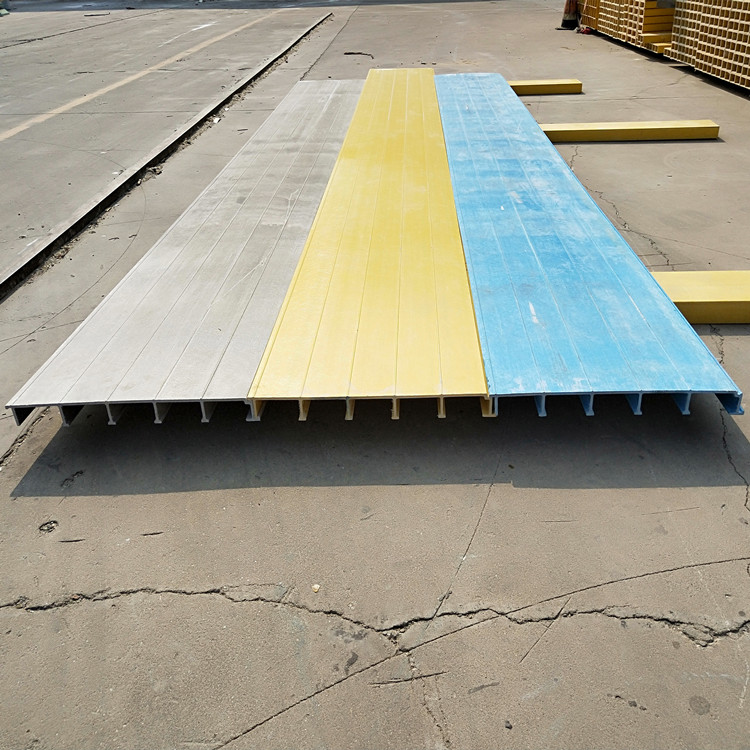
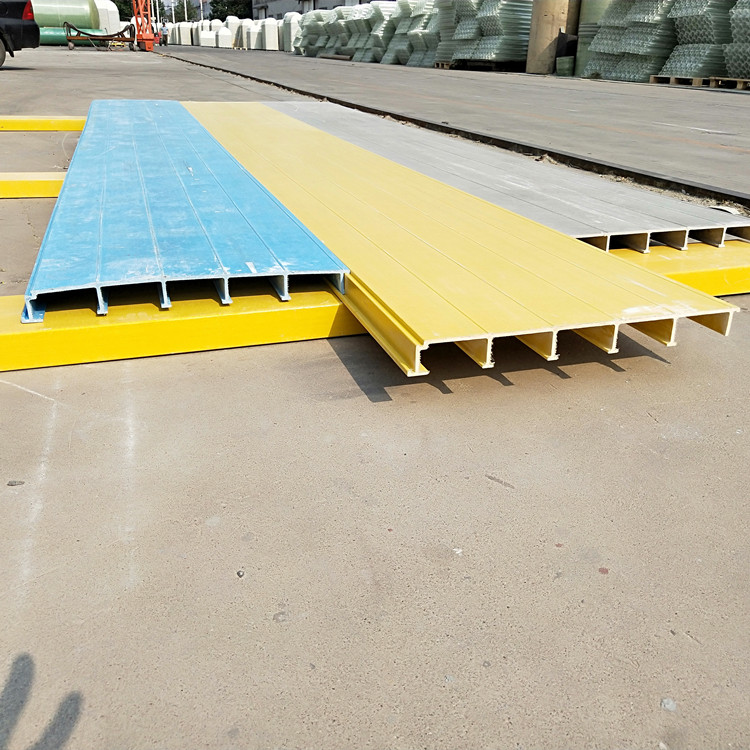
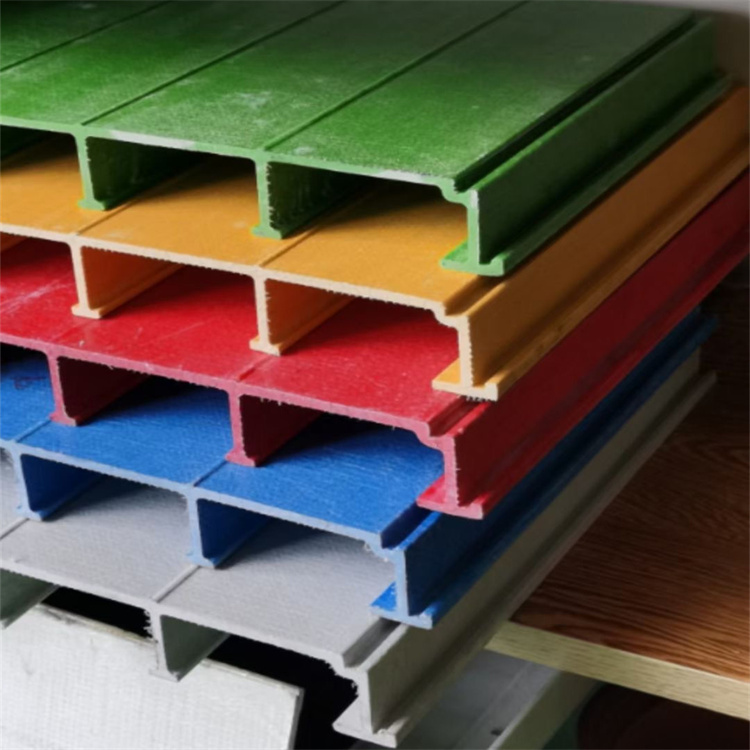
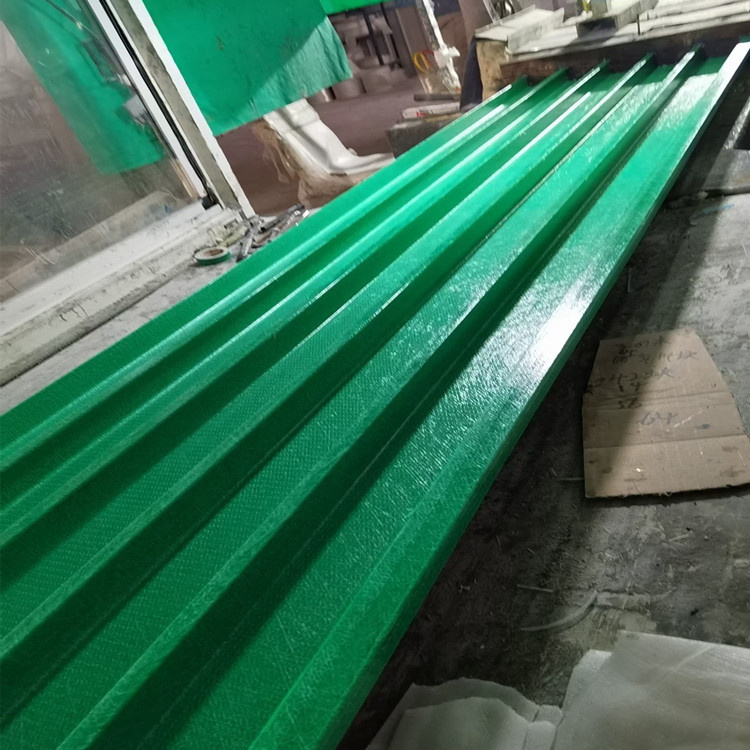
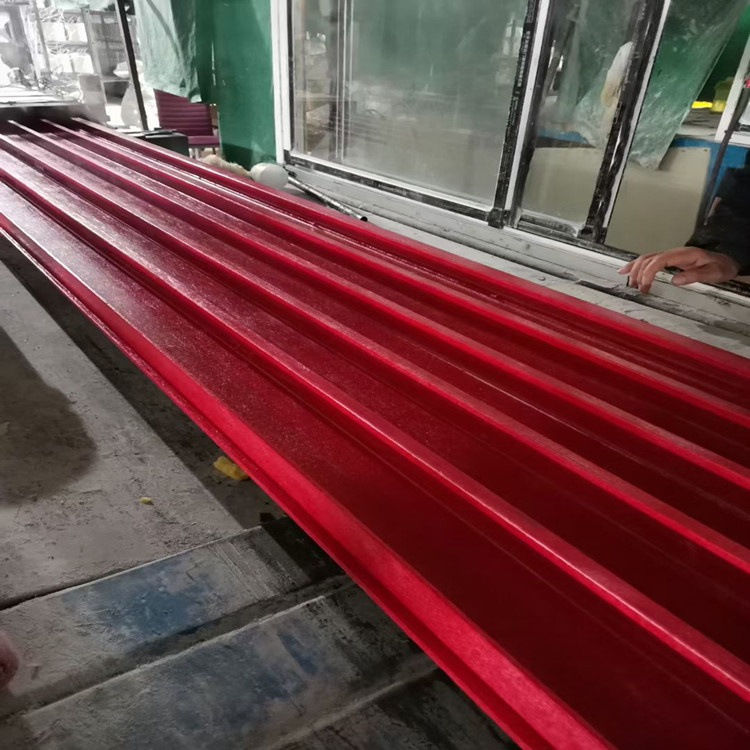
Glass fiber reinforced plastic (GFRP) covers and pultruded GFRP covers are composite material covers for sewage ponds, made with unidirectional glass fiber roving as the reinforcing matrix material and thermosetting synthetic resin as the matrix material. The reinforced plastic carrier made from these fibers is a fiber reinforced polymer. Continuous glass fiber yarn enhances the longitudinal strength of the product, while glass fiber mat enhances the transverse strength. By bonding glass fibers together with synthetic resin, various rigid products with fixed shapes can be created, capable of withstanding tensile, bending, compressive, and shear stresses. These covers offer corrosion resistance, insulation, heat insulation, gas escape prevention, light weight, high strength, easy installation, and quick construction. The reinforced plastic carriers made from these new fibers are high-performance fiber reinforced polymers.
The size specifications for the glass fiber reinforced plastic cover can be customized by the customer, or a design plan can be provided by our company upon the customer's usage requirements.
Glass-Fiber Reinforced Plastic (GFRP) Cover Applications
Odor control for wastewater treatment plants in industries such as oil, chemical, urban sewage treatment, pharmaceuticals, food, metallurgy, compound fertilizers, and light纺织 dyeing.

.jpg)
.jpg)