






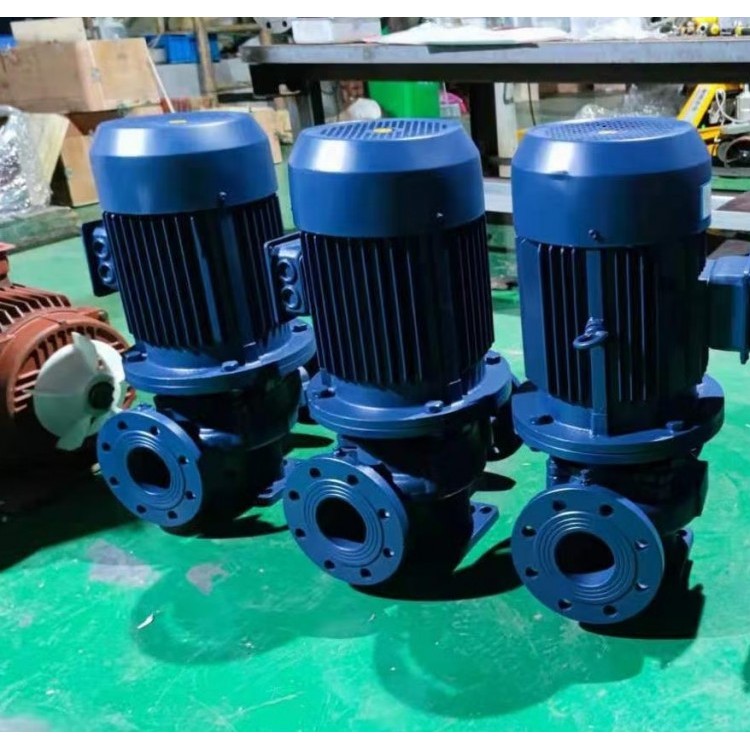
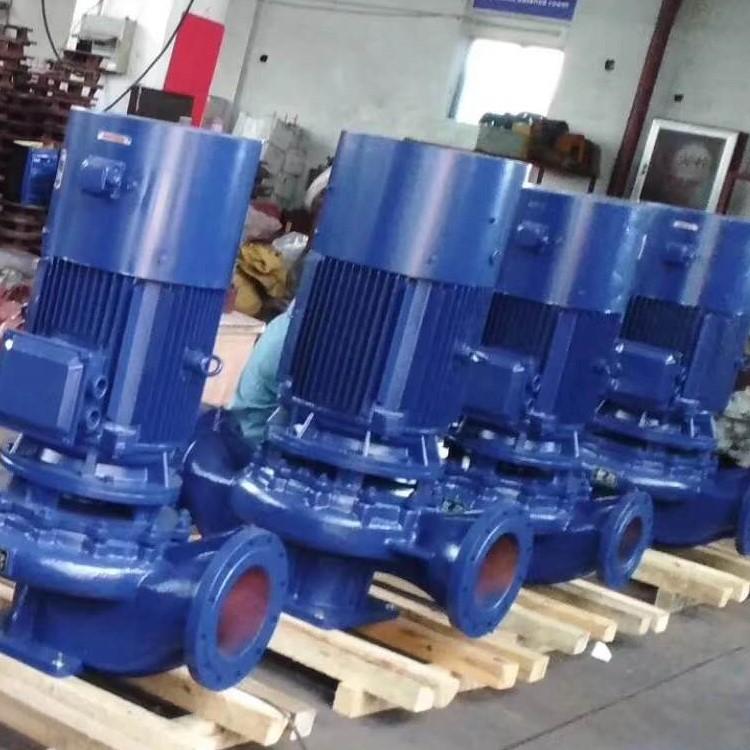
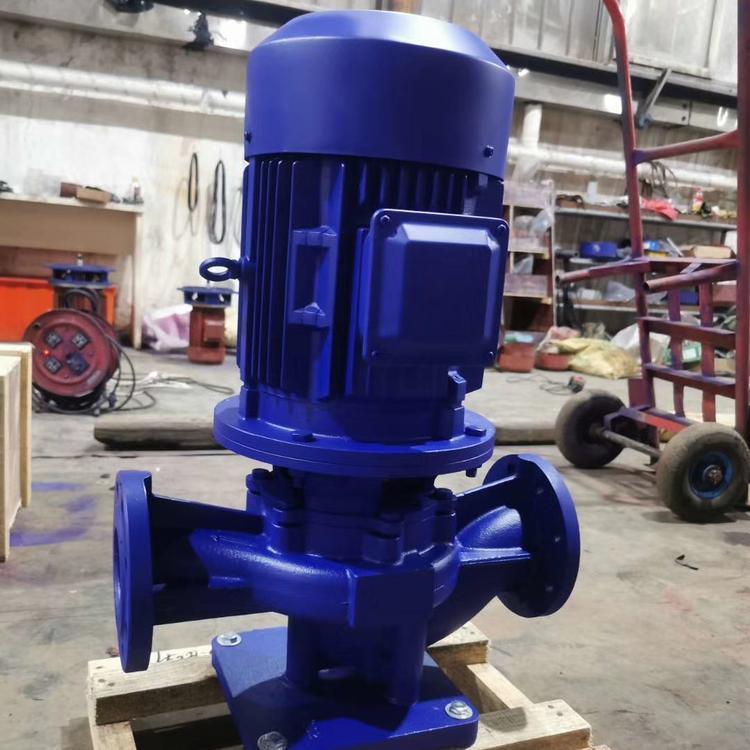
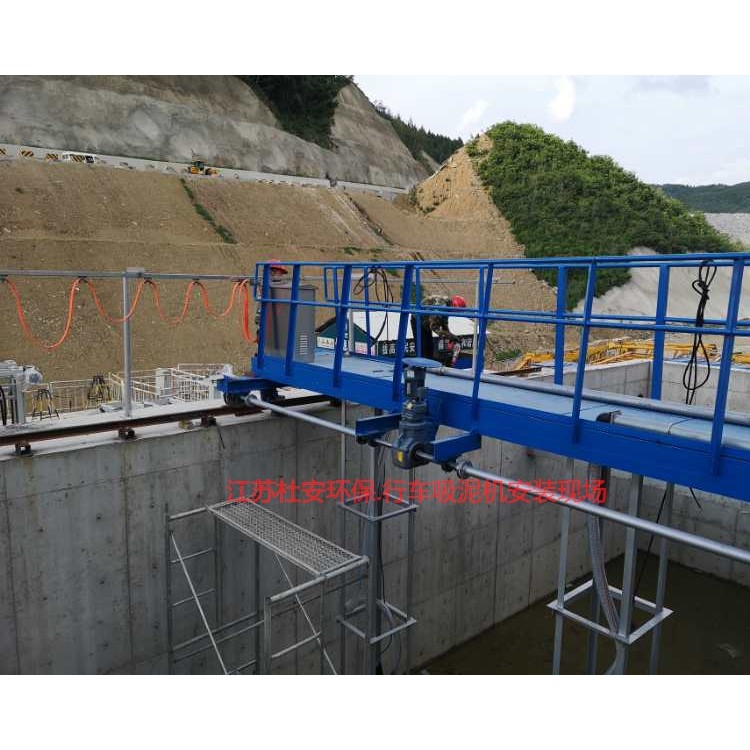
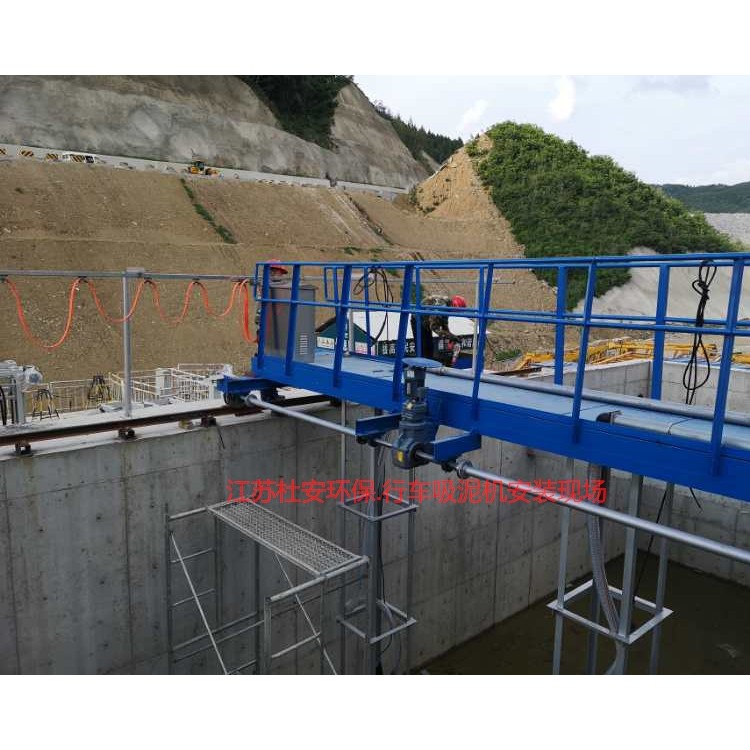
220V Submersible Aerator
Single-phase submersible centrifugal aeration machine price
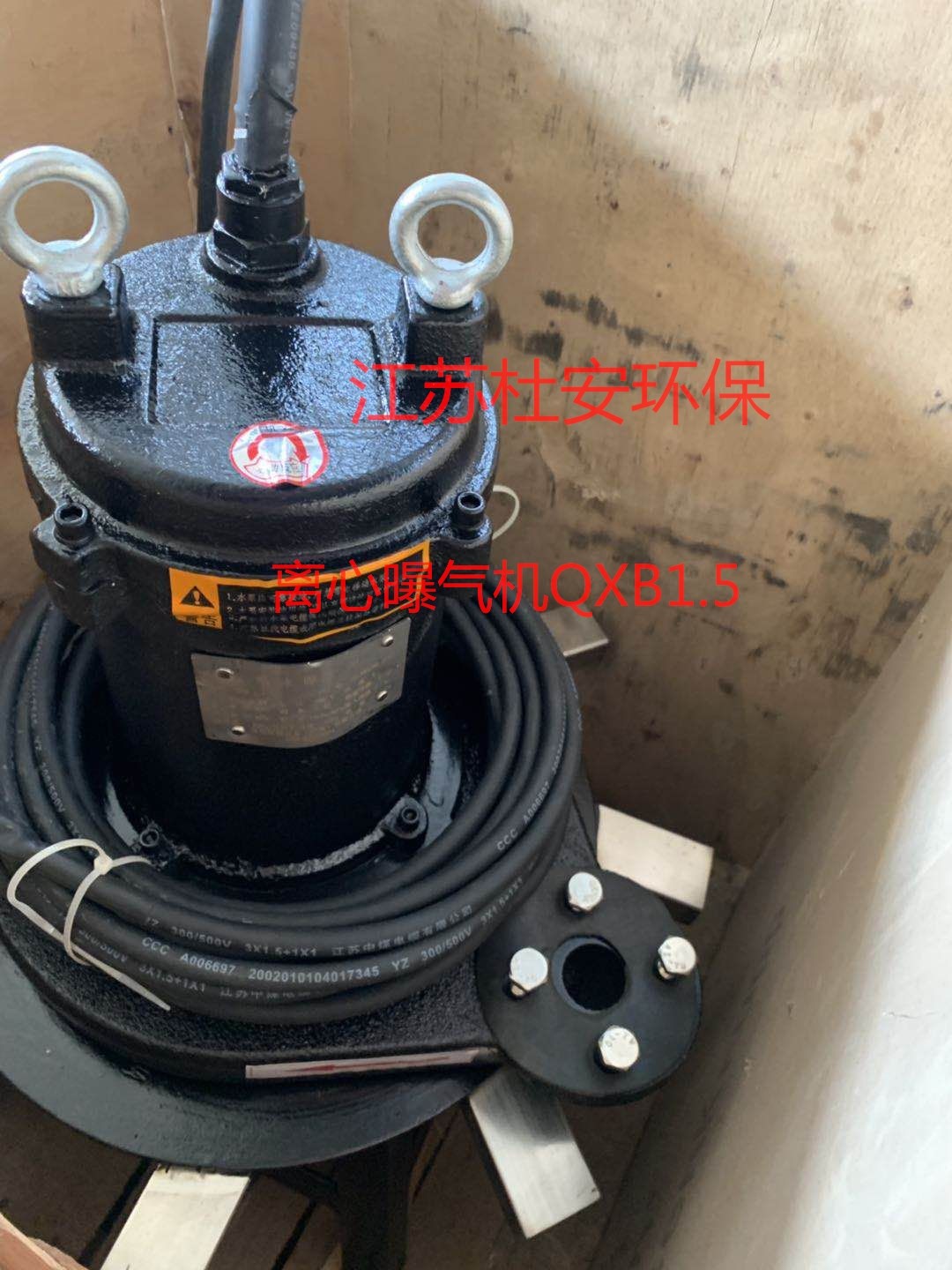
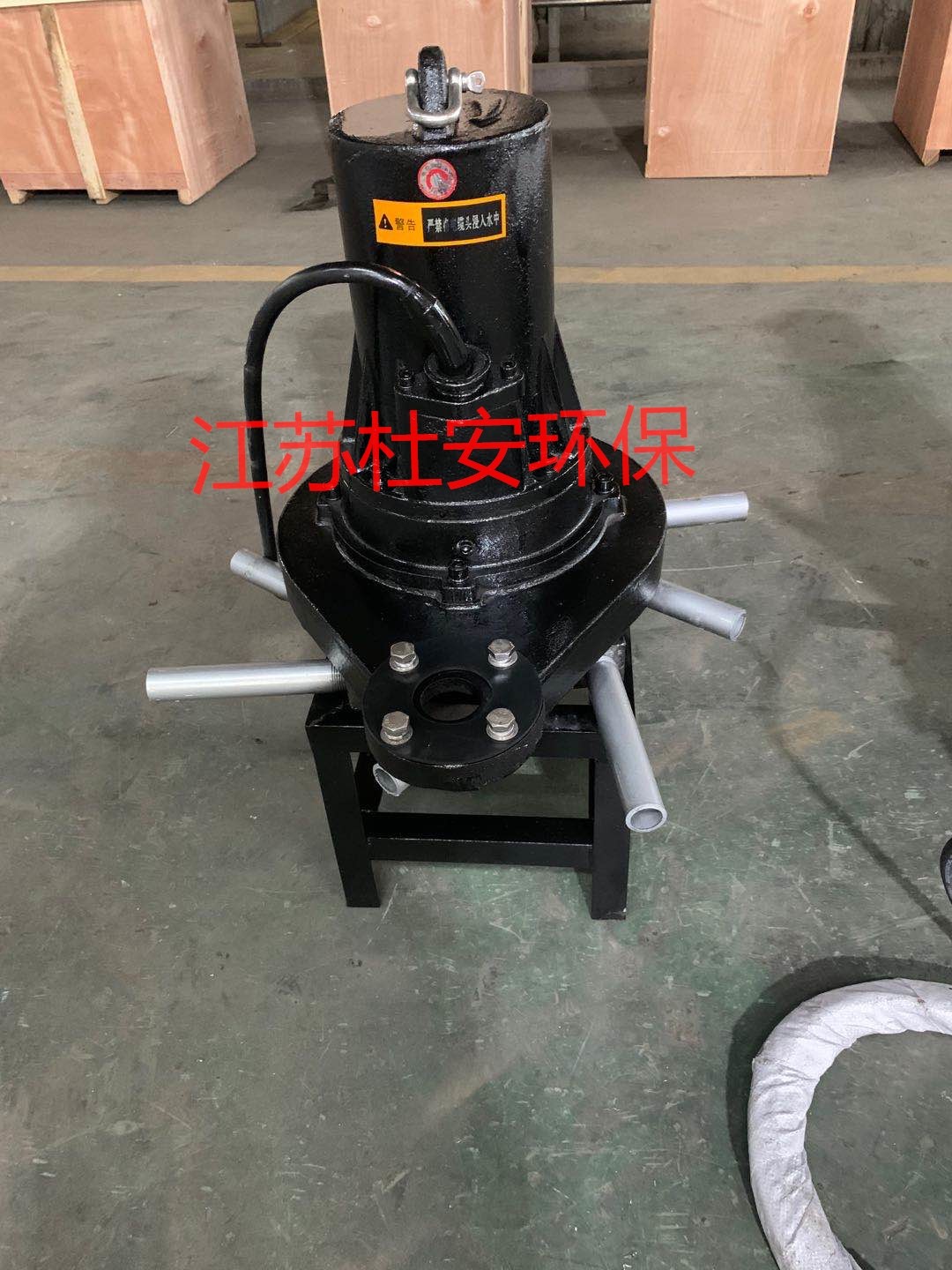
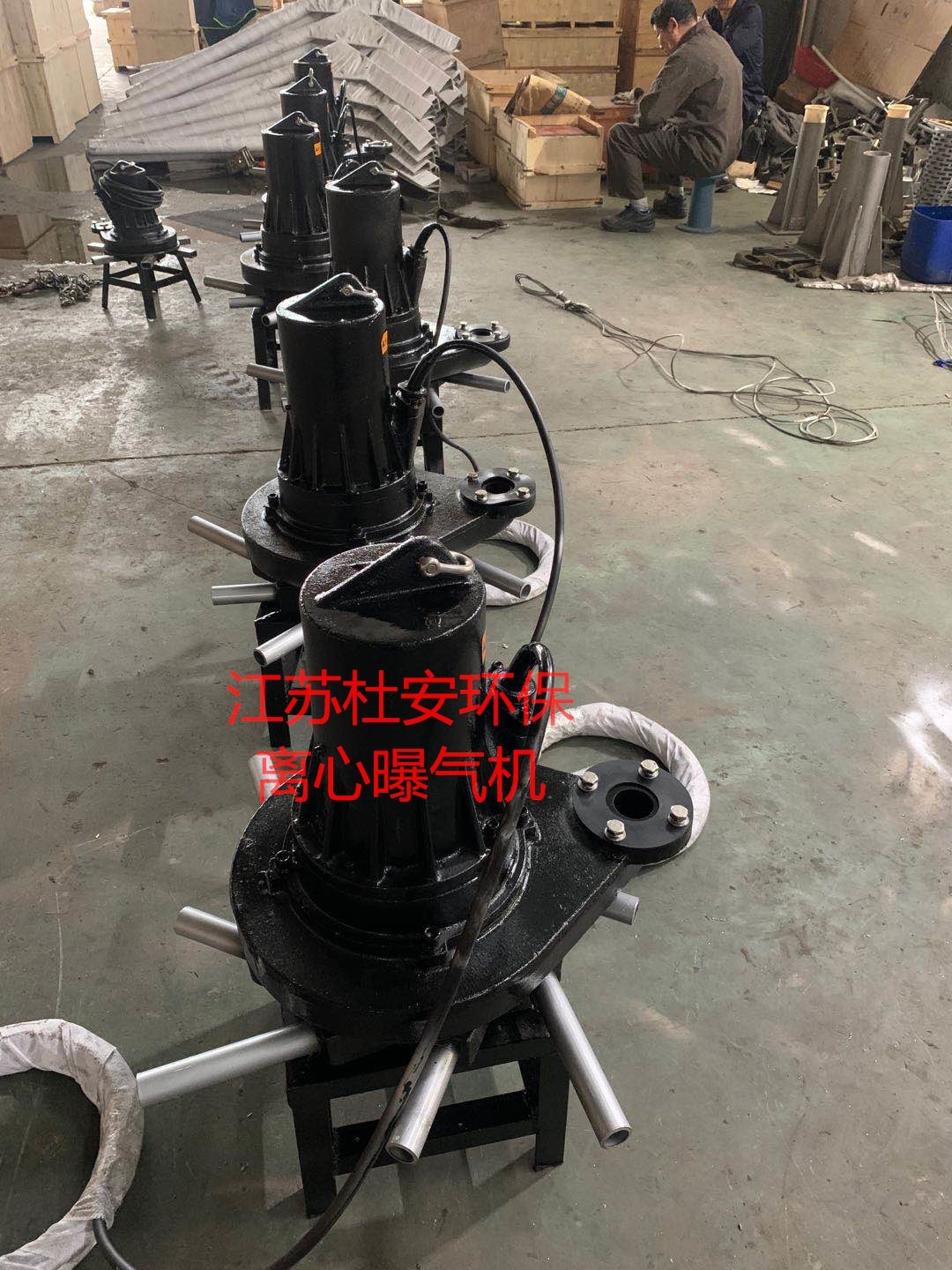
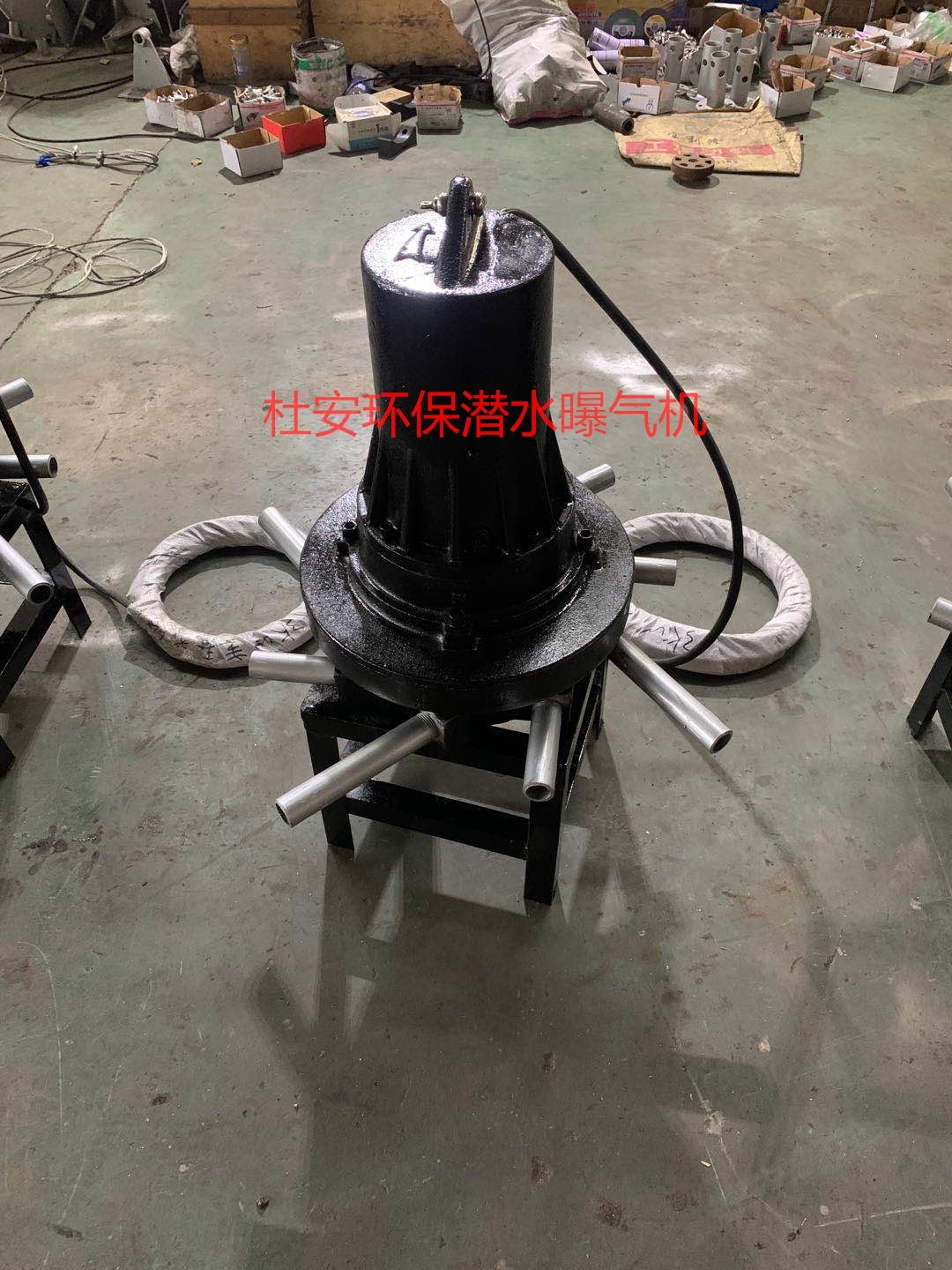
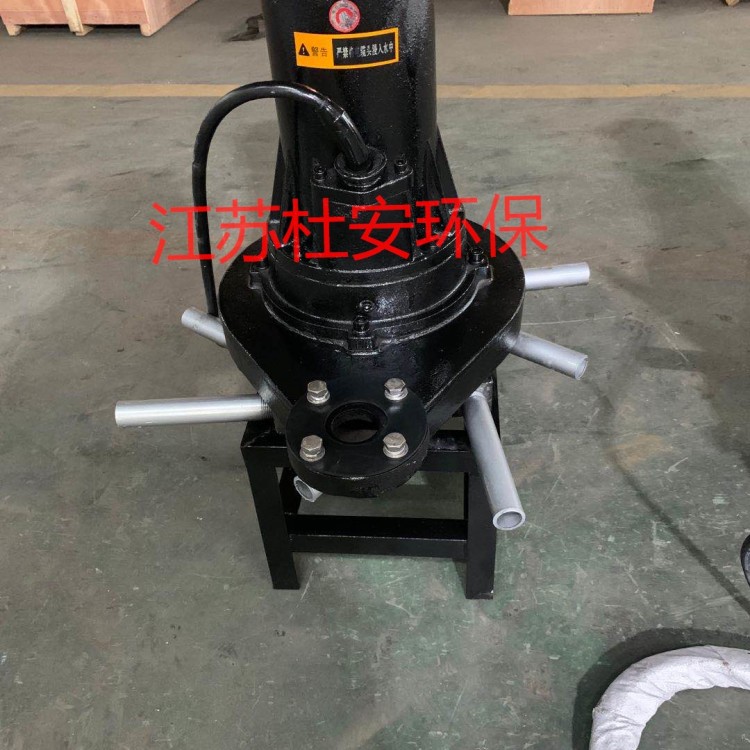
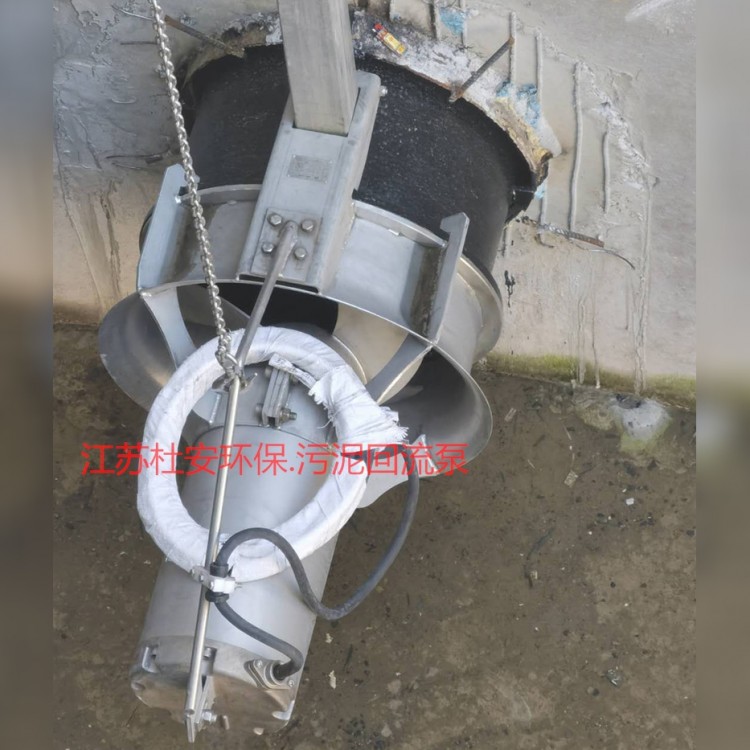
QXB0.75-32 Single-phaseSubmersible centrifugal aeration machines are self-priming and feature a direct-connected structure. The rotating impeller generates centrifugal force, creating a vacuum at the impeller inlet to draw in air and water. Utilizing the impeller's function, a specific ratio of air and water mixture is achieved in the mixing chamber. Under the strong centrifugal force, the two-phase flow of air and water follows the tangent direction of the impeller, passes through the channel for straightening, and then diffuses in a circumferential direction. The finely divided micro-bubbles are fully integrated with the water, achieving the aeration effect.
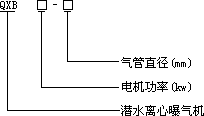
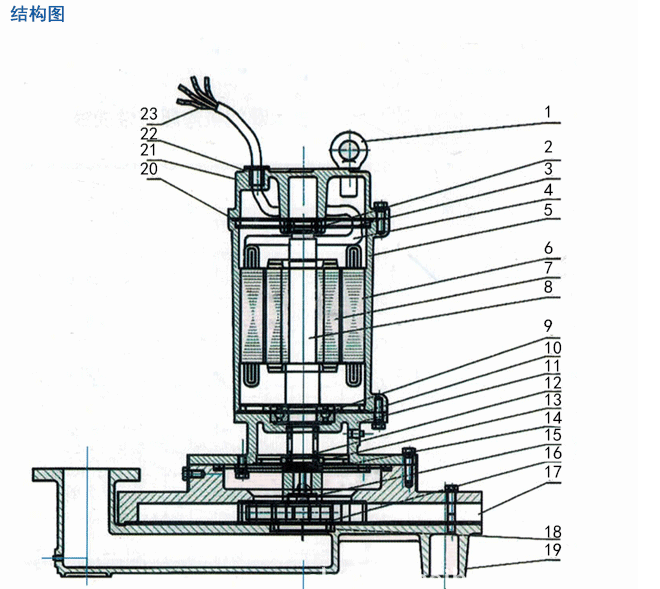
QXBTypeDiving AeratorOperating Principle:
QXBSelf-priming aeration, direct-connected structure. The rotating impeller generates centrifugal force, creating a vacuum at the impeller inlet to draw in air and water. Utilizing the kinetic energy of the impeller, a certain proportion of air and water are mixed, and under the strong centrifugal force, the two-phase flow of air and water is streamlined along the tangent direction of the impeller and diffuses circumferentially. The finely divided microbubbles are fully integrated with the water, achieving the aeration effect.
QXBType Submerged Centrifugal Aerator Instructions:
Prior to starting the diving aeration machine, a qualified electrician should inspect the system to ensure that the electrical protection measures required by the following items are in place.
1. Submersible aeration pumps should be primed before operation.0—500VMegger to check the motor stator winding insulation resistance to ground, not less than1Megaohms.
2. The power voltage must be marked on the label as the rated voltage ±5Within a percentage range, the increase in power voltage is not allowed to exceed the rated voltage by more than %.10If the power source is far from the location of the diving aeration pump, the cable cross-sectional area should be thicker, and the number of joints should be minimized to prevent excessive voltage drop. Additionally, the joints should be sealed and waterproof.
3. In a four-core cable, those with The earth wire, usually yellow and green, must be securely connected and longer than the other wires to ensure safety.50mm。
4. Check impeller rotation direction
A three-phase power submersible aerator should have the rotation direction checked upon initial startup or after each reinstallation. Incorrect movement direction will reduce efficiency and damage the pump.
The inspection method is as follows: Before installation, the submersible aerator should be lifted and started up simply. Look at the suction port of the submersible aerator from bottom to top; the impeller rotates counterclockwise. If multiple submersible aerators are connected to a single controller, each unit must be inspected separately. If the rotation direction is incorrect, you can change the direction by swapping the positions of any two of the three-phase wires on the controller.
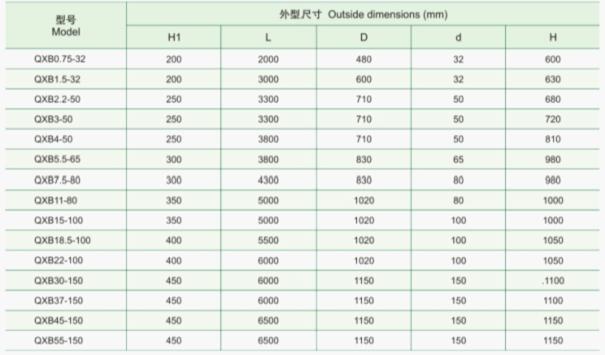

QXBType Submersible Centrifugal Aerator Transportation and Usage Precautions:
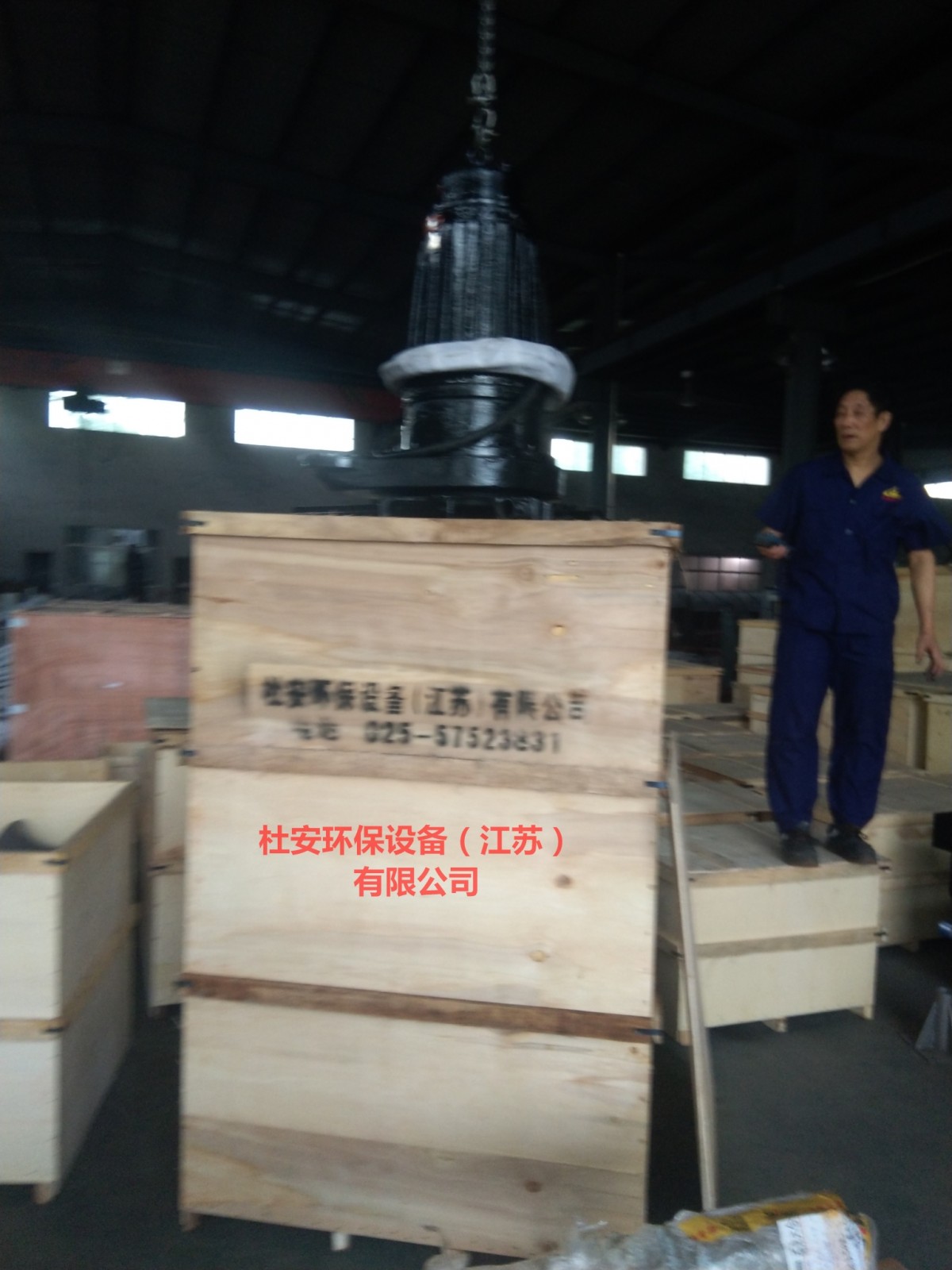
1.Absolutely no lifting or hanging of the aeration machine with the cable of the aeration pump. For transporting or hanging the aeration machine, use a chain with a hook to hang from the handle or the top cover's lifting ring.
2.If the aeration pump is still in use or submerged in water, in0At temperatures below °C, continued use is possible.
3.Submersible aeration pumps should be lubricated with oil or grease. Due to seal wear, oil or grease may leak out. In this case, please promptly send the aeration pump to our factory's maintenance department or an authorized repair point for replacement of the seal to prevent motor damage.
4.Do not move the aeration machine or enter the water when the power is not disconnected.
5.After the潜水曝气机 is installed, it should not be left submerged in water unused for extended periods. It is recommended to operate it at least every two weeks.4Inspect hourly for functionality and suitability, or store for backup in a dry location.
6.Submersible aeration pumps should not be placed at the wastewater inlet. When the base is placed on muddy ground or floating sand, the submersible aeration pump may sink due to vibration. In this case, it is recommended to suspend the aeration pump or place it on a larger base plate.
7.Submersible aeration pumps should not be submerged deeper than the specified depth due to their working principle.3Meter
8Diving aeration pumps must be ensured for safe grounding.
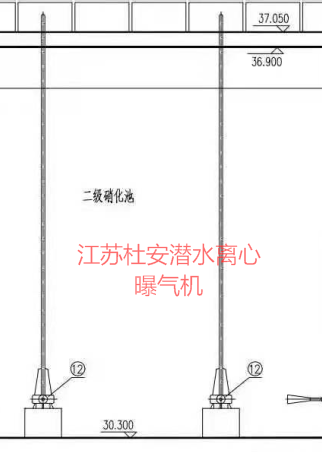

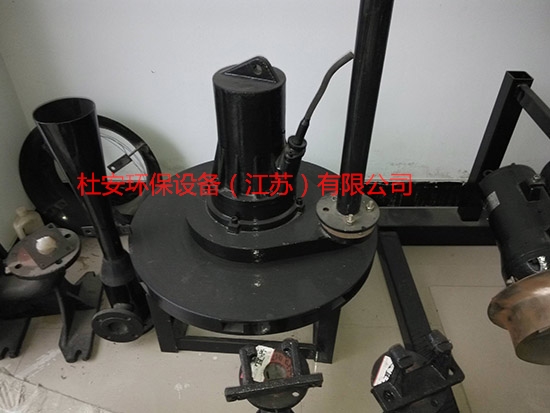
QXB0.75-32Type Submerged Centrifugal Aerator Structural Features:
1.Self-weight positioning, easy installation, and can be freely arranged without interrupting the process operation.
2.The design is compact, utilizing the self-priming function without the need for an external air source.
3.The main unit reduces the footprint for diving operations and produces minimal noise.
4.Can be directly used in oxidation ponds, saving infrastructure costs.
5.An independent aeration unit that combines aeration with stirring capabilities.
6.The chassis can be custom designed to meet customer requirements.
Water flow generated by the submersible pump passes through a nozzle to form a high-speed jet, creating a vacuum around the nozzle to draw in air. The air is mixed with the water flow in a mixing chamber, resulting in a water-air mixture inside the bell-shaped diffuser, which is then喷射 out at high speed. The water flow, carrying many bubbles, swirls and stirs in a larger area and depth of water, completing aeration. Moreover, its shaft power does not change with the submersion depth, and the air intake can be adjusted. This is why jet aeration machines can be applied in pools with significant water level fluctuations.
Centrifugal submersible aeration pumps are akin to the heart of a wastewater treatment system, with their operational status directly impacting the system's stability. To ensure the normal operation of the submersible centrifugal aeration pumps, the following four aspects should be given priority attention:
1Ensure good ventilation in the room for the submerged centrifugal aeration machine. The submerged centrifugal aeration machine is a major energy consumer in the wastewater treatment system, and it generates heat during operation. If the heat cannot be diffused in a timely manner, especially during summer, the temperature of the submerged centrifugal aeration machine can rise too high. This not only affects the lifespan of the motor but may also lead to the fan of the submerged aeration machine shutting down due to insufficient power. In necessary cases, air conditioning can be used to cool down and resolve the temperature rise issue of the aeration machine's fan.
2Regularly inspect the air pressure at the inlet and outlet of the blower during daily management. If the inlet air pressure is too low, it's necessary to clean or replace the inlet air filter promptly. If the outlet air pressure is too high, check the exhaust pipe. The cause may be a clogged micro-porous membrane in the aeration device or water accumulation in the air duct, which can be resolved by cleaning the membrane or draining the water.
3Maintain control over the exhaust temperature of the blower, especially during summer. Excessive exhaust temperature can not only raise the blower's temperature but also affect the oxygen supply. Generally, exposing the blower and preventing direct sunlight can help prevent this.
4Note lubrication maintenance, strictly follow the operation and maintenance procedures required by the submersible centrifugal aeration machine manufacturer, and regularly inspect and replace lubricating oil as needed.