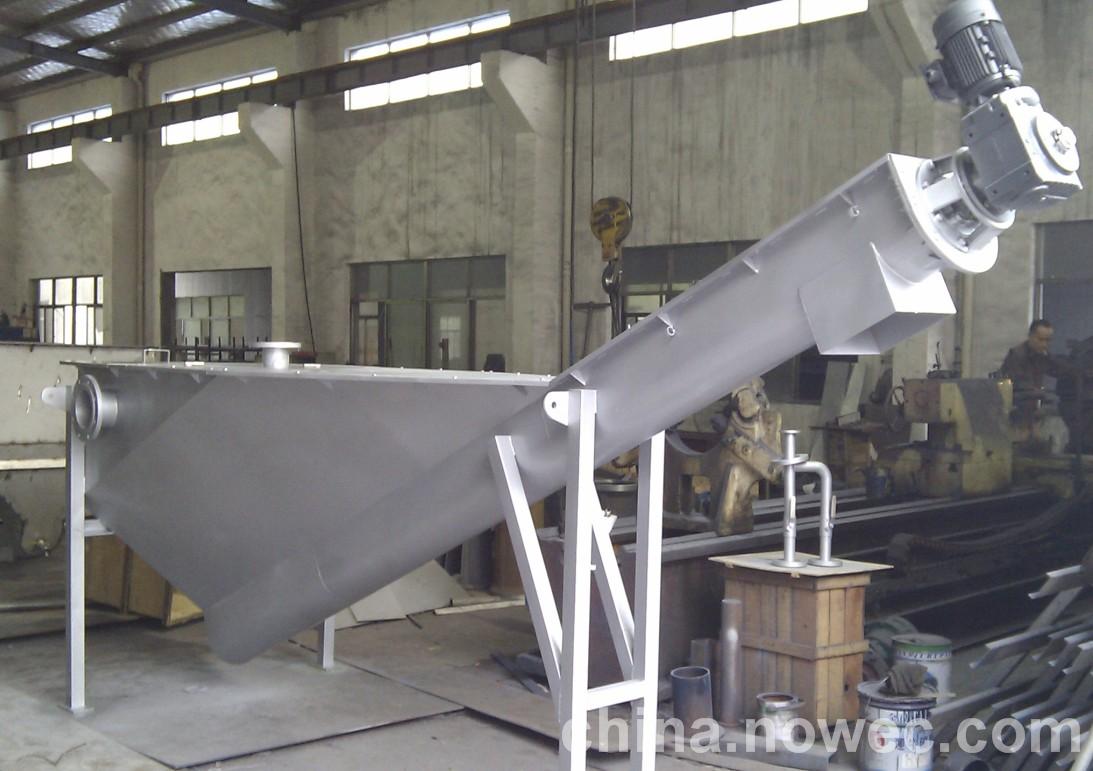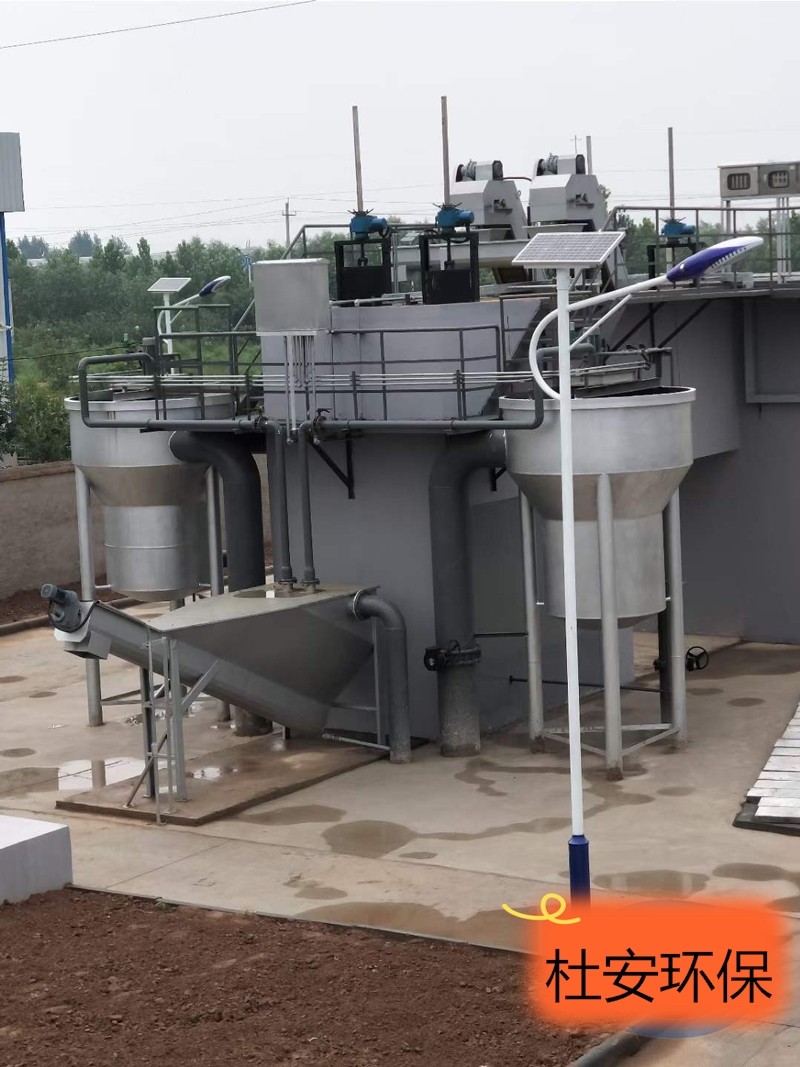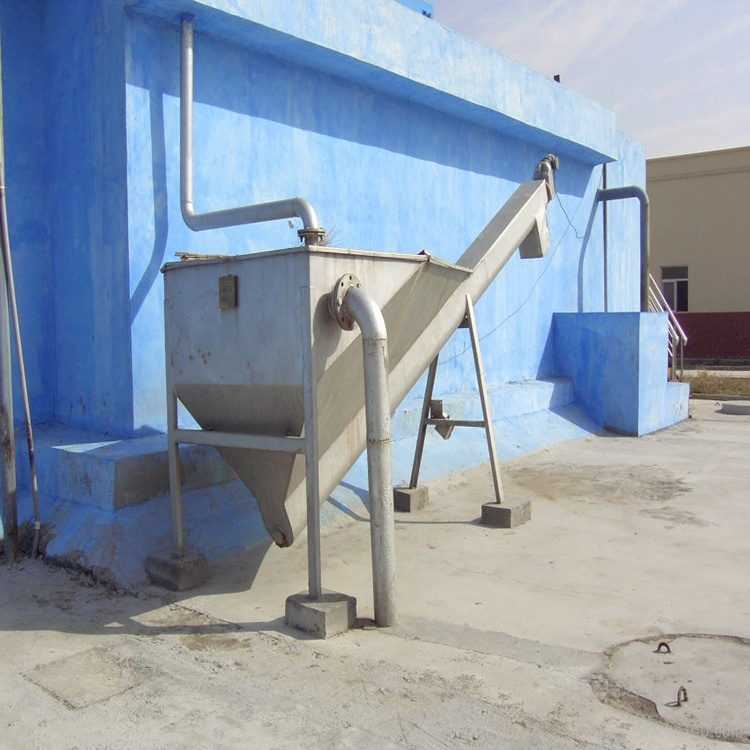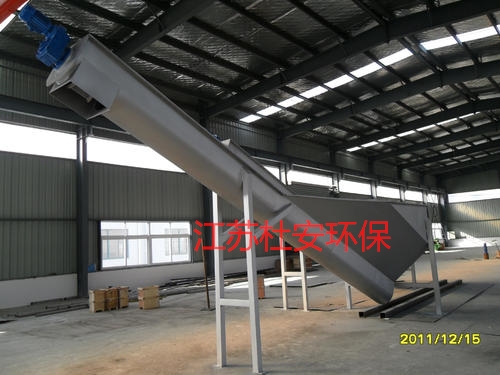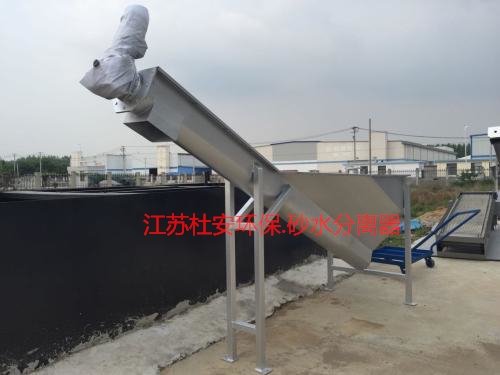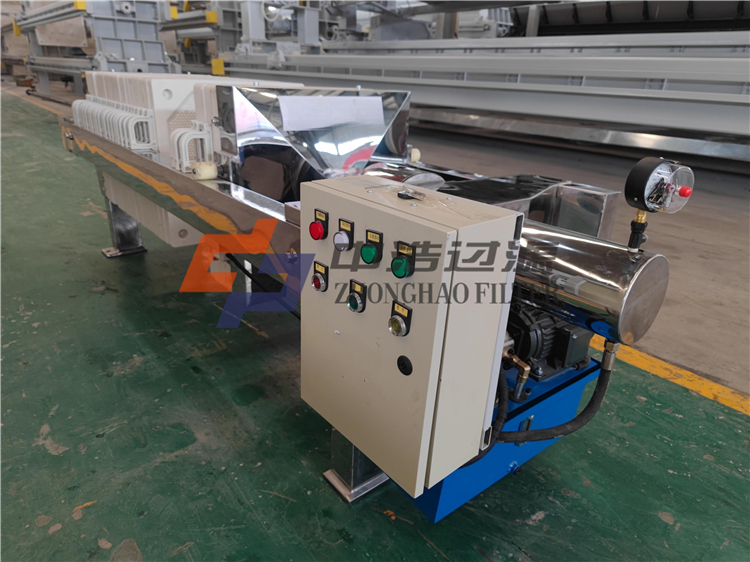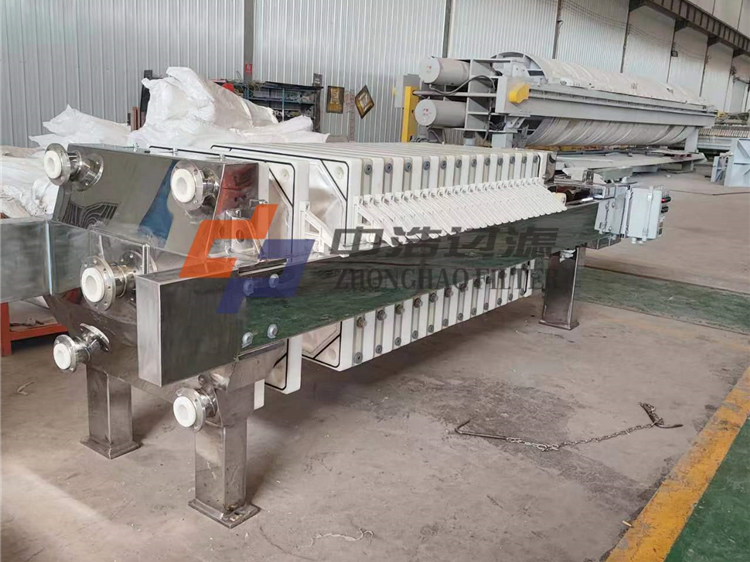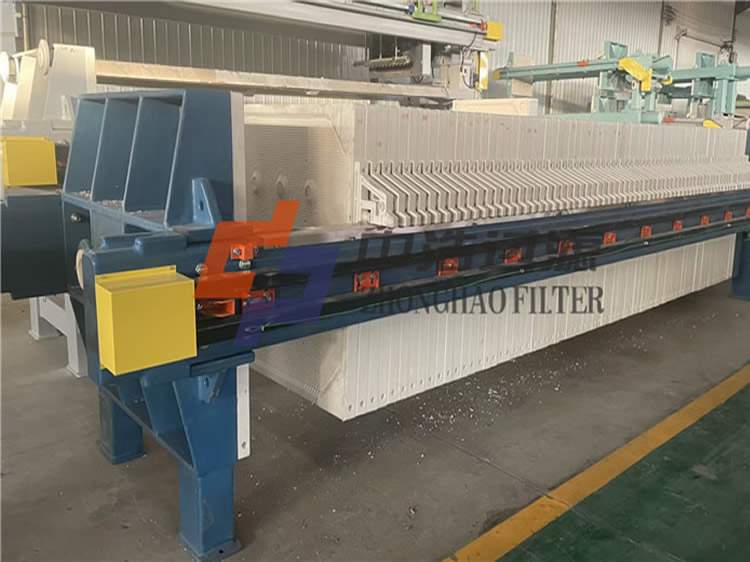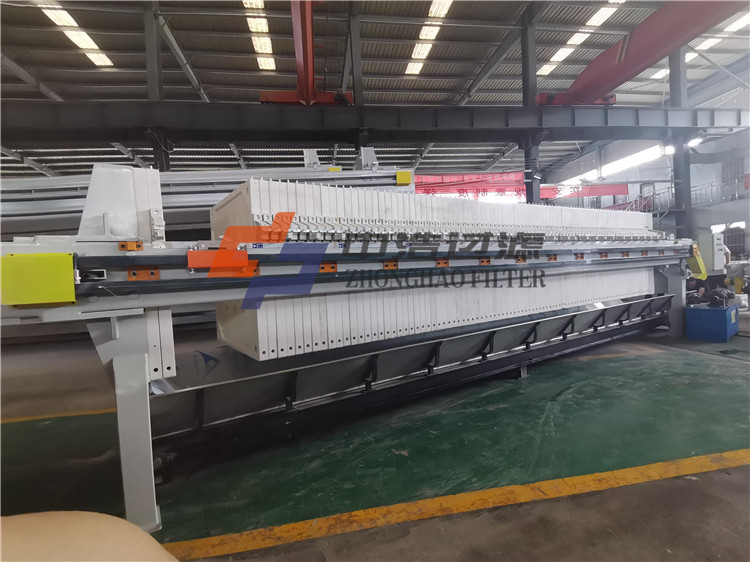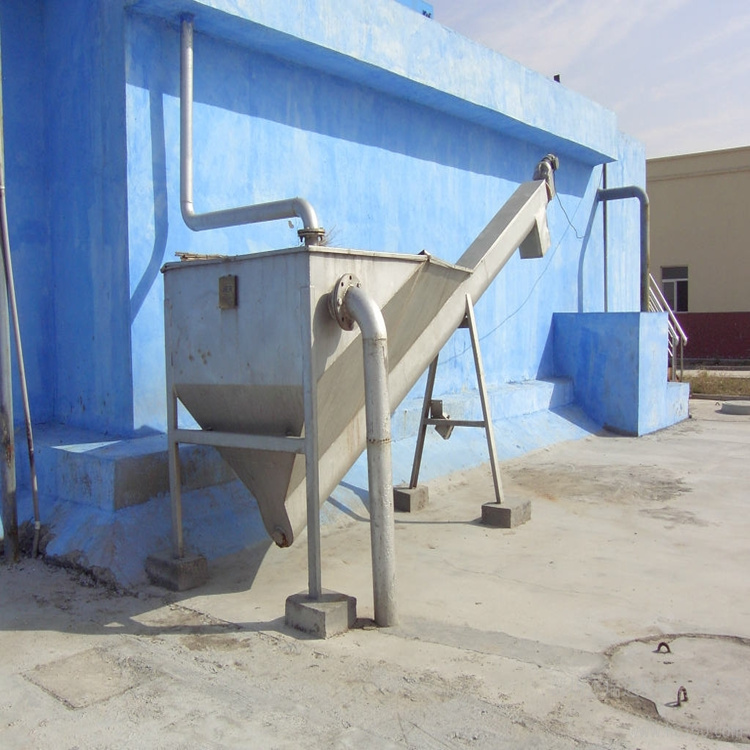

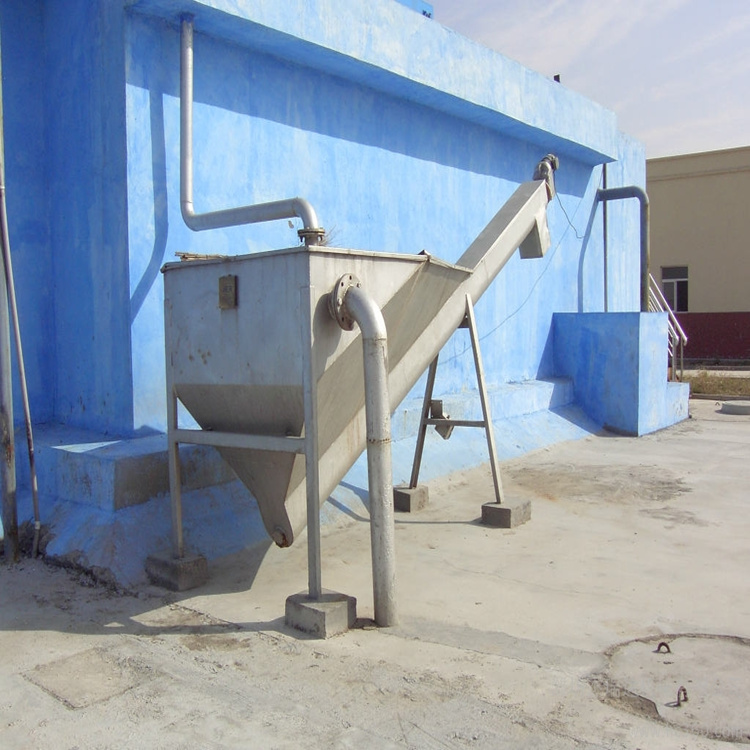
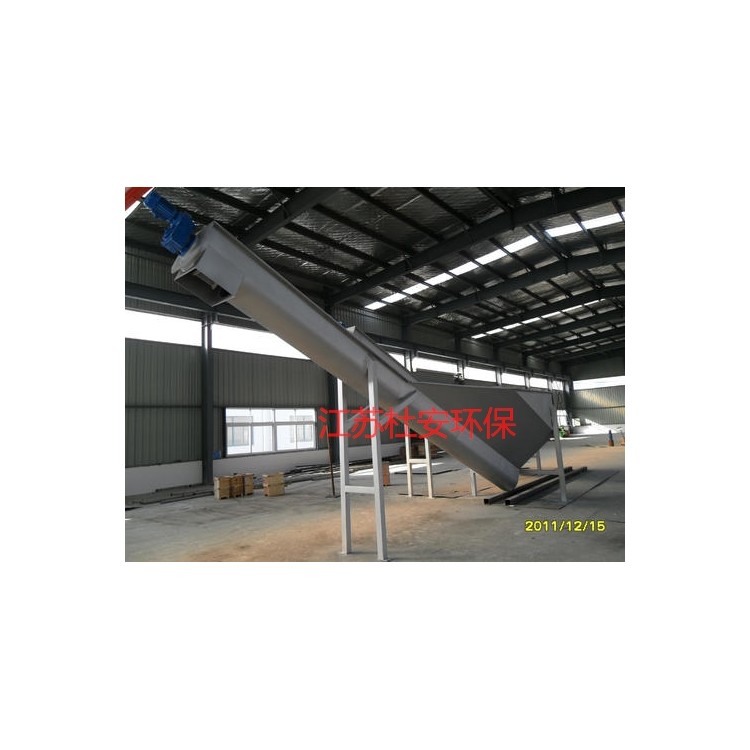
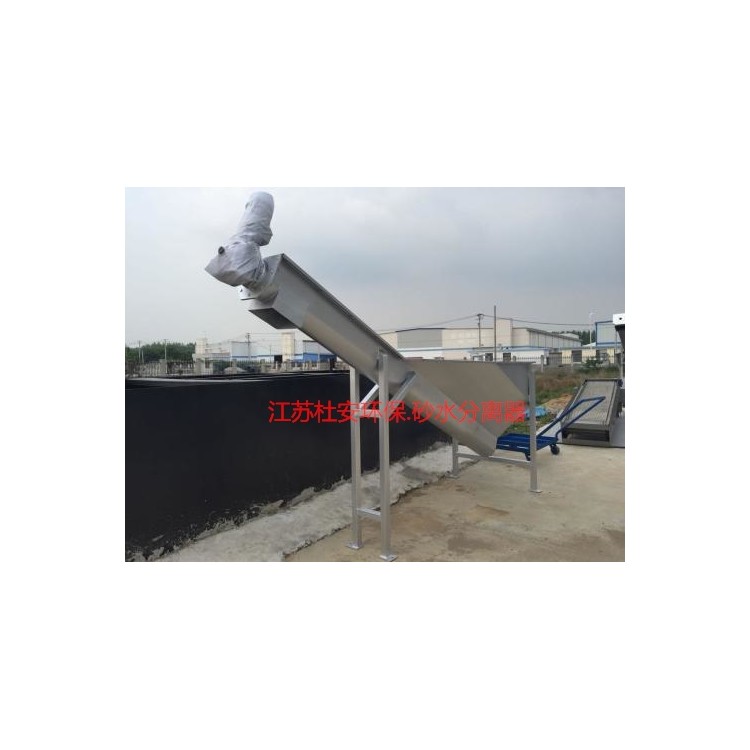


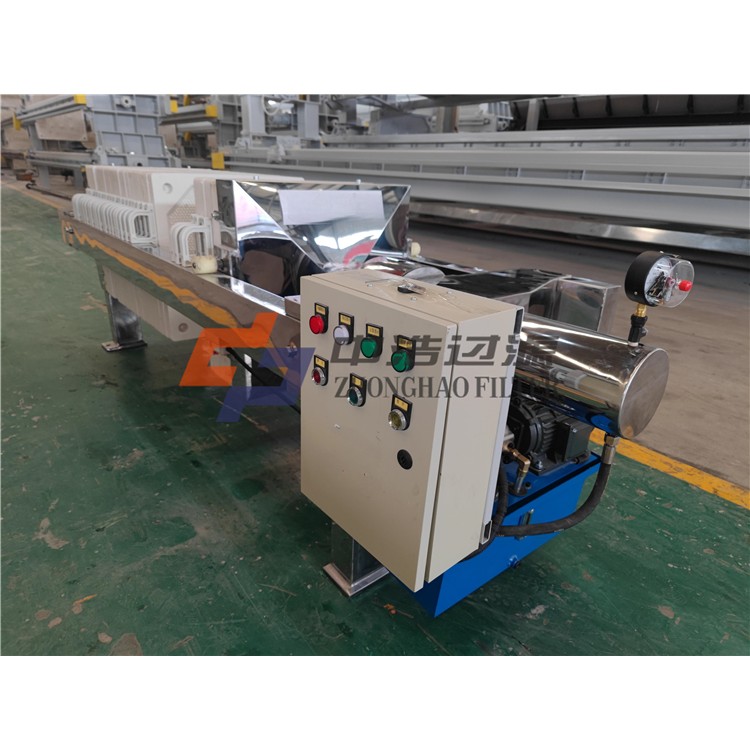





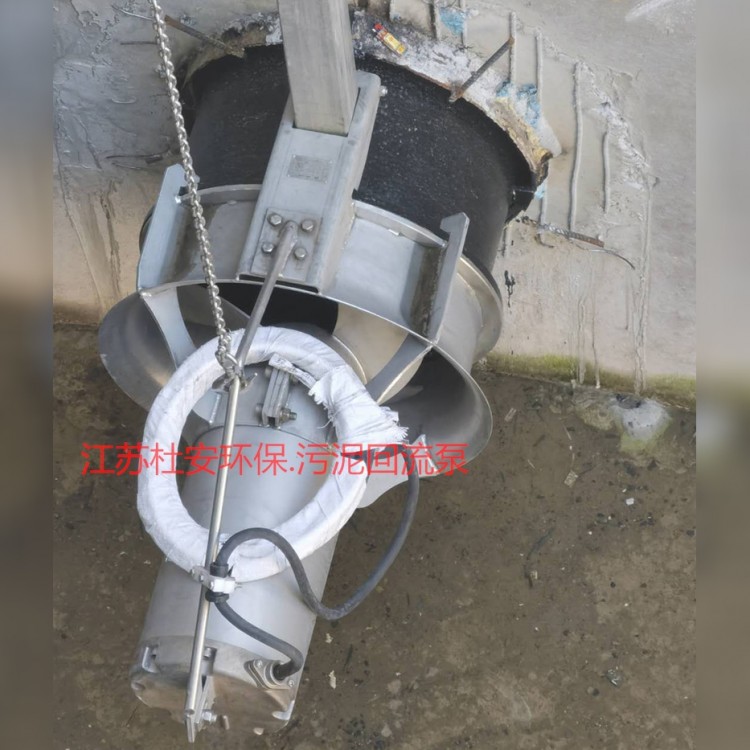
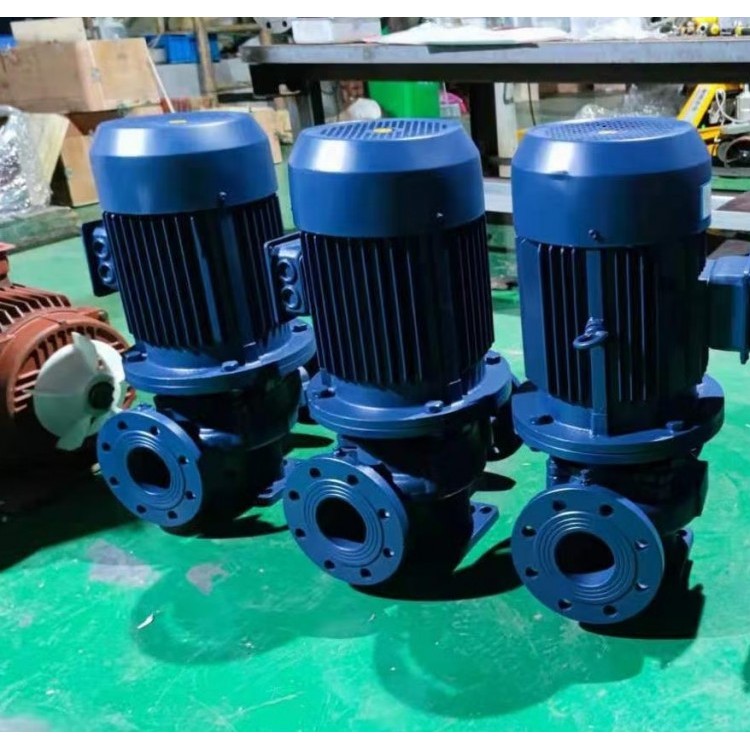
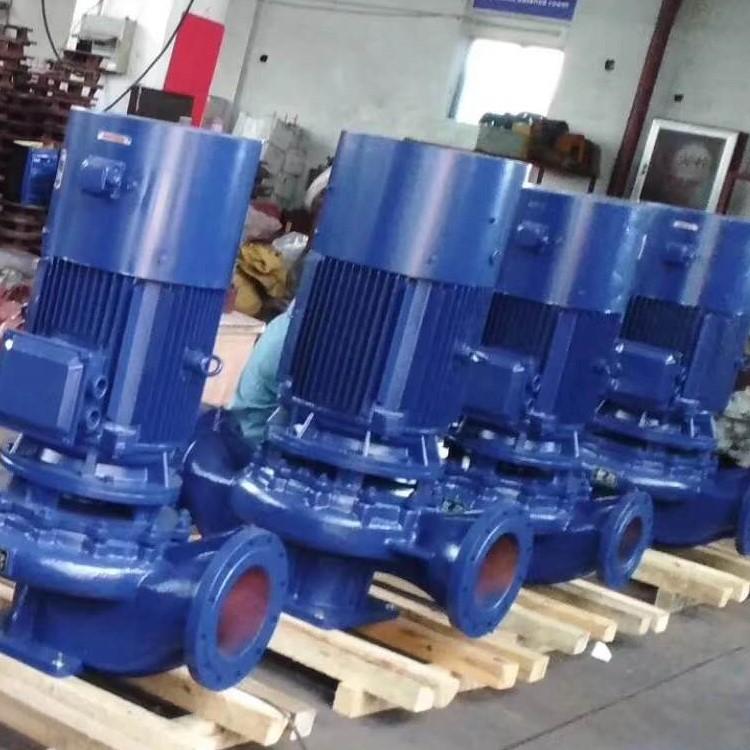
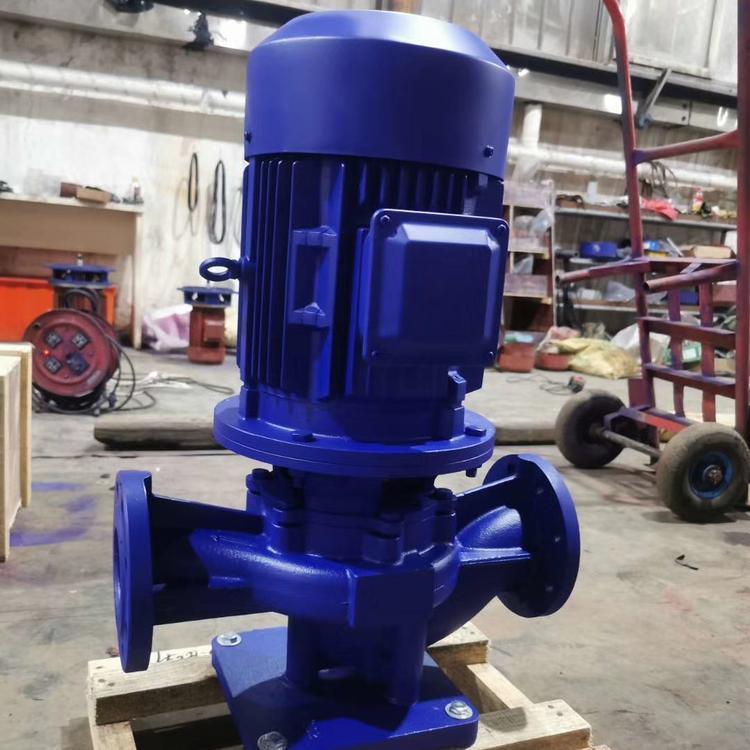
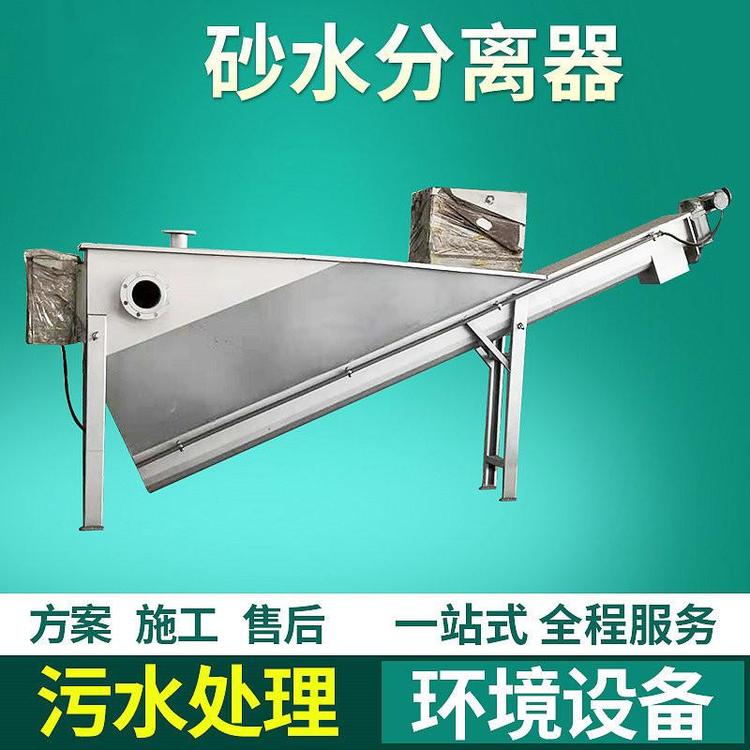
LSSF-260 Sedimentation Tank Sand-Water Separator with On-Site Control Cabinet
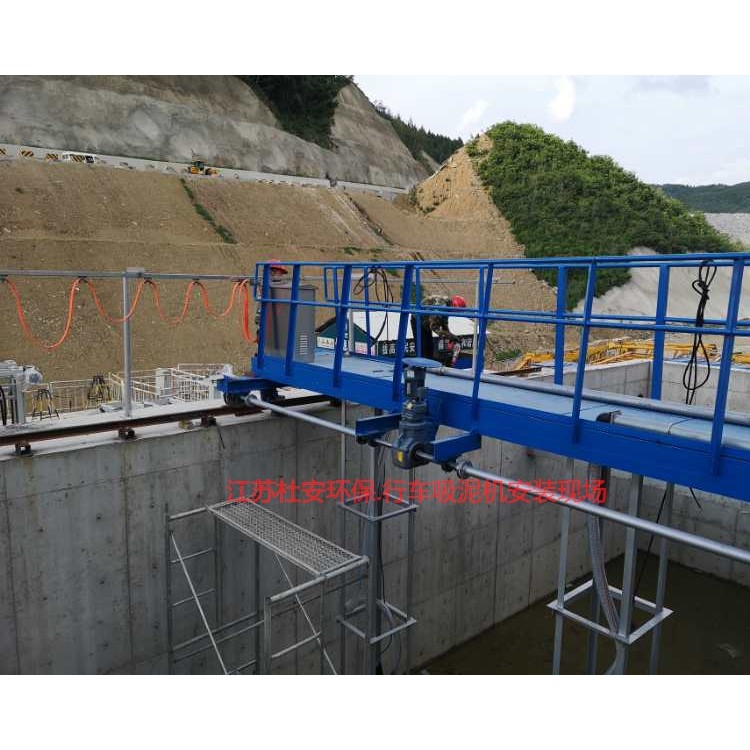
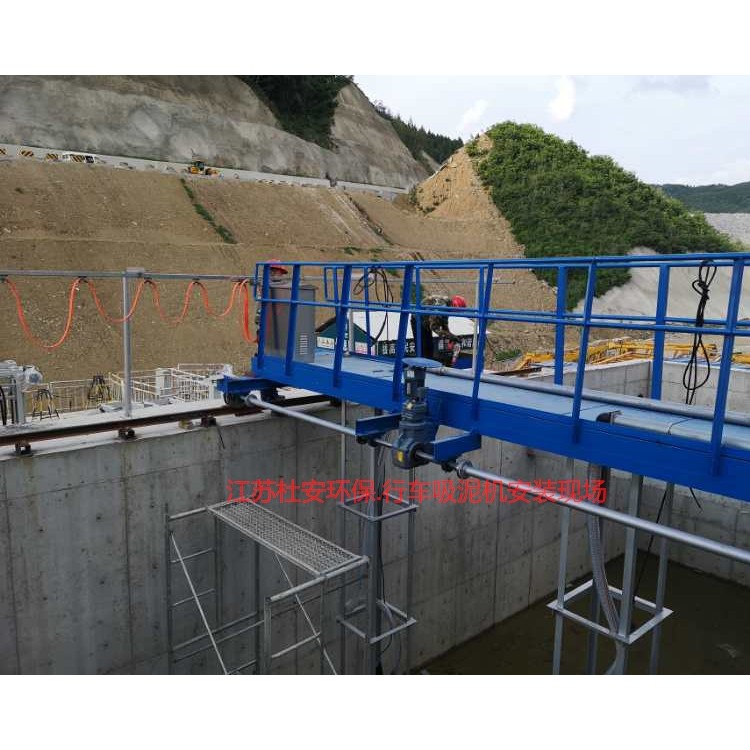
Spiral Sand Water Separator Installation Diagram
Sedimentation Tank Sand-Water Separator Quotation

Jiangsu Du'an Environmental ProtectionLSSF-260Separator Construction and Operating Process:
Helical sand-water separator, featuring a shaftless helix, strips.U It consists of moldings, water tanks, guide plates, weir plates, and drive units.
The sand hydrate is introduced into the water tank from the top of the separator. The heavier components, such as sand particles, settle at the bottom of the槽. Under the螺旋's push, the sand particles are lifted along the inclined bottom of the槽. After leaving the liquid surface, they continue to move a certain distance. Once the sand particles are sufficiently dehydrated, they are discharged through the sand outlet into a sand bucket. The water separated from the sand is then drained through the overflow and sent to the factory's water reservoir.
Duwan Environmental ProtectionLSSF-260Sand and water separator installation and commissioning instructions:
Sediment separator mainly consists of a shaftless spiral, strips,UTroughs, water tanks, guide vanes, outlet weirs, and driving devices, etc., are composed.
Installation and debugging:
1If not specified in the order contract, the machine is factory-equipped with a floor stand based on the user's installation angle or discharge height, secured with expansion bolts during installation.
2± 0.5 degrees for the installation angle of the equipment.1Degree.
3.During lifting, equipment must not collide or slip, and effective measures must be taken to protect the stainless steel surface of the equipment. Scratches, wear, and dents are not permitted.
4Check the reducer oil level before starting up to ensure it's normal.*First-time use300Change lubricant every hour, continuous operation over16Hourly equipment, thereafter2500Change every hour, run daily8Hourly equipment extension available4000Hour(s)
5.When conducting power-on testing, it is necessary to initially operate in a manual mode to confirm there is no component friction before entering normal operation.
Sand and water separator usage, maintenance, and care:
1Operators must be trained and qualified before being allowed to operate.
2Equipment is maintained in accordance with regular inspection, maintenance, repair, and lubrication management procedures.
3Daily inspections of machine operation are conducted, ensuring no abnormal noises, checking for leaks in the seals, and adding the appropriate amount of bearing grease. Monthly, the oil level in the drive unit gear box is checked and topped up to the required level.
4Every two years: dismantle and overhaul the equipment, disassemble and clean the reducer, replace worn parts, change seals and worn bushings, inspect and correct the helix, etc.
5The machine should be shut down for investigation of the fault cause, and it can only be restarted after the fault is excluded.
6When equipment is shut down for three days or more, flush or remove materials inside the equipment to prevent them from drying and caking.
7During winter when temperatures are low, frost protection should be ensured. Dislodge any caking or icing before starting the machine. If supplied as a complete set with other equipment, the control buttons are centralized in one control box.
Duwan Environmental LSSF-260 Sand and Water Separator Basic Control Cabinet Requirements
A.2.1 Electrical components in the on-site control box should meet the rated breaking capacity requirement of ≥50kA. All electrical control systems within the box should operate safely and reliably, and switches, buttons, and indicator meters should meet remote/local control requirements.
A.2.2 Component Requirements:
Molded Case Circuit Breaker: Domestic, breaking capacity 50kA
Miniature Circuit Breakers: Domestic-made
Contactor: Domestic-made.
Thermal Relay:
Start/Stop Button and Indicator Light: Domestic.
Terminal block: Made in China.
Installation, debugging, and acceptance of all electrical components must meet the requirements.
A.2.3 All on-site control cabinets are made of 304 stainless steel, with a thickness of not less than 2mm, and equipped with stainless steel door handles on the cabinet doors.
A.2.4 The box door locks should be uniformly selected from corrosion-resistant and durable alloy locks. The outer lock should be a keyed lock, while the inner lock should be a convenient type. The keys for the same type of lock should be identical. The control box panel must also be covered with a sealed cover that has an observation hole over the indicator lights and buttons, etc., and can be locked to prevent moisture from rain from affecting the components. Use silicone rubber gaskets for sealing.
A.2.5 Protection Class of Control Box: Indoor not less than IP54, outdoor not less than IP56.
A.2.6 Color Identification of Electrical Equipment
Electrical equipment housing color standard is silver. Material is electrostatic painting or 304 stainless steel.
The use of buttons and indicator lights should comply with the relevant regulations in IEC 60073.
A.2.6.1 Indicator Light
Each circuit breaker panel should be equipped with a red light to indicate the closed state and a green light for the open state, with a yellow light indicating "automatic tripping." A three-color light can be used when simulating wiring.
When using a lighted button for control, the button should be engraved with clear instructions such as "push to open" or "push to close." After the command is executed and the device moves, the light should emit the following colors.
All light colors shall comply with the following conventions unless otherwise approved:
Red: Live and operating positions
Green: No-force or inactive position
Yellow: Fault or Anomaly Status
White: Normal or Standard Condition
Blue: Other Uses, Label When in Use
Lights on distribution boards and control panels should have a test function, allowing all lights to be tested while the equipment is in operation. The test operation of the lights will not cause any other equipment to activate.
Two-year warranty
On-site installation and debugging guidance provided after-sales