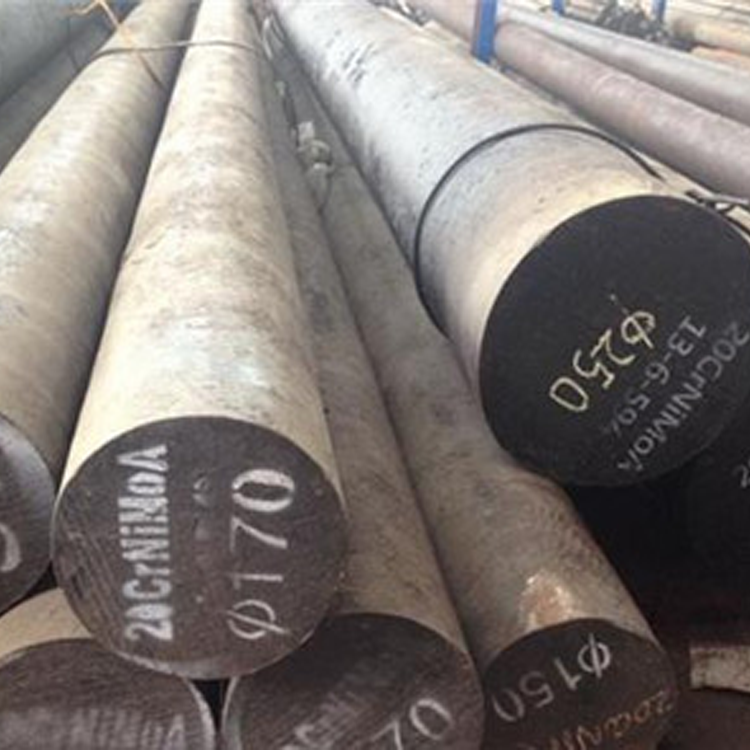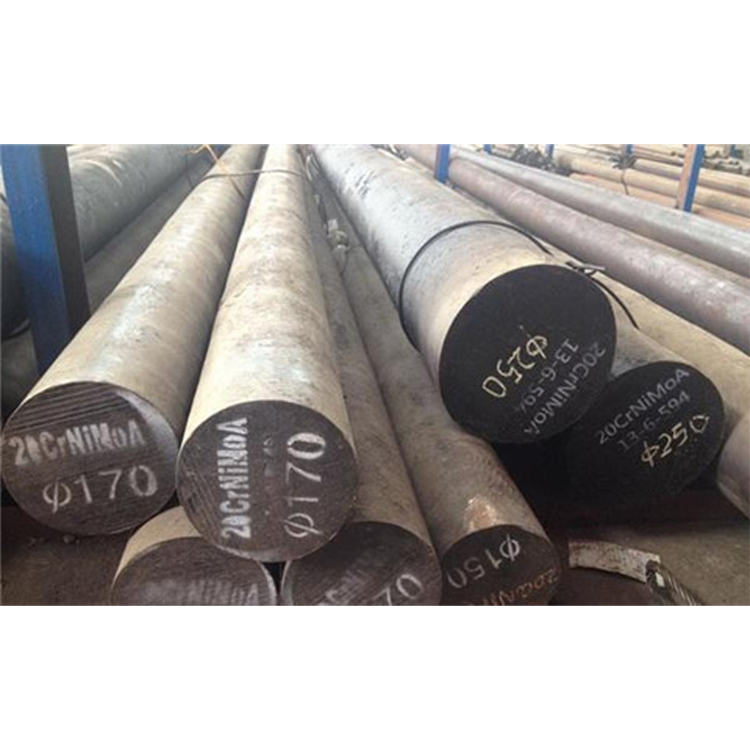
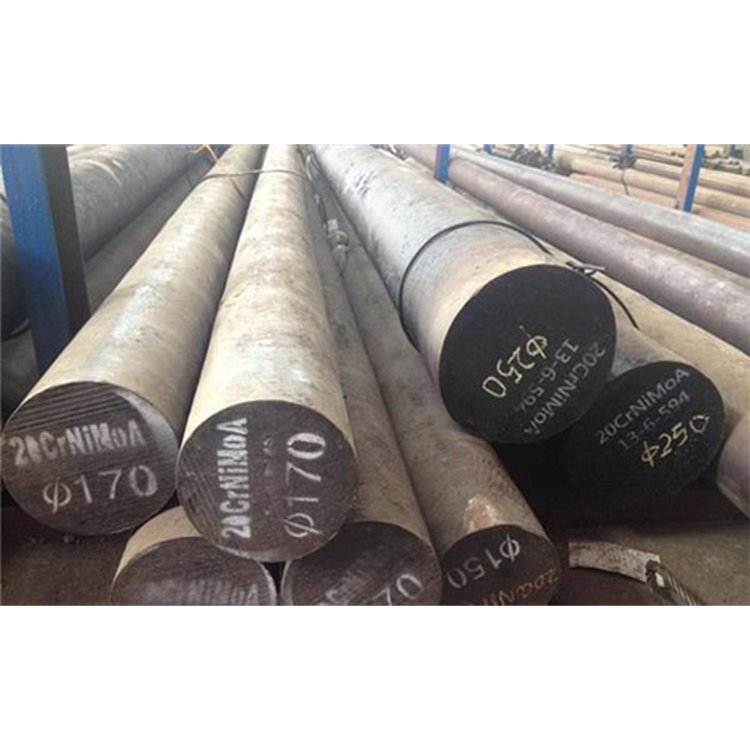












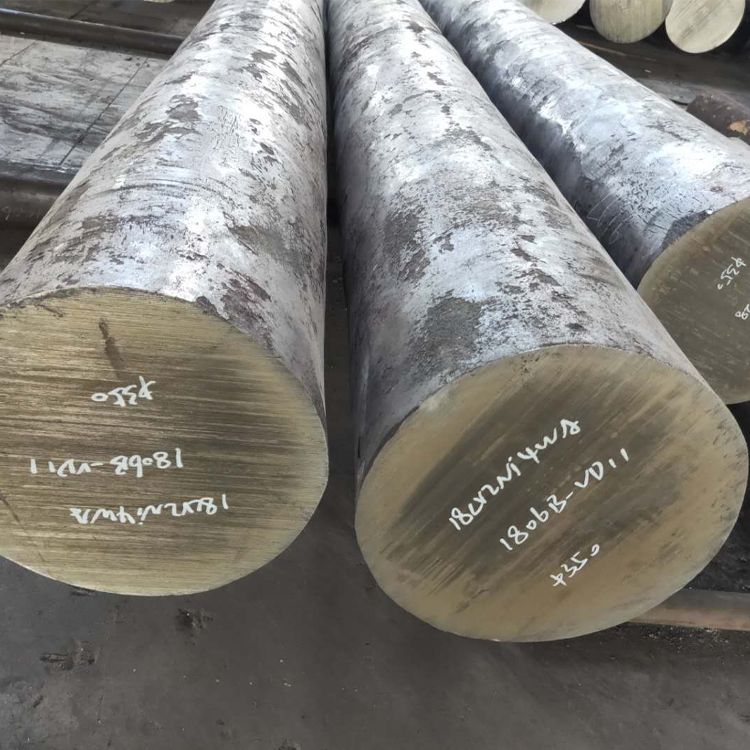
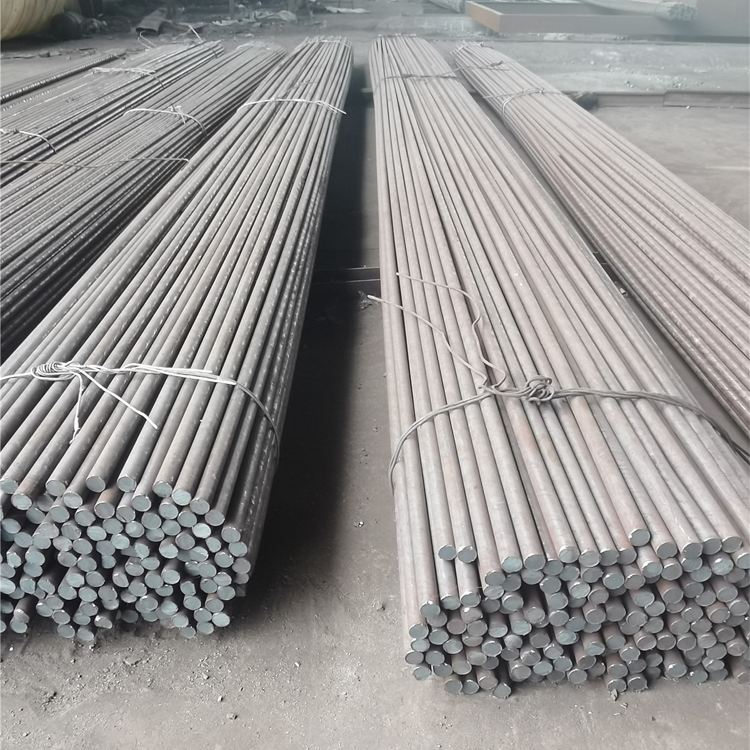

20CrMnMo
A grade of alloy structural steel. Numeric code: A34202.
1. Chemical Composition
Quality Score (%):
Carbon (C): 0.17~0.23
Silicon (Si): 0.17~0.37
Manganese (Mn): 0.90~1.20
Sulfur (S): Allowable residual content ≤ 0.035
Phosphorus P: Allowable residual content ≤ 0.035
Chrome (Cr): 1.10~1.40
Nickel (Ni): Allowable residual content ≤ 0.030
Copper (Cu): Allowable residual content ≤ 0.030
Molybdenum (Mo): 0.20~0.30[1]
Mechanical properties
Sample Stock Size
Tensile Strength
(σb/MPa)≥1180
Yielding Point
(σs/MPa):≥885
15mm
Heat Treatment
Quenching Heating Temperature (℃): 850; Coolant: Oil
Annealing heating temperature (°C): 200; Cooling medium: Water, Air
【Mechanical Properties】
Tensile Strength (σb/MPa): ≥1180 Yield Point (σs/MPa): ≥885
Ultimate elongation (δ5/%): ≥10
Section reduction rate (ψ/%): ≥45
Impact Absorption Work (Aku2/J): ≥55
Brinell Hardness (HBS 100/3000) (annealed or high-temperature quenched condition): ≤217[2]
Delivery Condition: Shipment can be made in either heat treated (normalizing, annealing, or high-temperature tempering) or non-heat treated condition. The delivery condition should be specified in the contract.
Key Features
High-strength carburizing steel. Its strength is higher than that of 15CrMnMo, with slightly lower plasticity and toughness. It has better hardenability and mechanical properties than 20CrMnTi, and exhibits good comprehensive mechanical properties and low-temperature impact toughness after quenching and tempering at low temperatures. After carburizing and quenching, it boasts high bending strength and wear resistance, but is prone to cracking during grinding. Poor welding properties; suitable for resistance welding, requiring preheating before welding and tempering treatment after welding. Good machinability and heat treatment properties.
20CrMnMo is a grade of alloy structural steel specified by the standard, which is a high-strength carburizing steel.
The parts undergo carburizing heat treatment, followed by quenching at 850°C with oil cooling; then, tempering at 200°C with air cooling. After quenching and tempering at low temperatures, they possess excellent comprehensive mechanical properties and low-temperature impact toughness; carburizing and quenching results in higher bending strength and wear resistance. They are commonly used to manufacture large, important carburized parts with high hardness, strength, and toughness, such as crankshafts, camshafts, connecting rods, gear shafts, gears, and shaft pins.
High hardness after carburizing and quenching is prone to cracking during grinding.
Commonly used for manufacturing larger and more important carbon nitriding parts with high hardness, high strength, and high toughness (all requirements exceeding 15CrMnMo), such as crankshafts, camshafts, connecting rods, gear shafts, and gears.