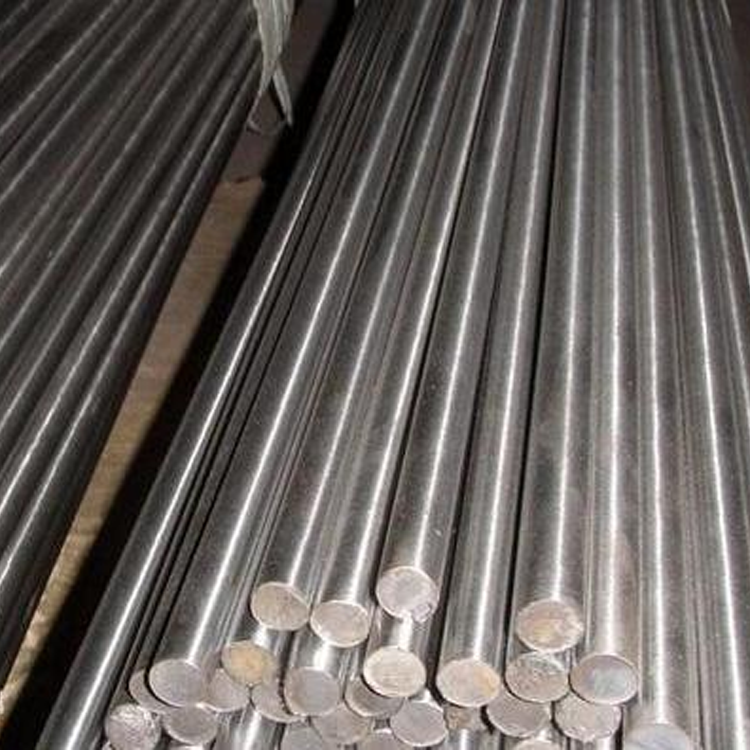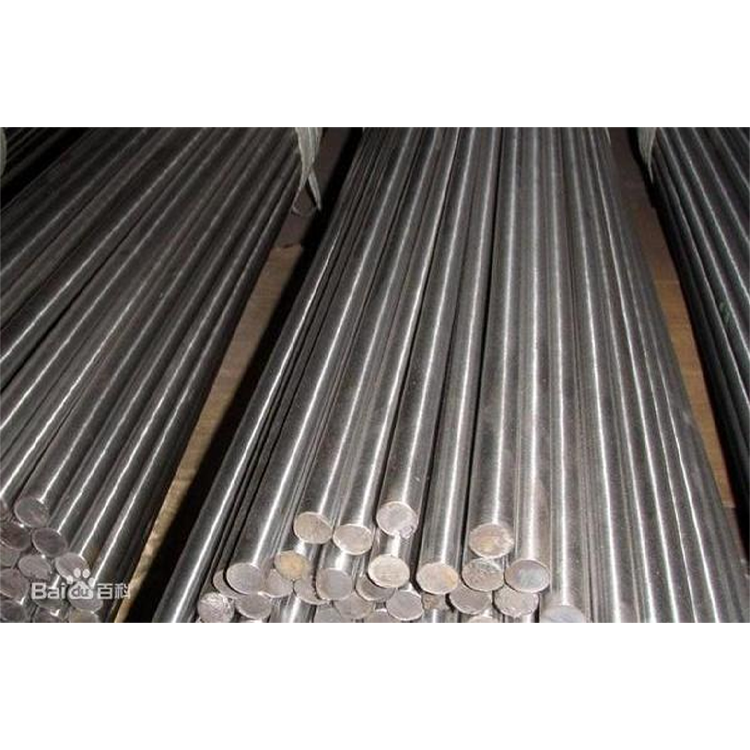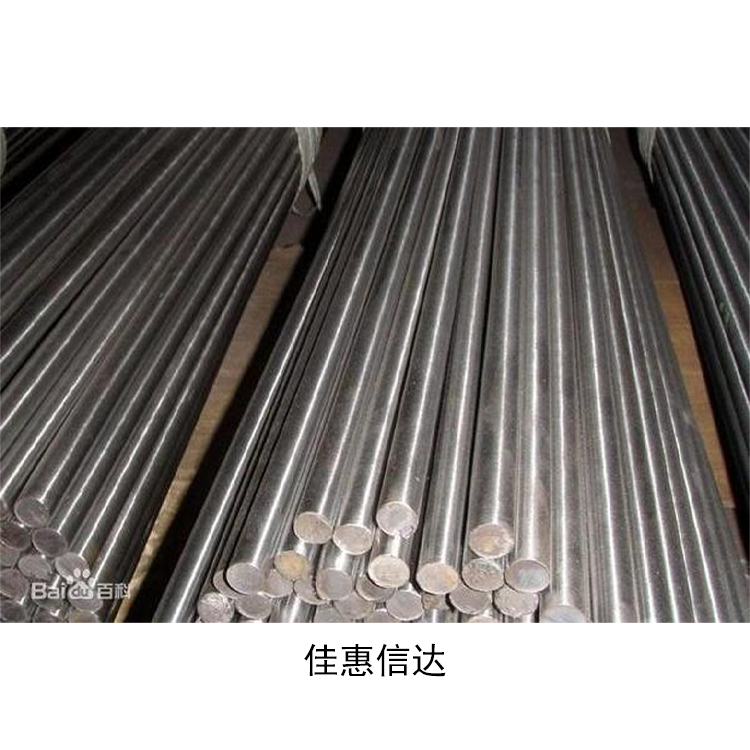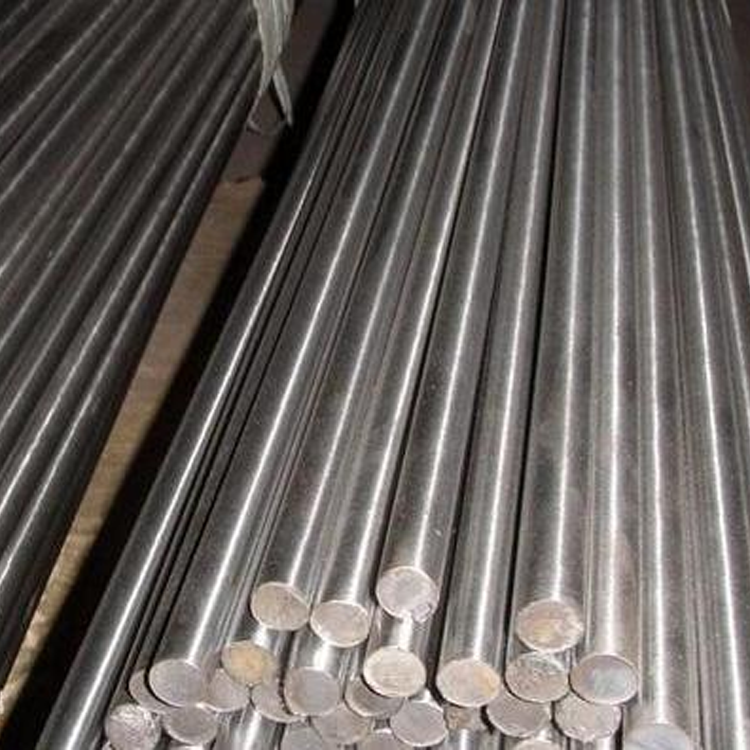

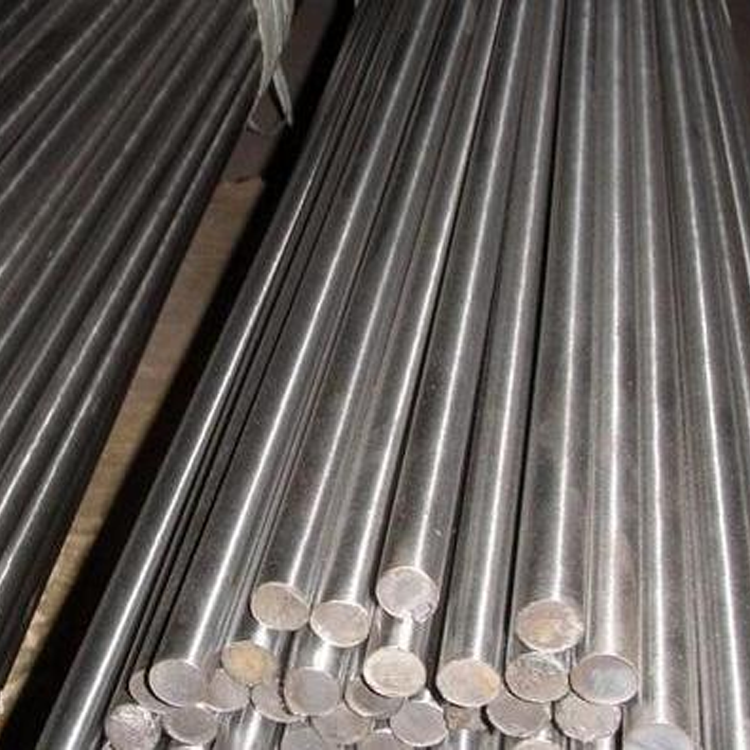
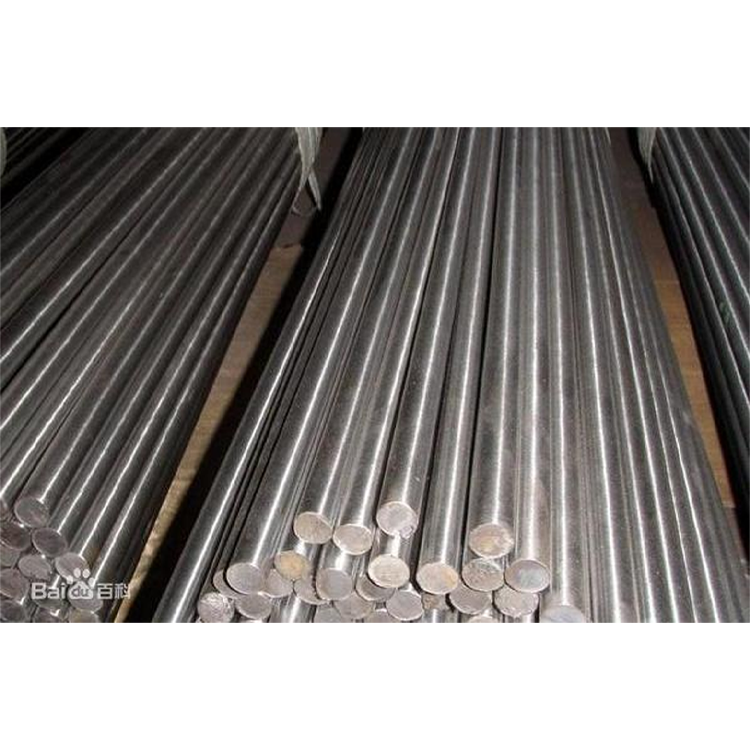












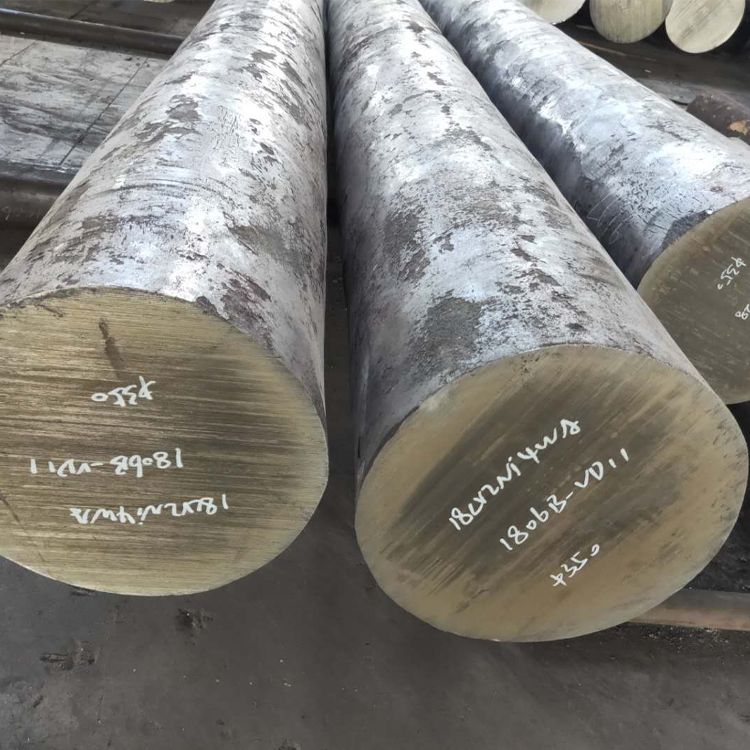
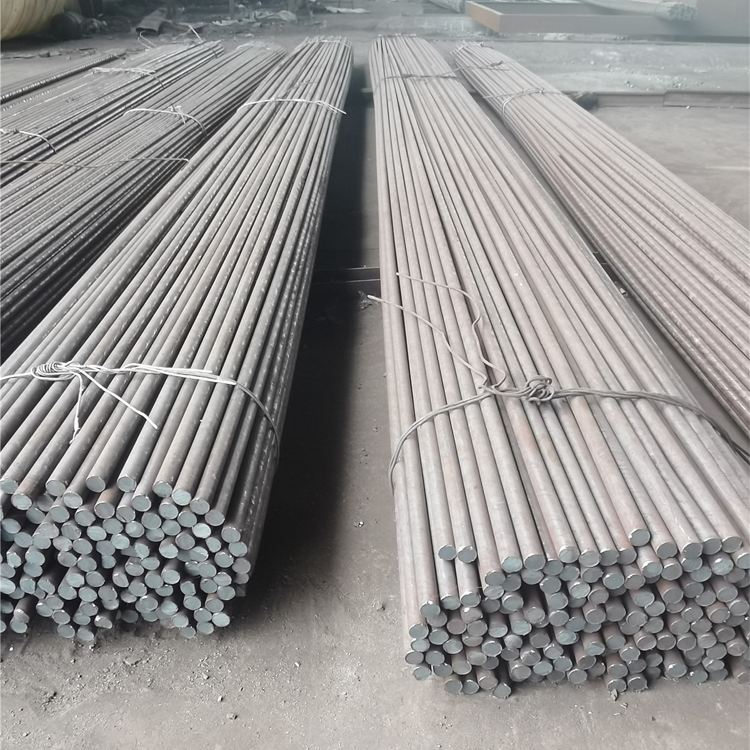

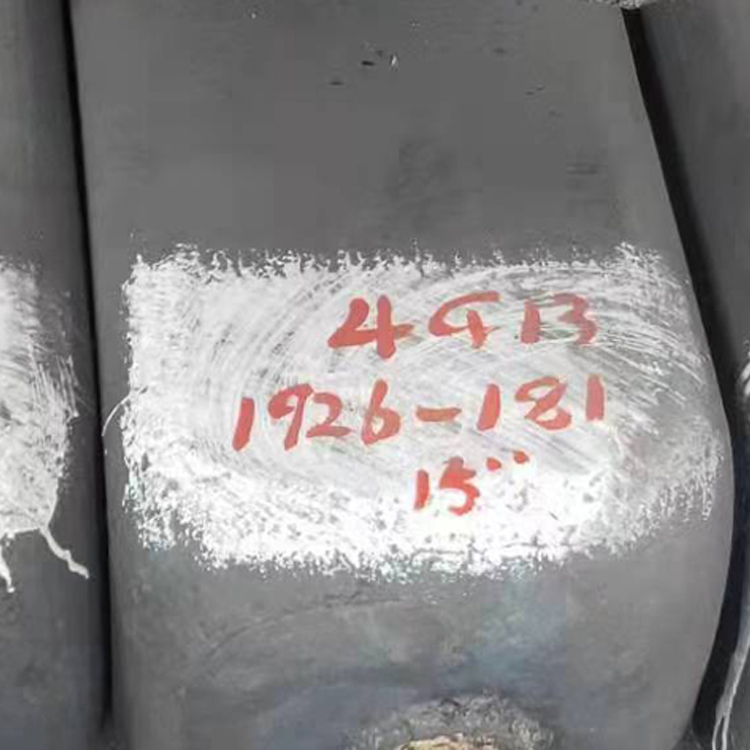
3Cr13
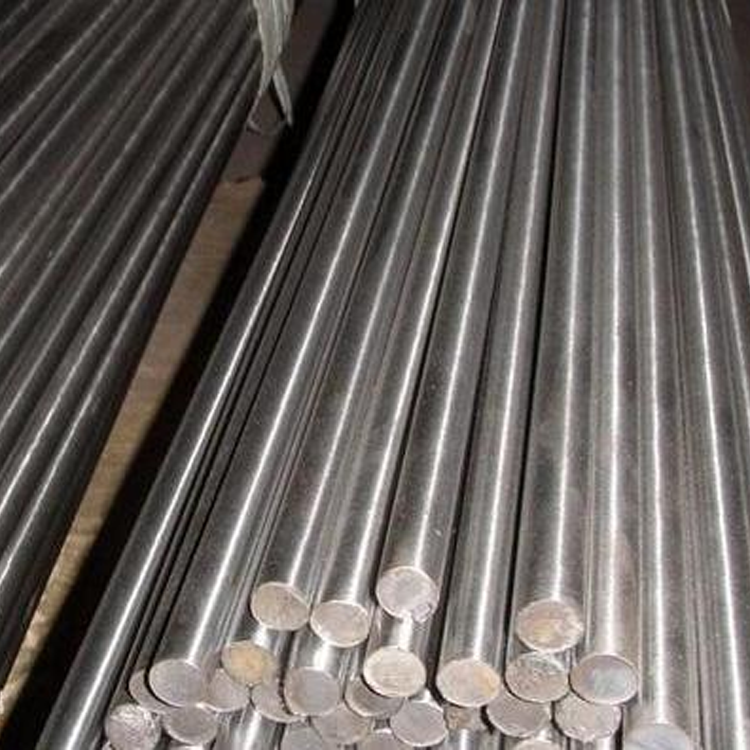
3Cr13 Stainless Steel Tube Standard: GB/T1220-1992, belongs to the martensitic type of stainless steel. This steel has good machinability, and after heat treatment (quenching and tempering), it exhibits excellent corrosion resistance, high polished surface quality, strength, and wear resistance. It is suitable for manufacturing plastic molds that can withstand high loads, high wear, and exposure to corrosive media. The 3Cr13 material with a hardness below HRC30 after tempering treatment has good machinability and is easy to achieve good surface quality. However, when the hardness exceeds HRC30, the machined parts have better surface quality but the cutting tools are prone to wear. Therefore, after the material is received, it should be tempered to achieve a hardness of HRC25-30 before proceeding with the cutting process.
Higher hardness than 2Cr13 after quenching, suitable for cutting tools, nozzles, valve seats, valves, etc.
3Cr13 density is 7.75 g/cm³
Corresponding U.S. Brand: 420B
Equivalent to UK Brand: 420S45
Corresponding French Brand: Z30C13
Chemical Composition
Editor
3Cr13
Carbon (C): 0.26~0.35
Silicon (Si): ≤1.00
Manganese (Mn): ≤1.00
Sulfur S: ≤0.030
Phosphorus (P): ≤0.035
Chromium (Cr): 12.00~14.00
Nickel (Ni): Content permitted ≤0.60%
Mechanical properties
Editor
Mechanical Properties: 3Cr13
Tensile Strength σb (MPa): Quenched and tempered, ≥735
Condition yield strength σ0.2 (MPa): Quenched and tempered, ≥540
Tensile elongation δ5 (%): Quenched and tempered, ≥12
Section shrinkage rate ψ (%): Quenched and tempered, ≥40
Impact Energy Akv (J): Hardening and tempering, ≥24
Hardness: Annealed, ≤235HB; Quenched and tempered, 48~53HRC