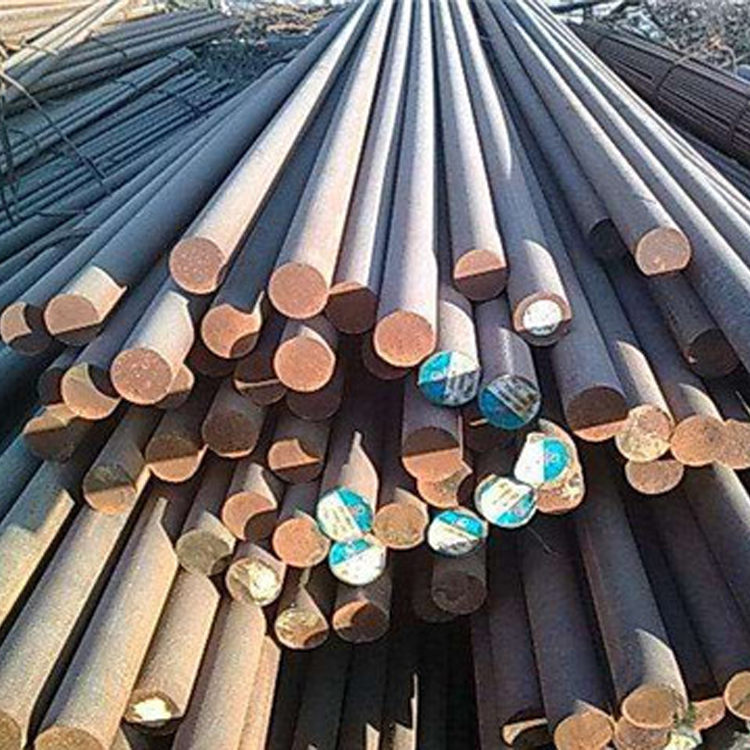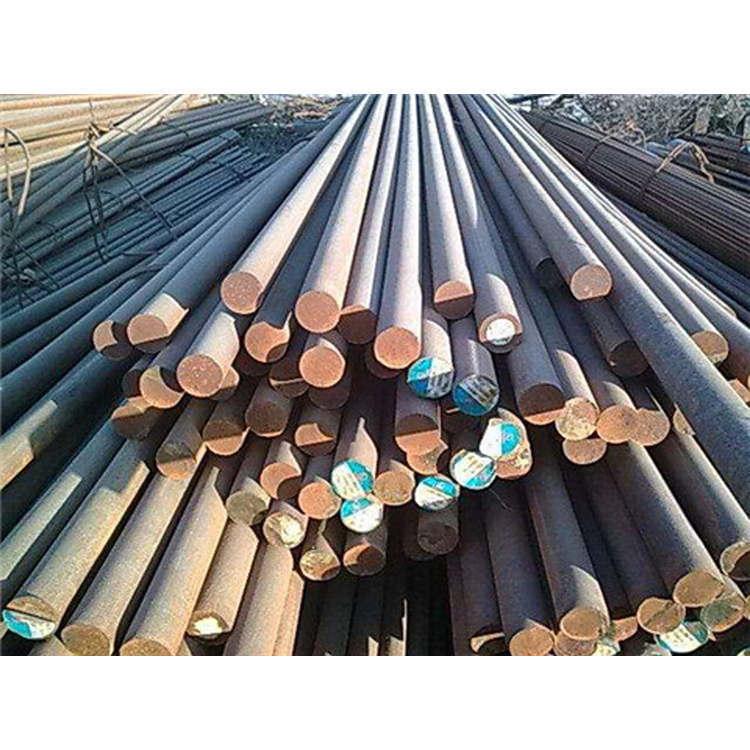












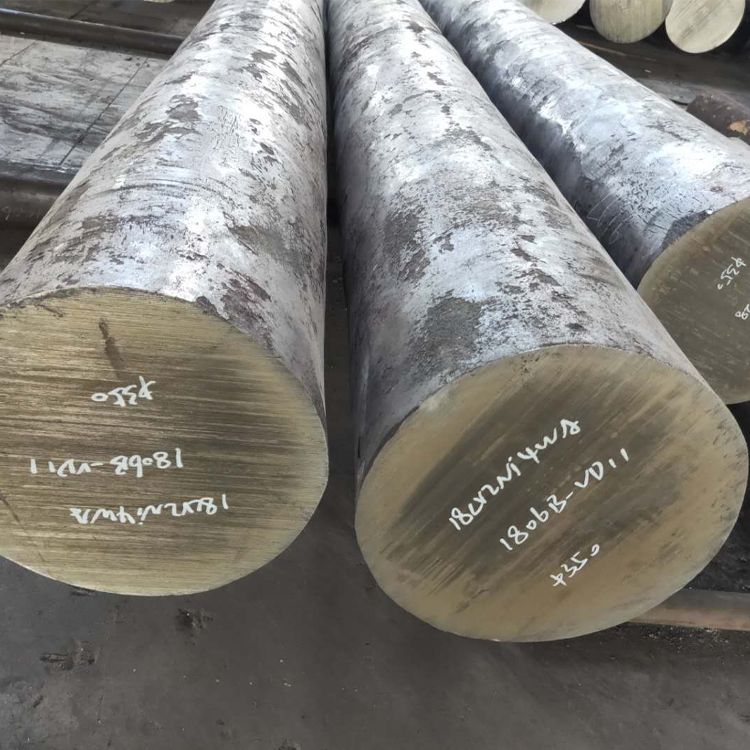
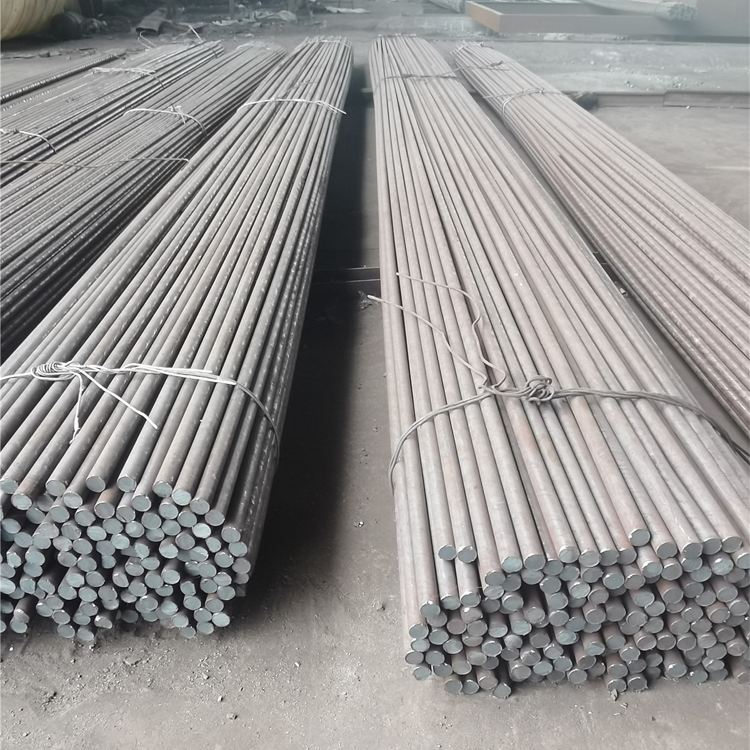

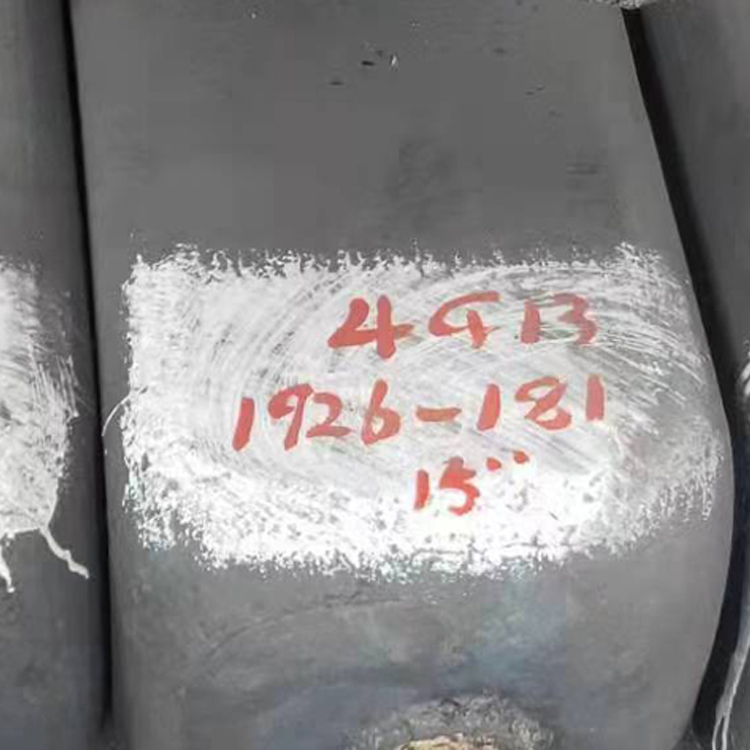
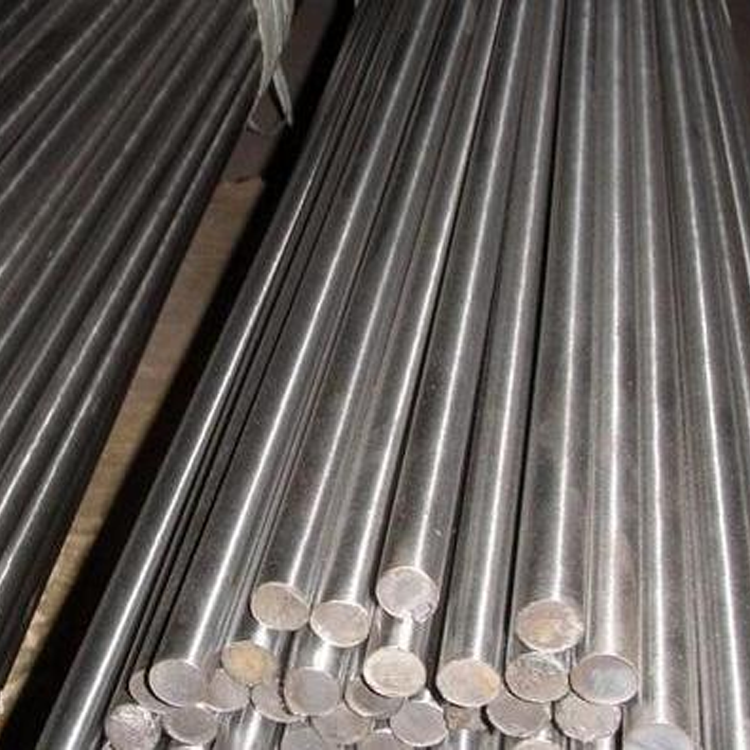
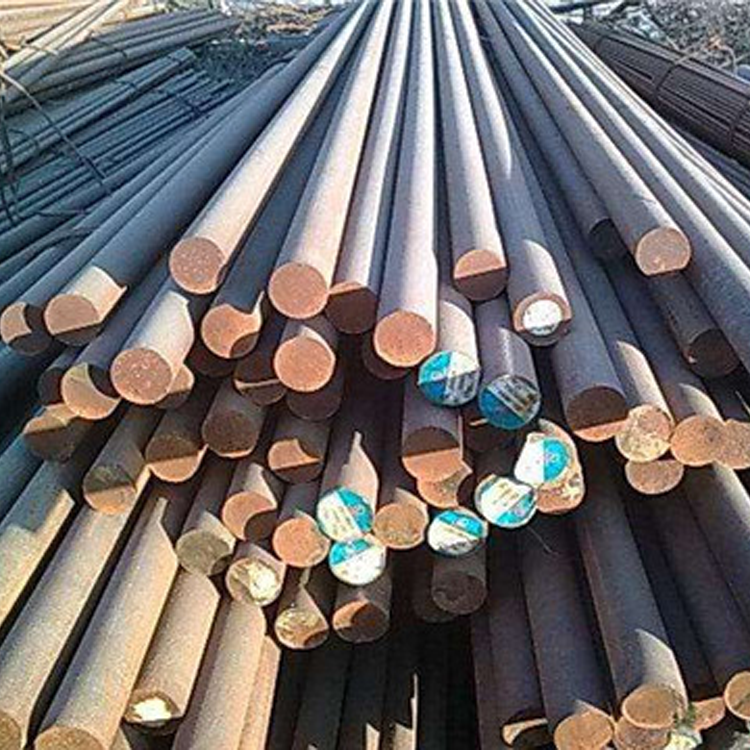
17CrNiMo6
For the cracking issue in the slow cooling of 17CrNiMo6 steel gears, the causes of the cracks were analyzed, and preventive measures were proposed.
1. Corresponds to domestic brand number
17CrNiMo6 is a steel grade according to the German DIN 17210-(86) standard, with the European standard being 18CrNiMo7-6, corresponding to GB's 17Cr2Ni2Mo.
17Cr2Ni2Mo is not a GB material; it is a JB material. The specific standard number is: JB/T 6395-2010 Large Gear and Gear Ring Forgings
17CrNiMo6 vs. 20CrMnTi: Differences
The toughness of 17CrNiMo6 is much greater.
Carbon content varies, as do the alloying elements and mechanical properties. So does the thermal processing behavior.
The former has better performance, while the latter transmission gears and differential gears are widely used.
2 Chemical Composition
Carbon (C): 0.15-0.20
Silicon (Si): ≤0.40
Mn: 0.40-0.60
Sulfur (S): ≤0.035
Phosphorus (P): ≤0.035
, Chromium (Cr): 1.50-1.80
Nickel (Ni): 1.40-1.70
Tungsten (Mo): 0.25-0.35
3. Analysis and Preventive Measures
1. Introduction
In 1997, during the production of primary and intermediate mill reducers for Ma Steel's bar rolling mill, gears made of 17CrNiMo6 steel developed cracks after the carburization treatment and slow cooling process. To identify the cause of the cracks, we conducted an analysis and discussion with the guidance and assistance of experts from the Chinese Academy of Sciences.
2. Causes of Delayed Cooling Cracks
The primary cause of cracking is the uneven phase transformation that occurs during the cooling process of the diffusion layer. The diffusion layer contains large carbide particles and continuous reticular carbides, with its microstructure consisting of three layers: the outermost layer is lower bainite and reticular carbides; the middle layer is quenched martensite, lower bainite, and reticular carbides; and the innermost layer is lower bainite combined with ferrite. The hardness check from the surface to the interior is as shown in the following table.
Inspection Locations: Carbonized Layer, Base Material
Surface Layer, Intermediate Layer, Transition Layer
Hardness (HL): 420, 433, 458, 513, 501, 479, 492, 479, 414, 318, 337, 307
Phase change is affected by the following factors:
2.1 Temperature Impact
Due to the lower solubility of carbon in ferrite (approximately 0.025% at ultra-high levels) and the higher the carbon diffusion coefficient in the austenitic state with increasing渗碳temperature, the carbon infiltration rate also increases. However, the temperature should not be too high, as it can significantly reduce the service life or damage the carbon infiltration equipment. Moreover, excessive and prolonged high temperatures can lead to coarse microstructure in the infiltration layer and excessive carbide levels. In practice, carbon infiltration at 900℃ and 930℃ is commonly used.
2.2 Impact of Carbon Concentration
The delayed cracking is related to the carbon potential during carburization.
During the initial carburizing stage, due to the high carbon content on the workpiece surface, its ability to accept active carbon atoms is strong, resulting in a faster carburizing rate. At this point, the carbon potential within the furnace is low, necessitating the addition of a large amount of carburizing agent to maintain the carbon potential. This is also related to the amount of material loaded into the furnace. If the carburizing agent is not replenished promptly, it may lead to excessive carburizing time and concave distribution curves of carbon concentration, but it should not be too strong, as it may result in a large number of reticulated carbides that cannot be eliminated.
As the carbon content of the workpiece surface continuously increases and the carbon potential is established, the addition of the infiltrant should be gradually reduced. The carburization enters the diffusion stage. If a large amount of infiltrant is still maintained at this point, it will form a network of surface carbides, leading to a decrease in the strength of the infiltration layer, an increase in brittleness, and particularly a decrease in tensile strength, which is quite detrimental to preventing the formation of delayed cooling cracks.
2.3 Influence of Carbonitriding Time
Once the carburizing temperature and carbon potential are determined, the carburizing time primarily depends on the depth of the effective hardened layer. The longer the carburizing time, the deeper the hardened layer; conversely, it will be shallower. For workpieces made of 17NiCrMo6 steel with a hardened layer thickness of 10-15μm, if the diffusion period is not controlled properly and is too short, it may result in an overly steep carbon concentration distribution curve in the carburizing layer. This could lead to delayed cooling cracks during the subsequent slow cooling process.
2.4 Impact of Slow Cooling Rate
The slow cooling process is typically conducted in a cooling well, where the cooling rate should be slower than air cooling to achieve a more balanced tissue. If for some reason the slow cooling rate is equivalent to the air cooling rate, slow cooling cracks will occur. The analysis results also indicate that when the carbon content on the surface of the carburized layer reaches above the eutectoid composition, the hardenability of the carburized layer is not entirely uniform. Under specific slow cooling rates, uneven phase transformations occur, resulting in a larger volume of martensite in the intermediate layer, which exerts tensile stress on the surface. Due to the deterioration of the surface layer, it cannot withstand the large tensile force and thus cracks.
3. Preventing Delayed Cooling Cracking Measures
Through the above analysis, it is known that the conditions for the formation of delayed cooling cracks are: first, the presence of a large amount of blocky and reticular carbides in the diffusion layer, which degrade its properties; second, the occurrence of uneven phase transformations in the diffusion layer. Preventive measures include: first, avoiding the formation of a large amount of reticular carbides in the diffusion layer. For steels like 17CrNiMo6, which contain Cr and Mo, strong carbide-forming elements, the carbon potential during carburization should not be too high, especially during the diffusion stage. It is essential to reduce the carbon potential to about 0.9%C and maintain it for a certain period to prevent the formation of carbides. Additionally, efforts should be made to avoid the formation of martensite in the intermediate layer. When the delayed cooling effect is good, the microstructure tends to be balanced, with no uneven phase transformations. However, due to the high humidity and water content in the cooling well, the cooling rate is increased, leading to cracks. If the ambient temperature is low during winter and the quantity of workpieces loaded into the furnace is small, even though they are in the cooling well, the cooling rate remains fast, and delayed cooling cracks are more likely to occur.