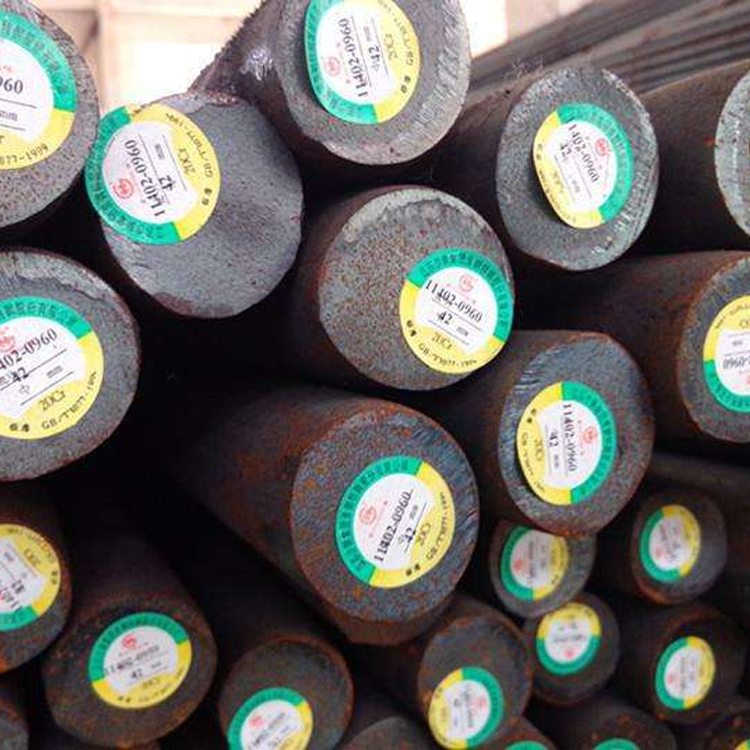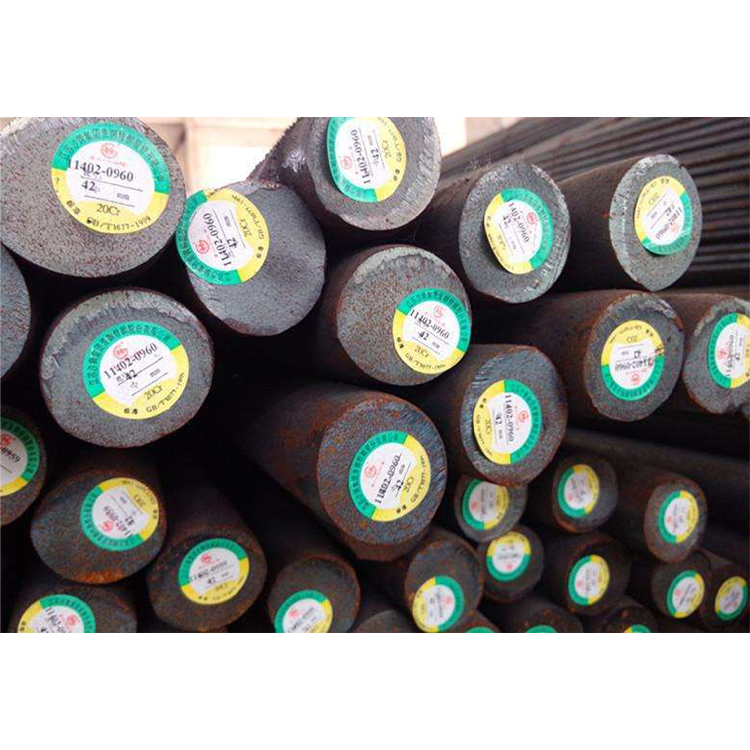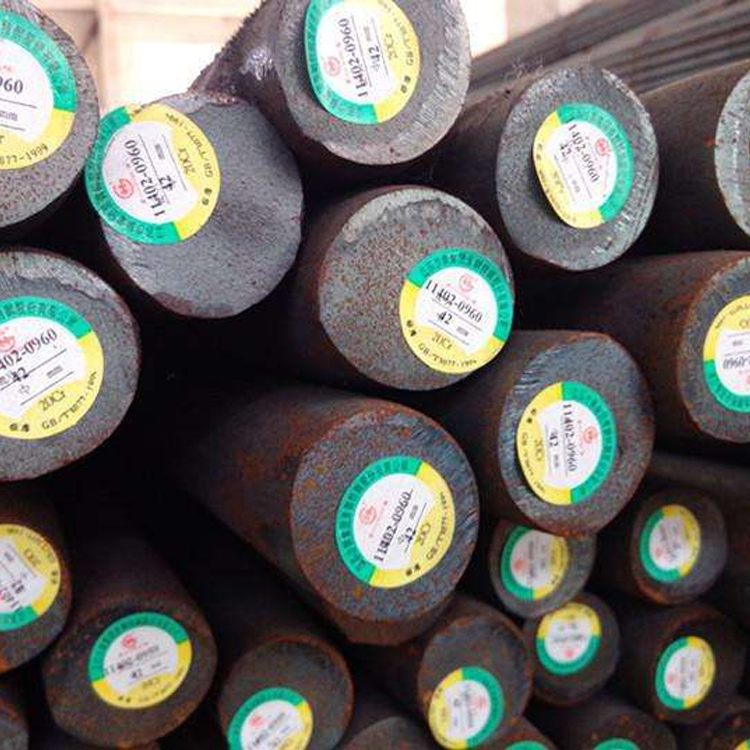

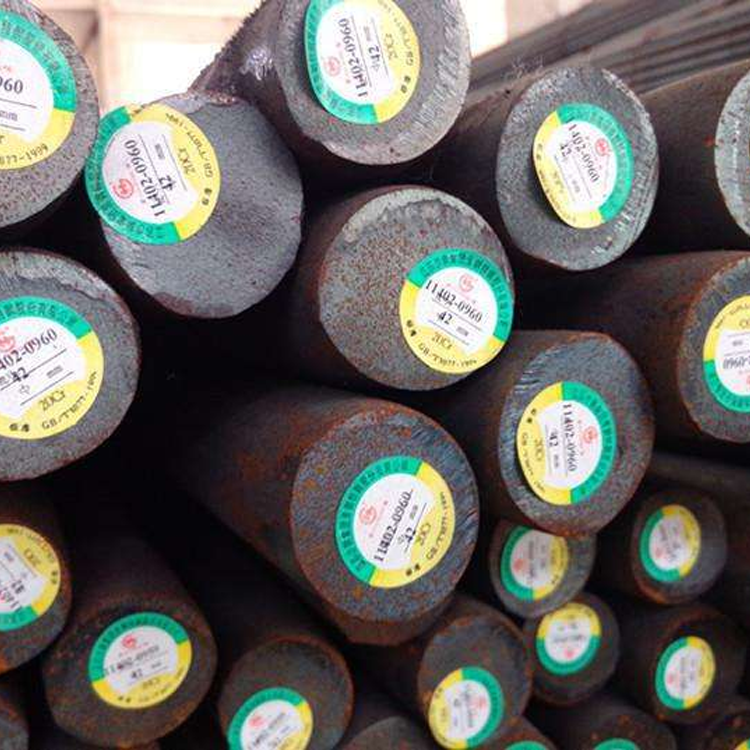
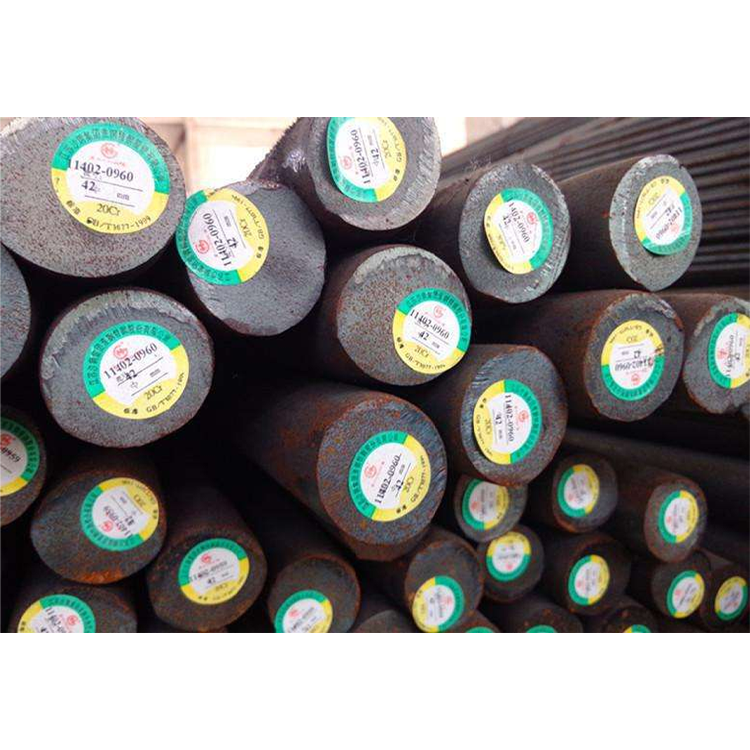
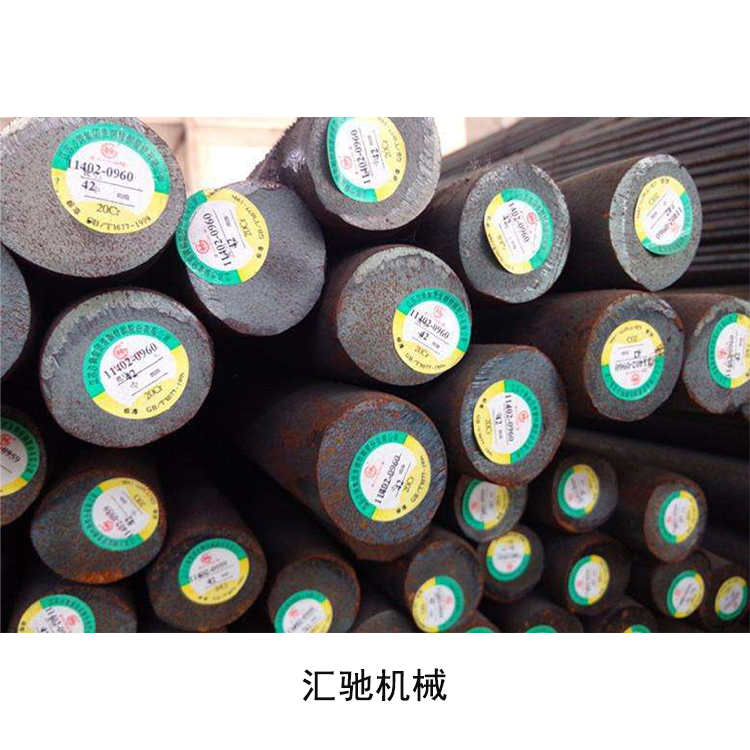










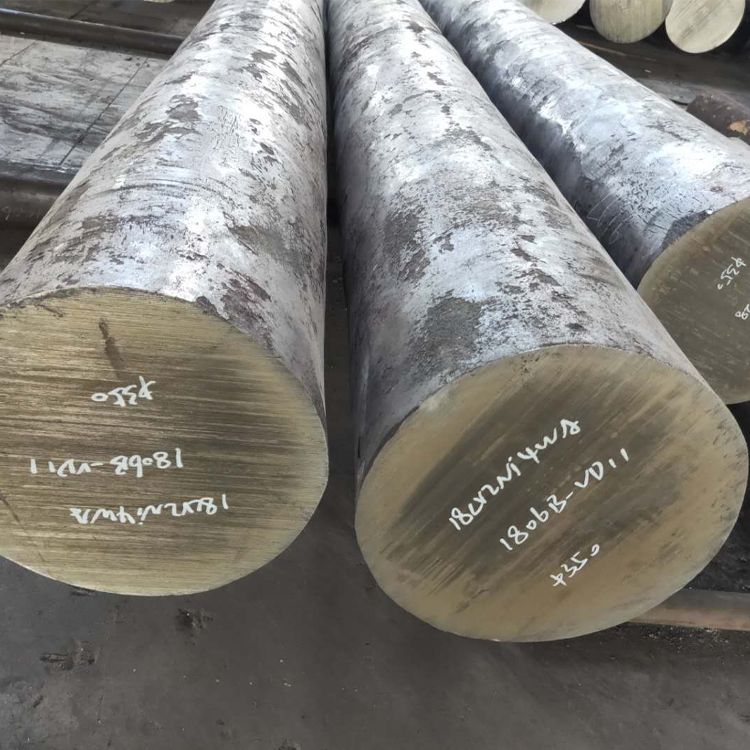
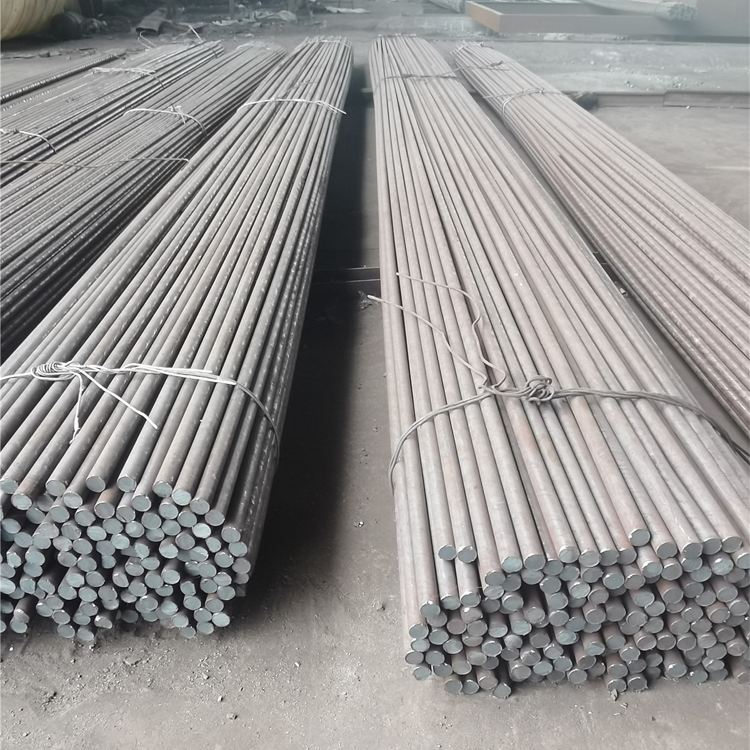

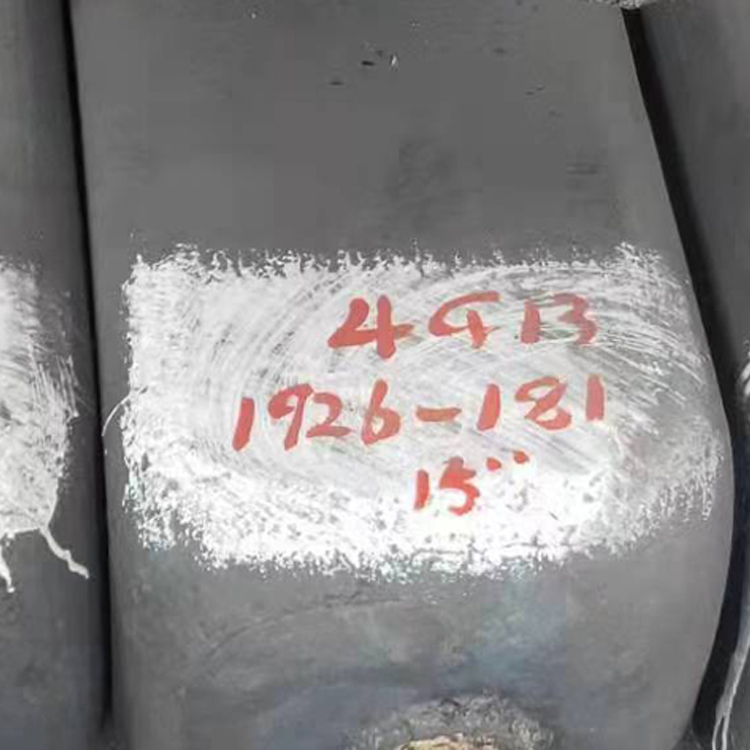
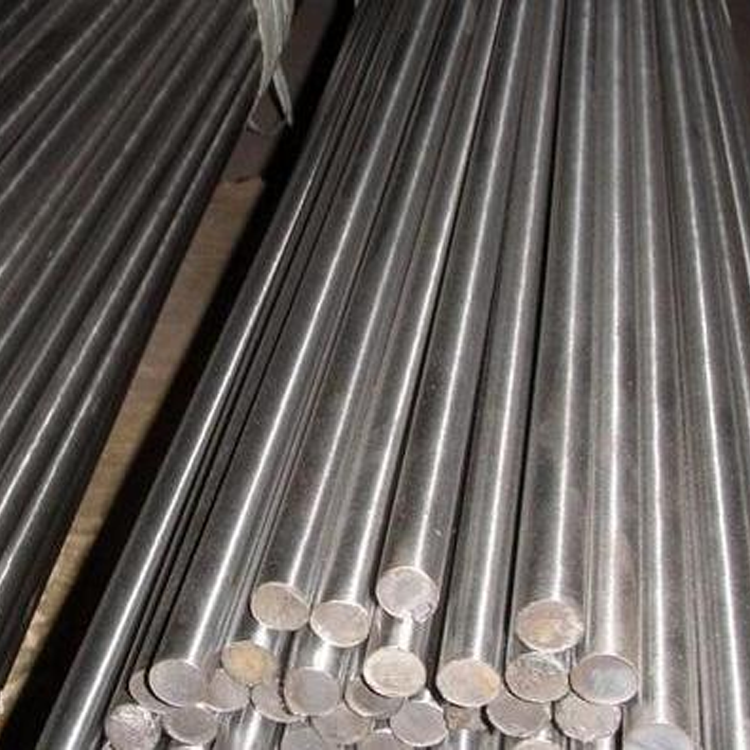

20Cr is a steel grade, a low hardenability carbon alloy steel.
Primarily used for manufacturing carbonitriding parts with high core strength requirements, surface wear resistance, cross-sections under 30mm, or complex shapes with moderate loads.
Basic Information
AISI 5120
JIS SCr435
GB 20Cr
DIN 20Cr4
Supply Condition and Hardness: Annealed, Hardness ≤ 179HBS
Chemical Composition
Quality Fraction (%)
Carbon C: 0.18~0.24
Silicon Si: 0.17~0.37
Manganese (Mn): 0.50 ~ 0.80
Chromium (Cr): 0.70~1.00
Sulfur S: Permitted residual content ≤ 0.035
Phosphorus (P): Allowable residual content ≤ 0.035
Nickel (Ni): Allowable residual content ≤ 0.30
Copper (Cu): Allowable residual content ≤ 0.30
Tungsten (W): Allowable residual content ≤0.15
Key Features
Compared to 15Cr steel, it has higher strength and hardenability, with critical hardenability diameter in oil reaching 4 to 22mm, and in water reaching 11 to 40mm. However, it has lower toughness, and there is still a tendency for grain growth during carburization. Quenching directly after cooling has a significant impact on impact toughness, so secondary quenching is required after carburization to improve the toughness of the core of the part, without any temper brittleness. The steel has high cold strain plasticity and can be drawn in the cold state. Machinability is good at high-temperature normalizing or tempering, but poor after annealing. 20Cr is pearlitic, with good weldability, generally requiring no heat treatment after welding. However, parts thicker than 15mm need to be preheated to 100 to 150℃ before welding, and no post-weld heat treatment is required either.