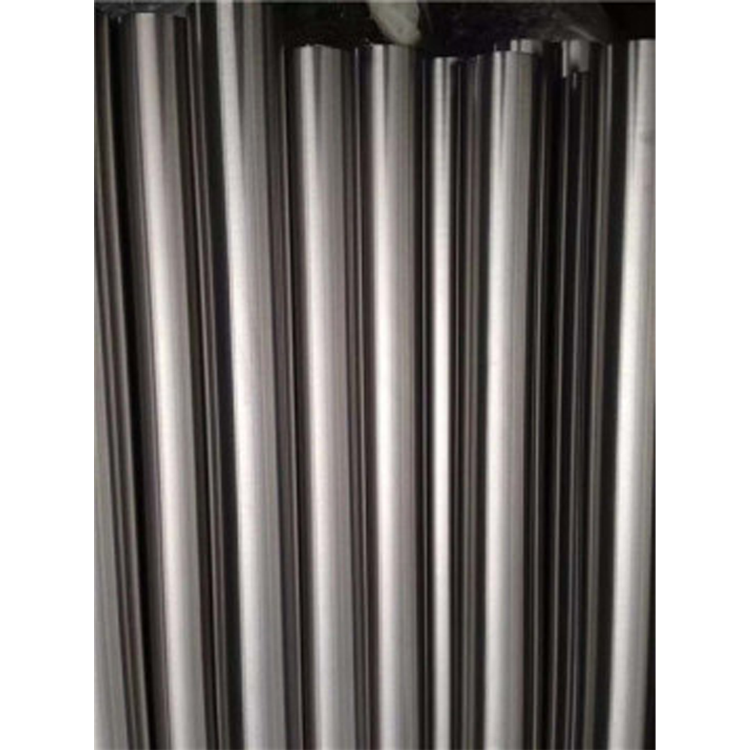















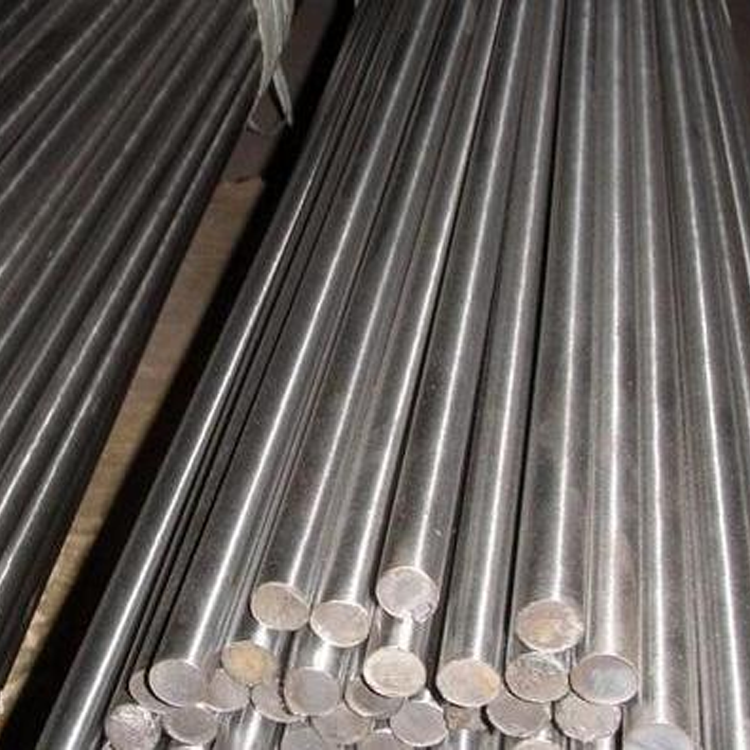
Stainless steel requires approximately 18% chromium content to maintain stable passivation in oxidizing acids. To achieve austenitic structure at room temperature when the chromium content is 18%, the steel grade must be alloyed with 8%-9% nickel, forming the 18-8 type stainless steel. 1Cr18Ni9 is the basic type of the 18-8 stainless steel, with a carbon content of around 0.1%. By altering the chemical composition from this base, various steel grades with different properties can be obtained.
China Grade: 1Cr18Ni9 (New Grade: 12Cr18Ni9) Equivalent to US Grade (ASTM A276-96): 302 Equivalent to DIN Grade: 1.4307
Standard: GB/T 1220-1992
Stainless steel requires approximately 18% chromium content to maintain stable passivation in oxidizing acids. To achieve the austenitic structure at room temperature when the chromium content is 18%, the steel grade must be alloyed with 8%-9% nickel, forming the 18-8 type stainless steel. 1Cr18Ni9 is the basic type of the 18-8 stainless steel, with a carbon content of around 0.1%. By altering the chemical composition from this base, various steel grades with different properties can be obtained. For instance, adding Ti or Nb results in the 321 and 310 stainless steels, which are resistant to intergranular corrosion [1].
● Features and Application Scope:
Due to its excellent corrosion resistance, stainless steel ensures the structural components maintain the integrity of the engineering design. Chromium-containing stainless steel combines mechanical strength with high ductility, making it easy to process and manufacture, and meets the needs of architects and structural designers. This steel is resistant to corrosion from weak corrosive media such as air, steam, and water, as well as from chemical corrosive media like acids, alkalis, and salts. It is also known as acid-resistant steel. In practical applications, steel resistant to corrosion from weak corrosive media is commonly referred to as stainless steel, while steel resistant to chemical media corrosion is called acid-resistant steel. Due to their differences in chemical composition, the former may not necessarily resist chemical media corrosion, whereas the latter generally possesses corrosion resistance. The corrosion resistance of stainless steel depends on the alloying elements present. Chromium is the fundamental element that imparts corrosion resistance to stainless steel; when the chromium content in the steel reaches about 12%, it reacts with oxygen in the corrosive medium to form a very thin oxide film (self-passivating film) on the steel surface, which can prevent further corrosion of the steel matrix. In addition to chromium, commonly used alloying elements include nickel, molybdenum, titanium, niobium, copper, and nitrogen, to meet the requirements of various applications for the structure and properties of stainless steel. [2]
Chemical Composition
1Cr18Ni9[2]
Carbon (C): ≤0.15%
Silicon (Si): ≤1.00%
Manganese Mn: ≤2.00%
Sulfur (S): ≤0.030%
Phosphorus (P): ≤0.045%
Chromium (Cr): 17.00% ~ 19.00%
Nickel (Ni): 8.00% - 10.00%
Mechanical properties
Tensile Strength σb (MPa): ≥520
Yield Strength Condition σ0.2 (MPa): ≥205
Tensile elongation δ5 (%): ≥40
Section reduction ratio ψ (%): ≥60
Hardness: ≤187HB; ≤90HRB; ≤200HV
● Heat treatment specifications and microstructure:
Heat Treatment Specification: Solution treated at 1010-1150℃ with rapid quenching.
Metallographic Structure: Characterized by Austenitic grain structure.