



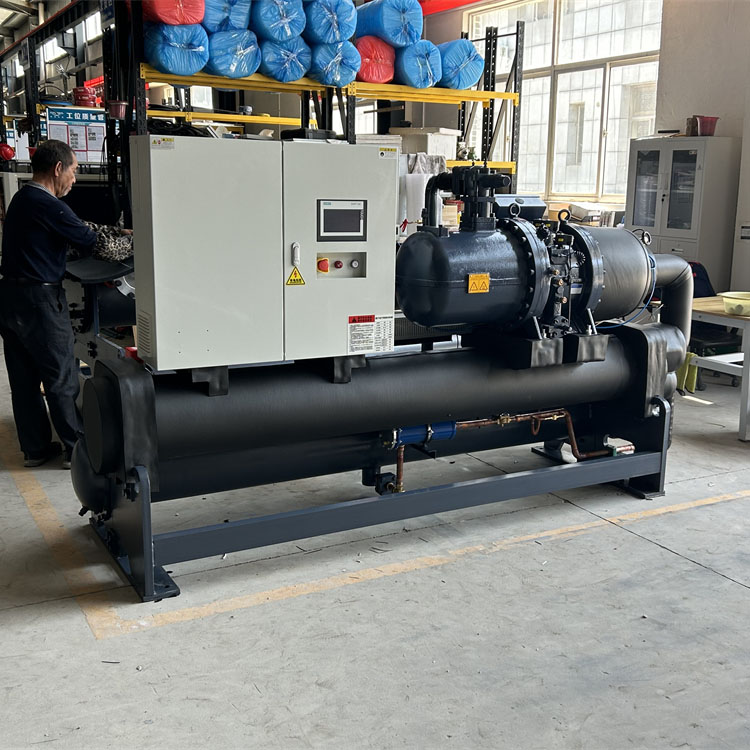

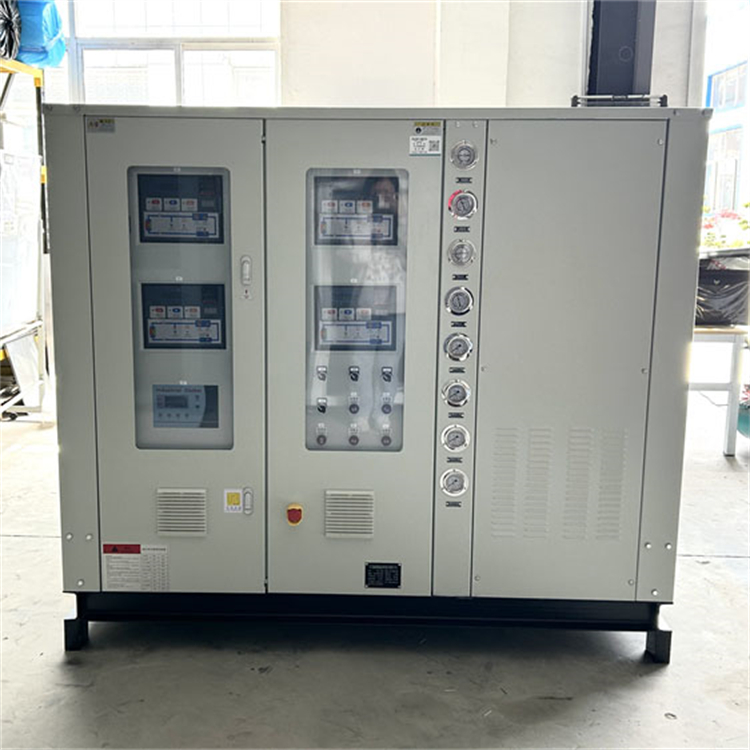





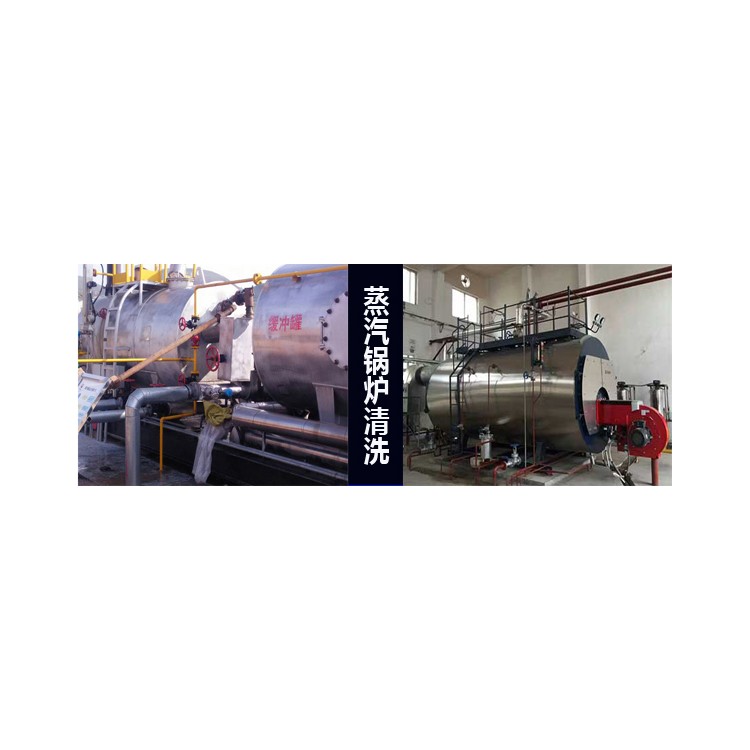
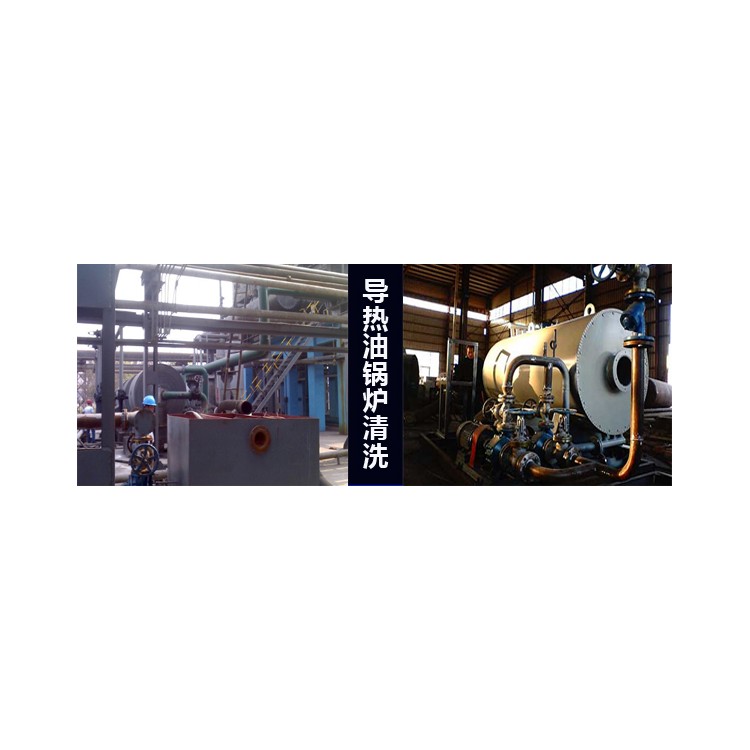
Long-term operation of central air conditioning can lead to scaling and clogging of equipment, reducing efficiency and increasing energy consumption, as well as shortening the service life. If scale is not removed in a timely manner, there's a risk of equipment maintenance, shutdown, or replacement.
I. Overview
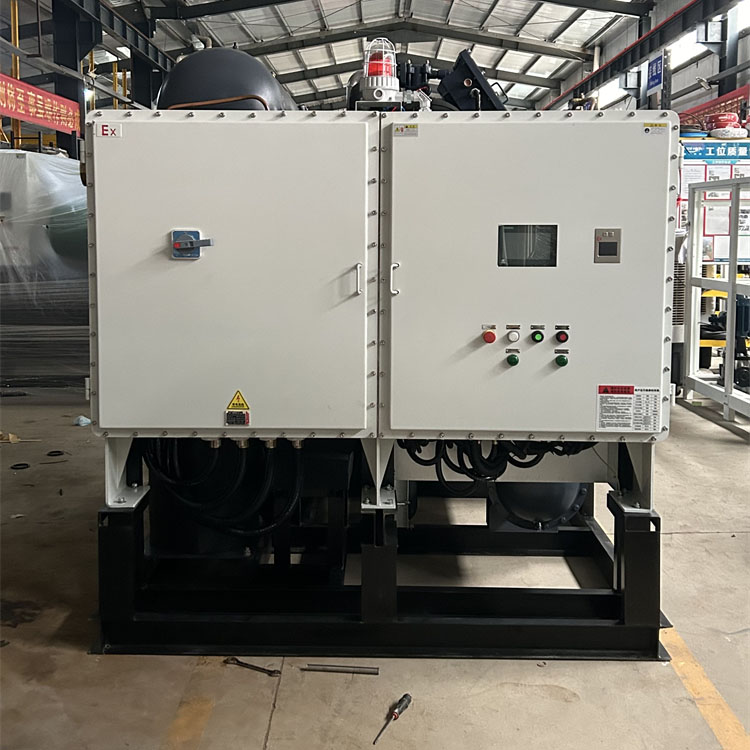
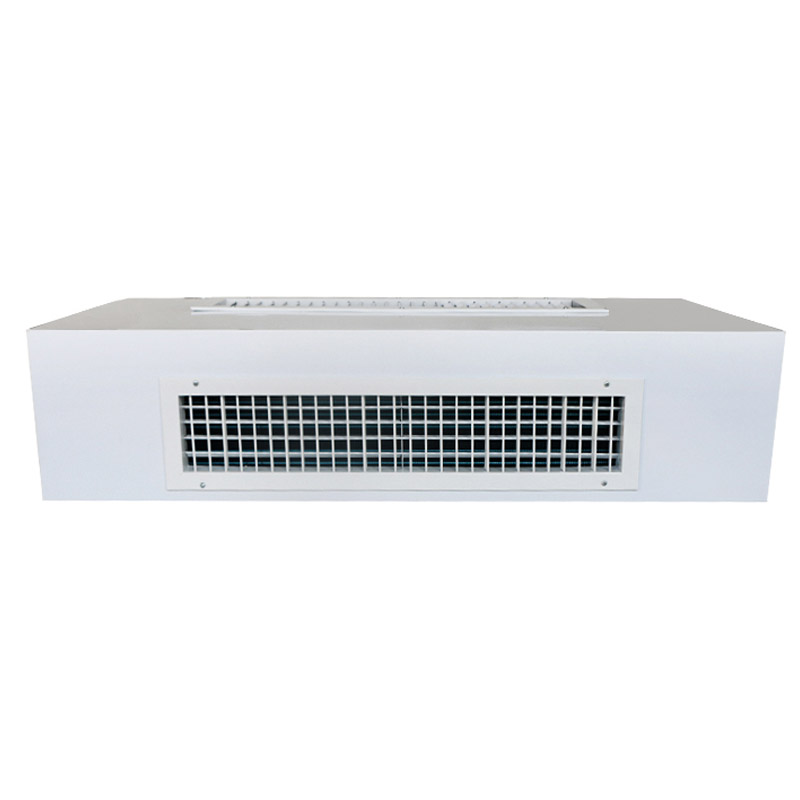
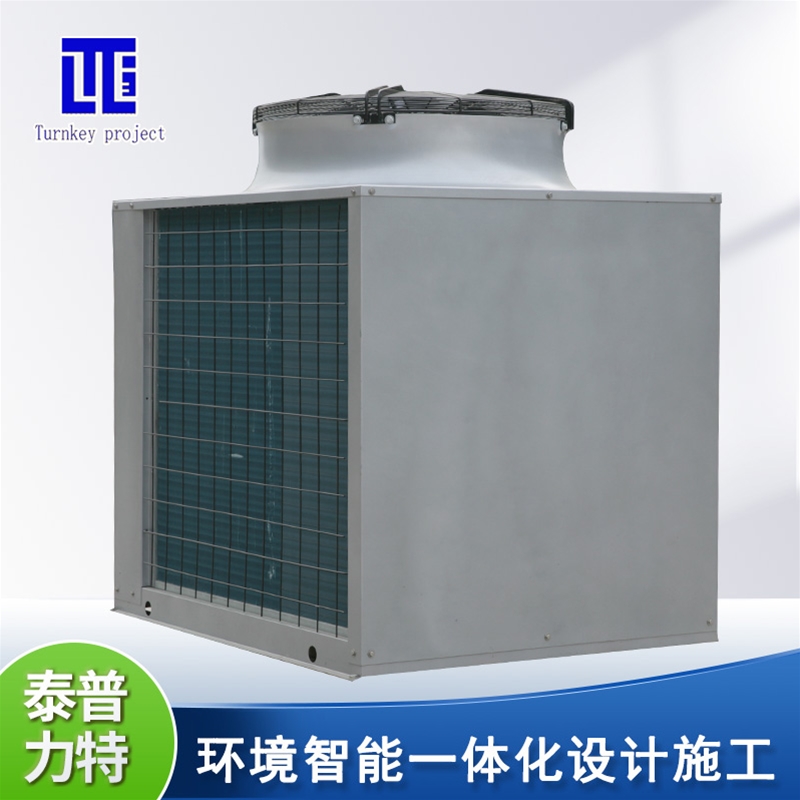
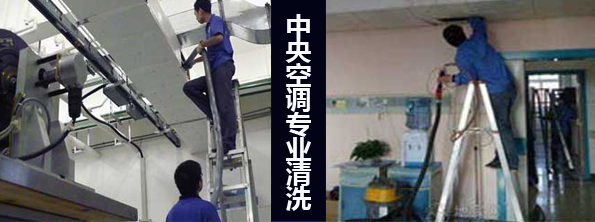
Central Air Conditioning Cleaning refers to the overall cleaning and dusting of the central air conditioning system, including the removal of old components, disinfection, and avoiding indoor air pollution to enhance cooling efficiency and prolong the service life of various components of the central air conditioning unit. The Central Air Conditioning Cleaning series includes: ventilation ducts, fan coils, main units, water systems, air handling units, and cooling tower cleaning, etc. Prior to cleaning, the cleaning contractor should, based on the requirements of the air conditioning system and the health assessment report, review relevant technical data, inspect and verify the air conditioning system that needs cleaning, determine the appropriate cleaning method, cleaning tools and equipment, and proceed with the cleaning procedure.
Section II: Specialized Tools
Central air conditioning cleaning should use specialized mechanical cleaning equipment and tools, including: duct cleaning robots, particle collection equipment, handheld cleaning devices, air conditioning system units, components, cooling tower cleaning tools, disinfection equipment, etc. ER auxiliary equipment, tools, and devices.
III. Technical Requirements
Cleaning central air conditioning should use special cleaning equipment. During the cleaning process, it is strictly prohibited for cleaning personnel to enter the ducts for manual cleaning; when cleaning equipment or components, cleaning personnel should wear protective suits and necessary protective gear.
Four, traditional central air conditioning systems mainly have the following issues:
Due to the long-term operation of the air conditioning chilled water pipe system, a layer of compounds such as Ca2+, Mg2+, Fe2+ accumulates on the inner wall of the chilled water pipes, reducing the cross-sectional area of the chilled water pipeline. As the water flow through the pipes increases, the system resistance grows, leading to an increase in the load on the chilled water pump, and even water shortages at the system's end.
2. Due to the long-term operation of air conditioning ventilation pipes, a layer of dust containing bacteria, legionella, and viruses has accumulated on the inner walls, which is harmful to human health.
Due to the long-term operation of cooling tower fillers and cooling water pipes, a layer of dirt consisting of bacteria, viruses, legionella, and algae adheres to the filler surface and the inner wall of the cooling water pipes, reducing the pipeline cross-sectional area, increasing system resistance, and thus raising the load on the cooling water pump. This also diminishes the cooling tower's water supply capability, particularly affecting the cooling performance of open cooling towers.
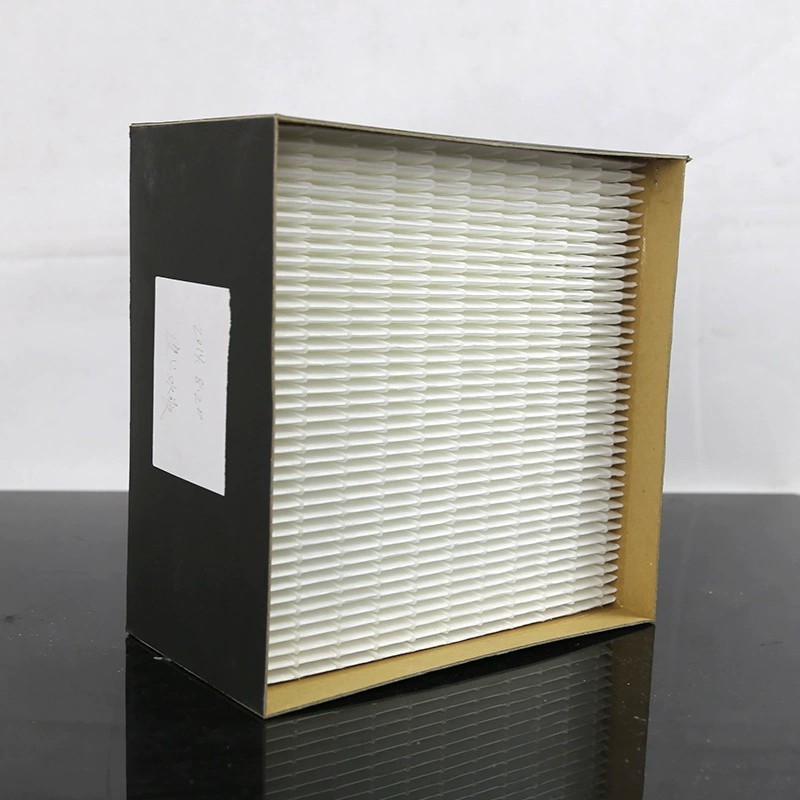
4. Due to the failure to timely clean and replace the return air filter of the air conditioning unit, the air cooler in the air cooling unit, the condensate tray, the condensate pipe, and the black oil污 on the exhaust outlet are direct sources of air pollution and infection.
Section 5: Central Air Conditioning System Cleaning Categories
Central air conditioning system cleaning is primarily divided into internal and external cleaning.Internal cleaning includes refrigeration and cooling water circulation systems; external cleaning includes cooling tower media collector cleaning, air exchanger exterior surface cleaning, and ventilation duct system cleaning.To conserve energy, cleaning the water systems (including the evaporator of the chilled water system, the surface cooler of the air conditioning system) and the cooling water system (cooling pipes, condenser, cooling tower media) are the main tasks.Environmental hygiene, primarily the cleaning of ventilation duct systems and end components (surface coolers, heaters, humidifiers, filters, condensate pipes, trays, exhaust outlets, etc.).
Six, Central Air Conditioning System Cleaning Method
1. Cleaning of the air conditioning water system
Due to compounds like Ca2+, Mg2+, and Fe2+, commonly known as scale, they mainly adhere to the inner surface of air conditioning pipes, making them neutral. Use an 8-10 neutral descaling agent, corrosion inhibitor, and coating solution for three washes. One cycle lasts 12 hours, the second cycle 6 hours, and the third cycle 1 hour. Promptly test water quality and the condition of the pipe surfaces. Generally, three washes are sufficient; for air conditioning pipelines that haven't been cleaned for a long time, extend the cleaning time accordingly.
2. Cleaning of the Cooling Water System
Due to the majority of cooling water systems being open-loop, the cooling water and air are in constant contact, causing gases like CO2, SO2, NO2, and O2 in the air to dissolve into the cooling water, resulting in strong acidity and oxidizing properties (such as cavitation within the cooling pump impeller). Over time, a Legionella pneumophila and beta-hemolytic Streptococcus form on the cooling water pipes, packing surfaces, and collecting plates. Pathogenic microorganisms like algae adhere, leading to severe corrosion of the pipes and environmental pollution (acid rain near the cooling tower). Therefore, a 5% weak acid scale remover, corrosion inhibitor, and coating water solution should be used for three washes, with the cleaning process being the same as mentioned above.
3. Clean ventilation duct system
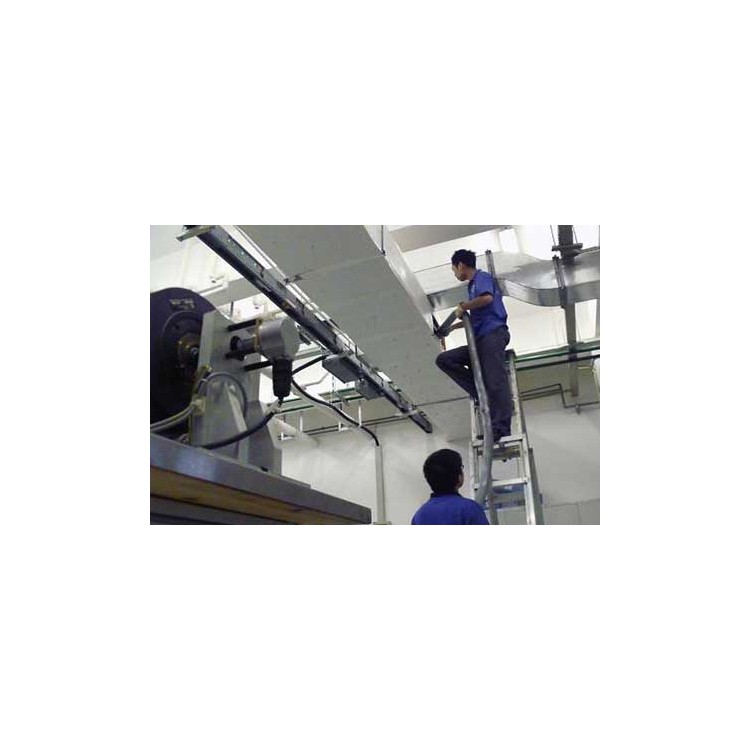
Cleaning ventilation duct systems is a key and challenging aspect of the cleaning process, as these ducts are usually located in ceilings, and even if not, they are often sealed and interconnected, making them difficult to clean. Mechanical cleaning methods are typically used. Currently, the common method involves placing a detection or pneumatic robot inside the ventilation ducts through the canvas flexible connections of the unit, controlling the cleaning robot within the ducts via robots and a control cabinet outside the ducts. For systems with high dust content, a duct collector should be used to completely collect the cleaning robot within the ducts to prevent secondary contamination of waste.
4. Surface cooling, heating, humidifier surface, condensate pan inner surface, and return air grille cleaning.
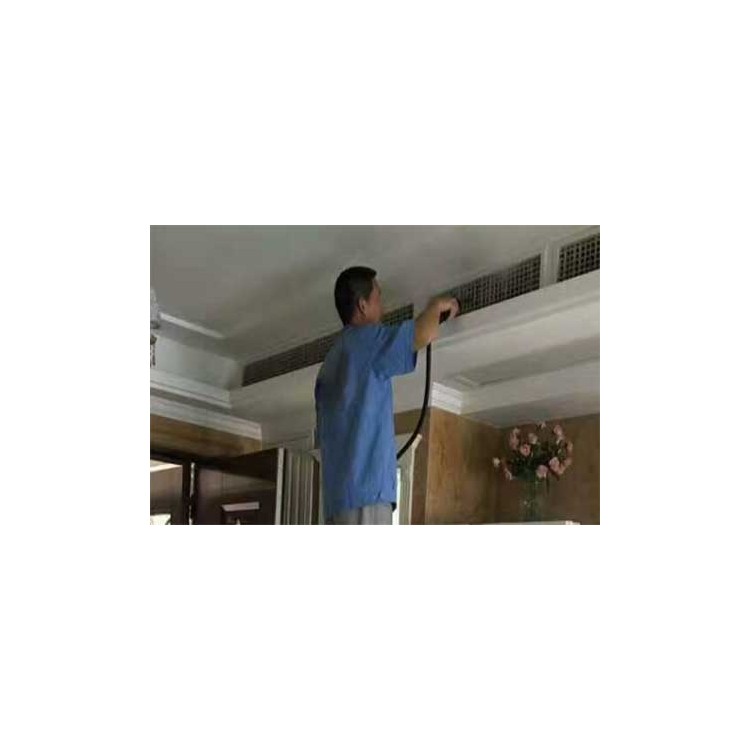
Cooling, heating, humidification, and return air grille cleaning not only improve air quality but also offer significant energy-saving effects. Common cleaning methods involve using a jet cleaner, followed by high-pressure water or air blowing to quickly dissolve and sweep away pollutants, and then rinsing with low-pressure water.
5. Contaminants adhering to the exterior surface of the surface cooler include pathogenic microorganisms such as hemolytic streptococcus. Most of the fins are flushed into the condenser tray. Long-term accumulation can lead to secondary contamination of the water tray and accompanied by unpleasant odors. Therefore, the cleaning of the condensate tray should not be overlooked. The common method to clean the condenser is to spray detergent on the dishware and then rinse with clean water.
Section 7: Issues to Consider When Cleaning Central Air Conditioning Systems.
The central air conditioning ventilation system should be inspected for the extent of biological contamination in the ventilation and water systems before cleaning, including microbial pollutants and growth in the air handling units, humidifiers, and other typical components.
When any of the following conditions occur, the central air conditioning system should be cleaned:
Ventilation systems have contamination issues.
1. Various pollutants or debris accumulate in the system to a visible extent.
2. When there are obvious microorganisms in the supplied gas as confirmed by the inspection report, the sampling method for microorganism detection should be carried out in accordance with the relevant provisions of GB/T 18204.1.
(2) Visible dust particles are entering the indoor space within the ventilation system, or the detected pollutants exceed the requirements specified by GB/T 17095.
System performance degradation:
The heat exchanger coils, refrigeration coils, air flow control devices, filtration units, and air handling units have been identified as having significant limitations, causing restrictions, blockages, and sediment deposits that severely affect the performance of the ventilation system.
2. Special Indoor Air Quality Requirements:
Population harm, such as a significantly increased incidence of confirmed diseases, buildings with compromised immune systems, special environments, buildings with sensitive construction materials, or critical processes.
(3) Cooling Tower Cleaning and Disinfection
Regular cleaning should start by draining the cooling water, followed by a thorough cleaning of the interior walls of the cooling tower to ensure the surface is free of dirt. When pathogenic microorganisms are detected in the cooling water, disinfection of the cooling water and tower walls should be carried out using high temperature or chemical methods, then drain the water inside the tower and clean the interior walls of the cooling tower thoroughly.
After system cleaning, the cleaning effect must be inspected.
1. The accumulated dust after cleaning the air duct should be less than 1.0 gram per square meter of the inner surface of the duct. No residual contaminants should be detected after the parts are cleaned.
2. The total elimination rate of bacteria and fungi from the interior surface of the sanitized ducts should be over 90%. Pathogenic bacteria should not be detected.
3. No detection of pathogens such as Legionella, hemolytic streptococci, etc., in the cooling water, condensate water, and gas supply system is permitted.
4. Air Conditioner Inlet Particulate Matter (PM 10) ≤ 0.15 mg/m³
Total Bacterial Count < 500 cfu/m³
6. Total Fungi ≤ 500 cfu/m³
(V)During system cleaning and maintenance, the chemicals used must comply with relevant laws and standards, and must not cause damage to the ventilation system or personnel.
The cleaning of duct systems should consider dust prevention and secondary contamination. Clean the surface of air ducts and spray disinfectant simultaneously with mechanical robots as much as possible. When cleaning surface coolers, condensate panels, and return air openings, attention should be paid to prevent leakage, and splash-proof measures should be taken to avoid secondary contamination.
5. Benefits of Central Air Conditioning Cleaning
The air conditioning unit has eliminated a substantial amount of maintenance costs for users: without proper treatment, central air conditioning can experience issues like pipe blockages, scaling, corrosion, and over-pressure shutdowns, eventually leading to malfunctions in the main unit due to oxidation exposure and solute build-up. Post-infection, copper pipes need to be replaced, solutions changed, and the main unit repaired, with typical repair costs ranging from 200,000 to 500,000 yuan. After treatment, not only can maintenance quantities be reduced, but the lifespan of the equipment can also be extended. It can also prevent hundreds of thousands of homeowners from suffering losses in the millions.
2. Central air conditioning can kill algae, remove sludge, keep pipes clear, ensure clear water quality, prevent scaling, and improve the heat exchange efficiency of the central air conditioning condenser and evaporator. This can further eliminate algae, clear sludge, maintain pipe通畅, and prevent scaling, enhancing the cooling effect of the central air conditioning system.
3. Sweep-making for local air conditioning energy and water conservation: Scale demolition, prohibition of scale, and tourism heat exchange compliance, thus reducing excessive electricity and fuel consumption. Not to mention, water treatment can also reduce wastewater. Therefore, the cyclic operation can consume over 60% of water, saving 15%-20%.
4. Central air conditioning cleaning focuses on equipment configuration and lifespan extension: rust prevention, oxidation resistance, and equipment relaxation prevention. Especially after preventive treatment, the lifespan of the equipment is extended, and with the addition of corrosion inhibitors, the oxidation rate is reduced by about 90%.
5. Central air conditioning cleaning meets environmental protection standards: Untreated recycled water should not be discharged directly. After treating the water quality, the recycled water quality meets the environmental protection standards for discharge and can be directly released, which reduces the owner's costs while also caring for the ecological environment.