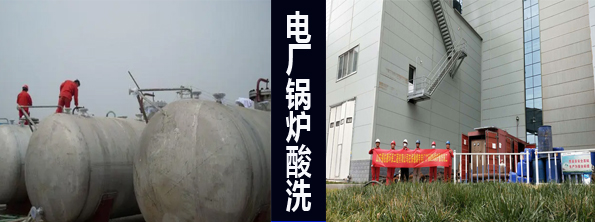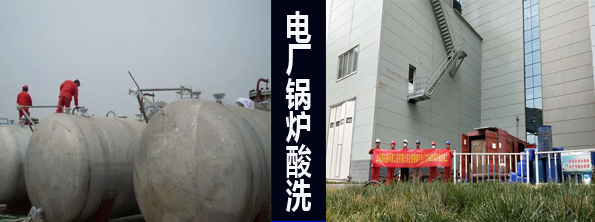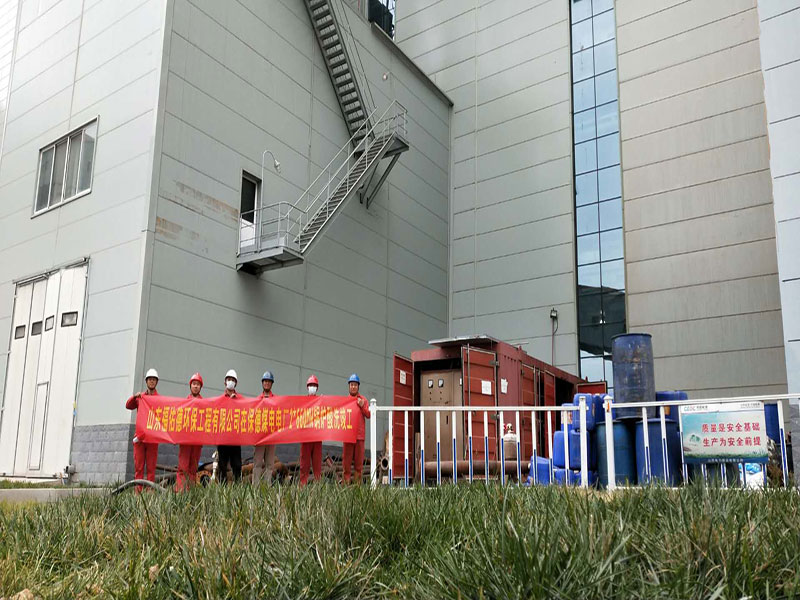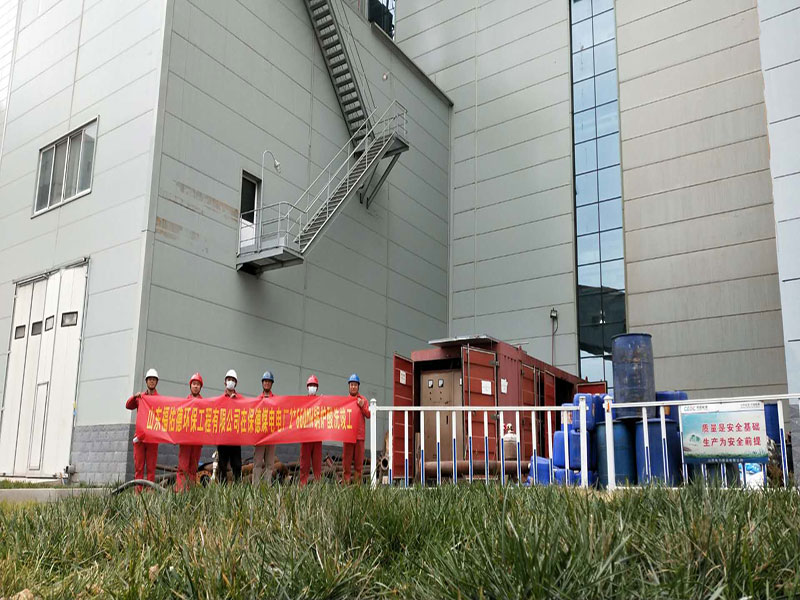













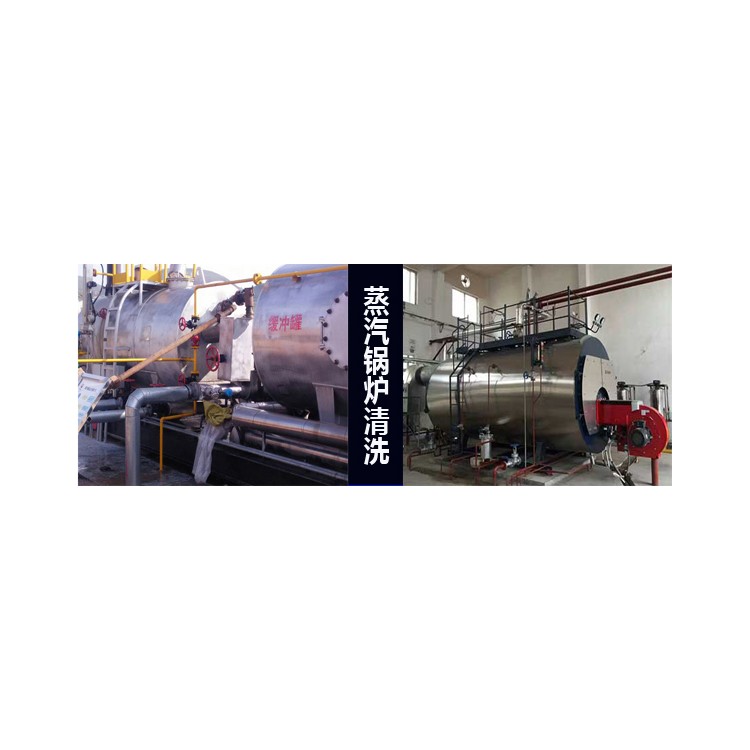
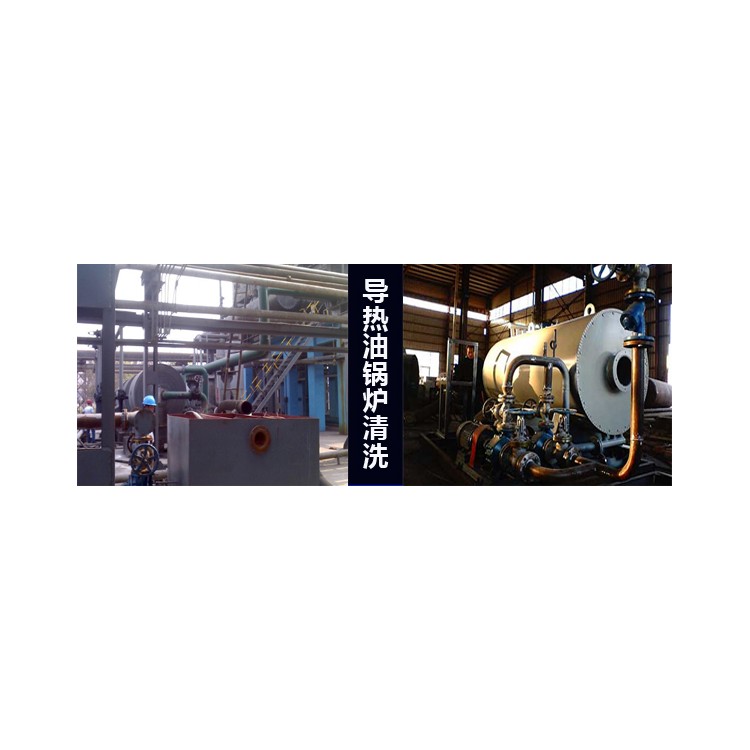
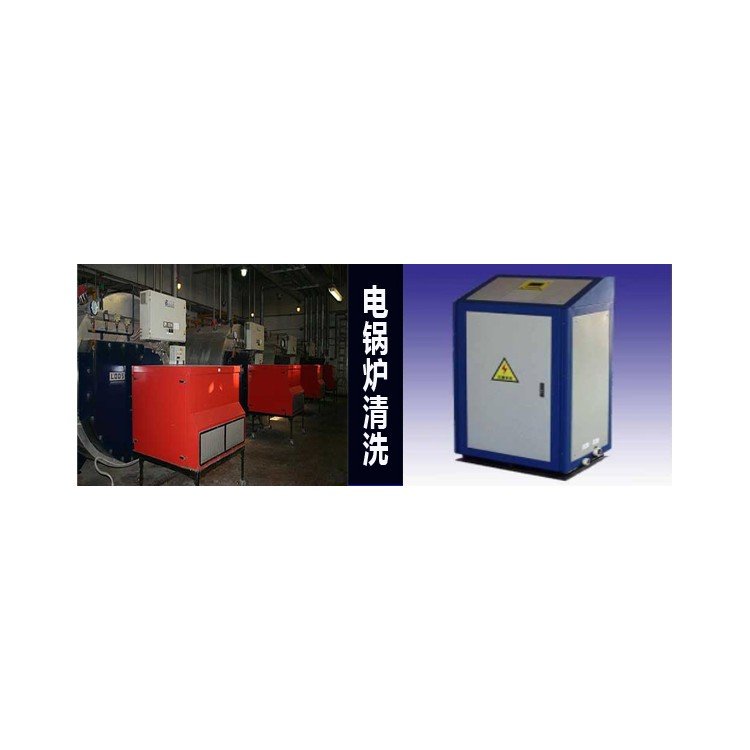
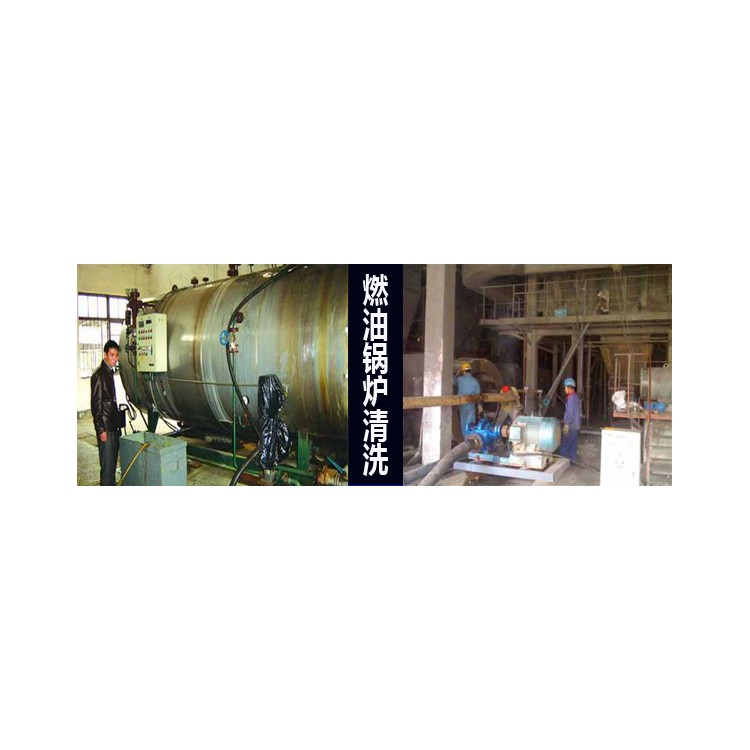
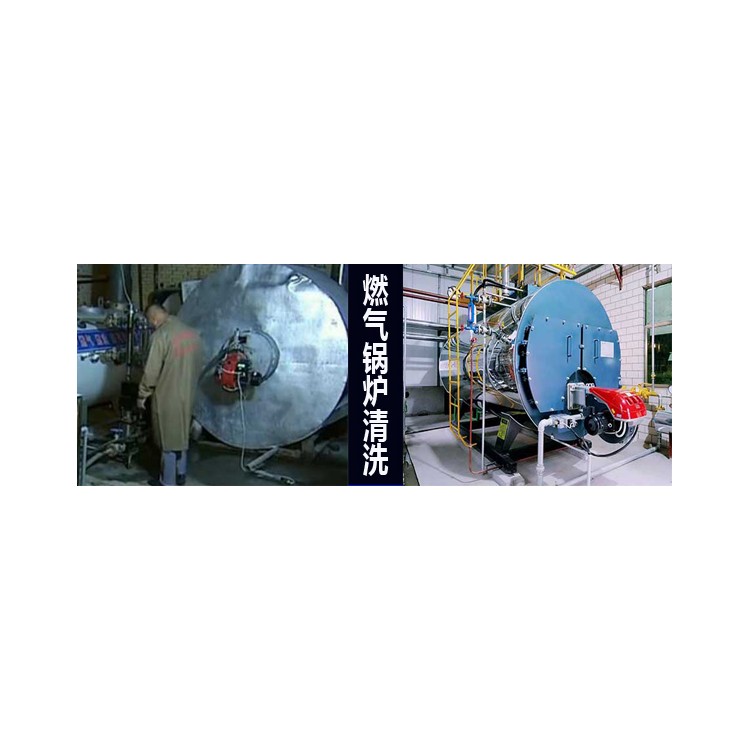
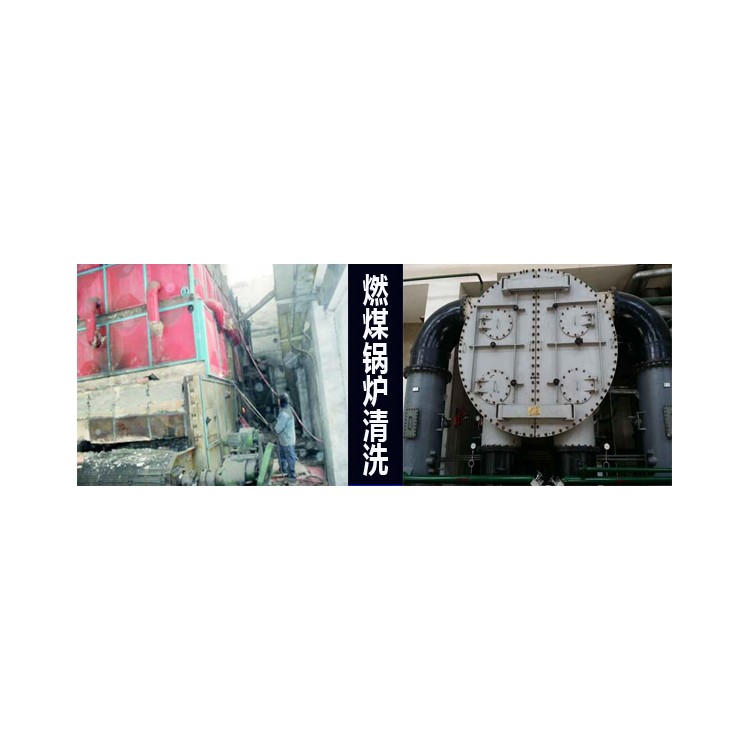
During the manufacturing, transportation, installation, and maintenance of boilers, it is inevitable that some impurities such as oil stains, iron filings, slag, and ferric oxide will accumulate inside. Once these impurities are introduced into the boiler during operation, they can significantly harm the boiler. Therefore, we typically clean new boilers upon their initial operation. What are the cleaning methods? Let's explain the boiler cleaning procedures:
Boilers typically have two cleaning methods: mechanical descaling and chemical cleaning. The chemical cleaning further divides into alkali boiling descaling and acid washing descaling.
Boiler Chemical Cleaning:
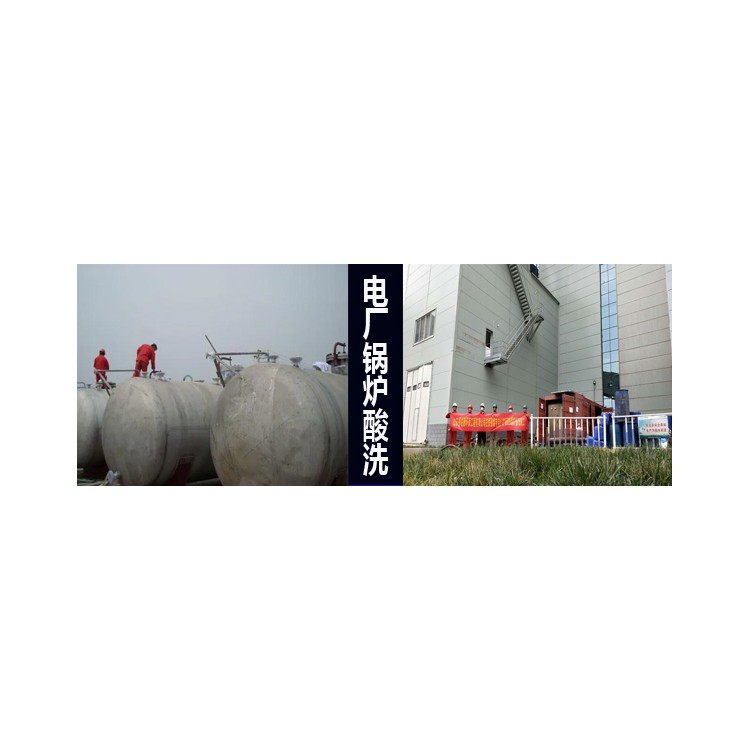
The principle involves utilizing the reactive capabilities of chemicals to remove stubborn scale and corrosion products. During cleaning, the cooling equipment must remain closed, allowing for the cleaning of parts with small gaps, and the cleaning process is quick. However, improper selection of the chemical cleaning solution can cause corrosion and damage to the base material of the cleaning material; the waste liquid after cleaning must be treated to prevent environmental pollution; some chemical cleaning agents are expensive, and some reagents may affect the health of the operators.
Two: Boiler Scale and Deposits Cleaning
1. Mechanical Scale Removal
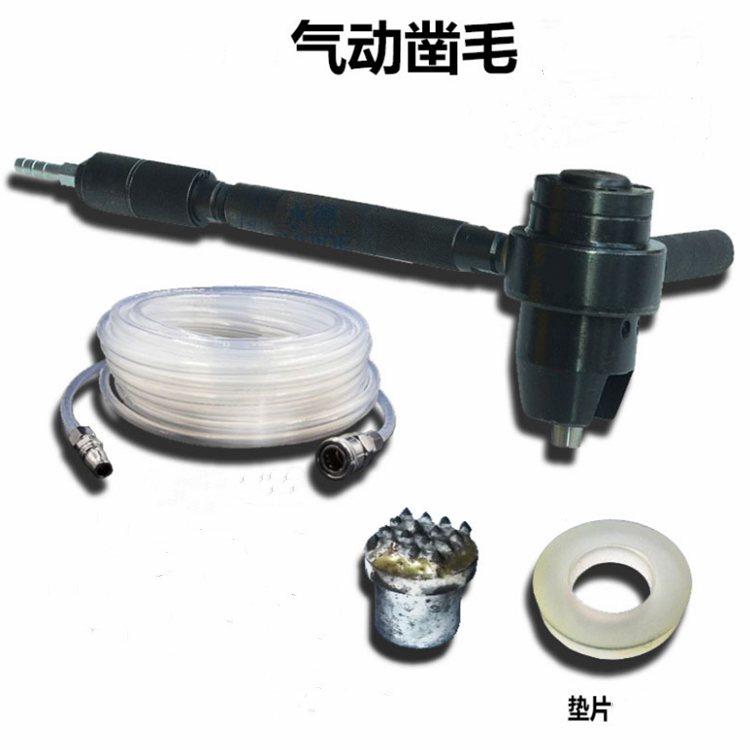
Mechanical descaling primarily uses electric tube washers, flat shovels, wire brushes, and hammers. This method is relatively simple and cost-effective, but it requires high labor intensity, yields poor descaling results, and can easily damage the metal surface. It is only suitable for small boilers with a small scale of scaling, simple structure, and easy access for mechanical tools to reach the scaling.
2. Alkaline descaling
The primary function of alkali boiling in boilers is to convert scale, promoting its loosening and detachment. Alkali boiling alone is ineffective in removing scale, often requiring mechanical descaling. Alkali boiling has some effect on scales primarily composed of sulfates and silicates, but its effectiveness is far inferior to acid washing for carbonate scales. Alkali washing and boiling is also commonly used for rust and oil污 removal in newly installed boilers, and sometimes for oil cleaning prior to acid washing or scale transformation.
3. Pickling and Deburring
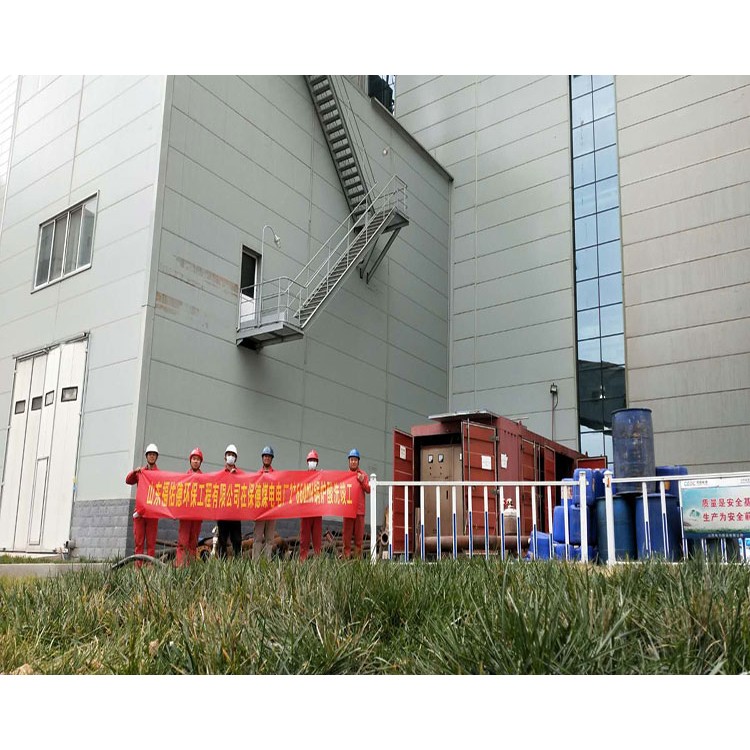
Currently, among various descaling methods, acid descaling is generally more effective. However, improper or inadequate control of the acid descaling process can affect descaling results or corrode metal, sometimes severely impacting the safe operation of the boiler. Before acid descaling, a representative sample of the scale should be taken for testing to formulate a cleaning plan; corrosion indicator strips must be hung inside the boiler and acid tank at the start of the acid introduction (until the acid is removed); the acid descaling process, including the temperature, concentration, flow rate, and descaling time of the acid solution, should be implemented and controlled according to the cleaning plan; continuous sampling and testing should be conducted during the cleaning process, with accurate records kept; upon completion of the cleaning, the quality of the cleaning should be inspected.
That concludes the methods for boiler cleaning explained by Boiler Environmental Protection. Hope it's helpful to you!