








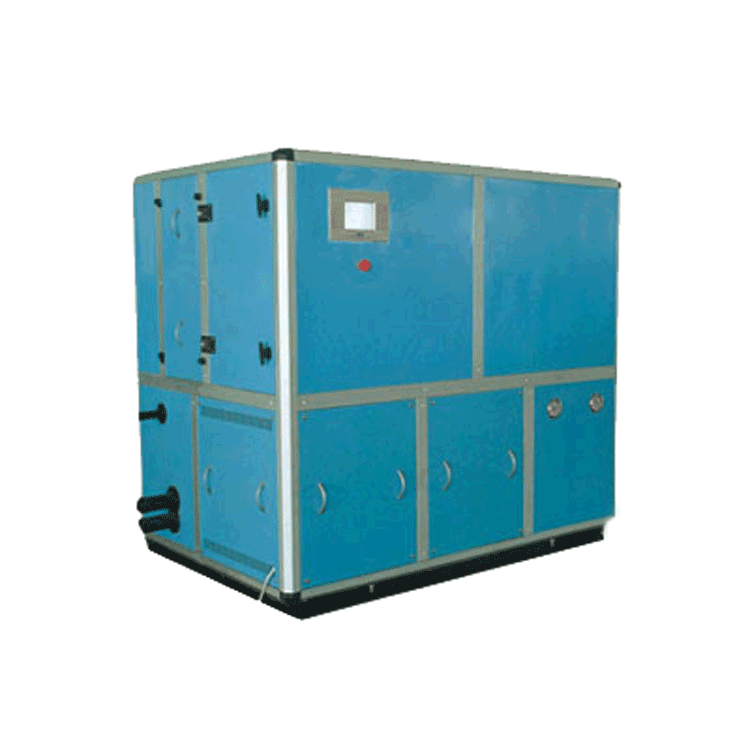
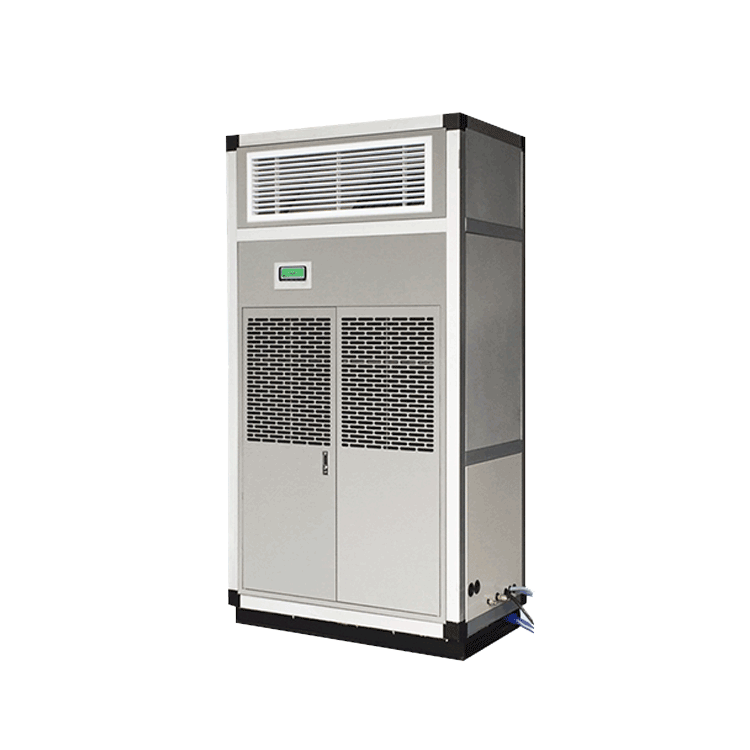
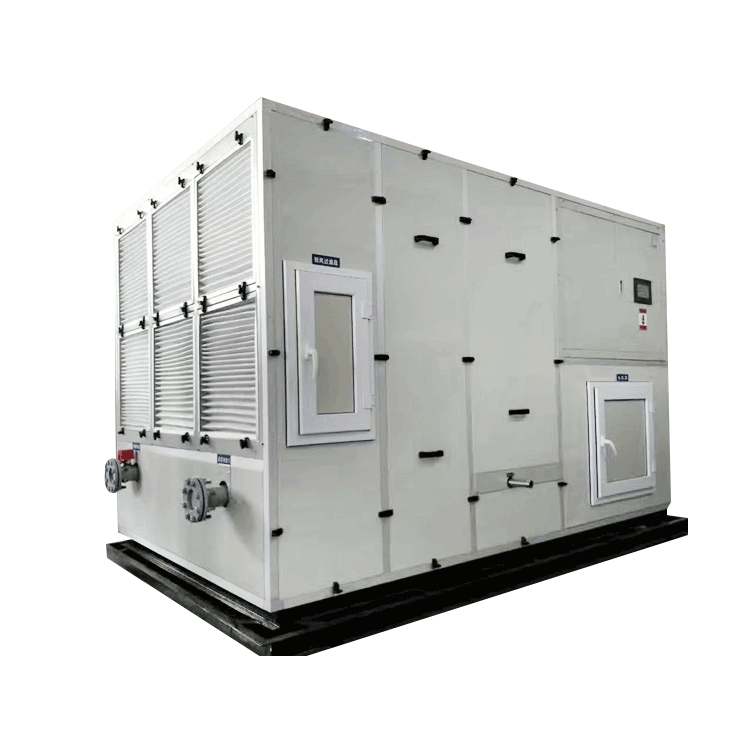
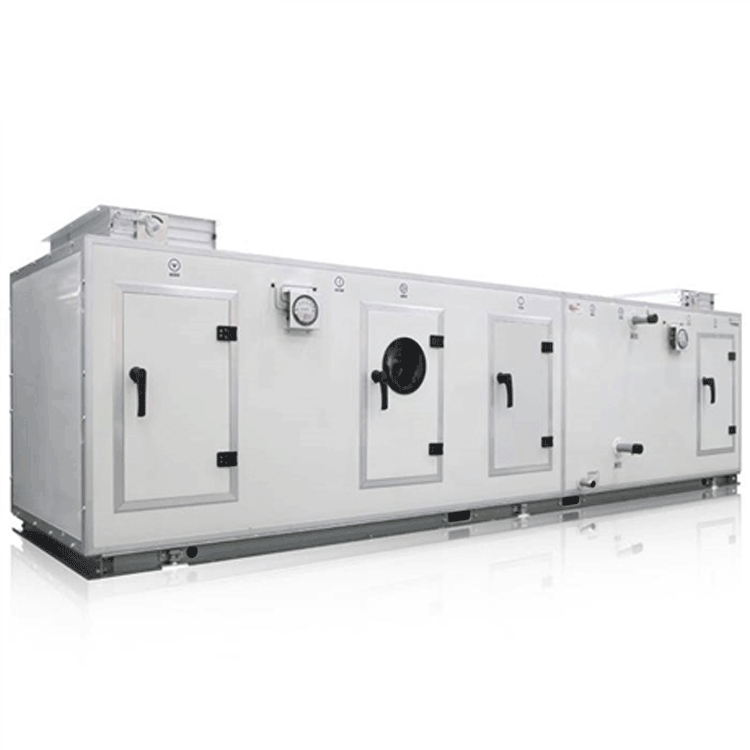
Industrial Water Chiller for Normal Temperature


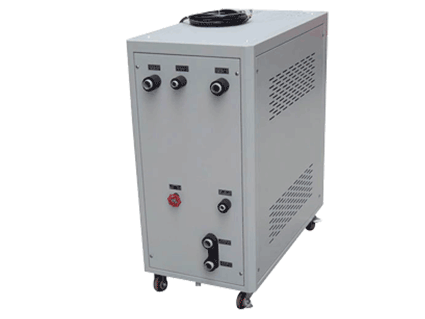
Product Introduction
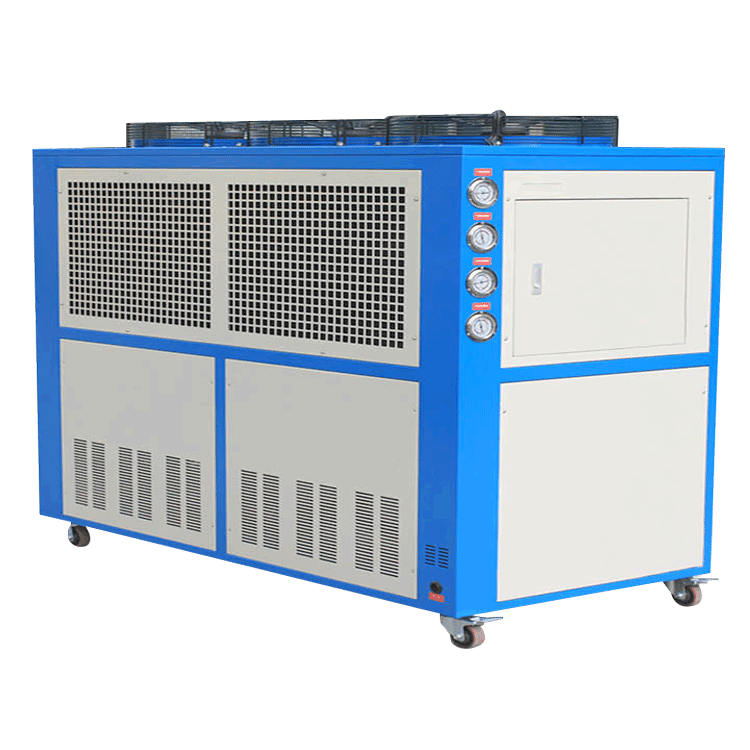
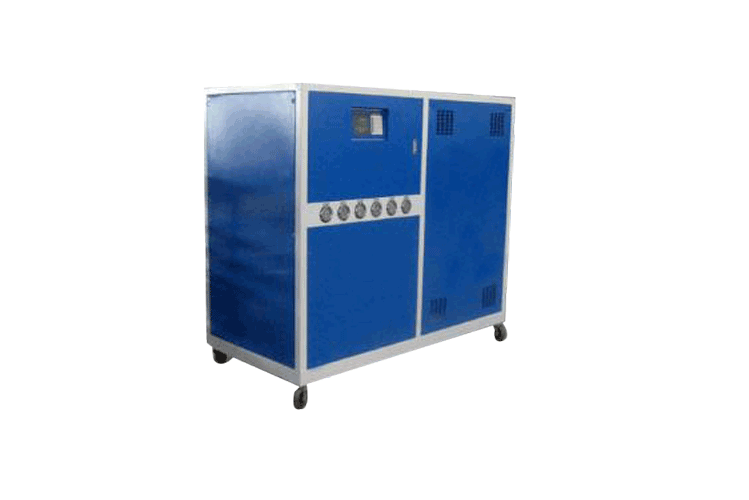
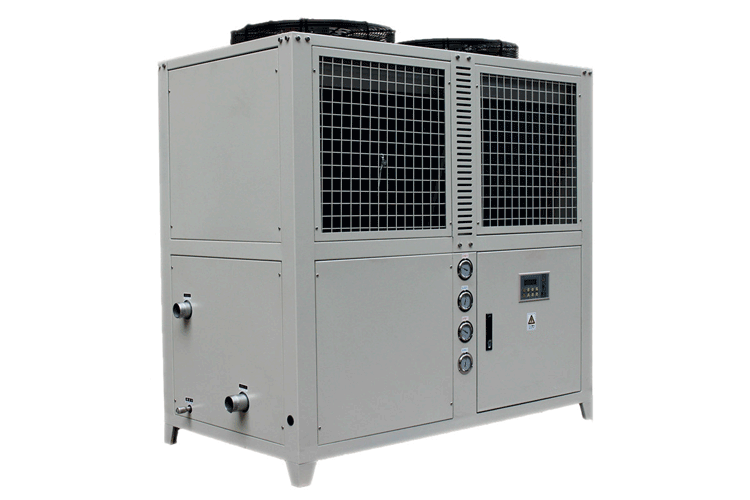
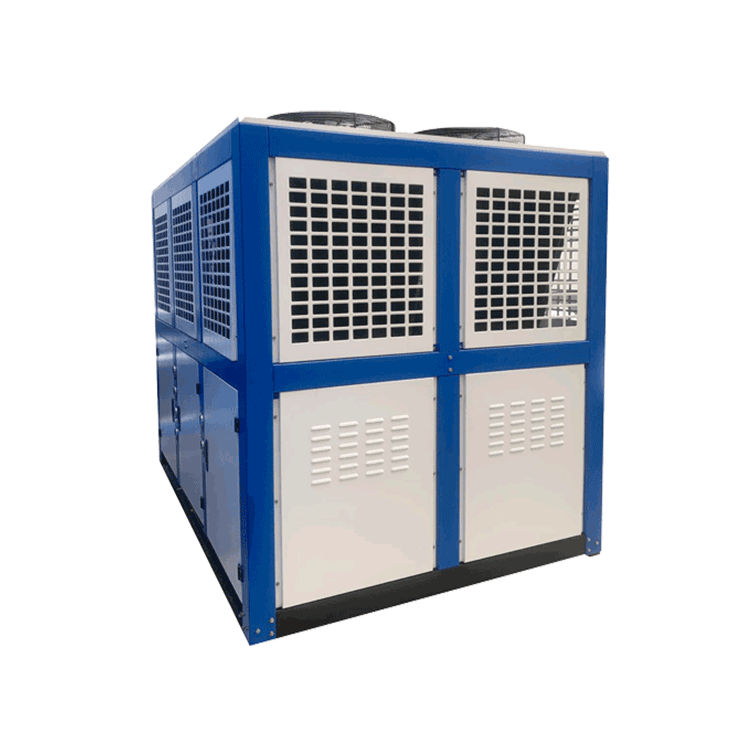
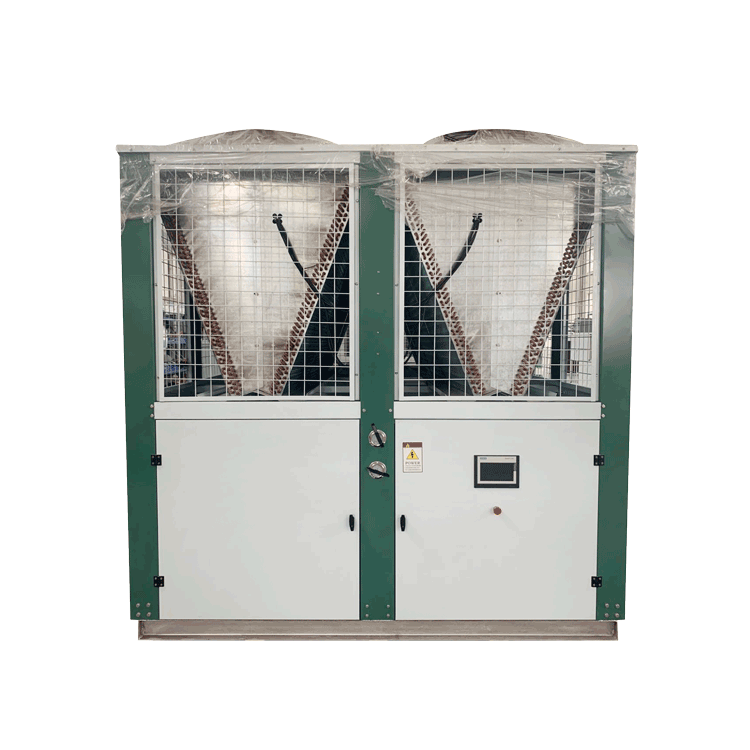
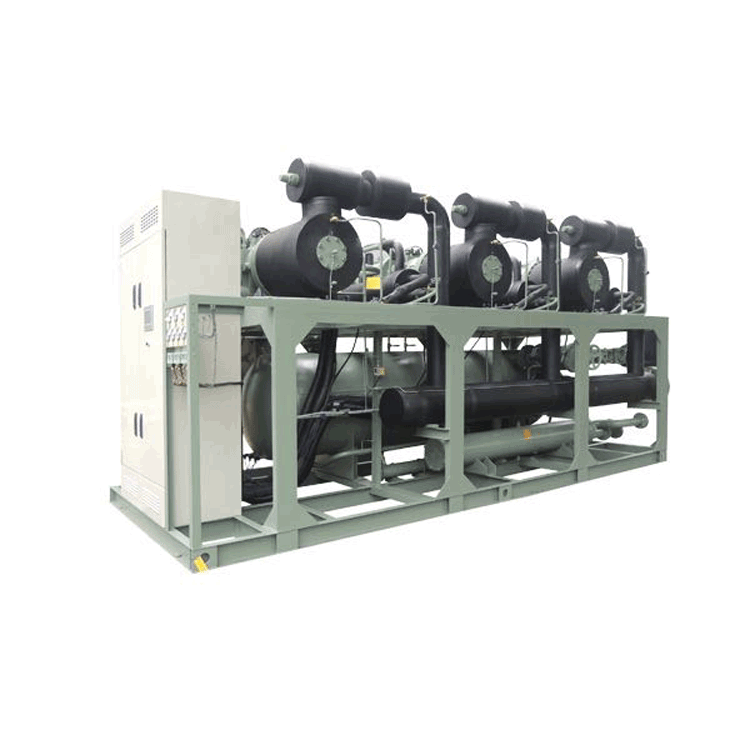
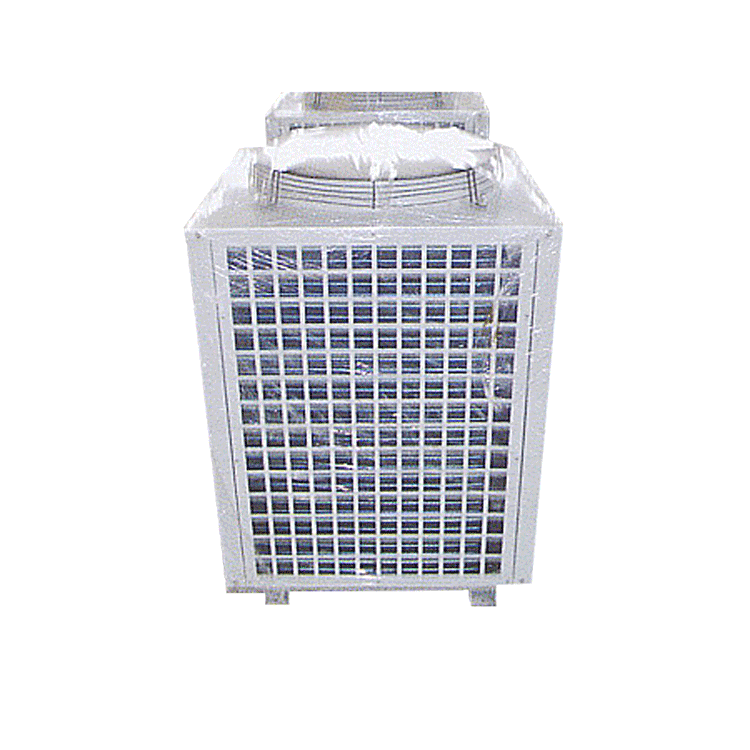
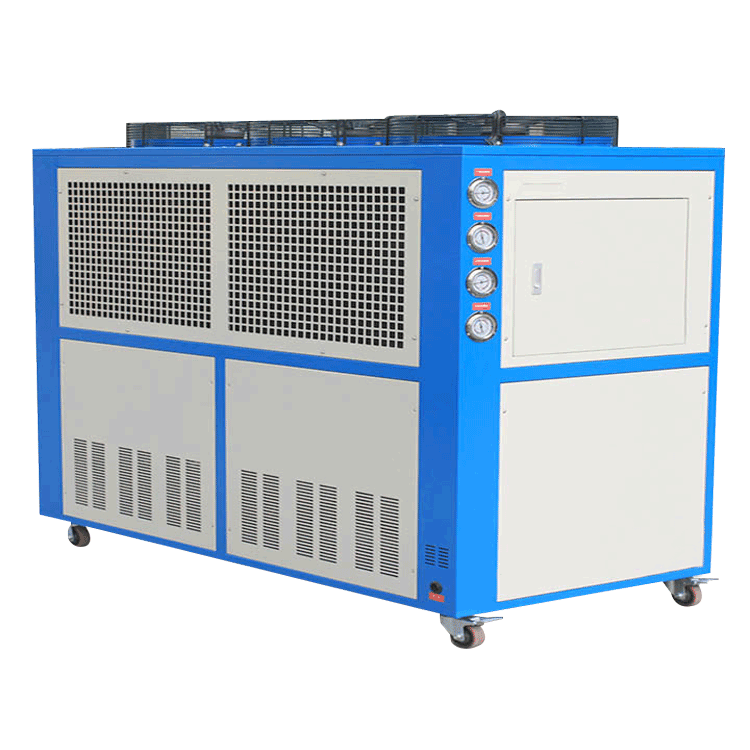
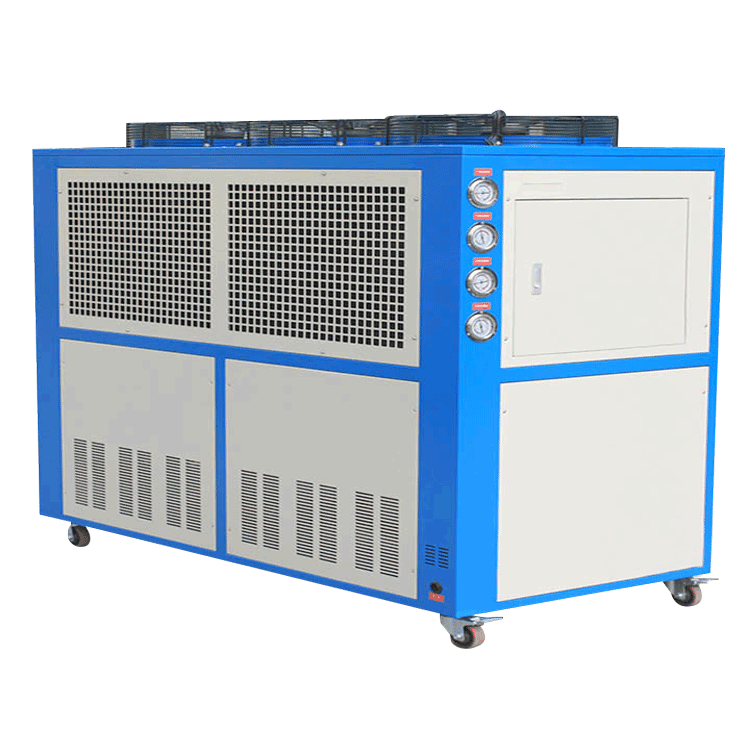
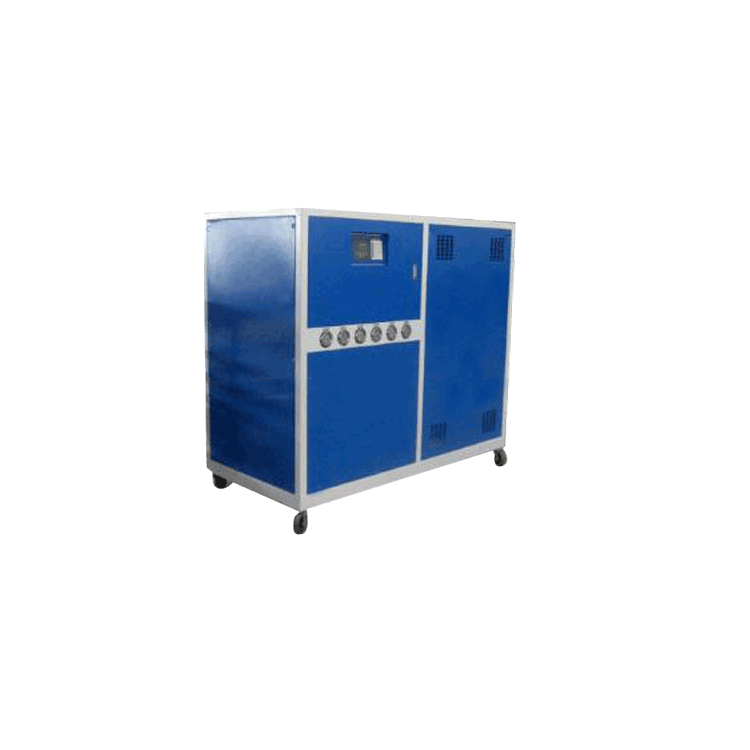
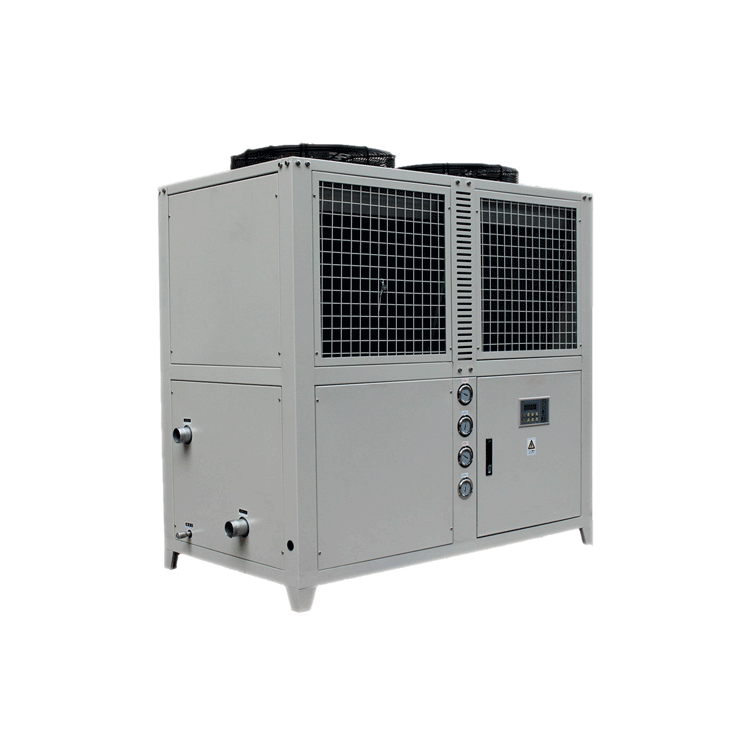
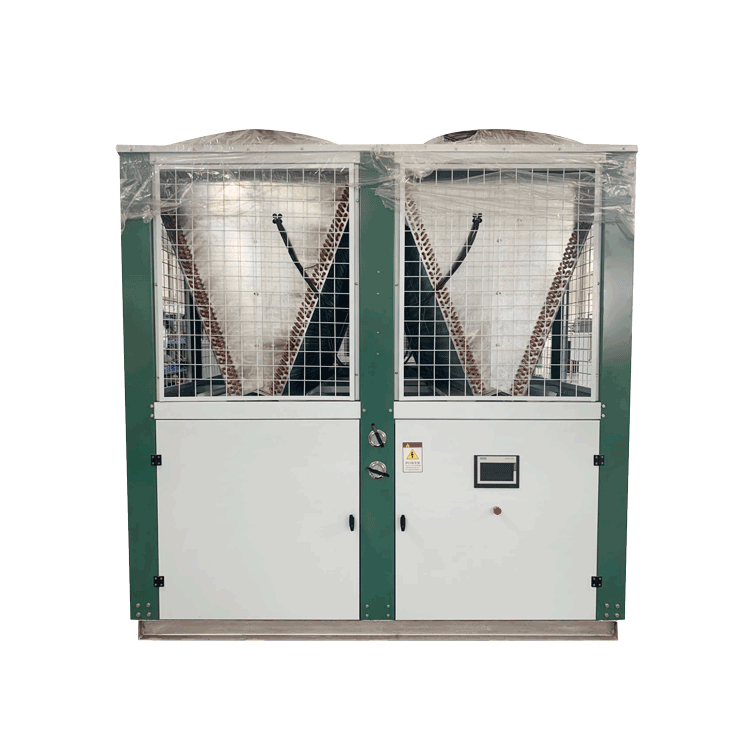
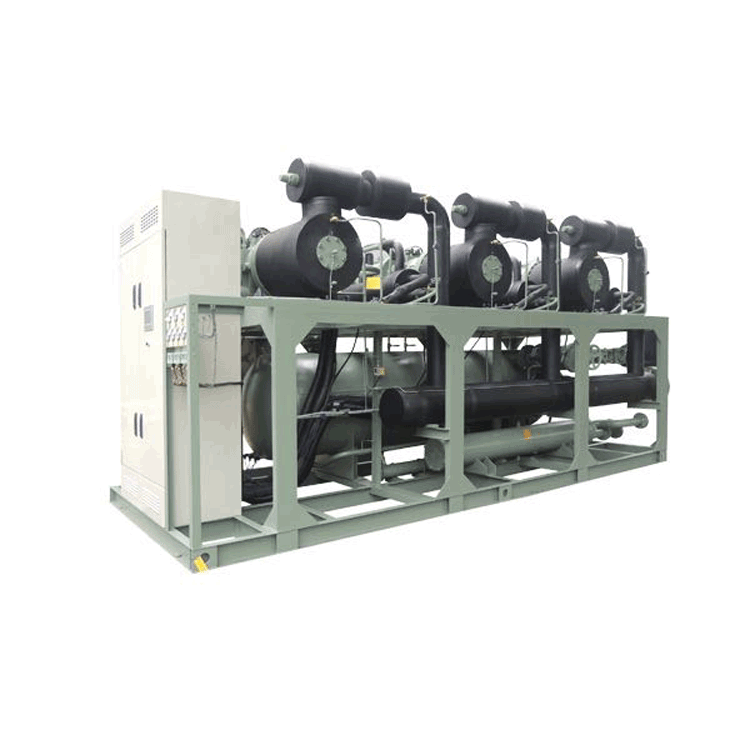
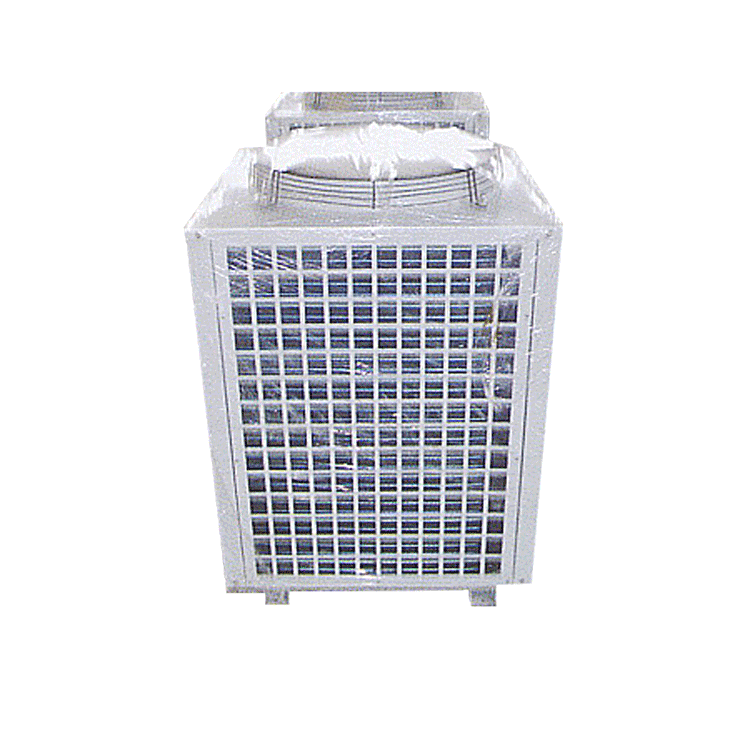
The ambient temperature industrial chiller is a type of chiller, which can be categorized into air-cooled chillers and water-cooled chillers.
A chiller is a water cooling device that can provide constant temperature, flow, and pressure cooling. The principle of a chiller involves injecting a certain amount of water into the internal reservoir of the machine, cooling it through the chiller's refrigeration system, and then pumping the chilled water into the equipment requiring cooling. The chilled water carries away the heat inside the machine, and the hot water returns to the reservoir for cooling, repeating this cycle to cool the equipment.
Equipment Composition
The operation of the industrial chiller system is through three interconnected systems: the refrigerant circulation system, the water circulation system, and the electrical self-control system.
(1) Refrigeration Cycle:
The liquid refrigerant in the evaporator absorbs heat from the water and begins to evaporate, establishing a temperature difference between the refrigerant and water. The liquid refrigerant completely evaporates into a gas, which is then吸入 by the compressor, where it is compressed (increasing pressure and temperature). The gaseous refrigerant releases heat through the condenser (air-cooled or water-cooled), condensing into a liquid. After throttling through an expansion valve (or capillary tube), the低温低压 refrigerant enters the evaporator, completing the refrigerant cycle.
(2) Water Cycle:
The pump is responsible for extracting water from the reservoir and pumping it to the equipment that requires cooling. After the chilled water carries away the heat and its temperature rises, it returns to the chilled water reservoir.
(3) Electrical Automation: Includes power supply and automatic control sections.
The power supply section is provided to the compressor, fan, water pump, etc., via a contactor.
The automatic control section includes thermostats, pressure protection, timers, relays, overload protection, etc.
Interchangeable for automatic start/stop based on water temperature and protection functions.
Generally, water-cooled heat dissipation is used for 10P and above, while air-cooled heat dissipation is used for below 10P.
The air-cooled industrial chiller is generally an integrated unit, combining the evaporator, compressor, and condenser. For chillers with larger power output, consideration must be given to the heat dissipation of the condenser fan during operation. When applied in air conditioning plants, the integrated unit requires an exhaust duct to channel the heat expelled by the fan outdoors.
The air-cooled industrial chiller can also be designed as a split system, with the condenser placed directly outside (referred to as the outdoor unit), and the evaporator and compressor located indoors (referred to as the indoor unit). However, due to the heat absorption issues during the transfer of the refrigerant between the condenser and evaporator, the distance between the indoor and outdoor units is kept within 6 meters. Additionally, the copper pipes transporting the refrigerant require insulation. The power and control cables for the fan can be routed together with the copper pipes, allowing for only a hole and pipe installation in the air conditioning workshop.
For industrial applications requiring chillers with low flow rates and low heat dissipation, the integrated type is generally used directly, where the heat dissipation issue need not be considered. For chillers with high flow rates and high heat dissipation, the split type can be selected.
The air-cooled chiller's condenser cooling efficiency is slightly affected by the changes in external environment and seasonal climate, whereas the water-cooled chiller, with its use of a water tower for heat dissipation, offers a more stable performance. However, its drawback is the need for a water tower, which reduces its portability.
Equipment Maintenance
The startup and shutdown sequence of the chilled water unit must ensure the air conditioning main unit can operate normally after startup, and it is essential to guarantee:
The condenser dissipates heat effectively; otherwise, the high condensation temperature and corresponding condensation pressure could cause the industrial chilled water unit's high-pressure protective device to activate, leading to shutdown and potentially causing a fault.
(2) Cold water in the evaporator should circulate continuously; otherwise, the cold water temperature may drop too low, causing the cold water temperature protection device to activate and shut down the system, or the evaporator temperature and corresponding evaporator pressure may be too low, triggering the low-pressure protection device of the cold water unit and causing it to shut down, potentially leading to freezing of the cold water in the evaporator and damaging the equipment. Therefore, the startup sequence of the cold water unit must be strictly followed: (Cooling tower fan on) -> (Cooling water pump on) -> (Cold water pump on) -> (Cold water unit on). The shutdown sequence of the cold water unit must also be strictly followed: (Cold water unit off) -> (Cooling tower fan off) -> (Cooling water pump off) -> (Cold water pump off).
Important Maintenance and Care Tips for Cold Water Machines
(1) When shutting down, the industrial chiller unit should be turned off half an hour before the end of the shift, and the chilled water pump should be turned off after the shift, which is beneficial for energy saving and also helps to prevent malfunctions and protect the unit.
Before starting the refrigeration cycle, ensure all heating cycle pipeline valves are fully closed.