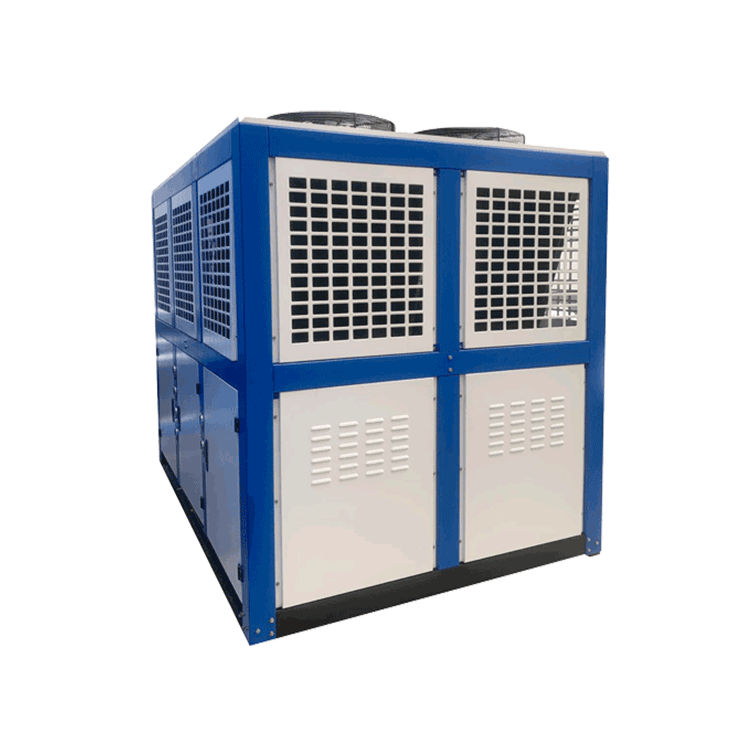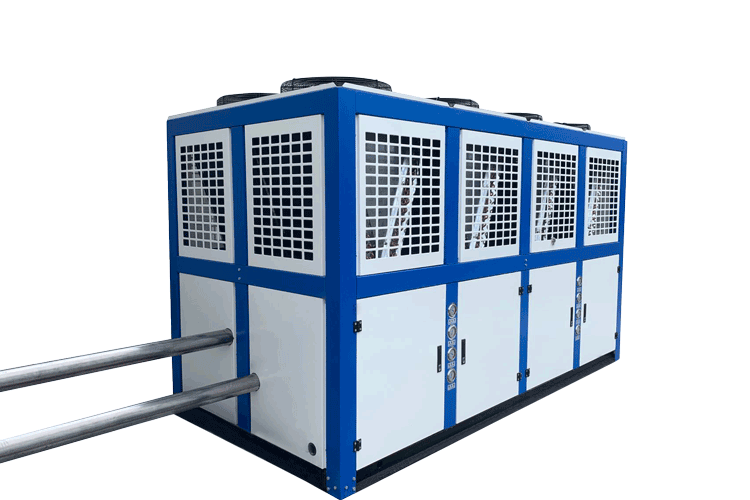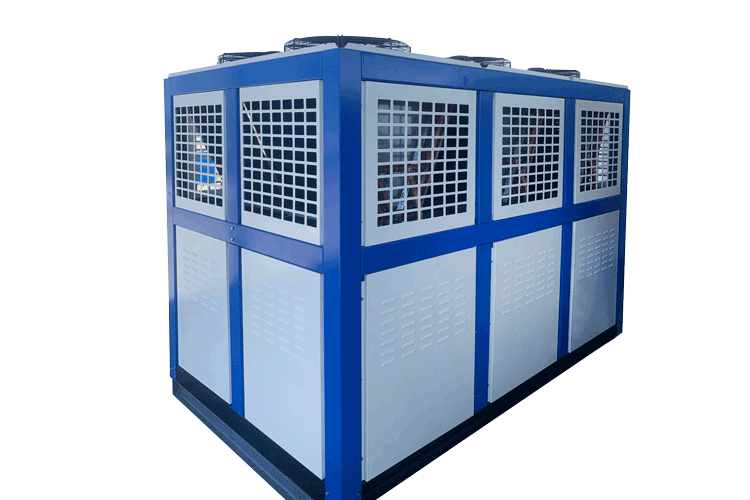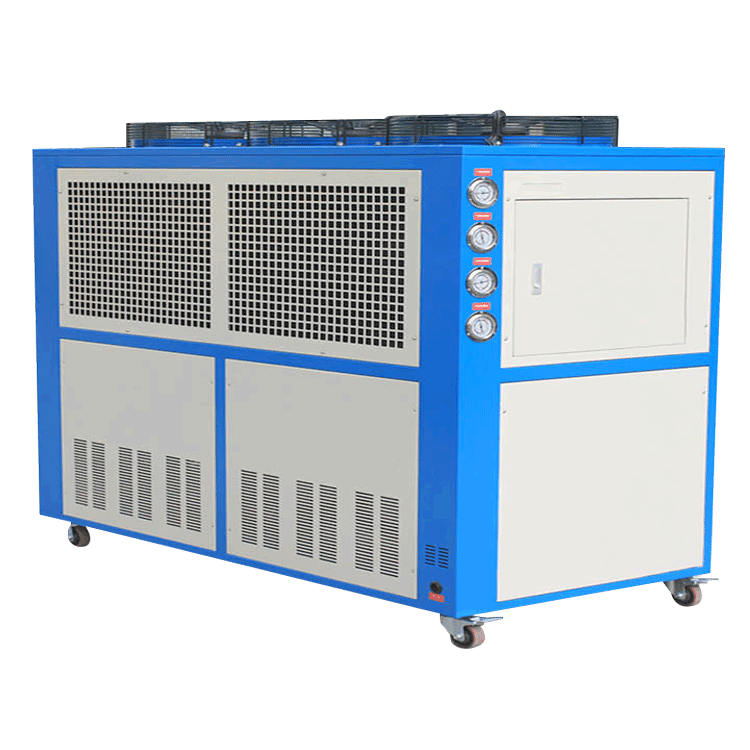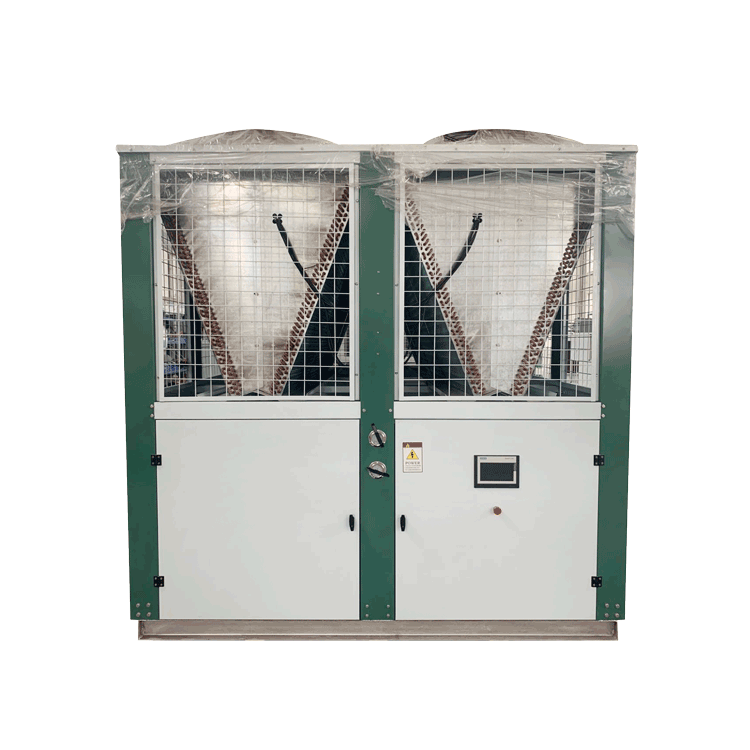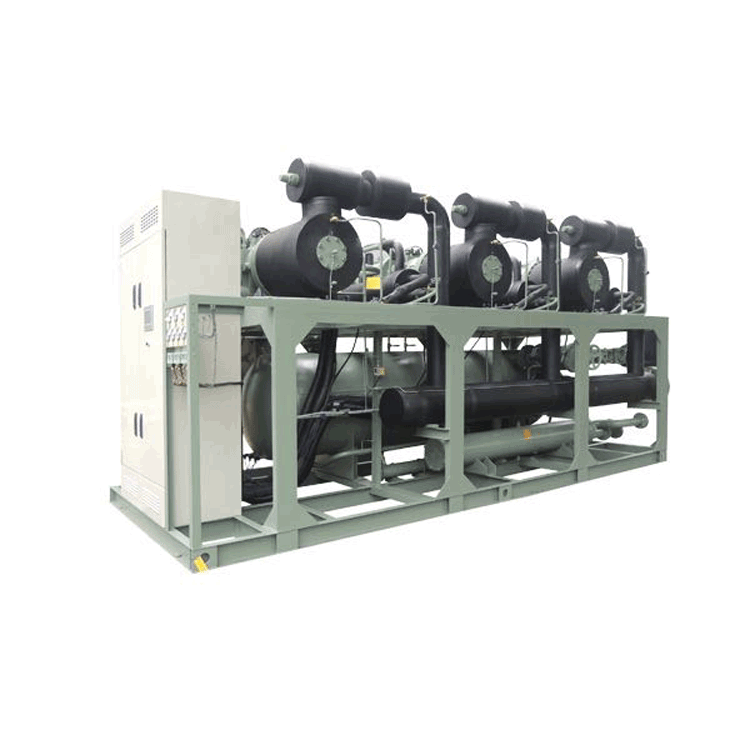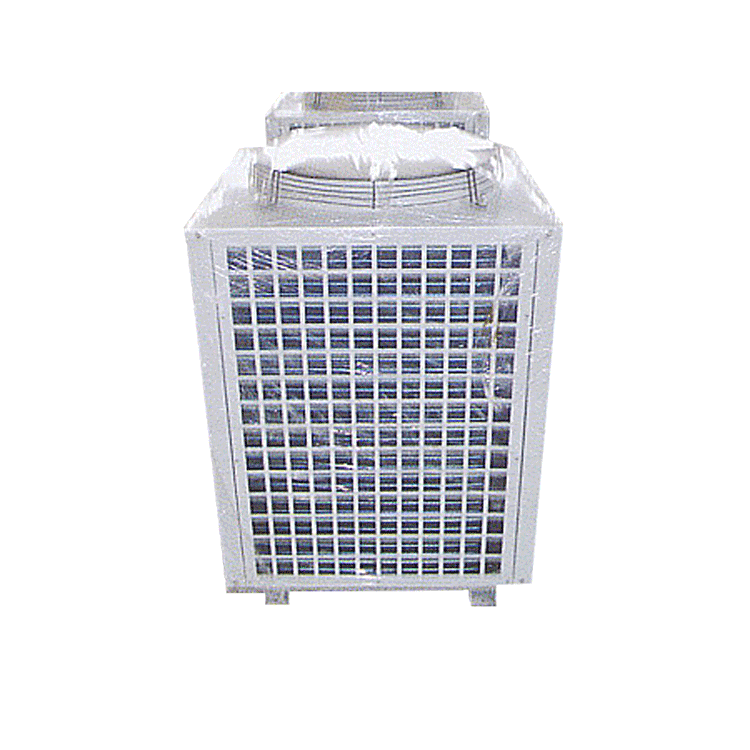

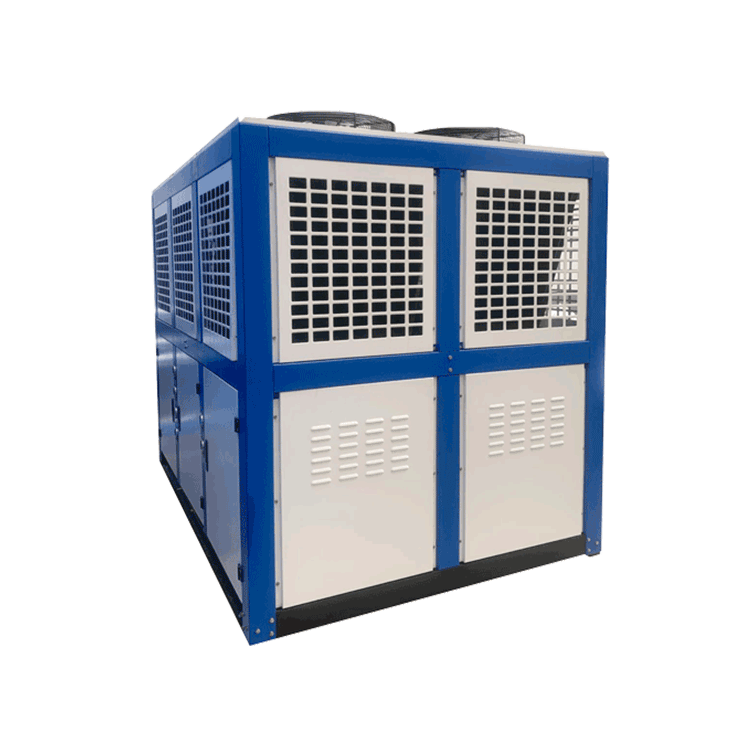


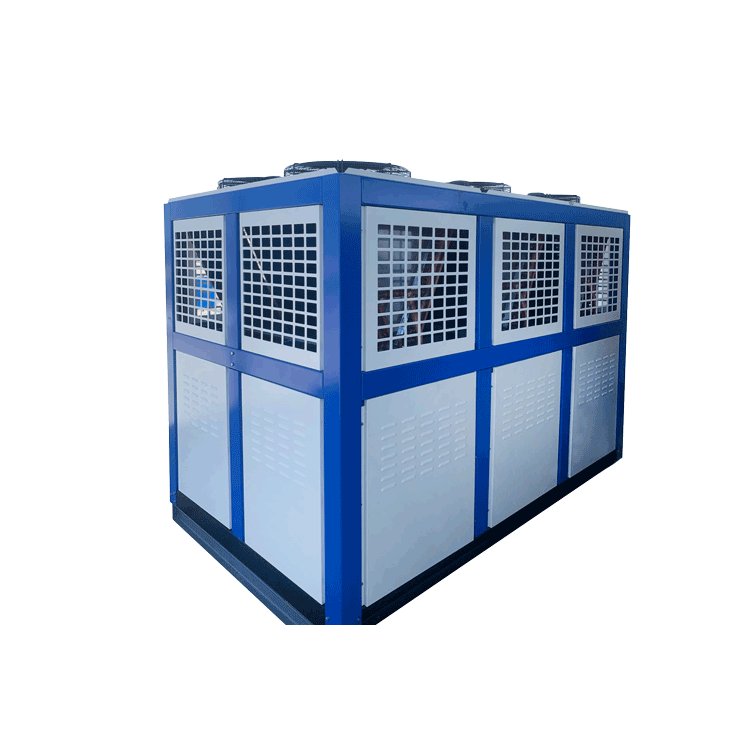


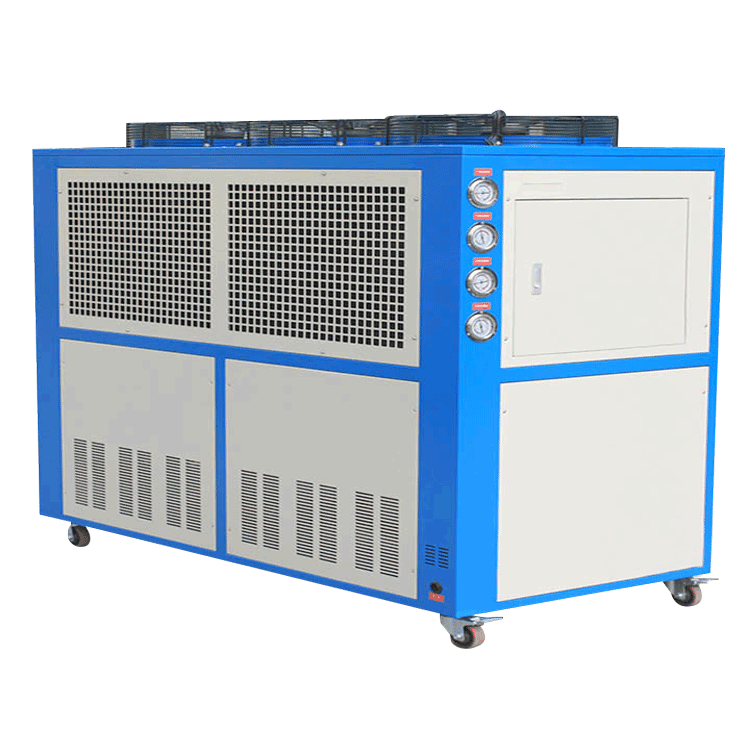
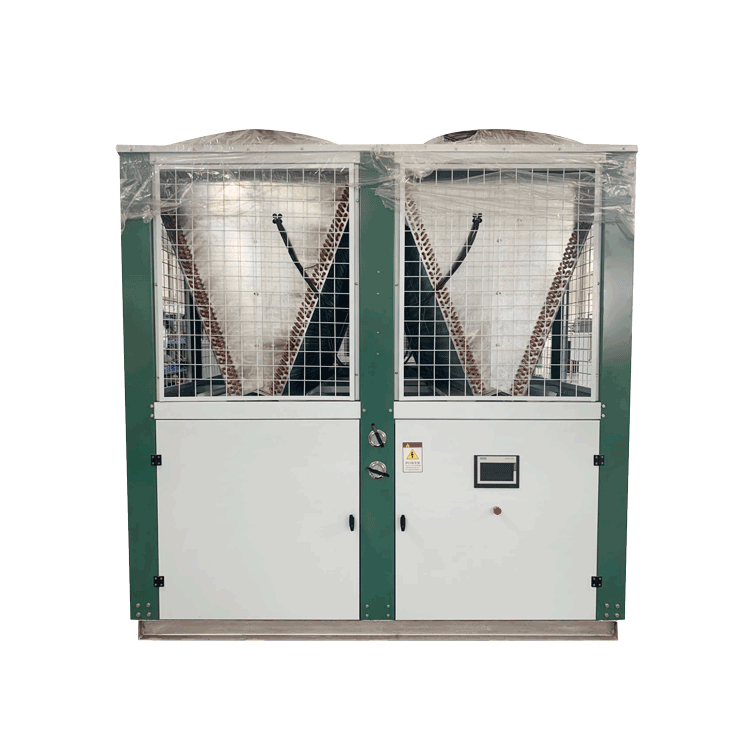
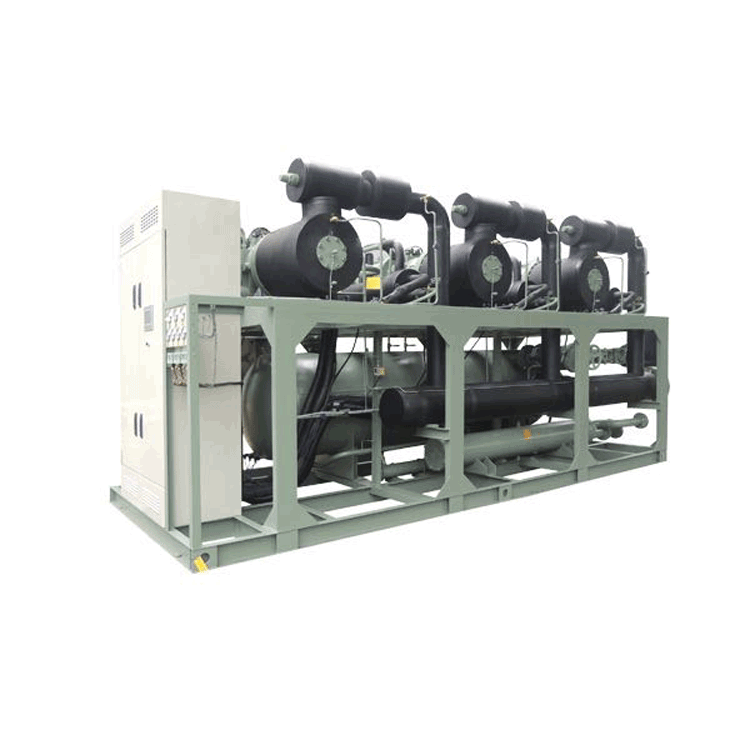





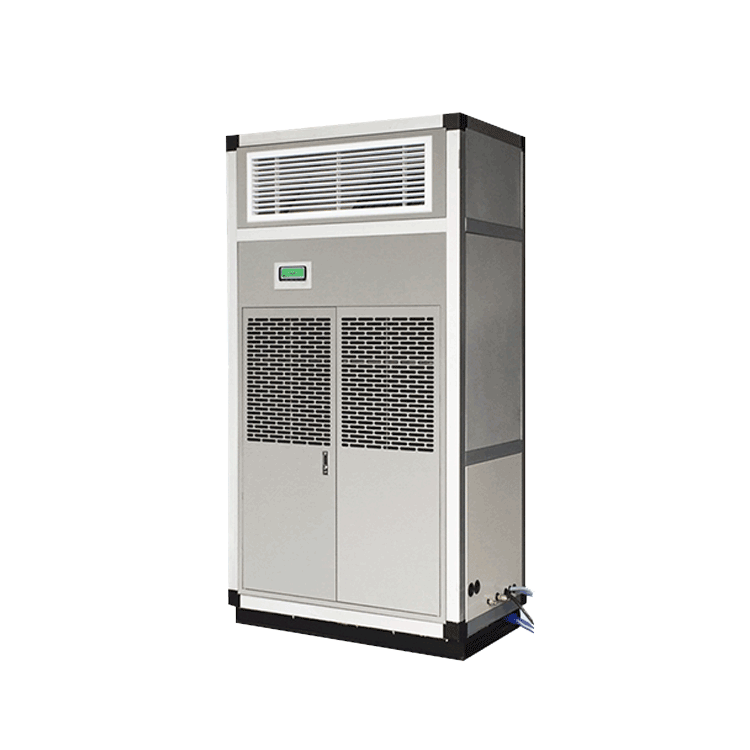
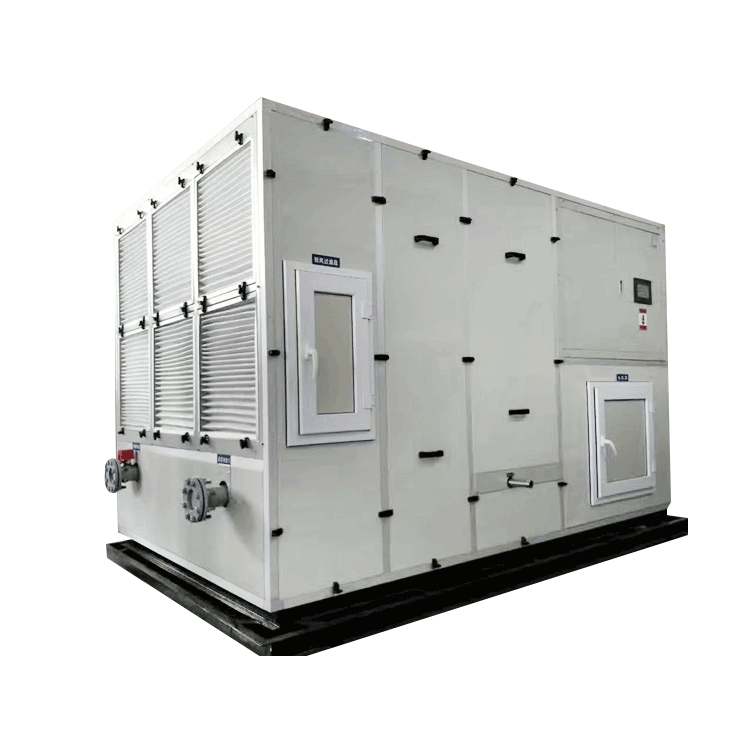
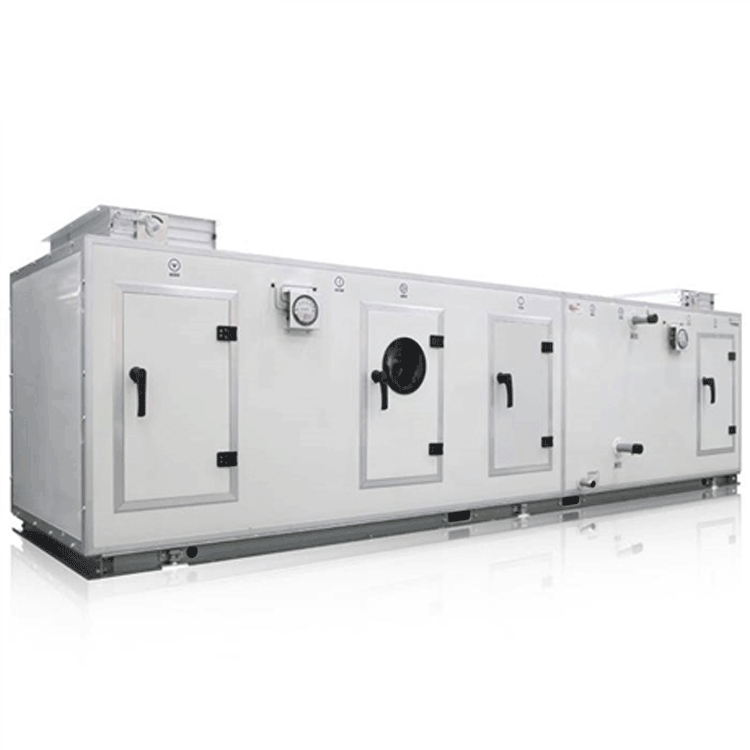
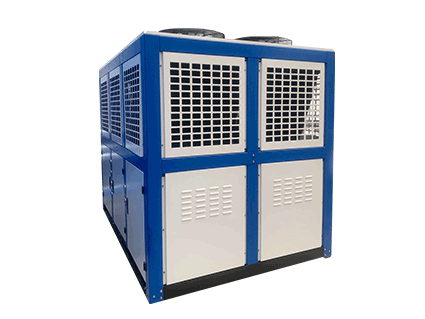
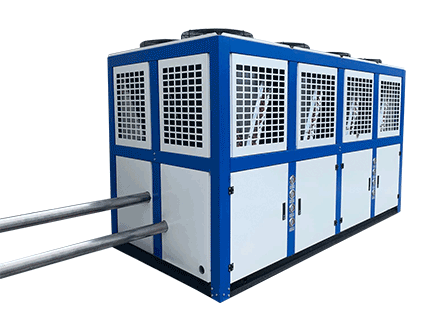
Air-cooled industrial chilled water unit

Product Introduction
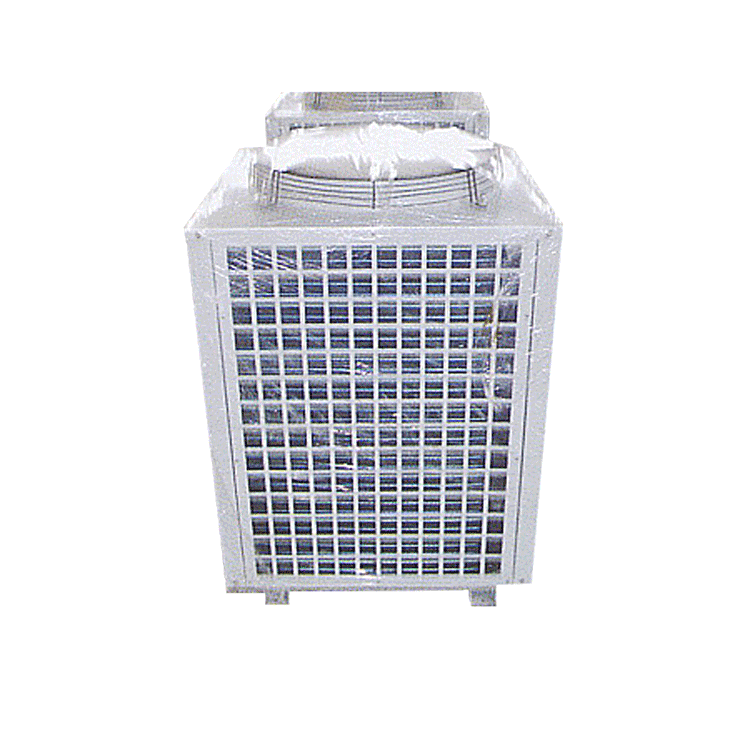
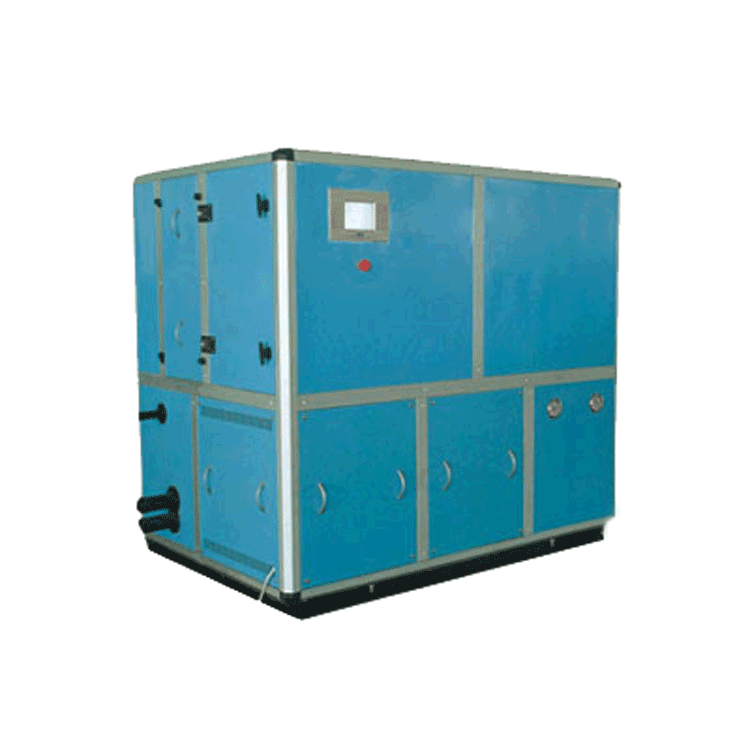
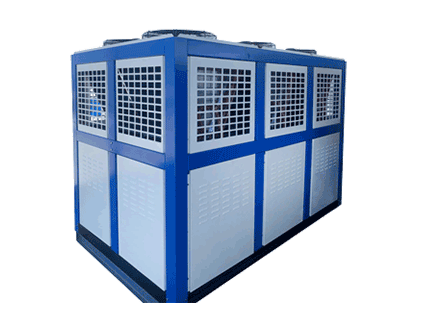
Air-cooled industrial water chillers, also known as air-cooled box-type industrial water chillers, are equipment designed for various industries to achieve cooling through a cooling process. They are widely used in biological, chemical, laser, metallurgical, equipment manufacturing, electroplating, and plastic processing industries. As their heat exchange source is air and they are equipped with dedicated fans, they are referred to as "air-cooled." The full-featured industrial water chillers are mainly suitable for the plastic industry, capable of controlling the temperature of plastic molding molds to shorten the molding cycle and accelerate product solidification; this series uses the principle of heat exchange for cooling, allowing for rapid temperature reduction and stable temperature control. Moreover, they are not affected by environmental factors, making them an indispensable configuration in modern industry.
Features and Principles
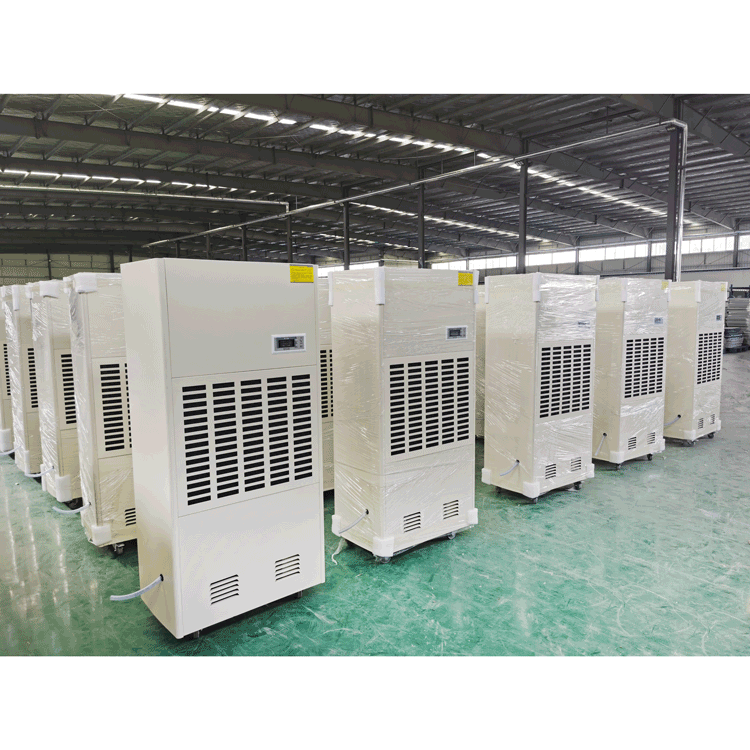
Unlike traditional water ring systems, the air-cooled version does not require a cooling tower to supply coldness, thus avoiding additional capital investment and is easy to install and manage. The unit is equipped with casters at the bottom, allowing for easy movement and operation across different work areas, eliminating the need for extensive fixed investments. Simply connect the power and water pipes, and cold water is produced directly.
Based on design requirements, the outlet water temperatures typically include 2℃ outlet, 0℃ outlet, -5℃ outlet, and -15℃ outlet. Below freezing, a refrigerant needs to be mixed for heat exchange, with ethylene glycol being the commonly used refrigerant.
Similar to conventional units, air-cooled systems also feature a fixed refrigeration circuit, operating on the principle of the reversed Carnot effect, akin to modern residential air conditioners. However, the system structure of the refrigeration circuit has been improved, resulting in a high COP (Coefficient of Performance). They possess the following characteristics:
All piping insulation designs prevent local convection in the equipment piping.
2. Cooling temperature range: 5℃ - 35℃.
3. Independent temperature controller with frost protection.
4. Stainless Steel Insulated Water Tanks
5. Sequence protection for control circuits, high and low pressure switch control for refrigerant system.
6. Hydrophilic finned condensers for superior heat transfer and faster cooling.
7. Both compressors and pumps are equipped with overload protection.
8. Utilizes a large-capacity shell-and-tube evaporator for excellent refrigeration performance, suitable for high-temperature environments.
9. Refrigerant uses R-22, offering excellent cooling performance.
10. Optional R407C environmentally-friendly refrigerant for a closer connection to nature.
Structure and Composition
Main components include a cold water tank (usually included with the unit), a pump (usually included with the unit), the unit itself, cooling and temperature reduction equipment, and connecting pipes. Installation is very simple; just connect the pipes and power (380V) to start using normally.
Selection Assistance
Air-cooled chillers require different parameters across various industries. Generally, the following parameters should be noted, and users can choose different brand models of units based on their specific needs:
1. The cold water machine has a temperature difference of 5 degrees (from 20°C to 15°C). If a -10HP/7.5KW cold water machine has a standard flow rate of 3.5 cubic meters per hour, when testing the machine, don't just look at the flow rate; also consider the desired temperature. If the test temperature is from 58°C to 7°C, a significant temperature difference will reduce the hourly chilled water flow rate, from 3.5 cubic meters to over 1 cubic meter. If you need a cold water machine with a flow rate of 3.5 cubic meters per hour, you'll need to choose a larger model.
2. When testing the chillers, consider whether you are opting for direct or indirect cooling. Direct cooling involves pumping water directly into the chiller, where the chilled water is then used to cool the product you need. Direct cooling yields better results. Indirect cooling is like placing water in a basin, with a smaller basin on top, where the product to be cooled is placed. Relatively speaking, the effect of indirect cooling is less pronounced. Therefore, when selecting a model, you should take this into account.
3. Some users cool their equipment with ponds, which has the following drawbacks: poor water quality, prone to blocking the machine's water channels, leading to greater losses. Wastes water resources, increasing user costs. During excessively hot weather, water temperature fails to meet requirements, affecting product quality and efficiency.