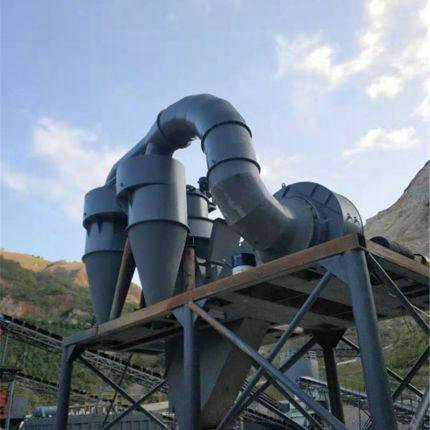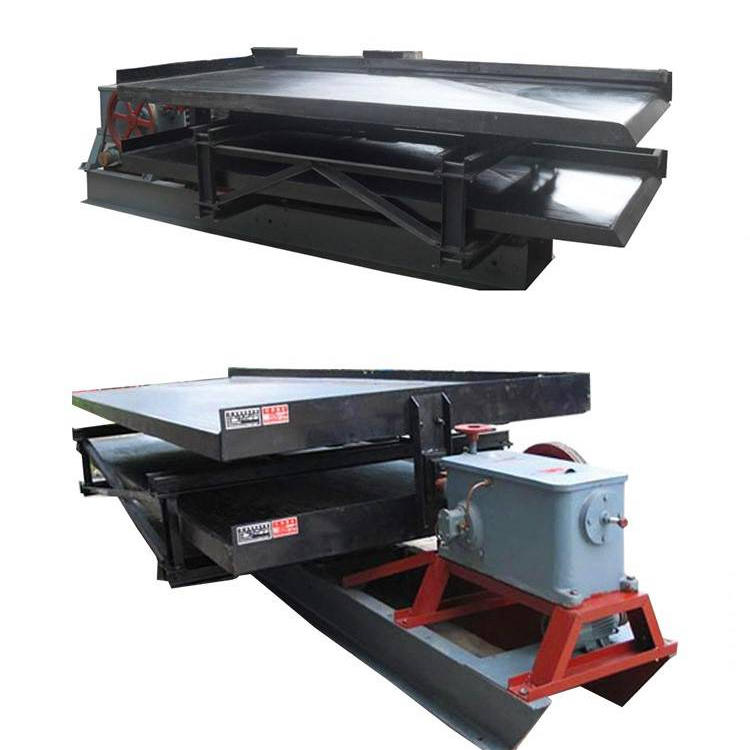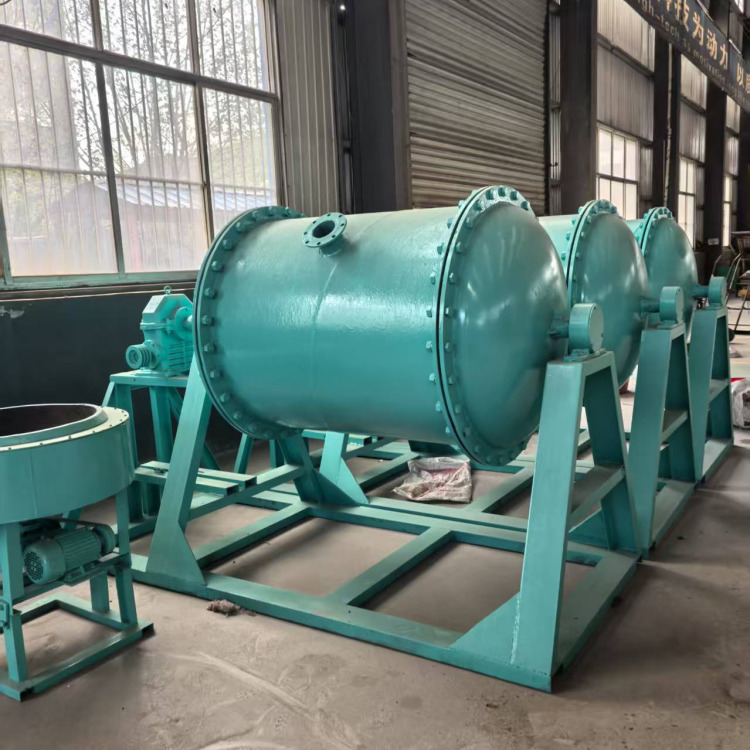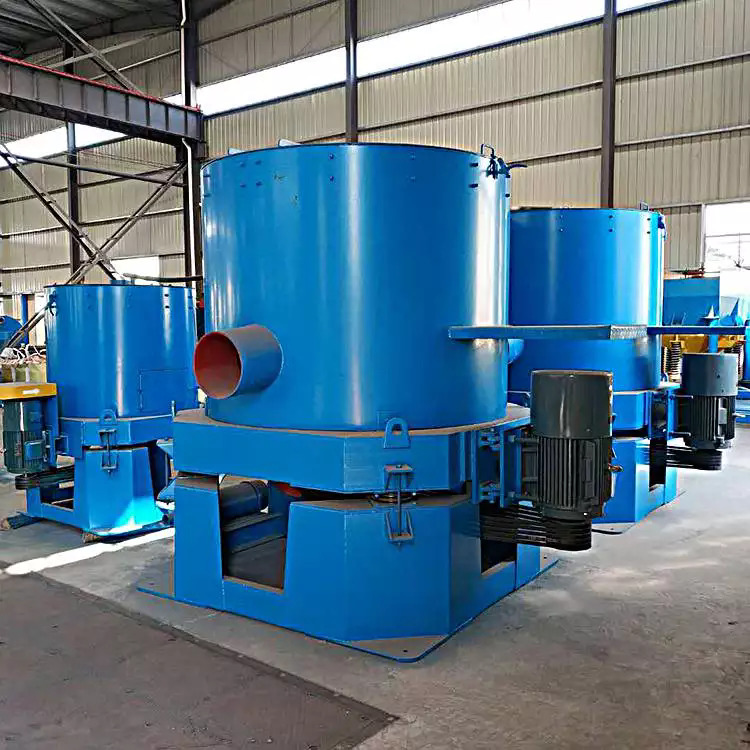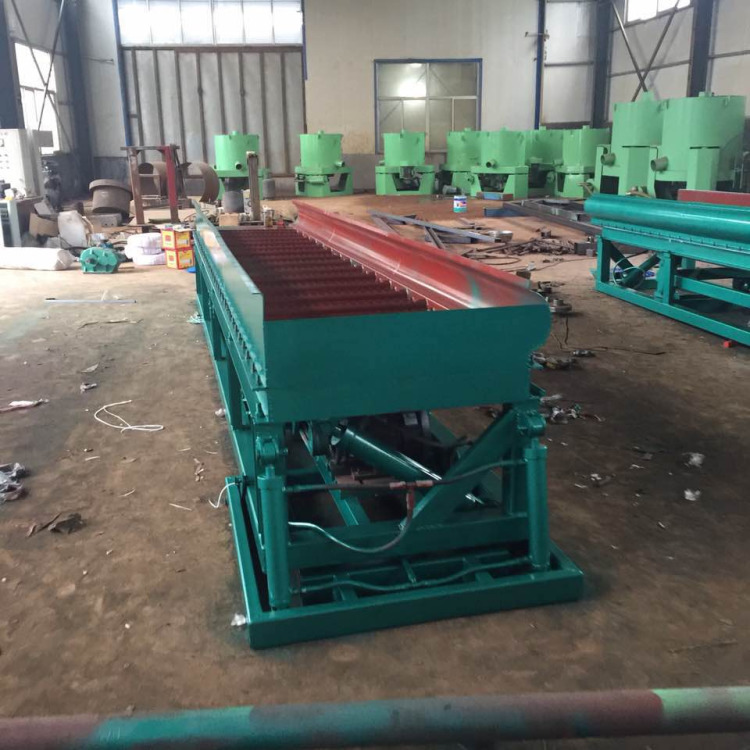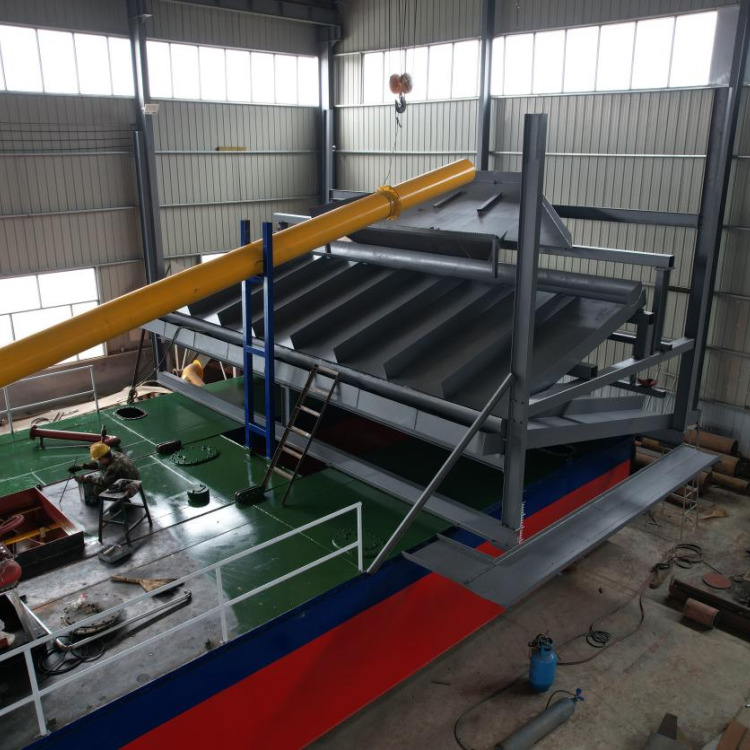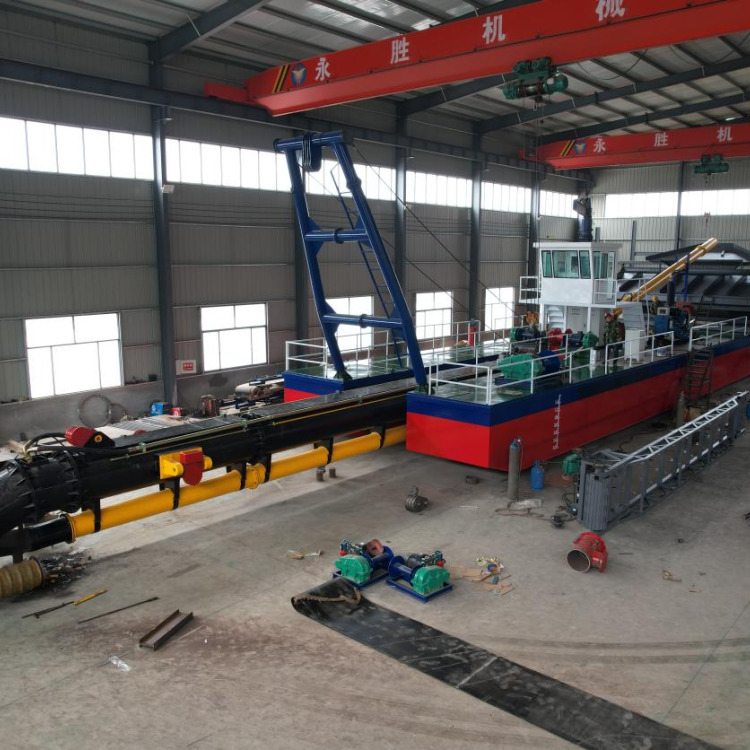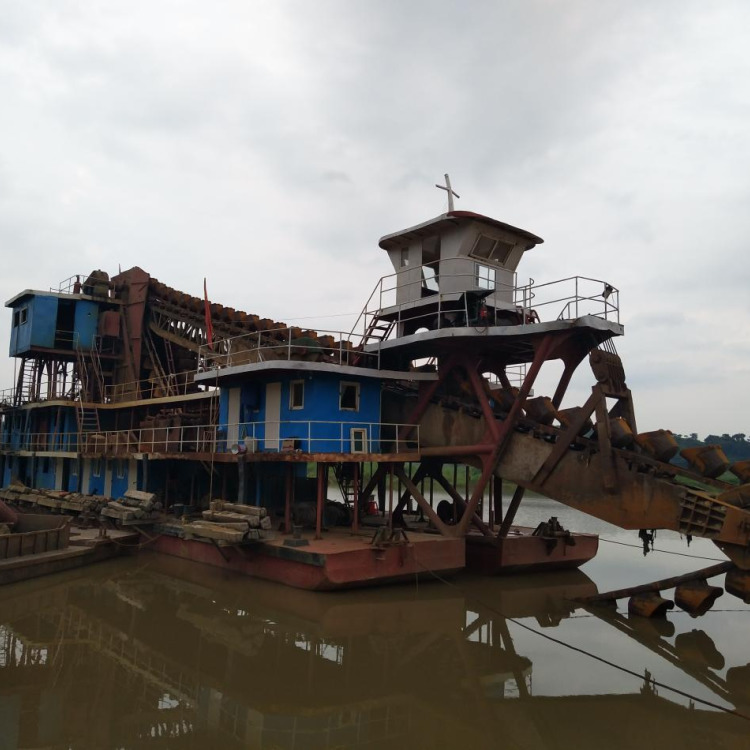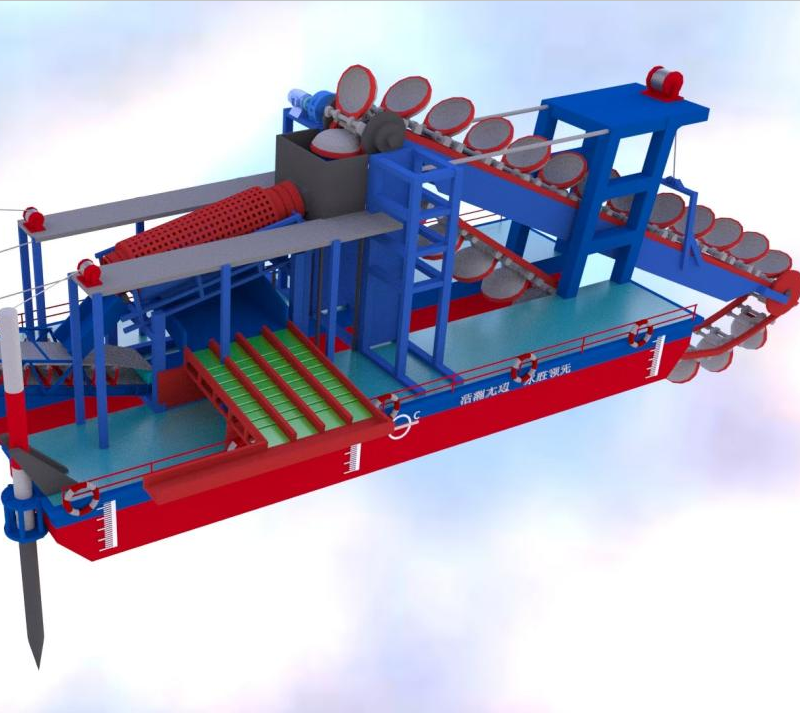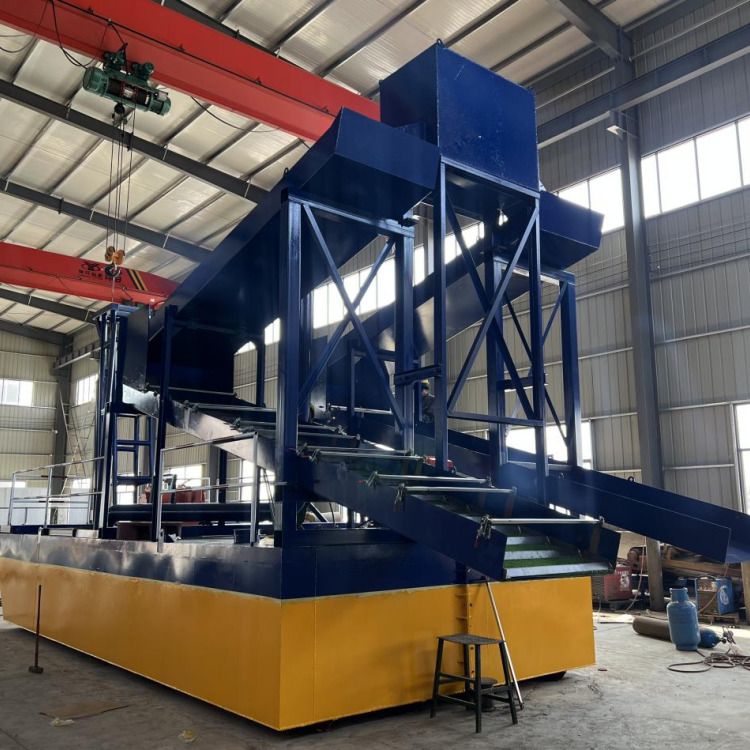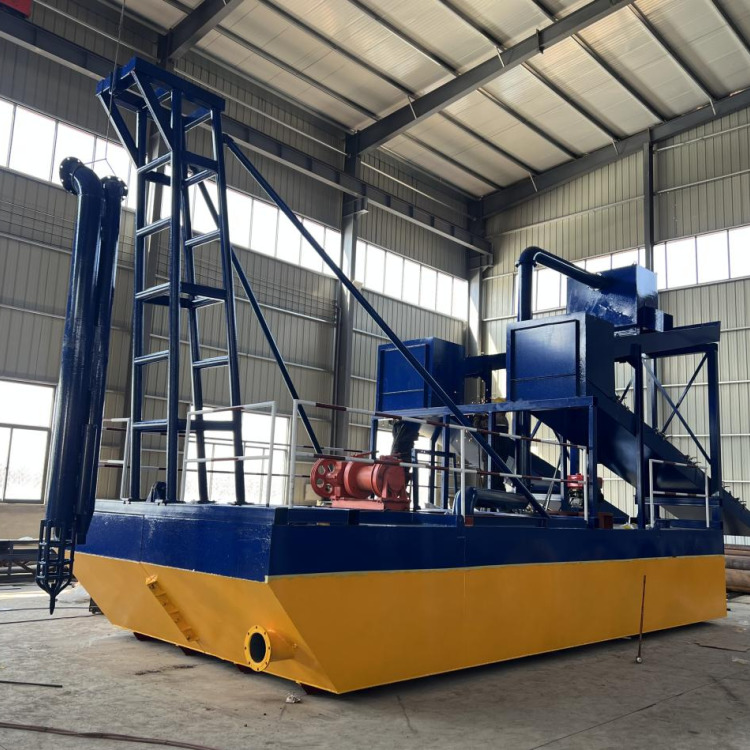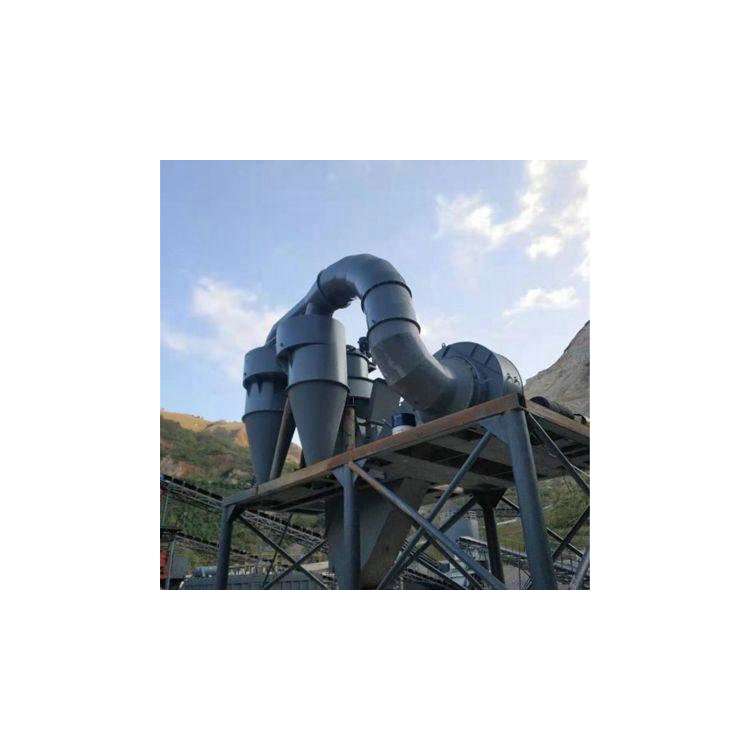

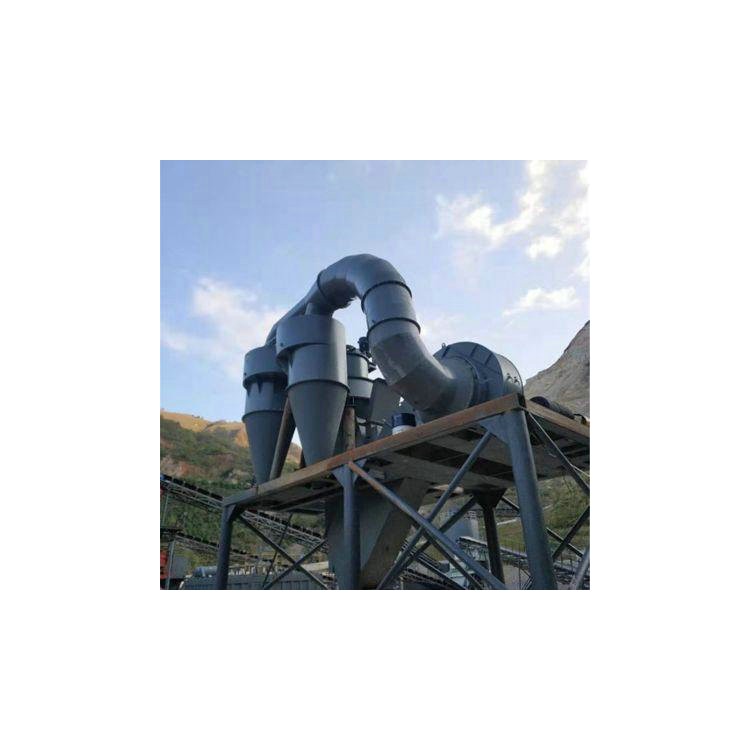
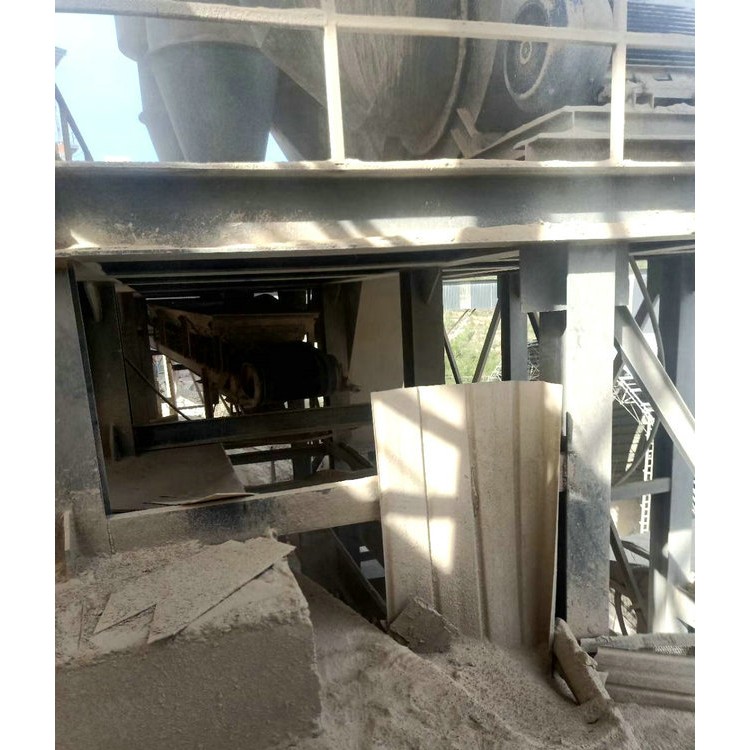
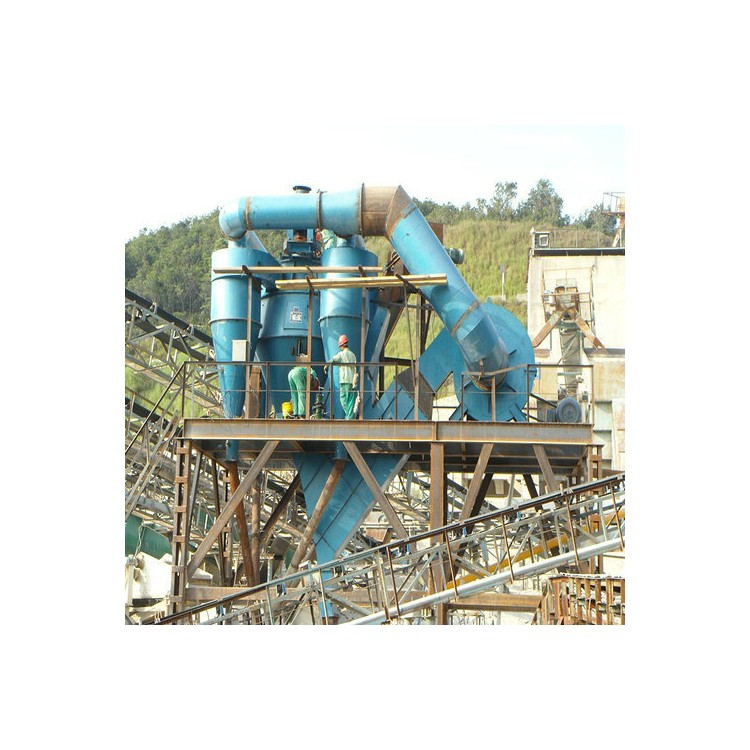


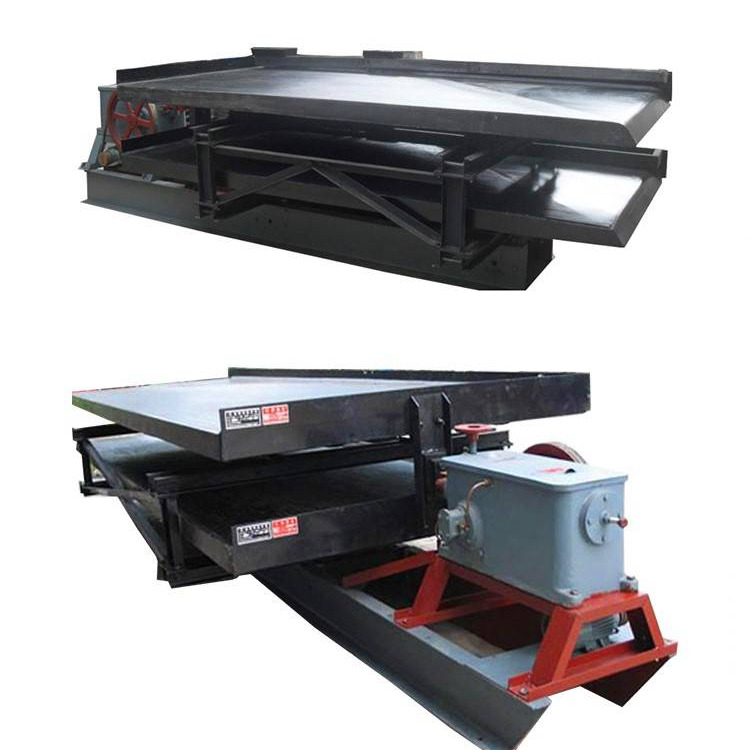
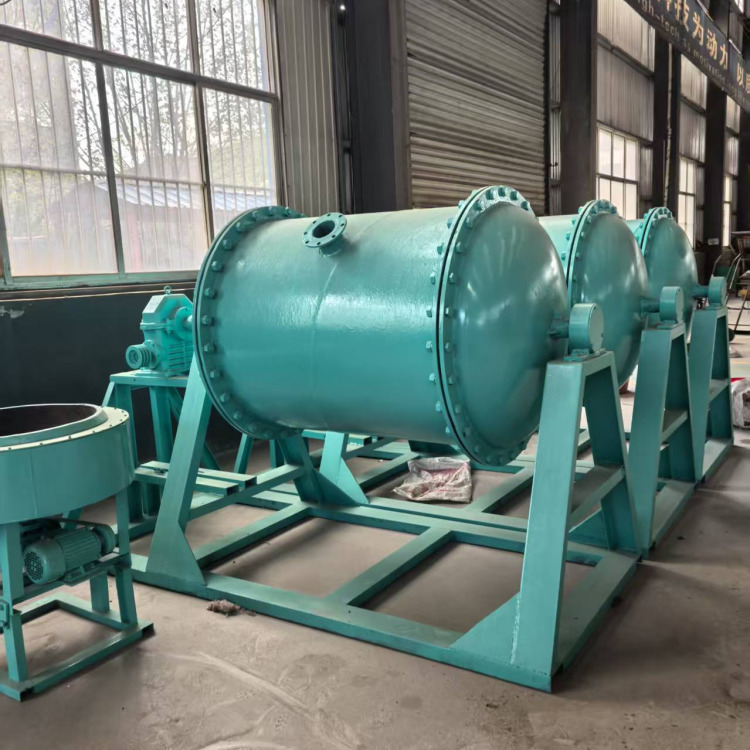
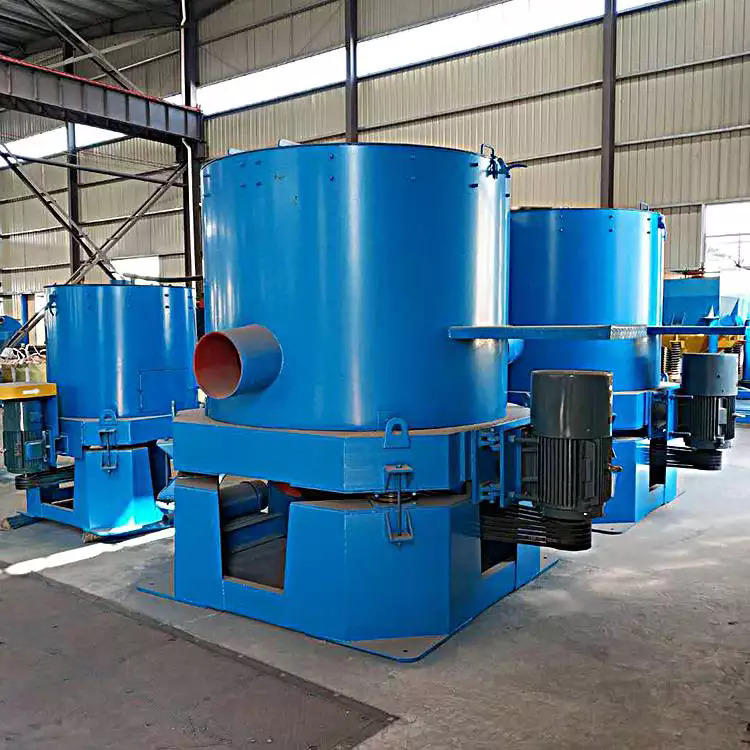
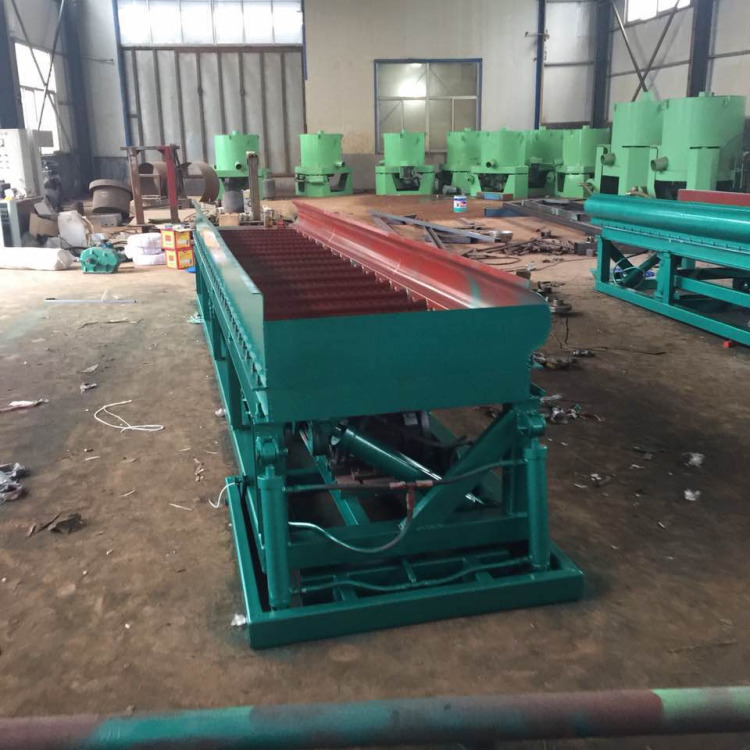
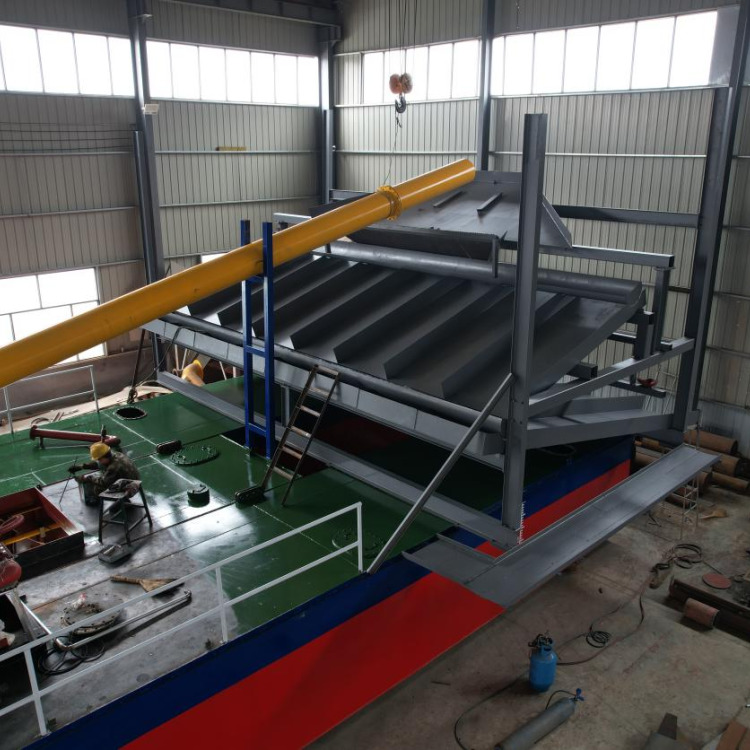





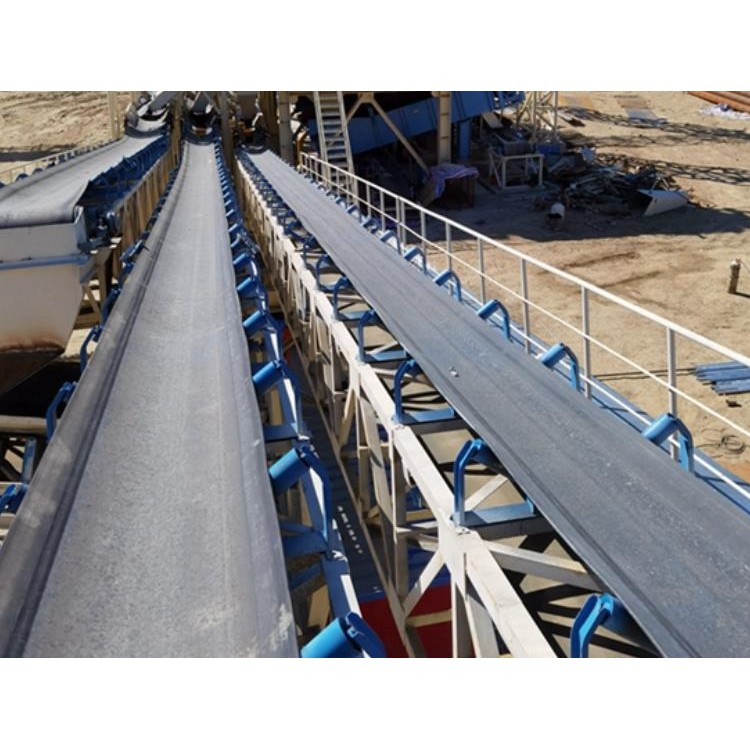
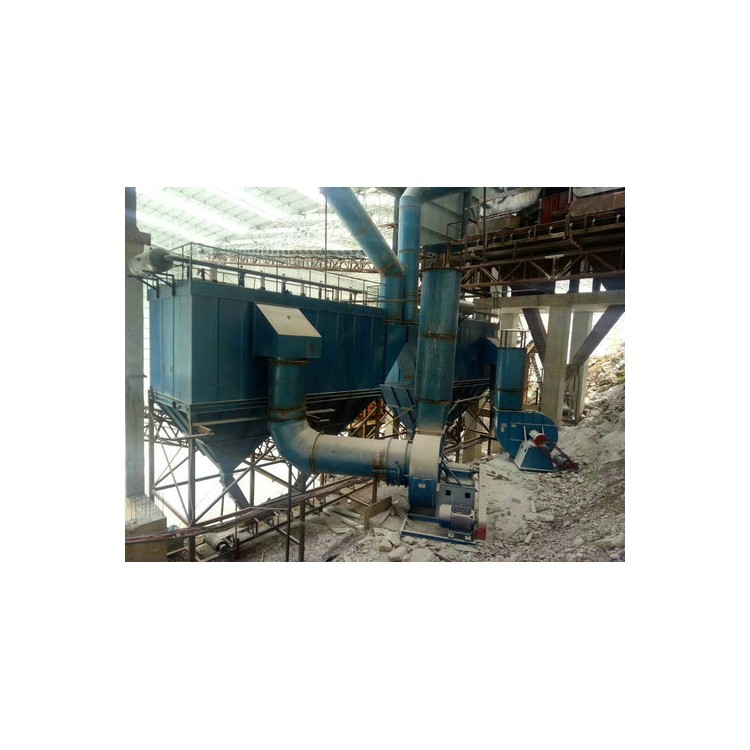
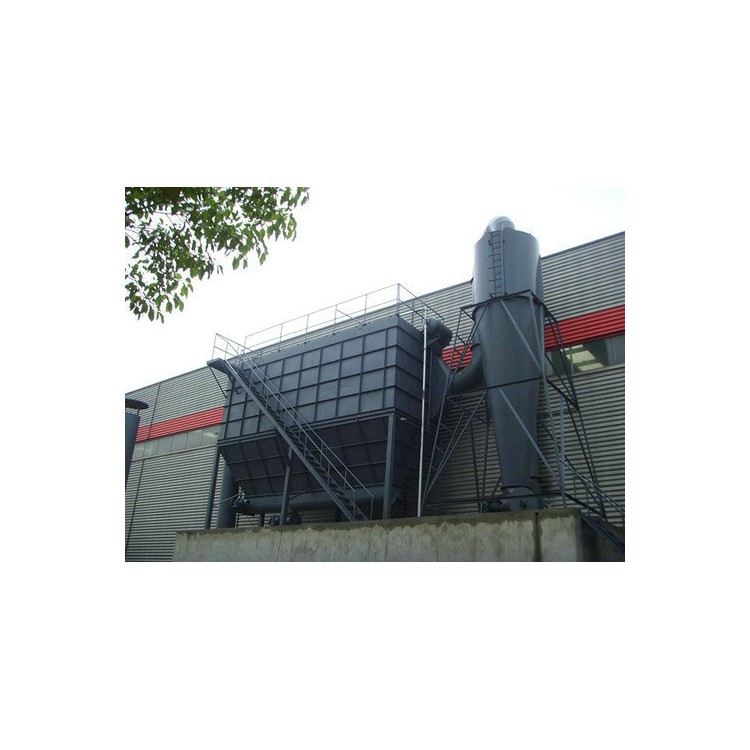
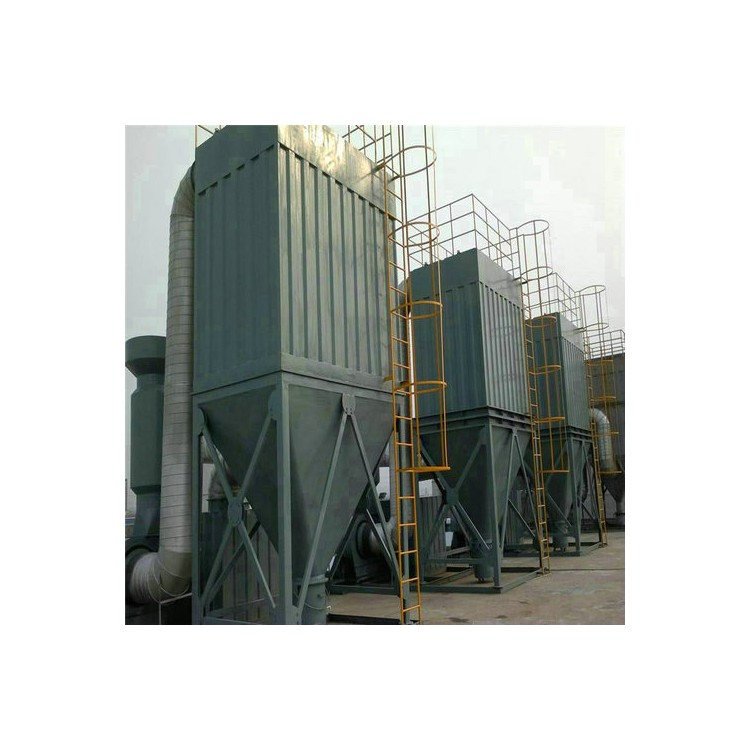
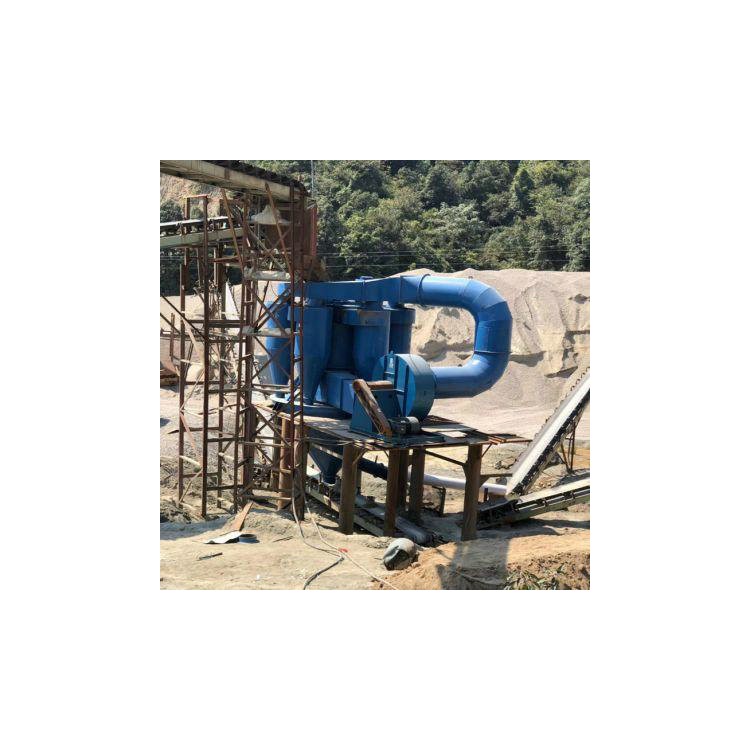
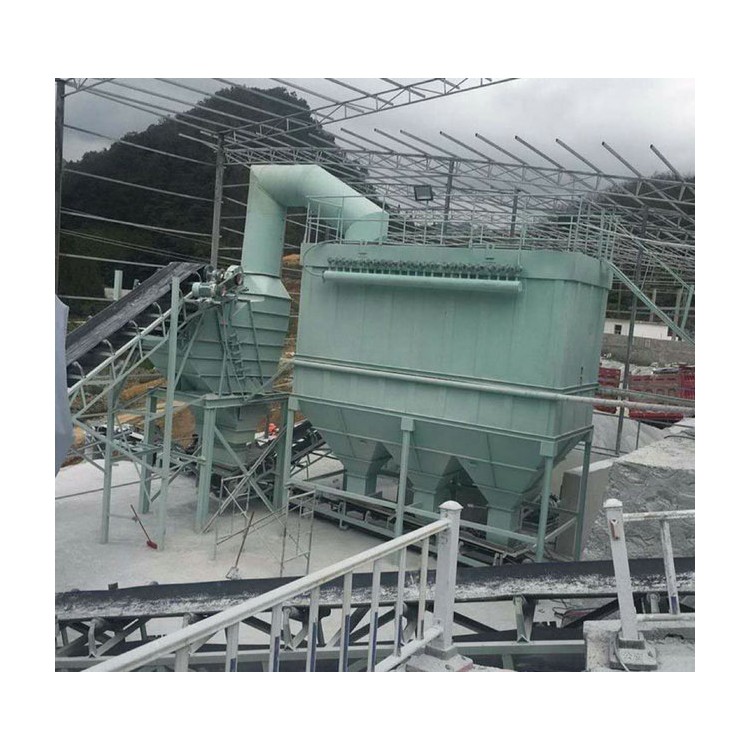
The Compound Sand and Gravel Separator (Artificial Sand and Gravel Aeration Dewatering Separator) is a new type of separator developed by our company by adding a V-type crushing and grading unit to the three-separation separator. It is widely used in sand and gravel plants, construction sites, hydropower stations, concrete dam construction, electric poles, large prefabricated pipelines, casting mesh sand, oil well backfill pressure sand, glass quartz sand, and other production enterprises.

Working Principle
Artificial sand with particle sizes of 0 to 4.75 mm is produced through crushers, sand-making machines, and vibration screens. It is fed into the machine via conveying equipment from the feed port and enters the dispersal area. Under the influence of several groups of guide plates and impact plates, different-sized sand particles fall at varying speeds, resulting in several instances of relative friction between particles. This process peels off the clay and stone powder on the sand particles' surface, allowing them to quickly脱离 the sand surface under the force of wind. This effectively cleans the sand thoroughly.
Material entering through the feed port is dispersed and stripped by multi-level dispersers, with the air blowing from the left side separating the medium and fine materials from the stream, while coarse sand is discharged through the bottom coarse sand outlet 6. Material suspended in the air flow enters the multi-layer grading plates in the grading area, where the grading plates further remove relatively coarse material. The coarse material slides down the grading plates, is blown up again by the wind, and undergoes repeated sorting. The coarse powder is merged with the sand stream exiting the grading plate and enters the medium material grading area. In this area, due to the reduction in air flow speed and direction, medium sand settles by gravity and impacts the wall of the separator, then discharged through the medium sand outlet. The air flow carrying material enters the fine material grading area, where, under the action of the curved guide plate, it rotates, creating both centrifugal and gravity settling effects. Fine sand falls into the lower fine sand collection cone and is discharged through the fine sand outlet. Powder material enters the de-powdering area with the air flow, where it is spun out by the cage-shaped rotor, with slightly coarser material (fine sand) impacting the curved guide plate and falling into the fine sand collection cone. The air flow containing powder enters the cyclone for gas-solid separation, with the separated fine powder discharged through the powder outlet, and cleaner air recirculates through the exhaust pipe to the fan.