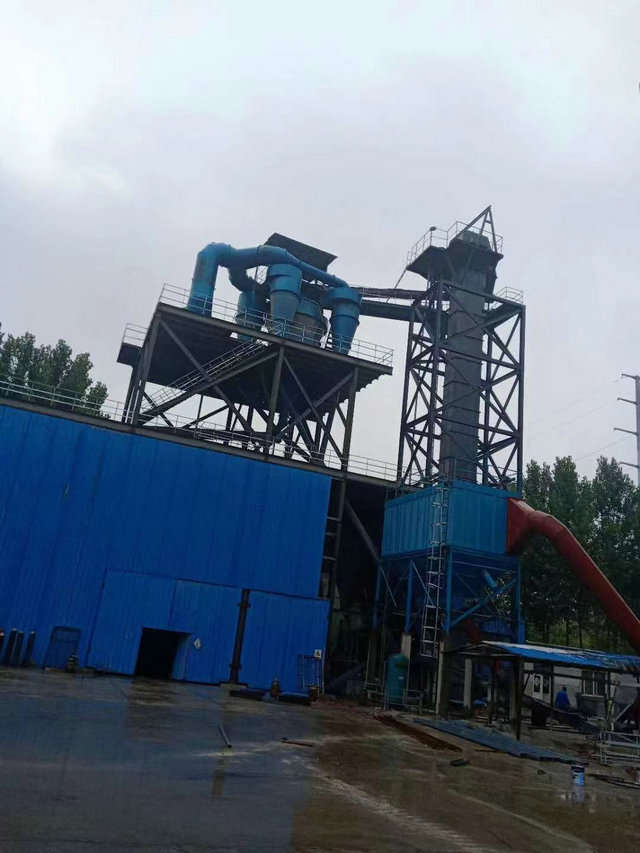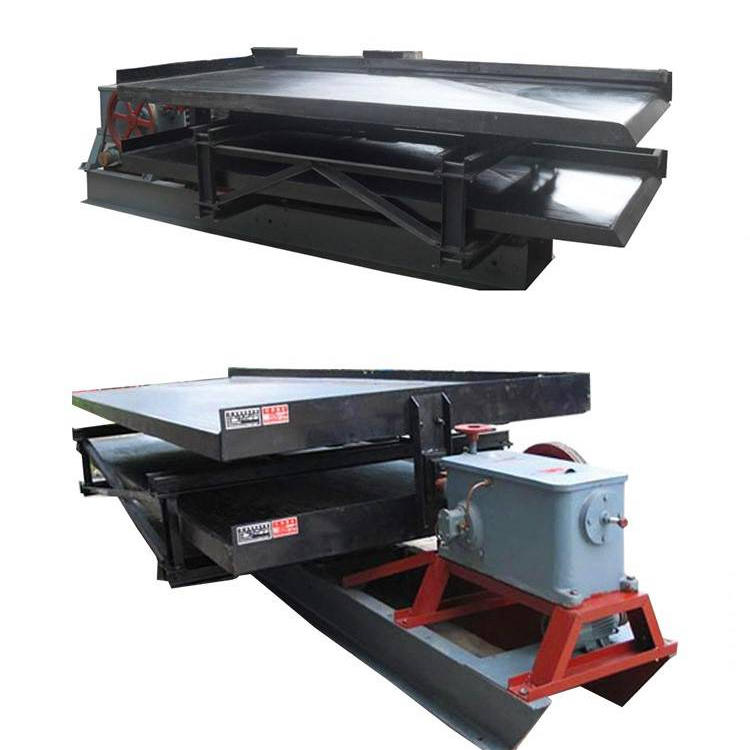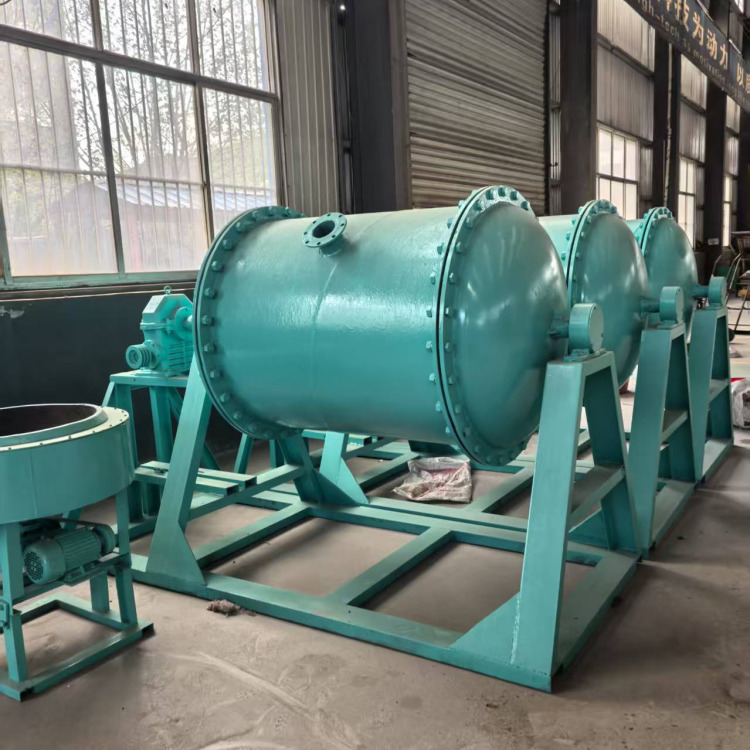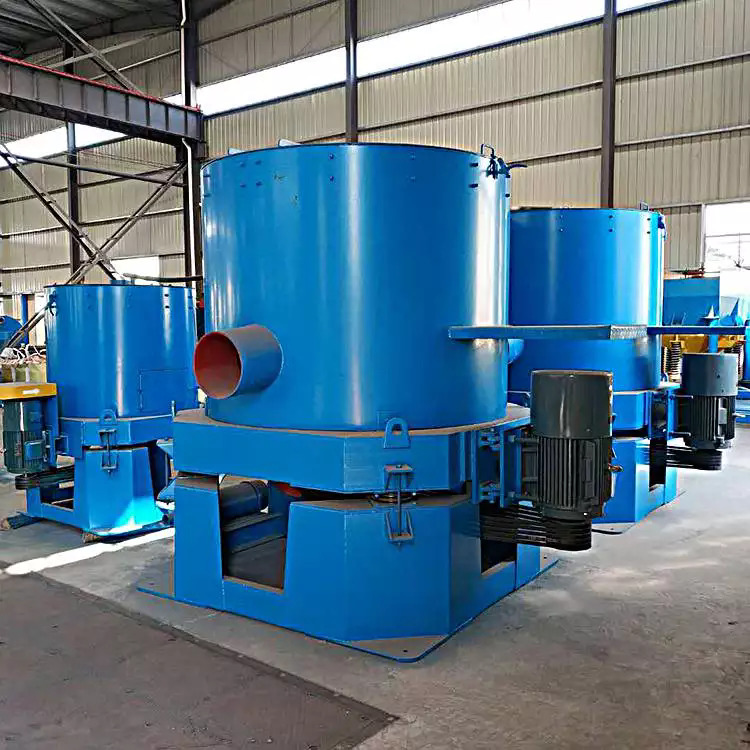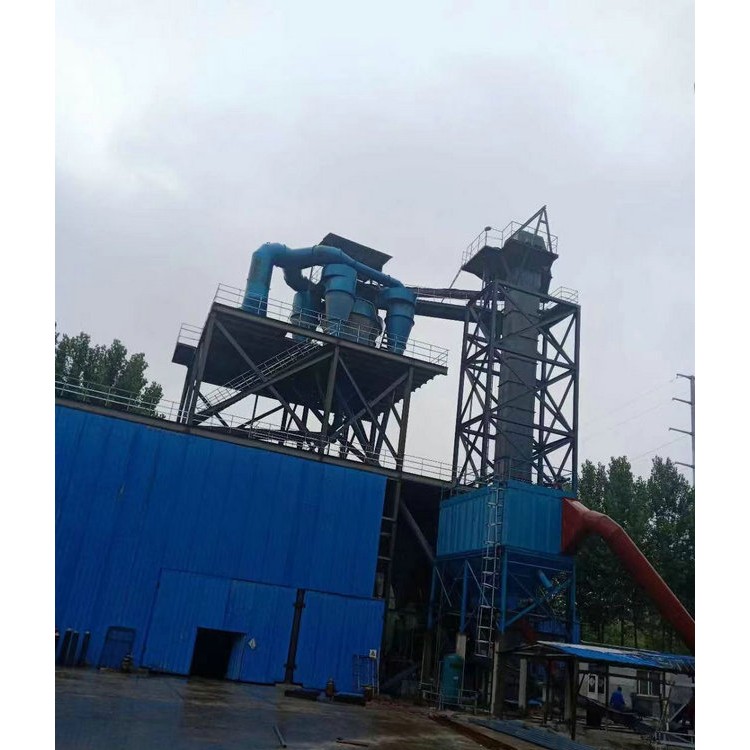


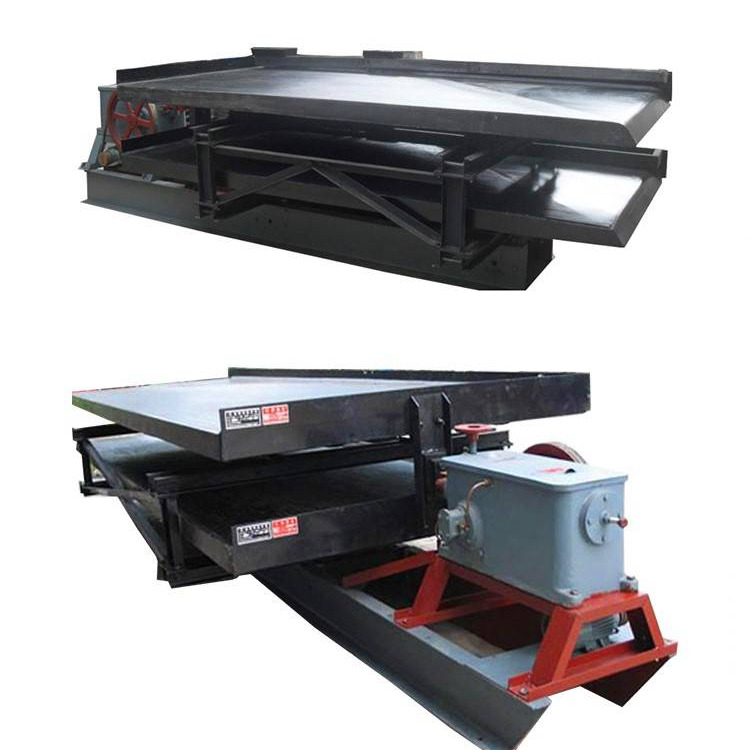
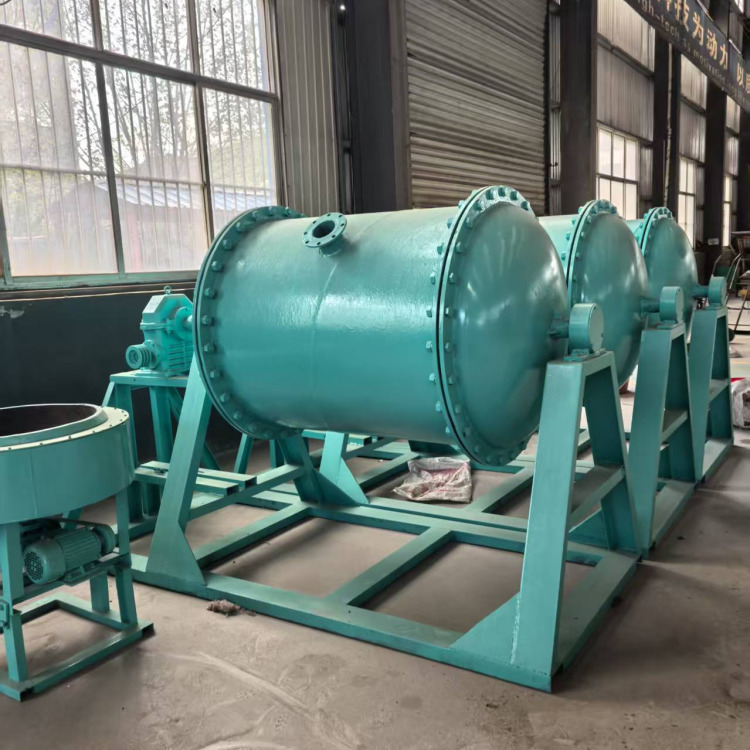
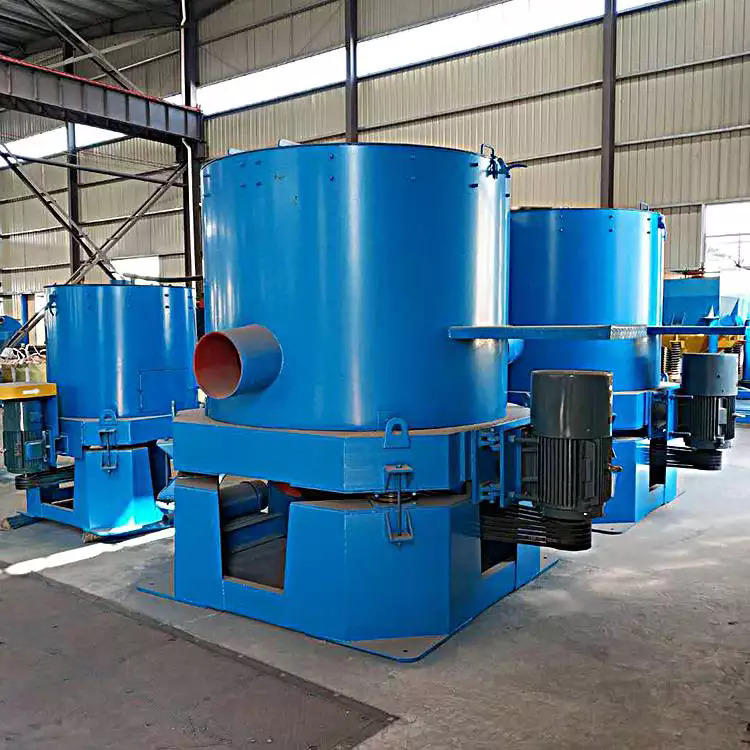
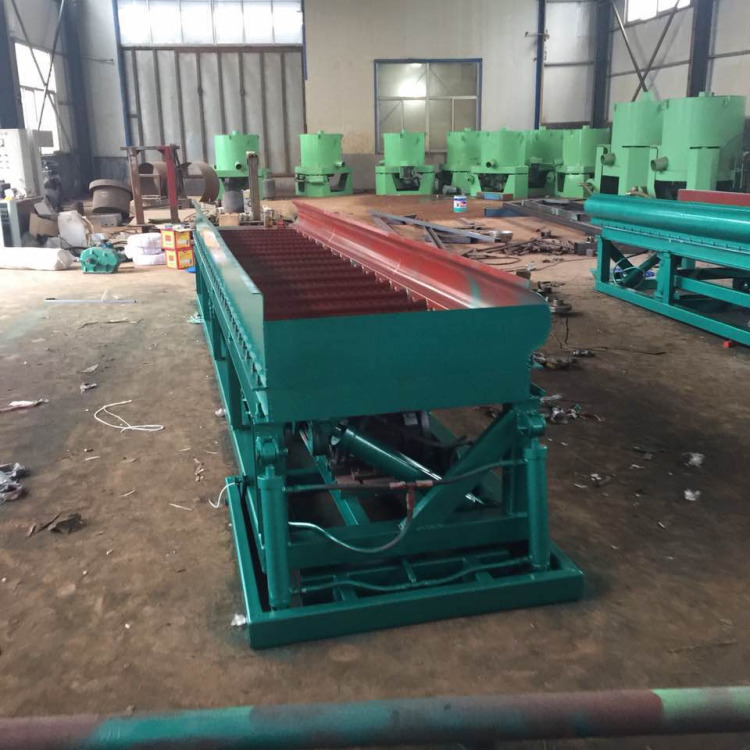
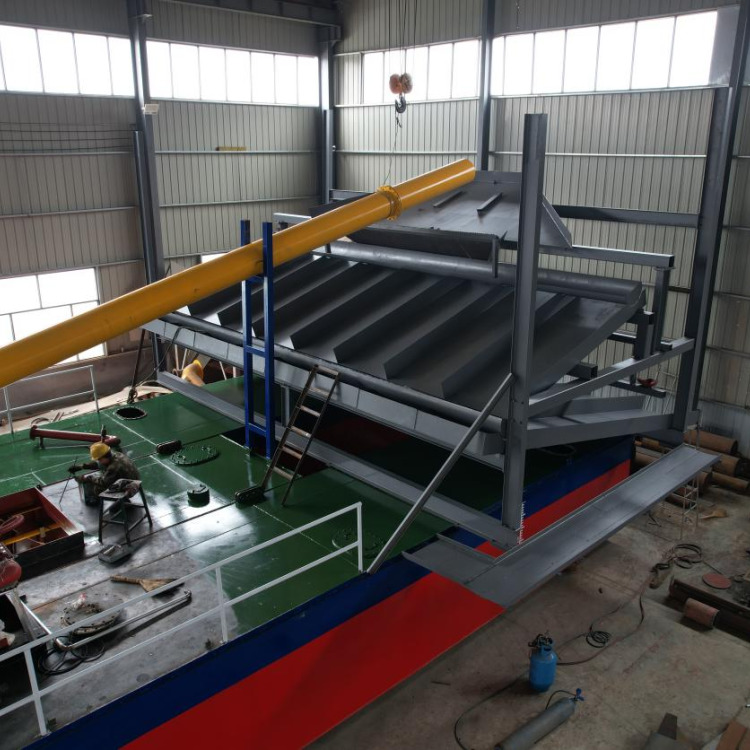





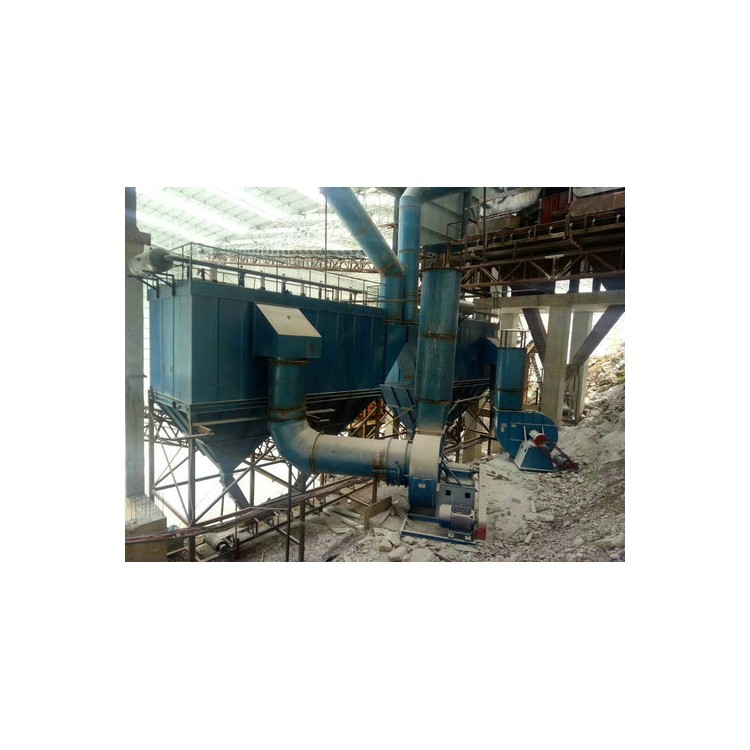
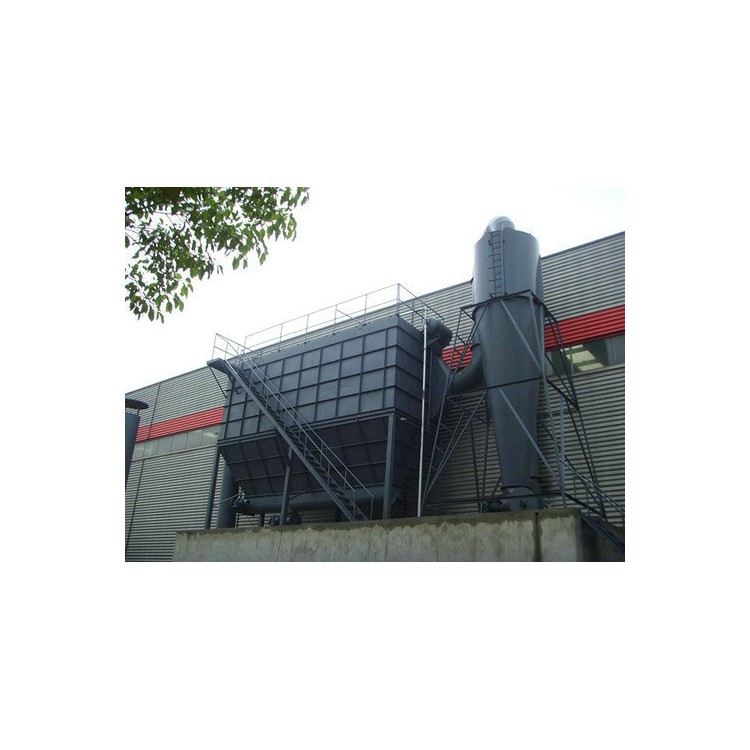
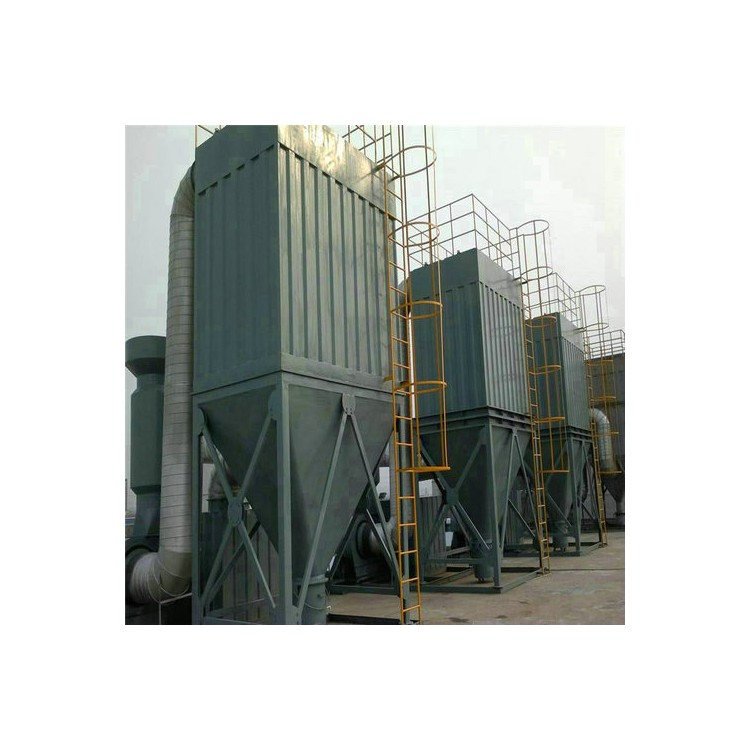
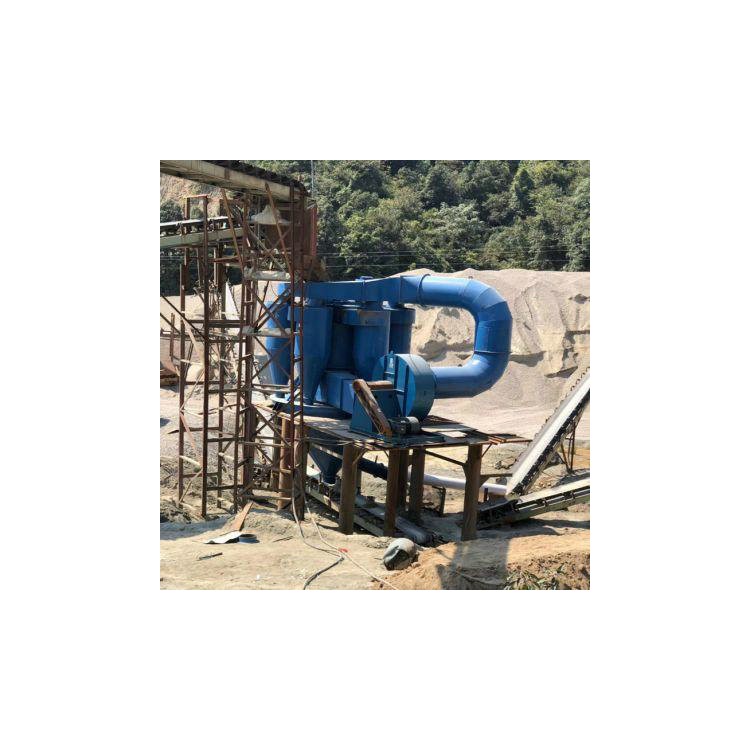
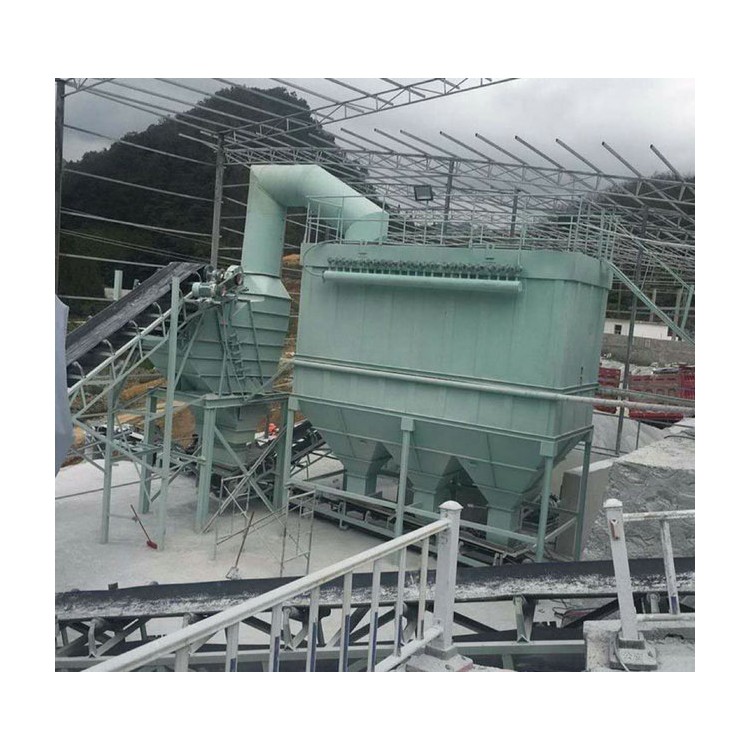
The Fly Ash Classifier is primarily used as a grading equipment in the coal powder preparation (pulverization) system of cement plants. This product integrates the O-Sepa classifier's flat vortex grading principle and the finished product collection method of cyclone dust removal. The Fly Ash Classifier system features simple configuration, flexible process layout, exceptionally high classification efficiency, significant energy-saving effects, and represents a new approach for cement enterprises to improve product quality and output under the new situation.

Operating Principle
The variable speed motor drives the main shaft with a transmission device. Materials enter the center of the classifier chamber through the feed opening located at the top of the selection room. They then fall through a dedicated chute to the bottom of the classifier chamber, where they land on a spreading disc rotating with the main shaft. Under the action of the rapidly rotating spreading disc, the materials are uniformly scattered outward. The high-speed rotating airflow generated by the external circulating fan强力 disperses the rapidly scattered materials. Coarse and heavy particles (d>150μm) are thrown towards the inner wall of the classifier chamber by the inertial centrifugal force, lose kinetic energy upon collision, and slide down the wall into the coarse powder cone. The remaining materials are blown upwards by the rotating airflow and continue to rise. As they pass through the large blade area, another portion of coarse particles is separated and falls into the coarse powder cone.
After being sorted by the dosing pan and large wind vanes twice, the material (d<150μm) continues to rise into the grading area: the flat vortex grading area. Under the strong and stable flat vortex formed by the rotating cage-shaped rotor, the coarse powder that does not meet the finished product requirements is further separated. Due to the greater inertial centrifugal force of the coarse particles than the centripetal suction force of the vortex, the coarse particles are thrown towards the surrounding vertical guide vanes, lose kinetic energy after collision, and fall into the medium coarse powder cone. It is then discharged through the medium coarse powder lock wind valve. The fine powder that meets the requirements (d<60μm) passes through the cage and enters its interior, circulating with the air and entering the separators located around the grading room, where it is collected to form finished fine powder.
Technical Features
1. Advanced grading principle
2. High performance and efficiency
3. High energy-saving range
4. Fine adjustment is easy
5. Large sifting capacity
6. Versatile
7. Long service life